15 Athletes Who Lost Their Medals
An Olympic medal is meant to symbolize the pinnacle of an athlete’s achievement. Years of hard work, dedication, and obsessive focus build up to a moment on the podium.
However, in some instances, that moment does not last. Doping offenses, qualification problems, judging scandals, and rule violations have resulted in athletes losing their medals long after the celebration was over.
What happens when the medals are taken away? Well, it changes everything.
It changes the legacy, the history of the podium, and the narrative that surrounds the event. Let’s take a closer look at 15 athletes who lost their medals and the circumstances that surrounded them.
Ben Johnson

At the 1988 Seoul Olympics, Ben Johnson won the 100 meters in world-record time, defeating American rival Carl Lewis in one of the most anticipated races in track history. His explosive performance seemed to redefine sprinting.
Just days later, Johnson tested positive for stanozolol, an anabolic steroid. He was stripped of his gold medal and banned from competition.
The scandal became one of the most infamous doping cases in Olympic history and permanently altered public trust in elite sprinting.
Lance Armstrong

Lance Armstrong’s seven Tour de France titles once symbolized resilience after cancer. For years, he denied allegations of performance-enhancing drug use.
In 2012, the U.S. Anti-Doping Agency concluded that Armstrong had used banned substances throughout his career. He was stripped of his Tour titles and Olympic bronze medal from the 2000 Sydney Games.
The case exposed systemic doping practices within professional cycling.
Marion Jones

Marion Jones left the 2000 Sydney Olympics with five medals, including three golds. She was celebrated as one of the fastest women in the world.
Years later, Jones admitted to using performance-enhancing drugs prior to the Games. She was stripped of her medals and later served prison time for lying to federal investigators.
Her fall marked a turning point in anti-doping enforcement.
Tyson Gay

Tyson Gay was part of the U.S. relay team that won silver in the 4×100 meters at the 2012 London Olympics. In 2013, he tested positive for a banned substance.
As a result, the relay team was disqualified, and their silver medals were revoked. The case highlighted how one athlete’s violation can affect an entire team’s achievements.
Ross Rebagliati

Ross Rebagliati won gold in giant slalom snowboarding at the 1998 Nagano Olympics. Shortly afterward, he tested positive for marijuana.
Initially stripped of his medal, Rebagliati appealed the decision, arguing that marijuana was not clearly listed as a banned substance at the time. His appeal succeeded, and his gold medal was reinstated.
The episode exposed inconsistencies in early anti-doping policies.
Andreea Răducan

At the 2000 Sydney Olympics, Andreea Răducan helped Romania win team gold and also claimed the individual all-around title. Days later, she tested positive for a banned stimulant.
The substance came from cold medicine provided by the team doctor. Despite acknowledging that she had not intentionally doped, officials stripped her of the individual gold medal.
The case remains one of the most debated in gymnastics history.
Jim Thorpe
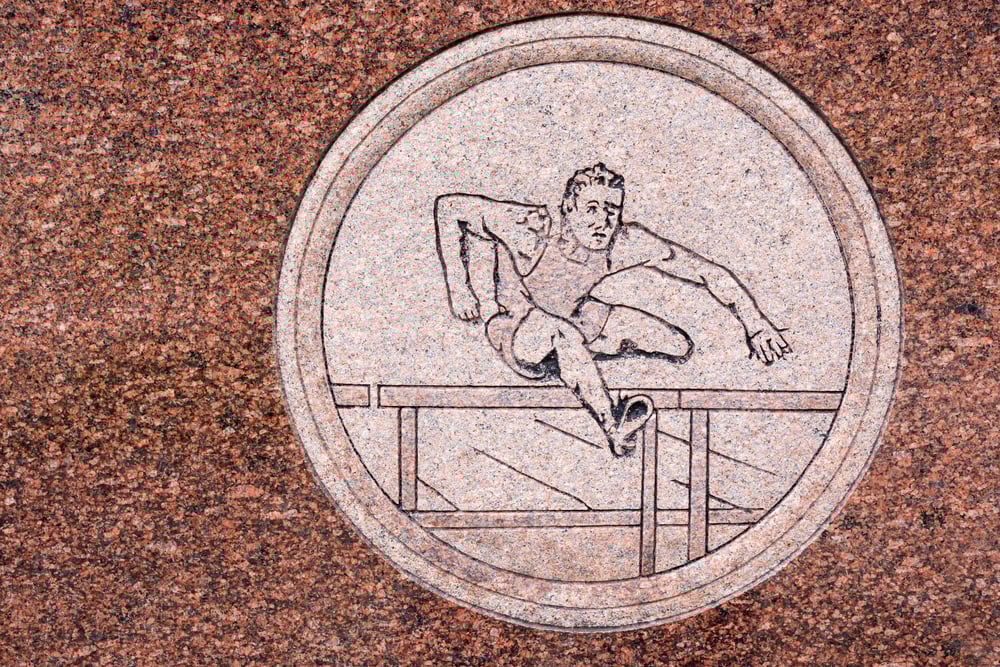
Jim Thorpe won gold medals in the pentathlon and decathlon at the 1912 Stockholm Olympics. Soon after, it was discovered that he had briefly played minor league baseball, violating strict amateurism rules of the era.
Thorpe was stripped of his medals, which were later reinstated decades after his death. In 2022, he was officially recognized as the sole gold medalist in both events, restoring his place in Olympic history.
Sun Yang
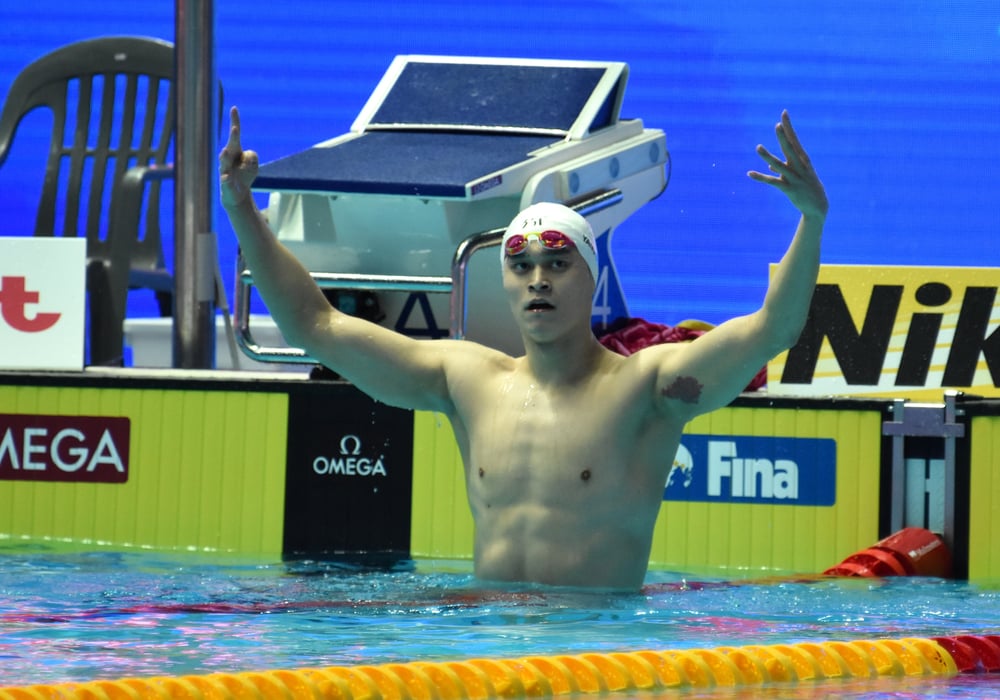
Sun Yang, a multiple Olympic champion swimmer, faced scrutiny after refusing to provide a blood sample during a 2018 anti-doping test.
In 2020, he was handed an eight-year ban, later reduced on appeal. Though not all of his medals were revoked, his case sparked global debate over testing protocols and athlete compliance.
Dwain Chambers

Dwain Chambers won European and Commonwealth medals during his sprinting career. In 2003, he admitted to using banned substances provided by the BALCO laboratory.
He was stripped of medals and served a suspension. Chambers later returned to competition, but his career remained defined by the doping scandal.
Yulia Efimova
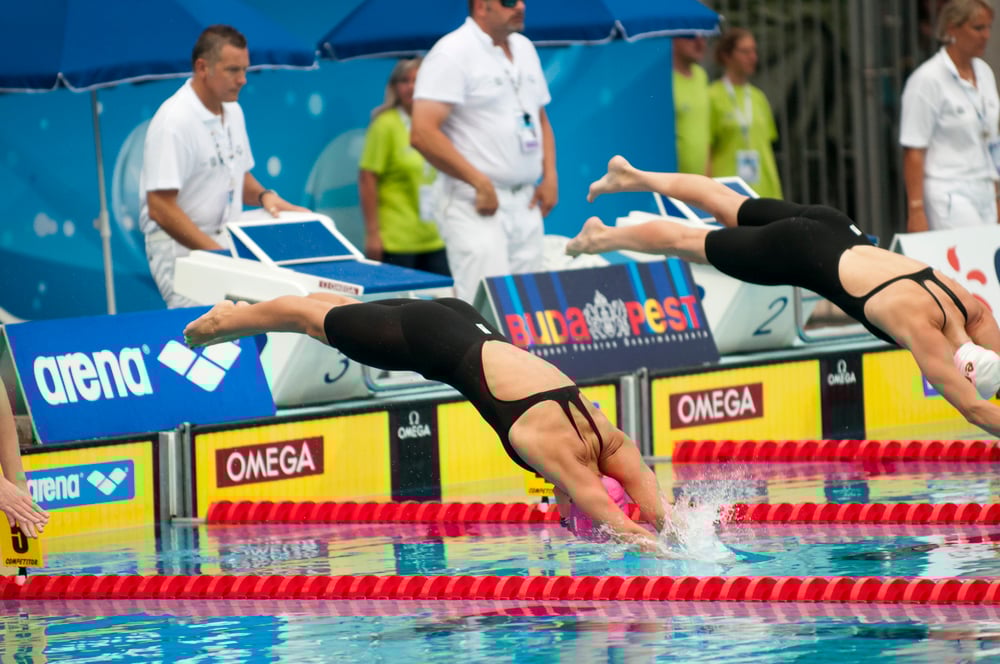
Yulia Efimova faced multiple doping allegations during her career. Although she competed at the 2016 Rio Olympics and won medals, she had previously served suspensions for banned substances.
Some of her earlier results were annulled. Her case became emblematic of broader scrutiny surrounding Russian athletics during that period.
Angel Heredia
Angel Heredia competed in weightlifting before later becoming known for involvement in doping scandals. His medals and results were affected by anti-doping investigations.
Heredia’s later admission of distributing performance-enhancing drugs to other athletes expanded the scope of scrutiny beyond individual violations to systemic issues.
Ilya Ilyin

Ilya Ilyin won gold medals in weightlifting at both the 2008 Beijing and 2012 London Olympics. Years later, retesting of stored samples revealed banned substances.
His medals were stripped in 2016 as part of a broader reanalysis program. Advances in testing technology led to numerous retroactive disqualifications from past Games.
Tyler Hamilton

Tyler Hamilton won Olympic gold in cycling at the 2004 Athens Games. He later tested positive for blood doping.
Hamilton’s admission and subsequent sanctions led to stripped titles and medals. His case reinforced how cycling’s doping crisis extended beyond a single high-profile figure.
Anastasiya Kapachinskaya

Anastasiya Kapachinskaya earned medals at major international competitions, including the Olympics. Retesting of samples from earlier Games revealed doping violations.
As a result, her relay team medals were revoked. Her case was part of a wave of sanctions connected to systemic doping investigations.
Lasha Shavdatuashvili

While Lasha Shavdatuashvili has not been stripped of Olympic medals himself, several athletes in judo have faced retroactive disqualifications due to anti-doping reanalysis.
His inclusion reflects how athletes in weight-class sports operate under constant scrutiny, where retesting years later can alter final standings. In recent Olympic cycles, numerous medal reallocations occurred after laboratory technology improved.
When Victory Is Rewritten

The loss of medals is one of the most publicized consequences of modern sports. It turns victory into scandal and forces sports organizations to weigh the need for fairness against the need for finality.
In some instances, athletes deliberately violated rules. In others, the situation was more complex, driven by outdated rules or team choices that were outside the control of any one athlete.
But advances in anti-doping research mean that samples can now be retested years after the fact, resulting in the retroactive stripping of medals long after the medal stands have been erected. And as the science becomes more refined, so too does the record book.
These are just a few reminders that medals are more than just a measure of speed or power. They are a measure of integrity in competition.
And when that integrity is called into question, the fallout extends from teams to countries to generations of athletes. Ultimately, sports are more than just a measure of winning.
They are a measure of what winning stands for.
More from Go2Tutors!

- The Romanov Crown Jewels and Their Tragic Fate
- 13 Historical Mysteries That Science Still Can’t Solve
- Famous Hoaxes That Fooled the World for Years
- 15 Child Stars with Tragic Adult Lives
- 16 Famous Jewelry Pieces in History
Like Go2Tutors’s content? Follow us on MSN.



