16 Famous Products That Were Invented for War, Then Sold to Consumers
War has always been a powerful catalyst for innovation. Throughout history, the urgent demands of conflict have pushed engineers and scientists to develop groundbreaking technologies under pressure.
Many everyday items we now take for granted were originally created to serve military purposes during wartime. Here is a list of 16 famous products that began their journey on the battlefield before making their way into our civilian lives.
Jeep Vehicles
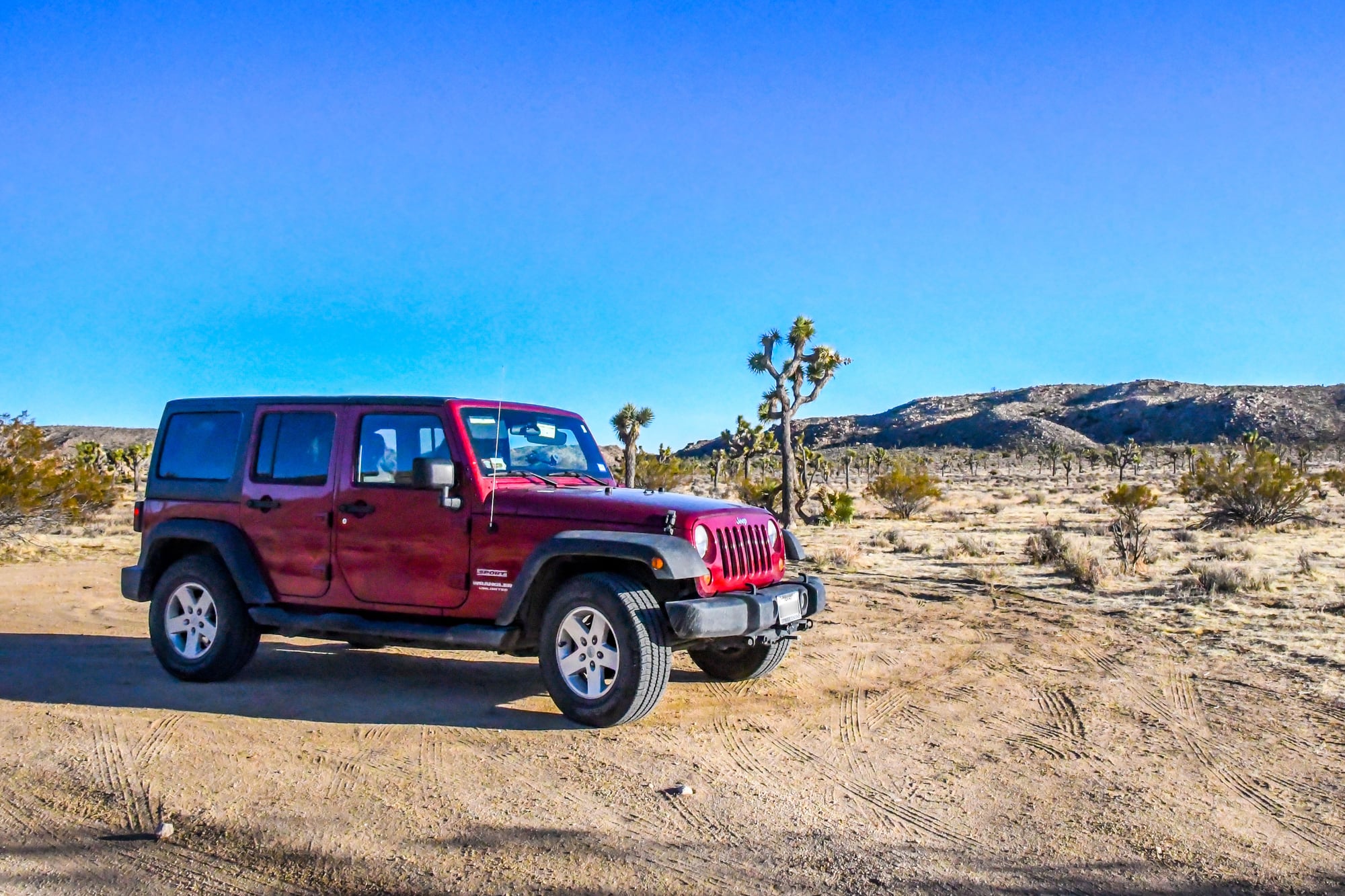
The original Jeep was developed in just 49 days during World War II as a lightweight reconnaissance vehicle. The U.S. military needed a rugged 4×4 capable of traversing difficult terrain while carrying troops and equipment.
After the war ended, Willys-Overland transformed the military workhorse into a civilian vehicle marketed to farmers and outdoor enthusiasts. Today Jeep stands as one of the most recognizable automotive brands in the world.
Microwave Ovens
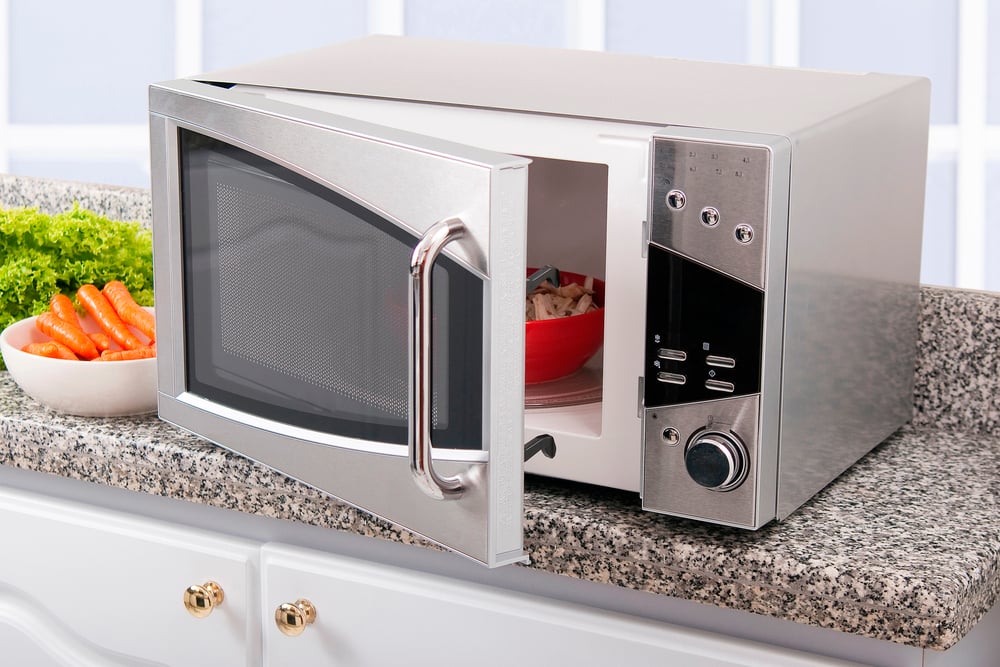
While working with radar equipment during World War II, engineer Percy Spencer noticed a chocolate bar melting in his pocket near the magnetron. This accidental discovery led to the development of microwave cooking technology.
Early microwave ovens were massive, standing nearly 6 feet tall and weighing over 750 pounds. The technology was gradually refined and miniaturized until Raytheon released the first countertop model in 1967, forever changing home cooking.
Like Go2Tutors’s content? Follow us on MSN.
Duct Tape
Originally called ‘duck tape’ due to its water-resistant properties, this versatile adhesive was created during World War II. Johnson & Johnson developed it as a waterproof tape for sealing ammunition cases against moisture.
Soldiers quickly discovered its versatility for repairing equipment in the field. After the war, the product was adapted in gray for use in heating and air conditioning ducts, giving it the name we use today.
GPS Navigation

The U.S. Department of Defense developed the Global Positioning System in the 1970s to provide precise navigation capabilities for military operations. The system of 24 satellites was strictly for military use until Korean Air Lines Flight 007 was shot down after straying into Soviet airspace in 1983.
President Reagan then ordered the technology to be made available for civilian use once completed, leading to the navigation apps and devices we rely on today.
The Internet

ARPANET, the precursor to the modern internet, was developed by the U.S. Department of Defense in the late 1960s. The military needed a communication network that could survive partial destruction in case of a nuclear attack.
This decentralized approach to information sharing evolved into the global network we now use daily. The military origins of the internet are rarely considered as we stream videos or check social media.
Like Go2Tutors’s content? Follow us on MSN.
Synthetic Rubber
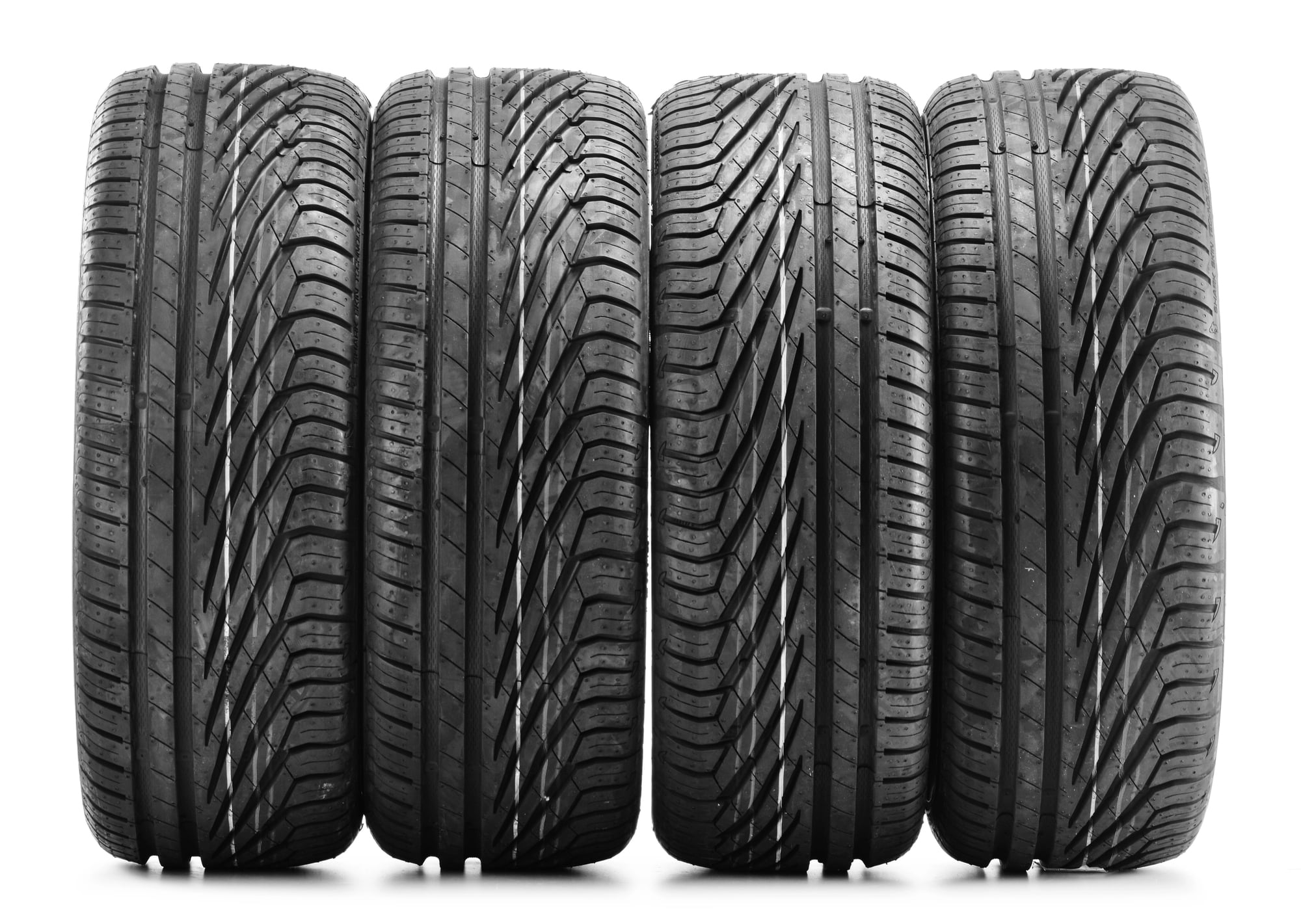
The U.S. suffered a severe lack of this vital resource when Japan seized natural rubber sources in Southeast Asia during World War II. To create synthetic substitutes for military equipment, gas masks, and tires, the government started a huge research initiative.
From medical equipment to footwear, modern synthetic rubber items resulted from these wartime advances.
Canned Food
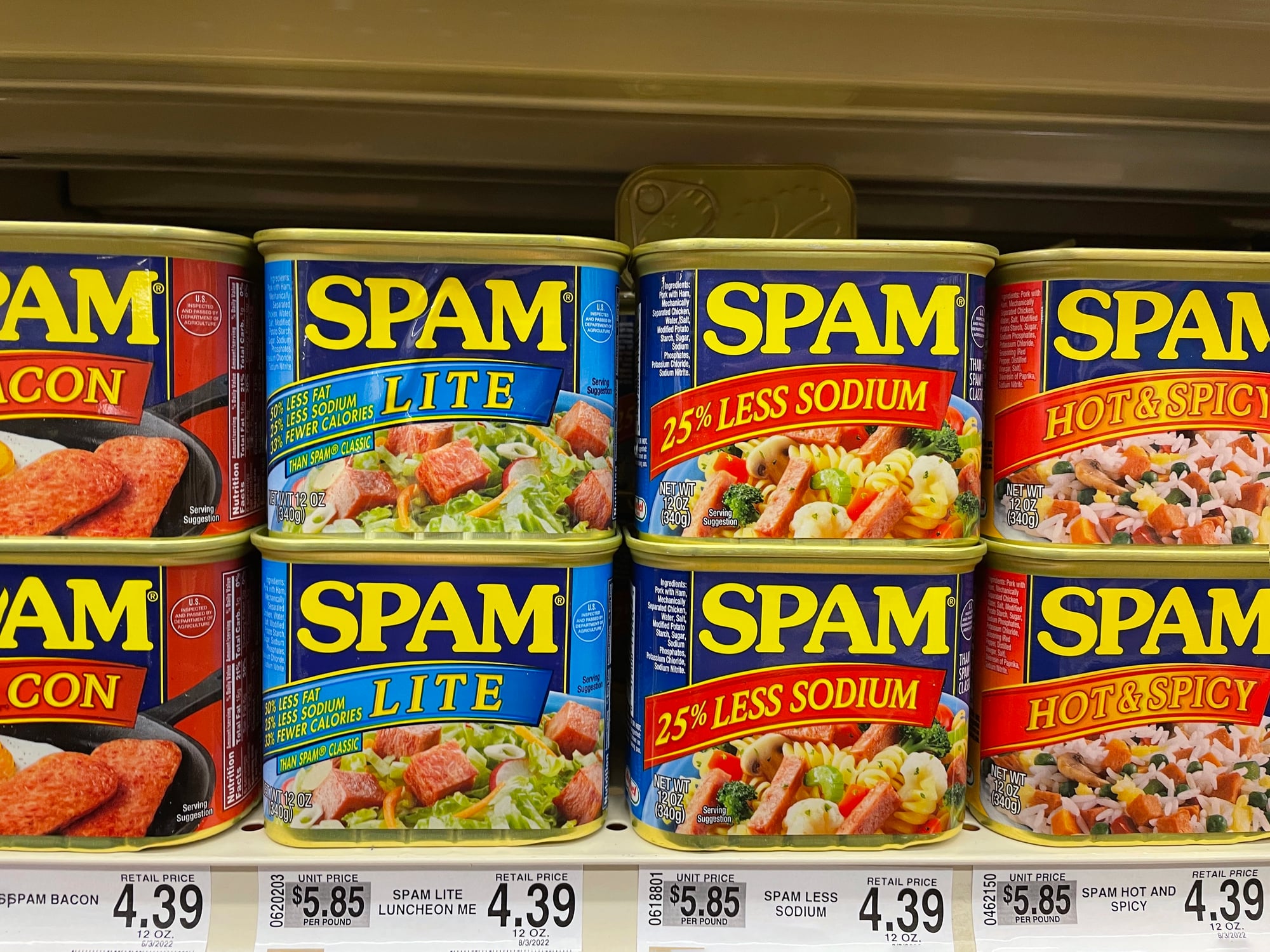
Napoleon Bonaparte offered a substantial cash prize to anyone who could develop a reliable method of food preservation for his armies. Nicholas Appert claimed the reward in 1810 with his technique of sealing food in glass jars and heating them.
The British soon adapted the method using tin cans instead of fragile glass. These early military rations eventually evolved into the convenient canned goods lining supermarket shelves today.
Freeze-Dried Coffee

Freeze-drying technology was developed during World War II to preserve blood plasma and penicillin for treating wounded soldiers without refrigeration. After the war, the technique was applied to food preservation, with coffee being one of the first commercial applications.
The first freeze-dried coffee hit the consumer market in the 1950s, providing a longer-lasting alternative to traditional instant coffee.
Like Go2Tutors’s content? Follow us on MSN.
Super Glue
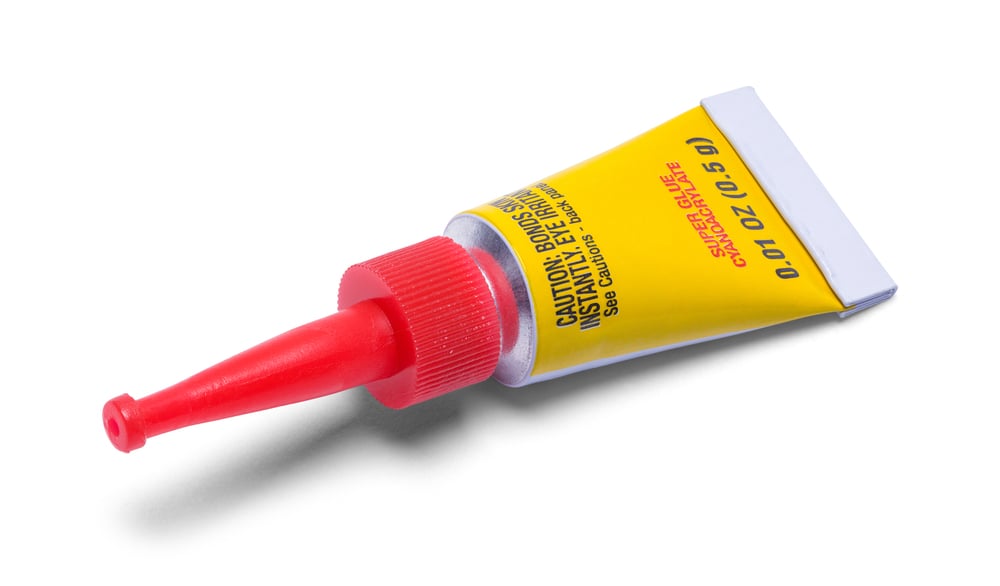
During World War II, scientists attempting to create clear plastic gun sights accidentally discovered cyanoacrylate, the chemical now known as super glue. They initially rejected it because it stuck to everything it touched.
The adhesive was rediscovered in 1951 and commercialized throughout the 1950s and 60s. Today this military mishap helps fix everything from broken ceramics to closing wounds in emergency situations.
Digital Photography
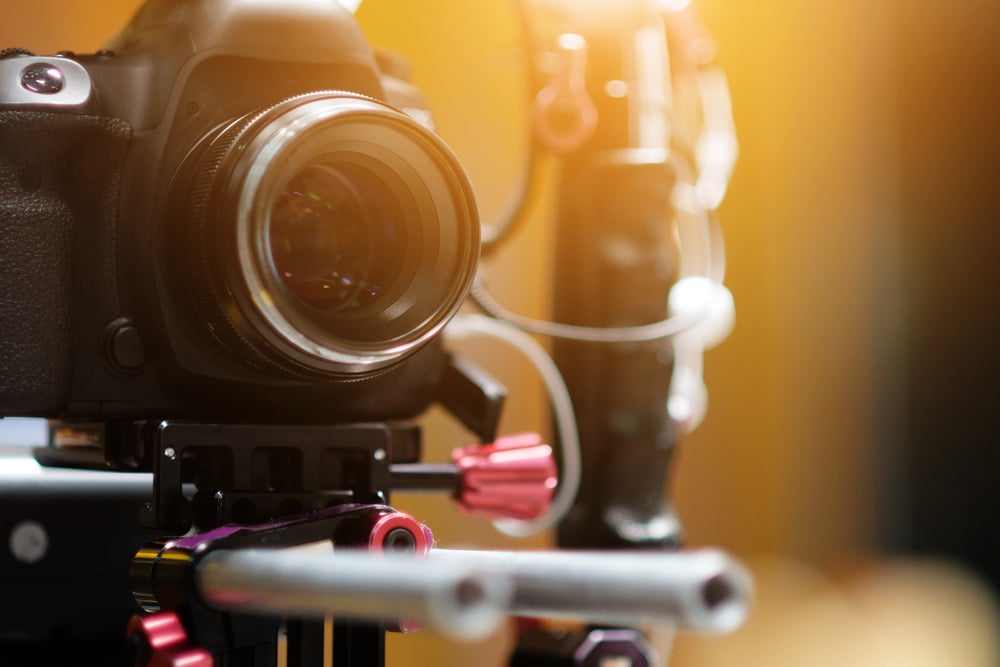
The U.S. government began developing digital imaging technology for spy satellites during the Cold War. These early systems needed to capture images and transmit them electronically without physical film that required retrieval.
Kodak engineer Steven Sasson built the first digital camera in 1975 using technologies developed for military reconnaissance. Consumer digital cameras became widespread in the 1990s, eventually leading to the camera phones we use daily.
EpiPens
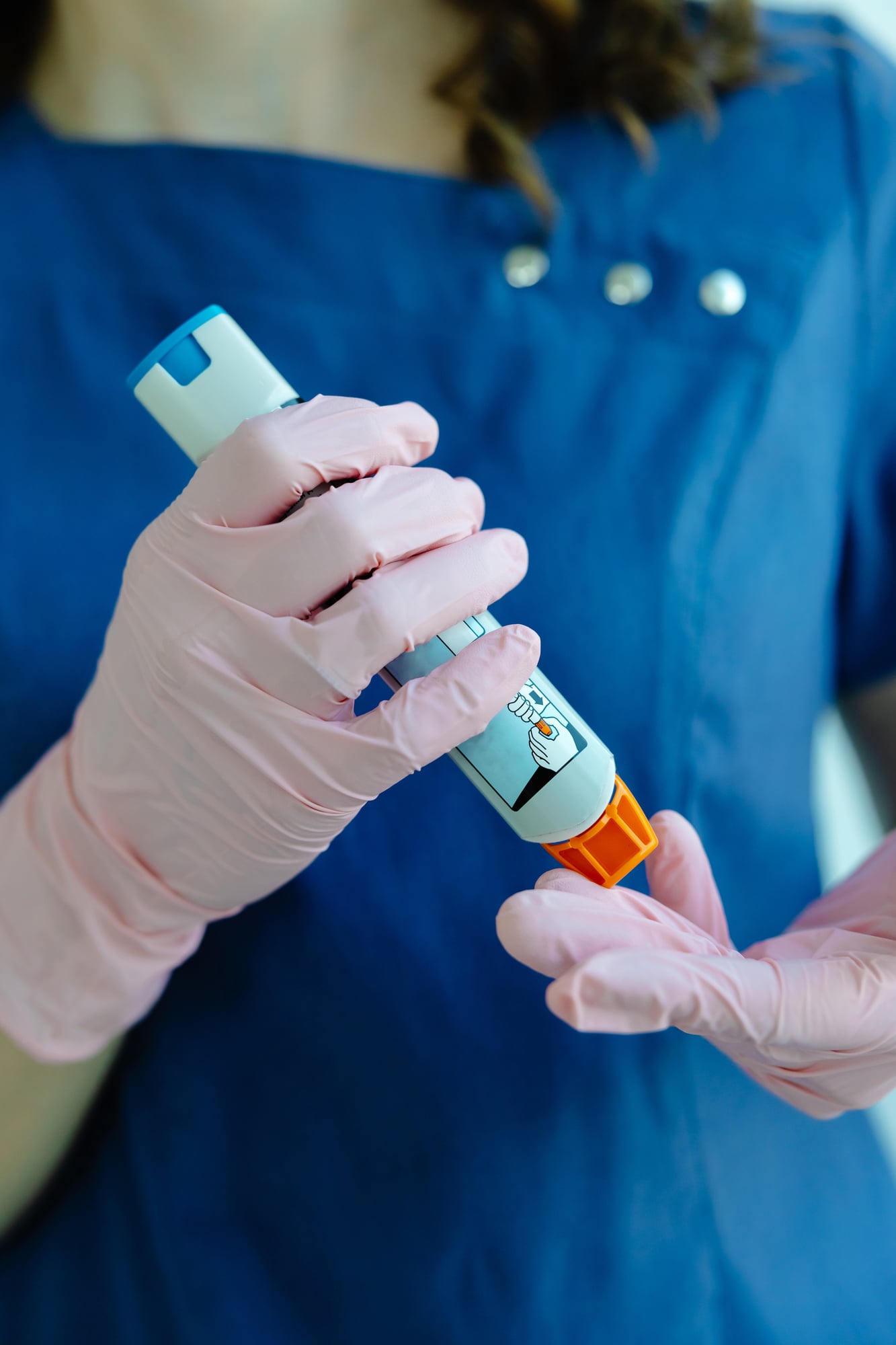
The auto-injector technology behind EpiPens was originally developed as an antidote delivery system for chemical warfare. The military needed a quick way for soldiers to self-administer treatments for nerve agent exposure on the battlefield.
The design was later adapted to deliver epinephrine to treat severe allergic reactions, saving countless lives since it became available to civilians in the 1980s.
Like Go2Tutors’s content? Follow us on MSN.
Sanitary Napkins
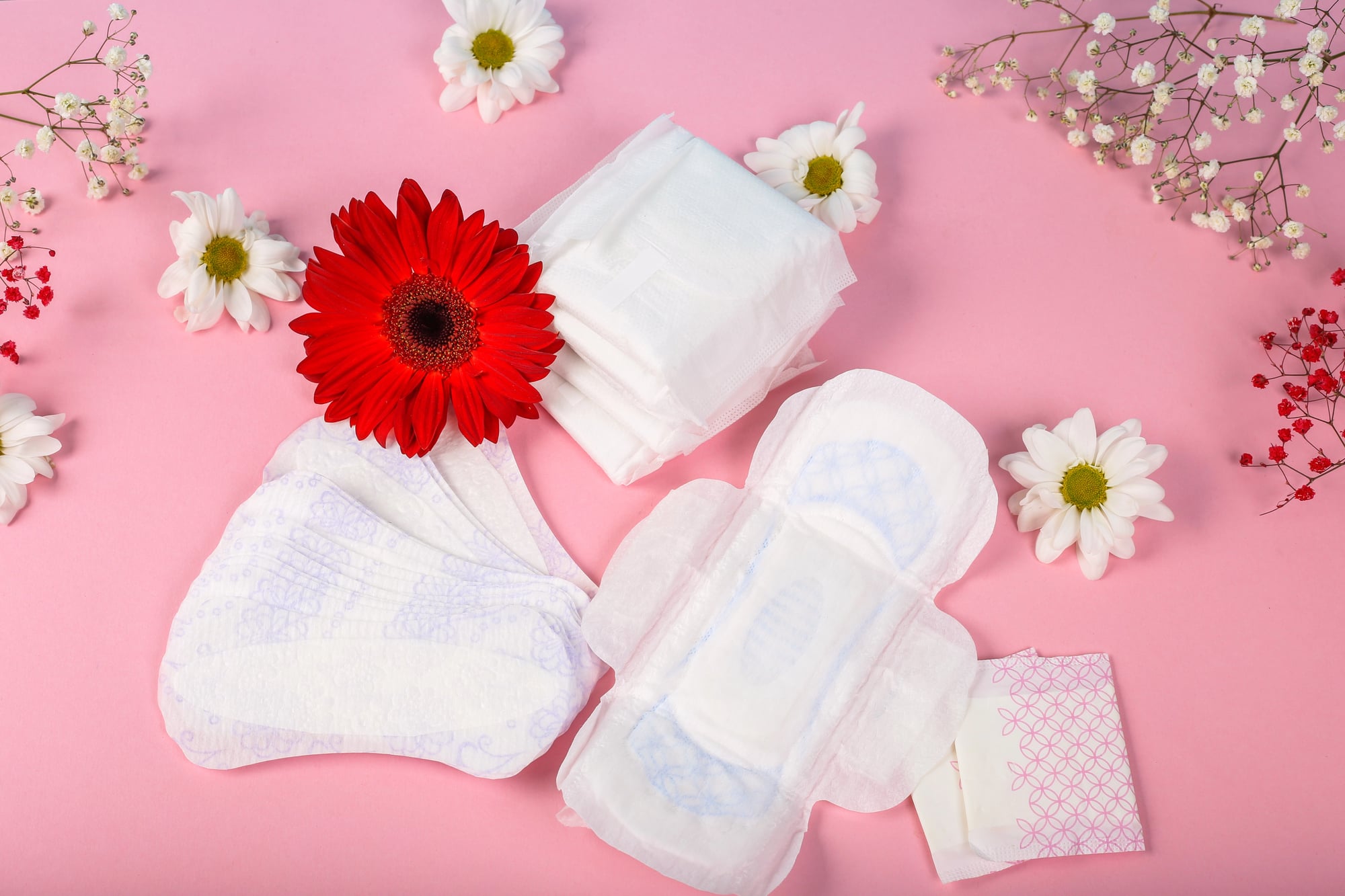
During World War I, Kimberly-Clark developed Cellucotton, a super-absorbent material made from wood pulp as a replacement for cotton bandages. Nurses on the front lines discovered this material worked well for feminine hygiene purposes.
After the war, the company repurposed its wartime creation into Kotex sanitary napkins, revolutionizing feminine care products and creating an entirely new consumer industry.
Aviator Sunglasses

The iconic teardrop-shaped sunglasses were developed for military pilots in the 1930s. The U.S. Army Air Corps commissioned Bausch & Lomb to create sunglasses that would effectively protect pilots’ eyes from glare at high altitudes while providing a wide field of vision.
After World War II, returning pilots continued wearing them as civilians, creating a fashion trend that has endured for decades.
Cargo Pants
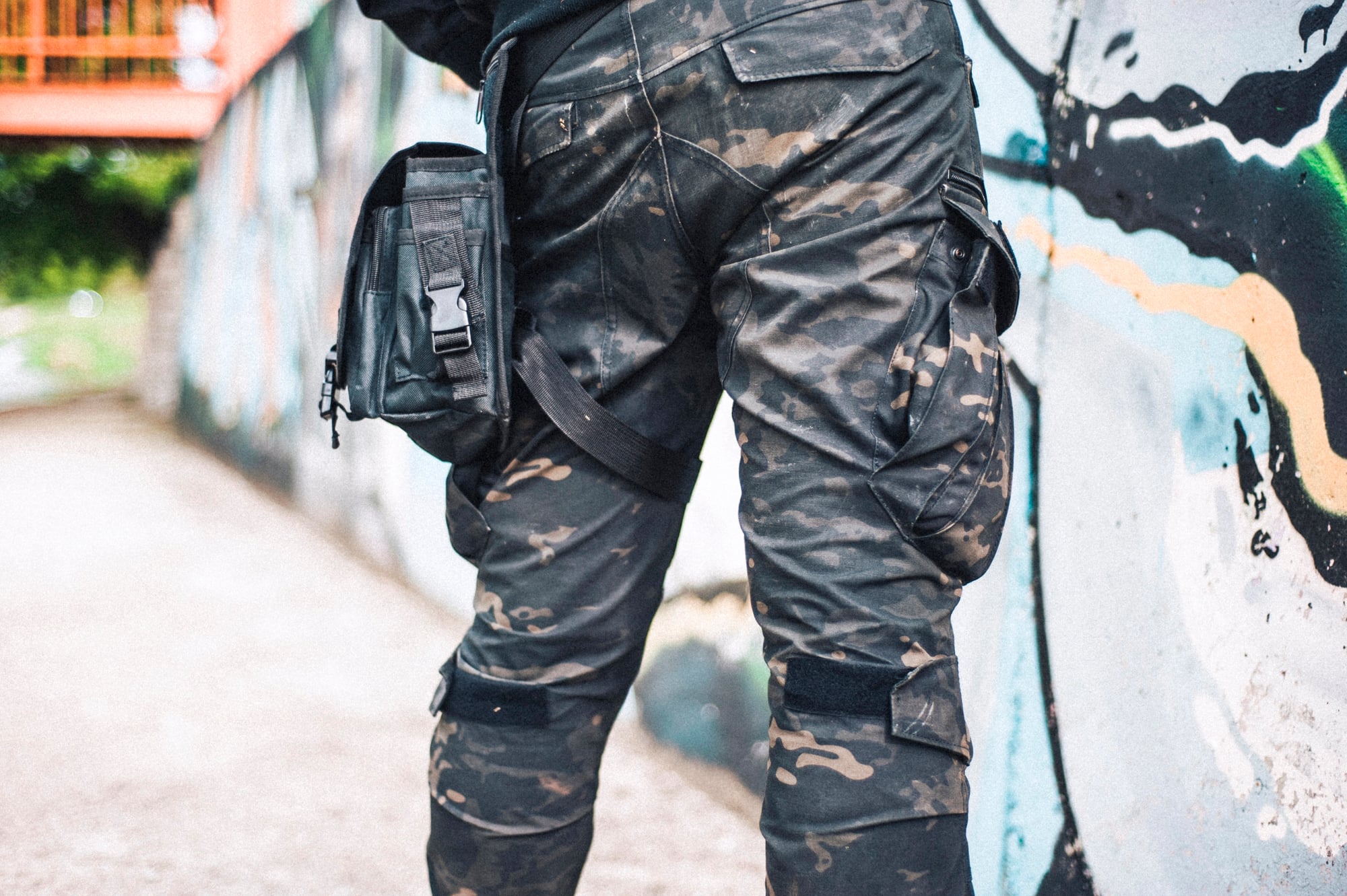
In the 1930s, British military uniforms introduced the multiple-pocket cargo trousers style, which was later widely embraced by combatants during World War II. Soldiers were able to keep their hands free while carrying extra ammo and field supplies because of the roomy pockets.
These useful clothes entered civilian closets after the war and alternated between being used as workwear and fashion accessories.
Like Go2Tutors’s content? Follow us on MSN.
Wristwatches
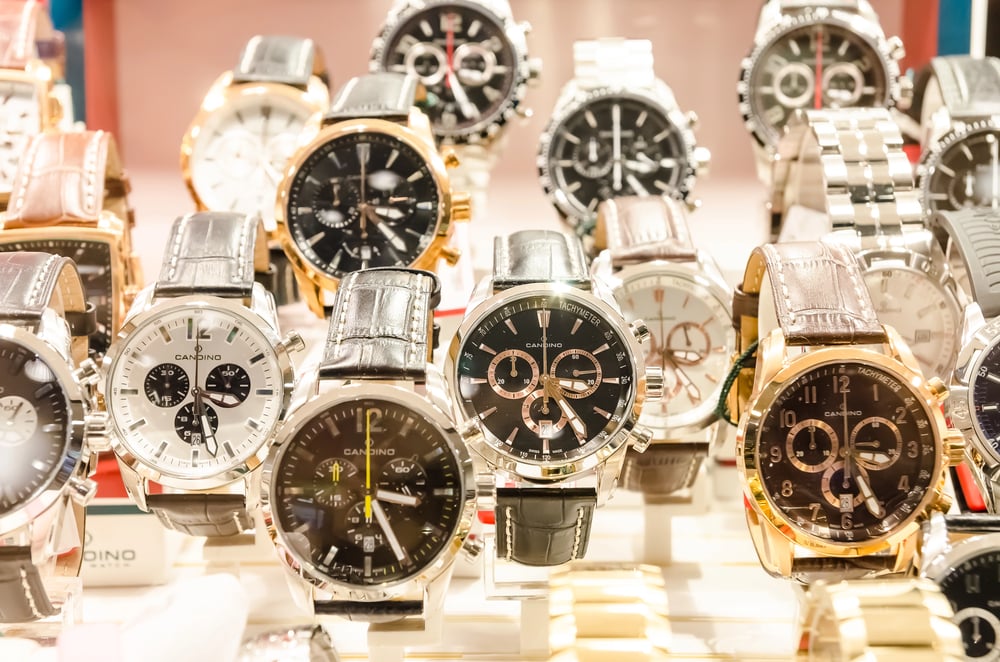
Although pocket watches were the norm for males in the early 20th century, their impracticality during battle caused wristwatches to become popular during World War I. For easy access during battle coordination, officers started fastening tiny watches to their wrists.
Eventually developing into the contemporary wristwatch worn by millions today, these “trench watches” had protective covers over the glass.
Instant Noodles

Though not explicitly designed for military usage, instant noodles were developed in post-war Japan during extreme food shortages following World War II. In 1958, Momofuku Ando created the flash-frying technique to keep ramen noodles, so offering a shelf-stable cuisine that just called for hot water to make.
Before turning into a worldwide convenience food sensation, the item became routine military rations in many nations.
From Battlefield to Household

The path from military invention to consumer goods shows how human creativity frequently turns conflict-derived technologies into peaceful uses. Modern life has been profoundly impacted by these wartime innovations, which provide capabilities and comforts that were unthinkable to earlier generations.
Even while they may have started out to aid in battle, their greatest influence has eventually been on enhancing civilian life globally.
More from Go2Tutors!

- 18 Unexpectedly Valuable Collectibles You Might Have Lying Around
- 20 Little-Known Historical Battles That Had Huge Consequences
- 20 Historical Artifacts That Scientists Can’t Explain
- 15 Inventions That Were Immediately Banned After Being Created
- 20 Actors Who Were Almost Cast in Iconic Roles
Like Go2Tutors’s content? Follow us on MSN.



