Amazing Cars That Can Park Sideways
Finding a parking spot in a crowded city can feel like winning the lottery. You circle the block ten times, eyeing every tiny gap between vehicles, only to drive past because your car just won’t fit.
But what if your car could slide into those impossible spaces like a crab scuttling across the beach? That’s exactly what sideways parking technology promises to deliver.
Engineers have been working on this problem for years, and they’ve come up with some pretty clever solutions. Let’s look at the cars that can actually pull off this impressive trick.
The original concept car that started it all

Back in the early 2000s, a small prototype vehicle demonstrated sideways parking at an auto show in Tokyo. The concept used special wheels that could rotate 90 degrees, allowing the entire car to move sideways into tight spaces.
Crowds gathered around in amazement, watching this little vehicle shuffle into spots that seemed physically impossible. While that particular model never made it to production, it planted the seed for future innovations.
Hyundai’s e-Corner system

Hyundai recently unveiled a system called e-Corner that lets their electric vehicles move in ways traditional cars never could. Each wheel contains its own motor and can turn independently up to 90 degrees.
The car can literally walk sideways like it’s doing a dance move. This technology is still in the testing phase, but Hyundai has released videos showing their prototype effortlessly sliding into parallel parking spots without the usual back-and-forth shuffling.
Mercedes-Benz’s rear-wheel steering magic

Mercedes didn’t go for full sideways movement, but they developed something almost as useful. Their rear-wheel steering system lets the back wheels turn in the opposite direction from the front wheels at low speeds.
This creates a much tighter turning circle and makes sliding into parking spaces significantly easier. The car doesn’t move completely sideways, but it comes close enough to make a real difference in cramped urban environments.
The Chinese startup that went all in

A Chinese automotive startup called Enovate introduced an SUV with genuine sideways parking capability in 2019. Their ME7 model featured wheels that could pivot, allowing the vehicle to move diagonally or sideways when needed.
The company marketed it specifically to city dwellers tired of struggling with parallel parking. Unfortunately, the startup faced financial troubles and production remained limited, but the technology proved the concept could work in a real consumer vehicle.
How the wheel rotation actually works
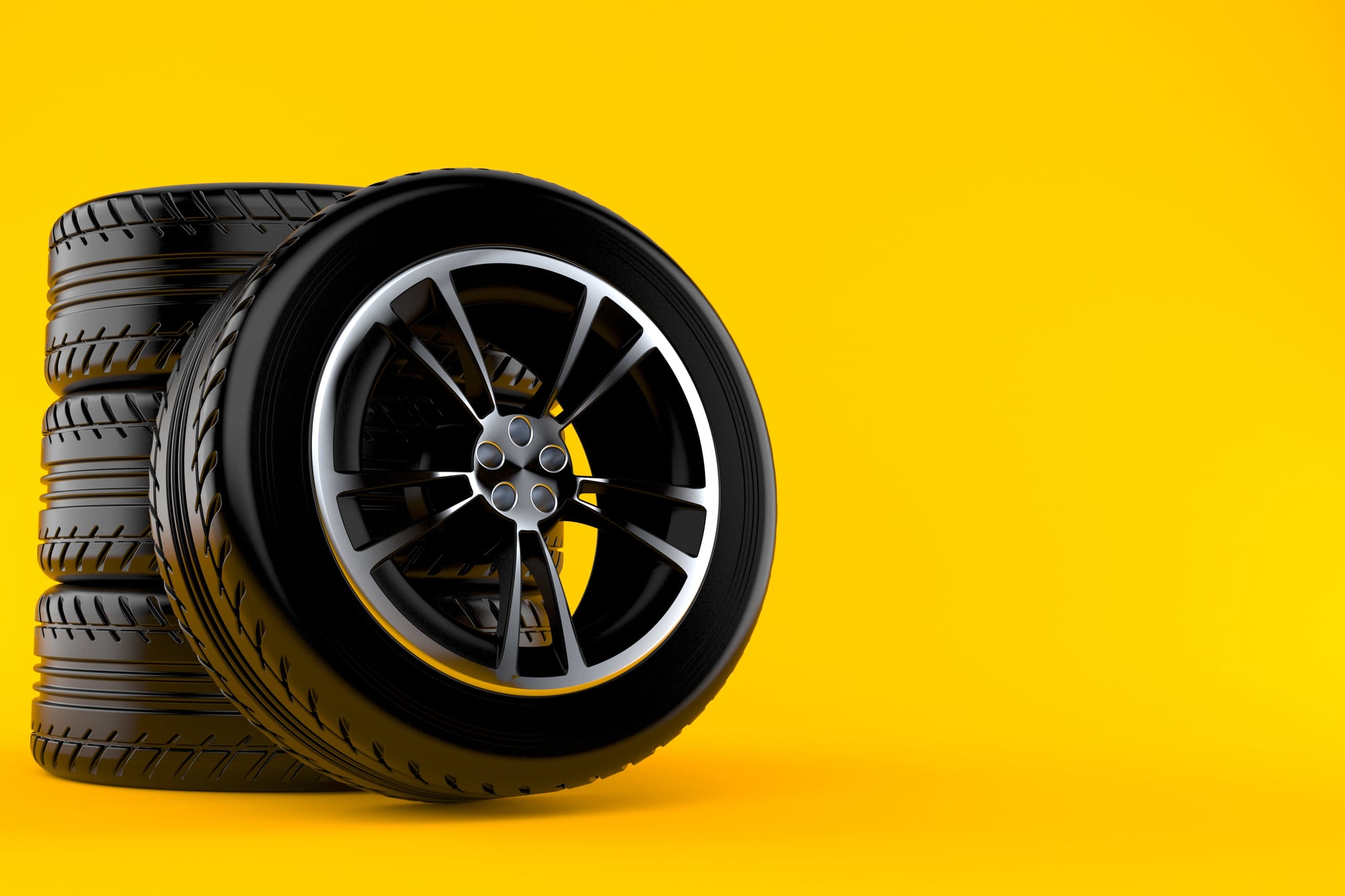
The mechanics behind sideways parking involve sophisticated engineering beneath the car. Special pivot points replace traditional wheel assemblies, connected to powerful electric motors that can rotate each wheel independently.
Computer systems coordinate all four wheels to move in perfect sync, ensuring the car slides smoothly without jerking or wobbling. It’s similar to how some warehouse forklifts move, but adapted for passenger vehicles with much more computing power managing the process.
The challenges engineers still face

Making a car park sideways sounds simple in theory, but the engineering challenges are massive. The wheel assemblies need to be incredibly strong to handle the sideways forces while supporting the vehicle’s weight.
Traditional suspension systems don’t work well when wheels rotate 90 degrees, so engineers have had to redesign that entire system. Plus, the additional motors, computers, and mechanical parts add weight and cost to the vehicle.
Why electric cars make this easier
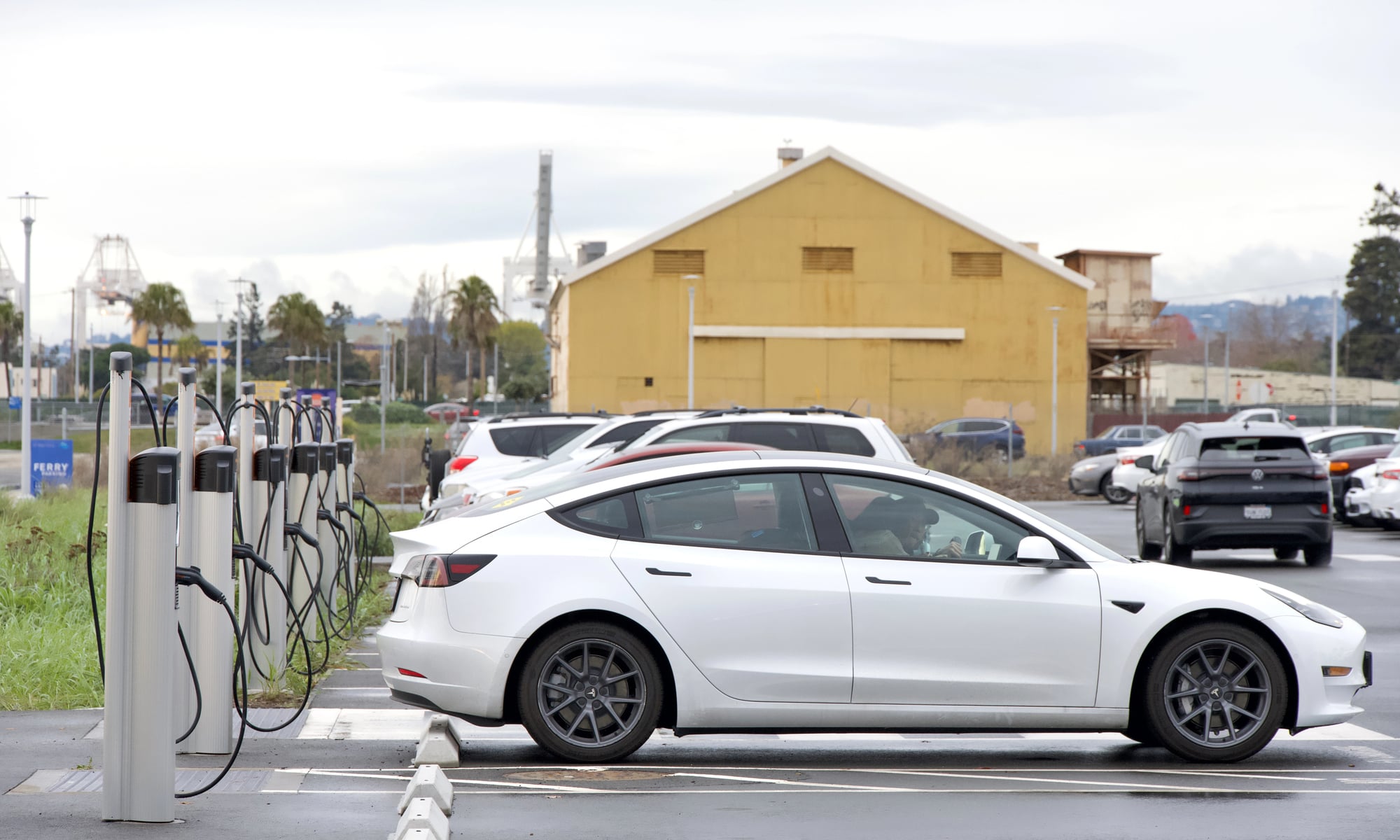
Electric vehicles have a natural advantage when it comes to sideways parking technology. They already have electric motors that can be precisely controlled by computers, making it easier to add independent wheel rotation.
Gas-powered cars would need complex mechanical linkages and hydraulic systems to achieve the same effect. The instant torque from electric motors also provides the smooth, controlled movement needed for sideways parking without lurching or stalling.
The self-parking systems that fake it
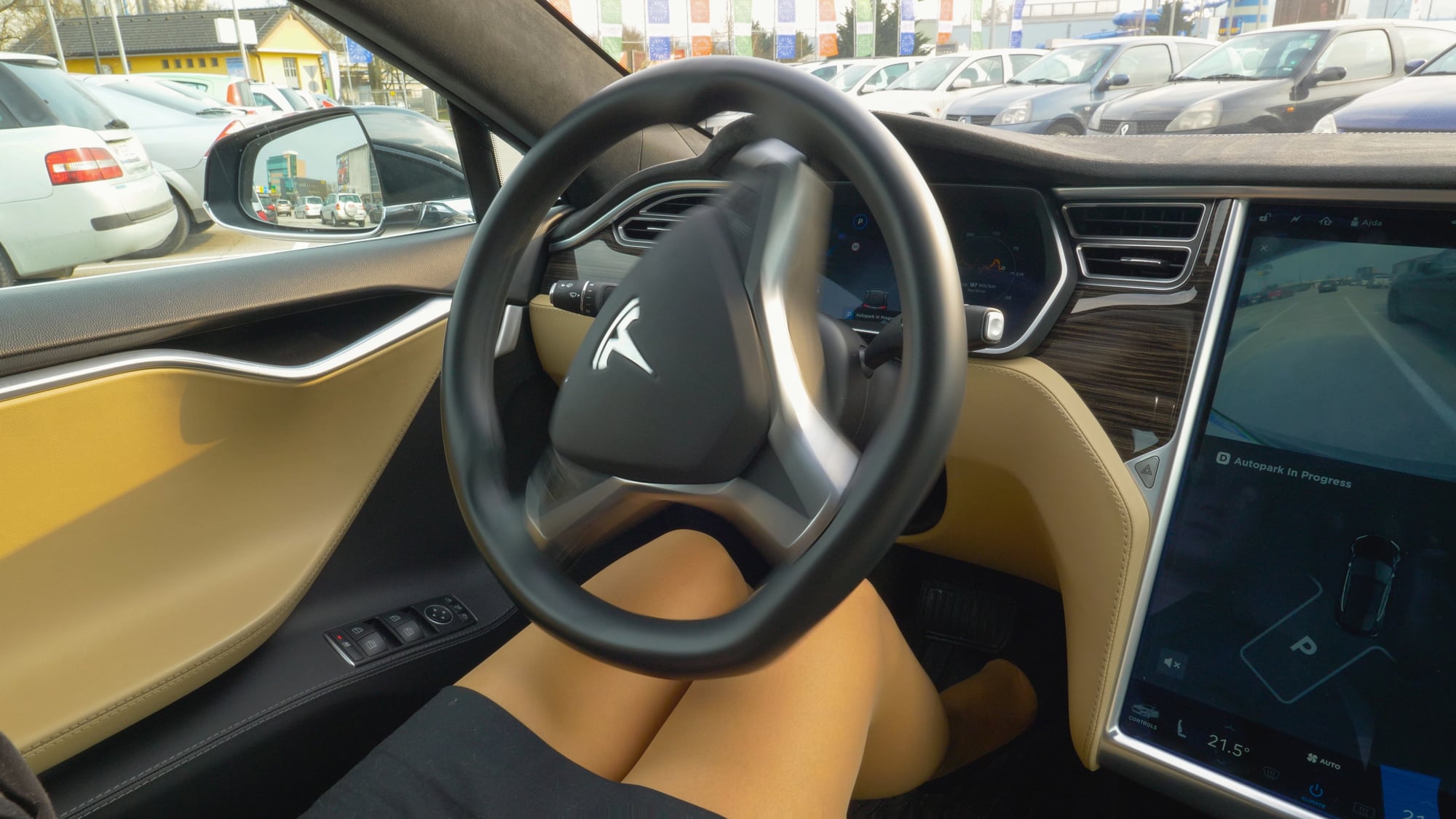
Some modern cars claim to park sideways, but they’re actually just using really advanced self-parking software. These systems still move the car forward and backward, just like a human driver would, but they calculate the perfect angles and steering inputs automatically.
The driver simply presses a button and the car does all the work. It’s not true sideways movement, but for most people, it achieves the same goal of making parallel parking painless.
Audi’s upcoming model with diagonal movement

Audi has announced plans to incorporate sideways parking into their upcoming electric platform. Their system won’t do a full 90-degree slide, but the wheels can angle enough to let the car move diagonally into parking spaces.
This compromise approach might be the sweet spot between engineering complexity and practical benefits. Audi engineers claim it will reduce the space needed for parallel parking by about 30 percent compared to conventional steering.
The wear and tear concerns

One major worry about sideways parking technology is how it affects tire life. When tires slide sideways across pavement instead of rolling, they experience much more friction and heat.
Engineers have had to develop special tire compounds that can handle this additional stress without wearing out after just a few parking maneuvers. Some prototypes go through tires three times faster than regular cars, which could make maintenance costs skyrocket.
What it means for parking lot design

Should sideways parking catch on, street layouts might shift in quiet ways. Narrower spots could appear since diagonal maneuvers would matter less.
Designers of urban areas now consider what lies ahead for vehicle storage. In parts of Europe, test zones have sprung up where smart-steering cars find their place easily.
The price tag problem

It costs a lot to give cars the ability to park sideways. Between added motors, sensors, and stronger parts, prices go up by five to ten thousand dollars.
Many people think twice before spending so much on something used now and then. Car companies hope making more of them will lower expenses over time.
A simpler setup might help too. For now, sliding into parking spots like that stays rare – mostly seen on pricier versions of vehicles.
How it changes driver training

Getting the hang of sideways parking isn’t instant, despite machines doing nearly all the effort. Still, people behind the wheel must know the right moment to turn it on, along with steps to take should glitches appear.
In certain nations, driving academies now include this tech in higher-level lessons. Shifting from regular parking to moving sideways can feel strange, especially for those who’ve practiced the old way for years.
The safety systems built in
Cars with sideways parking capability come loaded with sensors to prevent accidents during the maneuver. Cameras and radar watch for pedestrians, cyclists, or other obstacles that might be in the path.
If the system detects anything dangerous, it immediately stops the sideways movement. Some models even have automated emergency braking that works in all directions, not just forward and backward like traditional systems.
Japan’s tiny parking revolution
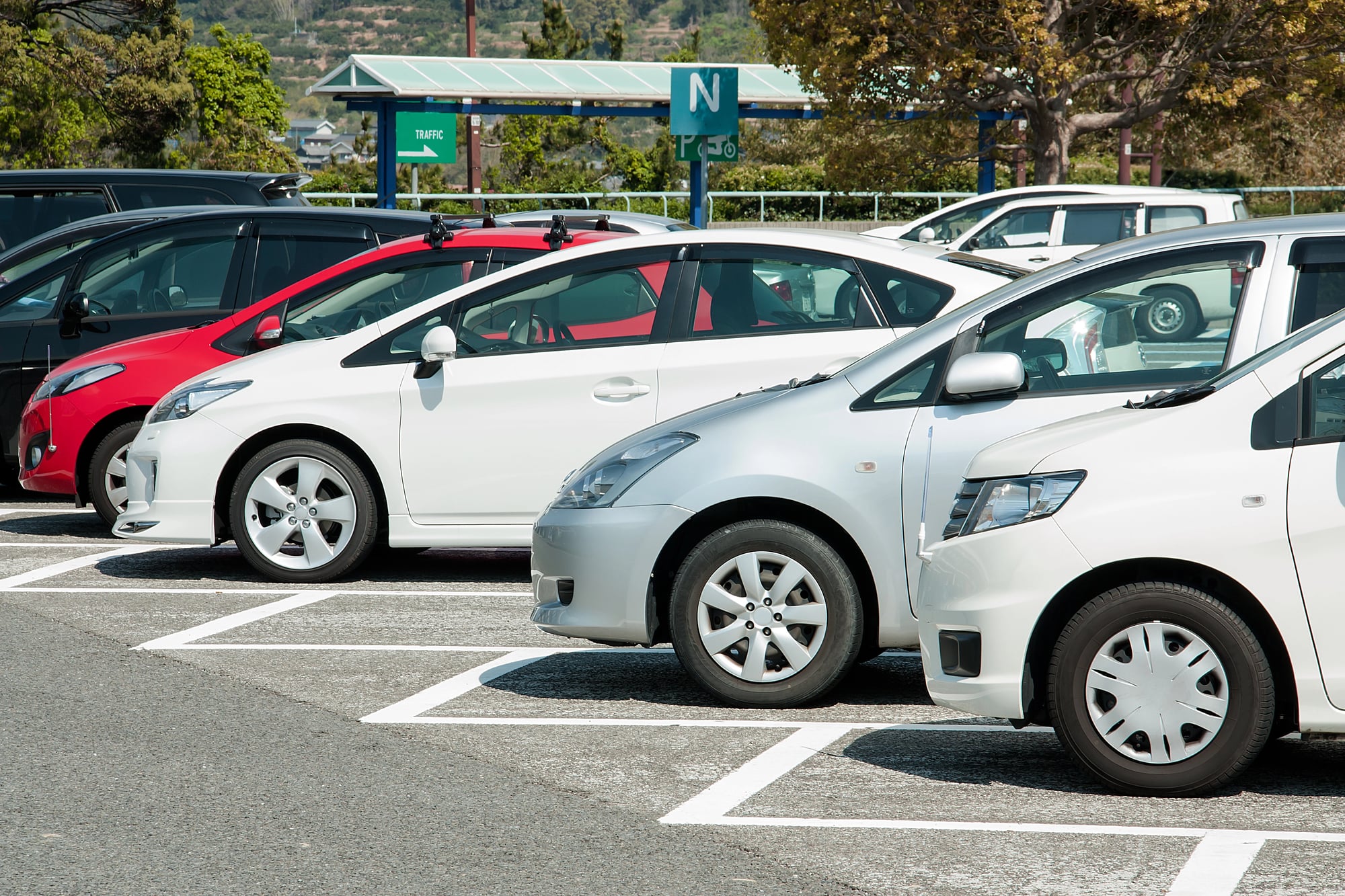
In Japan, where parking spaces are notoriously small, sideways parking technology has generated enormous interest. Japanese automakers have been at the forefront of developing these systems specifically for their home market.
Some experimental vehicles in Tokyo can fit into spaces barely longer than the car itself. The technology seems tailor-made for crowded Japanese cities where every inch of space matters.
Competition from other solutions

Sideways parking isn’t the only technology trying to solve the parking problem. Some companies are developing vehicles that can stack vertically in automated parking towers.
Others are working on fully automated valet systems where your car drops you off and then parks itself in a remote lot. These competing technologies might end up being more practical or affordable than sideways parking, potentially making the whole concept obsolete before it becomes mainstream.
The future models to watch

Parking cars by sliding them to the side might show up in new models sooner than expected. Moving laterally into tight spots isn’t just for prototypes anymore.
Some brands are pushing it closer to reality. BMW shows glimpses of this in upcoming electric SUVs.
Not far behind, Rivian teases similar moves for rugged outdoor machines. Big names such as Ford have quietly logged designs that point toward testing it themselves.
Whether this turns into something most drivers get – or stays rare and costly – will become clear before long.
What happens after tech takes its next step

Sliding to the side isn’t just useful for squeezing into spots. Picture cars gliding freely, much like floating pods balanced on tires.
Firetrucks might weave between buildings where space is tight. Imagine a delivery van shifting smoothly sideways until it aligns perfectly – no backing up needed.
This kind of motion might reshape how machines flow through city streets.
A practical solution finding its place

Parking on the side of the road once felt like something out of a futuristic movie, but now it actually works in real cars. Even though most drivers still do it manually, automated systems are showing up in new models more often than before.
As tech gets better and cheaper, these tools might spread wider – or they could stay limited to specific uses only. What is clear is that handling tight spots just got easier for some.
Machines doing this task today may lead to smarter ways of moving around cities later.
More from Go2Tutors!

- The Romanov Crown Jewels and Their Tragic Fate
- 13 Historical Mysteries That Science Still Can’t Solve
- Famous Hoaxes That Fooled the World for Years
- 15 Child Stars with Tragic Adult Lives
- 16 Famous Jewelry Pieces in History
Like Go2Tutors’s content? Follow us on MSN.



