15 Chilling Cruise Passenger Mysteries from the Vintage Era
The golden age of ocean travel brought elegance, luxury, and an undeniable sense of adventure to those who could afford it. Between the 1920s and 1960s, massive steamships carried thousands of passengers across the world’s oceans, creating floating cities where people lived, dined, and socialized for weeks at a time.
But within these microcosms of civilization, some passengers simply vanished without explanation, leaving behind only questions that remain unanswered decades later. These weren’t the heavily monitored cruise ships of today, with cameras in every corridor and electronic keycards tracking movement.
Vintage ocean liners operated more like grand hotels that happened to be surrounded by thousands of miles of open water. Passengers could wander freely, deck areas remained unsupervised for hours, and safety protocols were far less stringent.
When someone disappeared, the evidence often went overboard with them.
Belle Elmore
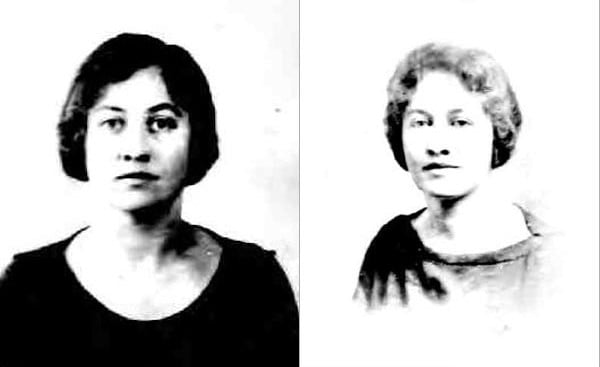
Dorothy Gibson vanished from the SS Mauretania in 1923 during what should have been a routine crossing from Southampton to New York. The Broadway actress had booked passage under the pseudonym Belle Elmore, presumably to avoid publicity.
Her cabin steward found her evening gown laid out on the bed, jewelry still in place, but Dorothy was nowhere to be found. What made this disappearance particularly unsettling was the discovery of her diary, left open to an entry that read: “Someone knows who I really am.
They’ve been watching me for three days.” The ship’s passenger manifest showed no one traveling under their real name who might have recognized her from her theater work.
The Pemberton Family
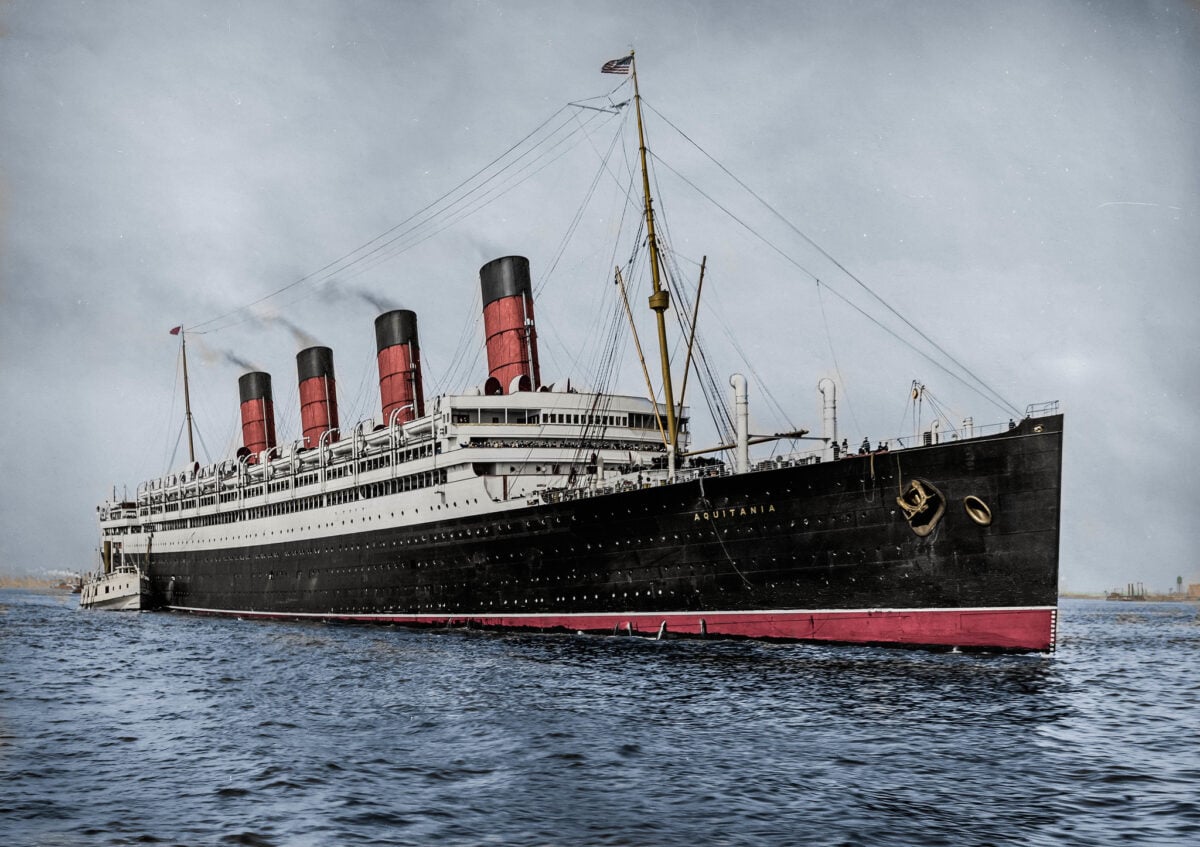
The curious thing about wealth (and this applies especially to the kind of old-money wealth that could afford first-class passage on the finest ships of the era) is how it creates both protection and vulnerability in equal measure. The Pemberton family — Charles, his wife Margaret, and their twin daughters — had enough money to book an entire suite on the RMS Aquitania, but that same wealth made them targets in ways that ordinary passengers never had to consider.
They disappeared somewhere between Cherbourg and New York in 1931, leaving behind trunks full of expensive clothing and jewelry that hadn’t been touched. But here’s what bothered the ship’s captain enough to delay departure at the next port for a full investigation (something that cost the shipping company thousands of dollars): the family’s breakfast had been ordered to their suite that morning, delivered on schedule, and left completely untouched.
Not a bite taken, not even the coffee disturbed. And yet the steward insisted he’d heard voices inside the suite when he’d knocked — Charles asking him to leave the tray outside, Margaret saying something about not feeling well. So either the Pembertons had somehow left their locked suite (keys still inside) between breakfast delivery and the steward’s return an hour later, or someone else had been in that room, imitating their voices, buying time before the disappearance would be discovered.
Neither explanation made much sense.
Giovanni Torretti
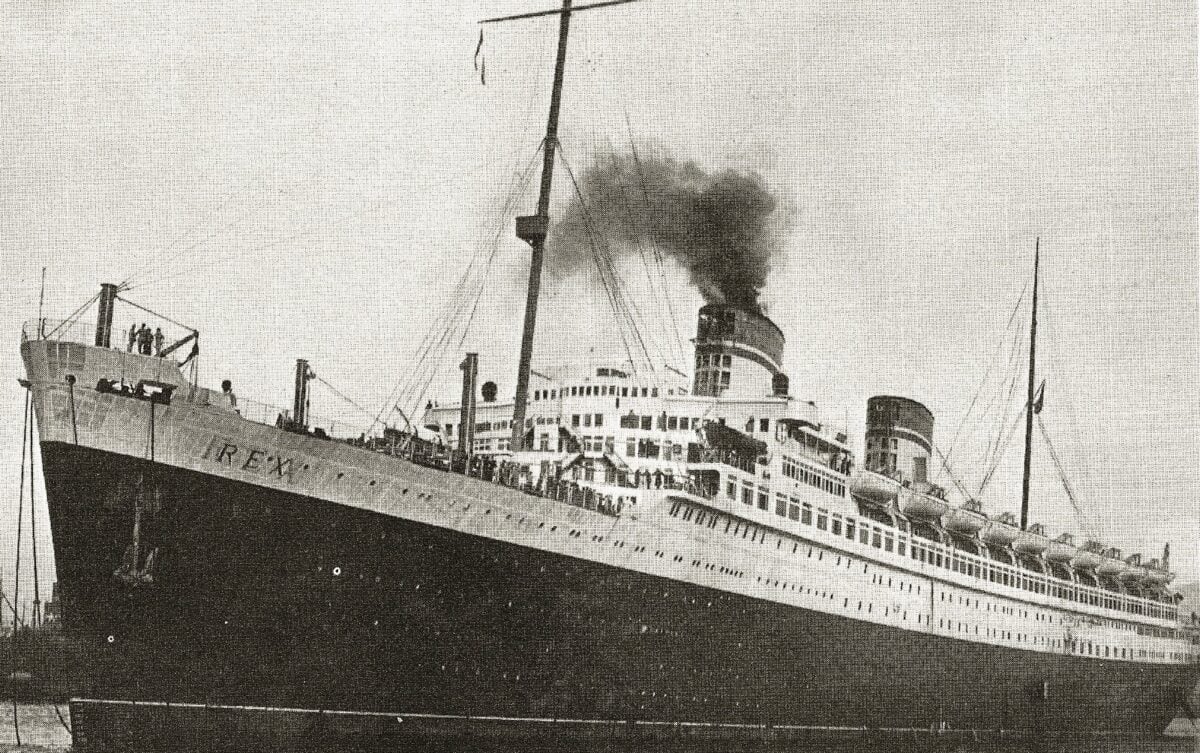
Picture a man who spent his entire career reading the ocean like other people read newspapers — every wave, every shift in wind, every subtle change in the ship’s rhythm telling him something important. Giovanni Torretti was that kind of sailor, a veteran crew member who’d worked passenger ships for thirty-seven years without incident.
He knew the SS Rex better than most people knew their own homes. Which makes his disappearance during a Mediterranean cruise in 1938 feel like watching someone who’d spent decades walking the same familiar path suddenly vanish between their front door and mailbox.
Torretti had finished his shift, checked in with the night supervisor, and was seen heading toward his quarters. His bunk was never slept in.
His uniform hung exactly where he’d left it. The man who could navigate by starlight alone had simply dissolved somewhere between the engine room and his cabin — a journey he’d made thousands of times before.
Margaret Winslow

Margaret Winslow paid for her passage on the SS Europa with cash. Lots of it.
The kind of money that made the booking agent ask twice if she was certain about traveling alone to Hamburg in 1934. She was last seen in the ship’s library, reading what other passengers described as German newspapers with an intensity that seemed almost frantic.
Her cabin showed signs of hasty packing — drawers pulled open, clothes scattered across the bed. But Margaret herself had vanished, along with a small leather briefcase she’d guarded carefully throughout the voyage.
The Chess Players

Every evening at precisely seven o’clock, two elderly gentlemen would claim the corner table in the first-class lounge of the SS Normandie and play chess until the ship’s orchestra finished their final set. Dr. Heinrich Müller and Professor James Whitmore had met aboard ship during the 1936 crossing from Le Havre to New York, struck up a friendship over their shared passion for the game, and maintained their nightly ritual with the dedication of monks observing prayer.
On the fourth night of the voyage, passengers gathered as usual to watch their match (Dr. Müller was known for brilliant sacrificial gambits, while Professor Whitmore preferred patient, methodical play that ground down his opponents over dozens of moves). The chess set sat ready, both men’s drinks ordered and waiting.
Neither player ever appeared. Their cabins were empty but undisturbed — no signs of struggle, no missing luggage, no indication they’d planned to leave.
The unfinished chess game remained on the table for the rest of the voyage, pieces arranged in what experts later determined was a position that could have gone either way. Even now, you have to wonder if they’re still somewhere, working through that final combination they never got to complete.
Rosa Delacroix
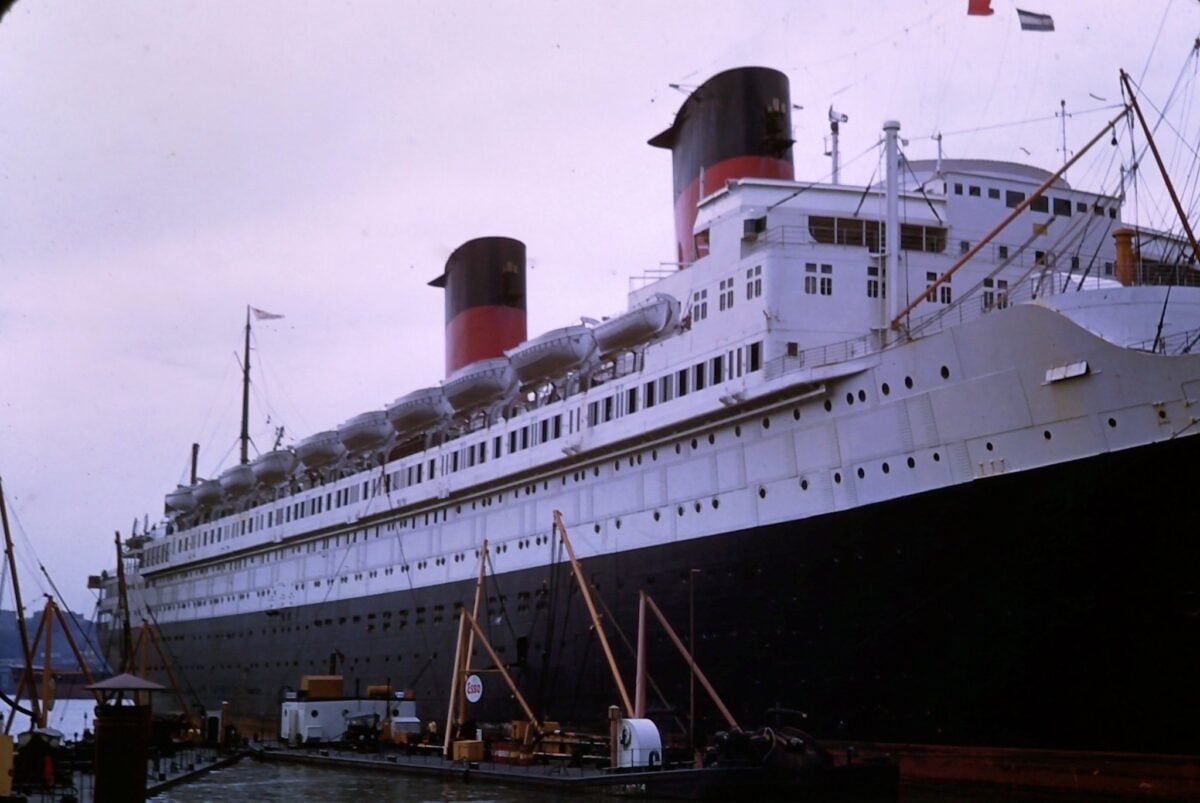
Rosa Delacroix had terrible luck with the weather. Every crossing she’d ever booked seemed to hit storms, rough seas, or mechanical problems that turned what should have been relaxing voyages into endurance tests.
So when the SS Île de France encountered heavy fog during her 1937 passage to New York, other passengers weren’t surprised to see Rosa looking pale and anxious. What they didn’t expect was for her to disappear entirely during the night, leaving behind only a note that read: “The fog isn’t hiding the ship from the shore — it’s hiding something else from us.”
Her cabin was locked from the inside. The porthole was too small for an adult to fit through.
Thomas Ashworth

The thing about shipboard romances — and there were always shipboard romances, because what else were young, attractive people supposed to do during those long Atlantic crossings — was that they created their own kinds of complications. Thomas Ashworth seemed to understand this better than most, which may explain why he was so careful to keep his relationship with fellow passenger Catherine Vale as discreet as possible during their 1940 voyage on the SS Washington.
They never dined together in public, never danced when others might notice, never did anything that would have attracted attention from gossip or Catherine’s rather formidable aunt, who’d made it clear that her niece was traveling to England to marry someone considerably more suitable than a struggling American journalist.
But the ship’s crew noticed things that passengers missed — Thomas slipping notes under Catherine’s door, Catherine taking long walks on the promenade deck where Thomas happened to be reading, both of them finding reasons to visit the same sections of the ship library at the same times. And then Thomas disappeared somewhere between Southampton and Le Havre, leaving behind a half-finished article about transatlantic travel and a first-class ticket that had been purchased, other passengers later learned, with money he probably didn’t have.
Catherine claimed she barely knew him, but her aunt noticed that her niece spent the rest of the voyage staring at the horizon as if she expected someone to materialize from the waves.
Viktor Reznor

There are stories that deserve to be whispered rather than spoken aloud, and Viktor Reznor’s disappearance from the MS Stockholm in 1949 is one of them. Not because the facts are particularly gory or disturbing, but because they suggest something so fundamentally wrong with reality that your mind starts looking for exits.
Viktor was traveling with a collection of antique music boxes — his life’s work as a craftsman who specialized in repairing instruments that most people had forgotten how to fix. Passengers could hear the tinkling melodies drifting from his cabin at all hours: lullabies, waltzes, songs that seemed to belong to a different century entirely.
The music continued even after Viktor vanished. For three days, those mechanical melodies kept playing from his locked, empty cabin. The steward’s master key wouldn’t work.
The music finally stopped when they reached port and the ship’s engineers forced the door. The music boxes were arranged in a perfect circle on the cabin floor.
All of them had run down except one — an ornate piece depicting a dancing couple who spun slowly to a tune no one could identify. Viktor’s clothing was folded neatly on the bed, but Viktor himself was gone.
Eleanor Hastings
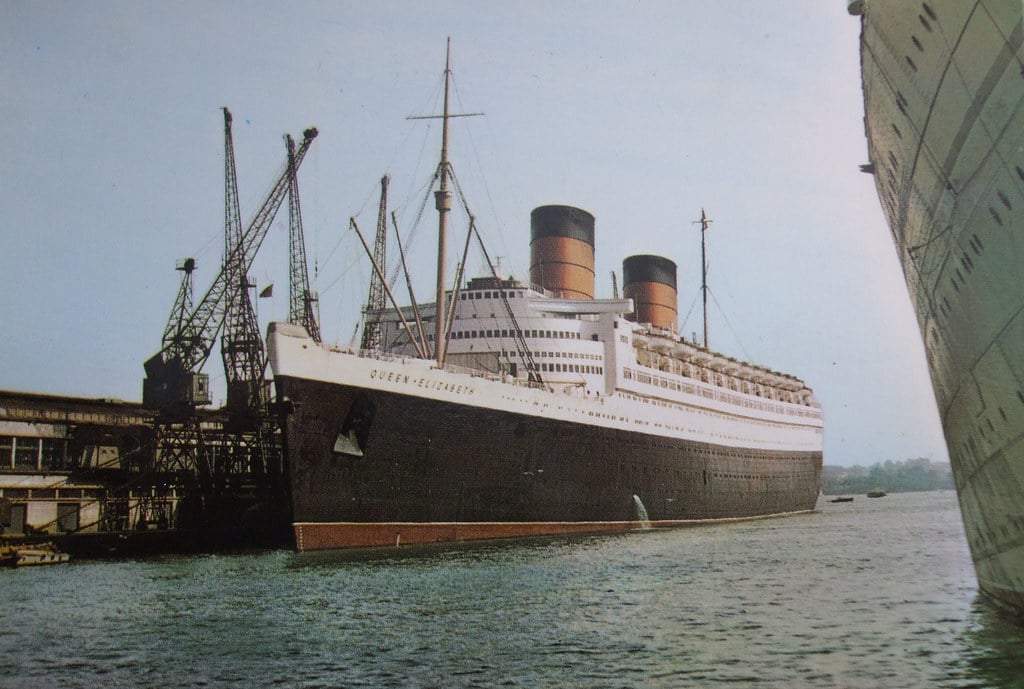
Eleanor Hastings booked passage on the RMS Queen Elizabeth specifically to attend her daughter’s wedding in Southampton. She’d missed her son’s wedding two years earlier due to illness and was determined not to let anything prevent her from being present for this ceremony.
She brought the wedding dress she’d worn thirty years earlier, carefully preserved and altered to fit her daughter. She’d spent months planning every detail of her trip.
Eleanor was the kind of woman who wrote lists for her lists and never missed appointments. So when she failed to disembark at Southampton, everyone assumed there’d been some mistake.
Eleanor would never simply skip her daughter’s wedding. But her cabin was empty, the wedding dress still hanging in its protective covering. Her daughter waited at the church for a mother who would never arrive.
The Card Game

Three men played poker every night in the cig room of the SS America during a 1951 crossing to England. Robert Chen, a businessman from San Francisco.
Miguel Santos, an artist returning to Europe after a gallery showing in New York. David Murray, a professor of literature who claimed to be researching maritime folklore but seemed more interested in the stories his fellow passengers told after they’d had a few drinks.
The games were friendly but competitive, with stakes just high enough to keep things interesting. Chen was methodical, Santos played by instinct, and Murray had an unsettling ability to read tells that other players didn’t even know they had.
But the dynamic that really defined their nightly matches was how much they seemed to enjoy each other’s company (which is rarer than it sounds among serious card players, where the focus tends to be on the game rather than the friendship). On the voyage’s final night, other passengers saw the three men take their usual table, order their usual drinks, and begin dealing cards.
When the cig room closed at midnight, their table was empty except for a hand of poker that had been left mid-play. Three stacks of chips, three sets of cards, three half-finished drinks.
But Chen, Santos, and Murray had vanished as thoroughly as if they’d been bluffed out of existence.
Mary Catherine O’Sullivan
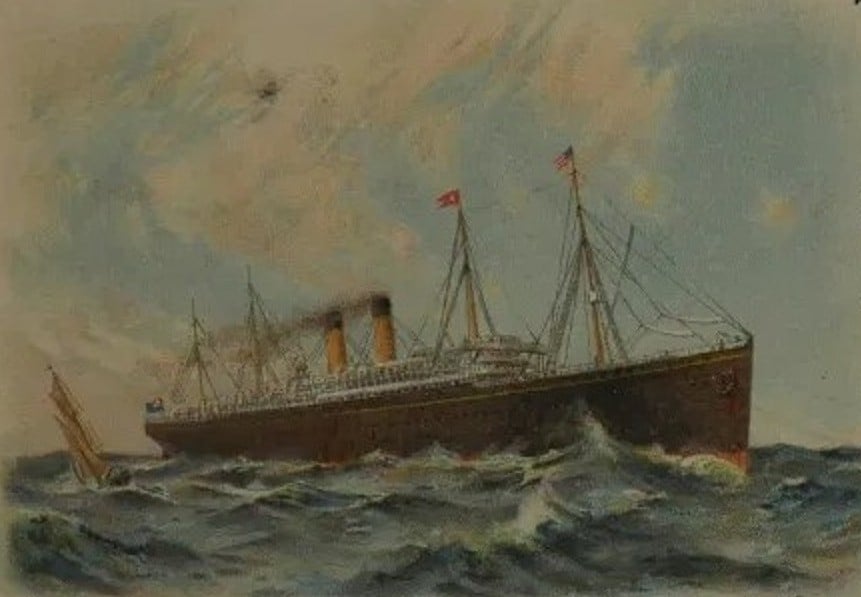
Mary Catherine O’Sullivan was traveling to Ireland to claim an inheritance she’d only recently learned about — a cottage and small farm left to her by a great-aunt she’d never met. She’d booked third-class passage on the SS Celtic, planning to stretch her savings far enough to cover both the trip and whatever expenses might be waiting for her in County Cork.
What made her disappearance particularly cruel was the letter found in her cabin after she vanished. It was addressed to her sister back in Boston, describing the excitement of finally traveling overseas and her hopes for starting a new life in Ireland. “I feel like I’m finally heading toward something good,” she’d written.
“After all these years of just getting by, maybe I’m going to have a real chance at happiness.” The letter was never mailed.
Mary Catherine disappeared two days before the ship reached Cobh.
Professor Wilhelm Brenner

The academic mind approaches mystery differently than most people do — instead of accepting that some questions simply don’t have answers, scholars tend to keep digging until they find something that resembles an explanation. Professor Wilhelm Brenner embodied this impulse to an almost obsessive degree, which probably explains why he spent most of his 1953 voyage on the SS United States interviewing other passengers about their reasons for traveling.
He claimed to be researching patterns of postwar migration, but his questions went beyond academic curiosity. Brenner wanted to know about people’s fears, their dreams, the things they were running toward or away from. He filled notebook after notebook with observations about his fellow travelers, creating what amounted to a psychological portrait of everyone on board.
And then Brenner became part of his own research in the most unsettling way possible. He disappeared completely, leaving behind those detailed notebooks and a cabin that looked like someone had left for dinner and simply never returned.
His final entry, written the day he vanished, consisted of a single sentence: “I think I understand now why people really travel — they’re looking for the person they used to be before everything went wrong.”
The Honeymoon Couple
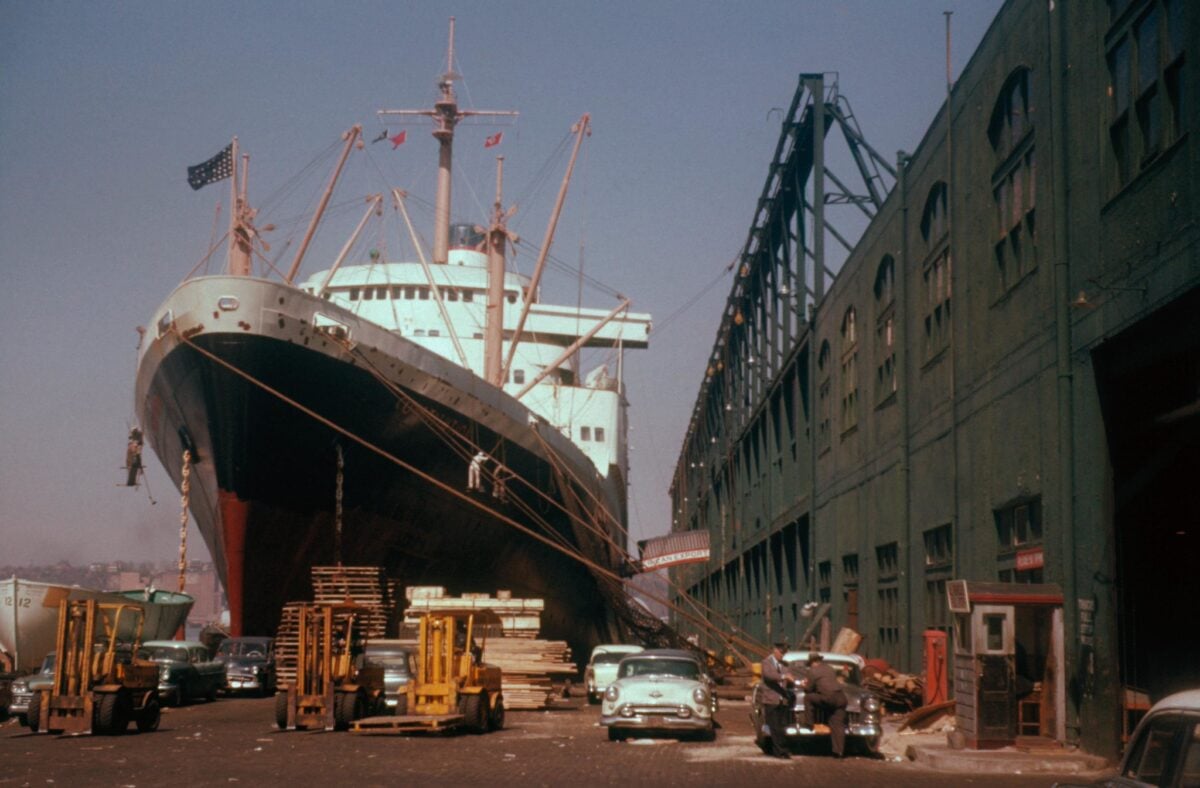
Love makes people do foolish things, but it rarely makes them vanish into thin air. James and Patricia Hennessy were celebrating their honeymoon aboard the SS Constitution during a Mediterranean cruise in 1954, behaving exactly like newlyweds were expected to behave — utterly absorbed in each other, radiating the kind of happiness that made other passengers either smile indulgently or roll their eyes, depending on their own romantic circumstances.
They danced every night, spent hours talking on deck chairs pulled close together, and generally acted like people who believed their happiness could protect them from whatever troubles the world might have in store. Which makes their disappearance feel less like a mystery and more like a fundamental violation of how stories are supposed to work.
Their cabin looked like they’d stepped out for a moment — Patricia’s evening gown laid out for dinner, James’s cufflinks sitting on the dresser, two glasses of champagne poured but never touched. Even their wedding rings were found on the nightstand, as if they’d removed them before washing their hands and simply forgotten to put them back on.
But James and Patricia had vanished so completely that search crews wondered if they’d ever been aboard at all.
Captain Morrison
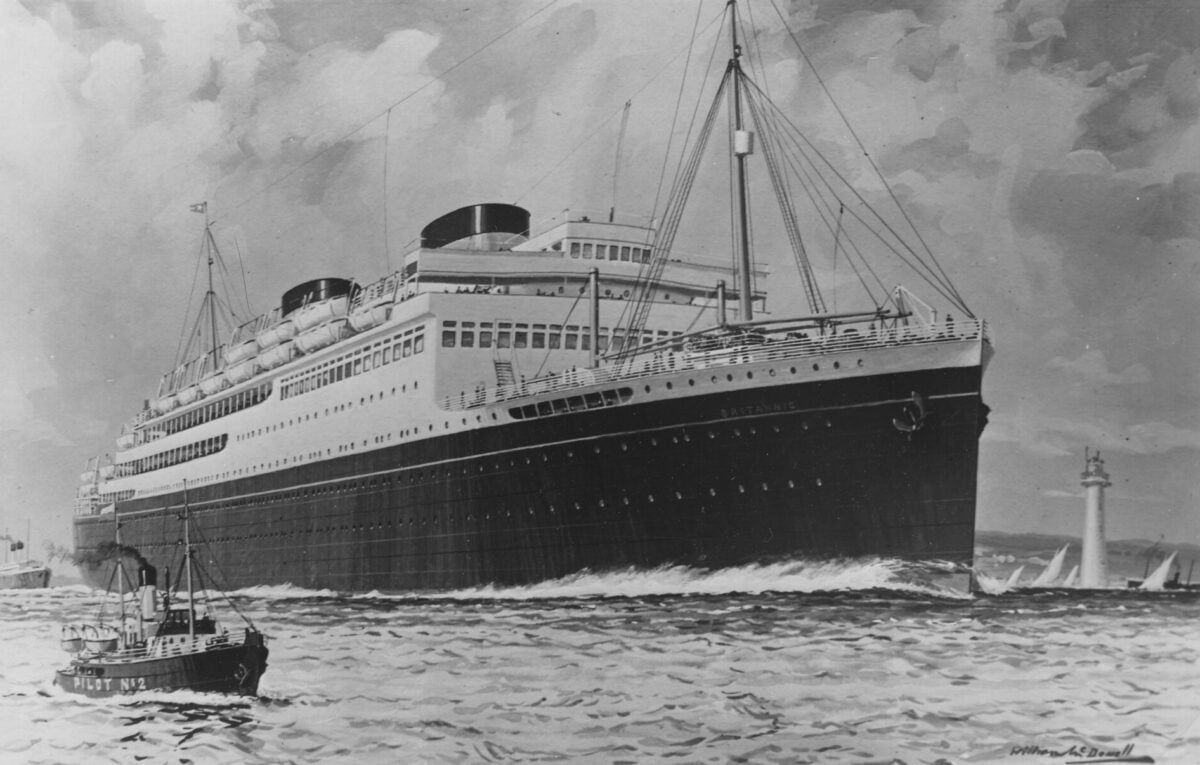
Ship’s captains don’t disappear from their own vessels. It’s not something that happens in the normal universe where cause and effect still function according to recognizable rules. But Captain Harold Morrison of the MS Britannic somehow managed to violate this basic principle of maritime reality during a 1955 crossing from Liverpool to Montreal.
Morrison had commanded passenger ships for twenty-three years without incident. He was known for running tight operations, maintaining discipline among his crew, and treating passengers with exactly the right combination of authority and courtesy that made people feel both safe and properly impressed by the gravity of ocean travel.
His officers described him as predictable to the point of being boring — the same routines, the same inspections, the same evening walk around the ship’s perimeter that he’d taken every night for over two decades. But Morrison never completed his final inspection on the voyage’s fourth night.
His cabin was empty, his uniform hanging in the closet, his captain’s log open to an entry that ended mid-sentence: “Weather holding steady, passengers seem to be enjoying…” The sentence simply stopped, as if Morrison had been interrupted by something that made him forget not only what he was writing, but where he was supposed to be.
The Shadow in the Corridor
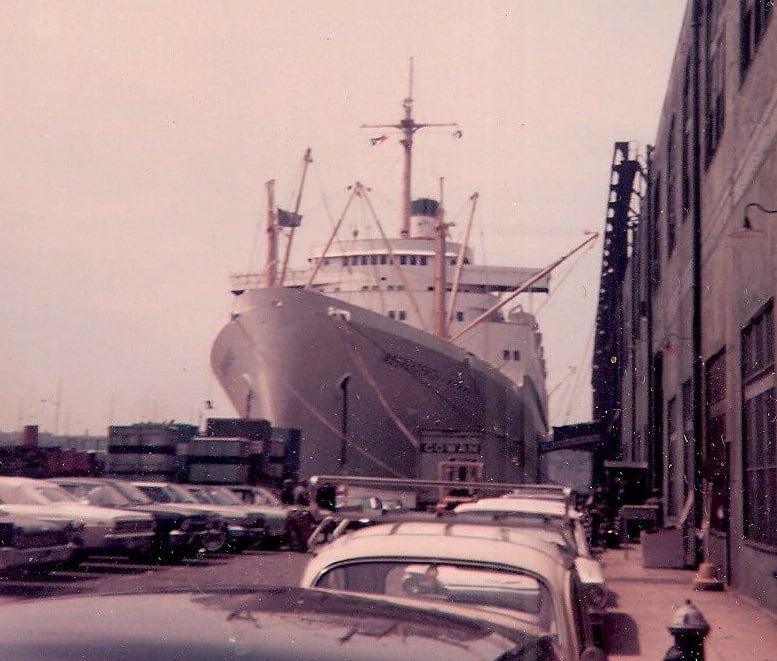
Some mysteries remain unresolved simply because the accounts contradict themselves. Amanda Foster’s disappearance from the SS Independence in 1956 is one such case — a disappearance that generated conflicting passenger testimonies but no verifiable evidence.
Amanda was traveling alone to Italy. Other passengers remembered her taking purposeful walks through the ship’s corridors at odd hours, as if searching for something specific. However, passenger descriptions of her appearance and behavior differed significantly: some recalled a blue dress, others red; some said she appeared worried, others claimed she seemed excited.
These inconsistencies suggest either unreliable witness memory or that accounts have been distorted over decades of retelling. When stewards found her cabin empty the next morning, there was no indication of what had happened to her.
Her belongings remained undisturbed. The circumstances of her disappearance remain unexplained.
Echoes Across the Decades

These vanished passengers left behind more than empty cabins and unanswered questions — they created a legacy of unease that still haunts maritime travel today. Every cruise ship that sets sail carries the memory of those who disappeared during the golden age of ocean liners, when crossing the Atlantic felt like traveling between worlds rather than simply between continents.
Perhaps what makes these vintage-era disappearances so compelling is how they remind us that mystery still exists in a world that believes it has explained everything. Before satellite tracking and digital surveillance, before GPS and constant communication with shore, passenger ships were genuinely isolated for weeks at a time.
People could vanish not just from the ship, but from the world itself, leaving behind only questions that the ocean has never been willing to answer.
More from Go2Tutors!

- The Romanov Crown Jewels and Their Tragic Fate
- 13 Historical Mysteries That Science Still Can’t Solve
- Famous Hoaxes That Fooled the World for Years
- 15 Child Stars with Tragic Adult Lives
- 16 Famous Jewelry Pieces in History
Like Go2Tutors’s content? Follow us on MSN.