15 Small Towns With Rules You Won’t Believe Are Real
Small towns often march to the beat of their own drums. While major cities might focus on regulating traffic or building codes, tiny communities across America sometimes enact laws that leave outsiders scratching their heads.
These ordinances often reflect unique local histories, peculiar problems, or simply the distinct character that makes small-town life both charming and occasionally perplexing. Here is a list of 15 small towns with rules that might make you do a double-take—each one genuine despite how strange they might seem.
No Ice Cream Cones in Your Pocket

Lexington, Kentucky keeps a regulation barring residents from keeping ice cream cones in their pockets. Dating back to 19th century horse theft prevention, this seeming arbitrary law Thieves would use ice cream to entice horses away without really ‘stealing’ them.
Though its antiquated goal, the statute nonetheless stands on the books now.
Mandatory Christmas Decorations

Each business in Kremmling, Colorado, has to display Christmas decorations in December. To guarantee the community kept its joyful image for winter tourism, the town council put this policy into effect in 1976.
Though enforcement has loosened in recent years, even non-Christian companies have to follow this rule.
Like Go2Tutors’s content? Follow us on MSN.
No Frowning Allowed

The tiny town of Pocatello, Idaho, used to have a ‘smile ordinance’ against being unhappy in public. Enacted in 1948 in the midst of a very cold winter to improve morale, this ‘law’ is actually still on the books, though never enforced.
The town brags about being the ‘U.S. Smile Capital’ and features this offbeat rule in tourist guides.
Mathematical Pi Officially Equals 3

In 1897, the Indiana state legislature nearly passed a bill that would have legally defined the mathematical constant pi as exactly 3.2 (rather than its actual value of approximately 3.14159). Though this never became official state law, the small town of French Lick still celebrates ‘Pi Day’ on March 2nd (3/2) rather than the traditional March 14th as a nod to this mathematical near-miss.
No Playing Hopscotch on Sundays

New Castle, Delaware maintains an antiquated law prohibiting children from playing hopscotch on Sundays. This ordinance stems from colonial-era blue laws meant to enforce proper Sunday behavior.
While completely ignored today, the town celebrates this odd restriction with an annual Saturday hopscotch tournament that always ends precisely at midnight.
Like Go2Tutors’s content? Follow us on MSN.
Mowing Your Lawn at Night
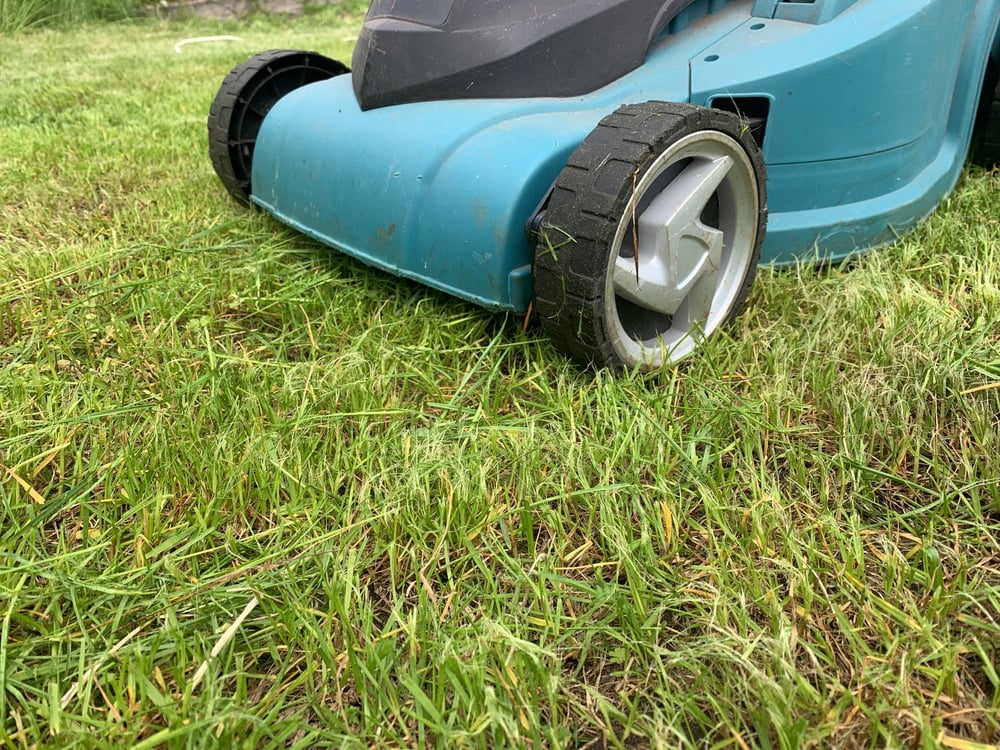
Residents of Fenwick Island, Delaware face fines for mowing their lawns after dark. This seemingly odd restriction makes practical sense given the town’s turtle population—nighttime lawn mowing has proven particularly hazardous to the local diamondback terrapins that frequently cross lawns after dusk.
Mandatory Cowboy Attire

In the small ranching town of Bowie, Arizona, all municipal employees must wear cowboy boots and hats every Friday. This rule, instituted in 1989, honors the town’s ranching heritage.
The city council takes this rule seriously enough to provide a boot and hat allowance in the municipal budget.
Illegal to Own More Than Two Dogs

Point Roberts, Washington—an unusual American exclave accessible only through Canada—prohibits residents from owning more than two dogs without special permission. The geographic isolation means limited veterinary services, and the rule exists to prevent pet overpopulation.
Residents wishing for a third canine companion must petition the town council directly.
Like Go2Tutors’s content? Follow us on MSN.
No Orange Houses

Beaumaris, a historic area on Anglesey, Wales, prohibits homeowners from painting their homes orange. Many American cities with historic districts are subject to this preservation law, such as Celebration, Florida, where inhabitants are required to select from a palette of nine colors.
The architectural review committee must provide its consent to anyone wishing to use different hues.
Mandatory Firearms

The town of Kennesaw, Georgia passed an ordinance in 1982 requiring the head of every household to maintain a firearm with ammunition. While the law contains exceptions for those opposed to gun ownership, it represents one of the few American municipalities mandating rather than restricting gun possession.
Crime rates reportedly dropped after implementation.
Banned Fortune Telling
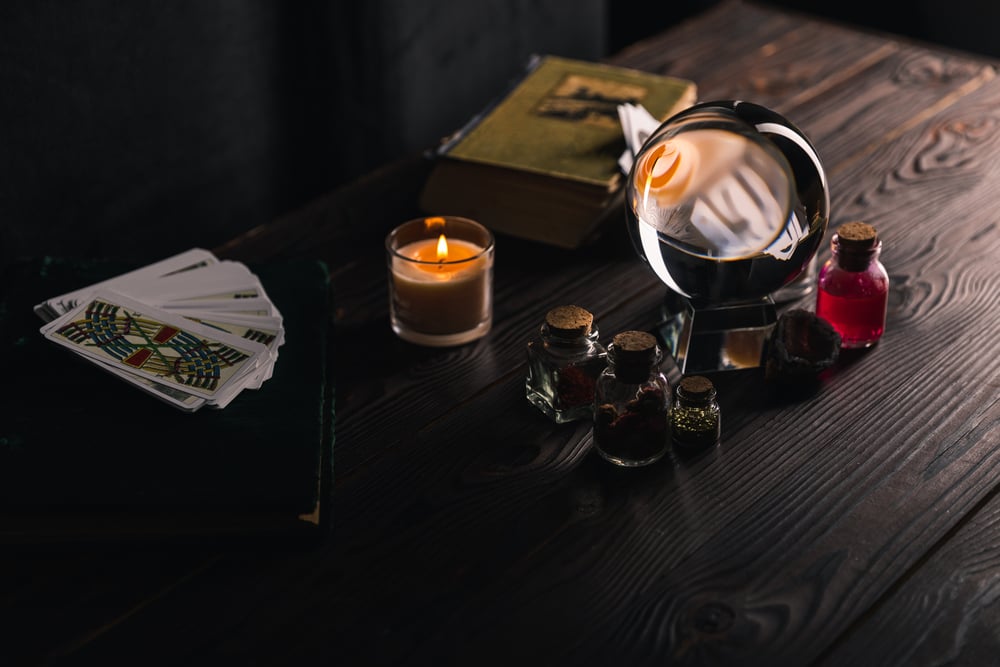
In Deadwood, South Dakota, fortune telling remains illegal unless done ‘for entertainment purposes only.’ This law originated in the town’s gold rush days when con artists would fleece miners of their earnings through fraudulent predictions.
Even today, any psychic readers must explicitly state they provide entertainment, not actual divination.
Like Go2Tutors’s content? Follow us on MSN.
Four-Minute Showers Only

The drought-prone community of Outback Springs, Arizona enacted a four-minute maximum shower ordinance during a severe water shortage in 2014. The rule proved so effective at conservation that residents voted to keep it permanently.
All new construction must include shower timers, and hotels provide complimentary egg timers in bathrooms.
No Kite Flying Downtown

Flying kites within city limits remains technically illegal in Schaumburg, Illinois. This rule came about after a 1970s incident where multiple kites became entangled in power lines, causing a neighborhood blackout.
Though rarely enforced, the annual kite festival operates with a special municipal exemption.
Mandatory Town Meeting Attendance
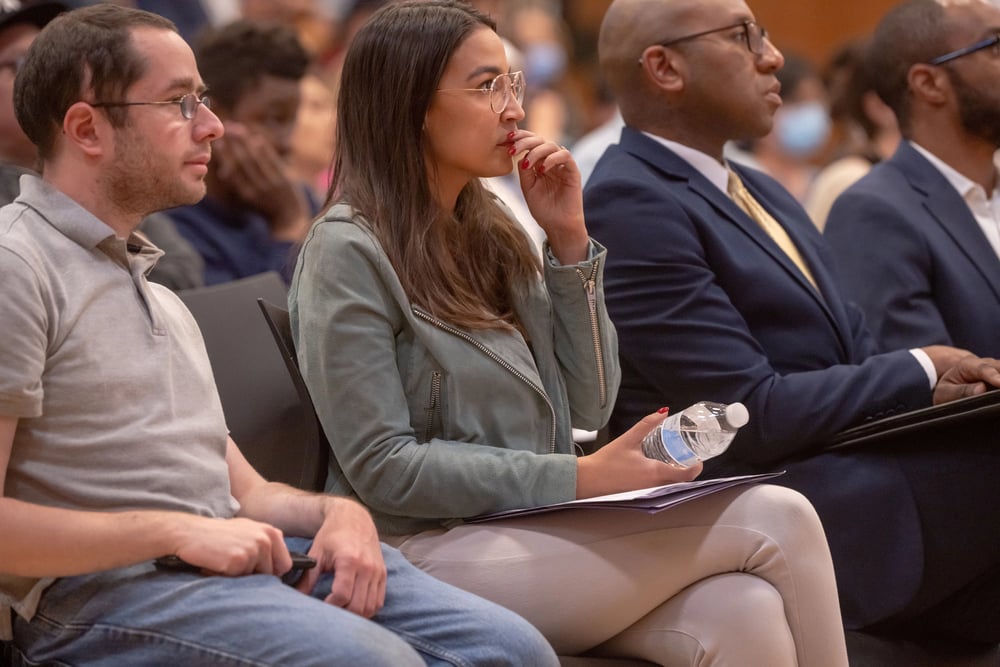
Residents of New Ashford, Massachusetts (population approximately 230) can face small fines for skipping the annual town meeting without a valid excuse. This New England tradition dates back to colonial times when direct democracy required participation.
The tiny town has maintained this rule to ensure adequate attendance for important votes.
Like Go2Tutors’s content? Follow us on MSN.
Pennies Only for Parking Fines
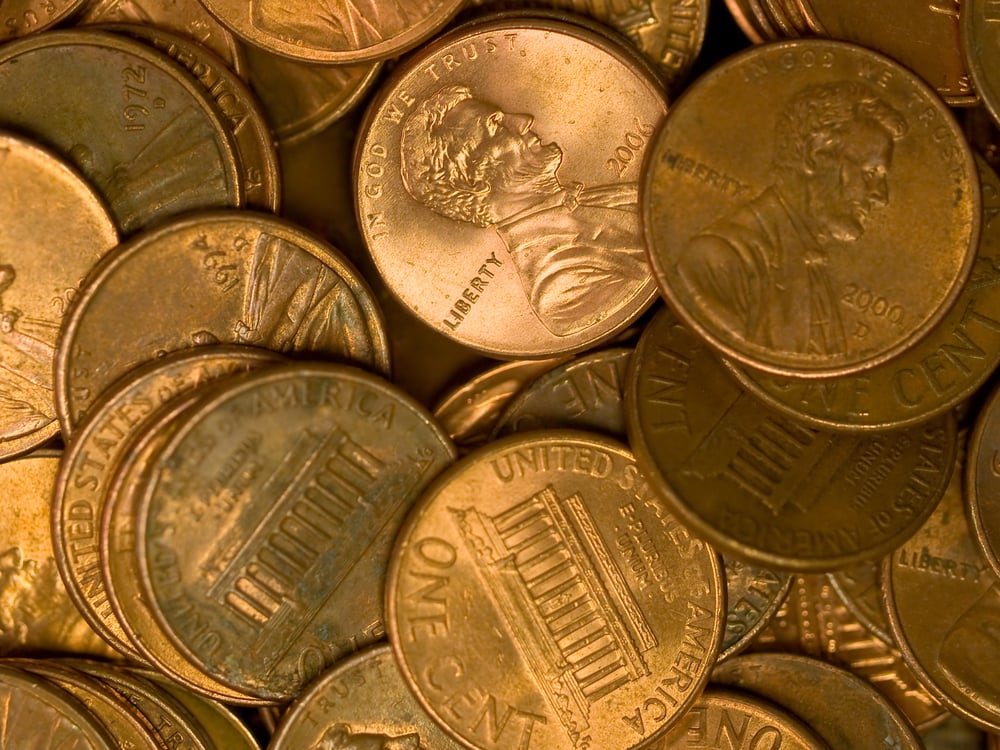
The town of Sulfur Springs, Texas created a unique rule allowing parking tickets to be paid only in pennies. This unusual regulation supports the local school system, as all collected pennies go directly to education funding.
The town even provides free coin rolls at the municipal building to facilitate payment.
Preserving Peculiar Practices
These unusual regulations remind us that America’s tapestry of governance includes threads of the strange and unexpected. While many of these rules exist primarily as historical curiosities or tourist-friendly oddities, they reflect the distinctiveness of small communities and their sometimes unconventional approaches to local issues.
From practical solutions to preservation efforts to outright eccentricity, these small-town rules demonstrate how communities develop character through their governance choices. Though we might shake our heads at some of these regulations, they contribute to the rich diversity of American civic life and the enduring charm of small-town identity.
More from Go2Tutors!

- 18 Unexpectedly Valuable Collectibles You Might Have Lying Around
- 15 Things Every Teenager in the ’70s Did That Teens Today Wouldn’t Understand
- 15 Strange Things People Have Tried to Ban (And Failed)
- 15 Inventions That Were Immediately Banned After Being Created
- 20 Actors Who Were Almost Cast in Iconic Roles
Like Go2Tutors’s content? Follow us on MSN.