Photos Of Abandoned Shopping Malls That Were Once Packed With People
There’s something haunting about empty spaces that were once filled with life. Shopping malls, in particular, carry the weight of countless memories—first dates at the food court, weekend family outings, teenagers hanging out after school, and the excitement of holiday shopping.
These sprawling temples of commerce were once the beating hearts of suburban communities, but economic shifts, changing shopping habits, and the rise of online retail have left many of them eerily vacant.
Walking through an abandoned mall feels like stepping into a time capsule. The storefronts that once displayed the latest fashions now stand empty behind metal grates.
The fountains that children once threw pennies into sit dry and collecting dust. Yet these spaces tell powerful stories about American culture, community, and the inevitable march of change.
Rolling Acres Mall, Akron, Ohio
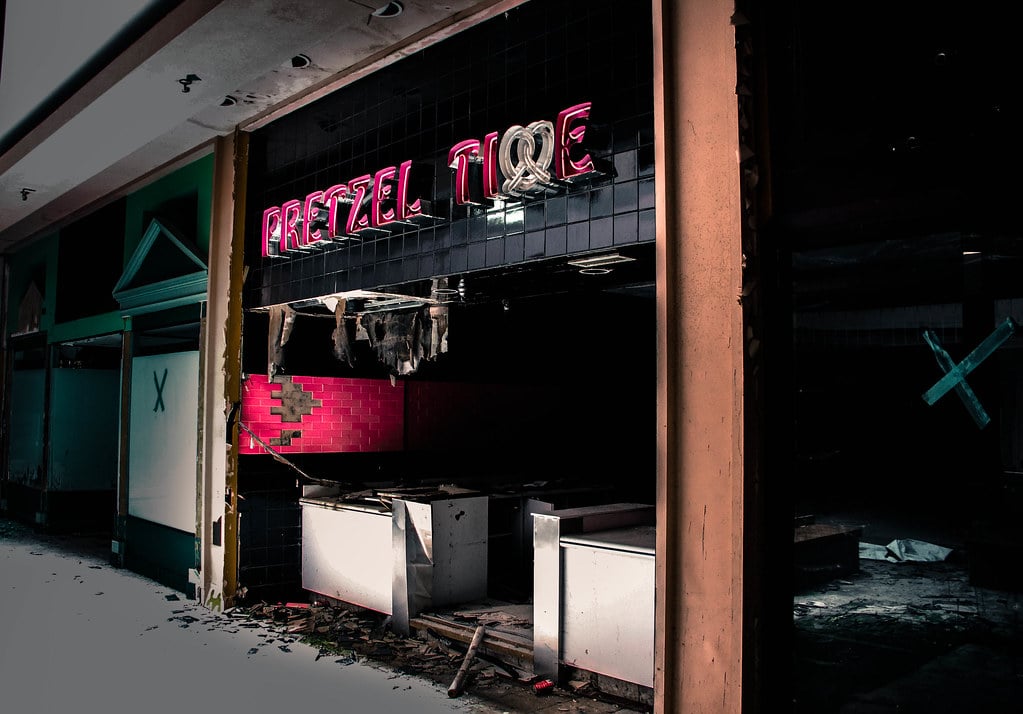
Rolling Acres died slowly, then all at once. The mall opened in 1975 and thrived for decades, anchored by major department stores and filled with specialty shops.
But by the 2000s, anchor stores began closing one by one.
The final blow came in 2008 when the last major tenant left. What remained was a vast, echoing shell where nature began to reclaim the space.
Photographers captured images of trees growing through the skylights, water damage creating abstract patterns on the walls, and snow drifting through broken windows into what was once the main corridor.
Dixie Square Mall, Harvey, Illinois
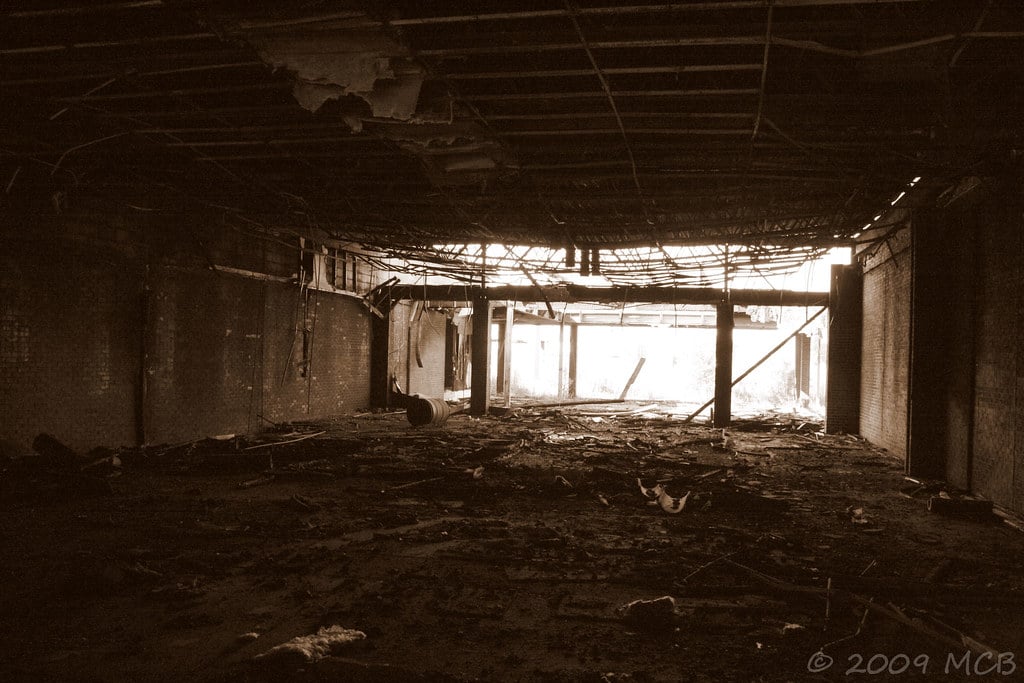
This mall became famous for all the wrong reasons. After closing in 1979, Dixie Square gained notoriety as the location for the car chase scene in “The Blues Brothers.”
The production designers didn’t need to do much work—the mall was already falling apart.
For decades afterward, the abandoned structure became a symbol of urban decay. Graffiti covered the walls, and vandals stripped anything of value.
The mall finally met its end with demolition in 2012, but not before countless photographers documented its slow deterioration.
Northridge Fashion Center, Northridge, California
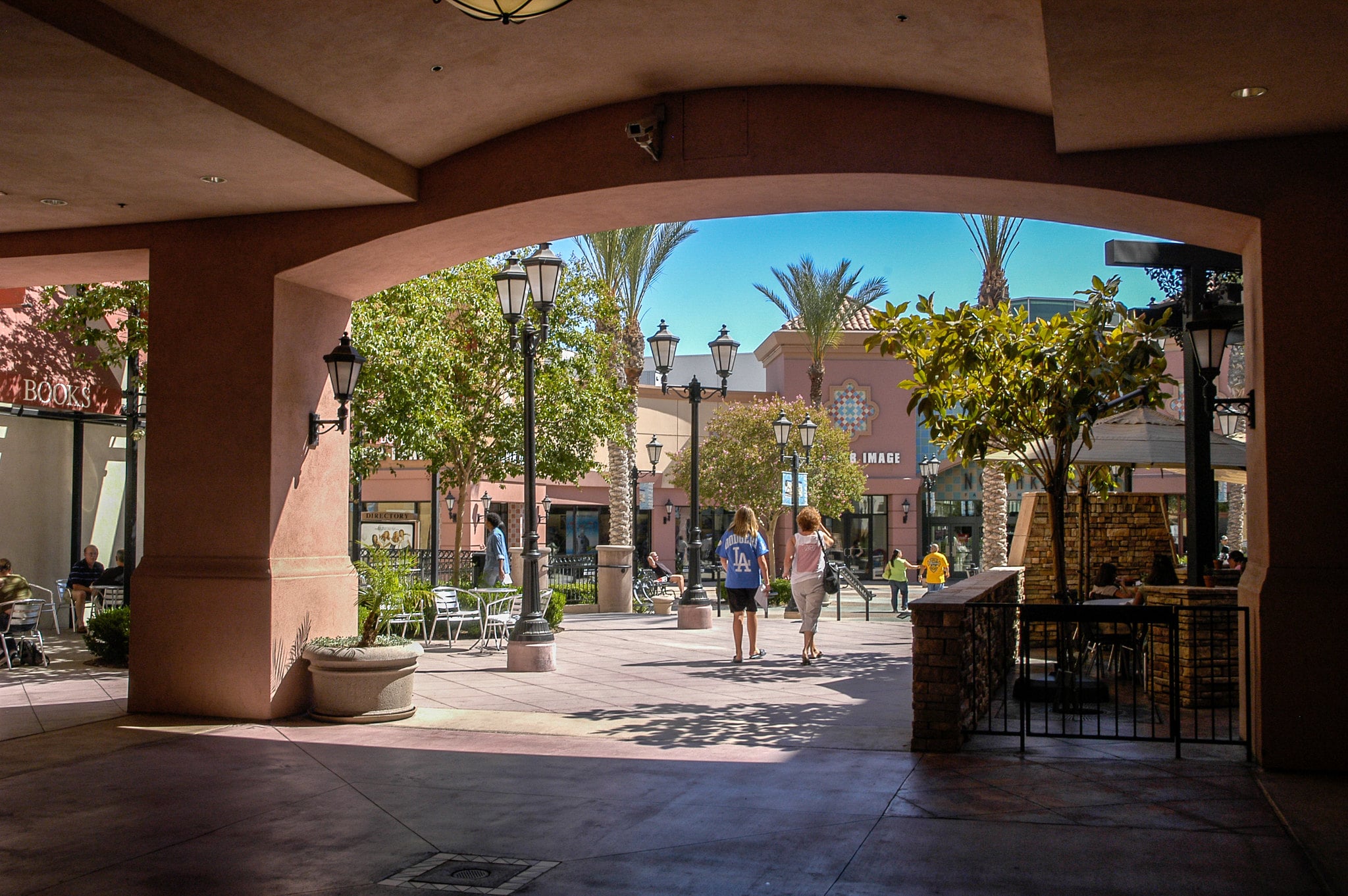
The 1994 Northridge earthquake didn’t just shake buildings (though it certainly did that, causing structural damage that would take years and millions of dollars to repair), it fundamentally altered the commercial landscape of the San Fernando Valley, and this mall—which had been a thriving hub of activity before that January morning—became something else entirely afterward: a monument to how quickly circumstances can change, how a single event can transform a place where thousands of people once gathered daily into something resembling a ghost town, though the ghosts here weren’t supernatural but economic.
But the real damage was economic. Shoppers never returned in the same numbers.
So the mall limped along for years, losing tenants one by one, until sections began closing permanently.
And photographers who ventured inside captured the strange juxtaposition: earthquake damage mixed with simple abandonment, creating scenes that looked almost post-apocalyptic.
Cloverleaf Mall, Chesterfield, Virginia
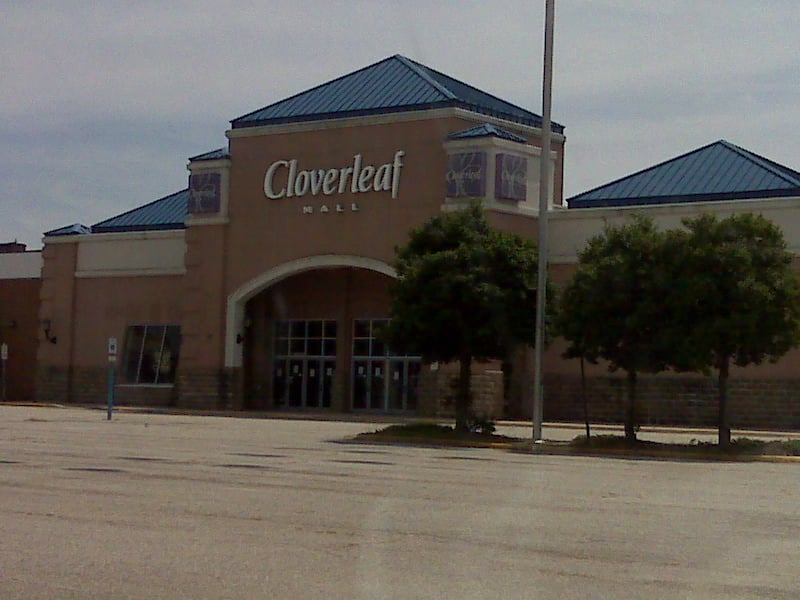
Abandoned places become accidental museums of the recent past, preserving moments that were never meant to last. Cloverleaf Mall, with its 1970s architecture still intact, feels like walking through someone’s childhood memories made concrete and steel.
The color schemes that once seemed so modern—burnt orange and avocado green—now look like artifacts from another civilization entirely.
The mall’s emptiness amplifies every small detail that remains: a single promotional poster still taped to a window, directory signs pointing toward stores that no longer exist, pay phones that will never ring again.
These aren’t just empty buildings; they’re time capsules that accidentally caught the exact moment when one era ended and another began.
Forest Fair Village, Cincinnati, Ohio
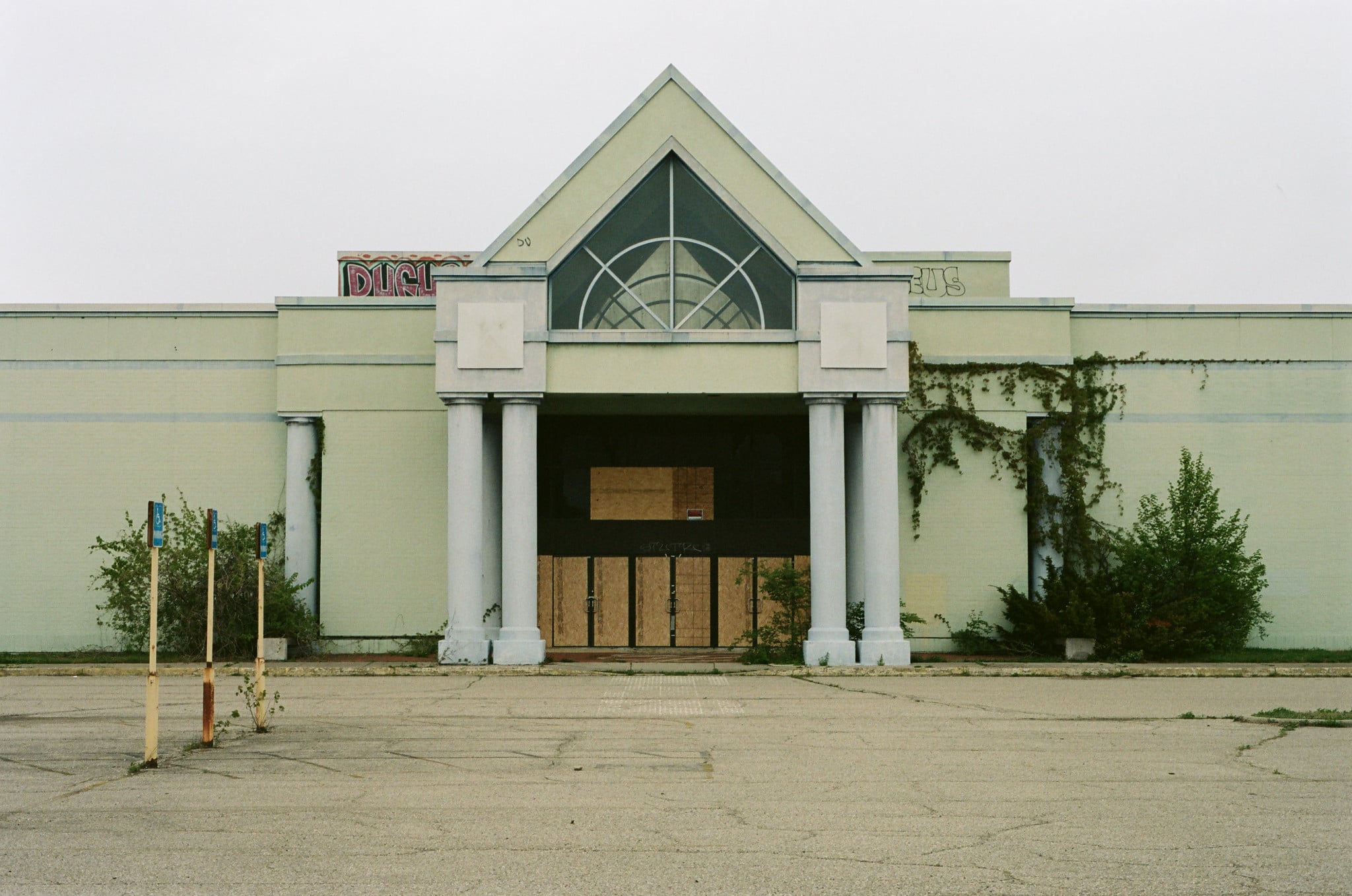
Forest Fair Village had ambitions that far exceeded reality. Opened in 1989 as one of the largest malls in the world, it was supposed to be a destination shopping experience that would draw visitors from across the region.
The execution fell short.
The mall was too big, too spread out, and never achieved the foot traffic needed to sustain such a massive space. By the early 2000s, it was clear the experiment had failed.
Large sections closed, and what remained became a strange mix of functioning stores and abandoned corridors. Photographers found endless material in the contrast between the mall’s grandiose design and its obvious failure.
Crestwood Plaza, St. Louis, Missouri
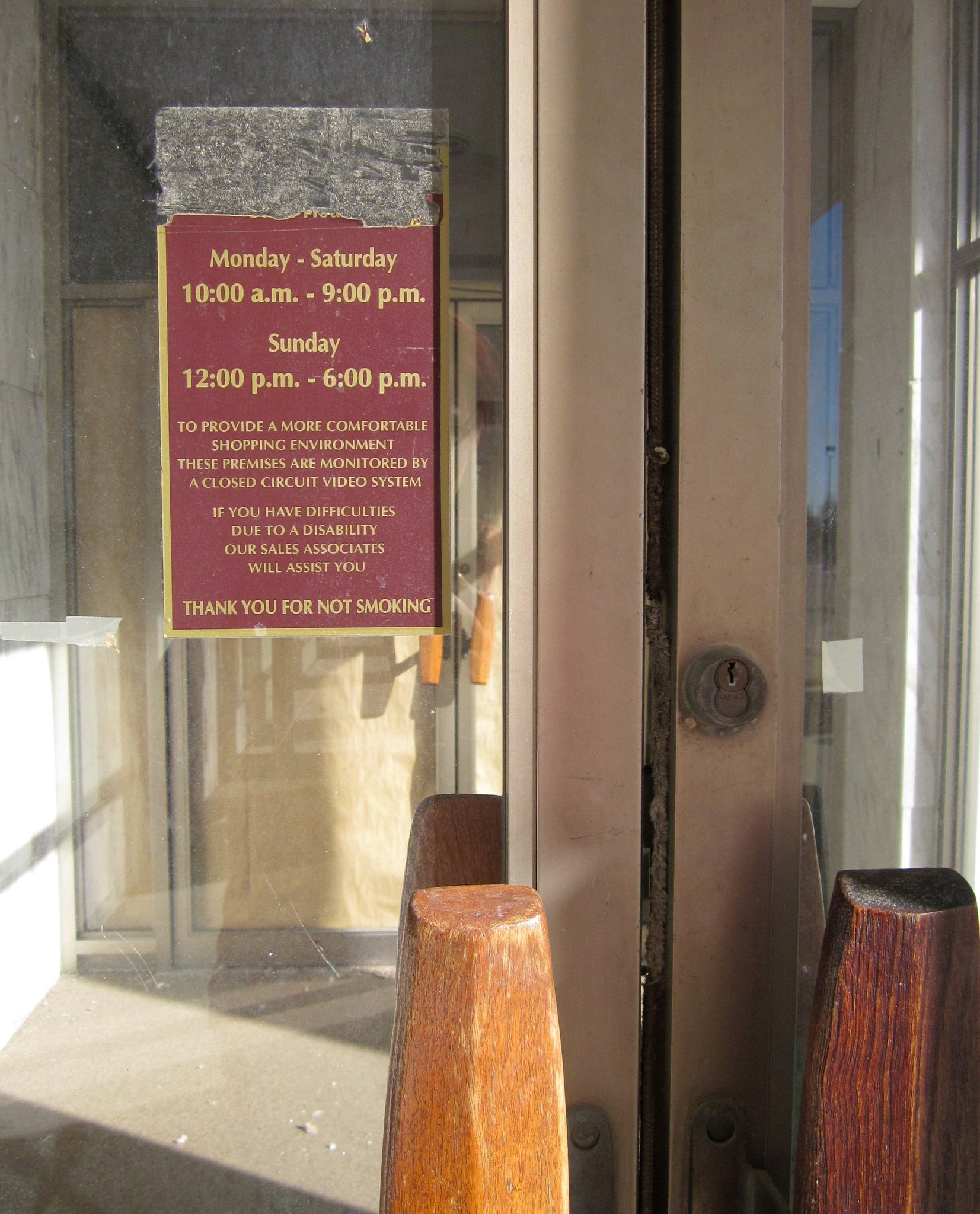
Sometimes the most interesting abandoned places are the ones that almost made it back (which is a cruel twist that makes the final abandonment even more poignant), where renovation attempts and partial reopenings created this strange layered history visible in every surface: new paint over old fixtures, modern improvements sitting next to obvious decay, hope and resignation existing in the same space because that’s what happens when economics and nostalgia collide and economics usually wins, though not without leaving evidence of the fight.
So you end up with these spaces that tried to reinvent themselves but couldn’t quite manage it.
But the renovations never took hold.
And now Crestwood Plaza sits as evidence of multiple failures: the original decline, the failed comeback attempt, and the final surrender to reality.
Metro North Mall, Kansas City, Missouri
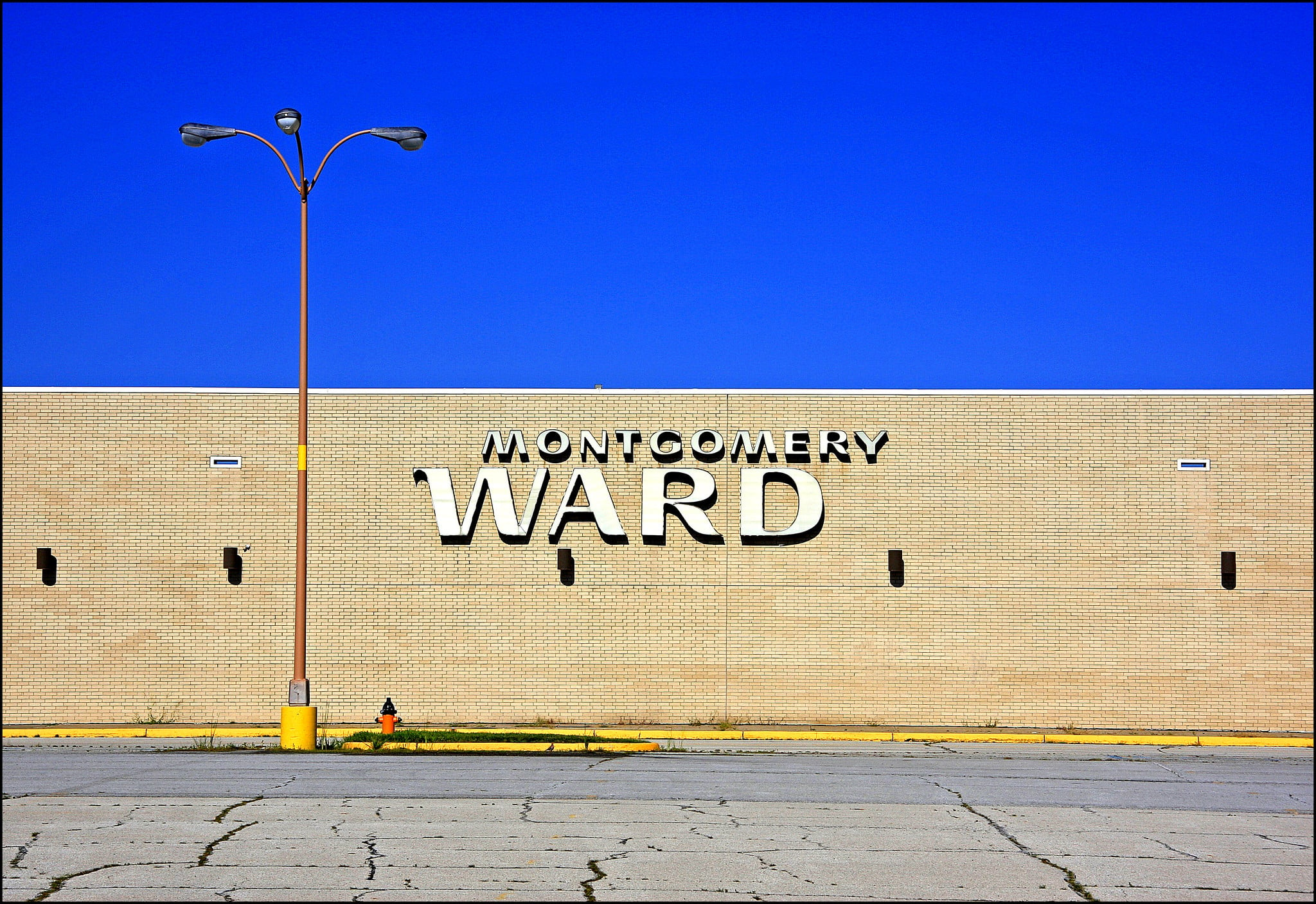
Metro North Mall represents the particular melancholy of spaces that outlived their purpose. The building itself remains structurally sound, which makes its emptiness feel more deliberate, more final.
This isn’t decay from neglect—this is the clean abandonment that comes when everyone simply stops coming.
The wide corridors that once funneled shoppers from anchor store to anchor store now stretch empty, their terrazzo floors still polished but reflecting nothing except the occasional security guard making rounds.
The skylights still let in natural light, illuminating storefronts that have been professionally sealed rather than broken into, creating an atmosphere that feels more like a museum after hours than a ruin.
Dead Malls Don’t Just Happen Overnight
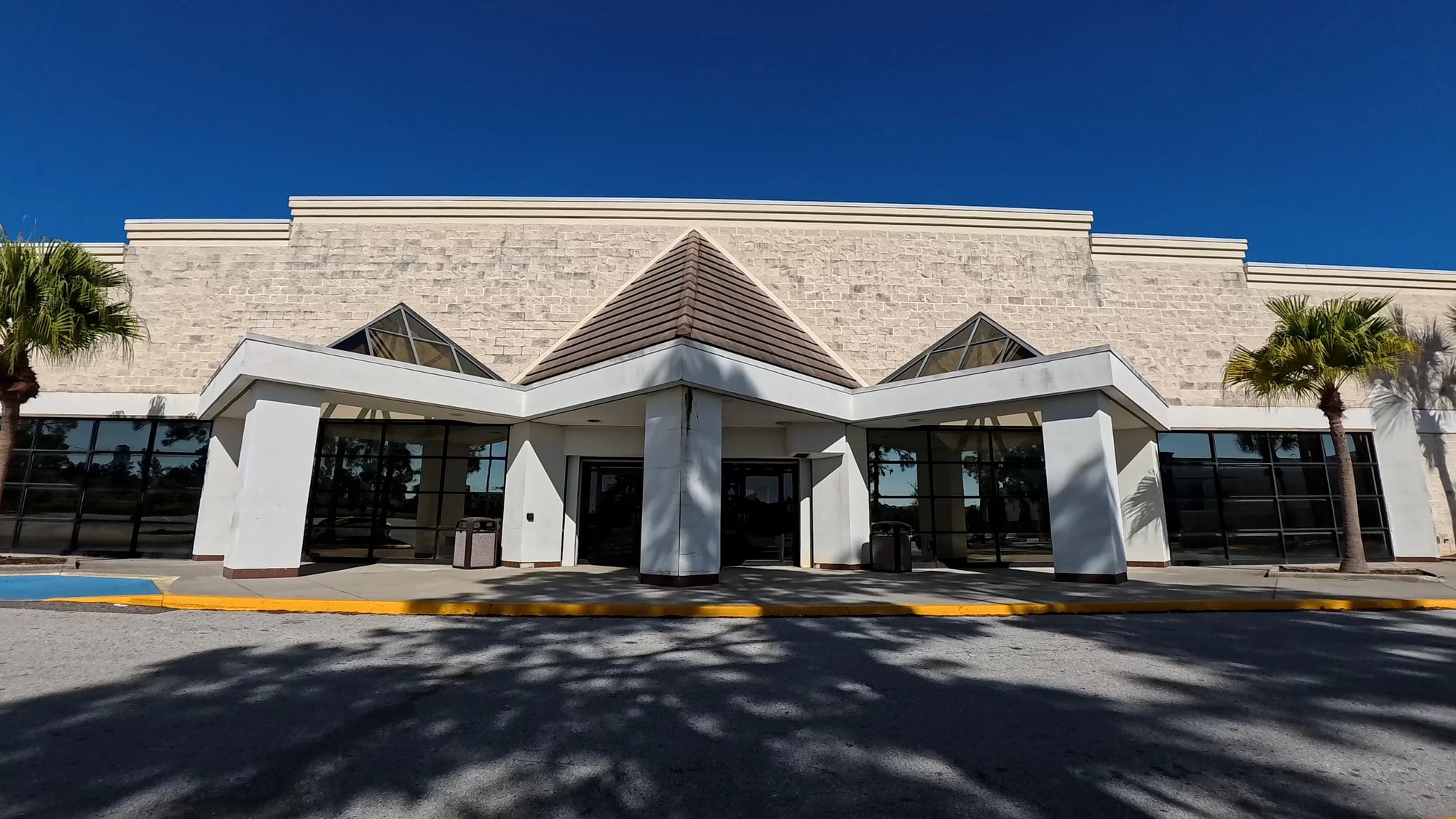
The decline follows a predictable pattern that retail experts can spot years in advance. First, one anchor store leaves—usually because of corporate restructuring or lease disputes rather than immediate financial problems.
Then foot traffic drops as shoppers have fewer reasons to visit.
Smaller retailers start struggling with reduced customer flow. Their leases come up for renewal, and they choose not to renew.
Empty storefronts multiply, creating a feedback loop where the mall feels less vibrant, which drives away more customers, which leads to more empty storefronts.
The process accelerates until reaching a tipping point where revival becomes nearly impossible.
Hawthorne Plaza, Hawthorne, California
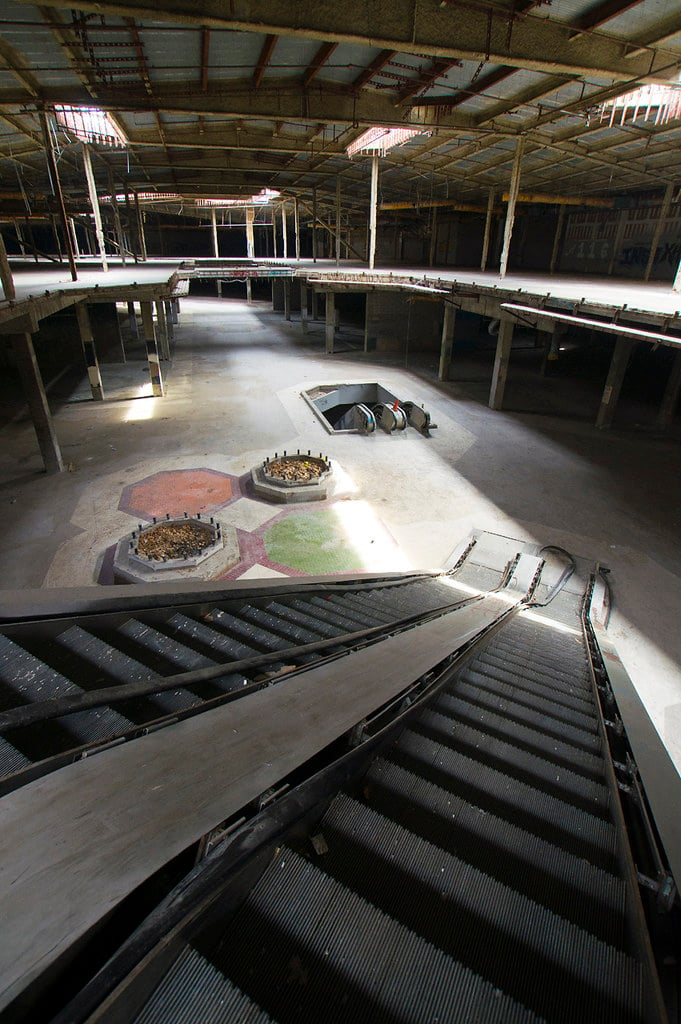
This mall gained a second life as a filming location after its retail death, which creates an odd sort of immortality (the kind that preserves appearances while gutting meaning, like a museum exhibit that looks authentic but lacks the living context that made it significant in the first place), and you see this transformation in how photographers approach the space now—not as documentation of decay but as documentation of reinvention, though whether hosting film shoots constitutes genuine reinvention or just elaborate theater is probably a matter of perspective.
And the truth is somewhere in between.
But the cameras capture something genuine: a space that refused to simply disappear.
So Hawthorne Plaza exists in this strange state where its abandonment became its function, where its failure as a mall became its success as a film set.
Villa Italia Mall, Lakewood, Colorado
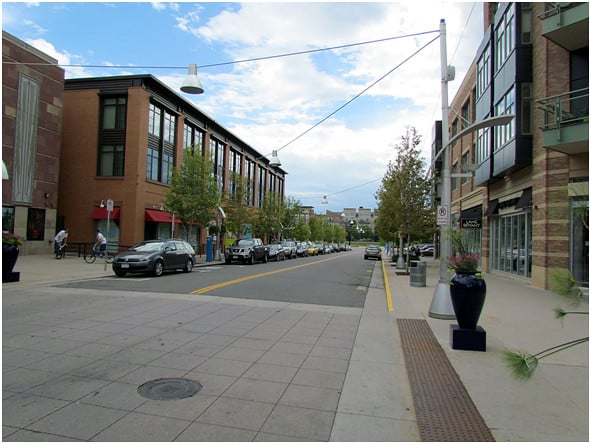
Villa Italia Mall tried to capture the romance of Italian architecture and ended up creating something distinctly American instead: an idealized, sanitized version of European charm designed for maximum retail efficiency. The fountain in the center court, the decorative tilework, the arched walkways—all of it spoke to a desire for something more elegant than typical suburban shopping.
When the mall finally emptied, those design elements took on a different character.
The fountain, dry for years, collected dust instead of coins. The tilework became a canvas for graffiti.
The arched walkways echoed with emptiness instead of conversation. The mall’s attempt at timeless European style made its abandonment feel even more temporary, as if shoppers might return at any moment to restore its intended purpose.
Southwyck Mall, Toledo, Ohio
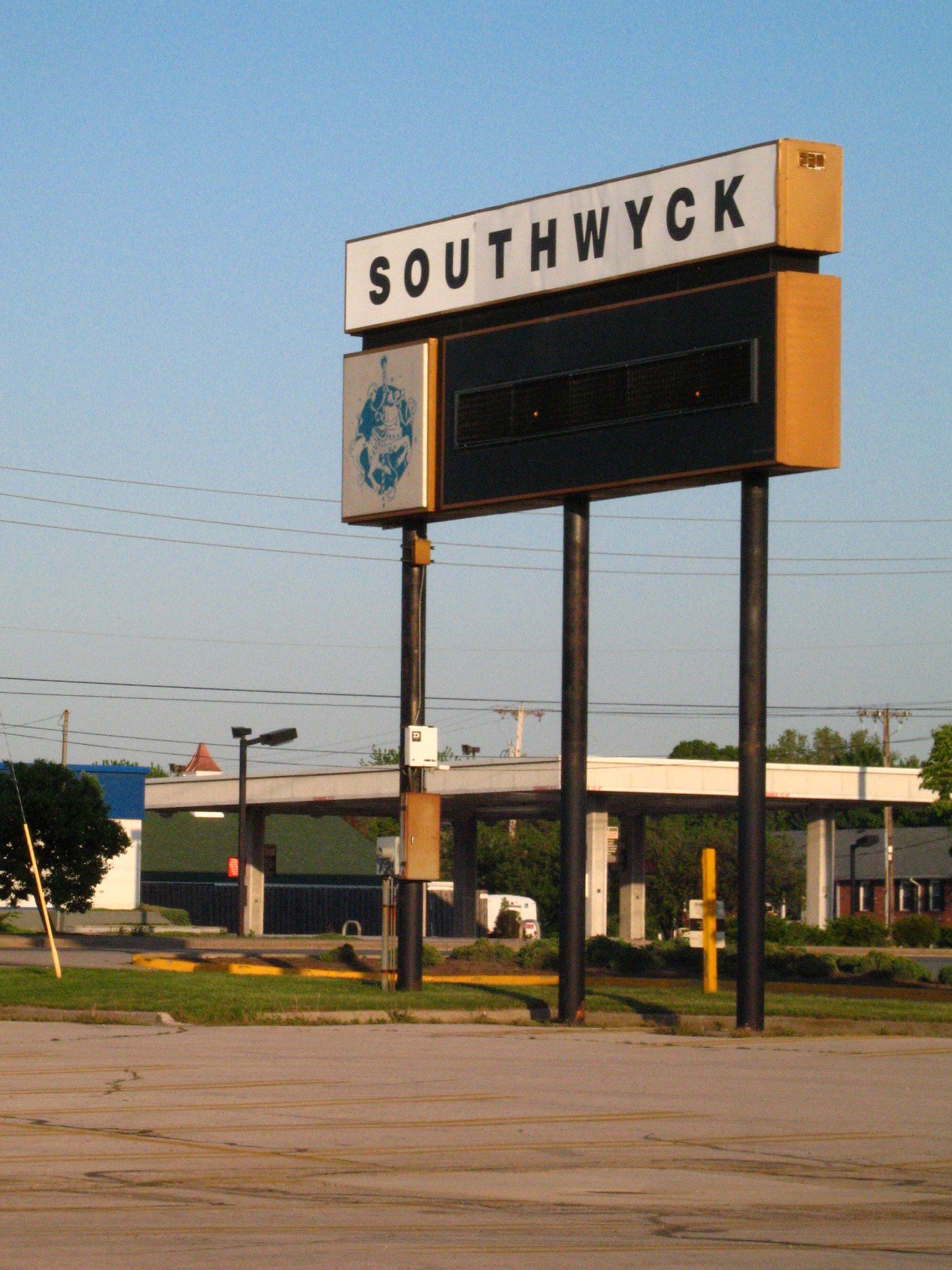
The most honest thing about dead malls is how quickly nature moves in to reclaim them. Southwyck Mall provided perfect documentation of this process as photographers captured the slow invasion of weeds through foundation cracks, water damage creating abstract patterns on walls, and eventually trees taking root in what used to be retail space.
This isn’t the dramatic collapse that movies suggest—it’s the patient work of entropy.
Roof leaks lead to water damage. Water damage leads to mold.
Mold leads to structural problems. Plants find their way inside and establish themselves.
The process takes years, but it’s remarkably thorough.
The building slowly stops being a human space and starts being something else entirely.
Shops At Willow Bend, Plano, Texas
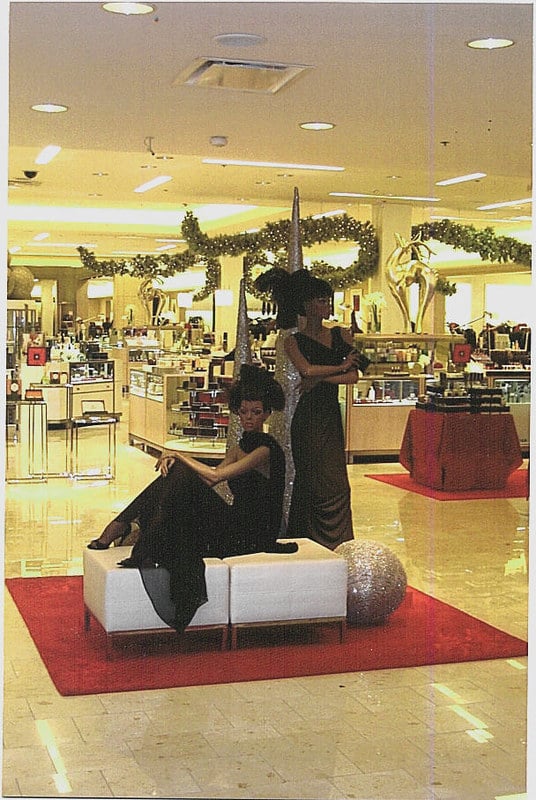
Some malls die from external forces—competition, demographic changes, economic downturns. Others die from internal contradictions, and Willow Bend fell into the second category with its identity crisis between upscale shopping destination and neighborhood convenience center, a confusion that manifested in everything from the tenant mix to the marketing to the way different sections of the mall felt like they belonged to entirely different projects, as if the developers couldn’t decide what they were building and hoped the market would figure it out for them, which it did, just not in their favor.
But the market’s verdict was harsh.
And now the mall stands as evidence that good intentions and solid financing can’t overcome fundamental confusion about purpose.
Evergreen Plaza, Evergreen Park, Illinois
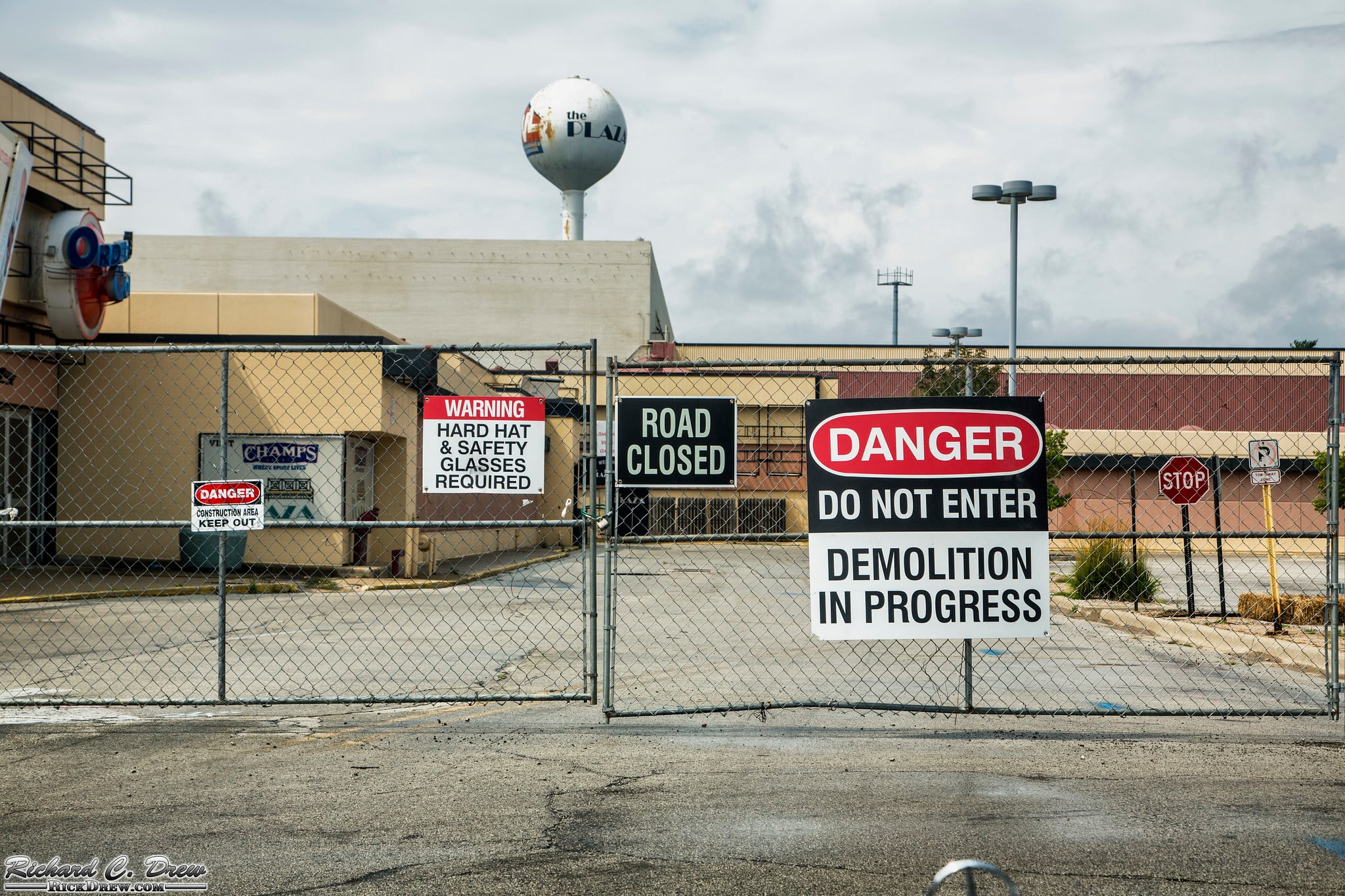
Evergreen Plaza had the misfortune of being ahead of its time when it opened and behind the times when it closed. As one of the first enclosed shopping malls, it pioneered the format that would define suburban retail for decades.
But by the time it shuttered, that same format felt outdated and inflexible.
The photographs from its final years show this temporal confusion: design elements that once seemed revolutionary now looked quaint, layout decisions that once maximized efficiency now seemed to impede foot traffic, and anchor stores that once guaranteed success had become retail dinosaurs themselves.
The mall became a victim of the very changes it had helped set in motion.
Indian Springs Mall, Kansas City, Kansas
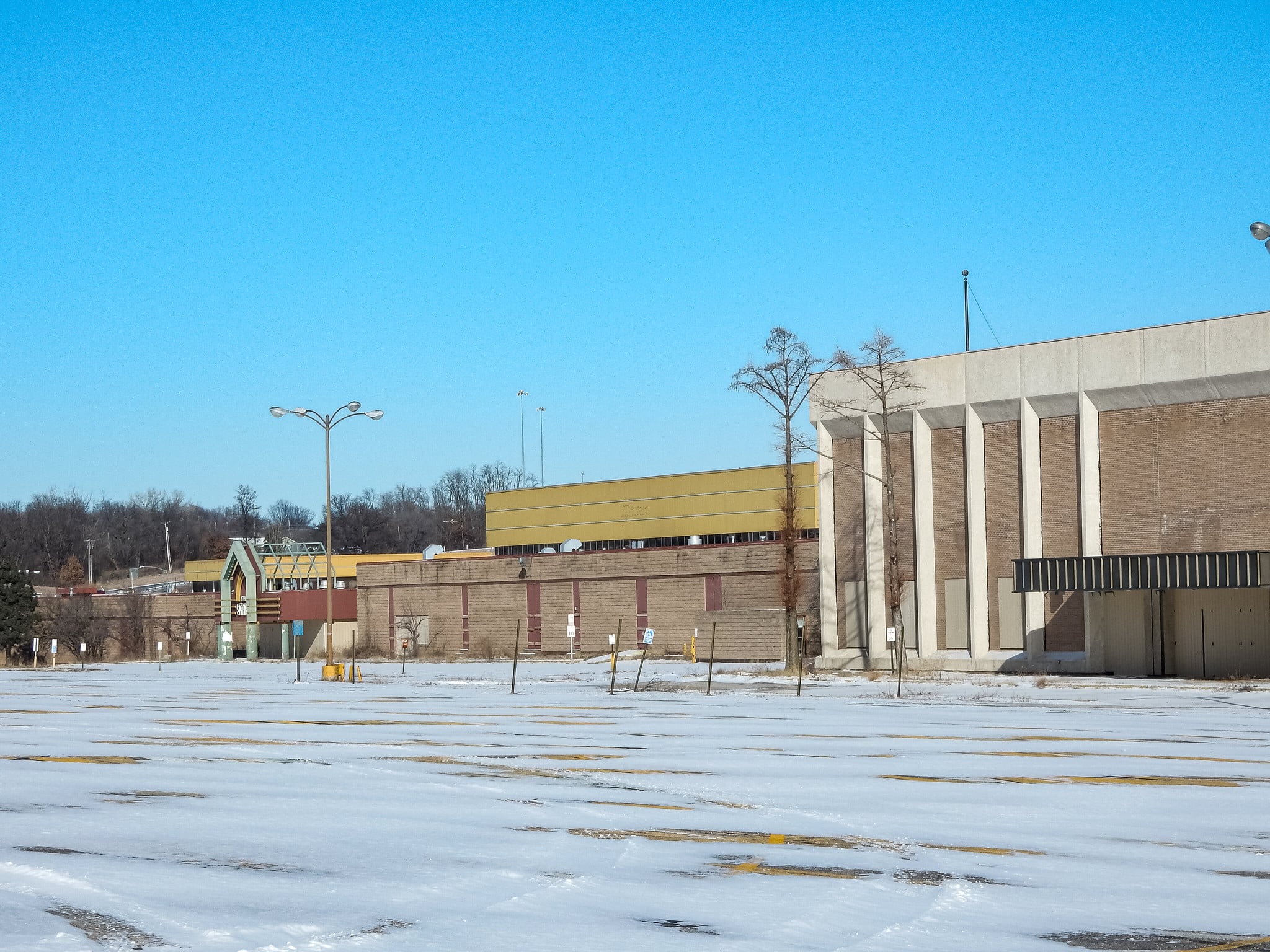
Walking through the remnants of Indian Springs Mall feels like reading a story written in architecture and abandonment. The wide corridors that once guided shoppers from store to store now lead nowhere in particular.
The directory signs still point toward businesses that vanished years ago, creating an accidental poetry of misdirection.
But the most striking element is how personal items were left behind: a single shoe in what used to be a clothing store, children’s drawings still taped to a daycare window, restaurant equipment sitting exactly where it was when the last shift ended.
These aren’t grand gestures of abandonment—they’re the small, human details that make empty spaces feel haunted by ordinary life.
The End Of An Era Deserves Better Than Demolition
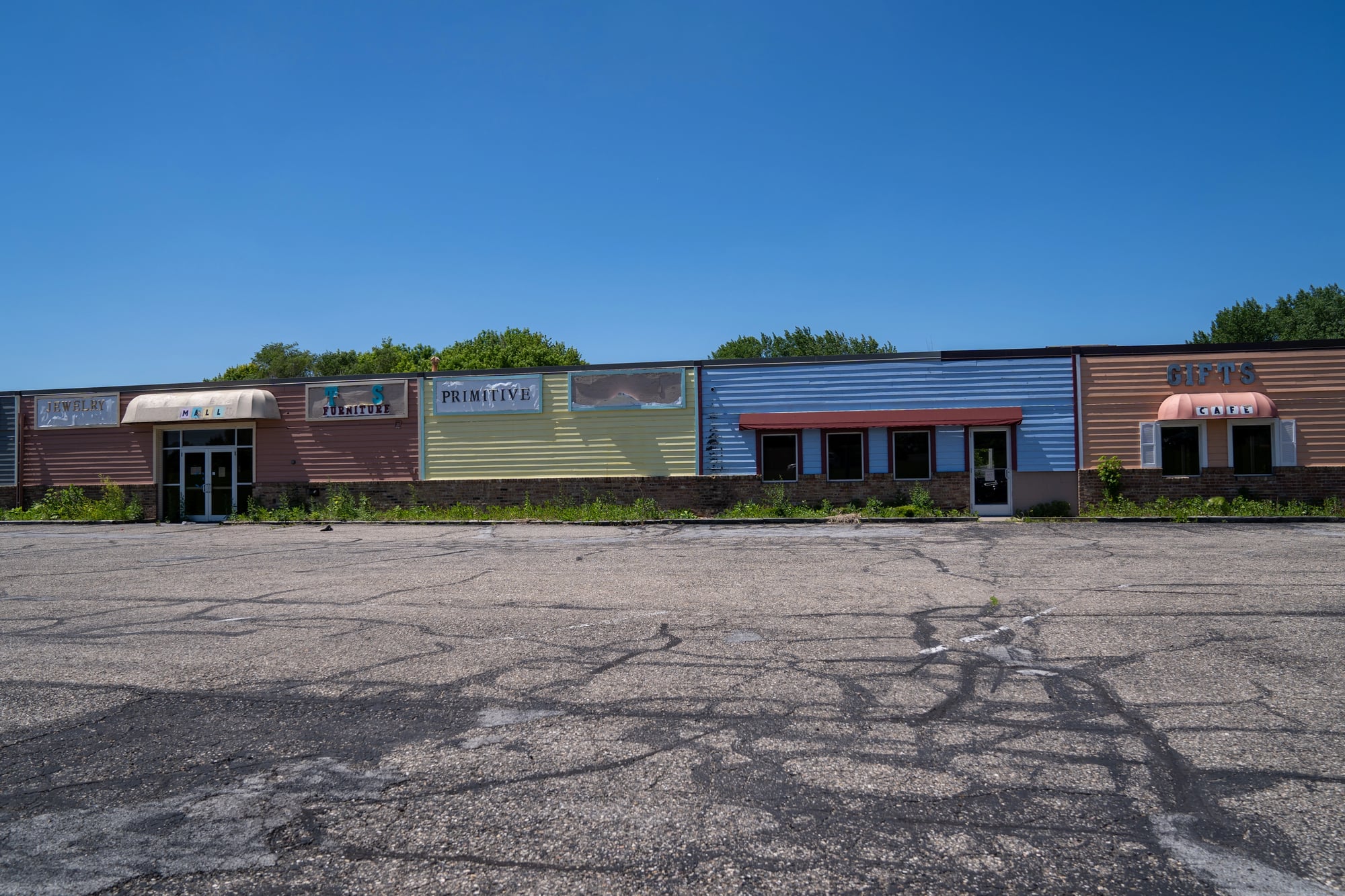
Most dead malls get torn down eventually, making way for power centers, mixed-use developments, or simply empty lots waiting for the next development cycle. The demolition is usually quick and efficient, erasing decades of community history in a matter of weeks.
But the photographs remain, preserving these spaces in their final moments and serving as accidental archives of a particular moment in American retail culture.
They capture not just empty buildings, but the end of an era when shopping was a social activity, when malls served as community centers, and when the future of retail seemed as solid and permanent as the buildings themselves.
Those assumptions turned out to be wrong, but the photos remind us that they once felt true.
More from Go2Tutors!

- The Romanov Crown Jewels and Their Tragic Fate
- 13 Historical Mysteries That Science Still Can’t Solve
- Famous Hoaxes That Fooled the World for Years
- 15 Child Stars with Tragic Adult Lives
- 16 Famous Jewelry Pieces in History
Like Go2Tutors’s content? Follow us on MSN.



