15 Classic TV Commercials That Went Too Far
Television advertising has always pushed boundaries, though some commercials crossed lines that left viewers shocked, offended, or scratching their heads in disbelief. From controversial celebrity endorsements to wildly inappropriate content for prime time, these ads became legendary for all the wrong reasons.
Most commercials aim to sell products without causing a stir, yet these particular spots managed to spark outrage, protests, and even lawsuits. Here is a list of 15 classic TV commercials that went too far and became infamous pieces of advertising history.
Life Cereal’s Mikey

The 1972 Life cereal commercial featuring little Mikey became a cultural phenomenon. It also sparked widespread concern about child actors in advertising.
The ad showed Mikey’s brothers pushing him to try the cereal because ‘he hates everything’ — creating what many parents felt was an unhealthy dynamic around food and peer pressure. The commercial ran for over a decade, with rumors eventually spreading that the child actor had died from consuming Pop Rocks and soda, though this was completely false.
Ayds Diet Candy

This weight-loss candy had the misfortune of sharing its name with a devastating epidemic that emerged in the 1980s. The company’s commercials featured taglines like ‘Ayds helps you lose weight’ — becoming increasingly uncomfortable to watch as public awareness of AIDS grew.
Despite attempts to rebrand, the unfortunate naming coincidence effectively destroyed the product’s marketability, and the company eventually went out of business.
Wendy’s Soviet Fashion Show

Wendy’s 1985 commercial mocking Soviet fashion during the height of the Cold War featured a drab fashion show with identical outfits. It ended with the tagline about having choices in America.
While many found it clever, others criticized it as unnecessarily inflammatory toward an entire nation during tense geopolitical times. The ad aired during a period when U.S.-Soviet relations were particularly strained — making the mockery feel more aggressive than humorous to some viewers.
Pepsi’s Kendall Jenner Protest
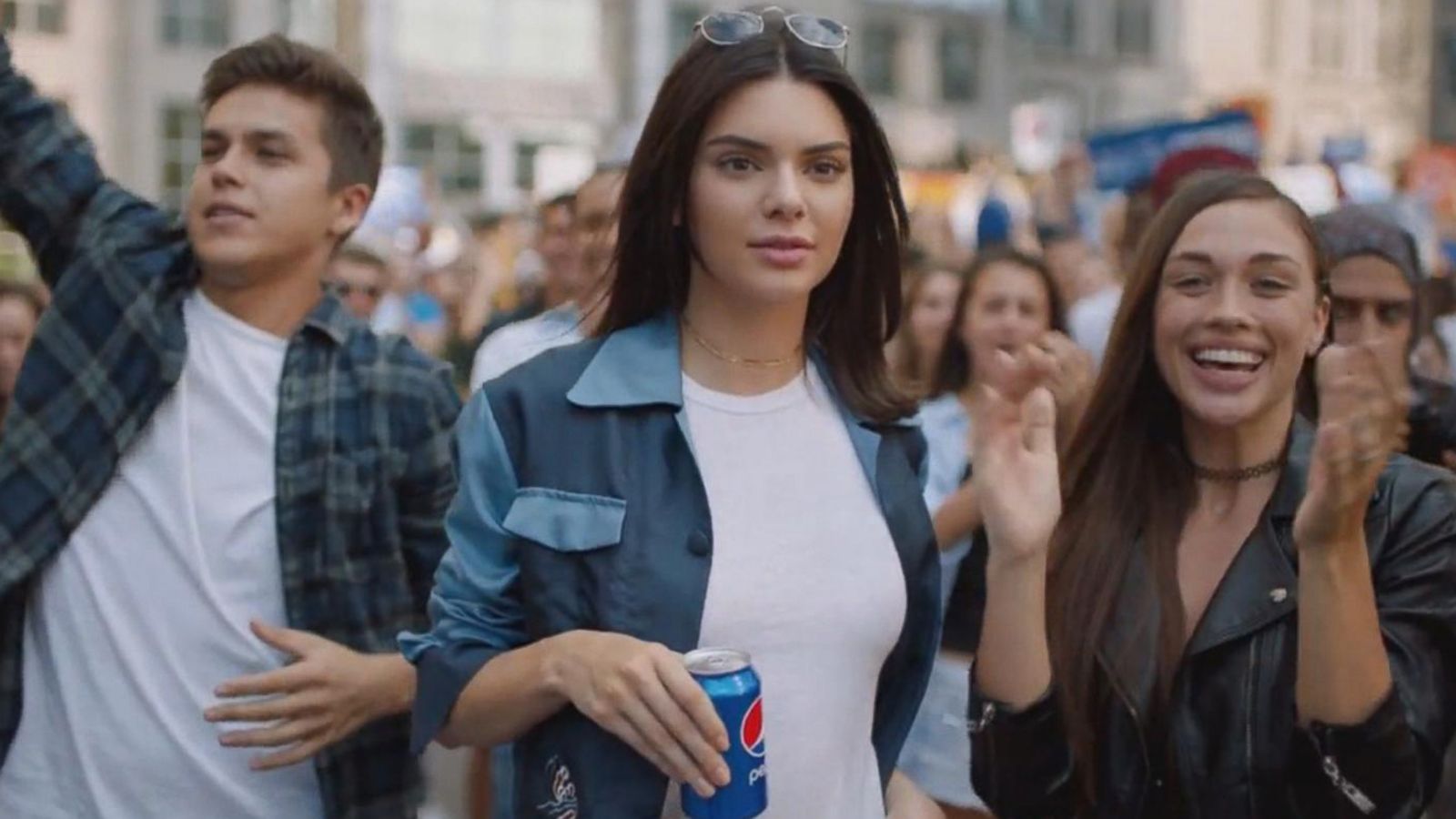
This 2017 commercial showed Kendall Jenner leaving a modeling shoot to join a protest, ultimately handing a Pepsi to a police officer and seemingly solving social tensions with a soft drink. The ad was immediately criticized for trivializing serious social justice movements.
It suggested that racial tensions could be resolved with a corporate gesture. Pepsi pulled the commercial within 24 hours and issued multiple apologies, though the damage to their reputation was already done.
Burger King’s Subservient Chicken

The 2004 interactive web campaign featured a man in a chicken costume who would perform commands typed by users, with the tagline ‘Get chicken just the way you like it.’ While innovative for its time, the campaign quickly descended into inappropriate territory.
Users began requesting increasingly suggestive actions from the costumed performer. The company had to implement filters and restrictions — but not before the campaign generated significant controversy about corporate responsibility in digital advertising.
Calvin Klein’s Brooke Shields

The 1980 campaign featuring 15-year-old Brooke Shields with the tagline ‘You want to know what comes between me and my Calvins? Nothing’ sparked immediate controversy. Critics argued that the ad inappropriately targeted adult themes using a teenage model — leading to protests and calls for boycotts.
Television networks eventually pulled the commercial from many time slots, though it continued to air in some late-night programming.
Groupon’s Tibet Super Bowl Ad

During Super Bowl XLV, Groupon aired a commercial that appeared to address the serious situation in Tibet before pivoting to promote discounted Tibetan food deals. The ad was widely criticized for making light of human rights issues.
It used genuine suffering as a setup for corporate promotion. The backlash was so severe that Groupon’s CEO personally apologized — and the company pulled the entire campaign series.
Miller High Life’s One Second Ad
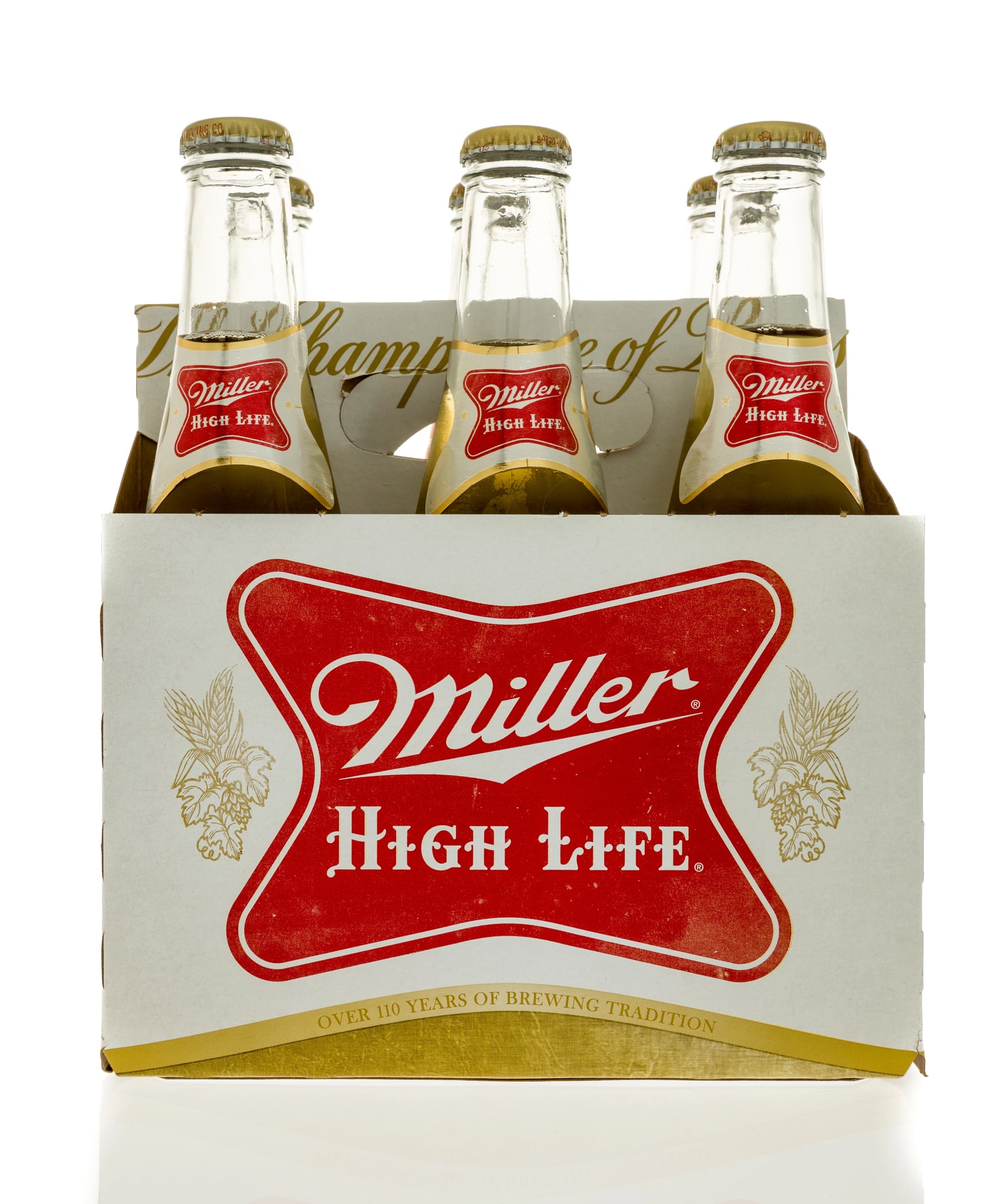
Miller purchased one second of Super Bowl airtime in 2009, showing only their logo and the phrase ‘High Life.’ Some praised it as brilliant marketing that acknowledged the recession, yet others saw it as a waste of the most expensive advertising real estate on television.
The stunt generated more conversation than many full-length Super Bowl commercials — proving that sometimes going against convention works, even if it initially seems absurd.
Benetton’s Shock Campaigns

Throughout the 1990s, Benetton’s advertising campaigns featured disturbing images including a dying AIDS patient, war scenes, and other graphic content with minimal connection to their clothing products. The company claimed these ads promoted social awareness, though critics argued they exploited tragedy for commercial gain.
Many countries banned the advertisements entirely — and several retailers refused to carry Benetton products in response to customer complaints.
Quiznos’ Spongmonkeys

The 2004 Quiznos campaign featured bizarre creatures called Spongmonkeys singing off-key about sandwiches in a deliberately unsettling style. The ads gained attention and became internet memes, yet they also drove away customers who found the characters disturbing and unappetizing.
The campaign marked a turning point for Quiznos — as sales declined significantly during the period when these commercials aired most frequently.
Sony’s All White PSP

Sony’s 2006 campaign for their white PlayStation Portable featured a white model dominating a black model with the tagline ‘White is coming.’ The imagery was immediately recognized as racially insensitive, sparking international protests and accusations of promoting racial superiority.
Sony pulled the campaign and issued apologies, but the incident highlighted ongoing issues with cultural sensitivity in global advertising campaigns.
Old Spice’s Mom’s Song

The 2010 commercial featured mothers singing about their sons growing up and becoming attractive to women, with lyrics that many found uncomfortable and possessive. While Old Spice defended the ad as humorous, parents and psychologists criticized it for promoting unhealthy mother-son relationships.
They argued it made light of parental attachment issues. The commercial was eventually modified for different markets after receiving complaints about its psychological implications.
Hardee’s Paris Hilton

The 2005 Hardee’s commercial featuring Paris Hilton washing a car while eating a burger was criticized for its overtly suggestive content during family television hours. The ad sparked debates about appropriate advertising standards and the objectification of women in food marketing.
Several networks moved the commercial to late-night time slots, while parent groups organized boycotts of Hardee’s restaurants in multiple states.
Mastercard’s Priceless Parody Backlash

While Mastercard’s ‘Priceless’ campaign was generally successful, their attempts to shut down parody versions led to significant legal controversies throughout the 2000s. The company aggressively pursued legal action against individuals and organizations creating humorous versions of their format, including political advocacy groups.
This heavy-handed approach generated negative publicity and accusations that Mastercard was stifling free speech protections.
GoDaddy’s Super Bowl Stunts

GoDaddy’s series of Super Bowl commercials throughout the 2000s consistently pushed the boundaries of broadcast standards with suggestive content that often had little connection to web hosting services. While the ads generated significant web traffic and brand awareness, they also drew criticism for reinforcing negative stereotypes.
The company created what many saw as an unwelcoming environment for women in technology. GoDaddy eventually shifted away from this advertising approach after sustained criticism from both customers and industry professionals.
When Advertising Became Art and Outrage

These commercials serve as reminders that the most memorable advertising often walks the line between creativity and controversy. While some pushed boundaries to spark important conversations, others simply misjudged their audience or failed to consider the broader implications of their messaging.
The advertising industry continues to learn from these examples, balancing the need for attention-grabbing content with social responsibility. Today’s advertisers face even greater scrutiny in the digital age, where controversial campaigns can spread globally within hours. They generate immediate backlash across multiple platforms.
More from Go2Tutors!

- The Romanov Crown Jewels and Their Tragic Fate
- 13 Historical Mysteries That Science Still Can’t Solve
- Famous Hoaxes That Fooled the World for Years
- 15 Child Stars with Tragic Adult Lives
- 16 Famous Jewelry Pieces in History
Like Go2Tutors’s content? Follow us on MSN.



