Largest Man-Made Islands Ever Constructed
The ocean has always been humanity’s most formidable frontier, yet we keep finding ways to claim it. Building islands from nothing but ambition and raw materials represents one of our most audacious engineering feats.
These massive projects reshape coastlines, create new nations within nations, and prove that when humans decide they need more land, they’ll simply make it themselves. Some of these artificial landmasses dwarf entire cities, while others house millions of people who wake up each morning on ground that didn’t exist a generation ago.
The World Islands
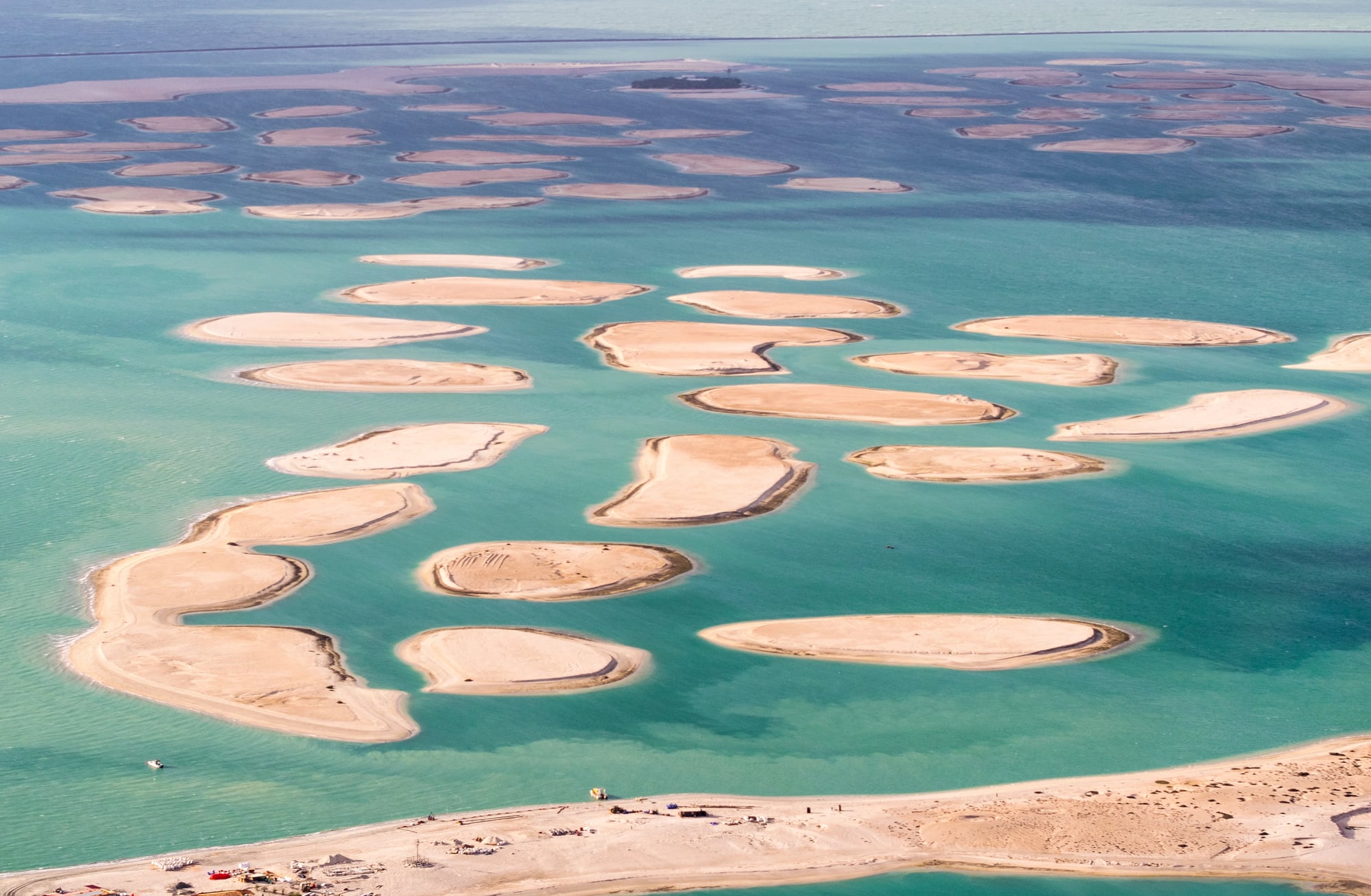
Dubai wasn’t content with just one impossible island project. The World Islands consist of 300 artificial islands arranged to mimic a world map when viewed from above.
Construction began in 2003, and the project spans roughly 9 kilometers by 6 kilometers of reclaimed ocean.
Each island represents a different country or region. Lebanon sits next to Greenland.
Australia floats near Germany. The engineering challenge wasn’t just moving sand — it was creating a miniature planet that could withstand storms, rising seas, and the basic physics of trying to keep 300 separate pieces of land stable in open water.
Flevoland
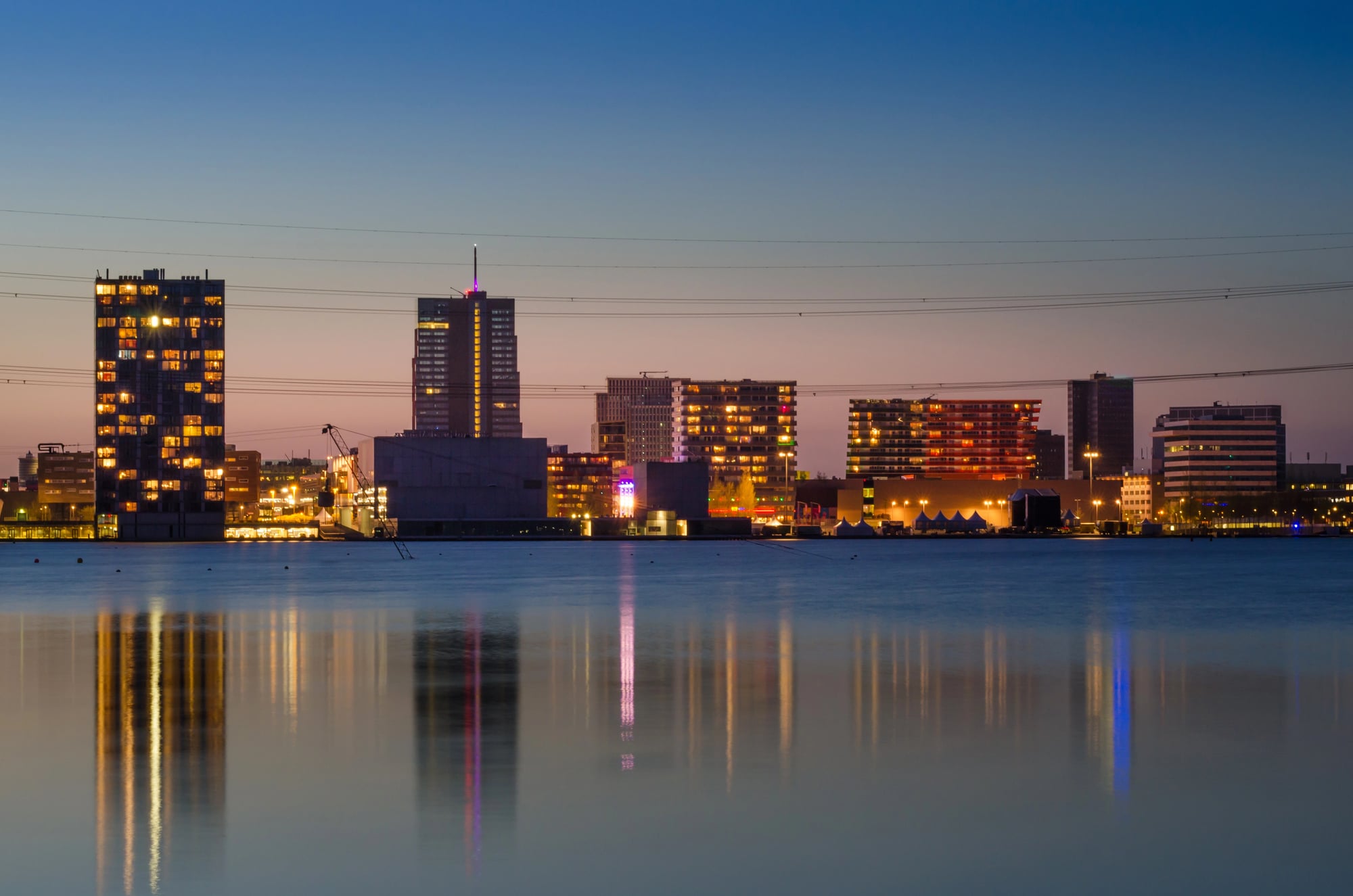
The Dutch approach to making land feels almost modest compared to Dubai’s flash, but Flevoland proves that substance beats style every time. This isn’t technically an island anymore (it connects to the mainland), but when construction finished in 1968, it was the largest artificial island ever created at that time.
Flevoland covers 1,419 square kilometers — larger than Los Angeles. The province houses 400,000 people who live, work, and raise families on what used to be the bottom of the Zuiderzee.
Drive through Flevoland today and you’ll see farms, suburbs, and shopping centers sitting 4 meters below sea level, protected by an intricate system of dikes and pumps that never stops working.
Palm Jumeirah
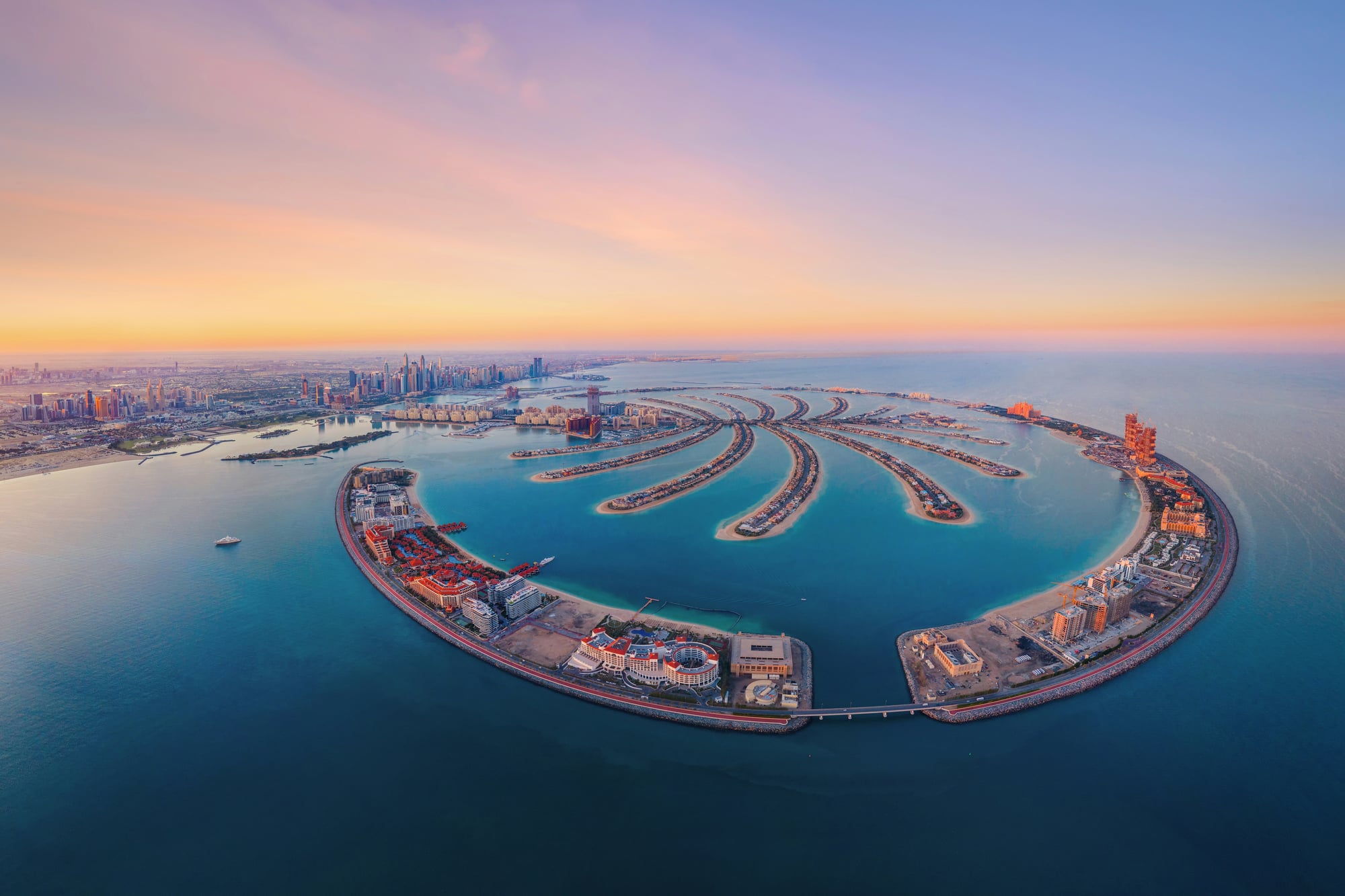
Palm Jumeirah looks exactly like what happens when engineers are asked to build paradise and given an unlimited budget to do it. The palm tree-shaped island stretches 5 kilometers into the Persian Gulf, with a trunk, 16 fronds, and a protective crescent that acts as a breakwater.
The project required 94 million cubic meters of sand and 7 million tons of rock (which explains why it cost $12 billion and took six years to complete, though some would argue the timeline was less important than getting the drainage systems right since the alternative was watching a man-made paradise slowly sink back into the sea).
But here’s what makes Palm Jumeirah remarkable beyond its obvious audacity: it actually works. The island houses 10,000 residents, supports dozens of luxury hotels, and has become so integral to Dubai’s identity that it’s hard to imagine the city’s skyline without it.
And yet the engineering challenges never really end — the developers are constantly adjusting water circulation, reinforcing the breakwater, and monitoring sand movement because maintaining an artificial island turns out to be just as complex as building one in the first place.
Kansai International Airport
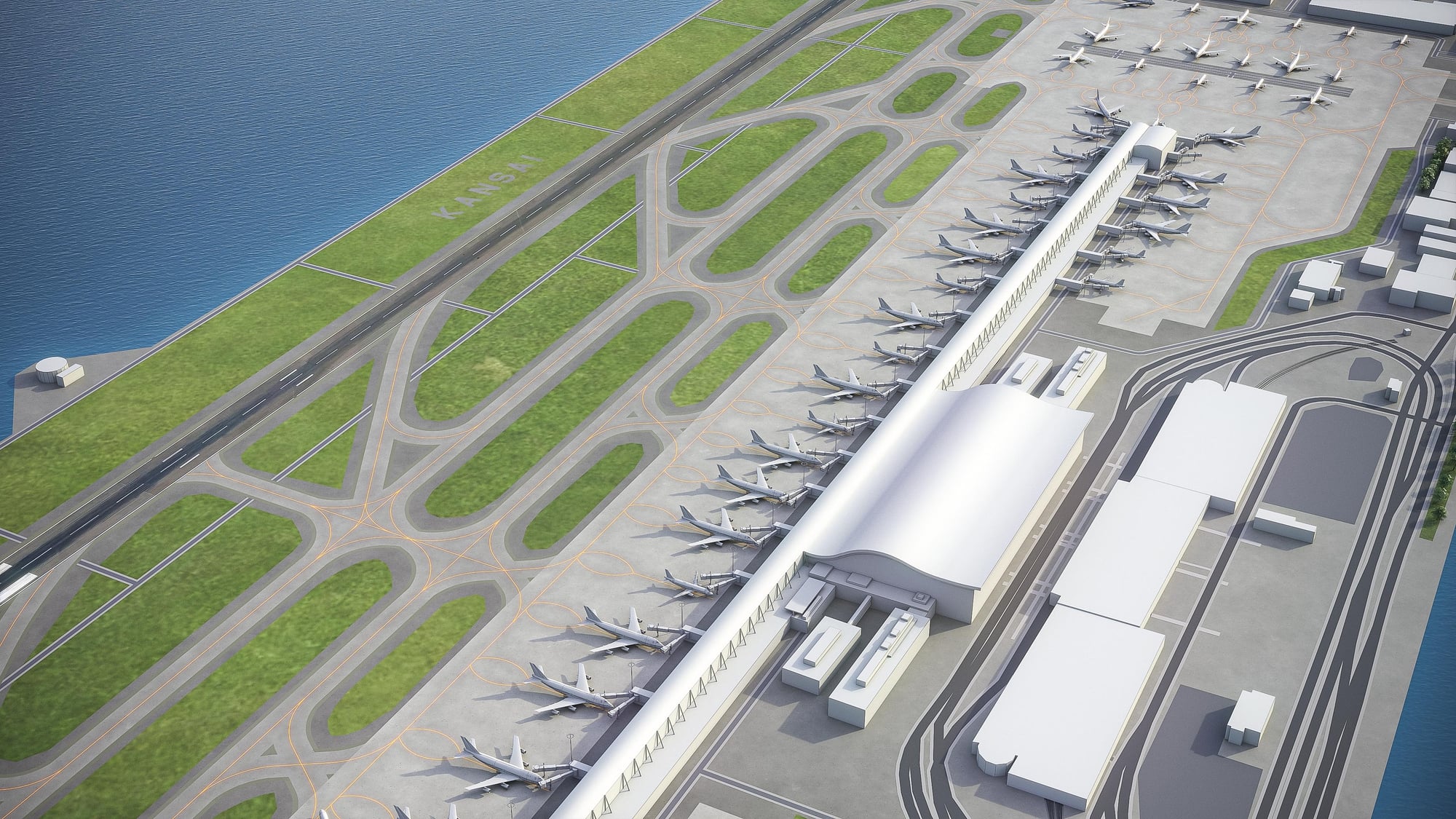
Building an airport on an artificial island sounds insane until you consider the alternative. Kansai needed a 24-hour international airport, but Japan’s densely populated landscape offered no suitable sites that wouldn’t displace thousands of residents or create unbearable noise pollution.
So they built one in Osaka Bay. The rectangular island measures 4 kilometers by 2.5 kilometers and sits on reclaimed land that required 180 million cubic meters of fill.
The airport opened in 1994 and immediately faced a problem no one had fully anticipated: the island started sinking faster than expected. Engineers now constantly monitor subsidence and make adjustments, but Kansai continues operating as one of Asia’s major aviation hubs.
Hong Kong International Airport
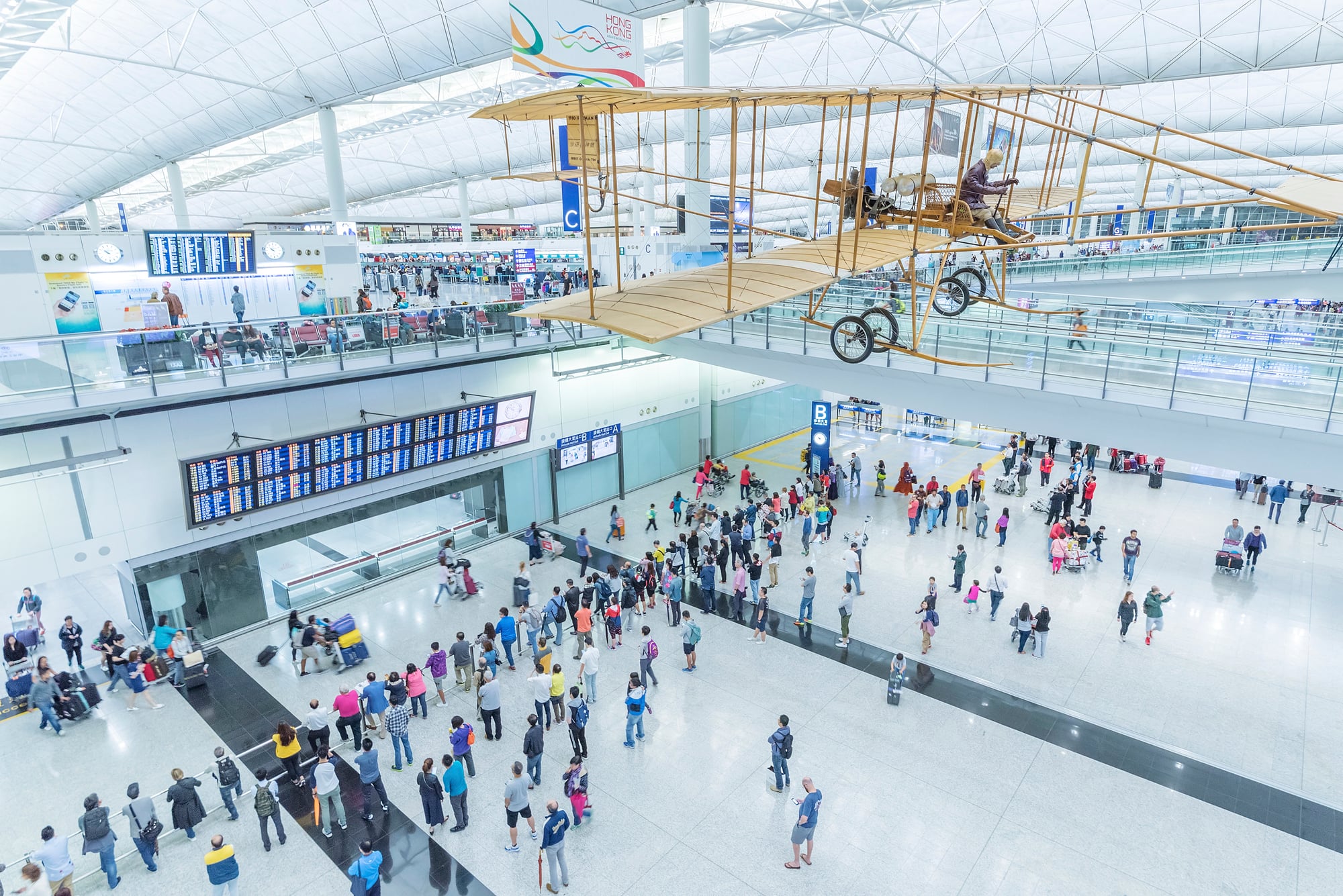
Sometimes the most practical solution is also the most dramatic one, and Hong Kong International Airport embodies that contradiction perfectly. When the territory outgrew its old airport (where planes had to navigate between skyscrapers to land), authorities decided to flatten two existing islands and connect them with reclaimed land.
The project created a 12.48 square kilometer artificial island that could handle the largest aircraft in the world. Construction took six years and moved approximately 280 million cubic meters of earth and rock—enough to bury Manhattan under roughly 4.7 meters of material.
The airport opened in 1998 and immediately became one of the world’s busiest cargo hubs, proving that sometimes the most expensive solution is also the most effective one.
Peberholm
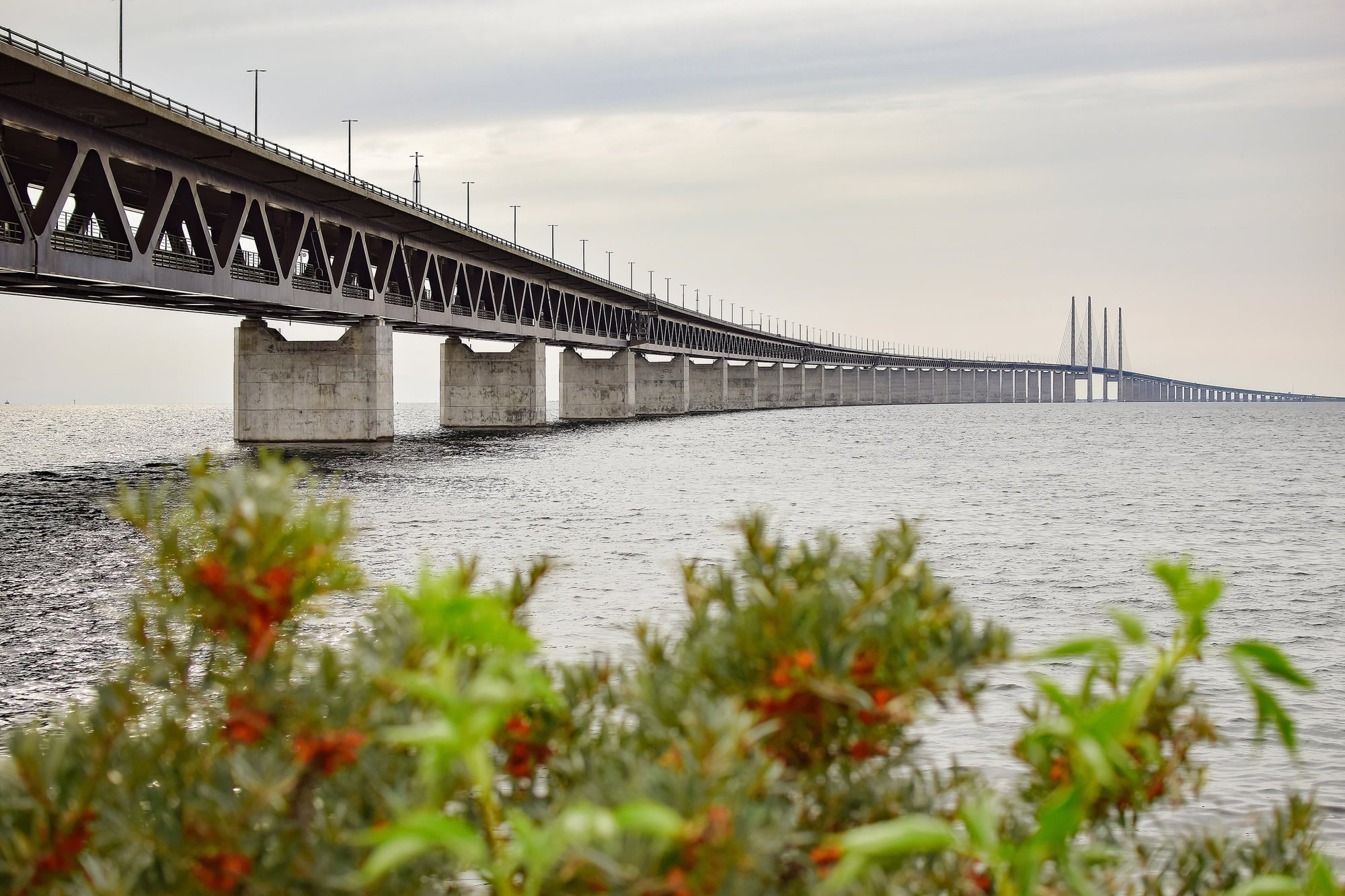
Denmark and Sweden needed to connect their countries with a bridge, but they also needed to preserve shipping lanes in the Øresund strait. Their solution was Peberholm: a 4-kilometer artificial island that serves as the transition point between the Øresund Bridge and the Drogden Tunnel.
Peberholm exists purely for infrastructure. No one lives there, no one visits as tourists, and no commercial development will ever touch its shores.
The island simply allows cars and trains to smoothly transition between bridge and tunnel as they cross between two countries. It’s engineering without ego — a massive construction project designed to be invisible to everyone except the engineers who maintain it.
Odaiba
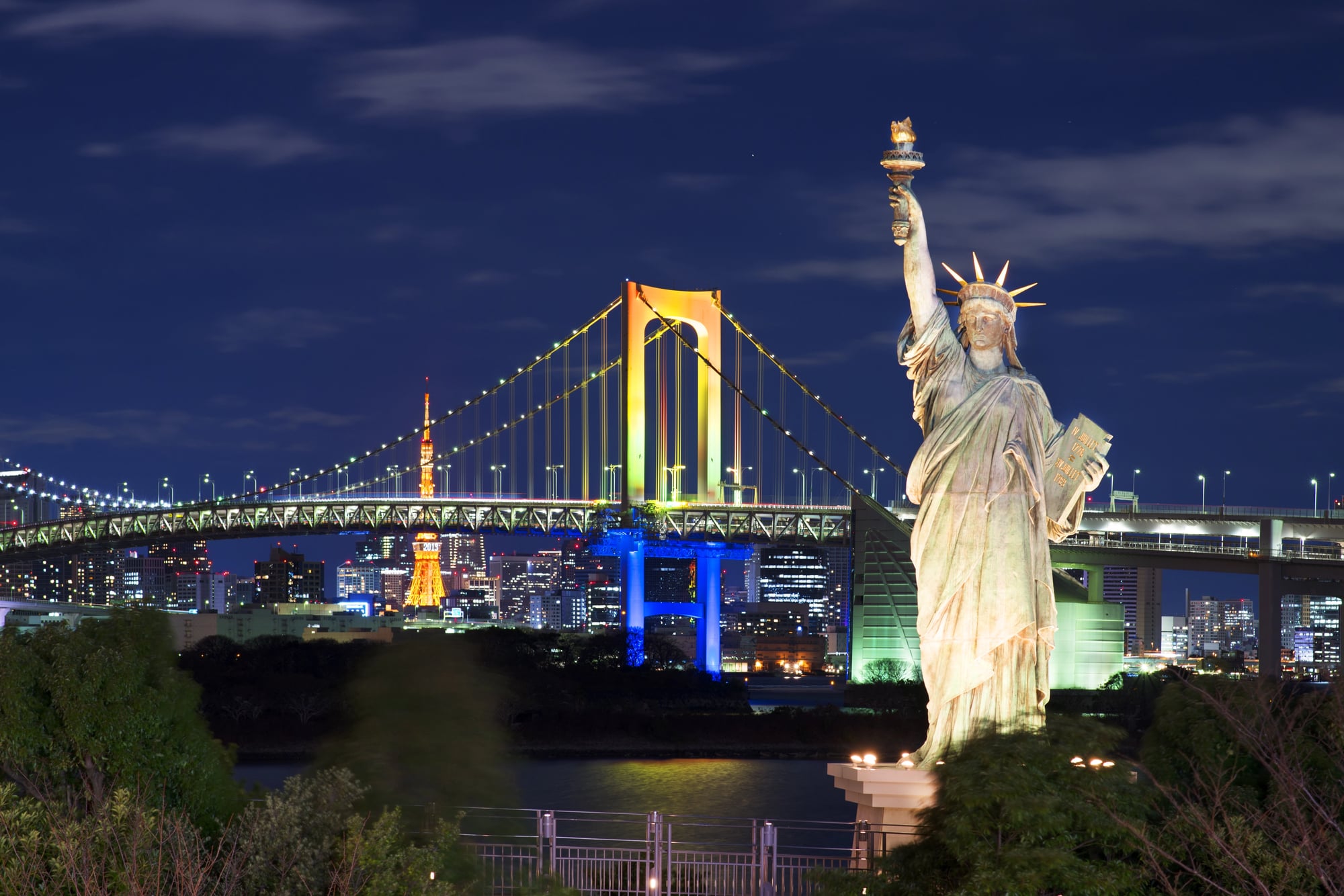
Artificial islands often feel like monuments to excess, but Odaiba tells a different story — one where engineering serves genuine urban needs rather than just making dramatic statements. Tokyo built this 4.26 square kilometer island in Tokyo Bay during the 1990s to ease the pressure on one of the world’s most densely packed cities.
The island houses shopping centers, office buildings, residential complexes, and entertainment venues that attract millions of visitors annually.
Rainbow Bridge connects Odaiba to central Tokyo, and the automated Yurikamome line provides public transit that actually works (which turns out to be more impressive than it sounds when you consider the logistical complexity of running reliable subway service to a piece of land that didn’t exist thirty years ago).
What makes Odaiba remarkable isn’t its size or construction techniques, but how seamlessly it integrated into Tokyo’s urban fabric — residents and visitors treat it like any other part of the city, which may be the highest compliment an artificial island can receive.
The Pearl-Qatar
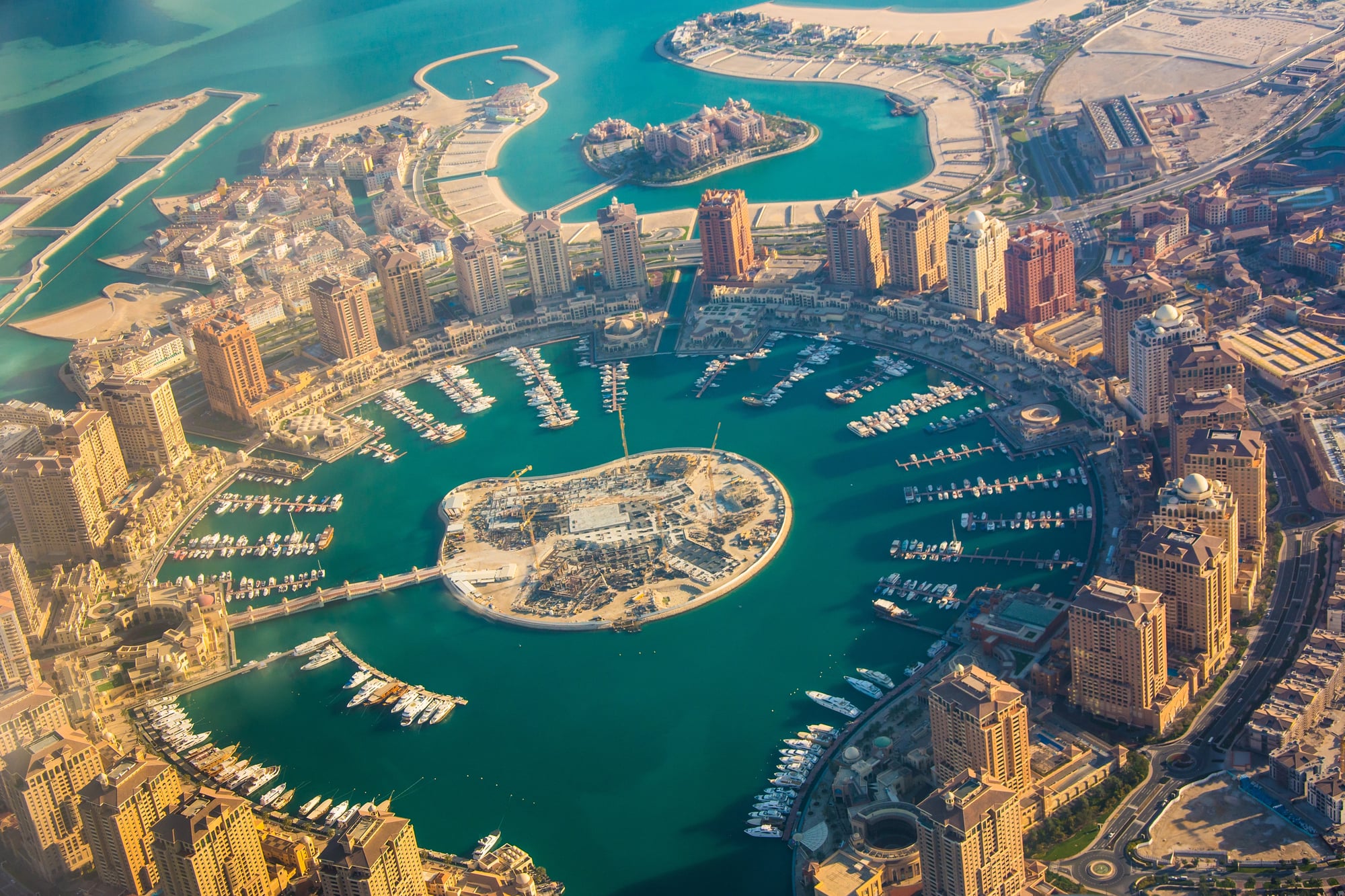
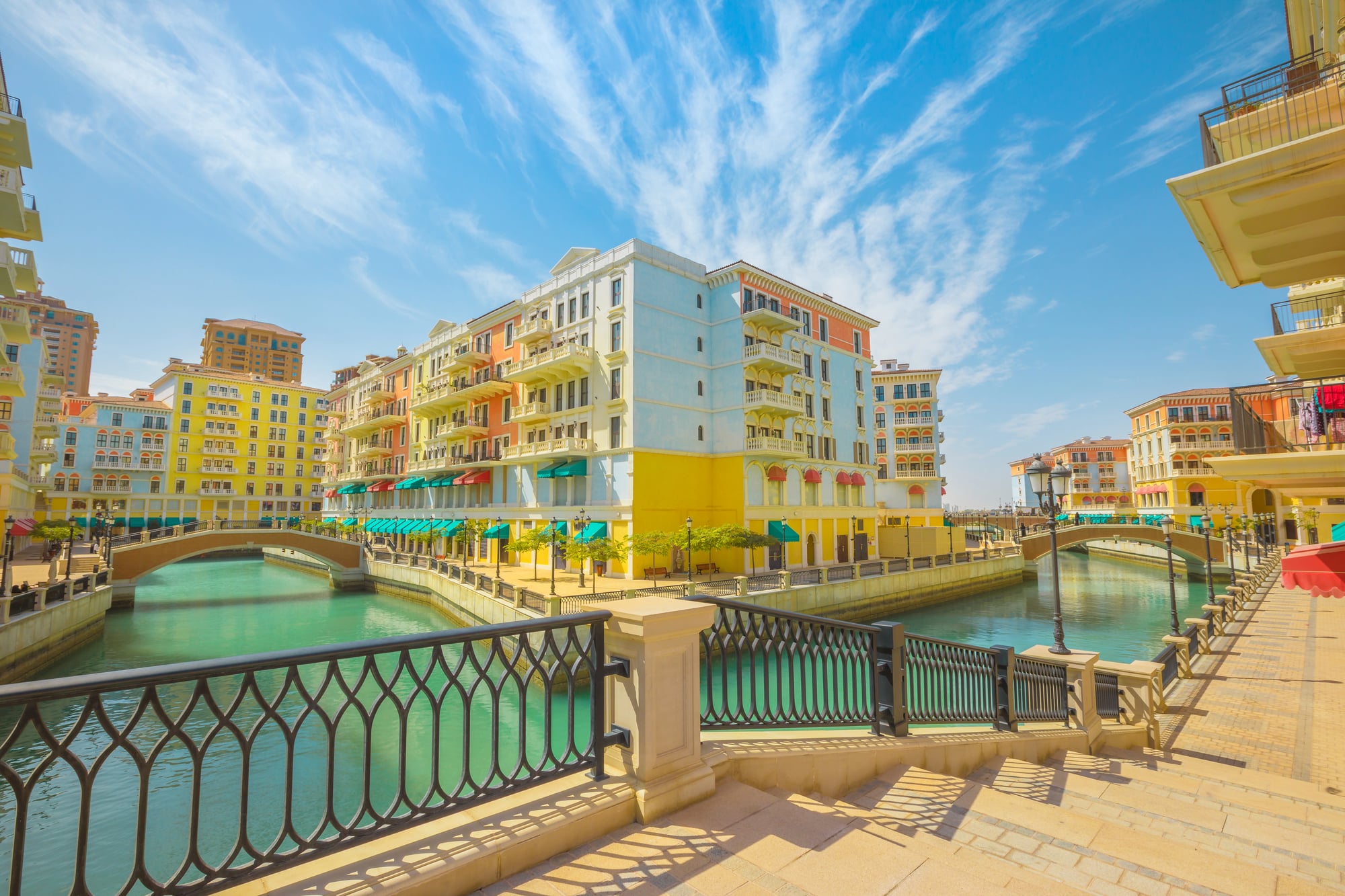
Qatar’s approach to artificial islands reflects a distinctly practical ambition: create luxury real estate in a country where waterfront property barely existed. The Pearl-Qatar covers 4 square kilometers of reclaimed land in Doha Bay and houses 45,000 residents in what amounts to a completely planned community.
The island features Mediterranean and Arabian architectural styles, private beaches, and a marina district that rivals anything in Monaco.
Construction required 25 million cubic meters of sand, but the real engineering challenge was creating a self-contained community that could function independently while remaining connected to Doha’s infrastructure.
Dubai Marina
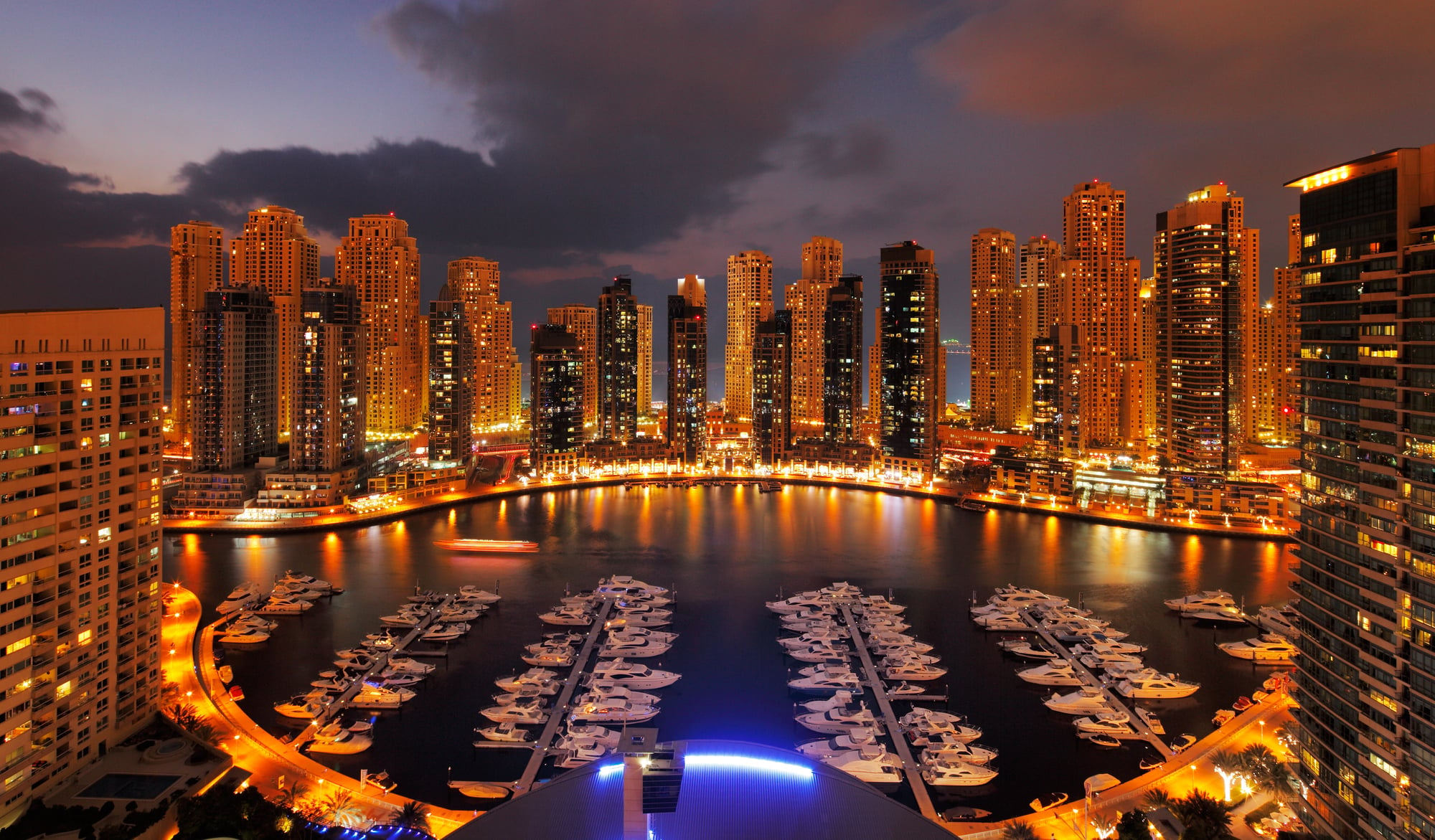
Dubai Marina isn’t technically an island, but its construction required so much land reclamation and artificial waterway creation that it belongs on any list of major man-made land projects. The development transformed 3 kilometers of Persian Gulf shoreline into a canal-based community housing 120,000 residents.
The project dredged an artificial canal system, created artificial beaches, and built artificial peninsulas that house some of the world’s tallest residential towers.
Dubai Marina proves that sometimes the most audacious engineering projects are the ones that look most natural when they’re finished.
Airport Island Malta
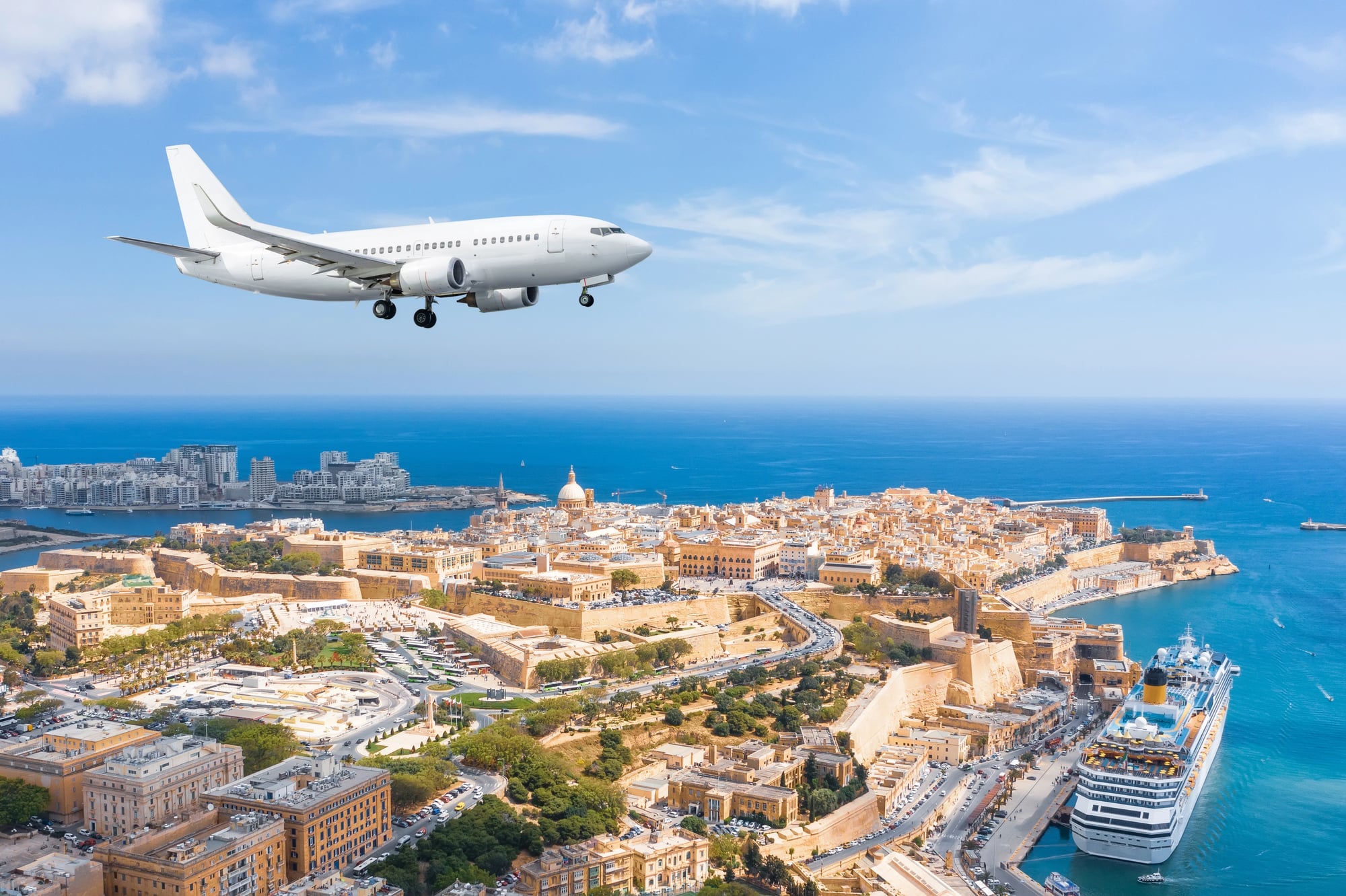
Malta’s geography created an aviation problem that could only be solved with artificial land. The island nation needed to extend its airport runway to handle larger aircraft, but Mediterranean islands don’t come with extra space for infrastructure projects.
Engineers extended the runway into the sea using 3.5 million tons of limestone quarried from other parts of Malta.
The artificial extension allowed Malta International Airport to accommodate wide-body aircraft and transformed the country’s tourism industry. The project demonstrates how even relatively small artificial land projects can have outsized economic impacts.
Hulhumalé
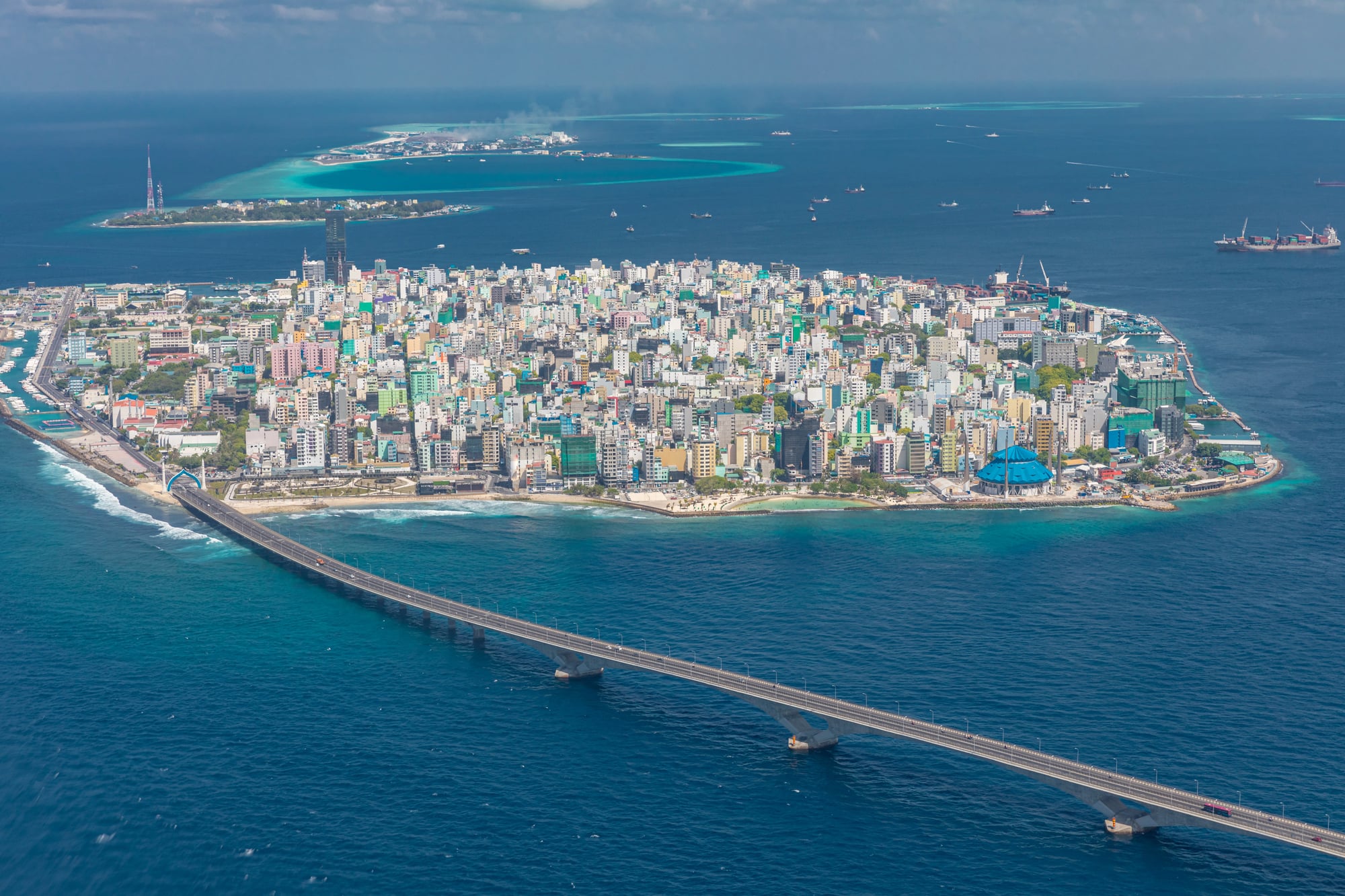
The Maldives faces a unique challenge: the entire country sits barely above sea level, making land reclamation both necessary for development and ironic given rising ocean levels. Hulhumalé, located near the capital Malé, represents the country’s attempt to create space for its growing population.
The artificial island covers 188 hectares and houses 50,000 residents who live 2 meters above sea level — which counts as high ground in the Maldives.
Phase two of the project will add another 244 hectares and accommodate 240,000 more residents, essentially doubling the country’s available urban space.
Rokko Island
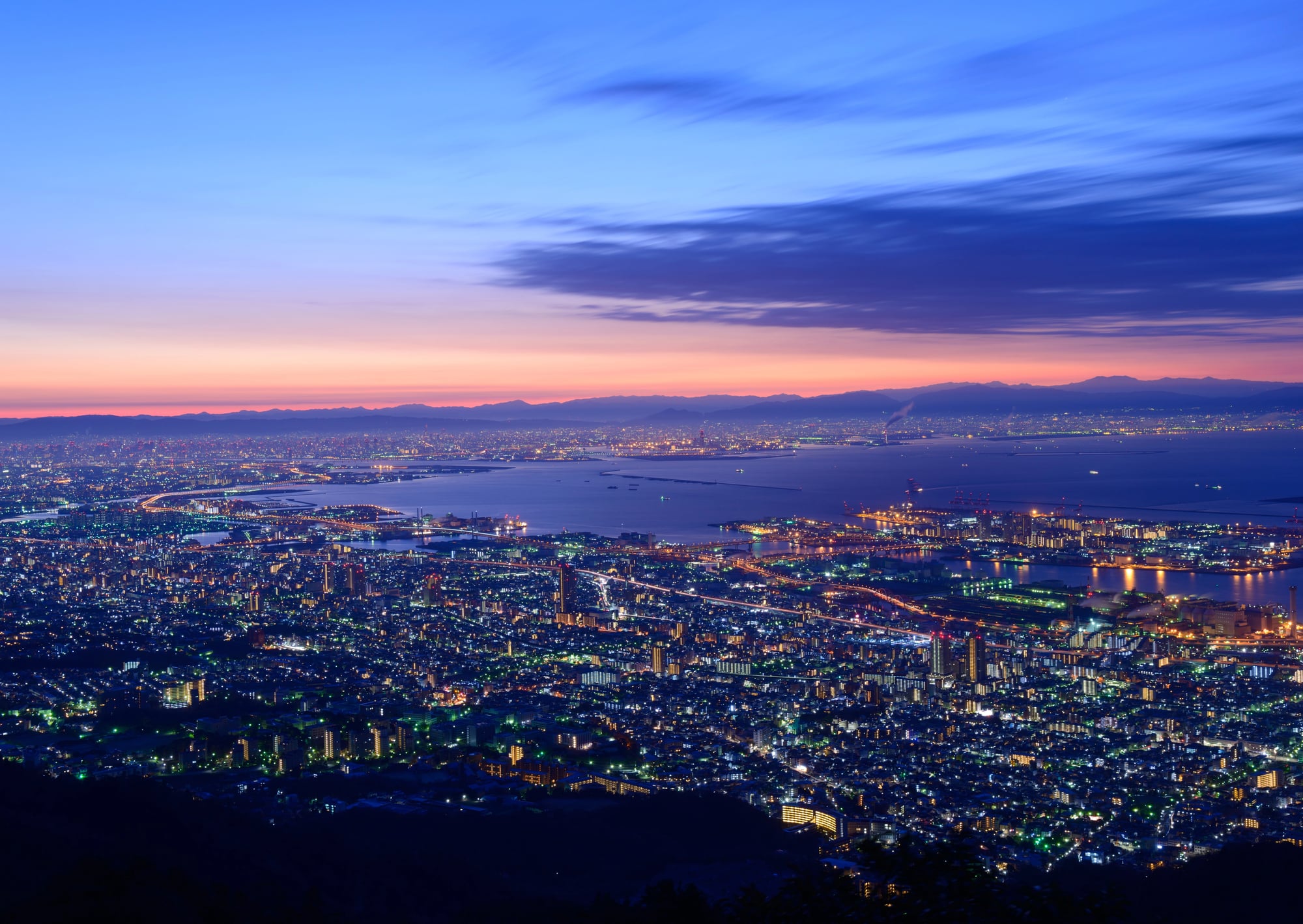
Kobe’s Rokko Island exemplifies Japan’s methodical approach to artificial land creation. The 5.8 square kilometer island was built in Osaka Bay during the 1970s and 1980s to provide space for residential, commercial, and educational development that couldn’t fit within Kobe’s mountainous terrain.
The island houses Kobe Fashion Museum, several universities, and residential complexes that accommodate 30,000 residents.
Rokko Island demonstrates how artificial land can serve multiple urban functions simultaneously — residents live, work, and study without ever needing to leave what amounts to a completely planned community.
Forest City
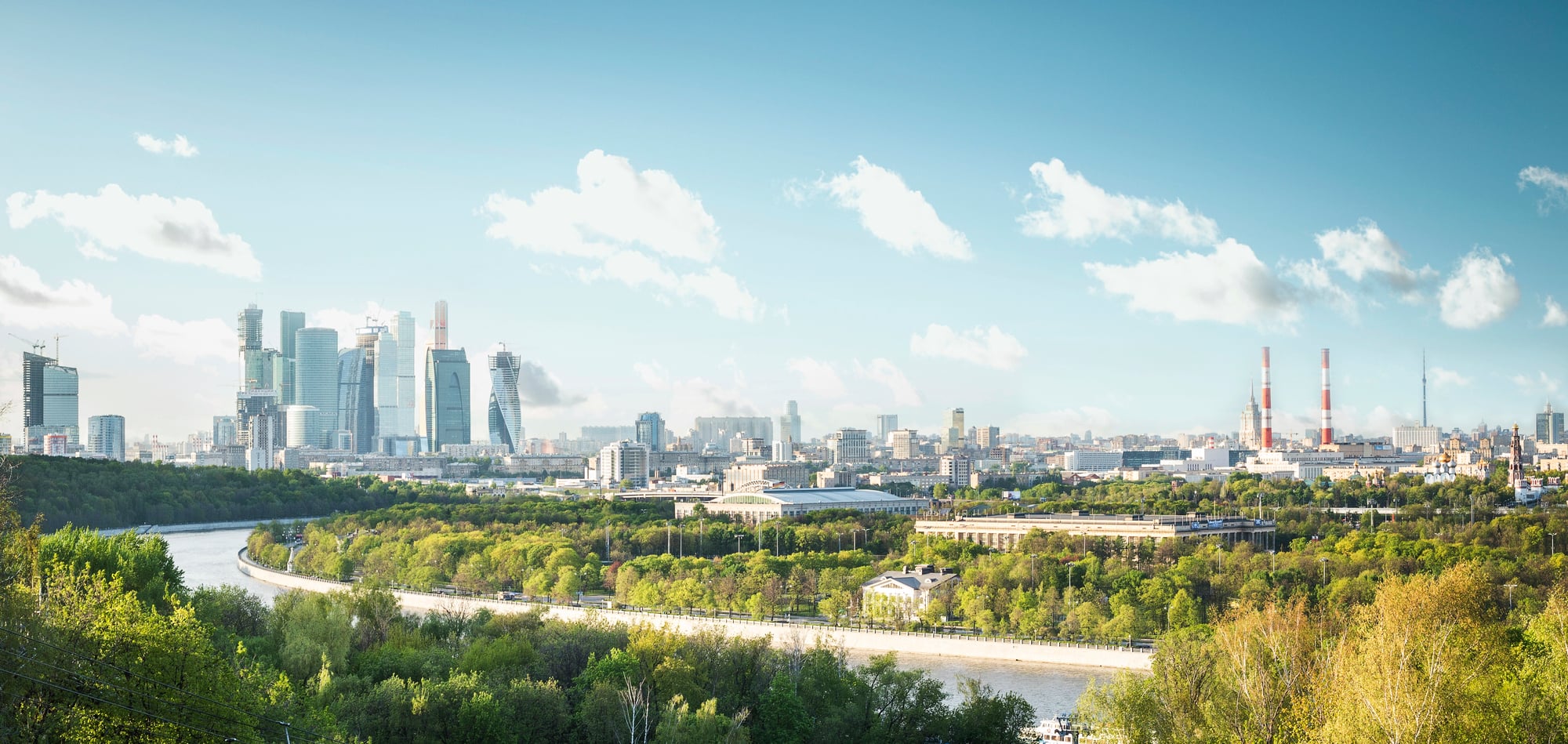
Malaysia’s Forest City project represents artificial island construction at a scale that would have been unimaginable just decades ago. The development will eventually cover four artificial islands with a total area of 14 square kilometers, housing 700,000 residents in what developers describe as a futuristic smart city.
The first island opened in 2018, featuring vertical gardens, smart home technology, and transportation systems designed around sustainability rather than just efficiency.
Forest City’s ambition extends beyond mere land reclamation — it attempts to create an entirely new model for urban development that could be replicated elsewhere.
Turning Stone Into Sea
These artificial islands represent more than just impressive engineering achievements or real estate developments. They reveal something fundamental about human nature: when we run out of space, we make more space.
When geography limits our ambitions, we change geography. Each project required moving millions of tons of material, solving unprecedented engineering challenges, and investing billions of dollars in what amounts to controlled optimism about the future.
The most successful artificial islands don’t announce themselves as artificial — they become integral parts of their surrounding cities, housing families and businesses that treat reclaimed land as simply land.
The least successful become monuments to ambition that exceeded practical need. But all of them prove that the line between possible and impossible shifts constantly, usually in favor of whoever’s willing to move the most sand.
More from Go2Tutors!

- The Romanov Crown Jewels and Their Tragic Fate
- 13 Historical Mysteries That Science Still Can’t Solve
- Famous Hoaxes That Fooled the World for Years
- 15 Child Stars with Tragic Adult Lives
- 16 Famous Jewelry Pieces in History
Like Go2Tutors’s content? Follow us on MSN.