Largest Shopping Districts in Cities
Walking through a bustling shopping district feels like stepping into the heartbeat of a city. The energy is unmistakable — people carrying bags, storefront displays catching your eye, the steady hum of commerce mixing with conversation.
These aren’t just places to buy things; they’re cultural landmarks where locals and visitors converge, where trends emerge, and where a city’s personality reveals itself through what it chooses to sell and how it chooses to sell it.
Fifth Avenue, New York City
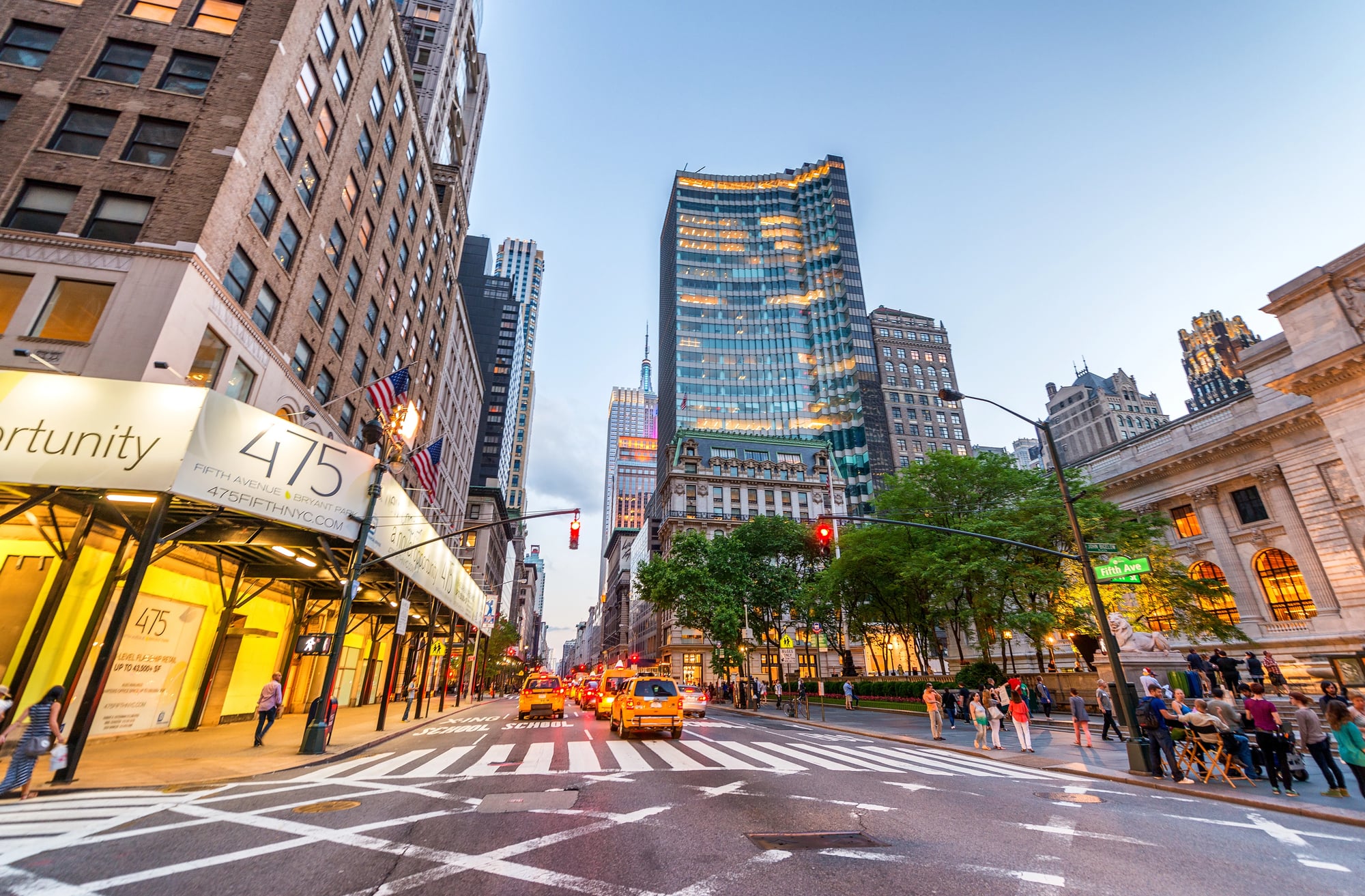
Fifth Avenue doesn’t mess around. From 34th Street to 59th Street, it’s retail theater on the grandest scale.
Tiffany & Co., Bergdorf Goodman, Saks Fifth Avenue — names that carry weight even if you’ve never stepped foot inside.
The crowds move with purpose here. Tourists clutch their phones for photos, but New Yorkers weave through like they own the sidewalk.
Because in a way, they do.
Oxford Street, London
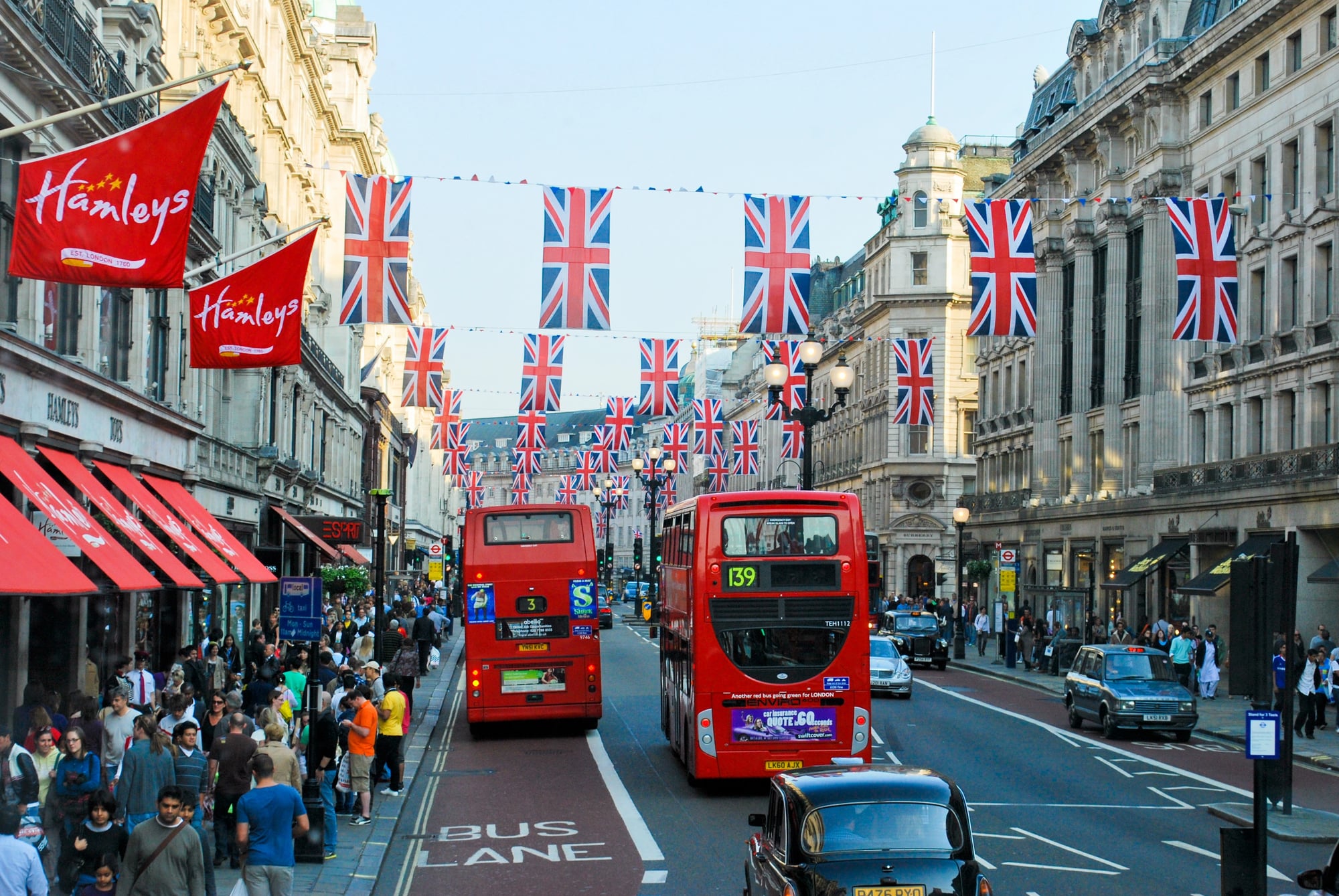
Oxford Street stretches for miles (well, 1.2 miles, but when you’re walking it, that feels like miles), and the thing about it is how it manages to contain both Selfridges — which is basically a cathedral of shopping — and every chain store you’ve ever heard of, all pressed together in a way that somehow works, even though it probably shouldn’t, especially when you consider that roughly half a million people pass through here daily, which means you’re never really walking so much as flowing with a river of humanity that occasionally pauses to examine something in a window display.
The buses double-deck their way past, red and determined. And yet (here’s the thing that gets you) there’s something oddly comforting about being swept along in all of it.
So you find yourself stopping at Topshop — not because you planned to, but because the rhythm of the street carried you there: one moment you’re thinking about lunch, the next you’re three floors deep in a department store wondering how you got there.
Champs-Élysées, Paris
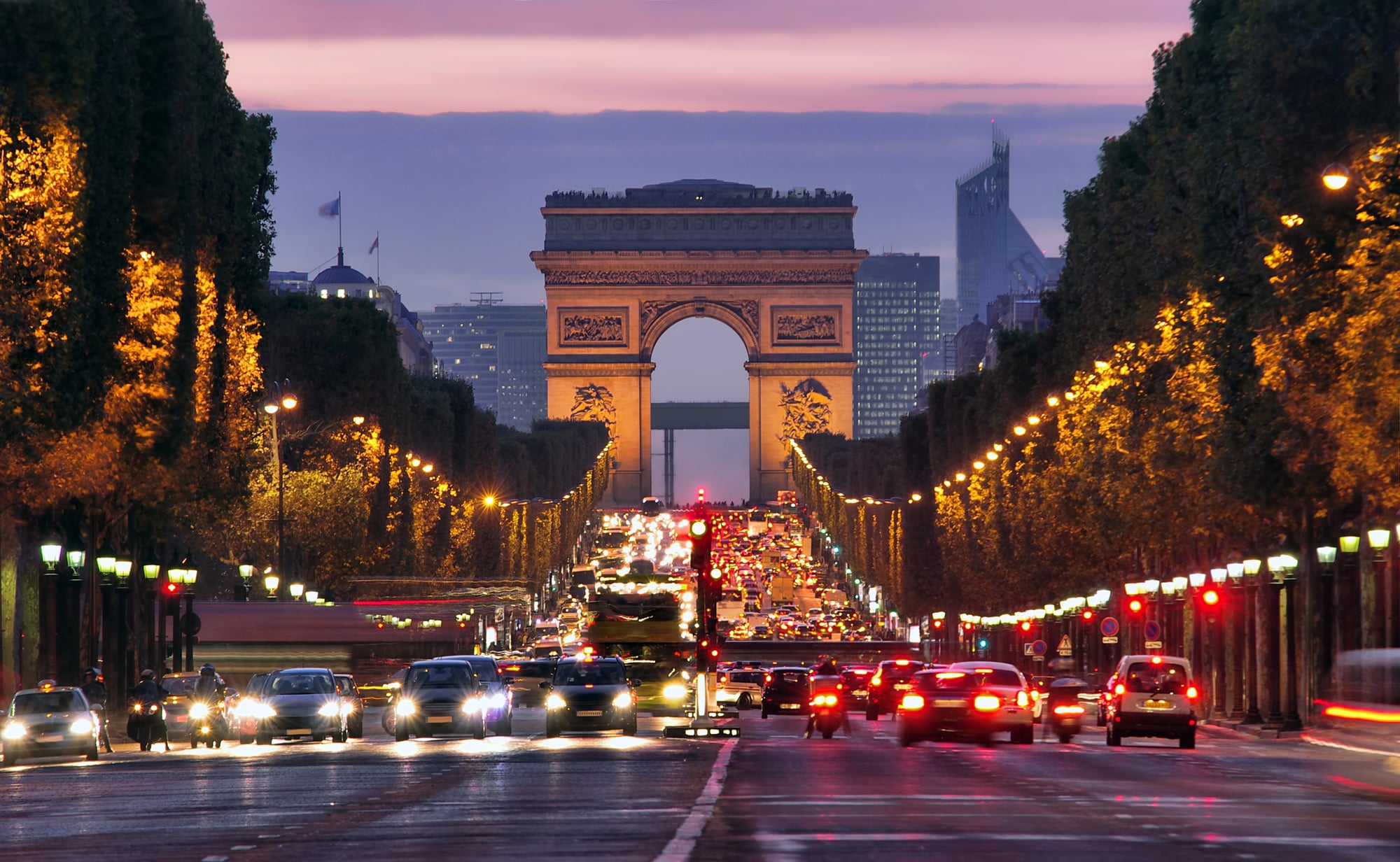
There’s something almost theatrical about the Champs-Élysées, the way it unfolds in a perfectly straight line from the Arc de Triomphe, like a stage set designed to make everyone walking it feel slightly more important than they actually are.
The plane trees line up in formation, their leaves creating dappled shadows that shift as you walk, and somehow even the most mundane purchase — a coffee, a magazine — feels elevated by the setting.
The luxury boutiques understand this. They’ve positioned themselves like actors who know their marks, each storefront a carefully composed scene.
Louis Vuitton doesn’t just sell handbags here; it sells the idea that carrying one of those bags down this particular avenue might transform you into someone who belongs in this particular kind of light.
Ginza, Tokyo
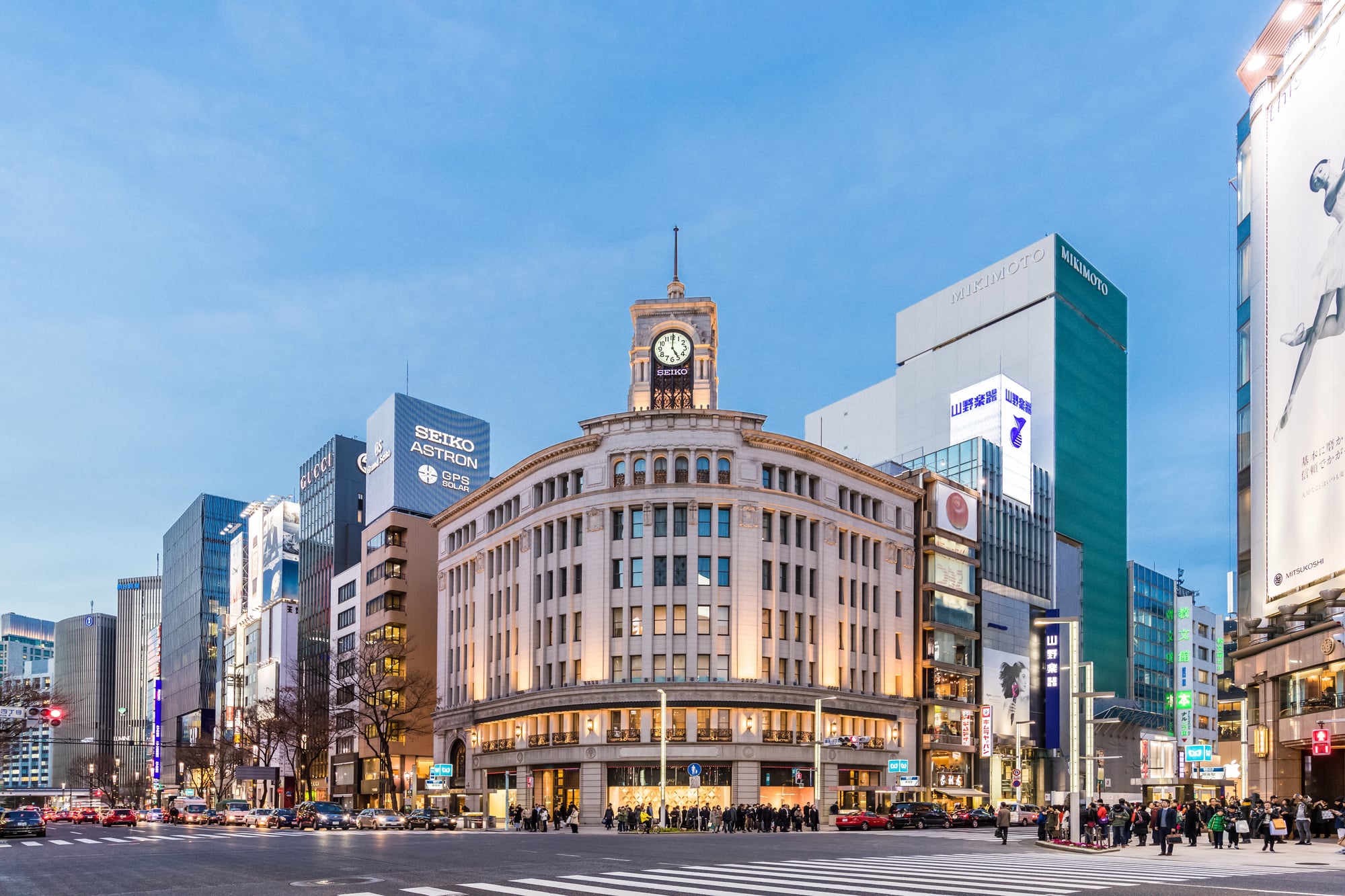
Ginza operates on a different frequency than everywhere else. The department stores here — Ginza Six, Mitsukoshi — aren’t just selling products; they’re curating experiences with the precision of a Swiss watch.
Every detail has been considered, from the way the elevator operator bows to the temperature of the hand towels in the restroom.
The weekend pedestrian zone transforms the area completely. Cars disappear, families emerge, and suddenly this temple to luxury becomes something more human-sized.
Which is saying something for a district where a single piece of fruit can cost more than most people’s lunch.
Rodeo Drive, Beverly Hills
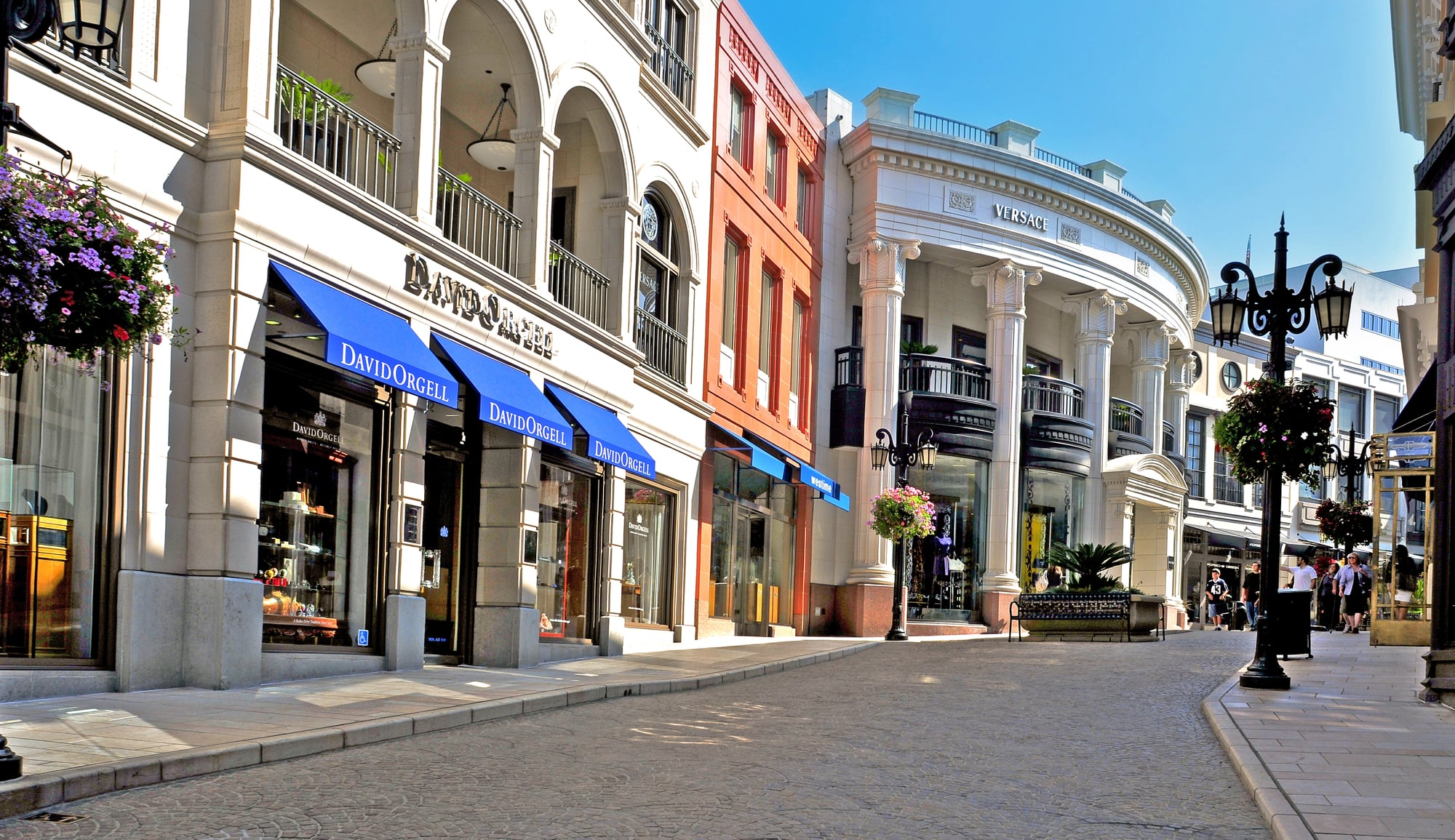
Rodeo Drive is exactly what it appears to be: three blocks of pure aspiration wrapped in palm trees and California sunshine. The boutiques here don’t really expect most people to buy anything.
They expect you to look, to dream a little, maybe take a photo outside Cartier or Gucci.
But here’s what’s interesting — it works. Even if you can’t afford a $3,000 handbag, walking these sidewalks feels like participating in some essential Los Angeles ritual.
The fantasy is the product, and everyone’s buying it.
Via del Corso, Rome
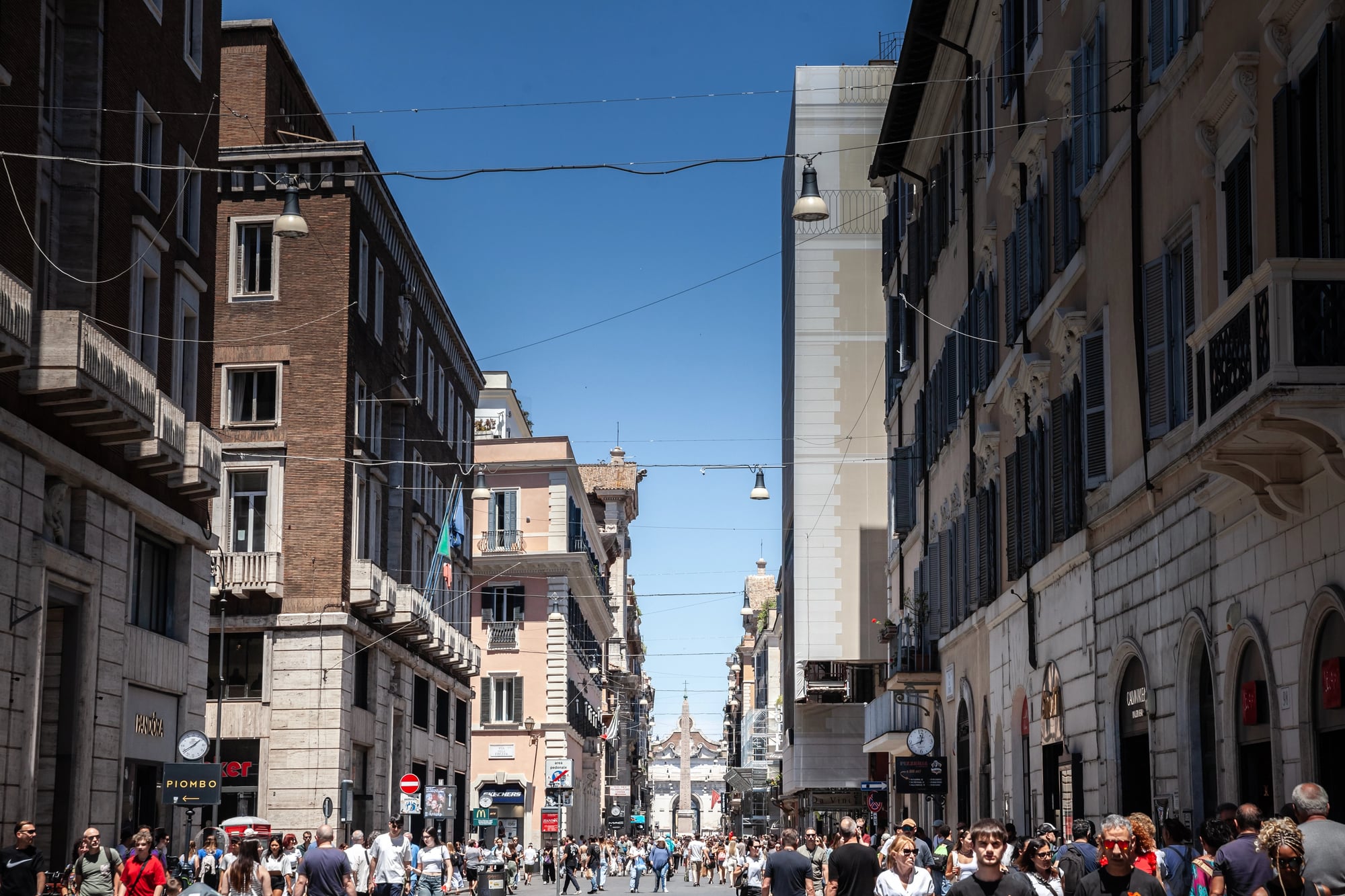
Via del Corso runs like a spine through the heart of Rome, connecting Piazza del Popolo to Piazza Venezia, and walking it feels less like shopping and less like sightseeing and more like participating in some ancient Roman tradition of gathering in public spaces to see and be seen (which, when you think about it, is probably exactly what it is, just with more H&M stores than the original Romans had to contend with).
The street itself is narrow enough that you can’t help but notice everyone else, wide enough that the flow never quite stops, and old enough that every step reminds you that people have been walking this exact path for literally thousands of years, though presumably with different shopping goals.
And yet there’s something wonderfully immediate about ducking into a gelateria or pausing to examine leather goods in a shop window — the past and present collide in the most ordinary ways.
So you find yourself buying gelato in the shadow of buildings that predate your country: the mundane made magical by context.
Magnificent Mile, Chicago
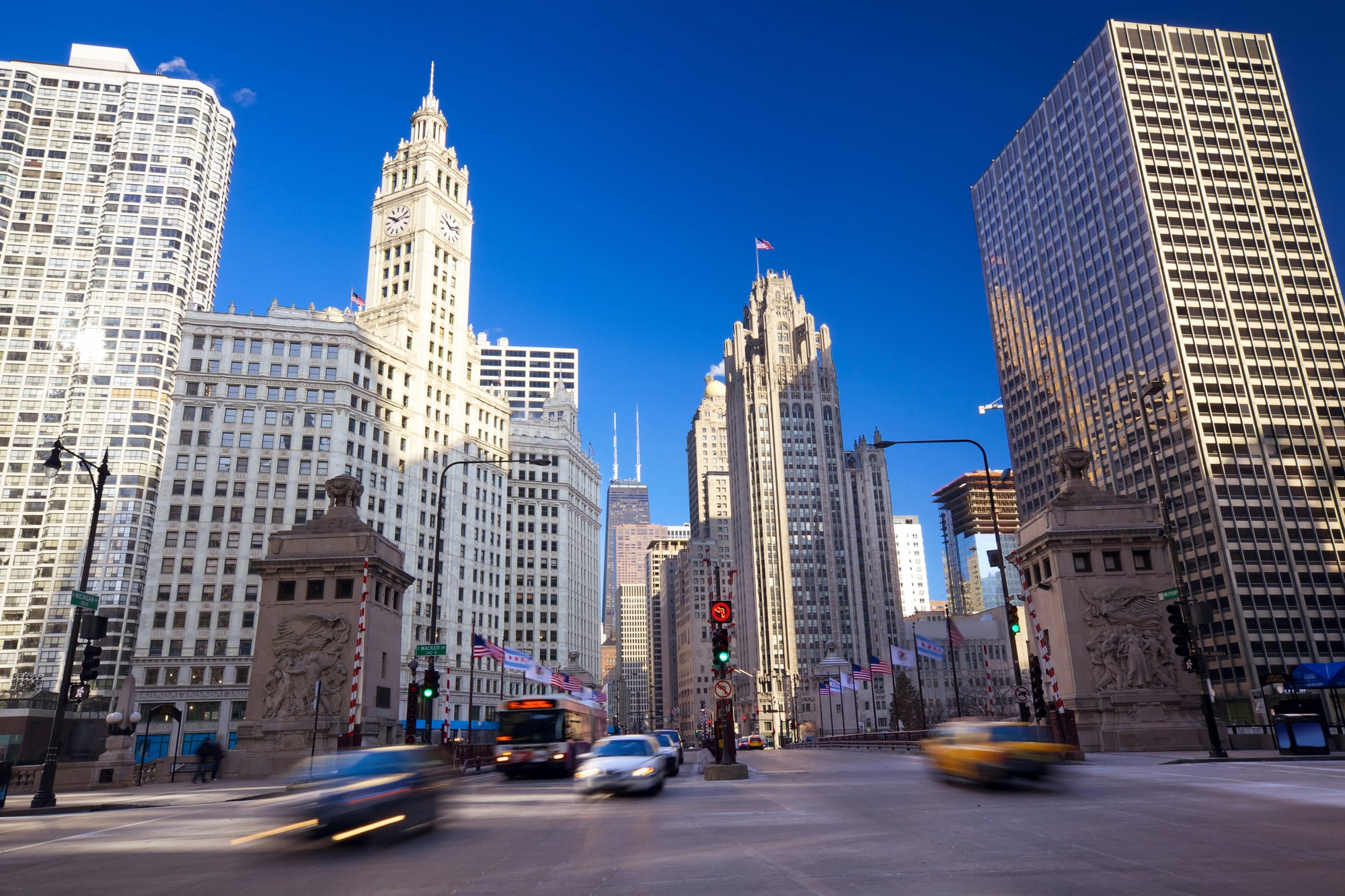
The Magnificent Mile earned its nickname through sheer audacity. When you line up stores like Nordstrom, Water Tower Place, and the flagship Apple Store along Michigan Avenue, then surround them with architecture that ranges from neo-Gothic to cutting-edge modern, you create something that demands superlatives.
The lakefront proximity helps. There’s something about shopping with Lake Michigan in the background that makes everything feel more expansive, more optimistic.
Even the wind whipping off the water seems intentional, like another element in the city’s retail theater.
Rue Saint-Honoré, Paris
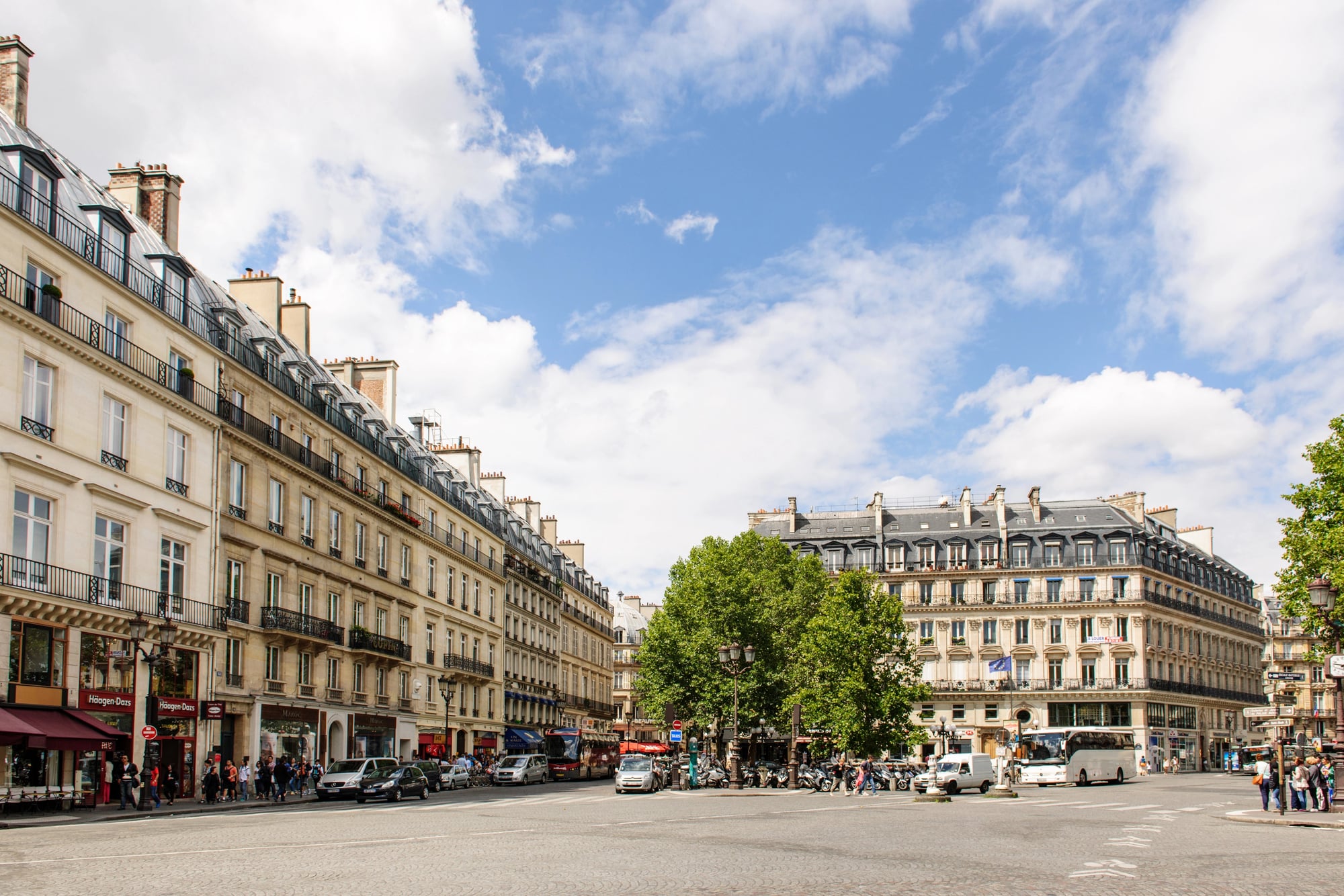
Rue Saint-Honoré whispers where other shopping districts shout. This isn’t about flagship stores or tourist spectacle — it’s about knowing where to look and having the credentials to be let inside when you do.
The boutiques here often feel more like private clubs than retail spaces, places where the salespeople remember your name and your preferences from visits that happened months ago.
The street curves gently through the 1st arrondissement, past the Louvre, past places where Marie Antoinette once shopped.
History layers itself into every transaction, every carefully wrapped purchase carrying the weight of centuries of Parisian taste-making.
Bond Street, London
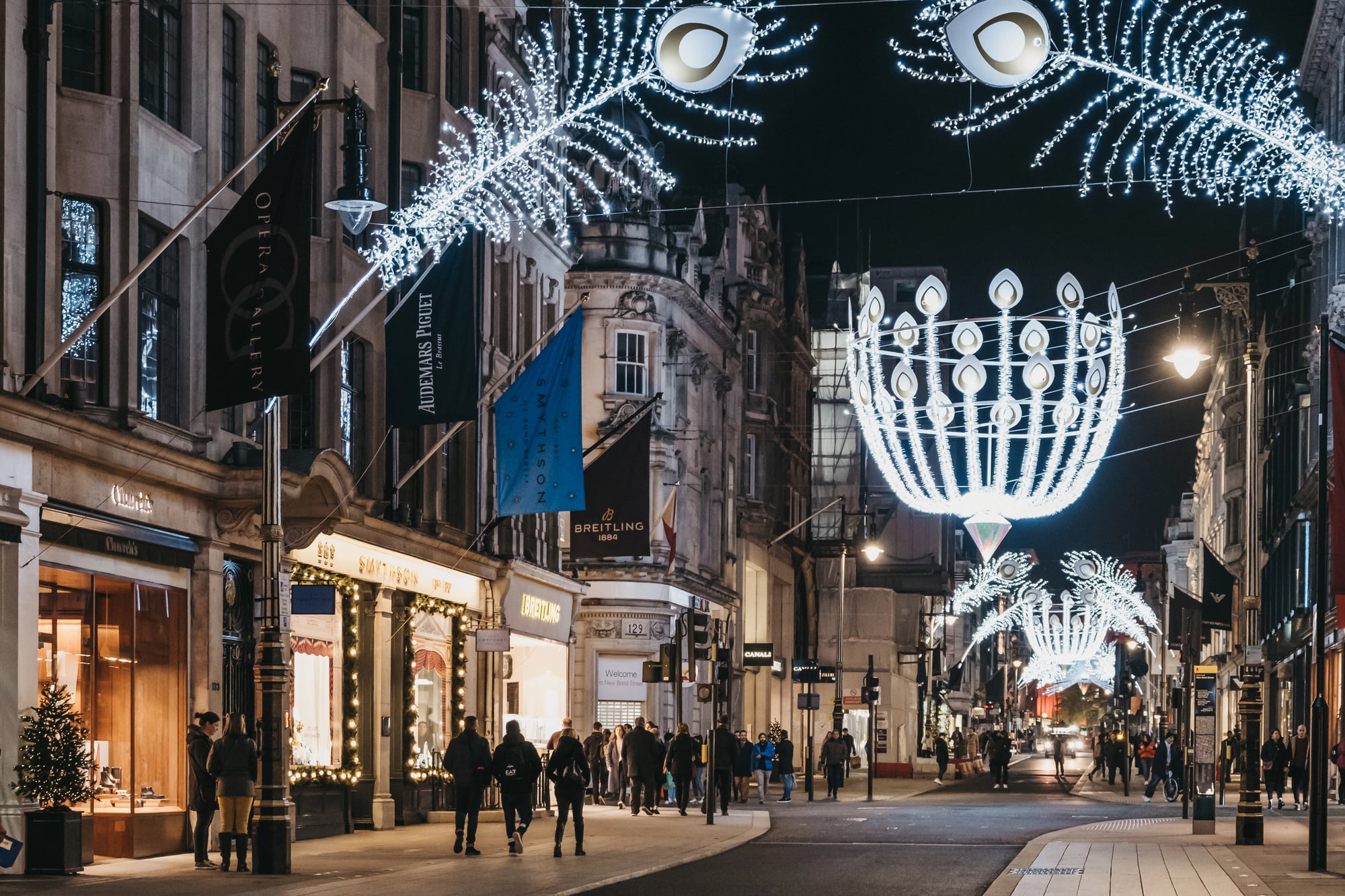
Bond Street divides itself into Old and New, though both sections have been selling luxury goods longer than most cities have existed. The jewelry shops here — Tiffany, Cartier, Graff — display their wares like museum pieces, which isn’t entirely inaccurate given what some of these items cost.
The Royal Academy of Arts anchors the area, providing just enough cultural gravity to make spending obscene amounts of money on accessories feel almost intellectual.
Almost.
Orchard Road, Singapore
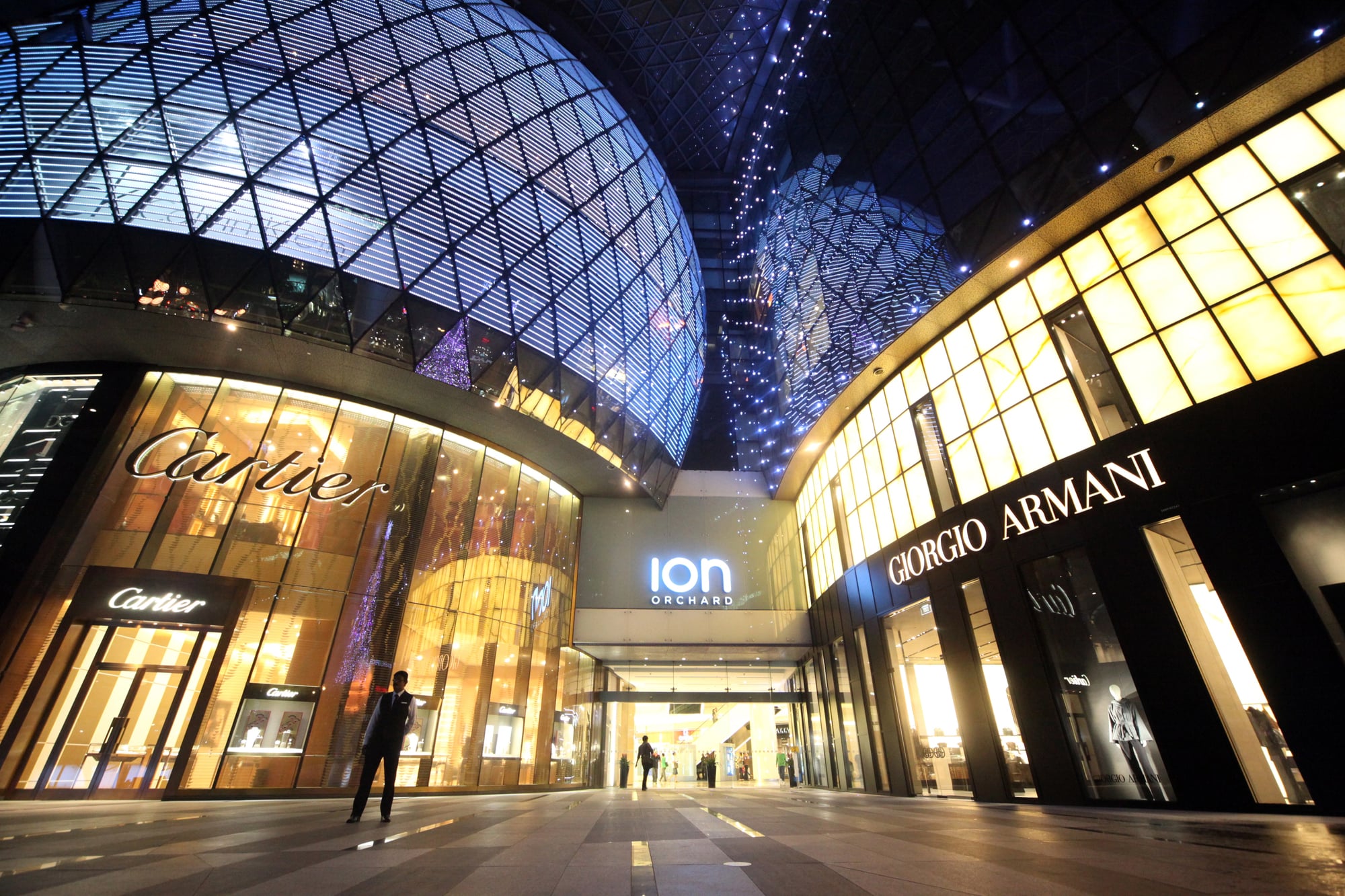
Orchard Road approaches shopping with the systematic efficiency Singapore brings to everything else, and the result is something like retail perfection achieved through careful planning rather than organic evolution — which sounds sterile until you actually experience it, because what they’ve created is a seamless two-mile stretch where shopping malls connect to other shopping malls through air-conditioned walkways, creating an entire climate-controlled universe where you could theoretically spend days without ever stepping outside (and given Singapore’s heat and humidity, you might want to).
The brands here range from accessible to astronomical: Uniqlo to Prada, all existing in the same carefully orchestrated ecosystem.
But here’s the thing that surprises visitors — it works beautifully. The crowds move smoothly, the spaces feel generous despite the density, and somehow the artificiality of it all becomes part of the appeal: shopping as urban planning success story.
Michigan Avenue, Chicago
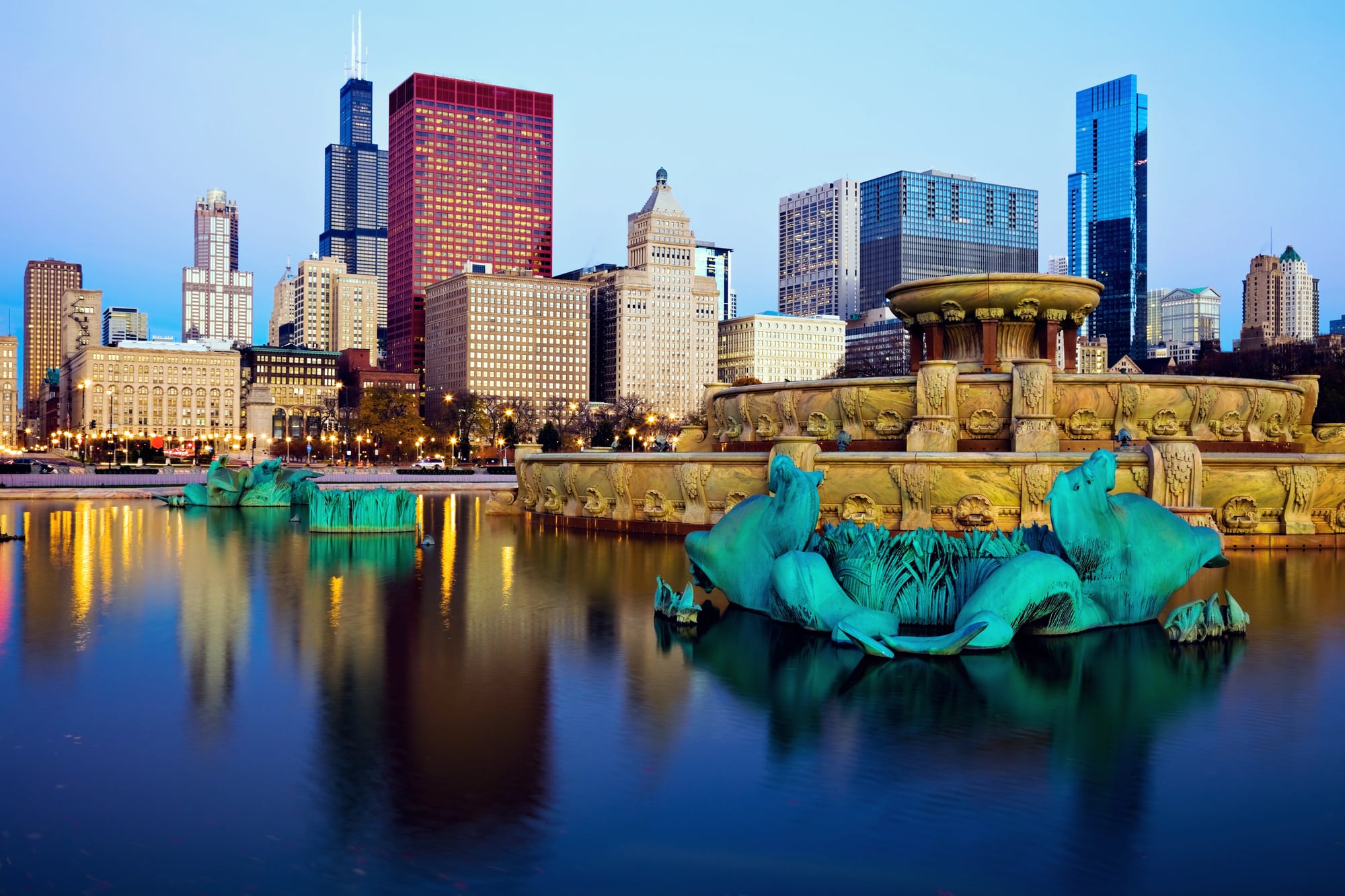
Michigan Avenue proves that American retail can compete with anyone when it commits fully to the enterprise. The concentration of flagship stores here rivals anything in New York or Los Angeles, but with a distinctly Midwestern approach to customer service that makes the whole experience feel slightly warmer, slightly more welcoming.
The architecture helps. When your shopping district includes buildings designed by Louis Sullivan and Frank Lloyd Wright, even buying socks feels culturally significant.
The Chicago River provides a natural boundary, creating the sense that you’ve entered a specific retail territory rather than just wandering into some stores.
Las Ramblas, Barcelona
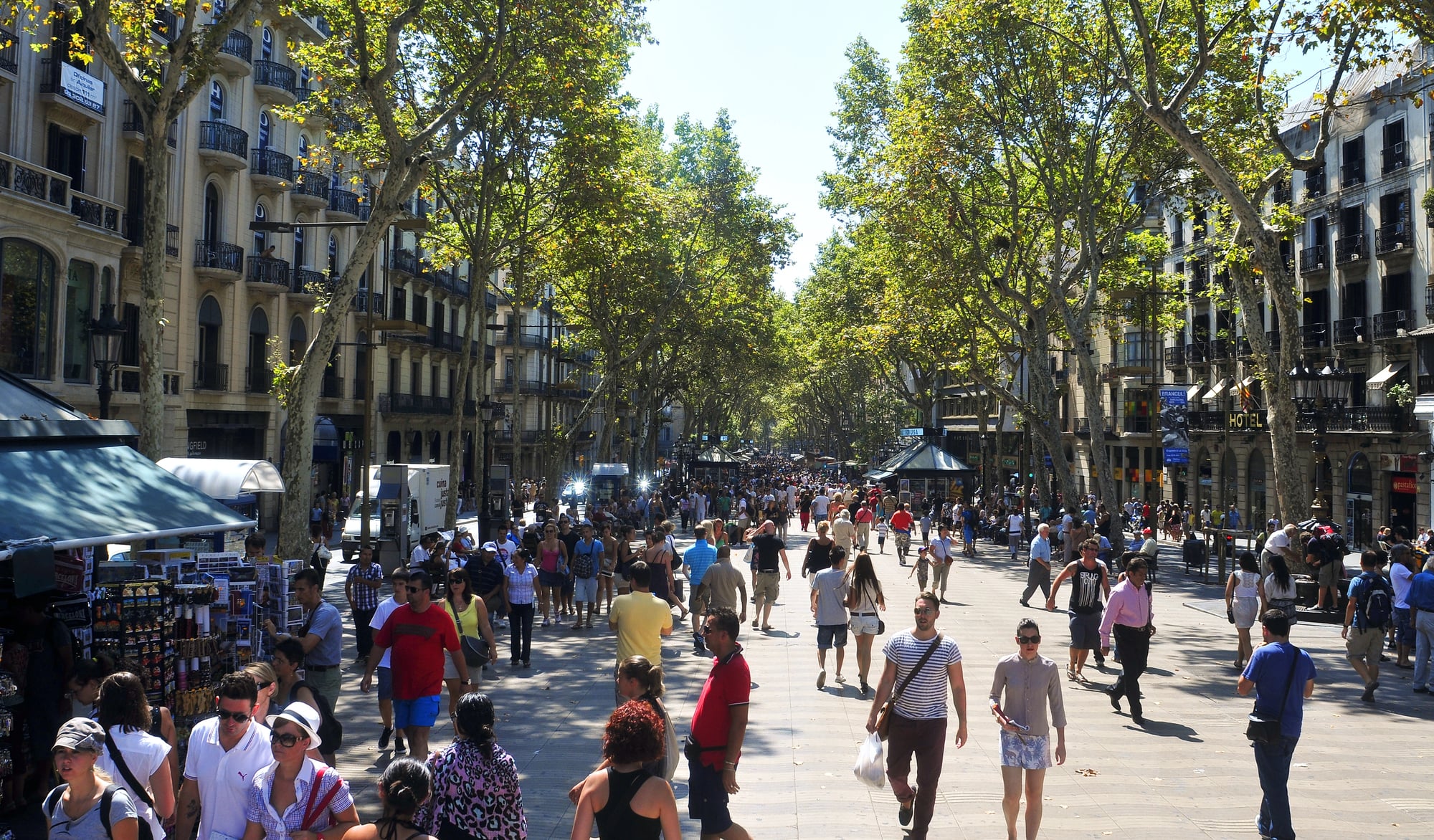
Las Ramblas operates according to its own internal logic, where shopping malls coexist with flower stands, where tourists hunting for souvenirs navigate around locals buying newspapers, where the boundaries between commerce and street life have blurred beyond recognition.
The tree-lined pedestrian boulevard creates a natural stage for all of this activity, and everyone — vendors, shoppers, people-watchers — understands their role in the performance.
The side streets branch off like tributaries, each one revealing different aspects of Barcelona’s retail personality.
Gothic Quarter shops selling handmade goods, modern boutiques showcasing Spanish designers, markets where the emphasis is on food but somehow you end up buying other things anyway.
Marienplatz, Munich
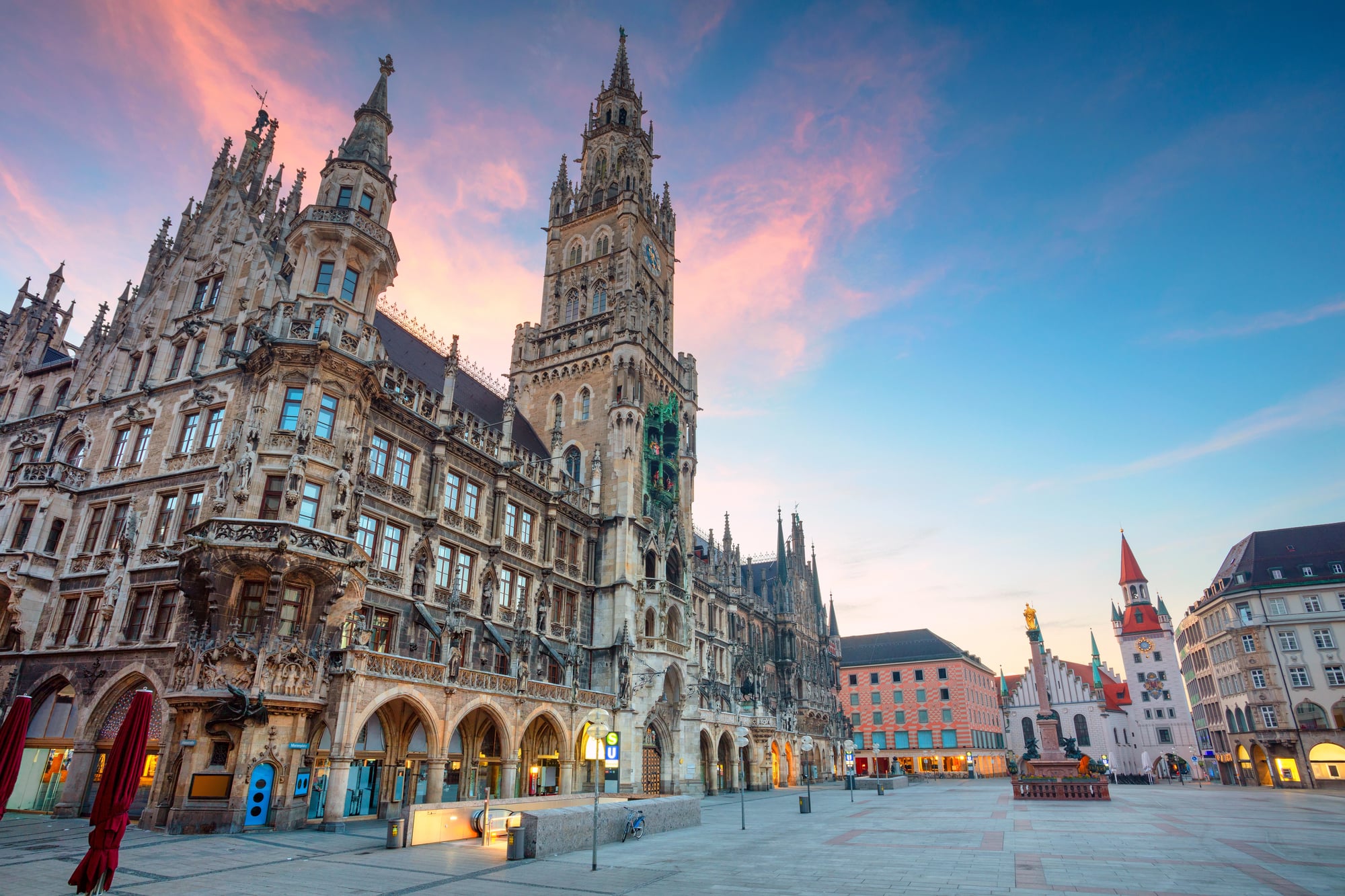
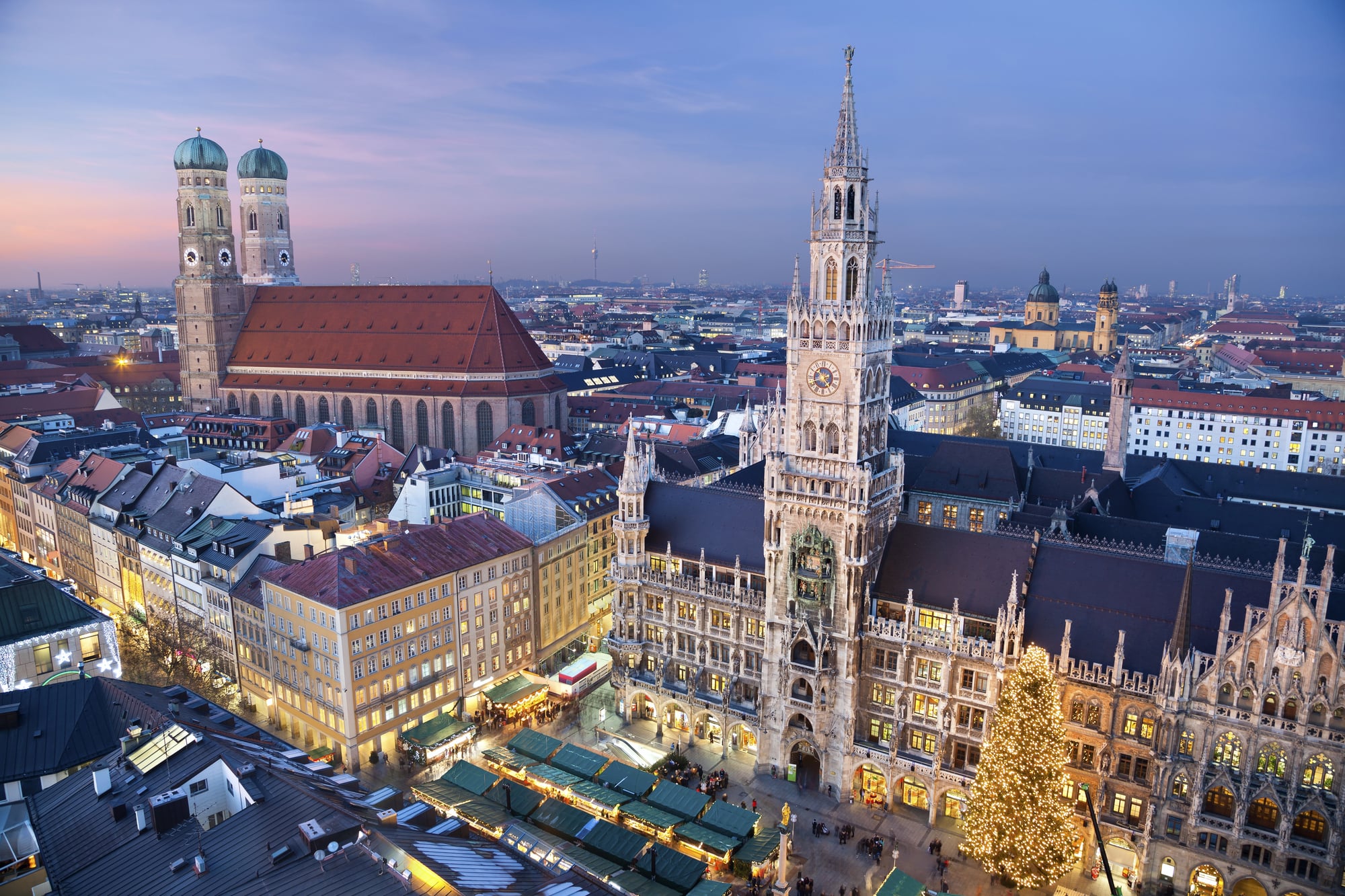
Marienplatz anchors Munich’s shopping district with the kind of Old World authority that makes even the most modern purchases feel rooted in tradition. The Glockenspiel chimes, tourists gather to watch and take photos, and somehow this ritual creates the perfect atmosphere for wandering into the pedestrian zones that radiate out from the square like spokes on a wheel.
The department stores here — Galeria Kaufhof, the smaller boutiques tucked into medieval-looking buildings — understand that they’re selling more than products.
They’re selling participation in a way of life that values quality, craftsmanship, and the particular satisfaction that comes from buying something well-made in a place that has been making things well for centuries.
The Rhythm of Commerce
Shopping districts reveal a city’s ambitions more honestly than almost anything else. They show you what a place values, who it’s trying to attract, and how it wants to be seen by the world.
Some whisper luxury in hushed, marble-lined corridors. Others shout accessibility from every colorful storefront.
The best ones manage to do both simultaneously, creating spaces where different kinds of dreams can coexist on the same sidewalk.
More from Go2Tutors!

- The Romanov Crown Jewels and Their Tragic Fate
- 13 Historical Mysteries That Science Still Can’t Solve
- Famous Hoaxes That Fooled the World for Years
- 15 Child Stars with Tragic Adult Lives
- 16 Famous Jewelry Pieces in History
Like Go2Tutors’s content? Follow us on MSN.