15 Cliff Formations That Revealed Earth’s Secrets
Cliffs aren’t just dramatic backdrops for adventure movies or scenic overlooks for tourists. These towering walls of rock serve as Earth’s history books, with each layer telling a story that spans millions of years. When scientists study these natural monuments, they uncover secrets about ancient climates, extinct creatures, and geological processes that shaped our planet.
Here’s a list of 15 remarkable cliff formations that have revolutionized our understanding of Earth’s past and continue to provide invaluable insights into our planet’s complex history.
White Cliffs of Dover

The iconic chalk cliffs of southern England revealed one of geology’s most important discoveries about mass extinction events. These brilliant white faces, composed primarily of compressed marine organisms, contain a thin layer of clay that marks the boundary between the Cretaceous and Paleogene periods.
This boundary layer is enriched with iridium, a rare element on Earth but common in asteroids, providing crucial evidence for the asteroid impact theory that explains the dinosaurs’ extinction 66 million years ago.
Grand Canyon’s South Rim
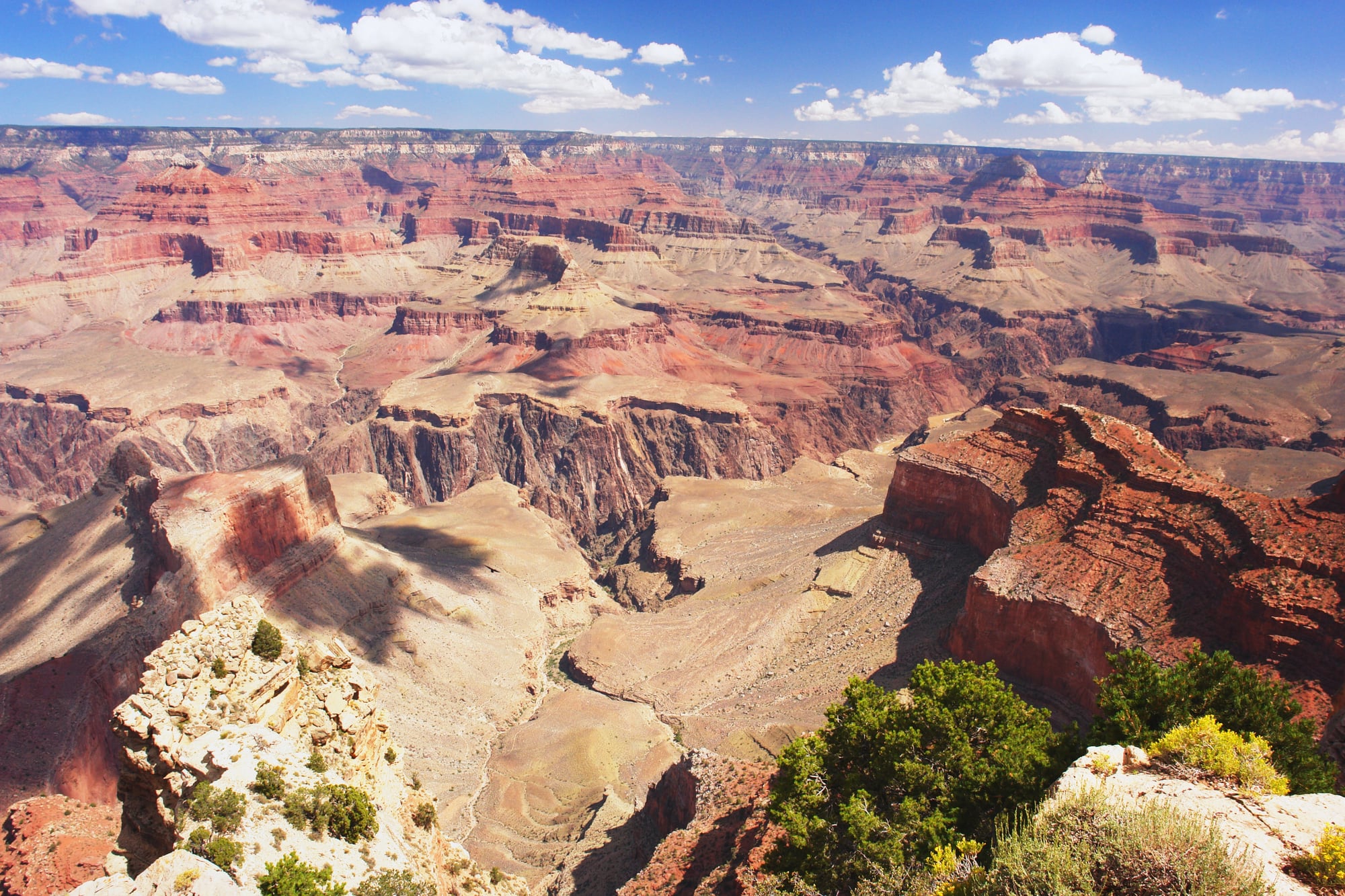
The Grand Canyon exposed nearly two billion years of Earth’s history in a single spectacular view, making it one of the most studied geological formations on the planet. The canyon’s layered walls tell the story of ancient seas, deserts, and mountain ranges that once occupied this region.
Scientists have used these rock layers to understand how the Colorado River carved through solid rock over millions of years, revealing processes of erosion and uplift that continue to shape landscapes worldwide.
Burgess Shale in British Columbia
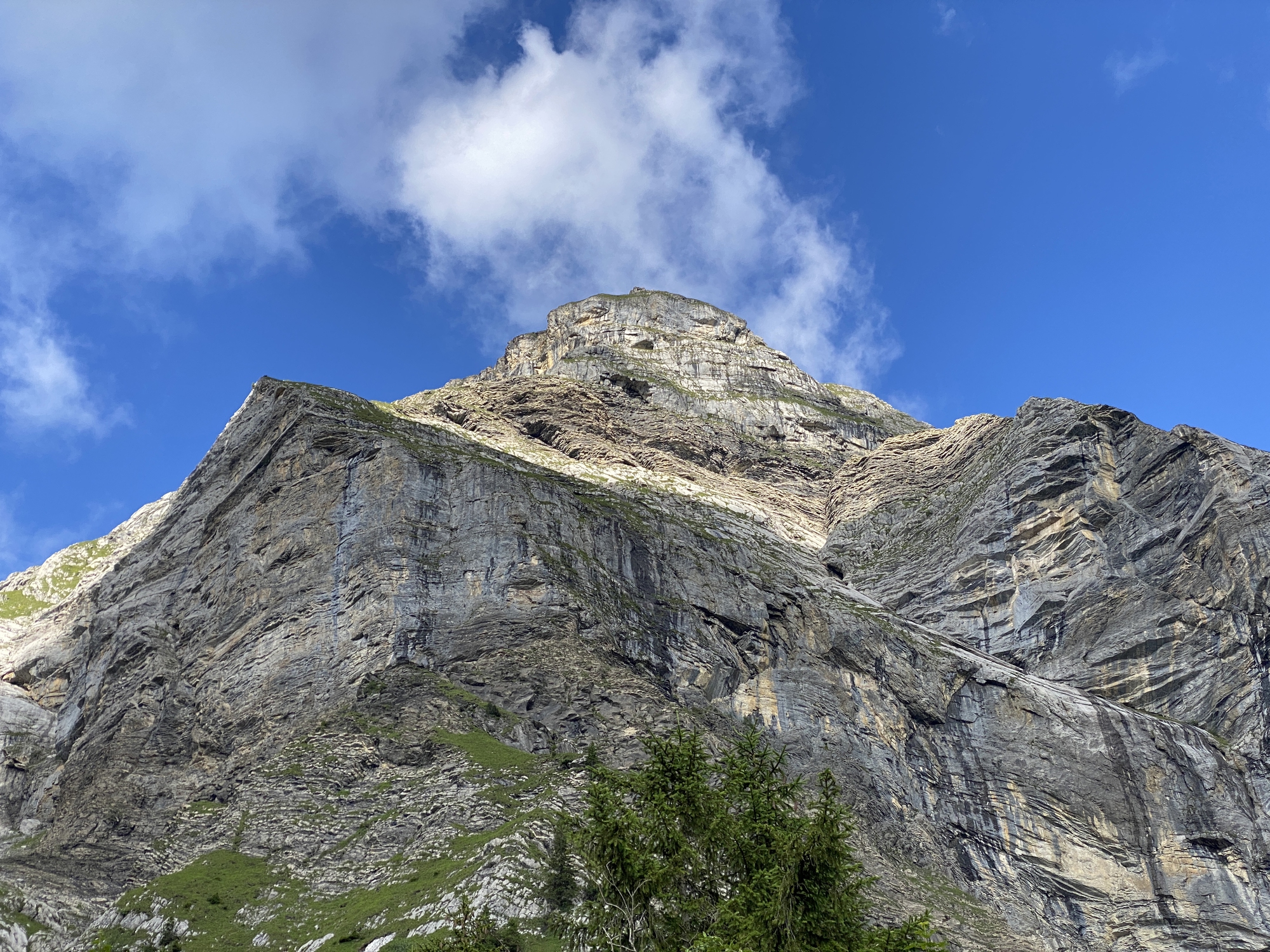
High in the Canadian Rockies, these seemingly ordinary cliff faces contain one of the most important fossil discoveries in paleontology. The Burgess Shale preserves soft-bodied organisms from 508 million years ago with extraordinary detail, including creatures that look like nothing alive today.
These fossils revealed the explosive diversification of life forms during the Cambrian period and showed scientists that early evolution was far more experimental and diverse than previously imagined.
Like Go2Tutors’s content? Follow us on MSN.
Siccar Point in Scotland

This modest cliff formation along Scotland’s coast provided the breakthrough that revolutionized geology in the 18th century. James Hutton observed layers of rock tilted at impossible angles, with newer horizontal layers resting on top of much older vertical ones.
This ‘unconformity’ proved that Earth was far older than anyone had imagined and that geological processes operated over vast timescales, laying the foundation for modern geological thinking.
Cliffs of Moher in Ireland

Ireland’s dramatic western cliffs revealed important clues about ancient ocean conditions and climate change during the Carboniferous period. The layered limestone and shale formations contain marine fossils that indicate Ireland was once covered by warm, tropical seas.
These rocks also preserve evidence of fluctuating sea levels and changing ocean chemistry that help scientists understand how marine ecosystems respond to environmental changes.
Beachy Head in England

This towering chalk headland provided crucial evidence for understanding how sea levels have changed throughout Earth’s history. The cliff’s composition of compressed marine plankton indicates that southern England was submerged under warm, shallow seas for millions of years.
Fossil evidence within these cliffs has helped scientists reconstruct ancient ocean temperatures and understand how marine life adapted to changing conditions over geological time.
Like Go2Tutors’s content? Follow us on MSN.
Giant’s Causeway in Northern Ireland
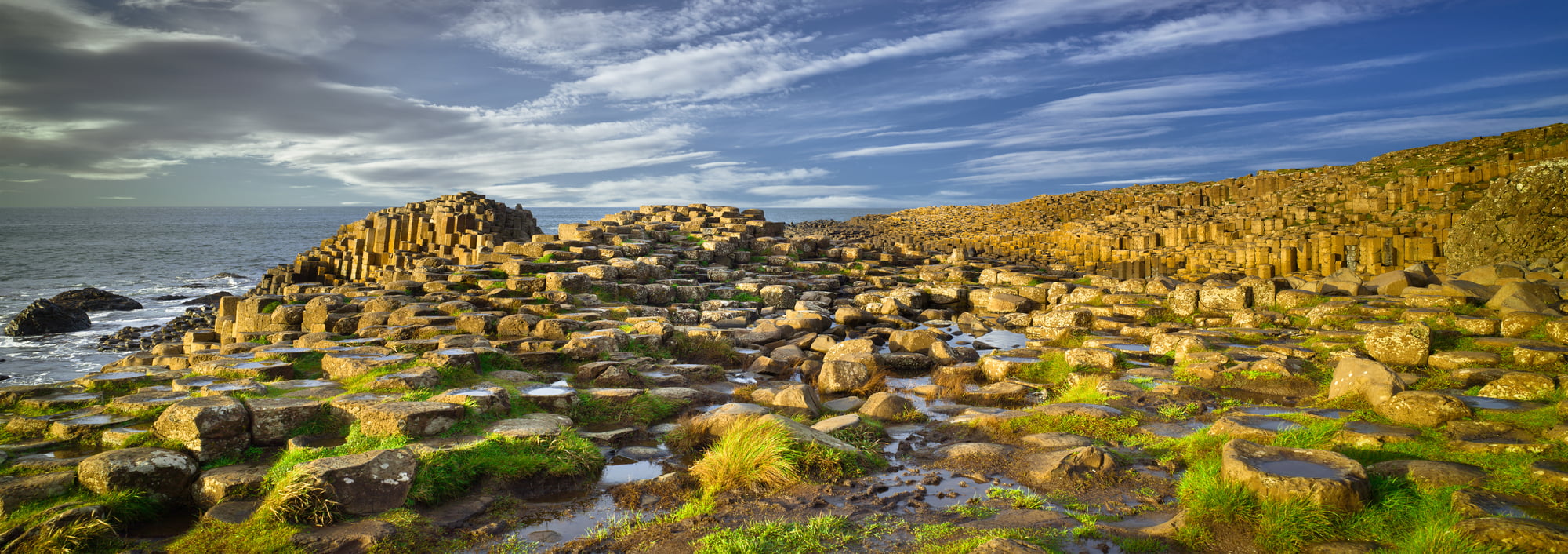
These distinctive hexagonal basalt columns revealed fundamental principles about how igneous rocks form and cool. The perfectly geometric pillars formed when volcanic lava cooled slowly and contracted, creating natural fracture patterns that follow mathematical principles.
This formation helped geologists understand volcanic processes and provided early evidence for the theory of continental drift, as similar formations exist on the Scottish coast across the ancient rift valley.
Vermilion Cliffs in Arizona
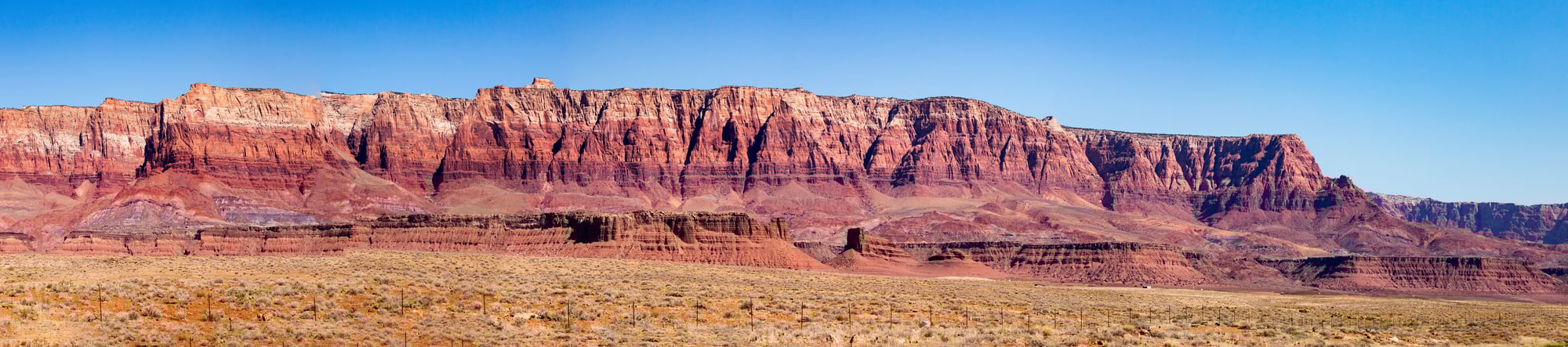
The colorful sandstone layers of these cliffs preserve a detailed record of desert conditions during the Jurassic period, including some of the most important dinosaur trackways ever discovered. The cross-bedded sandstone formations reveal ancient sand dune patterns and wind directions from 200 million years ago.
These cliffs also contain early mammal fossils that help scientists understand how small creatures survived alongside the dinosaurs.
Joggins Fossil Cliffs in Nova Scotia

These unassuming coastal cliffs contain the world’s most complete record of life during the Carboniferous period, earning recognition as a UNESCO World Heritage site. The layered rocks preserve entire fossilized forests, complete with tree stumps, roots, and the earliest known reptile fossils.
This formation revealed how the first vertebrates made the transition from water to land and how early forests contributed to the formation of coal deposits.
Like Go2Tutors’s content? Follow us on MSN.
Dinosaur National Monument in Colorado

The tilted cliff faces of this formation exposed one of the most concentrated dinosaur fossil sites in North America, revolutionizing paleontology in the early 20th century. The Morrison Formation preserved in these cliffs contains fossils from the Late Jurassic period, including complete skeletons of massive sauropods and predatory theropods.
These discoveries helped scientists understand dinosaur behavior, ecology, and the environments they inhabited.
Flamborough Head in Yorkshire
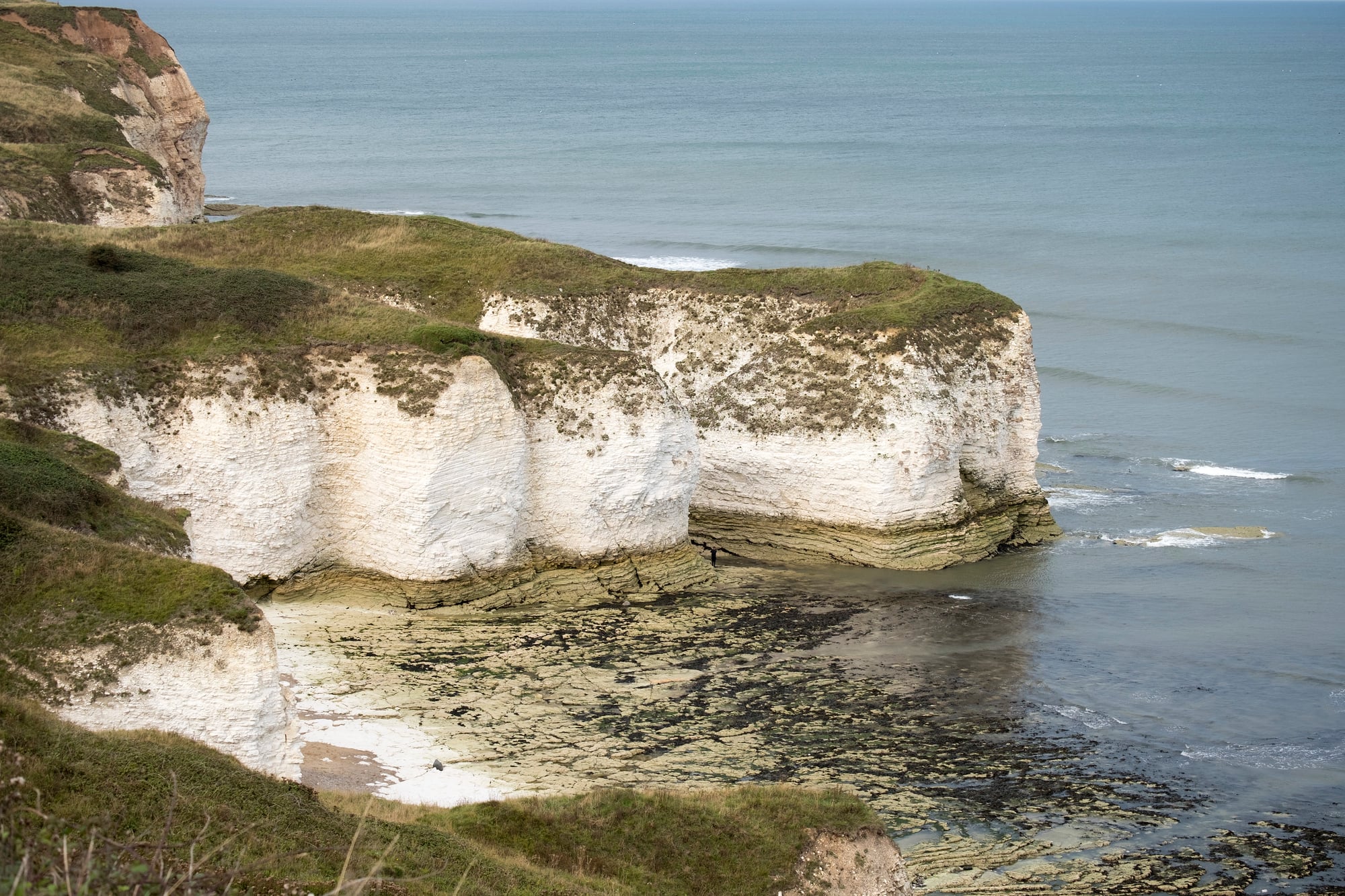
This chalk promontory revealed critical evidence about how marine life recovered after major extinction events. The cliff’s geological layers span the boundary between the Cretaceous and Paleogene periods, preserving fossils that show how ocean ecosystems rebuilt themselves after the asteroid impact that killed the dinosaurs.
The formation also contains evidence of ancient climate fluctuations that affected marine food chains.
Hell Creek Formation in Montana

These badlands cliffs preserve the final chapter of the dinosaur era with unprecedented detail and completeness. The rock layers contain fossils from the very last dinosaurs, including Tyrannosaurus rex and Triceratops, alongside early mammals and flowering plants.
This formation provided crucial evidence for understanding how ecosystems functioned just before the mass extinction event and how surviving species adapted to post-apocalyptic conditions.
Like Go2Tutors’s content? Follow us on MSN.
Antelope Canyon Walls in Arizona

The smooth, flowing walls of this slot canyon revealed how flash floods can carve intricate patterns in solid sandstone over thousands of years. The undulating rock formations preserve evidence of changing flood patterns and erosion processes in desert environments.
These walls also contain chemical signatures that help scientists understand how groundwater moves through rock and how desert landscapes evolve over time.
Palisades Along the Hudson River
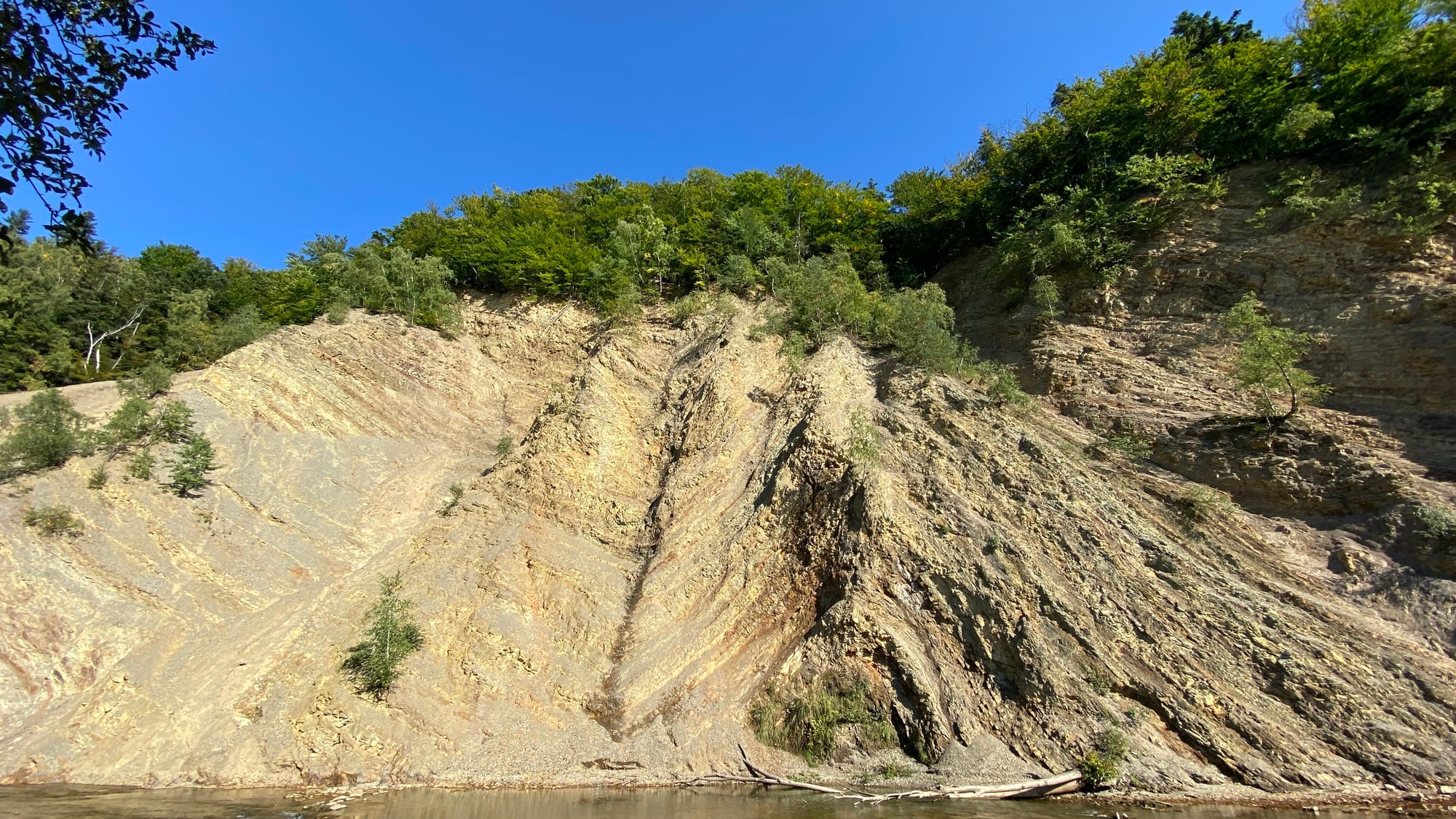
These vertical cliff faces exposed a massive igneous intrusion that revealed important details about volcanic activity during the breakup of the supercontinent Pangaea. The columnar basalt formations preserve evidence of intense volcanic activity that occurred as North America and Africa began separating 200 million years ago.
This geological event coincided with one of Earth’s major mass extinction events, providing insights into how volcanic activity can affect global climate.
Lyme Regis Cliffs in Dorset

These crumbling coastal cliffs have yielded some of the most important marine reptile fossils ever discovered, including the first scientifically described ichthyosaur and plesiosaur specimens. The Jurassic marine sediments preserve a complete ecosystem from 200 million years ago, showing how large marine reptiles dominated ancient oceans.
These discoveries helped establish the field of paleontology and provided early evidence for extinction and the changing nature of life on Earth.
Like Go2Tutors’s content? Follow us on MSN.
Windows Into Deep Time

These cliff formations remind us that Earth’s surface is constantly changing, with today’s landscapes representing just the latest chapter in a story that stretches back billions of years. Each rock layer, fossil, and geological feature adds another piece to the puzzle of our planet’s complex history.
The secrets revealed by these natural monuments continue to shape our understanding of evolution, climate change, and the processes that will determine Earth’s future.
More from Go2Tutors!

- 18 Unexpectedly Valuable Collectibles You Might Have Lying Around
- 20 Little-Known Historical Battles That Had Huge Consequences
- 20 Historical Artifacts That Scientists Can’t Explain
- 15 Inventions That Were Immediately Banned After Being Created
- 20 Actors Who Were Almost Cast in Iconic Roles
Like Go2Tutors’s content? Follow us on MSN.