18 Cold Cases Cracked by Amateur Internet Sleuths
The internet has completely changed how mysteries get solved. What once demanded years of police work plus expensive investigations now happens when curious people armed with laptops connect the dots from their living rooms. Crowdsourced sleuthing on sites like Websleuths and Reddit has gained serious credibility — even earning respect from law enforcement. These digital detectives sift through public records, analyze photos, then cross-reference information in ways that sometimes crack cases which stumped professionals for decades.
Missing persons to unsolved murders — amateur sleuths have proven that persistence combined with fresh eyes can break through when traditional methods fail. Here is a list of 18 cold cases that amateur internet sleuths helped solve, proving that sometimes the best detectives are the ones who simply refuse to give up.
Grateful Doe

In 1995, a young man died in a car crash in Virginia, though his identity remained unknown for 20 years. The only clue? A Grateful Dead ticket stub in his pocket, which earned him the nickname ‘Grateful Doe.’
Reddit users wouldn’t let the case go cold. They analyzed his dental records while comparing them to missing person reports.
Their collective effort led to his identification as Jason Callahan from Illinois — finally giving his family closure after two decades of wondering.
The Boy in the Box
Philadelphia’s most infamous cold case involved a young boy found dead in a cardboard box back in 1957. For over 60 years, his identity remained a mystery until amateur genealogists on various forums began working with DNA evidence.
Through painstaking family tree construction — cross-referencing public records — they helped identify the child as Joseph Augustus Zarelli in 2022. The breakthrough came when volunteers traced genetic matches through multiple generations of family data.
Lyle Stevik

A man who checked into a Washington state motel in 2001 using the fake name ‘Lyle Stevik’ was found dead by apparent self-harm, yet his real identity stumped investigators for 16 years. Internet sleuths on forums like Websleuths methodically analyzed every detail — from his clothing to his physical characteristics.
Their persistent work, combined with DNA analysis, eventually led to his identification as a young man from Arizona, ending one of the most discussed unidentified person cases online.
The Sumter County Does
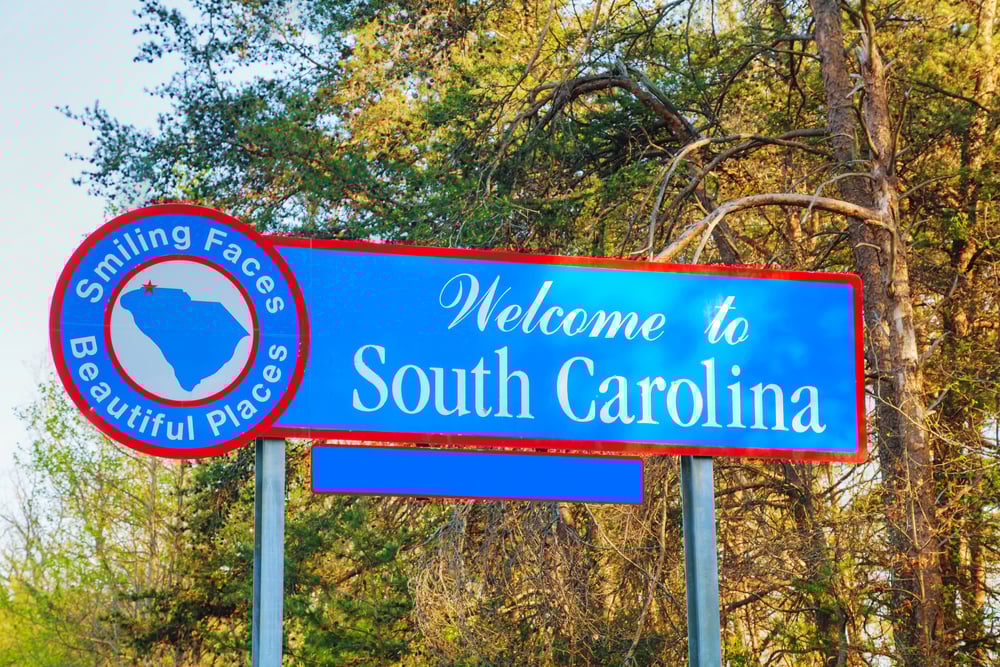
When human remains were discovered in South Carolina in 1976, investigators had no idea who the victims were or where they’d come from. Amateur genealogists working with DNA evidence spent years building family trees while cross-referencing missing person databases.
Their dedication paid off when they identified the remains as James and Elizabeth Harrell — a couple who had vanished from Pennsylvania, solving a mystery that had persisted for nearly five decades.
Bear Brook Murders

The Bear Brook murders in New Hampshire involved four victims found in barrels between 1985 and 2000. Amateur sleuths working alongside professionals used genetic genealogy to identify both victims plus the perpetrator.
Their work led to the identification of Marlyse Honeychurch, her daughters, along with the killer Terry Peder Rasmussen. The case became a landmark example of how crowd-sourced investigation can solve complex serial crimes.
The Buckskin Girl
Found dead along an Ohio highway in 1981, the ‘Buckskin Girl’ wore distinctive clothing that became her only identifier for nearly 40 years. Amateur genealogists took up her case — using DNA analysis plus family tree research to eventually identify her as Marcia King from Arkansas.
Their meticulous work gave her back her name while helping solve a case that had generated thousands of tips but no solid leads.
Valentine Sally
The case of ‘Valentine Sally’ — a young woman found dead in Arizona on Valentine’s Day 1982 — remained unsolved for decades. Internet sleuths examined every available detail, from her clothing to her dental work, sharing information across multiple platforms.
Their collaborative efforts plus persistent research contributed to her identification as Carolyn Eaton — a teenager from New Mexico who had been missing since 1979.
The Cheerleader in the Trunk

When a young woman’s body was found in a trunk in Frederick County, Maryland in 1982, she was dubbed the ‘Cheerleader in the Trunk’ due to her athletic appearance. Amateur investigators online spent years analyzing her case — sharing theories plus evidence across various forums.
Their dedication, combined with the power of genetic genealogy, eventually led to her identification as Susan Marcia Rose, solving a 40-year-old mystery.
Princess Doe

The brutal murder of a young woman in New Jersey in 1982 created the ‘Princess Doe’ case that haunted investigators for decades. Amateur sleuths adopted her case — creating detailed timelines while analyzing every piece of evidence available to the public.
Through their persistent work plus advancing DNA technology, she was eventually identified as Dawn Olanick — a teenager from New Jersey who had been missing since 1980.
The Fulton County Jane Doe

A young woman found dead in Georgia in 1988 remained unidentified for over 30 years until amateur genealogists took up her case. They used DNA analysis plus family tree research to trace her lineage through multiple generations.
Their methodical approach — combined with collaboration with law enforcement — eventually led to her identification as Stacey Lyn Chahorski, a missing person from Michigan.
The Kern County Jane Doe

When a woman’s remains were discovered in California in 1980, she became known as the Kern County Jane Doe. Amateur sleuths working with genetic genealogy spent years building family trees and cross-referencing missing person databases.
Their persistent research, combined with collaboration with DNA experts, eventually led to her identification as Kern County resident Colleen Fitzpatrick, ending a 40-year mystery.
The St. Louis Jane Doe

A young woman found murdered in Missouri in 1983 remained unidentified for nearly 40 years. Amateur genealogists took up her case, using DNA analysis while conducting methodical family tree research to trace her origins.
Their dedication, combined with the power of genetic genealogy, eventually led to her identification as Hope Rahn, a teenager from Ohio who’d been missing since 1982.
The Washoe County Jane Doe
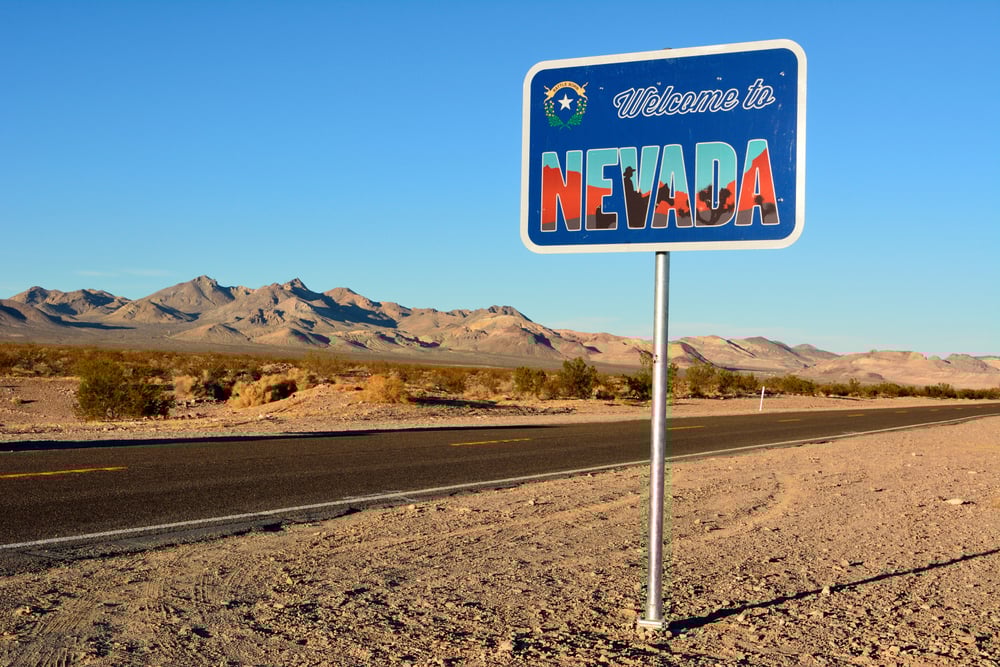
Found in Nevada in 1982, this young woman’s case remained cold for decades until amateur sleuths began working with DNA evidence. They spent years constructing family trees while cross-referencing missing person reports from across the country.
Their persistent work eventually led to her identification as Kim Raffo, solving a case that had generated numerous theories yet no solid leads.
The Pecos Jane Doe

A young woman found dead in Texas in 1979 remained unidentified for over 40 years until amateur genealogists took up her case. They used DNA analysis combined with family tree research to trace her lineage through multiple generations of family data.
Their methodical approach, along with collaboration with law enforcement, eventually led to her identification as Maria Anjiras, a missing person from Oklahoma.
The Racine County Jane Doe

When a woman’s body was found in Wisconsin in 1999, she became known as the Racine County Jane Doe. Amateur sleuths working with genetic genealogy spent years building family trees while cross-referencing databases.
Their persistent research, combined with collaboration with DNA experts, eventually led to her identification as Peggy Lynn Johnson, a missing person from Illinois who had been developmentally disabled.
The Harris County Jane Doe

A young woman found murdered in Texas in 1991 remained unidentified for over 30 years until amateur genealogists began working with DNA evidence. They spent years constructing detailed family trees while cross-referencing missing person reports nationwide.
Their dedication, combined with the power of genetic genealogy, eventually led to her identification as Audrey Lee Cook, a missing person from Arkansas.
The Riverside Jane Doe

Found in California in 1980, this young woman’s case remained cold for decades until amateur sleuths began collaborating with DNA experts. They used genetic genealogy along with family tree research to trace her origins through multiple generations.
Their persistent work eventually led to her identification as Sylvia Quayle, solving a case that had stumped investigators for over 40 years.
The Orange County Jane Doe

A young woman found dead in Florida in 1986 remained unidentified for over 35 years until amateur genealogists took up her case. They used DNA analysis combined with methodical family tree research to trace her lineage across multiple states.
Their dedication, along with collaboration with law enforcement, eventually led to her identification as Tammy Corbin, a missing person from Ohio who had been traveling through the South.
The Digital Revolution Continues
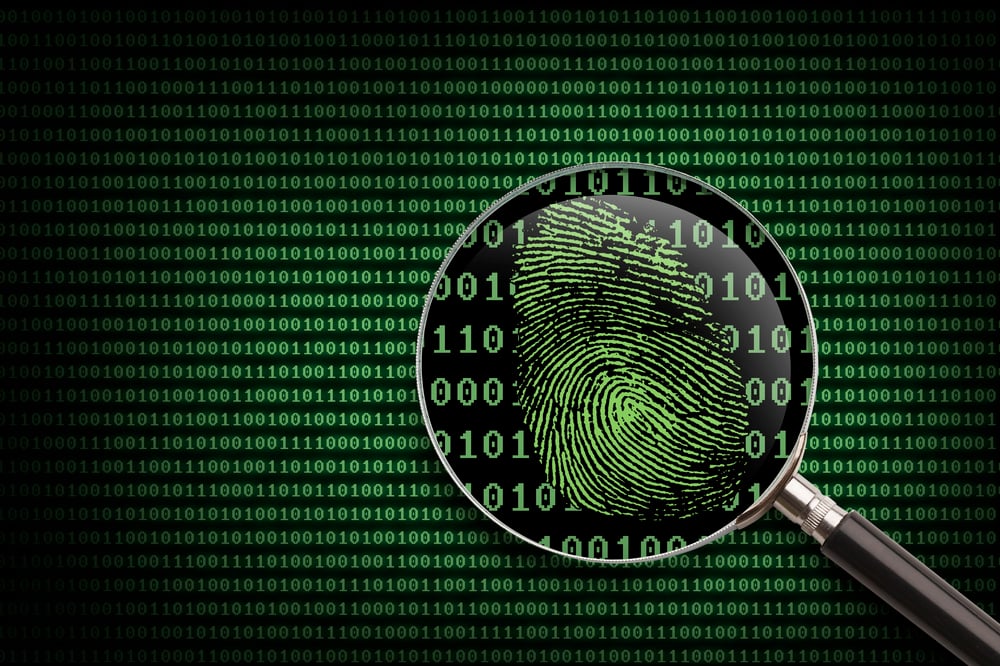
The success of these cases shows how the internet has fundamentally changed criminal investigation. Amateur sleuths bring fresh perspectives, unlimited time, plus collaborative networks that can spot patterns professionals might miss.
The Skeleton Crew: How Amateur Sleuths Are Solving America’s Coldest Cases, by Deborah Halber, describes how amateur web sleuths are helping with cold cases. These volunteers prove that justice doesn’t always require a badge — just persistence along with the refusal to let the forgotten stay forgotten.
The combination of human curiosity plus advancing technology continues to bring answers to families who thought they’d never know the truth.
More from Go2Tutors!

- The Romanov Crown Jewels and Their Tragic Fate
- 13 Historical Mysteries That Science Still Can’t Solve
- Famous Hoaxes That Fooled the World for Years
- 15 Child Stars with Tragic Adult Lives
- 16 Famous Jewelry Pieces in History
Like Go2Tutors’s content? Follow us on MSN.



