16 Defunct Gas Station Brands From Family Road Trips
Road trips have a way of imprinting certain memories that stick with you decades later. The hum of tires on asphalt, the endless horizon stretching ahead, and those distinctive gas station signs that promised relief from long stretches of highway.
These fuel stops weren’t just places to fill up the tank — they were landmarks, meeting points, and sometimes the only civilization for miles around. Many of the gas station brands that once dotted America’s highways have vanished, leaving behind only faded memories and the occasional rusted sign.
These weren’t just corporate casualties of market consolidation; they were pieces of the American travel experience that shaped how families explored the country together. Their disappearance marks the end of an era when regional brands had personality and local character mattered more than efficiency metrics.
Sinclair
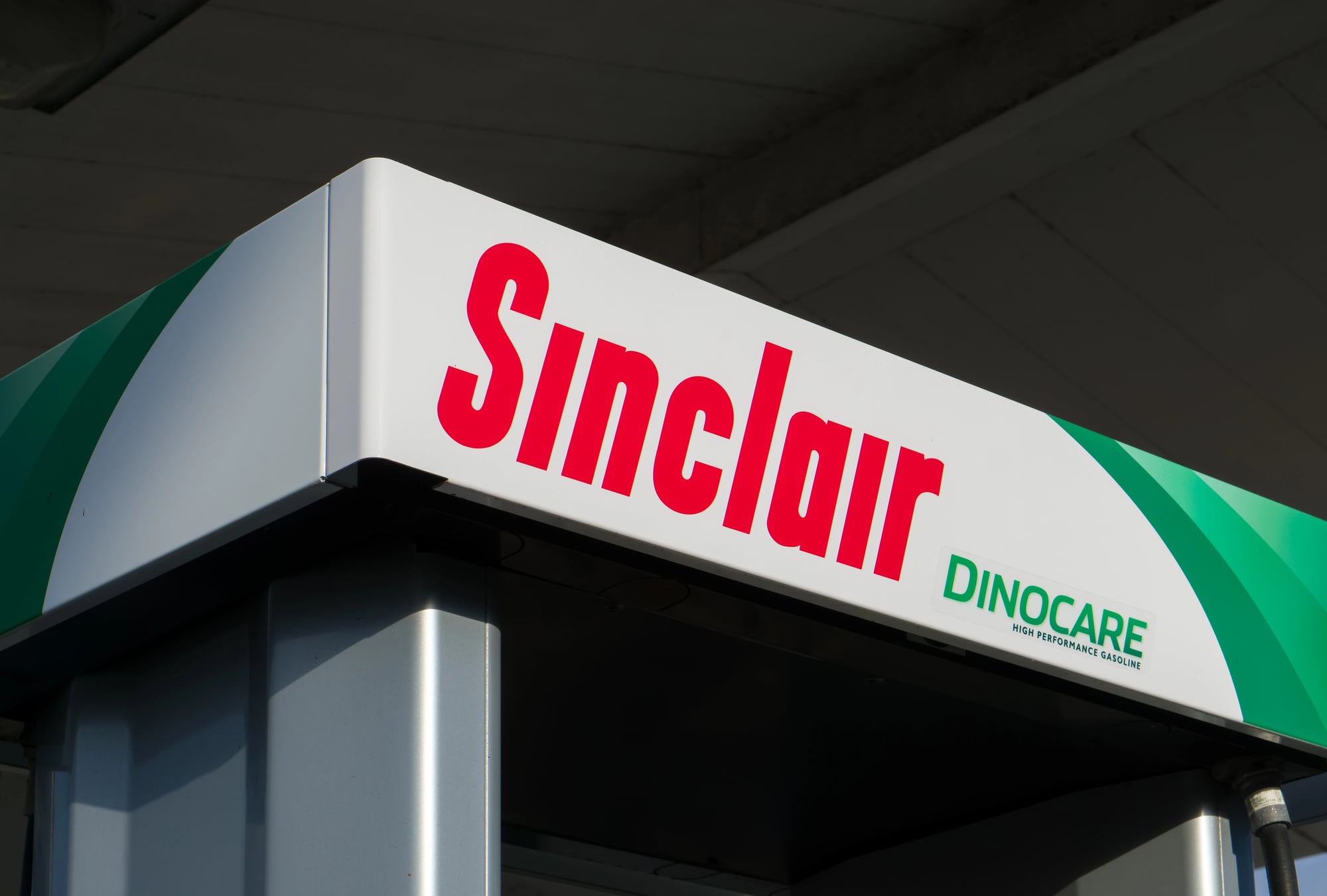
Green dinosaur logo stamped on your brain from childhood. Sinclair’s Dino the Dinosaur wasn’t just marketing — it was a promise that this place understood kids stuck in backseats for hours.
The stations disappeared gradually, then all at once.
Atlantic Richfield (ARCO)
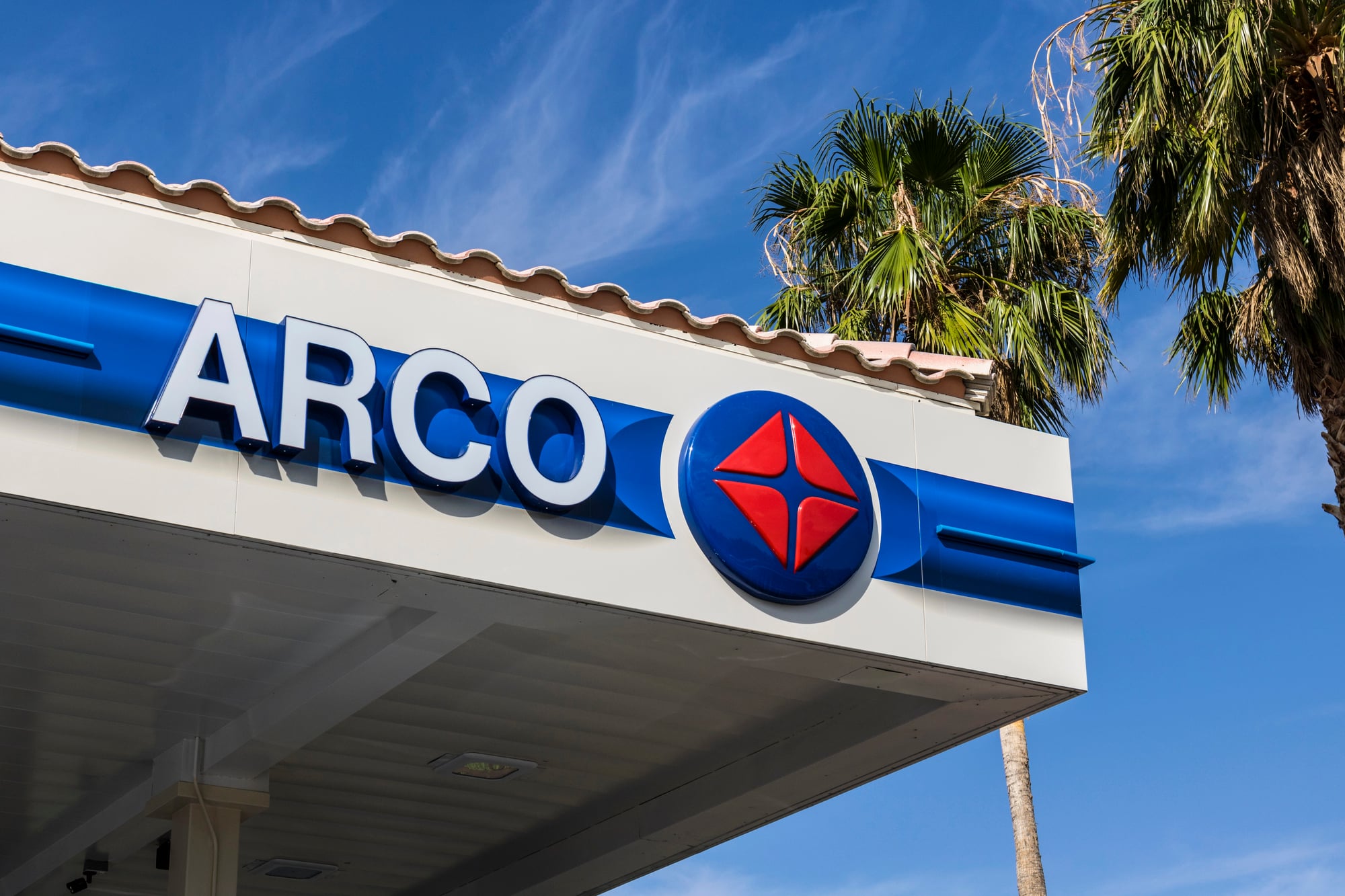
Before ARCO became a West Coast-only phenomenon, Atlantic Richfield stations served the entire country. The red, white, and blue shield felt as American as the highways themselves.
Most regions lost their ARCO stations during the 1980s consolidation wave, though the brand survived in different markets.
Cities Service (Citgo)
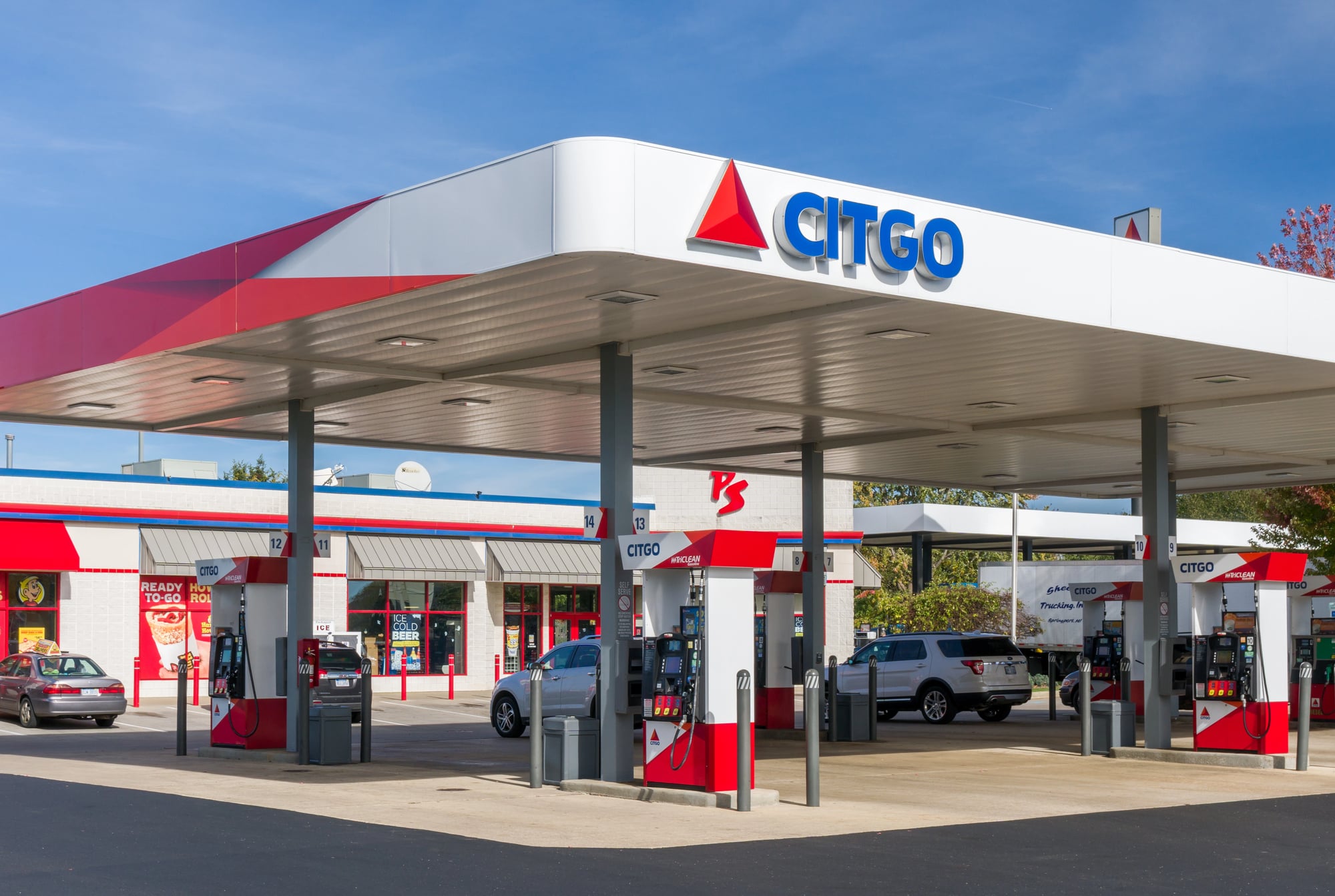
Cities Service carried a name that suggested reliability across urban and rural America, which made sense because that’s exactly what it provided for decades (spanning from the 1910s through the 1980s when it became Citgo). The stations were dependable stops where you knew what to expect — clean restrooms, fair prices, and attendants who actually checked your oil when you asked.
And yet there was something about the transition to Citgo that felt like watching your neighborhood change hands, even if the new owners kept the same services running. So when Cities Service signs started coming down, it wasn’t just a corporate rebrand — it marked the end of an era when gas station names sounded like promises rather than acronyms.
Pure Oil
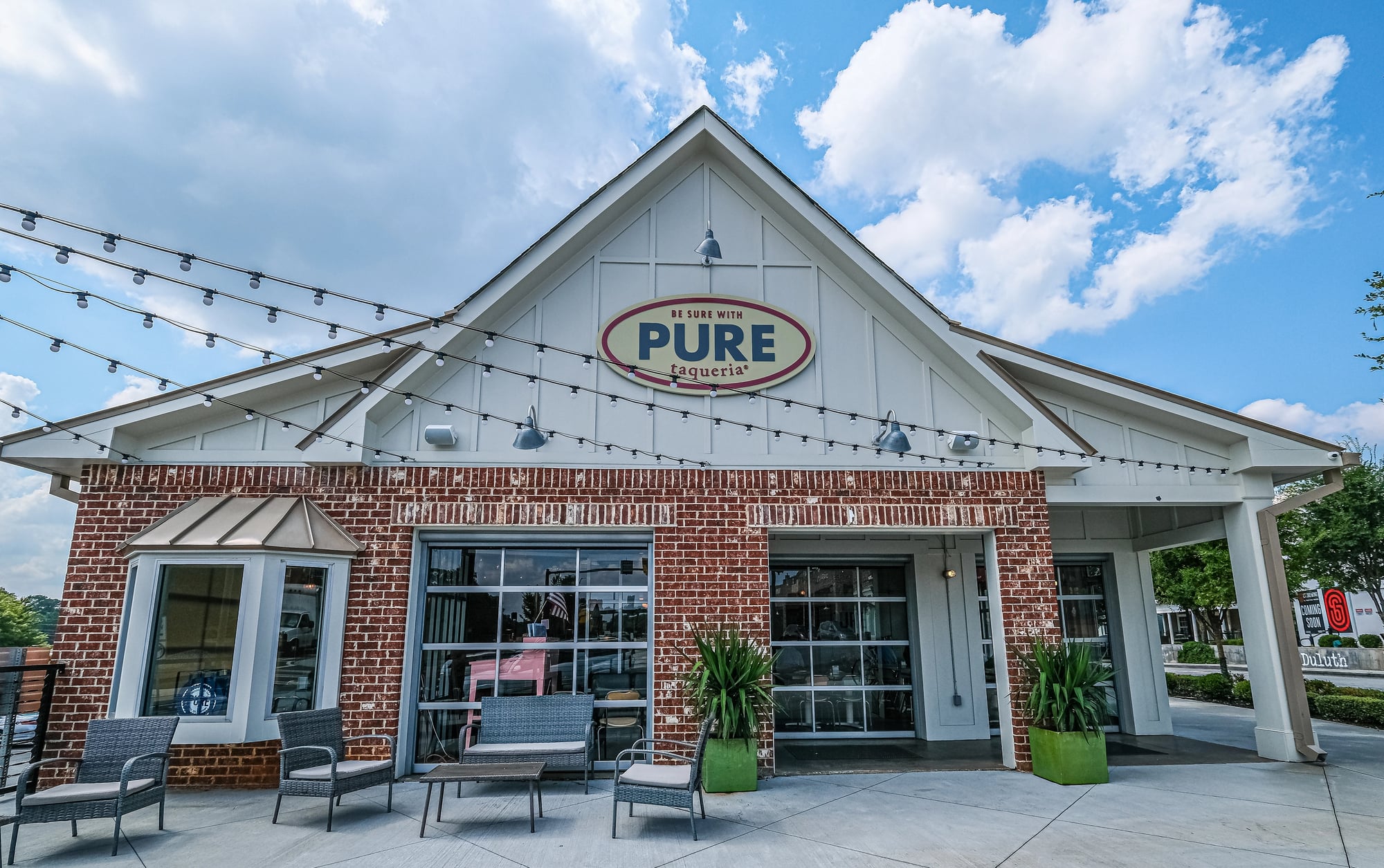
Pure Oil stations occupied a particular niche in the American landscape — they felt honest in a way that other brands sometimes didn’t. The name suggested exactly what you’d get, and the blue and white signage had a clean, straightforward quality that matched the promise.
These weren’t flashy stops trying to sell you anything beyond fuel and basic services. Pure Oil understood something about road travel that got lost when the brand disappeared.
Sometimes travelers just want reliability without the sales pitch.
Sohio
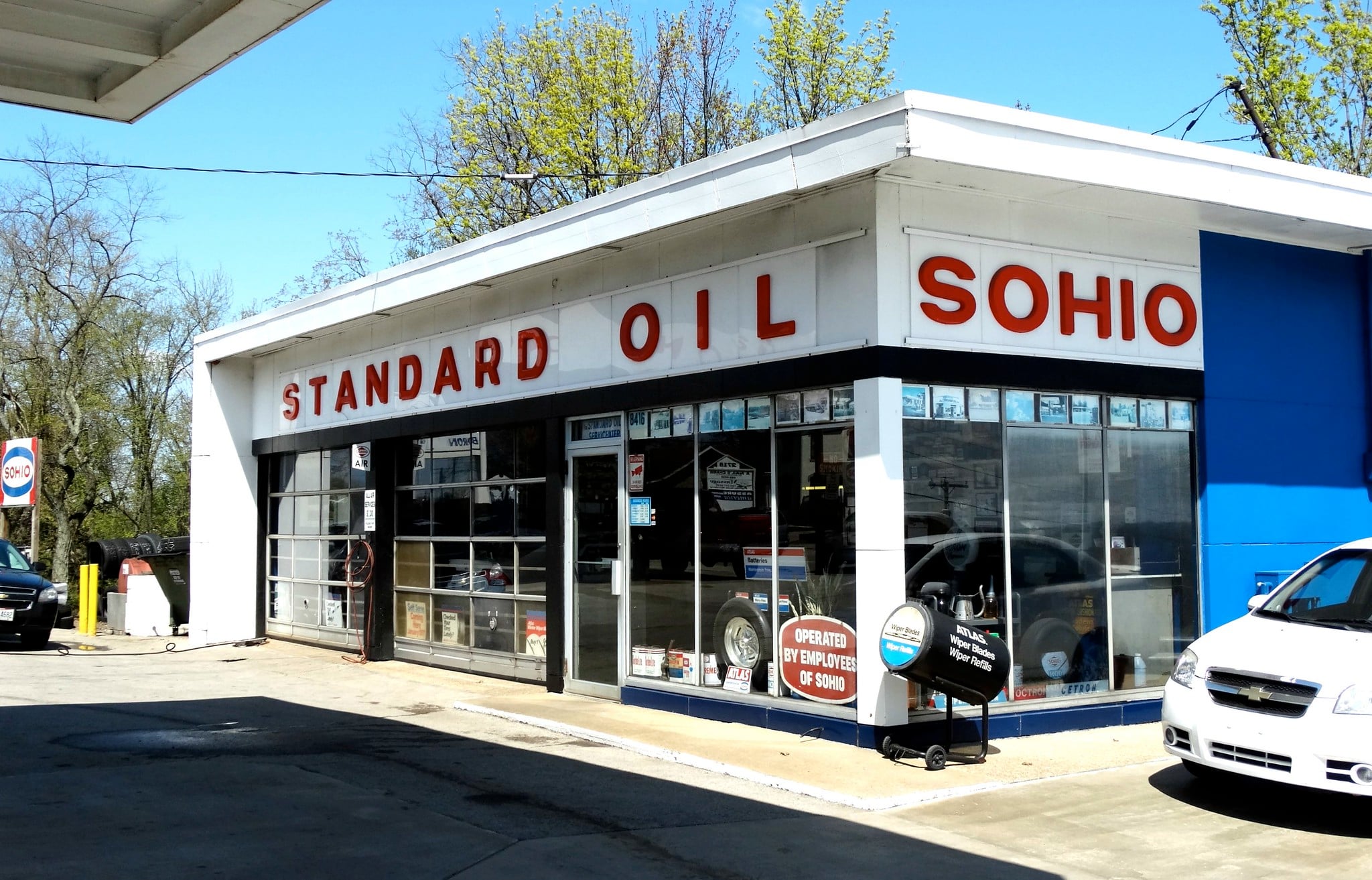
Sohio owned the Midwest for decades. The brand name was shorthand for Standard Oil of Ohio, but everyone just called it Sohio.
Local ownership meant these stations understood regional needs — winter services, local traffic patterns, which routes truckers preferred. The British Petroleum buyout in the 1980s turned Sohio stations into BP overnight.
Same pumps, different company, but something essential got lost in translation.
DX
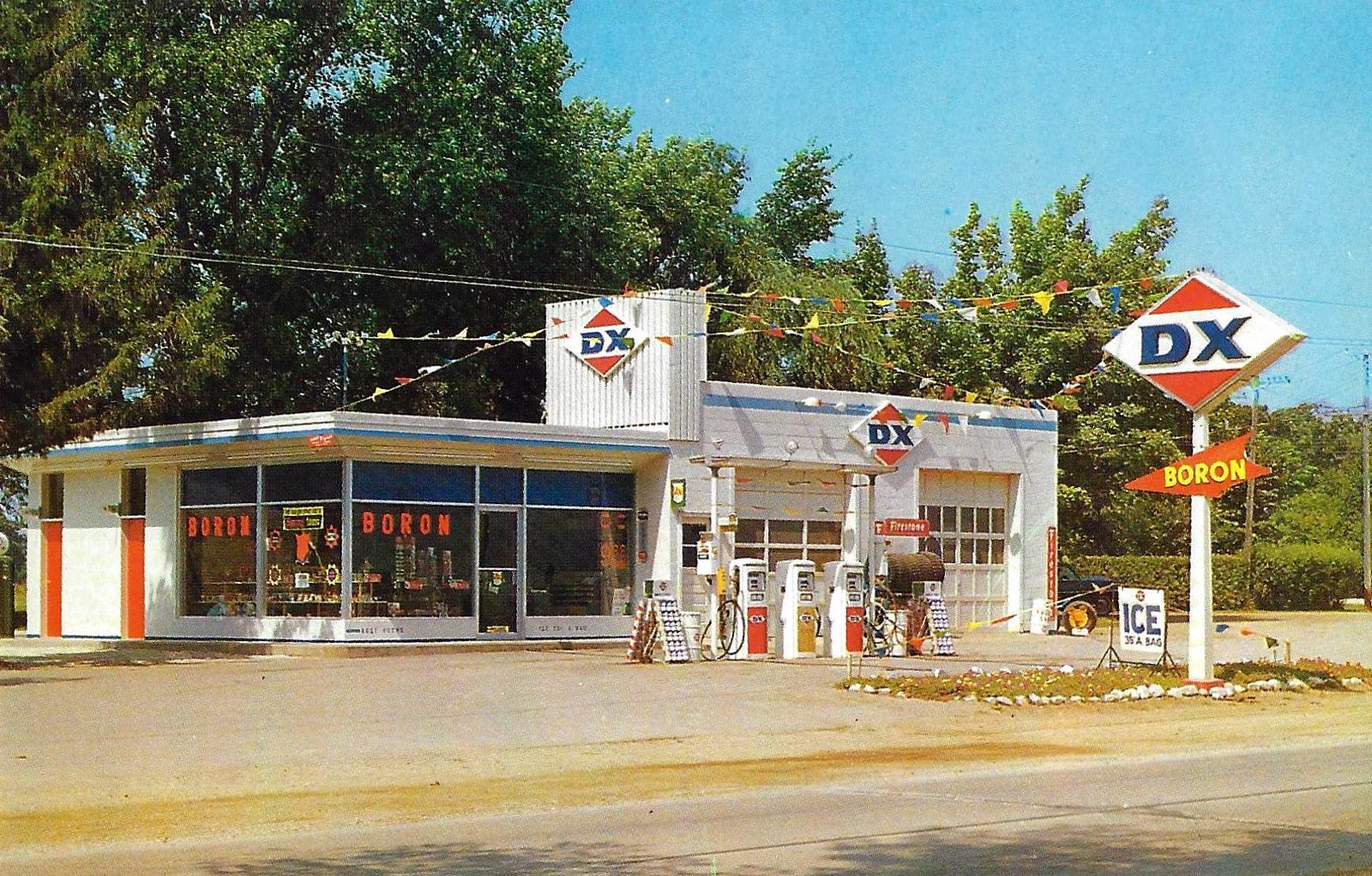
DX stations scattered themselves across middle America like seeds, taking root in small towns and highway intersections where other brands couldn’t be bothered to establish territory (which turned out to be exactly where families needed them most during those long cross-country drives). The diamond-shaped logo became a familiar sight to anyone who spent serious time on two-lane roads, particularly in the South and Southwest where DX seemed to understand that sometimes you needed gas in places that weren’t quite destinations.
And the thing about DX — they didn’t try to be anything more than what they were. No fancy convenience stores or car washes — just fuel, basic services, and the kind of straightforward business approach that worked because it didn’t waste time on extras nobody asked for.
Flying A (Tidewater)
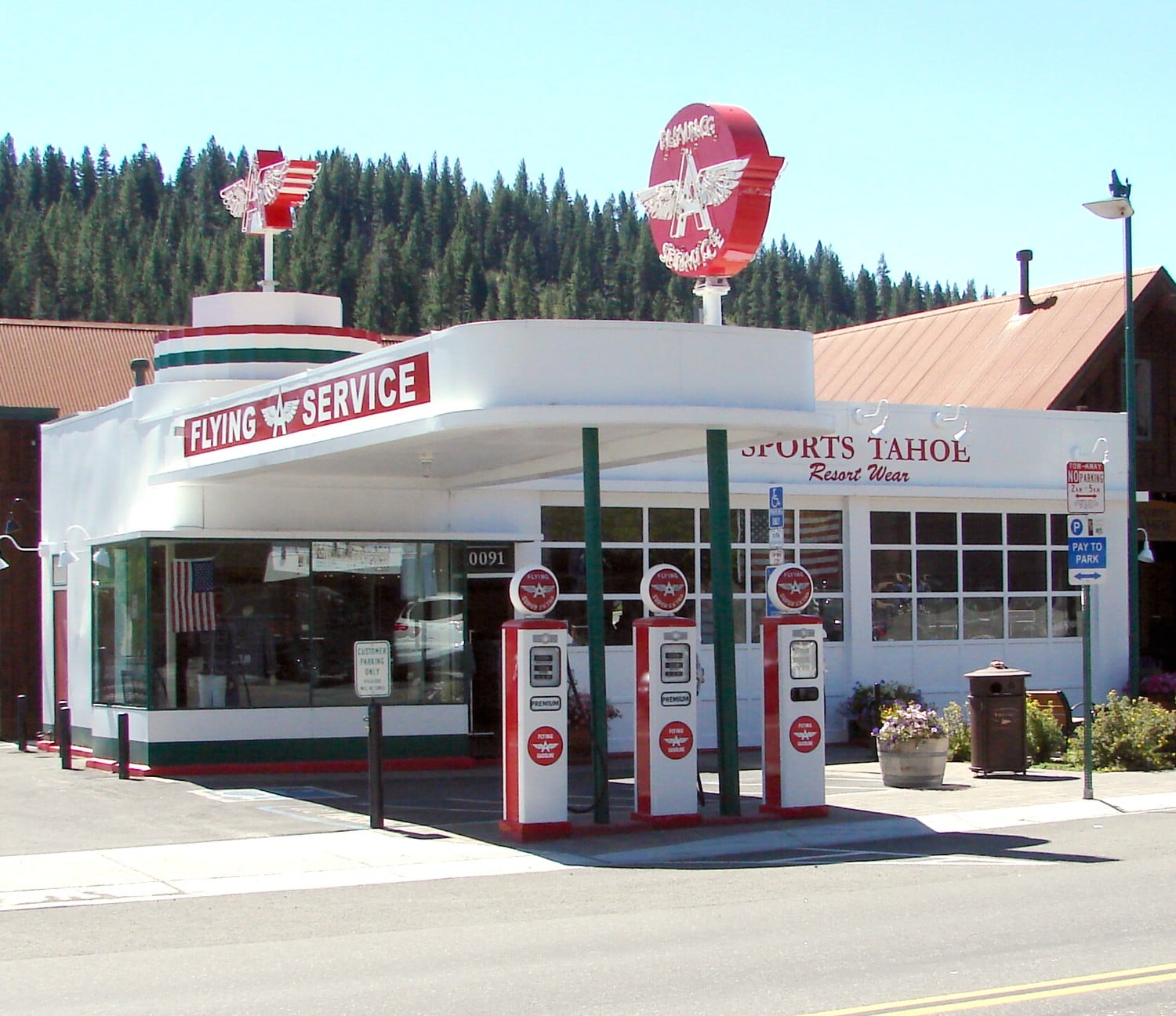
Flying A stations captured something specific about American optimism — the logo literally suggested movement and progress. Tidewater Associated Oil Company ran these stations across the West Coast and mountain states, creating a network that felt designed for people going places rather than just buying gas.
The red winged logo promised adventure, which sounds corny until you remember how it felt to spot one after hours of empty highway. Flying A delivered on small promises better than most brands delivered on big ones.
Deep Rock
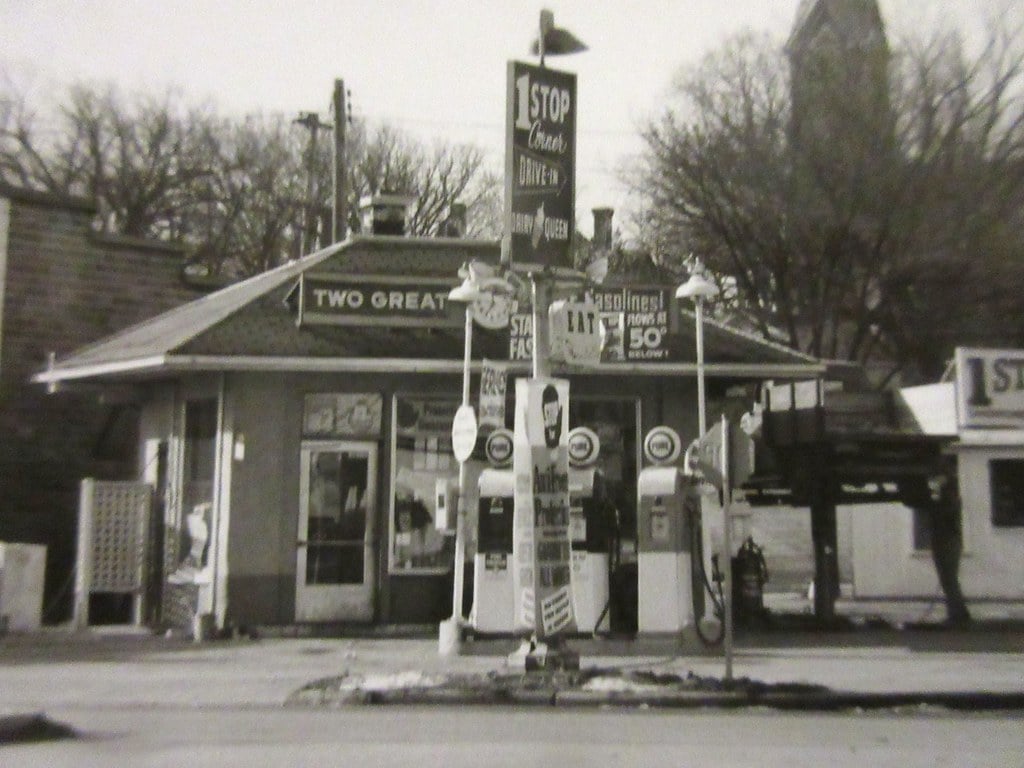
Deep Rock never pretended to be anything other than what it was. The name suggested honest drilling, fair prices, and fuel that came from actual sources rather than corporate marketing departments.
These stations served the Southwest and mountain regions with a no-nonsense approach that matched the landscape. Corporate buyouts killed Deep Rock in the 1960s, but the brand lasted long enough to leave impressions on families who needed reliable stops in sparse territory.
Union 76
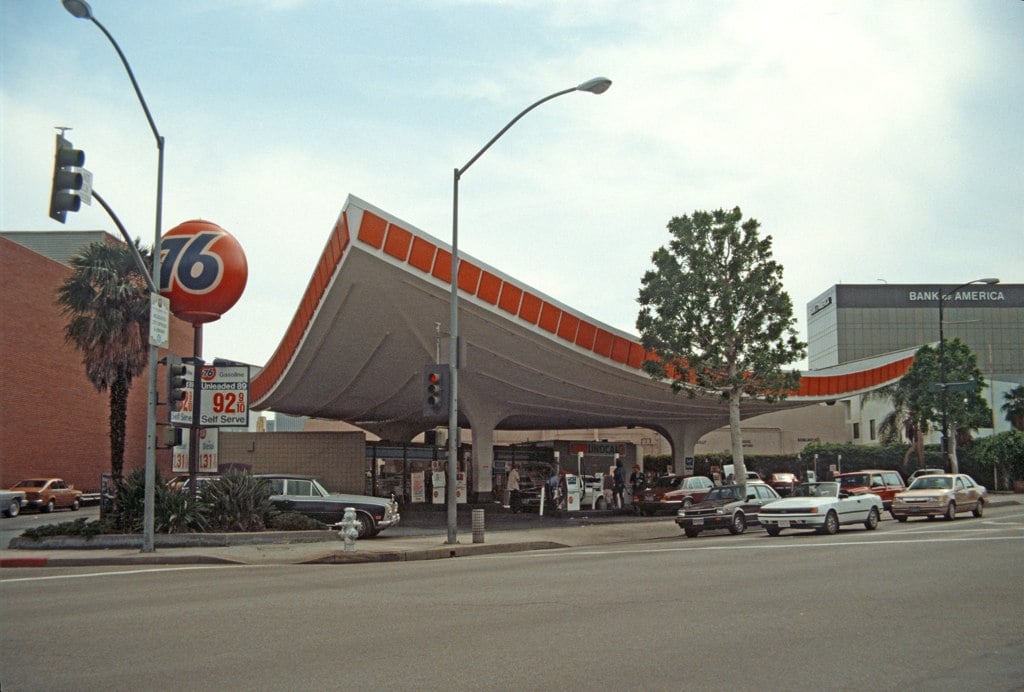
The orange and blue 76 logo became iconic across the West, particularly in California where Union Oil Company built a network that seemed to understand Pacific Coast driving patterns better than national chains ever could (which makes sense since they started there and grew outward rather than trying to impose East Coast strategies on Western roads). So when you spotted that distinctive sphere logo, you knew you’d found a station that understood local conditions — marine layer mornings, desert heat, mountain passes that required specific fuel blends.
And Union 76 managed to maintain that regional character even as they expanded, something that sounds simple but turned out to be nearly impossible for most brands. But corporate restructuring in the 1990s ended Union 76’s independence, and the stations that remained never quite felt the same under new ownership.
Skelly
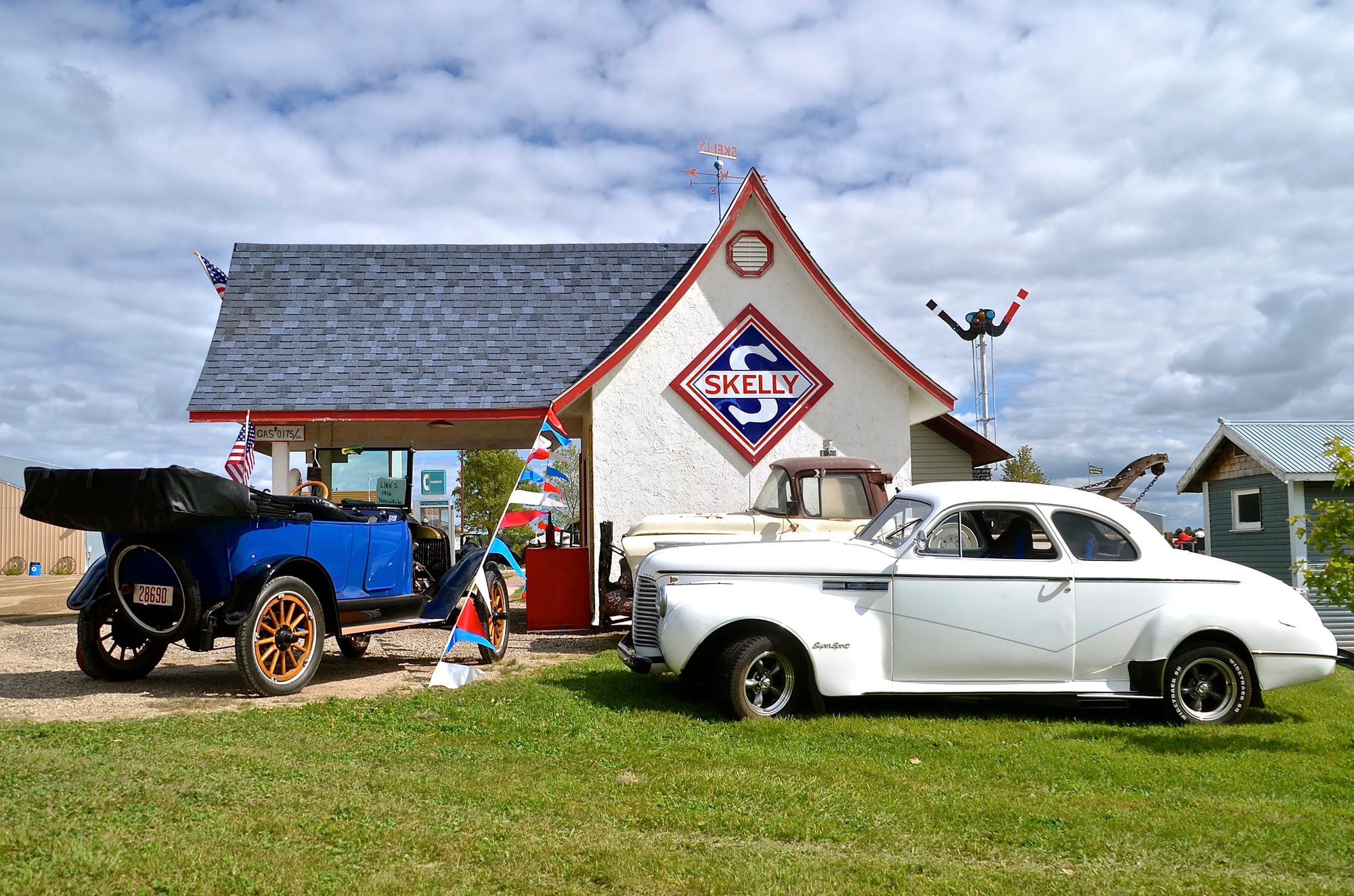
Skelly stations ruled parts of the Midwest and South with a confidence that came from understanding local markets. The brand built loyalty through consistency rather than flash — clean pumps, fair prices, and service that met expectations without overselling.
The name itself suggested reliability in a way that focus groups probably couldn’t have engineered. When Getty Oil absorbed Skelly in the 1970s, they acquired the stations but lost the regional character that made the brand work.
Conoco
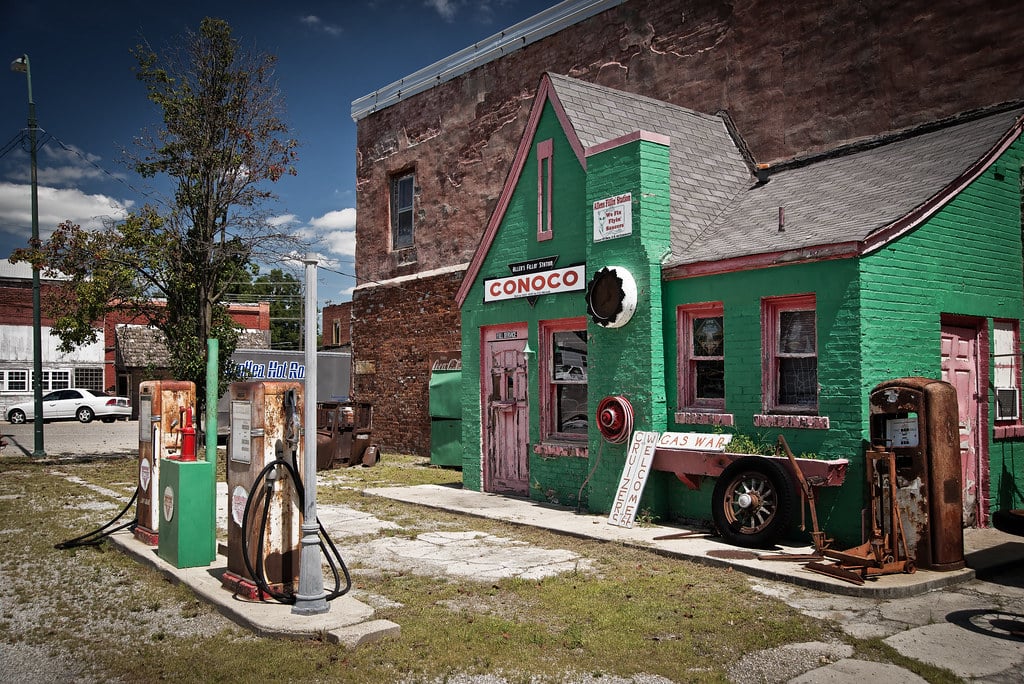
Red triangle logo, white background, and a name that suggested continental reach. Conoco stations served as reliable waypoints across much of the country before the brand retreated to specific regions.
The Continental Oil Company understood something about American travel patterns that worked for decades. Modern Conoco stations still exist, but the widespread network that once connected cities and small towns across multiple regions has contracted significantly.
The brand lost its national character somewhere along the way.
Clark
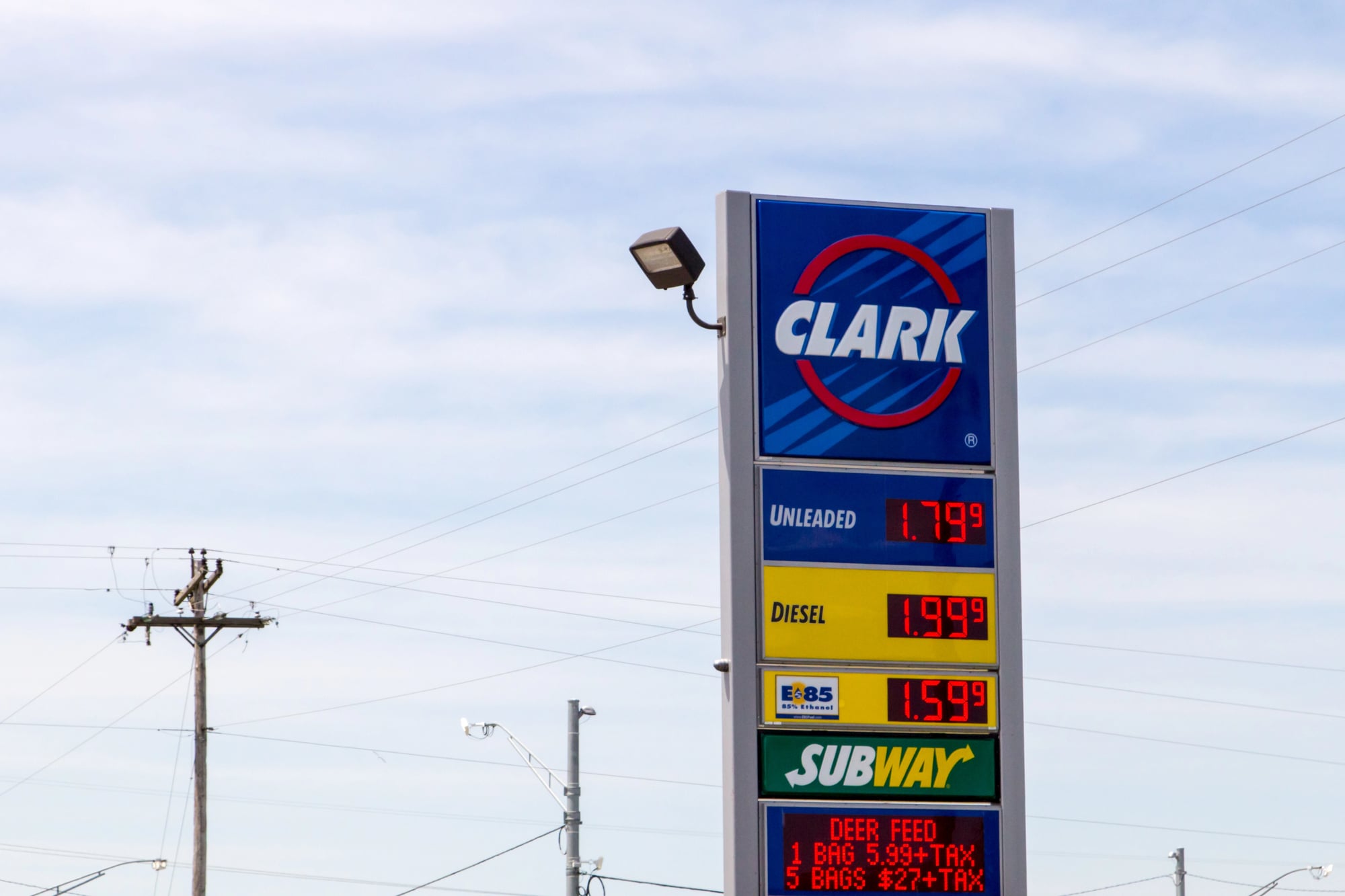
Clark Oil occupied a particular territory in the Midwest where the brand became shorthand for dependable service without corporate pretense. These weren’t the fanciest stations on the highway, but they delivered on basic promises — clean facilities, working pumps, and fair prices that didn’t fluctuate wildly based on market speculation.
Clark understood that most travelers wanted reliability over innovation. The brand’s disappearance in the 1980s left gaps in service areas that never quite got filled the same way.
Derby
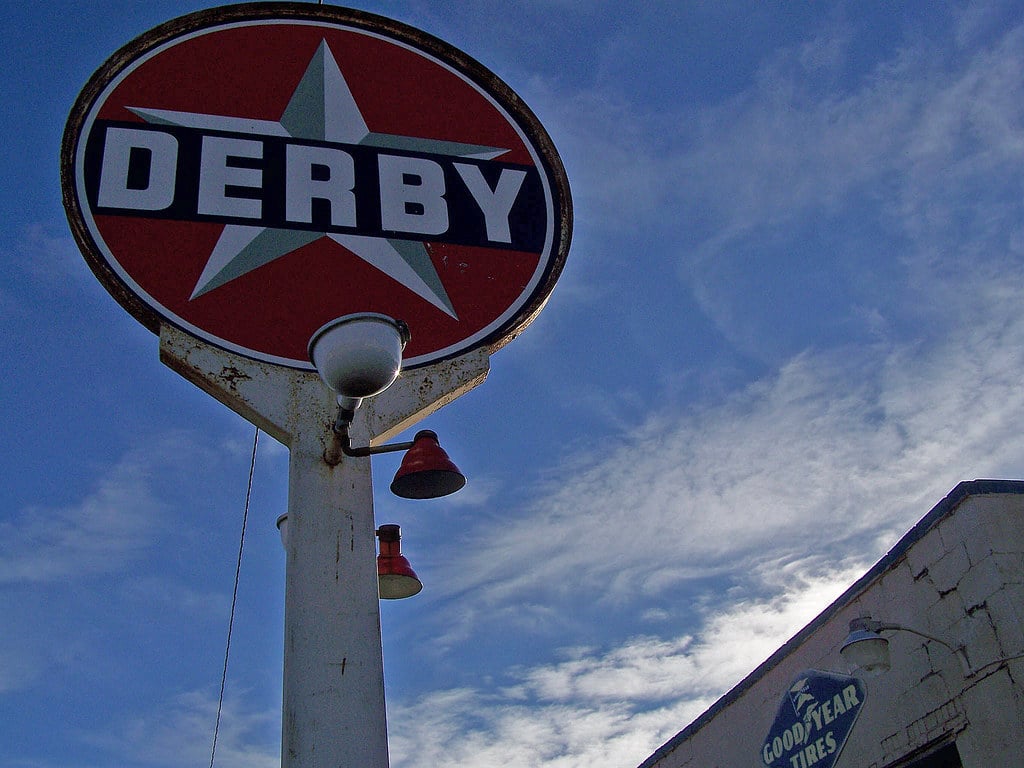
Derby stations scattered themselves across the Northeast and parts of the South, creating a network that served regional travel patterns rather than trying to dominate national markets (which turned out to be a sustainable approach until economic pressures of the 1970s made regional independence nearly impossible to maintain). The brand carried a straightforward name that didn’t promise more than it could deliver, and Derby stations became known for consistent service that met expectations without creating unrealistic promises about the travel experience.
So when you pulled into a Derby station, you got exactly what the name suggested — reliable fuel and basic services provided by people who understood local conditions. But the oil crises and corporate consolidations of the late 1970s forced most regional brands to choose between selling out or shutting down, and Derby chose the former before disappearing entirely.
Champlin
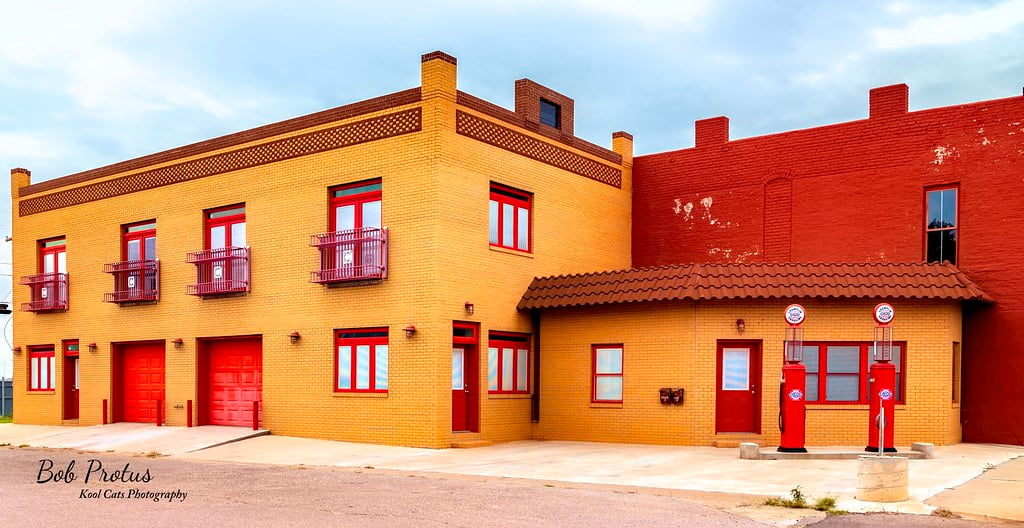
Champlin Oil served the upper Midwest and mountain states with a regional focus that national brands couldn’t match. The company understood winter driving conditions, altitude adjustments, and rural service needs that came with territory stretching from Minnesota to Montana.
The brand disappeared when Union Oil Company sold off Champlin’s retail operations in the 1980s” or “Unocal’s acquisition of Champlin ended the brand’s independence in the 1980s. Corporate restructuring eliminated another regional network that had spent decades building local expertise.
Diamond Shamrock
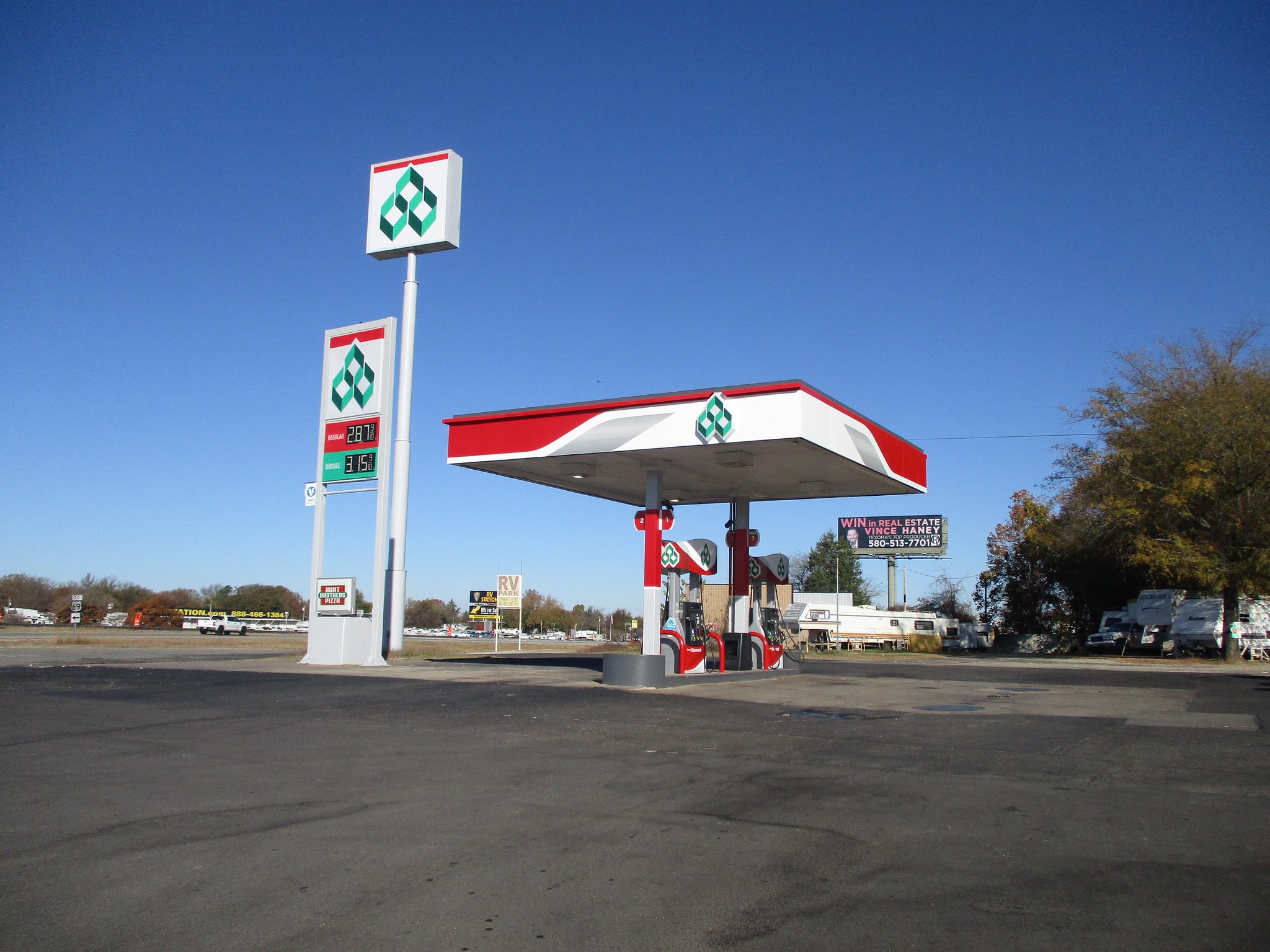
Diamond Shamrock attempted to combine regional knowledge with national ambitions across the South and Southwest. The green and white diamond logo promised reliability, and for several decades the brand delivered on that promise through consistent service and competitive pricing.
The company’s retail operations got absorbed by Ultramar in the 1980s, ending Diamond Shamrock’s independence. Like many regional brands, it couldn’t survive the consolidation wave that prioritized efficiency over local character.
Crown Central
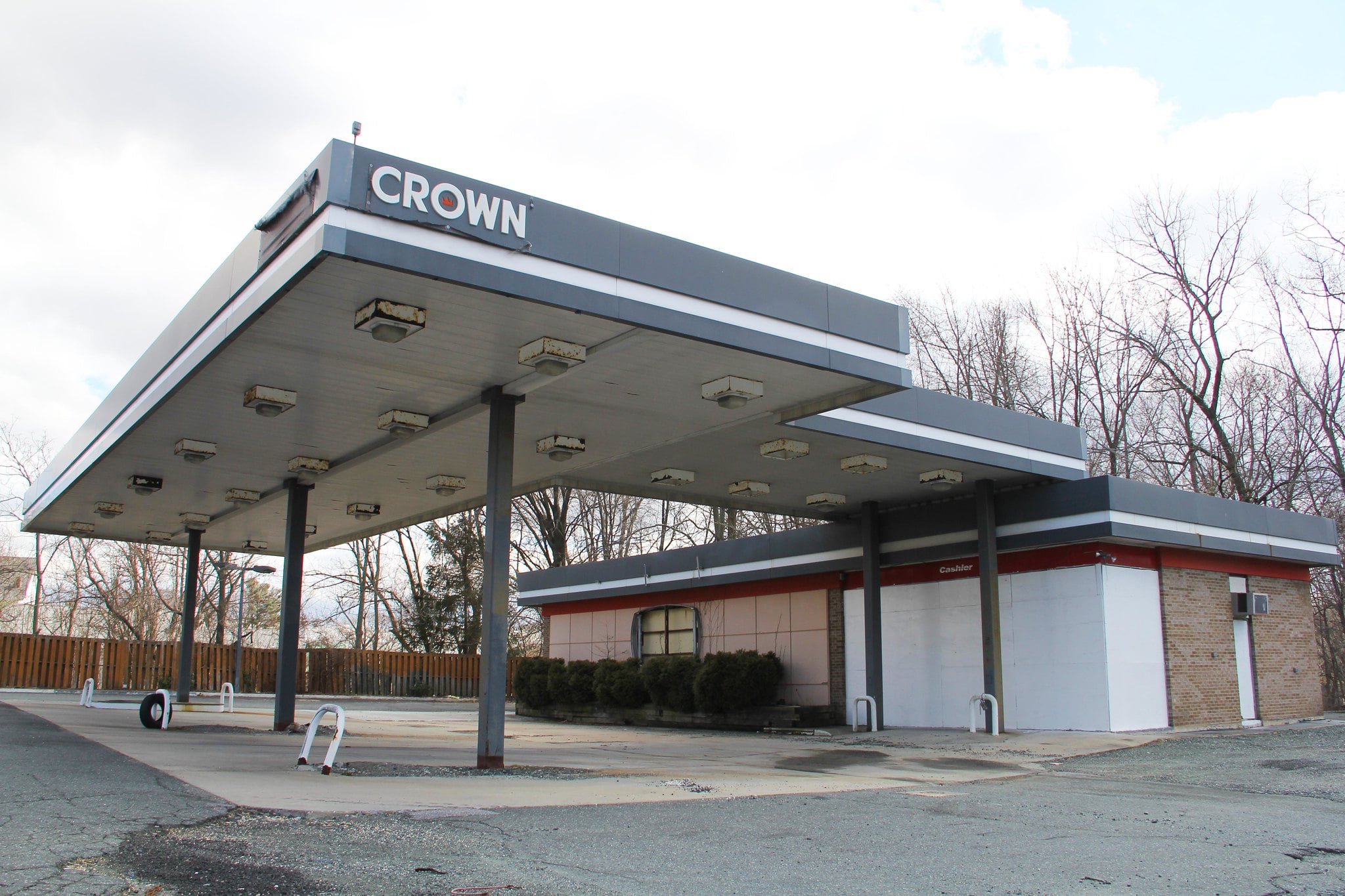
Crown Central served the Mid-Atlantic region with a network that understood East Coast travel patterns. The brand built loyalty through consistent service rather than aggressive expansion, focusing on markets they knew well rather than chasing national coverage.
American Trading and Production Company shut down Crown’s retail operations in the 1993, ending decades of regional service. The brand joined the long list of companies that couldn’t compete with national chains despite strong local performance.
Marathon
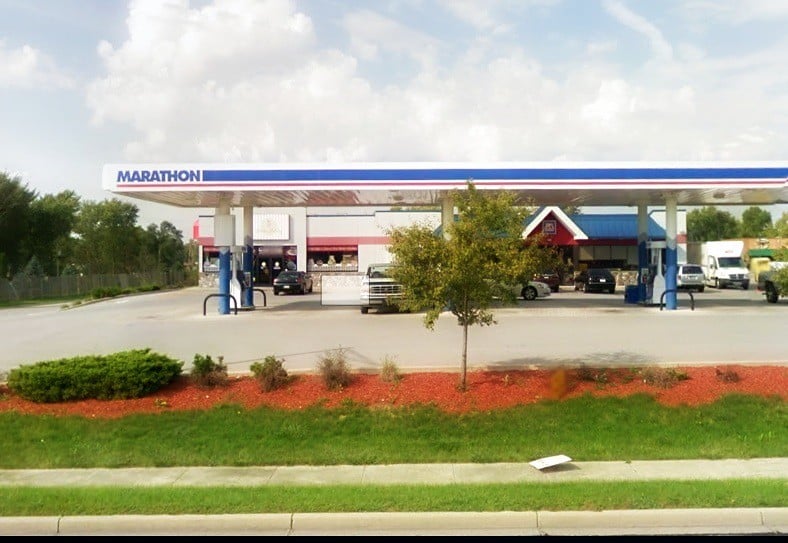
Marathon stations still exist, but the original Marathon Oil Company retail network was vastly different from today’s limited presence. The brand once served much of the Midwest and South through independently owned stations that carried regional character alongside national branding.
Corporate restructuring in the 1990s transformed Marathon from a widespread retail network into a more focused operation. The stations that remain operate under different ownership structures and serve different market strategies than the original Marathon brand.
When The Roads Changed Hands
These defunct brands represent more than corporate casualties — they mark the transformation of American travel from regional exploration to standardized efficiency. The gas stations that served family road trips carried local character because they were built by people who understood specific territories rather than national markets.
Their disappearance coincided with the rise of interstate highways and corporate consolidation, both of which prioritized speed and consistency over regional variation. What got lost wasn’t just brand diversity, but the local knowledge that made regional travel feel like genuine exploration rather than navigation between identical stops.
More from Go2Tutors!

- The Romanov Crown Jewels and Their Tragic Fate
- 13 Historical Mysteries That Science Still Can’t Solve
- Famous Hoaxes That Fooled the World for Years
- 15 Child Stars with Tragic Adult Lives
- 16 Famous Jewelry Pieces in History
Like Go2Tutors’s content? Follow us on MSN.