15 Company Logos That Hid Secret Messages for Decades
Most folks walk past dozens of corporate logos daily without giving them a second glance. Yet these visual identities often contain cleverly disguised messages, intentional symbols, and design tricks that go unnoticed for years.
These aren’t random additions — they’re calculated elements meant to reinforce what a company stands for or tell us something deeper about their story. Here is a list of 15 well-known company logos with hidden gems and clever design elements that many consumers missed for decades.
FedEx Arrow
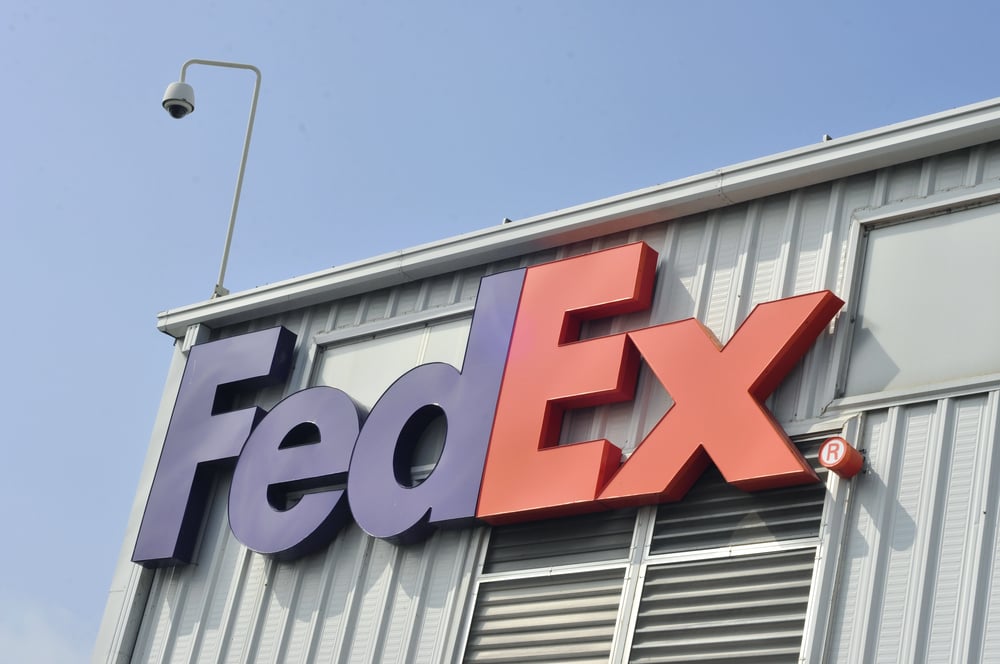
A flawlessly shaped white arrow, created by Lindon Leader in 1994, is positioned between the letters “E” and “x” in the FedEx logo. Despite winning multiple design accolades for its deft execution, this minor aspect has gone unnoticed by many package receivers.
It represents efficiency and forward momentum, which is exactly what you would expect from a delivery service, and it points right.
Amazon’s Smile
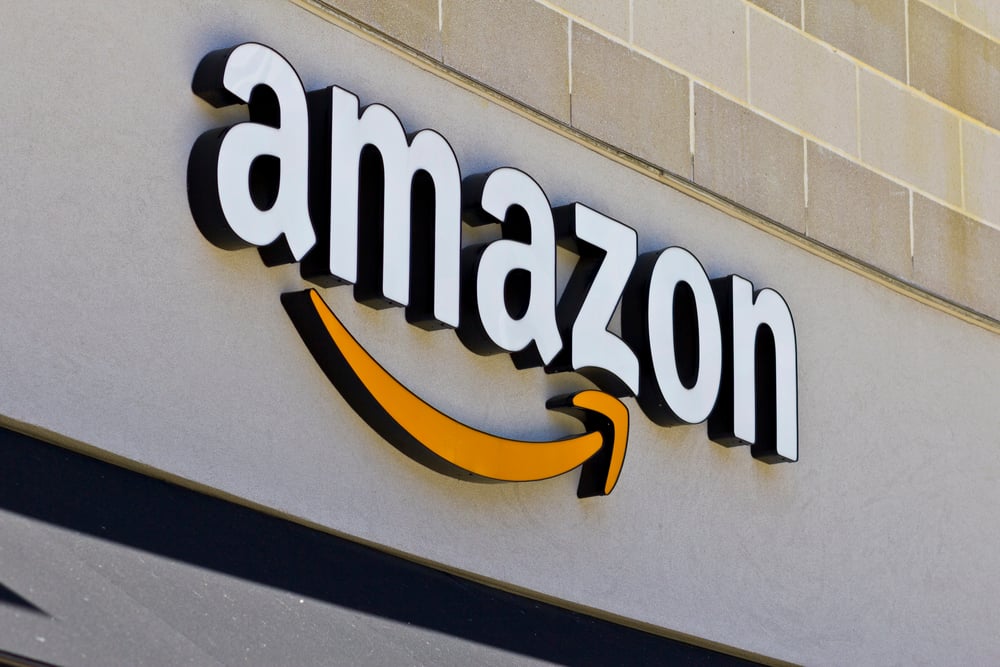
Amazon’s distinctive logo features a curved arrow connecting ‘A’ to ‘Z’ — creating both a smile and a visual representation of their goal to sell everything from A to Z. The smile itself doesn’t just suggest happiness but points from left to right — emphasizing forward momentum similar to FedEx’s hidden arrow.
Their design has remained remarkably consistent despite the company’s expansion far beyond its bookseller beginnings.
Like Go2Tutors’s content? Follow us on MSN.
Toblerone Mountain
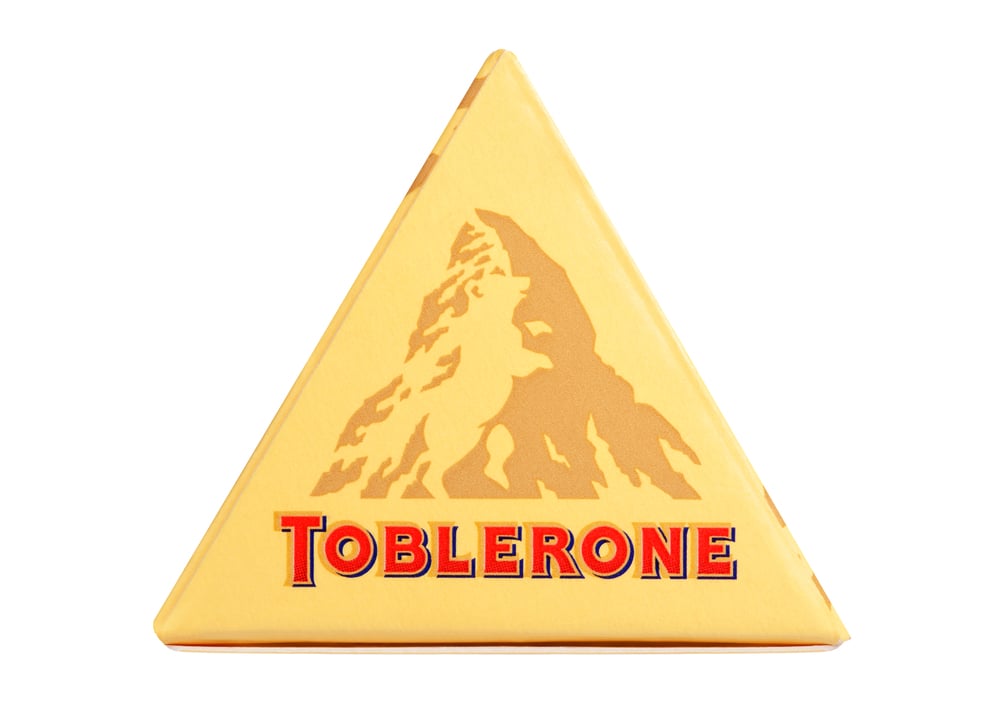
The famous triangular chocolate’s logo contains a bear silhouette hidden within the Matterhorn mountain design — though you might need to squint to see it. This playful element pays tribute to Bern, Switzerland — the city where Toblerone was created in 1908 and whose name means “City of Bears.”
Countless chocolate lovers have enjoyed their triangular treats without ever noticing this hometown nod.
Tour de France Cyclist
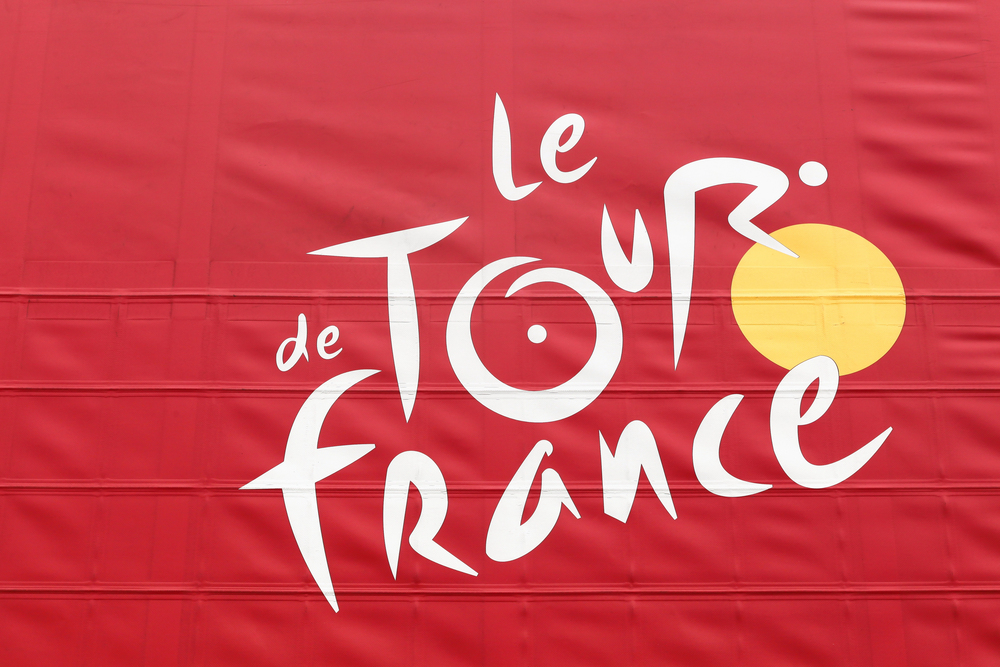
The Tour de France emblem cleverly incorporates a hidden cyclist — did you ever spot it? The letter ‘R’ in ‘Tour’ forms the body of a rider, while the yellow circle represents either the sun or a bicycle wheel.
Though part of the logo since the 1970s — many viewers completely miss this sporty visual pun on first glance.
Baskin-Robbins 31
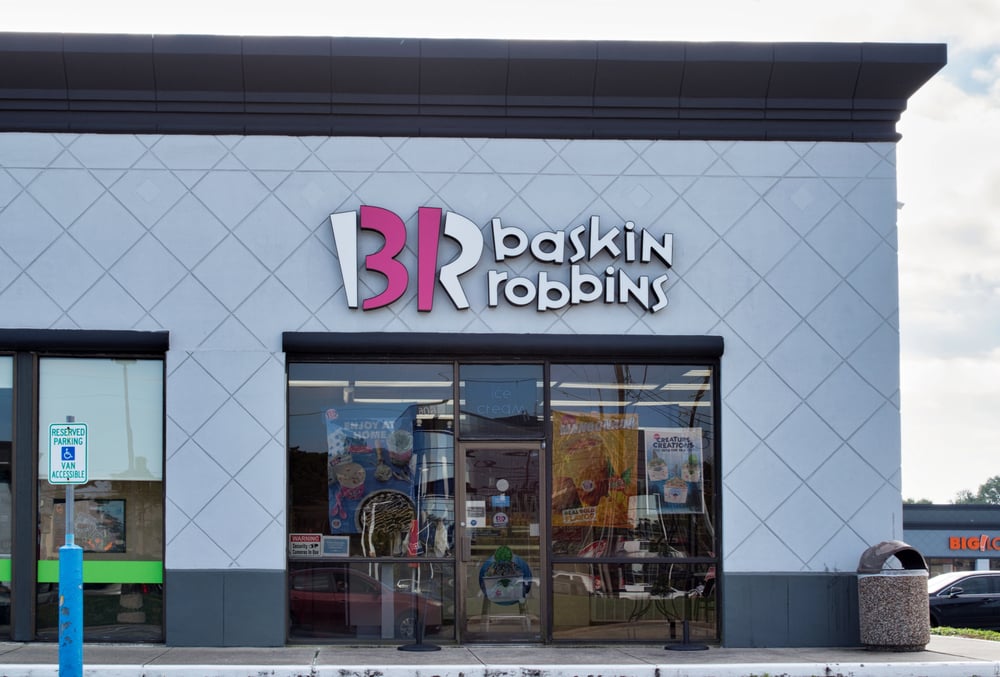
Look closely at the Baskin-Robbins logo — there’s a pink ’31’ hidden within the letters ‘B’ and ‘R.’ This isn’t random — it represents their famous 31 flavors, supposedly one for each day of the month.
The number appears in their signature pink color — creating a visual element directly connected to their core brand promise since 1953.
Like Go2Tutors’s content? Follow us on MSN.
NBC Peacock
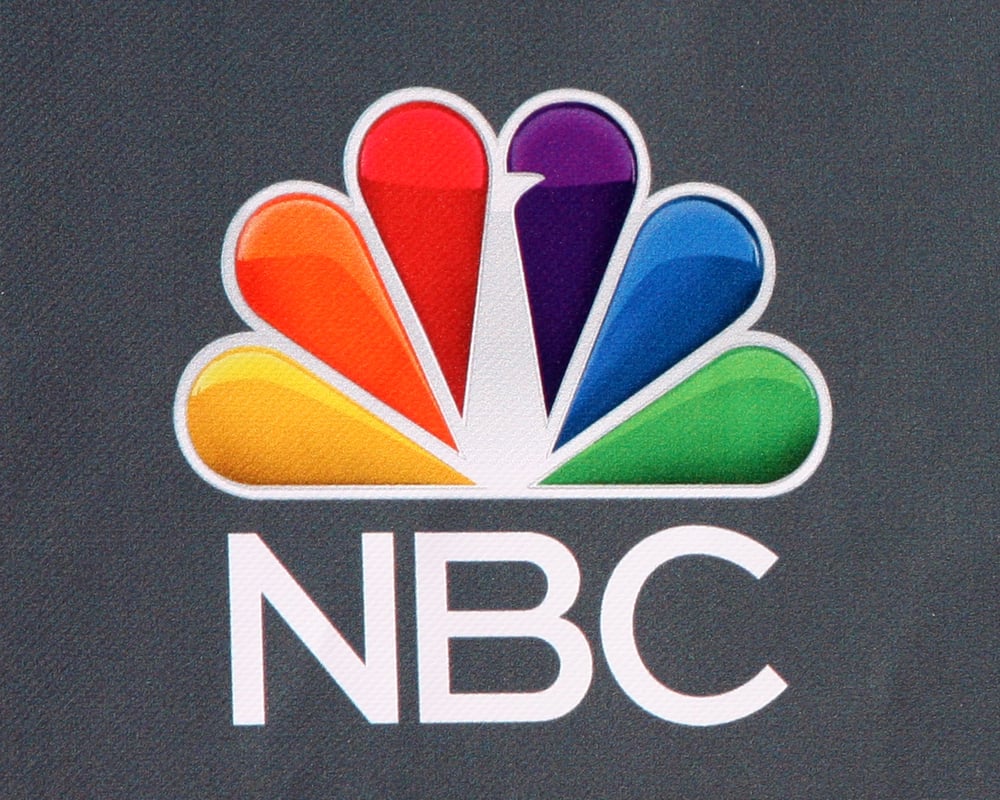
NBC’s peacock logo isn’t just colorful — it’s directional. The bird faces right to symbolize looking toward the future, not dwelling in the past. Each vibrant feather originally represented one of NBC’s divisions — while the entire design was initially created to promote color television when most broadcasts still appeared in black and white.
Despite numerous redesigns, this concept has remained television’s most recognizable symbol.
Goodwill Smiling Face
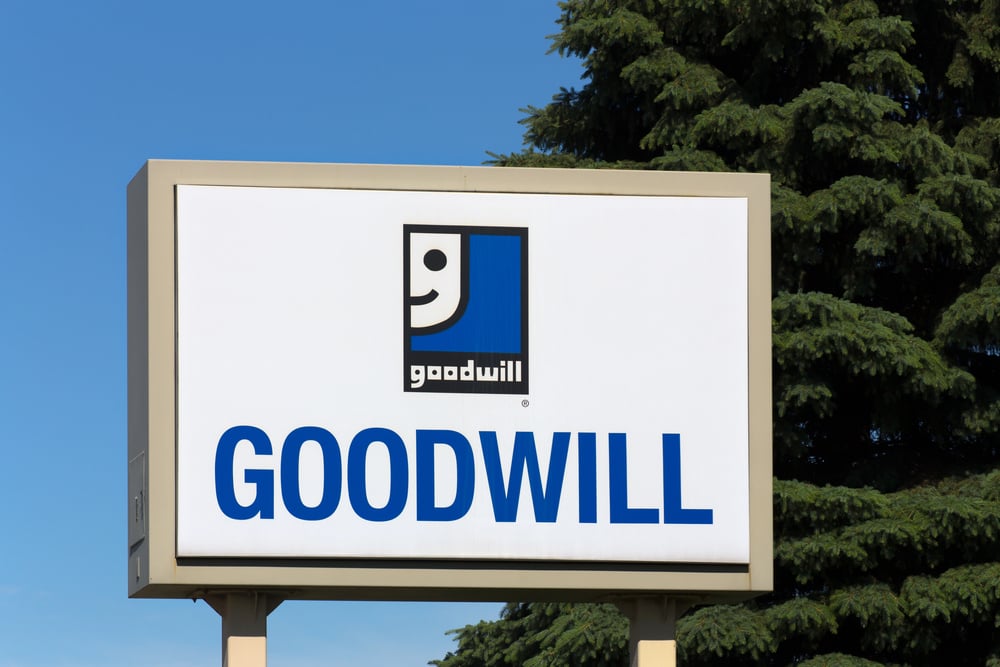
The Goodwill logo features more than just a stylized ‘g’ — it doubles as a friendly face representing their positive community impact. This face emerges from negative space — with the lower portion of the ‘g’ creating what resembles a warm, inviting smile.
Though subtly refined over decades, the core message of positivity remains intact.
Wendy’s Collar
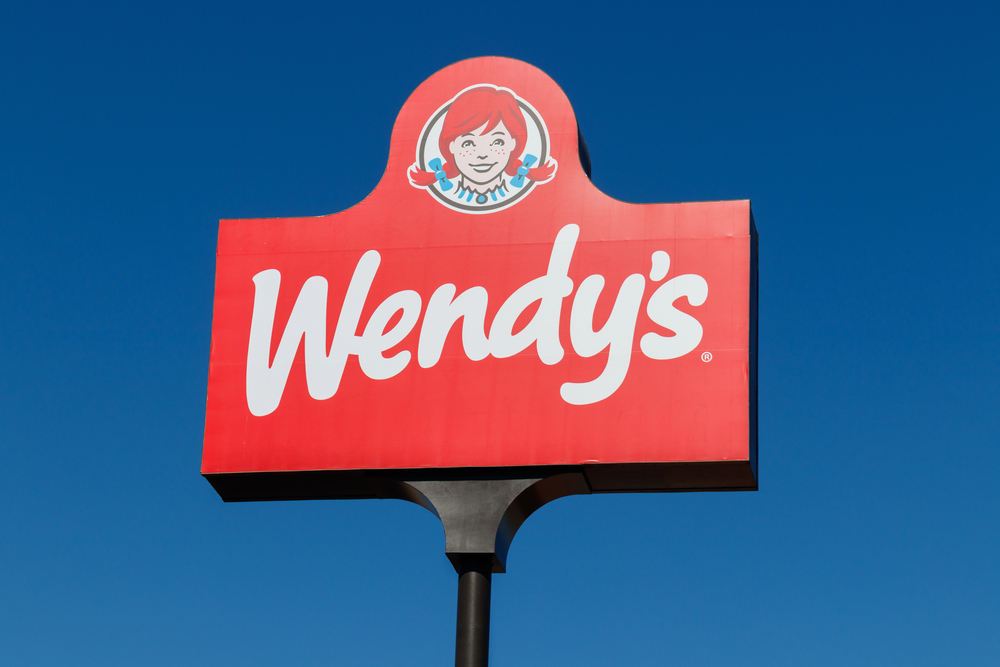
Stare at Wendy’s collar in their logo awhile — you might notice the word ‘mom’ hidden in those ruffles. This subtle nod to home-cooking quality remained largely undetected until social media users began highlighting it around 2013.
The company hasn’t officially confirmed whether this was intentional or coincidental — which only adds to the logo’s mystique.
Like Go2Tutors’s content? Follow us on MSN.
Toyota Overlapping Ovals
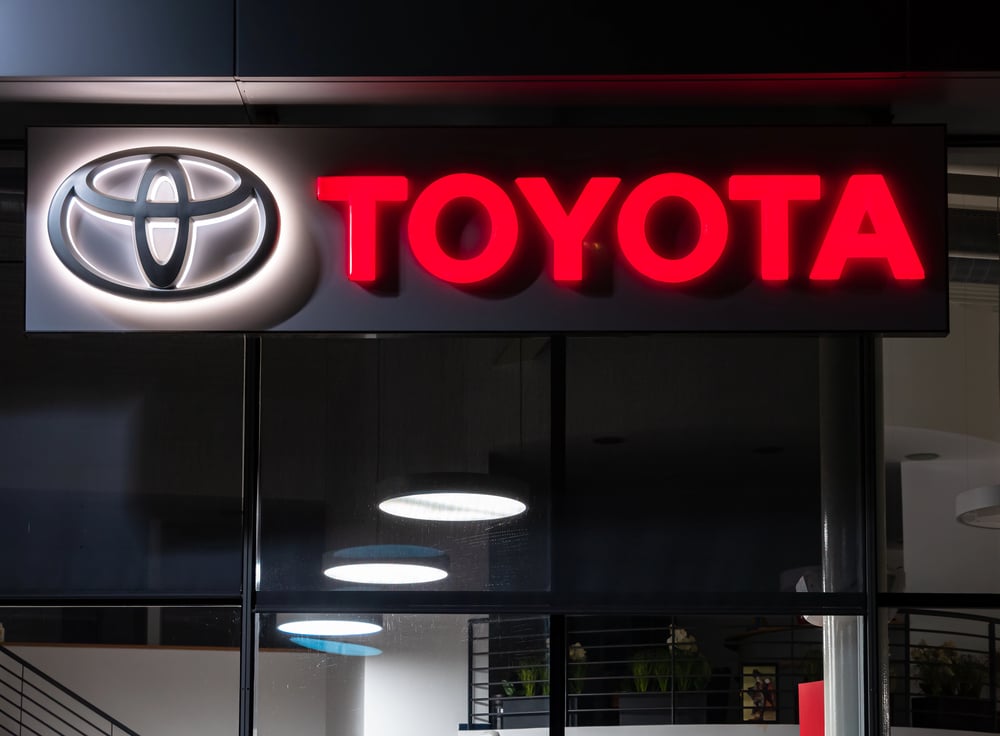
Toyota’s emblem contains every letter of the company name hidden within its overlapping ovals, though you’d need keen eyes to spot them all. These various ellipses supposedly represent the intersection of hearts — specifically the customer’s heart meeting the product’s heart.
What’s more, the space inside symbolizes unlimited potential for the company’s future, a philosophy guiding Toyota’s growth through the decades.
Tostitos Celebration
Without many people noticing, Tostitos put a small party in the center of their name. The ‘i’ that sits between the two ‘t’s symbolizes a table with a chip bowl and a red salsa dot on top.
Their marketing, which emphasizes gatherings and sharing, is wonderfully reinforced by this social component. How many bags did you open before you noticed this tiny fiesta?
Formula 1 Speed
Formula 1’s logo creates the number ‘1’ in negative space between the ‘F’ and the red motion lines. This wasn’t a happy accident but a deliberate design emphasizing speed and movement.
The negative space adds sophistication to the overall identity while maintaining perfect legibility. Though part of F1’s look since 1994, it underwent a redesign in 2018.
Like Go2Tutors’s content? Follow us on MSN.
LG Face
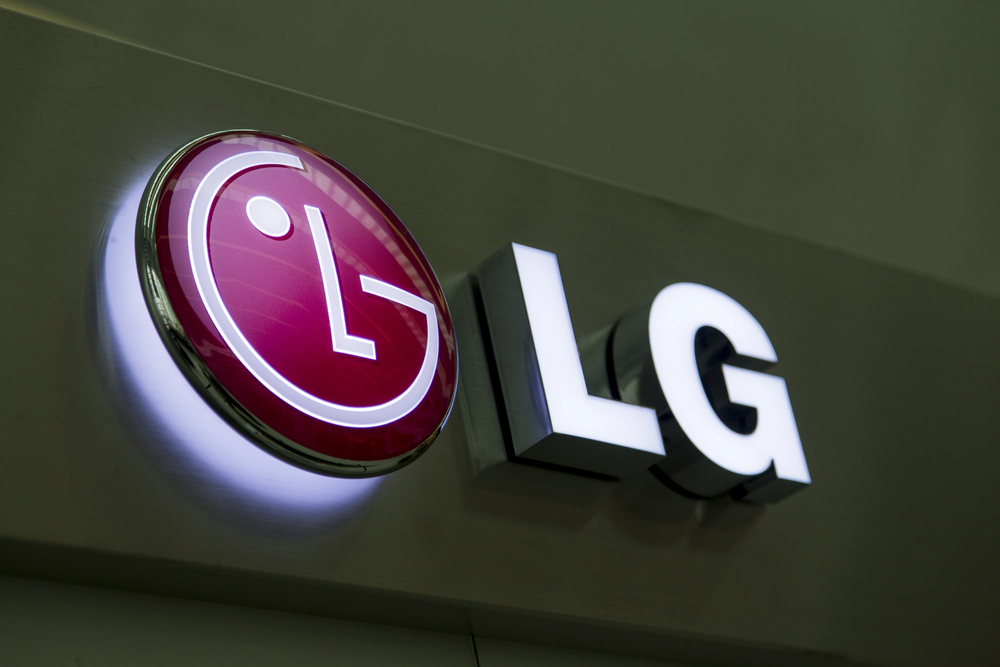
LG transformed ordinary letters into a friendly face, with the ‘L’ forming the nose and the ‘G’ outlining the face itself. This wasn’t just artistic whimsy.
The design represents a human countenance as a visual promise of their commitment to customer happiness. Such simplicity has made it recognized worldwide while maintaining its hidden message across cultural boundaries.
Pinterest Push Pin
Pinterest created a logo where the letter ‘P’ doubles as a push pin. Not just clever wordplay, this visual connection ties directly to the platform’s core function of “pinning” ideas.
The negative space within the letter creates the pin’s head, while the rest forms the pin itself. This direct connection between name and function happens through visual storytelling that many users initially overlook.
Cisco’s Bridge
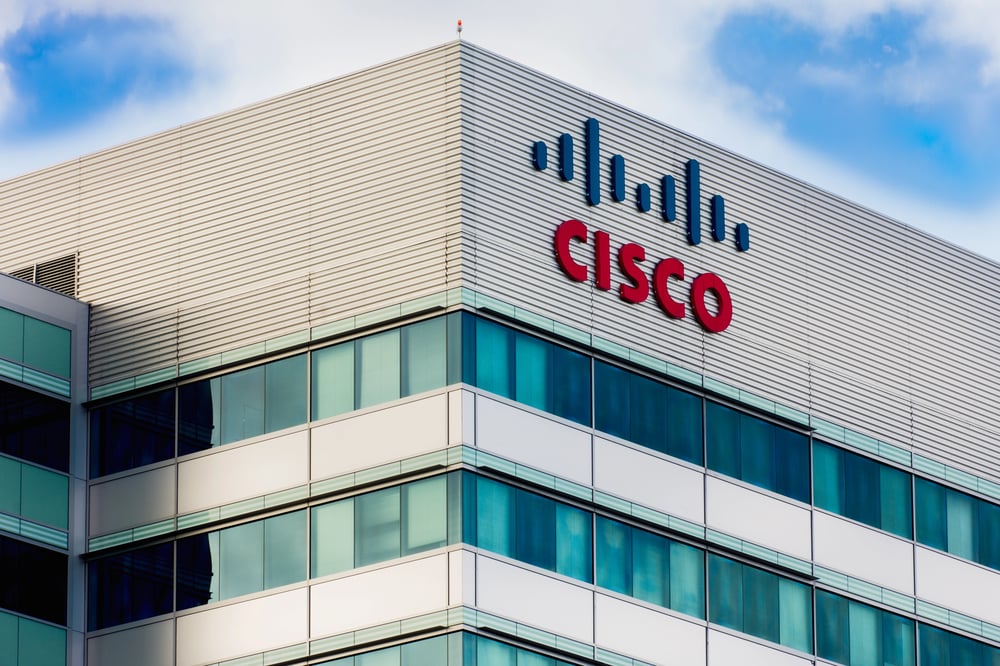
Cisco’s logo represents the Golden Gate Bridge in San Francisco, not just a series of lines. This visual nod acknowledges both the company’s name and its founding location.
The blue vertical lines create a stylized bridge silhouette that has become synonymous with network infrastructure throughout the tech world. This connection to San Francisco provides geographic roots to the brand’s identity in Silicon Valley.
Like Go2Tutors’s content? Follow us on MSN.
Carrefour’s Hidden Message
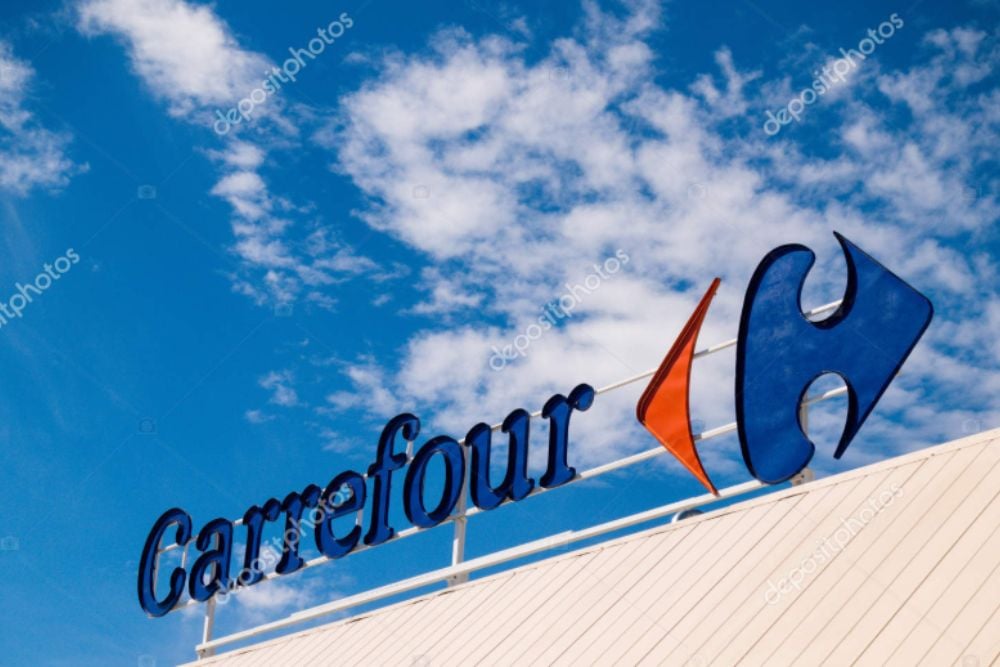
Carrefour’s logo contains a hidden white arrow created by negative space between the red and blue portions of the ‘C’. This isn’t random – “carrefour” means “crossroads” in French, and the logo visually represents this concept with the arrow pointing in multiple directions.
The use of red and blue also incorporates the colors of the French flag, honoring the company’s national heritage in a subtle yet effective manner.
Visual Communication’s Hidden Power
These logos show how companies embed deeper meanings into seemingly simple designs, creating connections that often work below our conscious awareness. Truly effective logos operate on multiple levels—providing instant recognition while conveying company values through clever design elements.
As these hidden messages demonstrate, sometimes what isn’t immediately visible tells us just as much as what stands right before our eyes. The best logo designers understand this balance perfectly.
More from Go2Tutors!

- 18 Unexpectedly Valuable Collectibles You Might Have Lying Around
- 15 Things Every Teenager in the ’70s Did That Teens Today Wouldn’t Understand
- 15 Strange Things People Have Tried to Ban (And Failed)
- 15 Inventions That Were Immediately Banned After Being Created
- 20 Actors Who Were Almost Cast in Iconic Roles
Like Go2Tutors’s content? Follow us on MSN.