15 Products Misnamed After Wrong Locations
Names stick to things in strange ways. Sometimes a product gets labeled with a place that has absolutely nothing to do with where it came from or what it actually is.
The geography is wrong, the history is fabricated, and nobody seems to mind. These misnamed products have fooled people for decades, carrying the reputation of places they’ve never been while the real origins get forgotten entirely.
French Fries
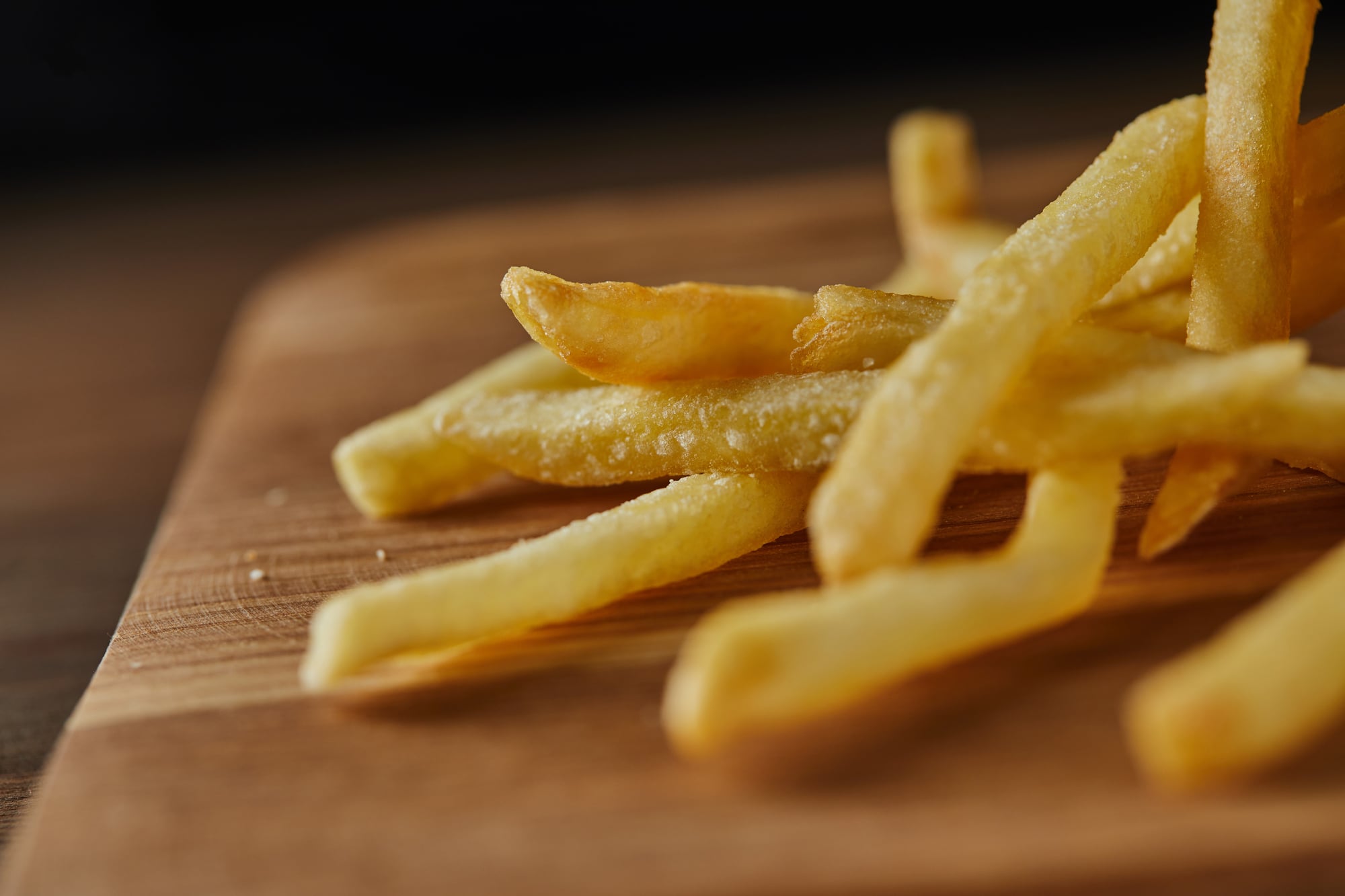
Belgium deserves credit here. French fries originated in Belgium during the 17th century, where locals fried small fish from the Meuse River — but when the river froze, they switched to potatoes cut into similar shapes.
American soldiers stationed in French-speaking Belgium during World War I called them “French” fries, and the name stuck despite being geographically incorrect. The Belgians have never stopped being annoyed about this mix-up, and frankly, they have every right to be.
Swiss Cheese
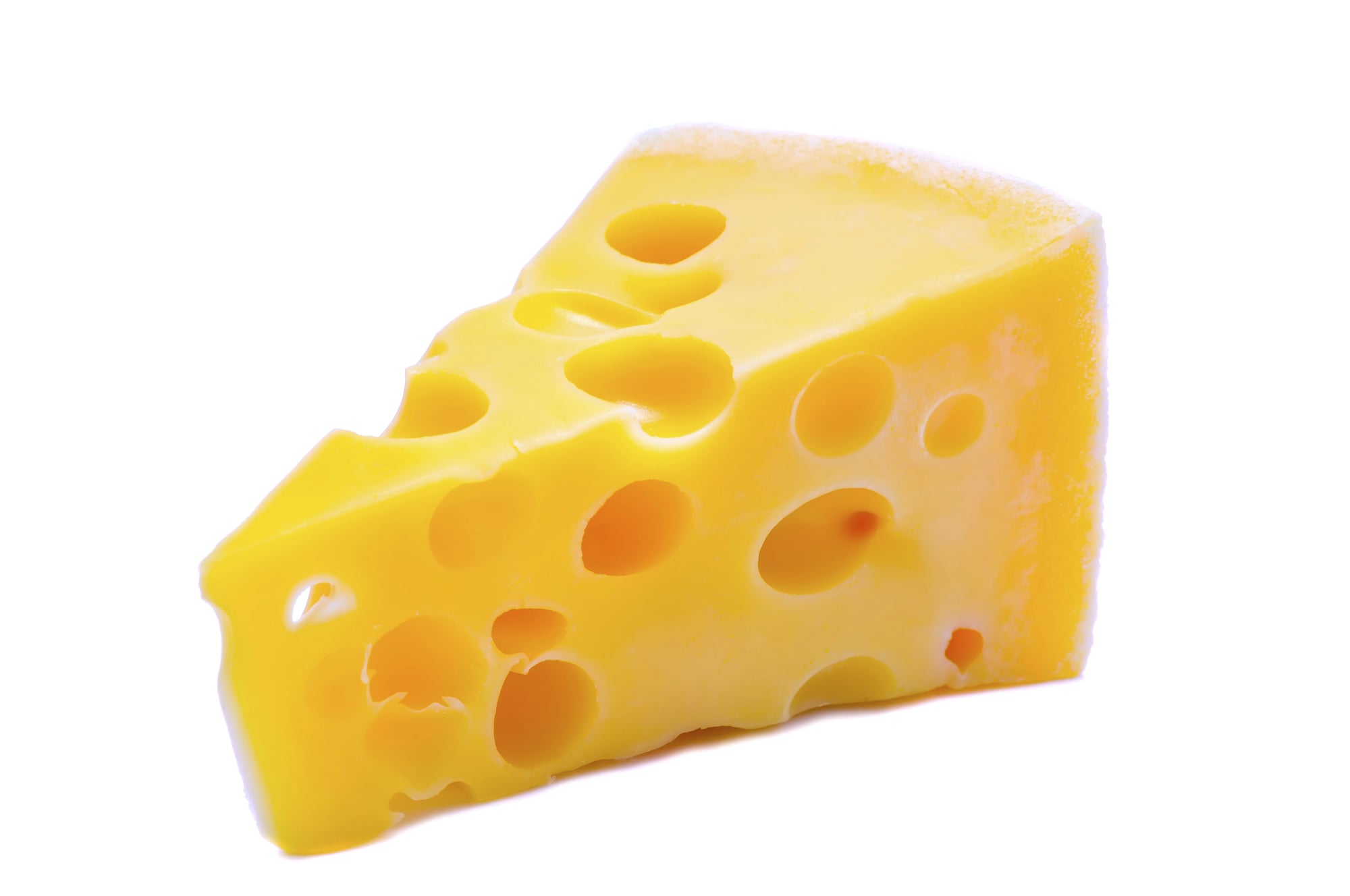
The rings are real, but the Swiss connection is questionable. What Americans call “Swiss cheese” is actually a generic term for any cheese with perforations, typically modeled after Emmental cheese (which does come from Switzerland, to be fair).
But the mass-produced, mild, ring-filled cheese sold in American supermarkets bears little resemblance to authentic Swiss varieties and is manufactured primarily in Wisconsin and other U.S. dairy states. Real Swiss cheese comes in dozens of varieties, most of which look nothing like the processed slices Americans associate with the name.
It’s like calling all sparkling wine “Champagne” — technically wrong, practically irreversible.
German Chocolate Cake
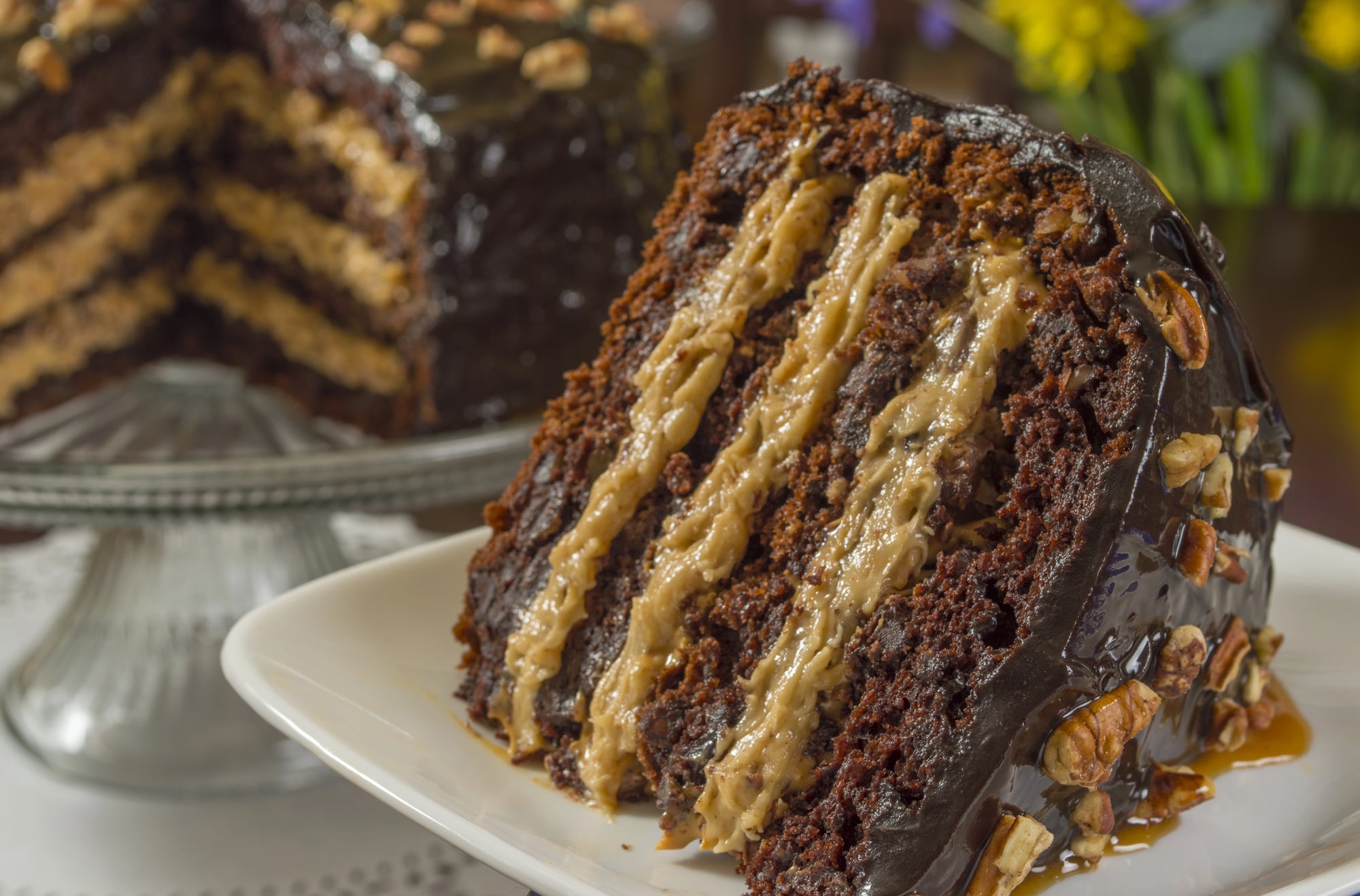
This cake is about as German as apple pie (which, incidentally, isn’t particularly American either). German chocolate cake was created in 1957 by a Dallas homemaker named Mrs. George Clay, who sent her recipe to a local newspaper.
The “German” refers to Baker’s German’s Sweet Chocolate, named after Samuel German, an English-American chocolatier who developed the sweet baking chocolate for Baker’s Chocolate Company in 1852. So the cake is American, the chocolate was created by an Englishman living in America, and Germany had nothing to do with any of it — but the name suggests otherwise, and people have been confused ever since (which is a shame, because the cake itself is legitimately excellent).
Danish Pastry
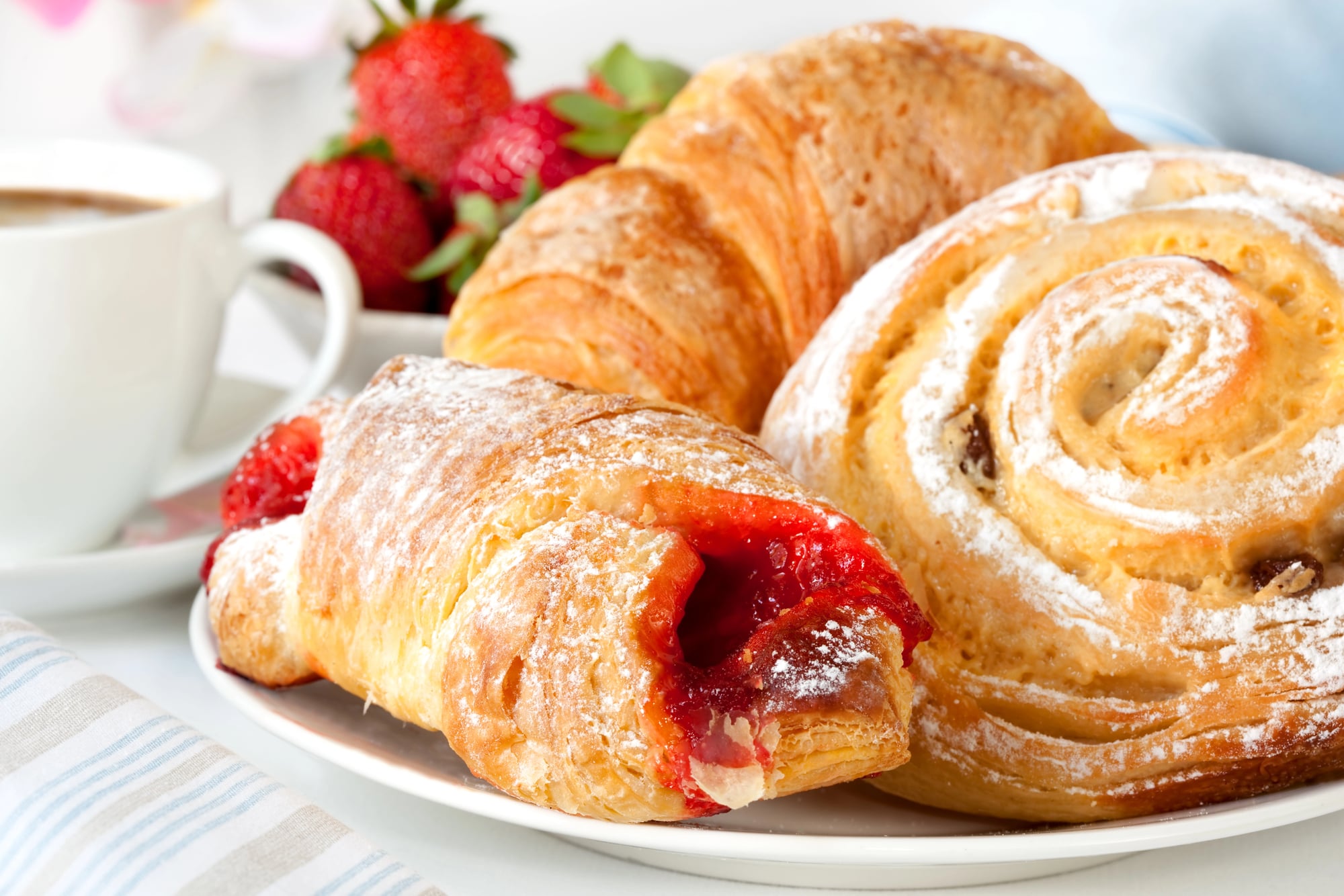
Denmark gets the credit, but Austria deserves it. Danish pastries (called “wienerbrød” or “Viennese bread” in Denmark — which should tell you something) were actually created by Austrian bakers who moved to Denmark during a bakers’ strike in the 1850s.
The Austrians brought their laminated dough techniques with them, and the Danes adapted the recipes to local tastes. And here’s the thing that makes this particularly absurd: in Denmark, they don’t even call them “Danish pastries.”
But the name caught on internationally, and now the whole world associates flaky, buttery pastries with Denmark while Austria watches from the sidelines.
Russian Dressing
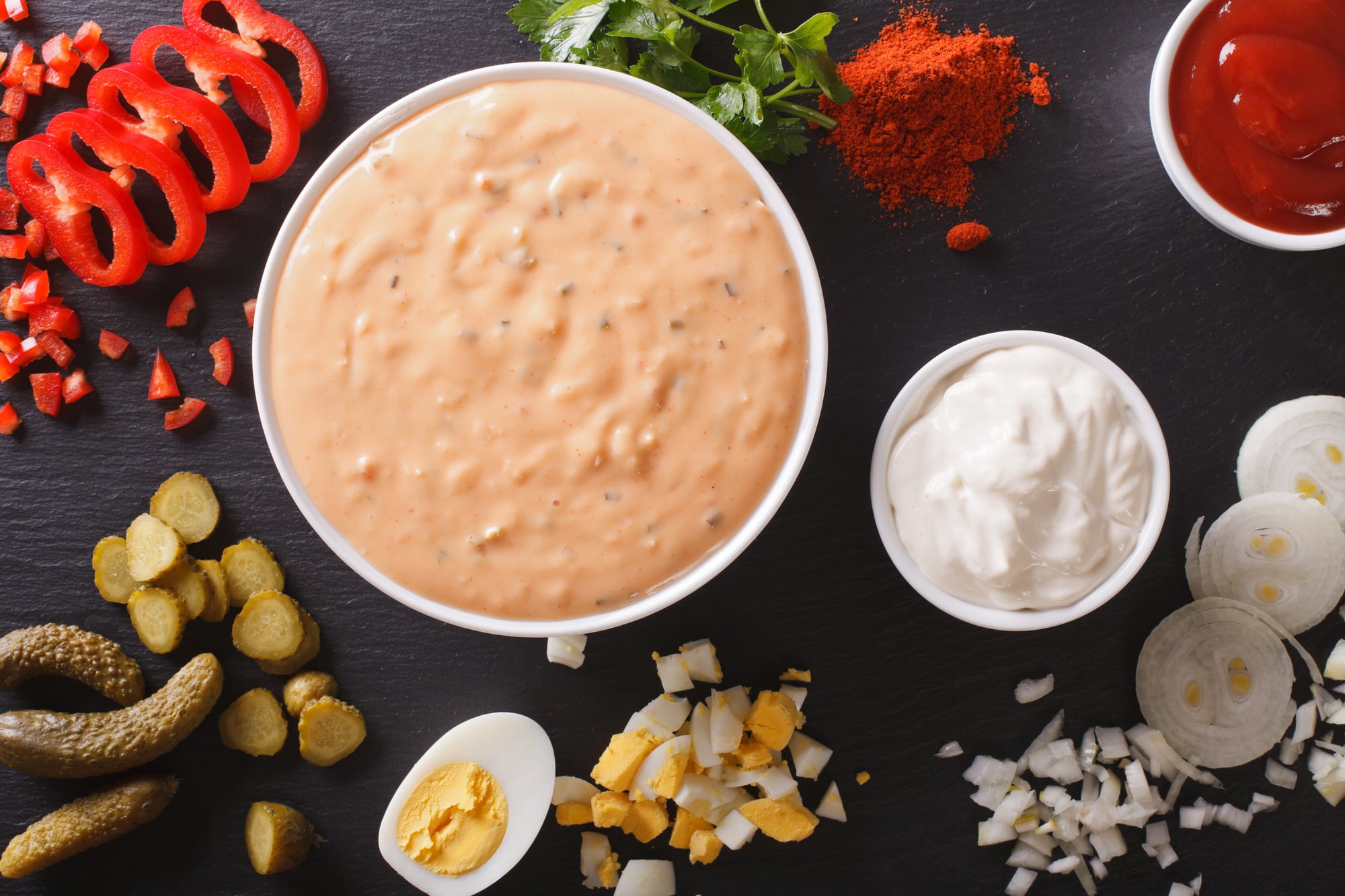
This creamy, pinkish salad dressing has no documented connection to Russia whatsoever. The most credible origin story places its creation in New Hampshire in the early 1900s by James E. Colburn, who named it after the Russian-style service at a local hotel.
Another theory suggests it was created in New York and named for the Russian caviar that was originally included in upscale versions. Either way, Russians don’t recognize this dressing, don’t make anything similar to it, and probably wonder why Americans insist on attributing this particular combination of mayonnaise and ketchup to their cuisine.
English Muffins
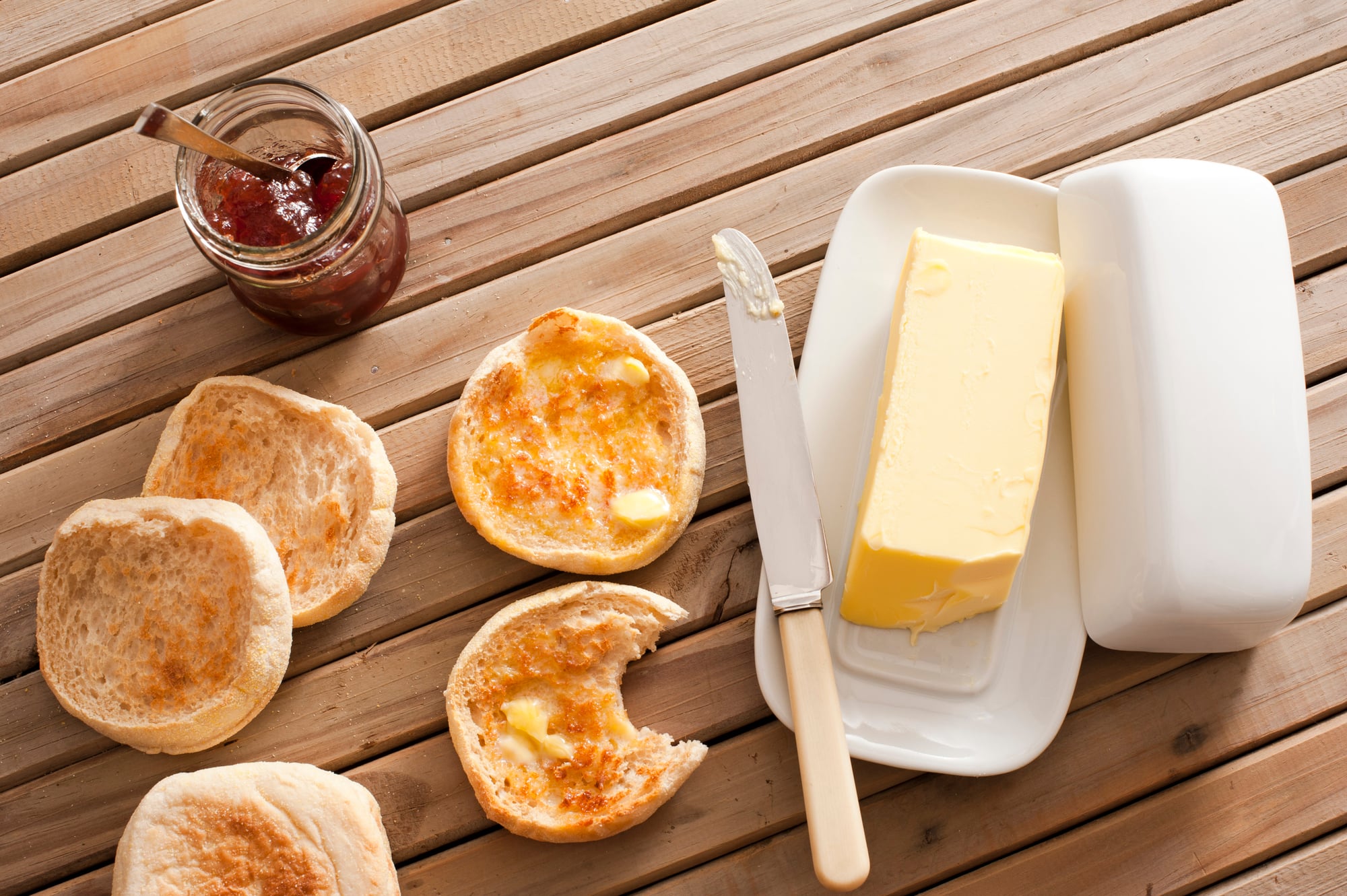
England barely recognizes these things. What Americans call English muffins were invented by Samuel Bath Thomas, a British immigrant to New York, in 1894.
Thomas created his “toaster crumpets” specifically for the American market, using a different process and ingredients than traditional British muffins or crumpets. When you order an “English muffin” in England, you might get a confused look — or you might get an actual English muffin, which is a completely different product entirely: softer, cake-like, and typically eaten untoasted.
Turkey (The Country vs. The Bird)
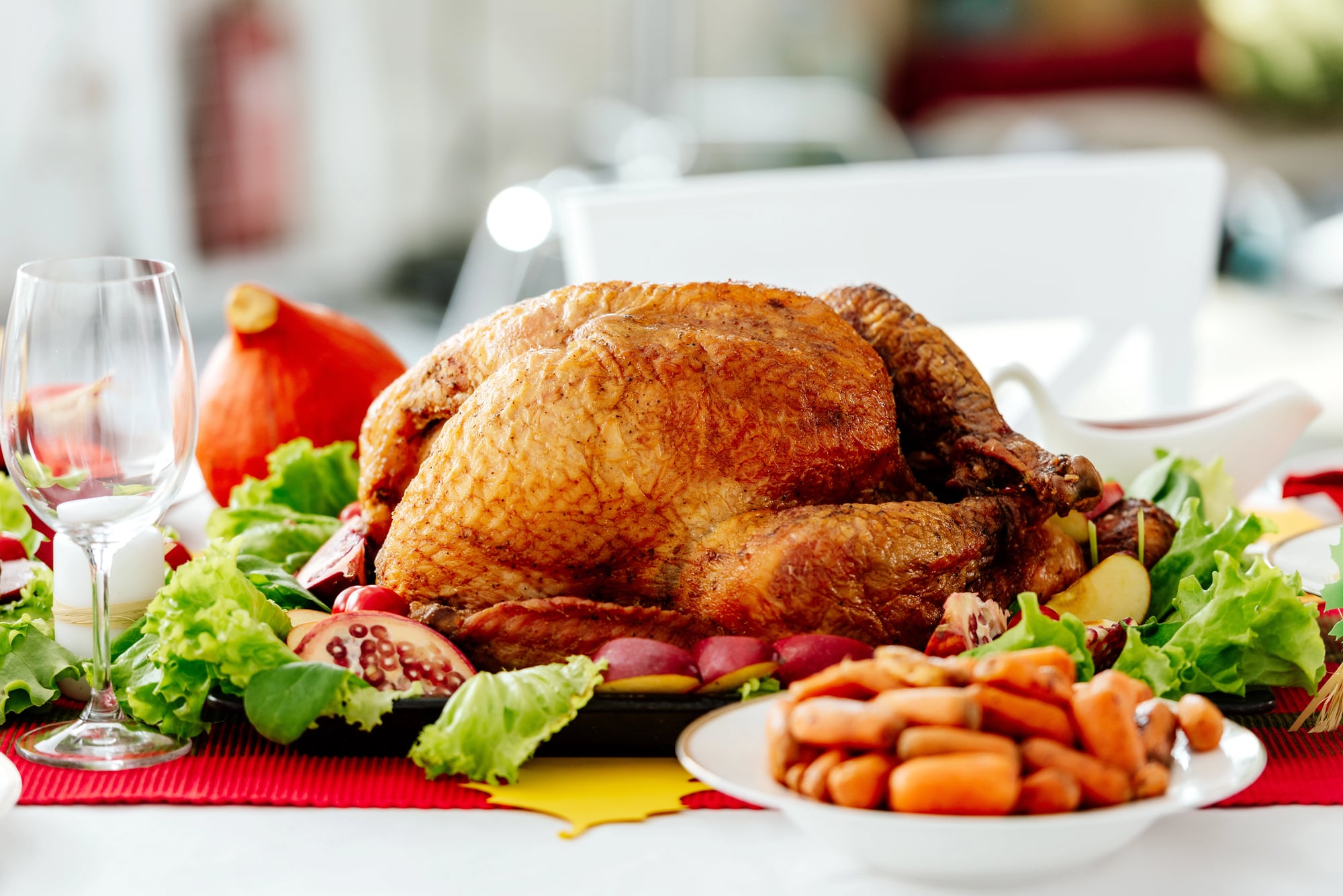
The bird has nothing to do with the country, but the linguistic confusion runs deep. Turkeys are native to North America, not Turkey.
European traders imported the birds through Turkish merchants, leading to the mistaken association with the country. Meanwhile, Turkish people call the bird “hindi” (meaning “from India”), the French call it “dinde” (also meaning “from India”), and Indians call it “peru” (meaning “from Peru”).
So everyone named the turkey after somewhere else entirely, creating a global game of culinary telephone that persists to this day.
Chinese Checkers
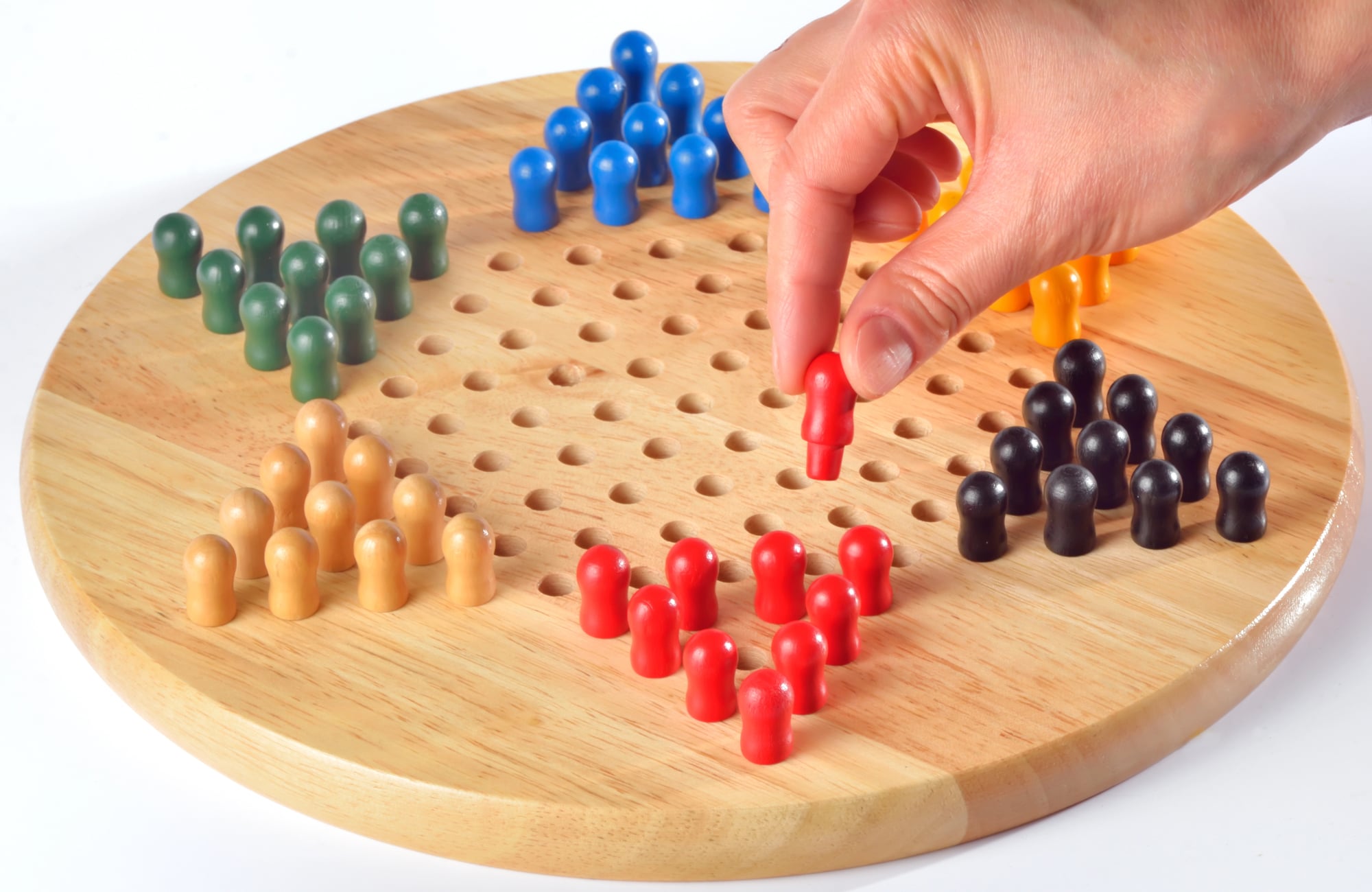
Germany invented this game in 1892, calling it “Stern-Halma” or “Star Halma.” The game has no historical connection to China or Chinese culture.
American toy companies renamed it “Chinese Checkers” in the 1920s purely for marketing appeal — the “Oriental” branding was considered exotic and intriguing to Western consumers. China had nothing to do with creating the game, and the name exists solely because early 20th-century American marketers thought it sounded more interesting than “German Star Game.”
Panama Hats
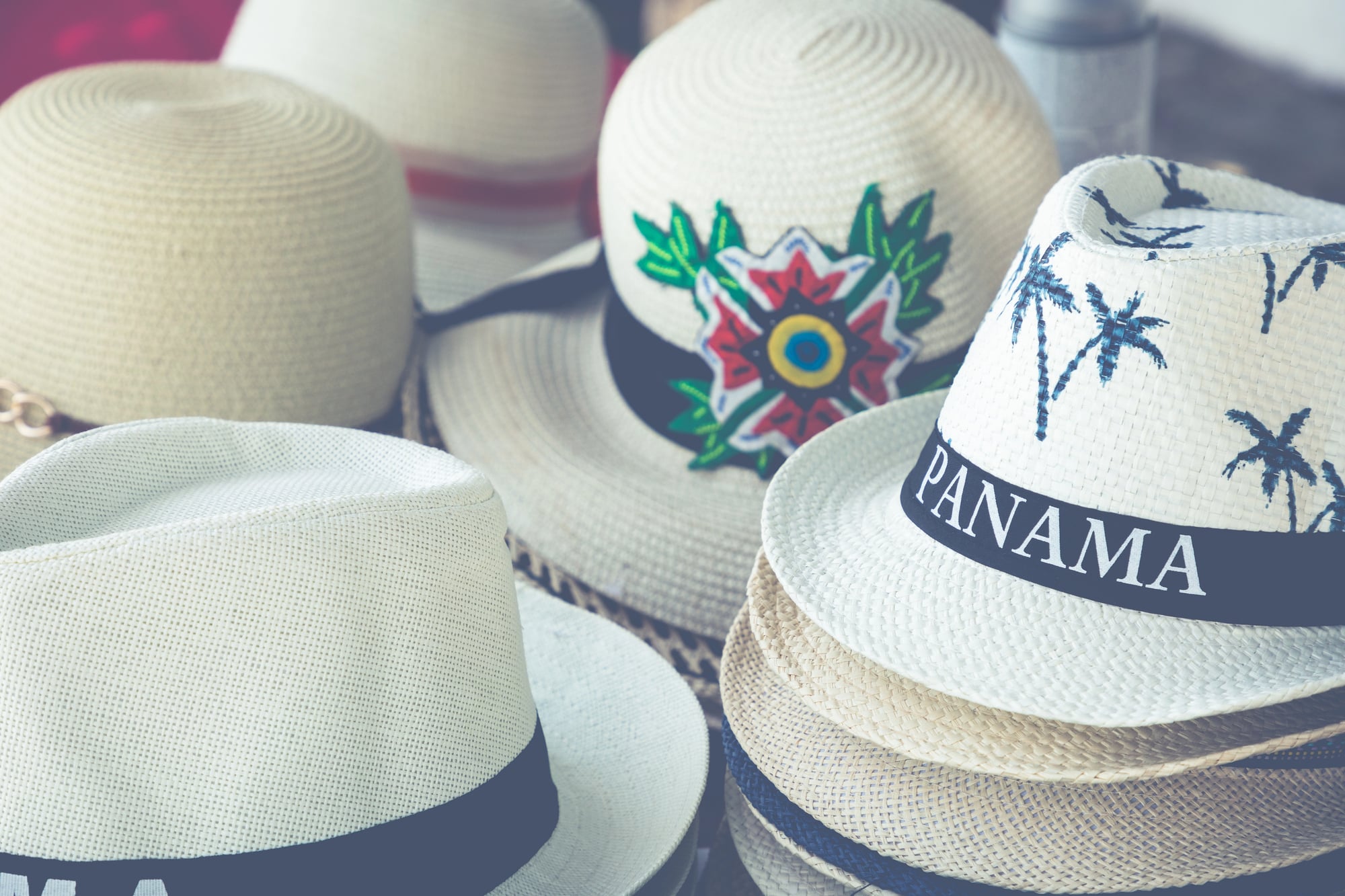
These hats are made in Ecuador, not Panama. The confusion started because Ecuador exported the hats through Panama during the California Gold Rush, and the Panamanian trade route made them famous worldwide.
The association became permanent when President Theodore Roosevelt was photographed wearing one during his visit to the Panama Canal construction site. Ecuador still produces the finest versions of these hats, still gets no credit for them, and still watches Panama receive international recognition for their national craft.
Rocky Mountain Oysters
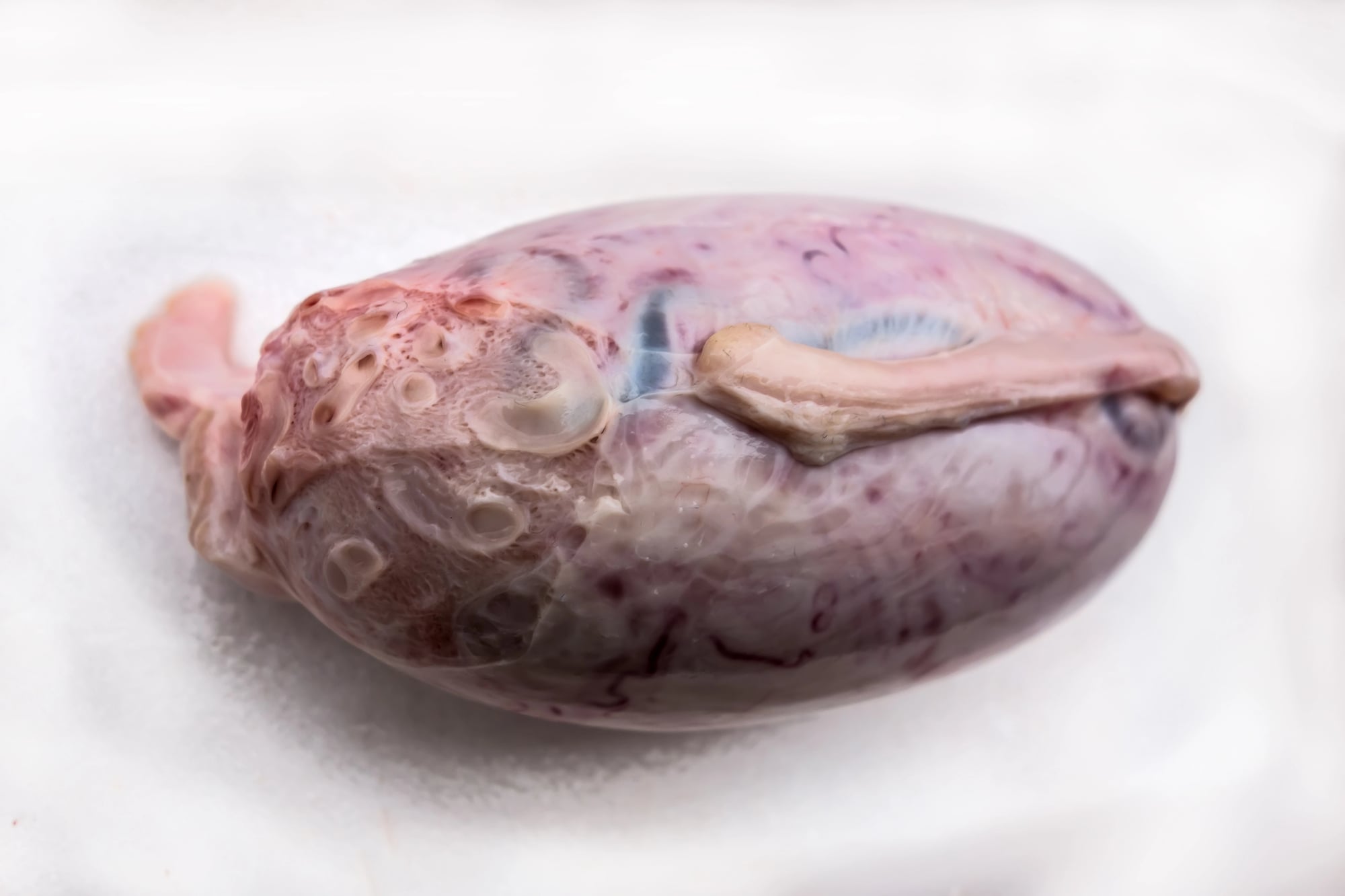
No oysters, no ocean, just prairie tradition with a deliberately misleading name. These are deep-fried bull testicles, served primarily in the American West and Canada.
The “oyster” name is pure euphemism, designed to make the dish sound more appealing to squeamish diners. The Rocky Mountains are real enough, but anyone expecting actual oysters is in for a significant surprise.
Buffalo Wings
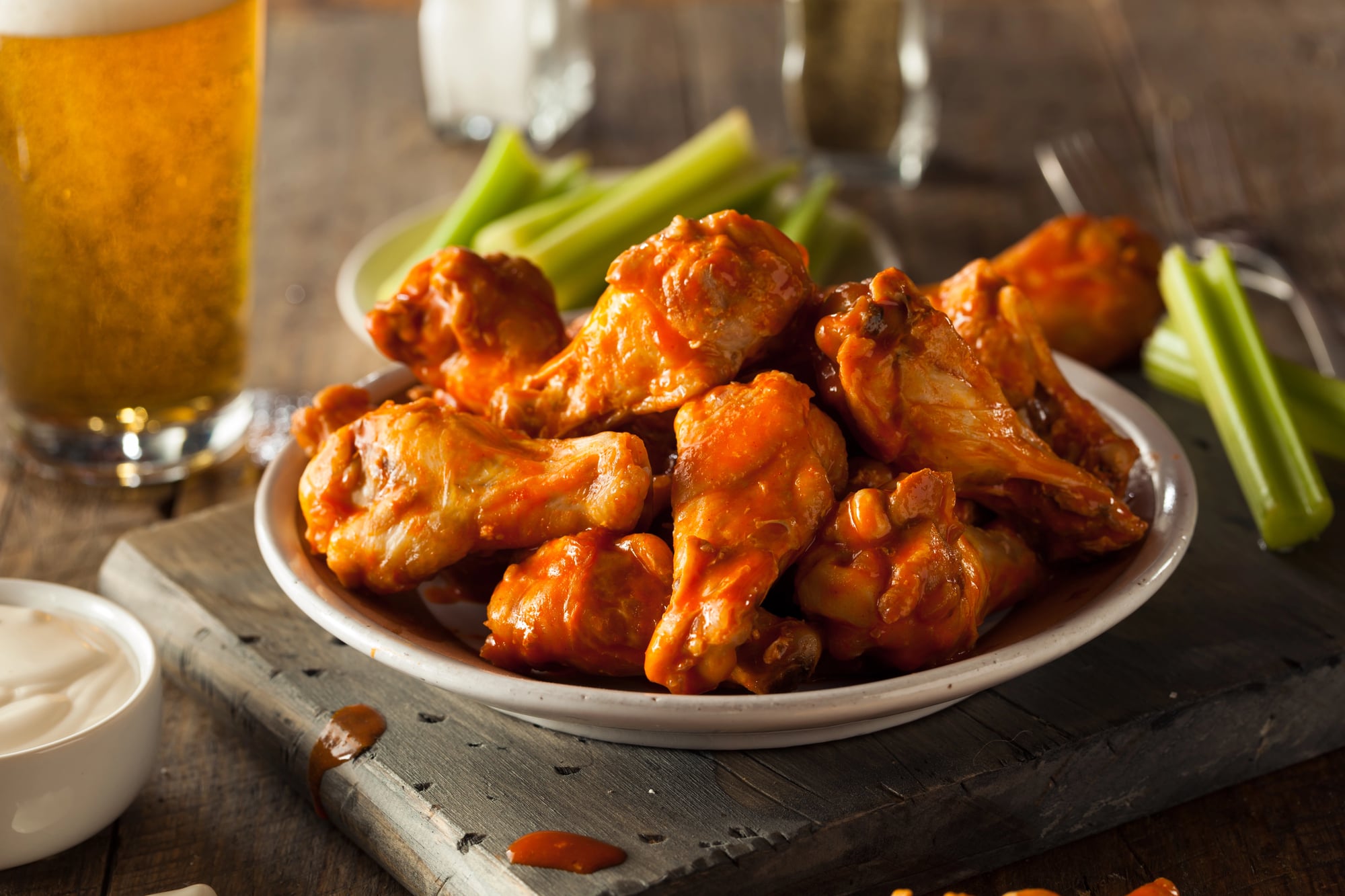
Buffalo, New York, finally gets something right. Buffalo wings actually are from Buffalo — specifically from the Anchor Bar in 1964, where Teressa Bellissimo created them as a late-night snack for her son and his friends.
But the dish has become so popular nationwide that many people don’t realize “Buffalo” refers to a specific city rather than the animal. This is one of the few items on this list where the location in the name is actually correct, which makes it notable mainly for its accuracy.
Mongolian Barbecue
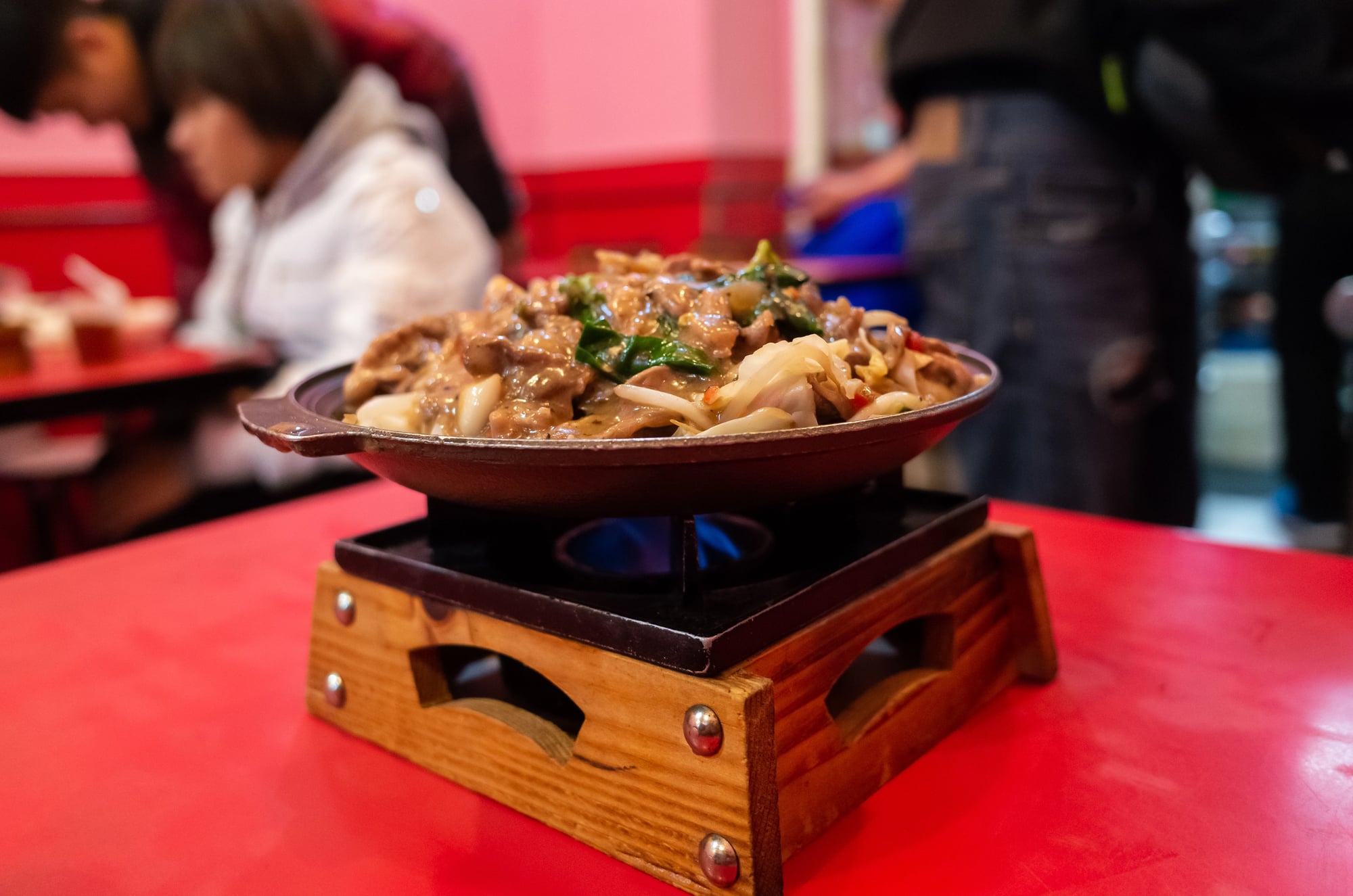
Taiwan invented this cooking style in the 1950s, inspired by Japanese teppanyaki. Mongolia has no tradition of this type of grilled meat and vegetable preparation, no historical connection to the cooking method, and no idea why their country’s name is attached to it.
The circular grill, the sauce bar, the theatrical cooking style — all of it comes from modern Taiwan, marketed under a Mongolian name for reasons that remain unclear.
Greek Yogurt
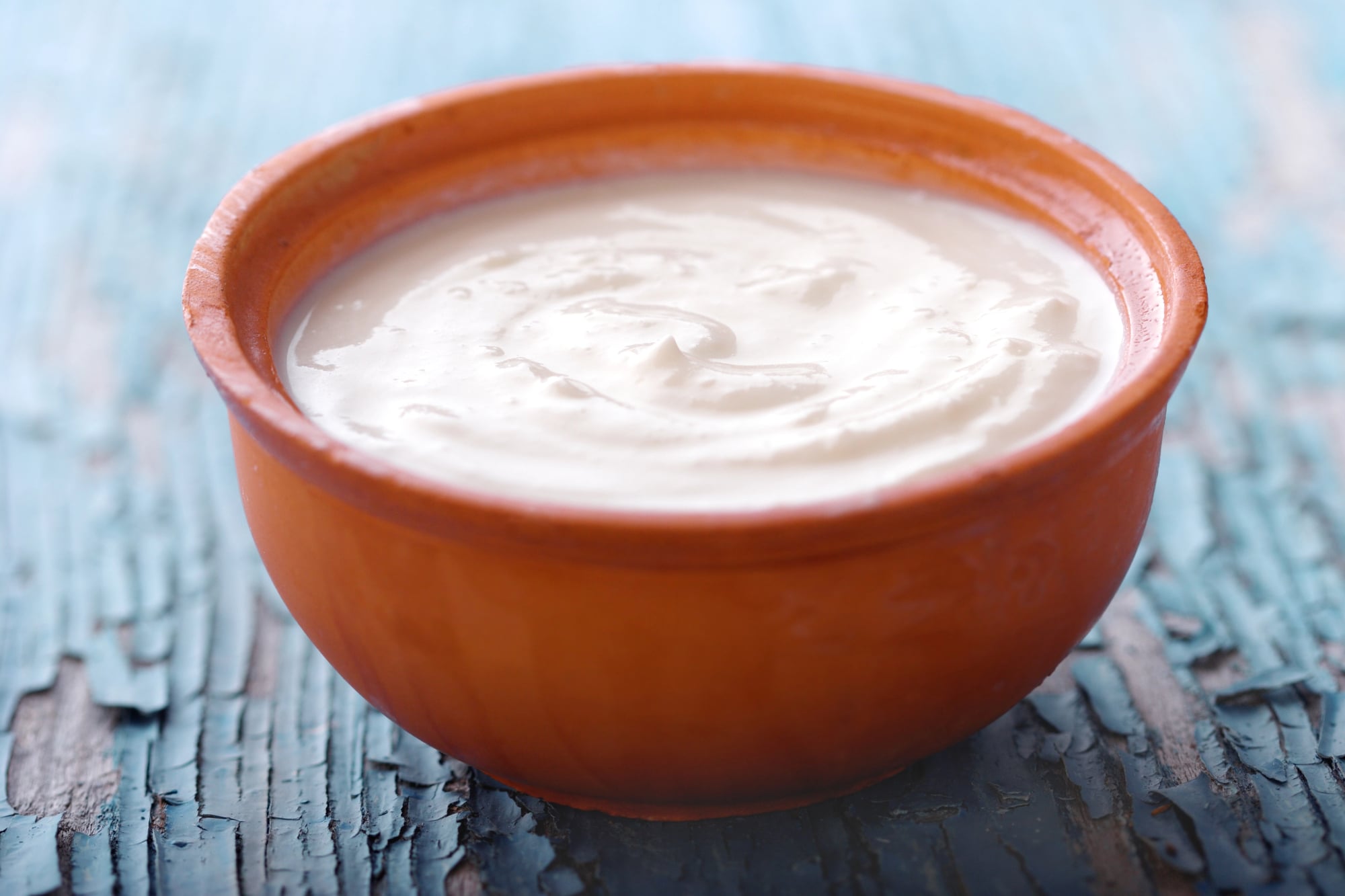
The thick, strained yogurt Americans call “Greek yogurt” exists throughout the Middle East and Mediterranean, not exclusively in Greece. Turkish yogurt, Lebanese yogurt, and Bulgarian yogurt all use similar straining methods to achieve the same thick consistency.
Greece just happened to be the first country to successfully market this style of yogurt to American consumers. Bulgaria actually has a stronger historical claim to yogurt in general, but Greece won the branding war and now gets credit for what is essentially a regional preparation method.
Boston Baked Beans
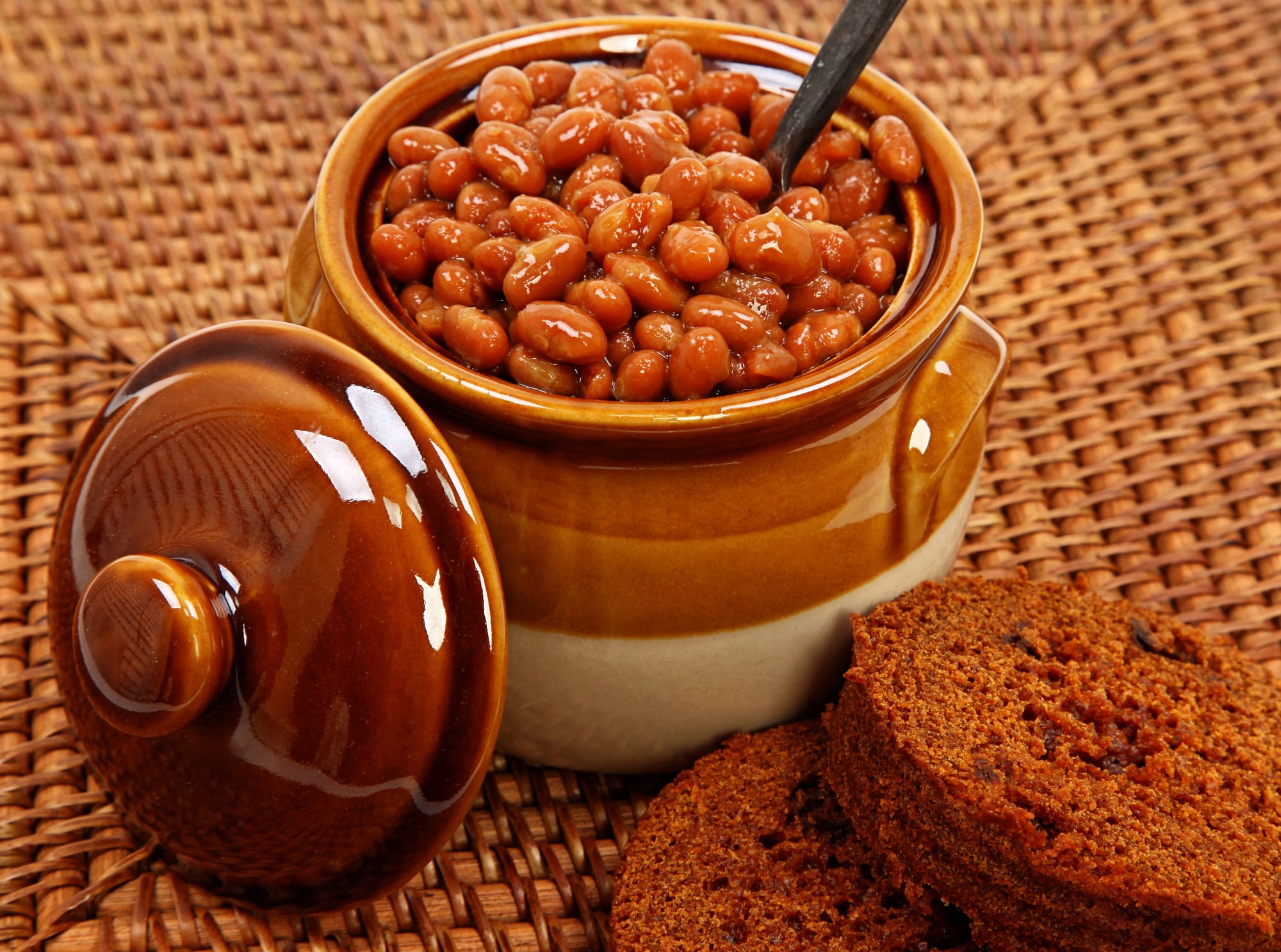
Boston popularized this dish in America, but baked beans originated with Native American tribes throughout New England, who cooked beans with maple syrup and bear fat in earthen pots. European colonists adapted the recipe, substituting molasses for maple syrup and salt pork for bear fat.
Boston became famous for the dish because of its molasses trade connections and Puritan cooking traditions, but the technique and basic recipe predate European settlement entirely. The city gets the credit, but the innovation belongs to the indigenous peoples of the region.
Irish Coffee
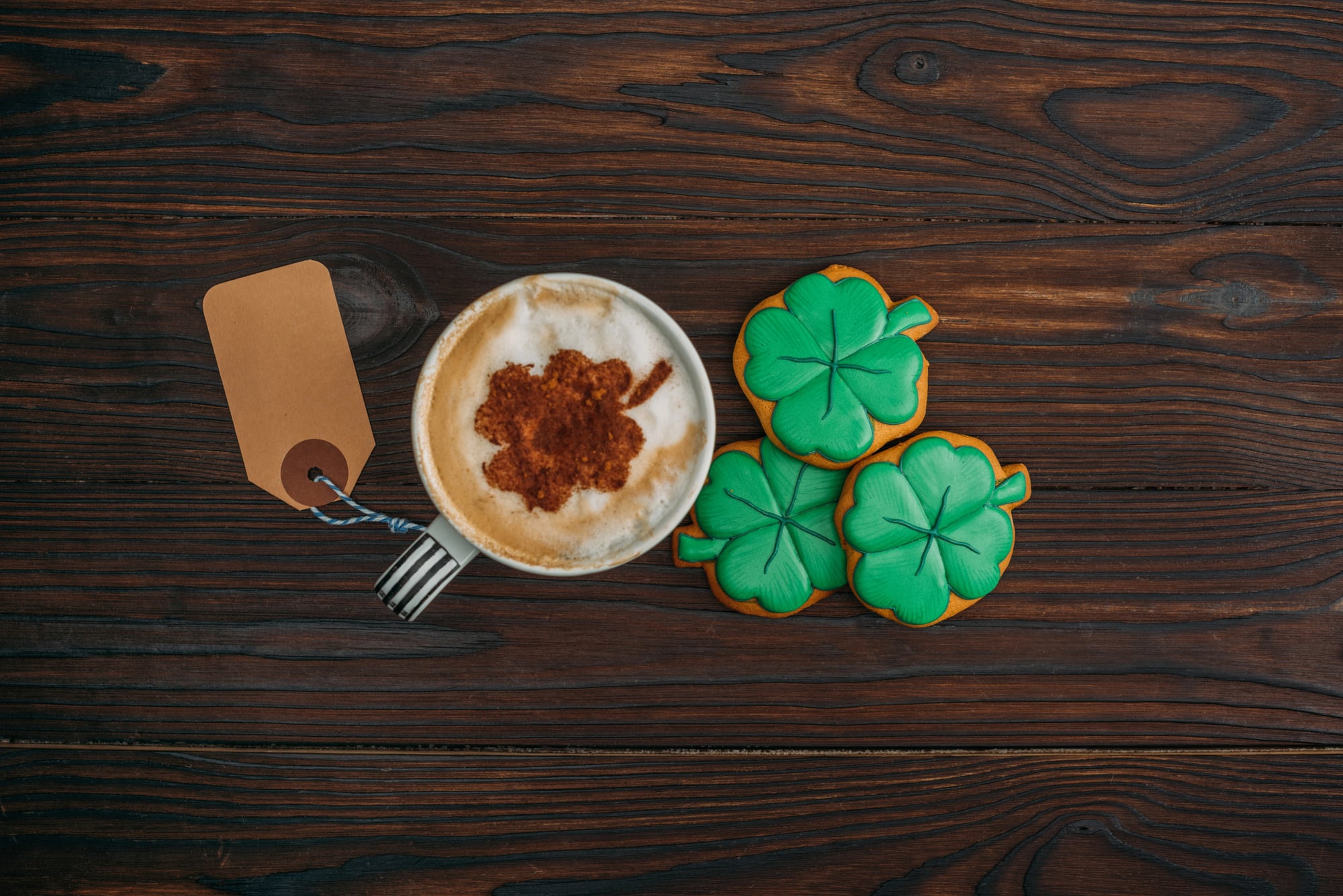
This one actually works backward from most geographical mix-ups — it really was created in Ireland, but not where you might expect. Irish coffee was invented at Shannon Airport in western Ireland in 1943 by chef Joe Sheridan, who added whiskey to coffee to warm up cold American passengers on transatlantic flights.
The drink made its way to San Francisco’s Buena Vista Cafe, where it became popular in the United States. So this is one case where the geographical name is completely accurate, even though many people assume it’s just a marketing term.
When Names Become Truth
Geography in product names operates like folklore — accuracy matters less than the story people want to believe. These misnamed products carry the weight of places they’ve never been, cultures they’ve never touched, and traditions they’ve never belonged to.
The real origins get buried under decades of repetition, and eventually, the wrong name becomes more familiar than the right history. The strange part is how little any of this seems to matter.
French fries taste the same whether you know they’re Belgian. Danish pastries remain flaky regardless of their Austrian heritage.
Sometimes the story we tell about a thing becomes more important than where it actually came from.
More from Go2Tutors!

- The Romanov Crown Jewels and Their Tragic Fate
- 13 Historical Mysteries That Science Still Can’t Solve
- Famous Hoaxes That Fooled the World for Years
- 15 Child Stars with Tragic Adult Lives
- 16 Famous Jewelry Pieces in History
Like Go2Tutors’s content? Follow us on MSN.



