15 Weather Events That Altered Political Outcomes
Weather has always been more than just small talk—it’s a force that can topple governments, reshape campaigns, and change the course of history. From ancient civilizations to modern democracies, atmospheric conditions have played surprising roles in determining who rises to power and who falls from grace.
Sometimes, a single storm or drought becomes the deciding factor between victory and defeat, proving that Mother Nature might be the ultimate political player. The relationship between climate and politics runs deeper than most people realize.
Here are 15 weather events that dramatically altered political outcomes throughout history.
The Mongol Invasions of Japan

Two massive typhoons saved Japan from Mongol conquest in the 13th century, events so significant that the Japanese called them ‘kamikaze’ or ‘divine wind.’ In 1274 and again in 1281, Kublai Khan launched massive invasion fleets against Japan, only to see them destroyed by perfectly timed storms.
The first typhoon scattered the Mongol fleet just as they were gaining ground, forcing a hasty retreat. The second storm was even more devastating, destroying nearly the entire invasion force of over 100,000 men and 4,000 ships, effectively ending Mongol expansion into Japan and preserving Japanese independence for centuries.
Napoleon’s Russian Winter Campaign
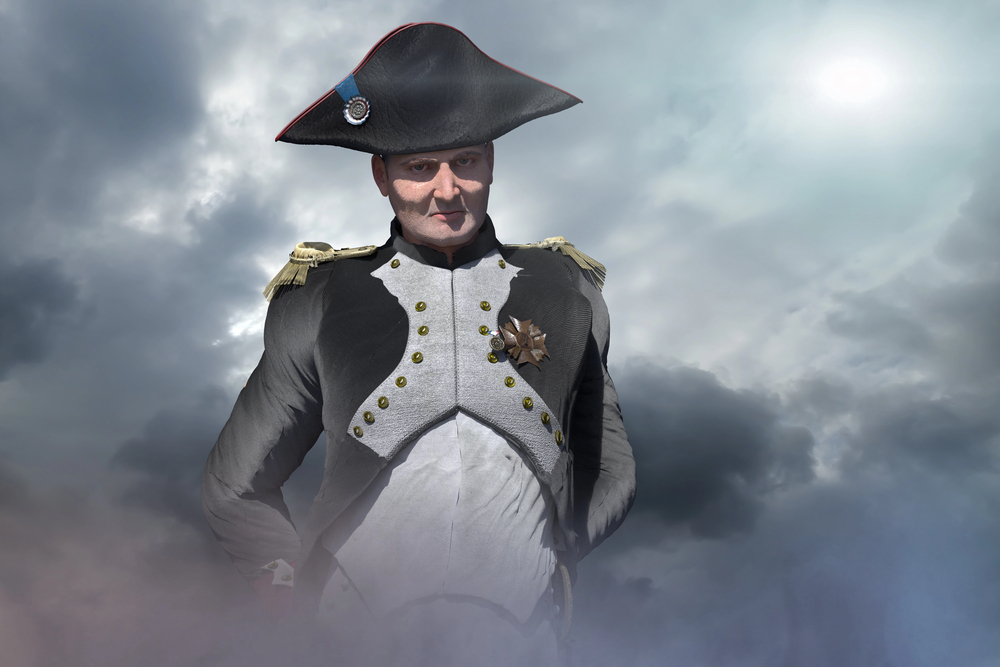
The brutal winter of 1812 turned Napoleon’s invasion of Russia into one of history’s greatest military disasters. What started as a campaign with over 600,000 men became a frozen nightmare as temperatures plummeted to -40°F.
The Grande Armée wasn’t prepared for such extreme cold, and soldiers froze to death by the thousands during the retreat from Moscow. Only about 30,000 men made it back in fighting condition, marking the beginning of Napoleon’s downfall and reshaping the entire European political landscape.
The Dust Bowl and Roosevelt’s New Deal

The devastating drought and dust storms of the 1930s created a political crisis that transformed American government forever. Massive dust clouds, some reaching as high as 10,000 feet, buried farms across the Great Plains and forced millions to abandon their homes.
The environmental catastrophe gave Franklin D. Roosevelt the political capital he needed to expand federal power dramatically through New Deal programs. The weather disaster essentially ended the era of limited government in America, as citizens demanded federal intervention to prevent future ecological and economic collapse.
The Year Without a Summer

The 1816 volcanic winter caused by Mount Tambora’s eruption created global crop failures that toppled governments across Europe. Temperatures dropped so severely that snow fell in June across New England, and harvests failed worldwide, leading to the worst global famine of the 19th century.
In France, the food shortages contributed to political instability that helped bring Napoleon back from exile during the Hundred Days. The crisis also sparked massive migrations, including the westward movement in America, as people fled areas where crops repeatedly failed.
Hurricane Sandy and the 2012 Election

Hurricane Sandy’s devastating impact just days before the 2012 presidential election gave Barack Obama a crucial boost when he needed it most. The superstorm killed over 100 people and caused $65 billion in damage, but it also provided Obama with the perfect opportunity to appear presidential while Mitt Romney’s campaign went silent.
Obama’s handling of the federal response, including his bipartisan cooperation with Republican Governor Chris Christie, likely helped swing crucial swing-state voters to secure his reelection. Political analysts widely credit the hurricane with providing Obama the final push he needed to win a second term.
The Great Famine of 1315-1322

Seven years of catastrophic weather destroyed the Medieval Warm Period and brought down the established order across Europe. Torrential rains and freezing temperatures ruined harvests year after year, causing widespread starvation that killed millions.
The crisis weakened feudal lords who couldn’t feed their subjects, leading to peasant revolts and the rise of stronger centralized monarchies. The famine also contributed to the decline of the Catholic Church’s political power, as people questioned why God would allow such suffering, setting the stage for later religious and political upheavals.
The Election Day Blizzard of 1888

A massive snowstorm that struck the northeastern United States on Election Day 1888 may have changed the outcome of the presidential race. The blizzard dumped up to 50 inches of snow and created 40-foot drifts, making travel nearly impossible across key swing states.
Republican Benjamin Harrison ultimately defeated incumbent Democrat Grover Cleveland, though Cleveland won the popular vote. Many historians believe the storm suppressed turnout in Democratic strongholds more than Republican areas, potentially tipping the electoral college in Harrison’s favor.
The Irish Potato Famine

The potato blight of the 1840s didn’t just cause mass starvation—it fundamentally altered Irish and British politics for generations. The fungal disease destroyed Ireland’s primary food source for several consecutive years, killing over one million people and forcing another million to emigrate.
The British government’s inadequate response fueled Irish nationalism and anti-British sentiment that would drive independence movements for the next century. The tragedy also strengthened Irish-American political influence in the United States, creating a powerful voting bloc that opposed British interests for decades.
D-Day Weather Decision

The success of the Normandy invasion hinged on a brief break in terrible weather that nearly forced the Allies to postpone D-Day indefinitely. General Eisenhower had to choose between launching the invasion during a small weather window or waiting another month for suitable tides.
His meteorologists predicted just enough of a break in the storms to make the landing possible, though conditions would still be rough. The decision to go ahead despite marginal weather conditions led to the successful establishment of the Western Front, hastening Nazi Germany’s defeat and reshaping post-war Europe.
The Great Hurricane of 1938

The unexpected hurricane that slammed into New England in September 1938 caught the region completely off guard and had significant political ramifications. The storm killed over 600 people and caused massive damage because there had been no warning—as the Weather Bureau believed hurricanes couldn’t reach that far north.
The disaster led to major reforms in weather forecasting and emergency preparedness, while also providing political ammunition for those who wanted to expand federal disaster relief programs. The hurricane essentially created the modern weather warning system that Americans rely on today.
The Galveston Hurricane of 1900

The deadliest natural disaster in American history killed over 8,000 people and completely transformed how the United States approaches disaster management. The massive storm surge that swept across Galveston Island revealed the inadequacy of the local government’s response to major disasters.
The catastrophe led to the creation of the commission form of city government, which spread to hundreds of other American cities, and sparked the first serious discussions about federal disaster relief. The hurricane essentially invented modern American disaster policy and emergency management systems.
The Winter of 1962-63

One of the coldest winters on record in Europe brought down governments and reshaped Cold War politics. The brutal cold lasted for months, with temperatures staying below freezing from December through March across much of the continent.
In Britain, the severe weather contributed to Harold Macmillan’s political downfall, while in Germany it strengthened support for closer ties with warmer southern European nations. The harsh winter also disrupted Soviet agricultural production, contributing to tensions within the Communist bloc and influencing Khrushchev’s eventual removal from power.
The Johnstown Flood of 1889

The catastrophic dam failure that killed over 2,200 people became a symbol of corporate negligence and helped fuel the Progressive movement. Heavy rains caused the South Fork Dam to burst, sending a wall of water through the valley that destroyed everything in its path. Investigations revealed that wealthy industrialists had modified the dam for their private fishing club, weakening its structure.
The disaster galvanized public opinion against unchecked corporate power and contributed to reforms in industrial safety regulations and corporate liability laws.
The Great Storm of 1703

The most severe windstorm in recorded British history killed thousands and helped consolidate Queen Anne’s political power. Hurricane-force winds destroyed the Royal Navy fleet, killed the Bishop of Bath and Wells, and caused damage equivalent to billions in today’s money.
The disaster struck just as Anne was establishing her authority following the Act of Settlement, and her effective response to the crisis helped legitimize her reign. The storm also led to the creation of Britain’s first systematic weather observation network and improved building codes that shaped British architecture for centuries.
The Blizzard of 1996

The massive snowstorm that paralyzed the eastern United States had unexpected political consequences for the federal government shutdown battle. The blizzard dumped over 20 inches of snow on Washington, D.C., just as President Clinton and congressional Republicans were locked in their budget standoff.
The storm forced both sides to focus on essential government services and highlighted the importance of federal agencies that Republicans wanted to cut. Many political observers believe the blizzard helped shift public opinion toward Clinton’s position, contributing to the Republicans’ eventual capitulation in the shutdown fight.
When Nature Writes History

These weather events remind us that political power often depends on forces completely beyond human control. From ancient typhoons that preserved Japanese independence to modern hurricanes that swing presidential elections, atmospheric conditions have repeatedly proven more influential than the most carefully crafted campaign strategies.
The next time someone dismisses weather as mere small talk, remember that throughout history, a single storm has often carried more political weight than all the speeches and debates combined. In politics, as in so many other areas of life, Mother Nature always gets the final vote.
More from Go2Tutors!

- The Romanov Crown Jewels and Their Tragic Fate
- 13 Historical Mysteries That Science Still Can’t Solve
- Famous Hoaxes That Fooled the World for Years
- 15 Child Stars with Tragic Adult Lives
- 16 Famous Jewelry Pieces in History
Like Go2Tutors’s content? Follow us on MSN.