15 Creepiest Ghost Towns In America
There’s something irresistible about places where life simply stopped. Not gradually, not peacefully, but suddenly — like someone flipped a switch and everyone just walked away.
America is scattered with these abandoned settlements, each one a frozen moment in time where dreams died and communities crumbled. Some fell victim to economic collapse, others to natural disasters or dwindling resources.
What remains are empty streets, weathered buildings, and an eerie silence that seems to whisper stories of what once was.
Bodie
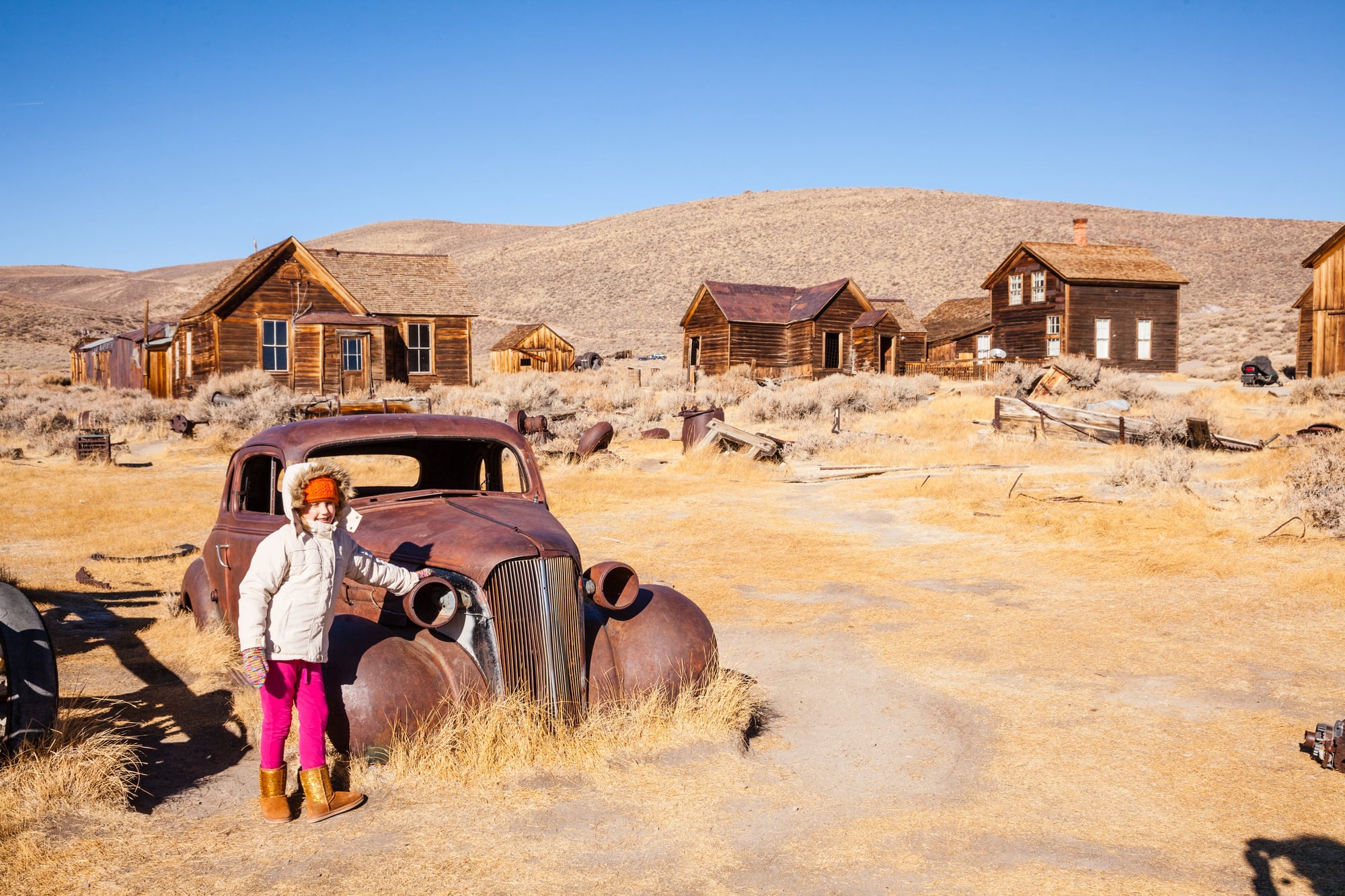
Bodie doesn’t mess around with subtlety. This California mining town died hard and stayed dead.
The wooden buildings lean into the desert wind like old men telling stories nobody wants to hear. Winter here lasts eight months.
Summer barely shows up. When the gold ran out in the 1940s, people left their dishes on the tables and their clothes in the closets.
The dry mountain air preserved everything exactly as it was. You can peer through dusty windows and see coffee cups still sitting on kitchen counters.
A child’s toy lies forgotten on a bedroom floor. The silence is so complete it has weight.
Centralia
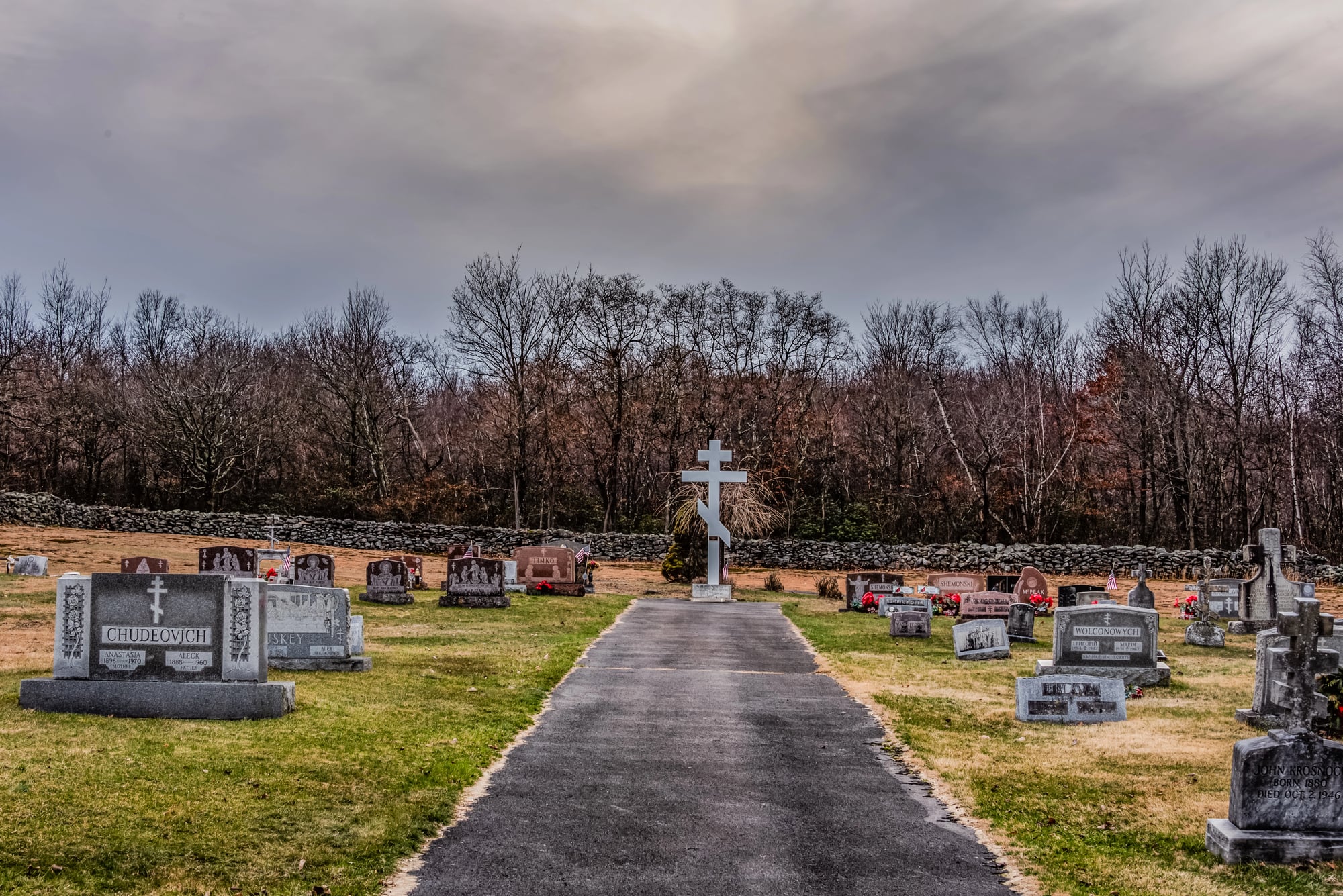
Pennsylvania’s Centralia burns beneath your feet, and it has been burning since 1962 when a coal seam caught fire (though some say it started earlier, and frankly, the distinction doesn’t matter much when you’re standing on ground that’s been smoldering for over sixty years). The fire spread through the underground mines like a slow-motion apocalypse, releasing toxic gases and making the earth itself unreliable — foundations cracked, basements filled with carbon monoxide, and the very ground became something you couldn’t trust.
So people left. But the fire didn’t.
What remains is a surreal landscape where steam rises from cracks in the asphalt, where the famous graffiti highway (now buried under tons of dirt, because apparently even ghost towns can’t have nice things) once drew visitors to spray-paint messages on a stretch of abandoned Route 61. And the fire keeps burning, deep underground, patient and relentless, with enough coal to feed it for another 250 years — which is saying something about the staying power of disasters compared to the staying power of the communities they destroy.
Kennecott
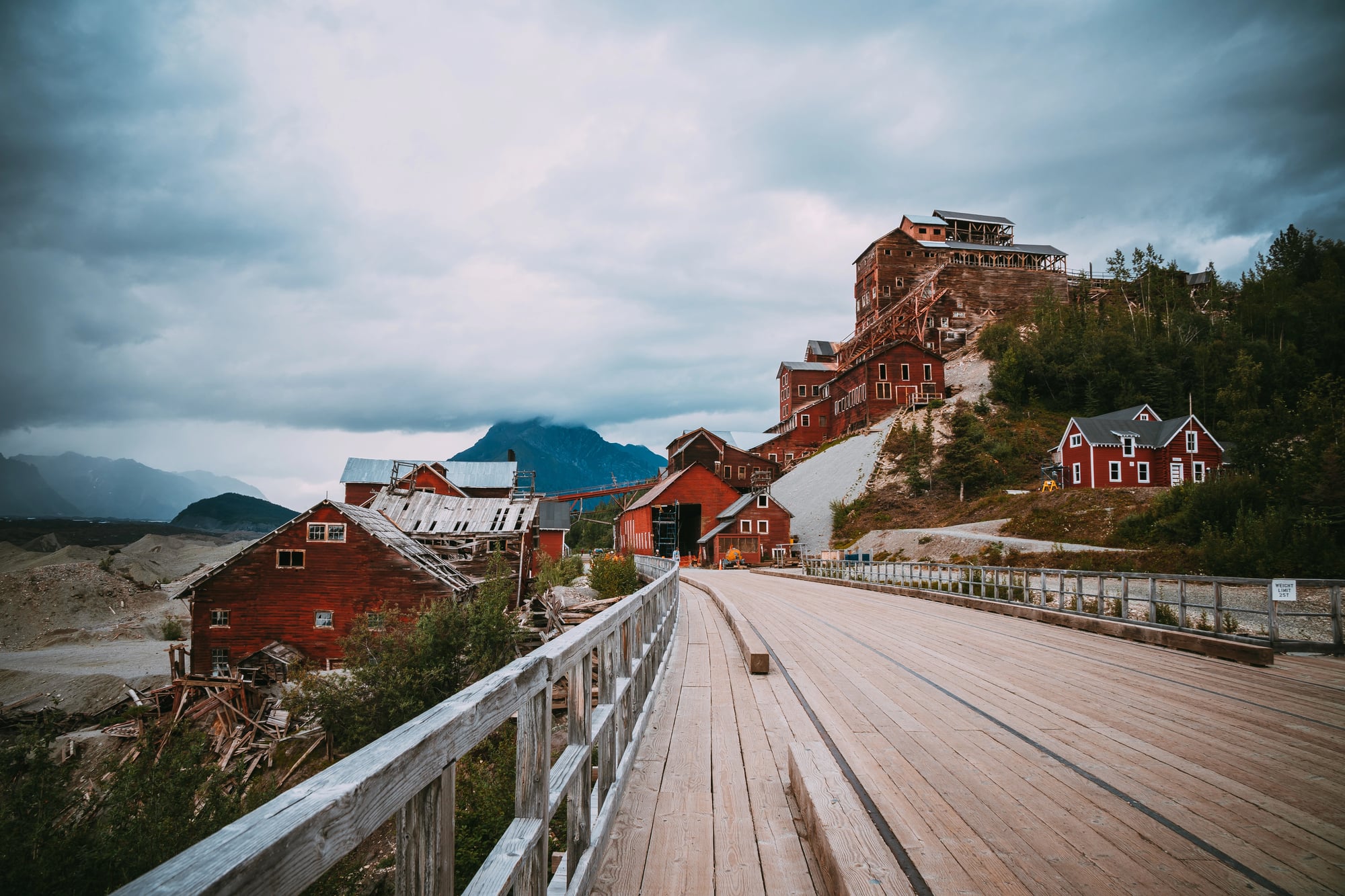
In the Alaskan wilderness, Kennecott stands like a wooden cathedral to capitalism’s fever dreams. The copper mine that built this town pulled millions of dollars from the earth between 1911 and 1938, then the ore played out and everyone went home.
What they left behind was a company town preserved by cold and isolation. The mill building rises fourteen stories against the mountains, its red walls weathered but intact.
Inside, machinery still waits for workers who will never return. Office desks hold papers from the last day of operation.
The hospital still has beds made up for patients who never came. Alaska doesn’t let things decay gently.
It preserves them in ice and silence, like specimens in a museum that nobody visits. Walking through Kennecott feels like trespassing on a conversation that ended eighty years ago.
Calico
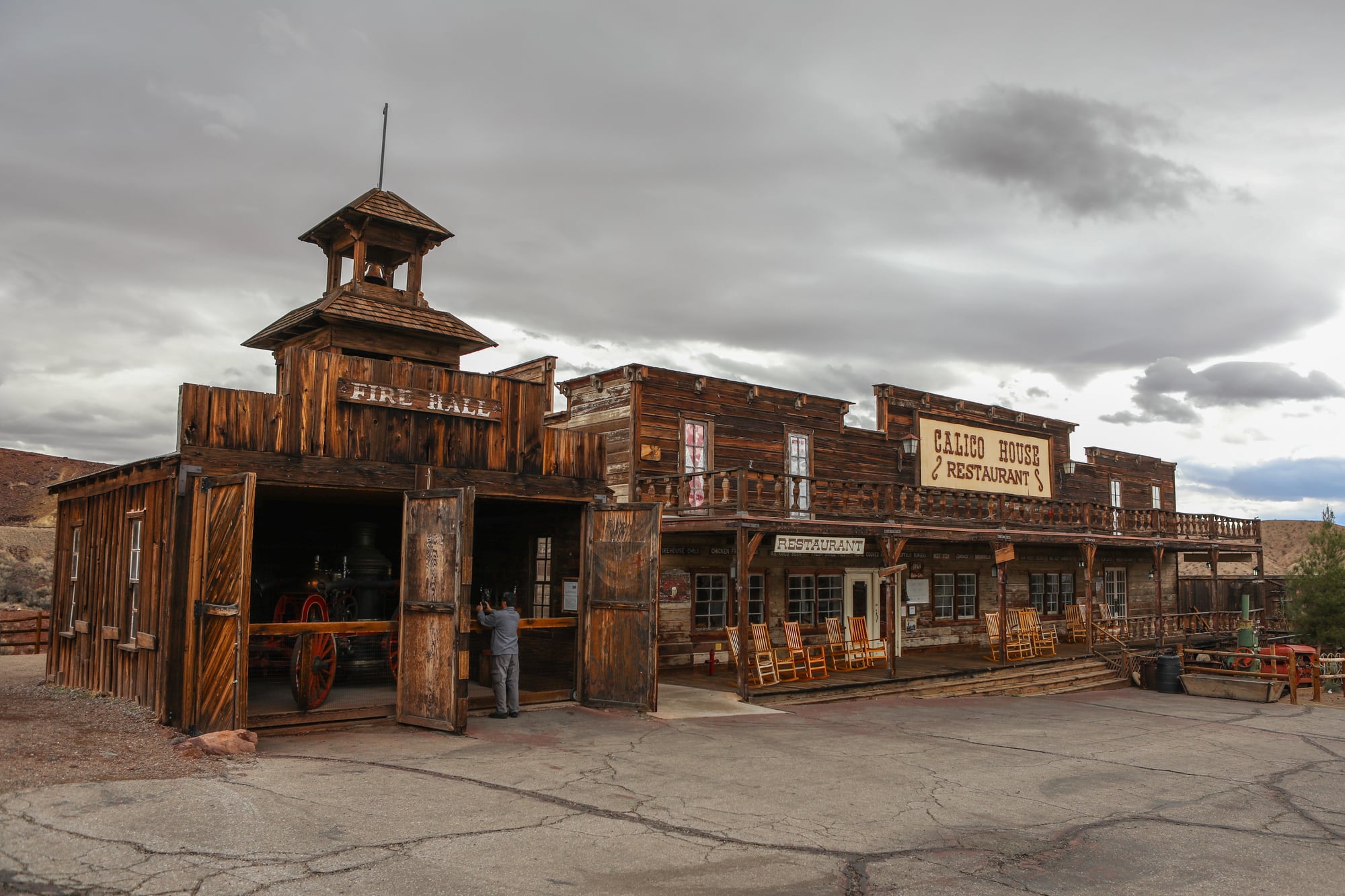
Calico is a fraud, but an honest one. This former silver mining town in California’s Mojave Desert went belly-up in the 1890s when silver prices crashed, and it should have stayed that way — a proper ghost town slowly dissolving back into the desert dust where it belonged.
Instead, Walter Knott (of berry farm fame) bought the place in the 1950s and turned it into a tourist attraction. So what you get is a ghost town that’s been scrubbed clean and dressed up for visitors, complete with gift shops and staged gunfights.
The authenticity died twice: once when the silver ran out, and again when the cash registers moved in. Fair enough — at least the desert backdrop doesn’t lie, and the original mines are still there, boring into the hills like empty eye sockets.
Pripyat
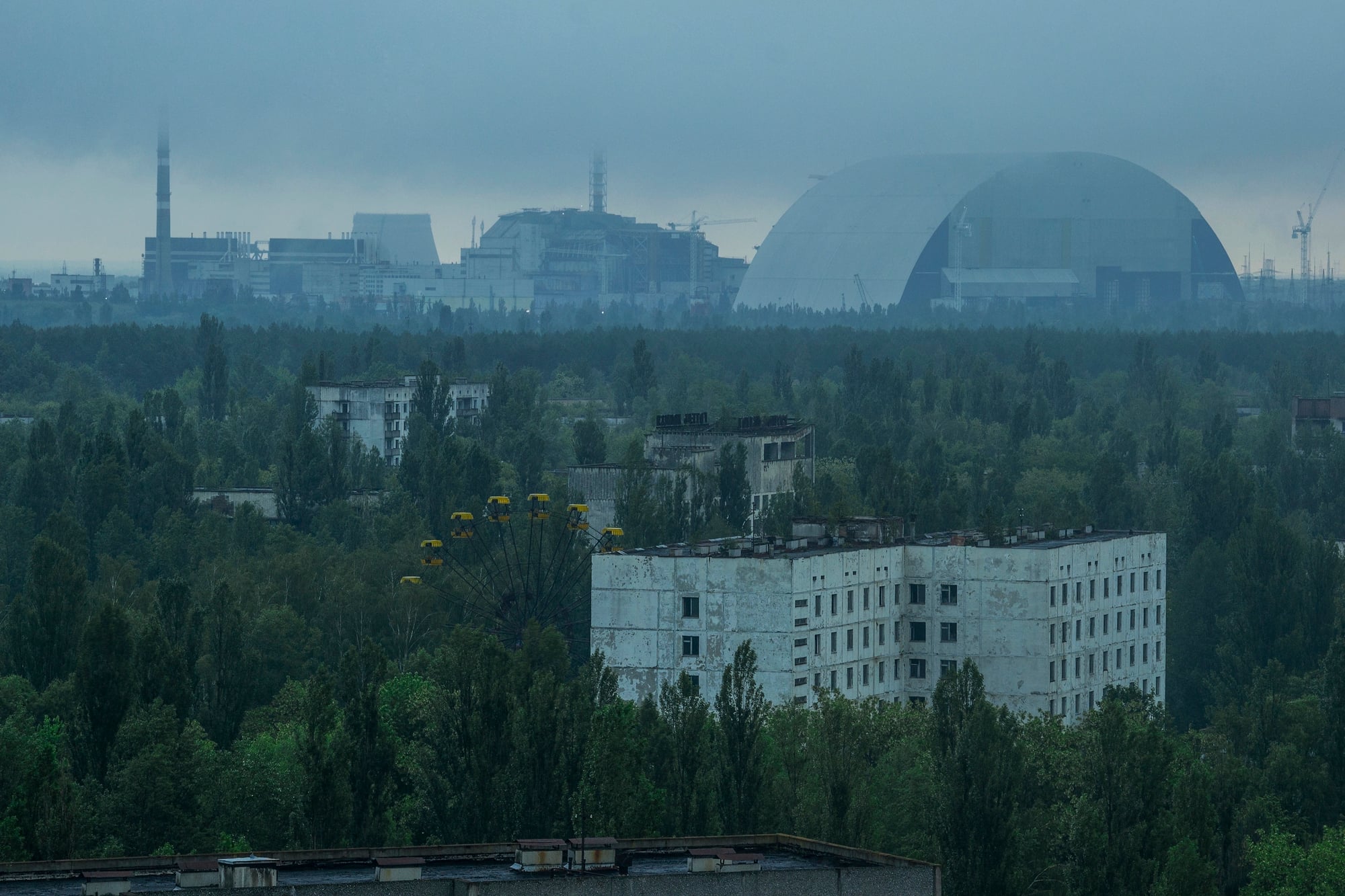
The Chernobyl Exclusion Zone contains the most famous ghost town on the planet. Pripyat died in a single day — April 26, 1986 — when Reactor 4 exploded and painted the surrounding area with invisible death.
This wasn’t economic collapse or resource depletion. This was atomic fire.
Fifty thousand people lived here one morning and were gone by evening, evacuated in buses with promises they’d return in three days. They never came back.
The city remains frozen in 1986. An amusement park sits unfinished, its Ferris wheel rusting against gray sky.
Schools still have textbooks open on desks. Trees grow through apartment floors.
Nature reclaims the buildings one root at a time while radiation keeps humans away.
Rhyolite
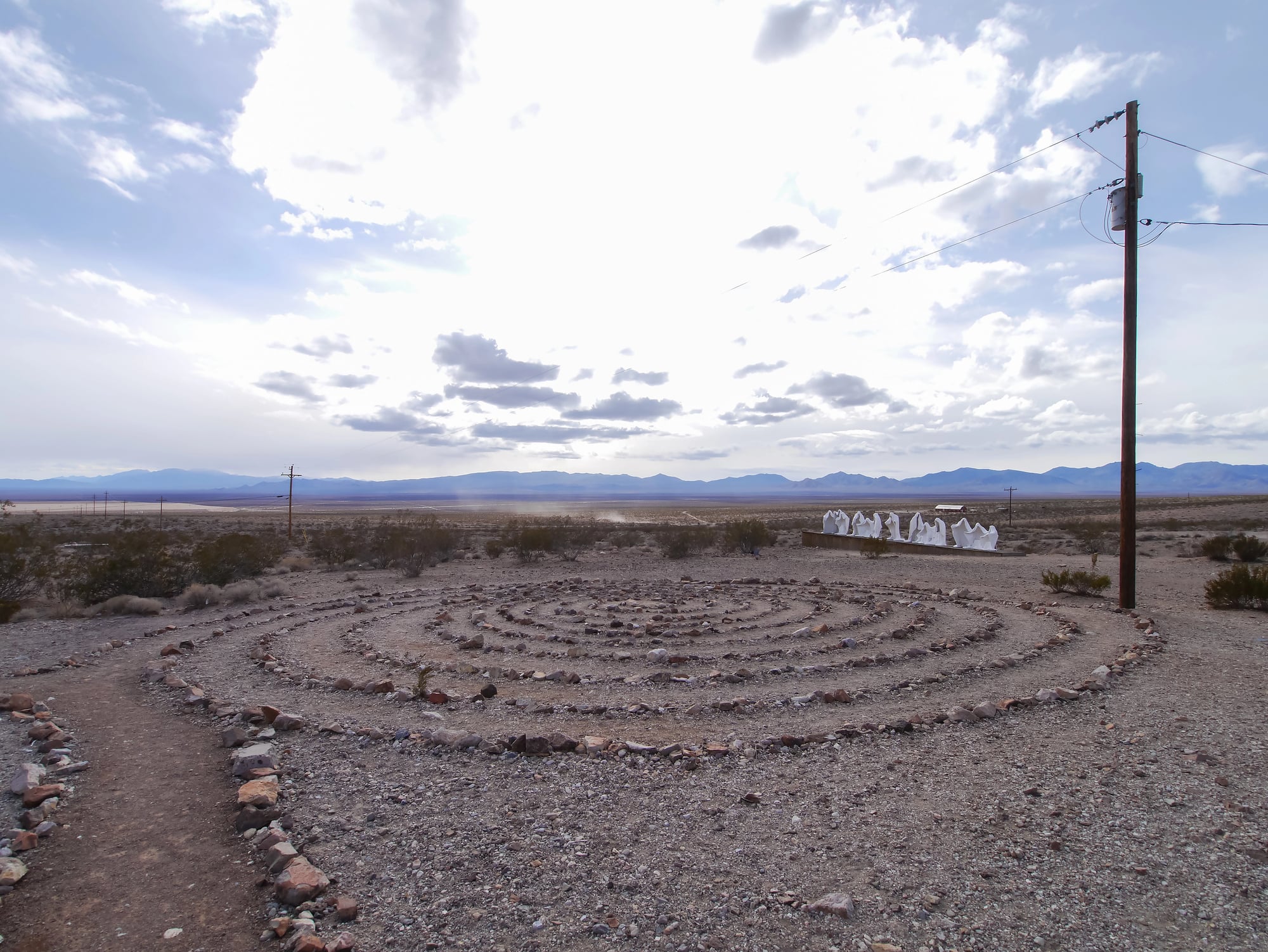
Nevada’s Rhyolite bloomed and died faster than a desert flower. The gold boom lasted from 1904 to 1916, barely long enough for the town to build a stock exchange, an opera house, and dreams of permanence (because nothing says “we’re here to stay” quite like constructing cultural institutions in the middle of nowhere).
Then the ore played out, the railroad moved on, and the desert began its patient work of reclamation — wind scouring paint from wooden walls, sand filling doorways, sun bleaching everything to the color of old bones.
What’s left are ruins that look like broken teeth: the concrete shell of a three-story bank building, walls of a jail that once held men whose crimes are forgotten, and the famous bottle house built from thousands of discarded beer bottles because even in a mining boom, practical recycling beat architectural ambition. The desert doesn’t judge.
It just waits.
St. Elmo
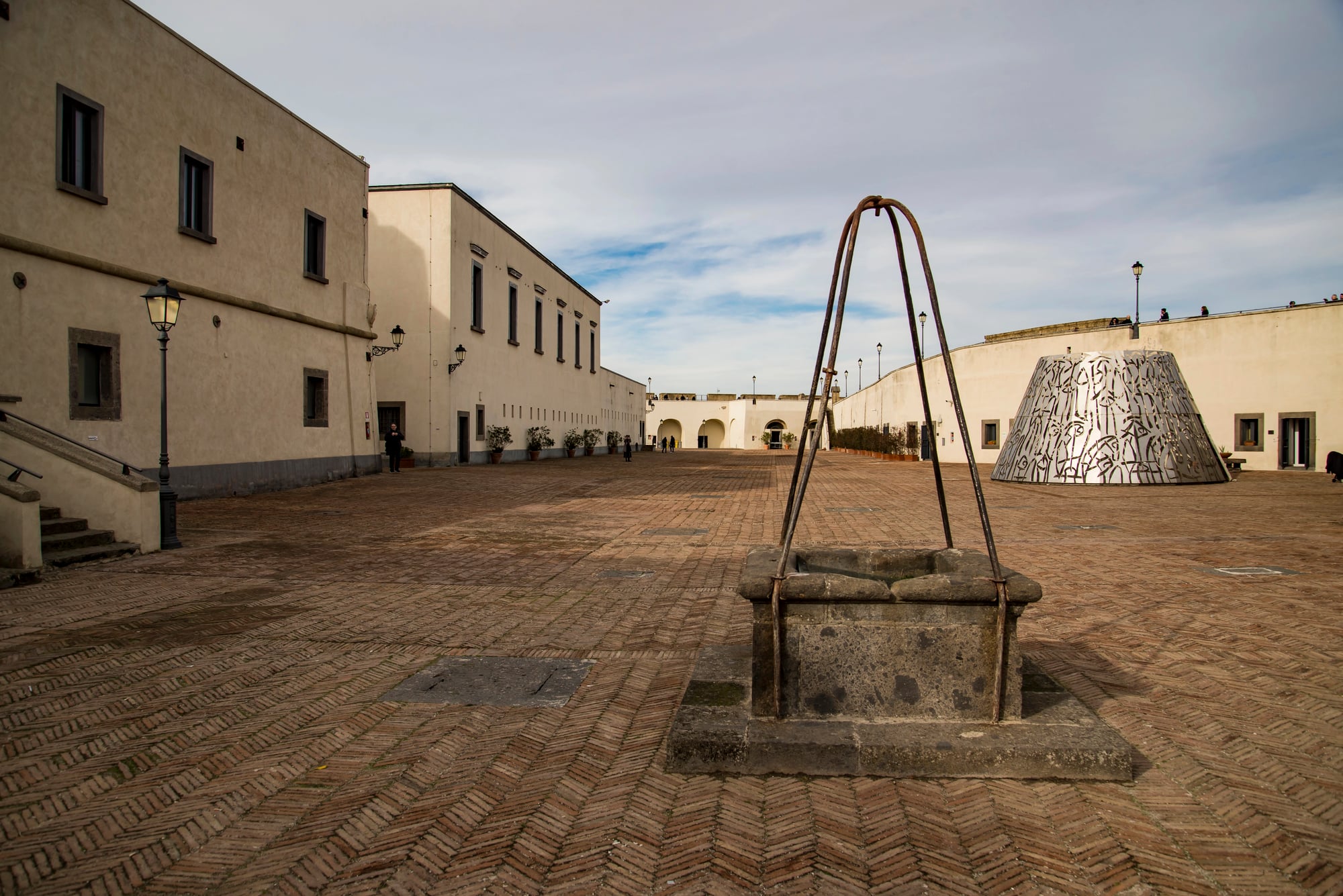
Tucked into Colorado’s mountains like a secret nobody wanted to keep, St. Elmo feels less abandoned than paused. The main street runs between wooden buildings that look like they’re holding their breath, waiting for footsteps that echo differently now — tourists instead of miners, cameras instead of pickaxes.
This was a silver mining town that thrived until the crash of 1893, then lingered like a guest who doesn’t know the party’s over. People drifted away slowly, leaving buildings intact and stories half-told.
The general store still displays goods behind dusty windows. Houses wear their paint in patches, weathered but not broken.
Mountain air preserves things differently than desert heat. It keeps them recognizable, keeps the possibility alive that someone might return and pick up where they left off.
St. Elmo trades on that possibility now, selling its loneliness to visitors who find romance in ruins.
Goldfield
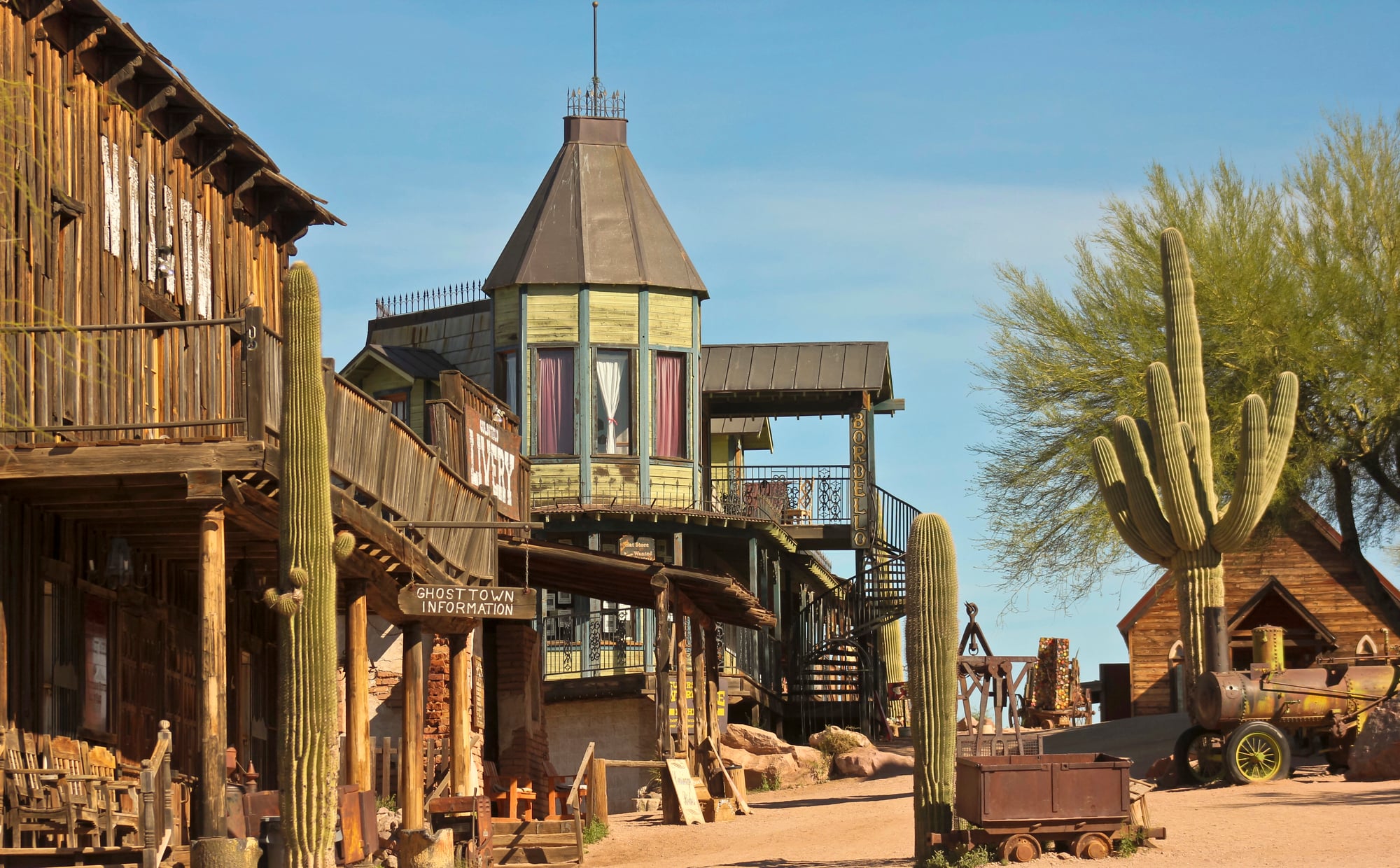
Nevada specializes in boom-and-bust stories, but Goldfield wrote the definitive version. Between 1903 and 1910, this place produced more gold than any other mining camp in the state at that time — enough to build a four-story hotel, electric streetlights, and the kind of optimism that constructs stone buildings in places where water comes by railroad car.
Goldfield continued operating beyond 1910, though at reduced capacity, and eventually declined. The desert moved in to collect what the desert is owed.
Goldfield refuses to die completely, which makes it more unsettling than total abandonment. A few hundred people still live here among the ruins, maintaining a stubborn presence that feels like denial made manifest.
The high school closed decades ago, but the football field remains, its goalposts standing over empty bleachers like monuments to Friday nights that no longer come.
Garnet
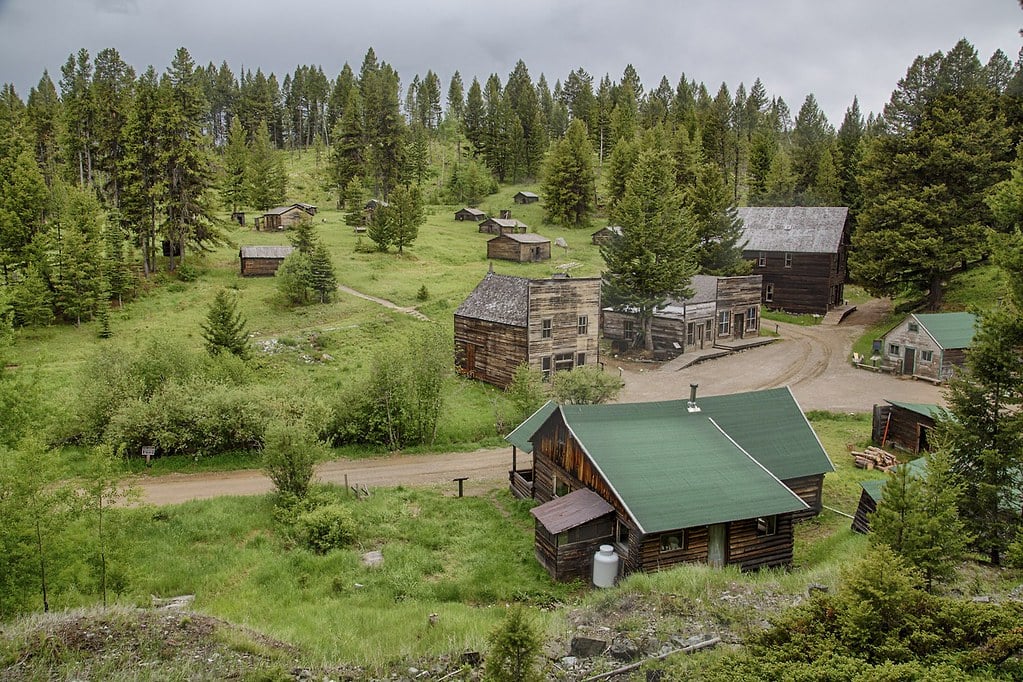
Montana winter doesn’t negotiate. When the gold played out in Garnet, the cold moved in and claimed the town like back rent.
This mining settlement thrived in the 1890s, died by 1905, and winter has been the only permanent resident ever since. Snow piles against cabin walls for months at a time.
Ice forms in corners and stays there. The few buildings that remain stand empty but intact, preserved by cold that stops decay in its tracks.
Inside, furniture waits under dust covers. Newspapers from the last good year still lie on tables.
Summer brings visitors, but they’re temporary. Winter brings silence so complete you can hear your own heartbeat.
The cold doesn’t care about human plans or mining claims. It just waits, patient and absolute, for everything else to surrender.
Rodney

Mississippi’s Rodney tells the story of a river that changed its mind. The Mississippi River used to flow past this town, bringing steamboats and commerce and the kind of prosperity that builds grand homes with wide porches (because proximity to major waterways was the nineteenth-century equivalent of being located near a major interstate — location meant everything, and rivers were the highways that mattered).
Then the river shifted course sometime in the early 1900s, the way rivers do when they get restless, and left Rodney high and dry — literally high and dry, sitting inland like a boat stranded by low tide.
Without the river, there was no reason for Rodney to exist, so it stopped existing in any meaningful sense. What’s left are ruins overgrown with Mississippi vegetation that doesn’t respect property lines: the Presbyterian church still stands, its walls covered in kudzu that transforms the building into something between architecture and topiary.
And the cemetery remains, because cemeteries are harder to abandon than the living ever expect them to be.
Terlingua
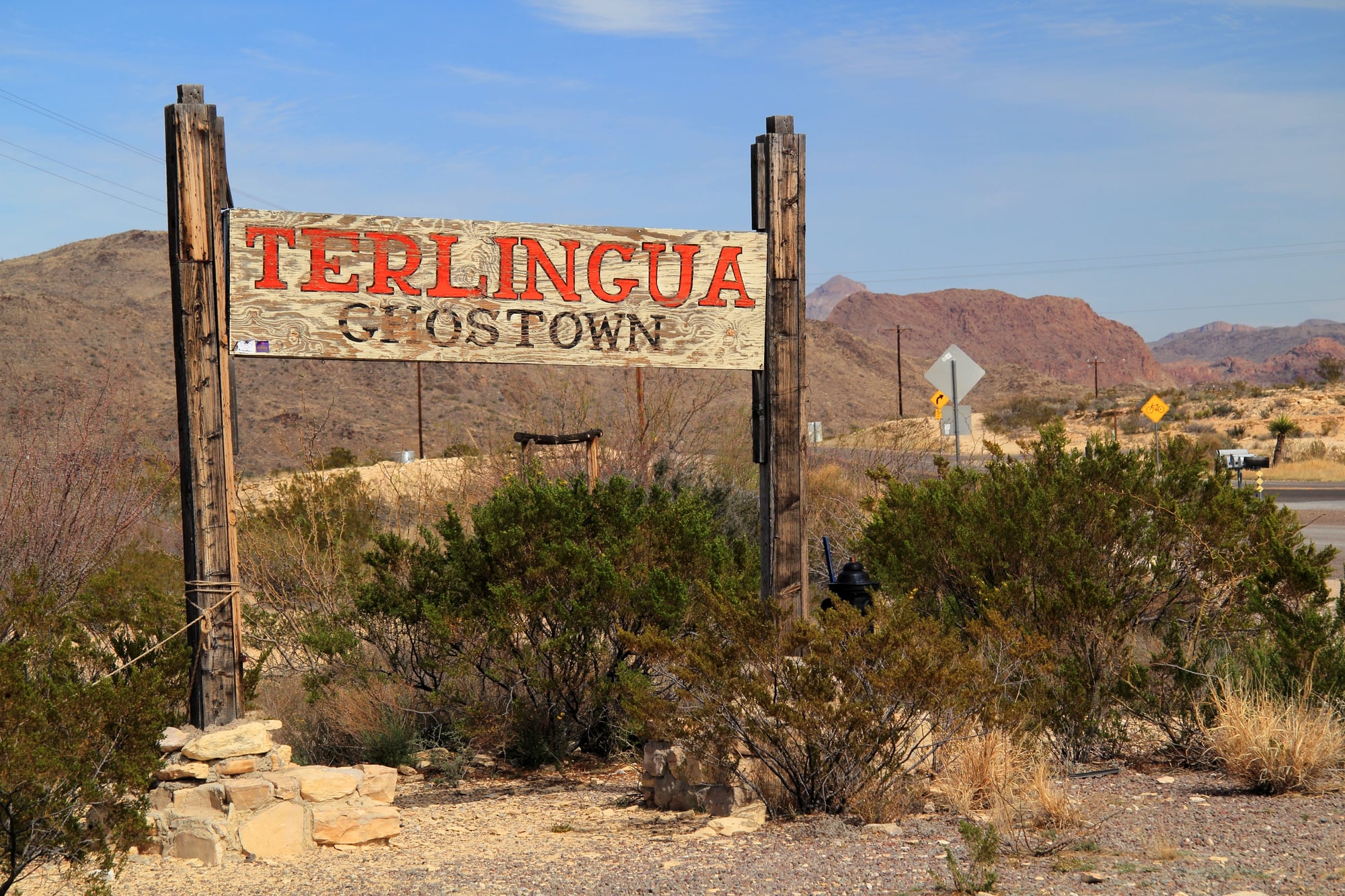
In the middle of nowhere, Texas, Terlingua sits like a sunbaked conversation between abandonment and stubborn revival. This mercury mining town died when the mines closed in the 1940s, then spent decades as a proper ghost town until artists and eccentrics started trickling in during the 1960s.
Now it exists in some liminal space between dead and alive. The old mining company buildings crumble photogenically against desert sky.
Stone walls collapse in slow motion, one scorching summer at a time. But new businesses occupy some of the ruins, and people live here again — not many, but enough to complicate the ghost town narrative.
Terlingua doesn’t commit to being either fully abandoned or fully inhabited. It keeps one foot in each world, selling its history to tourists while people actually try to make lives here among the ruins.
Grafton
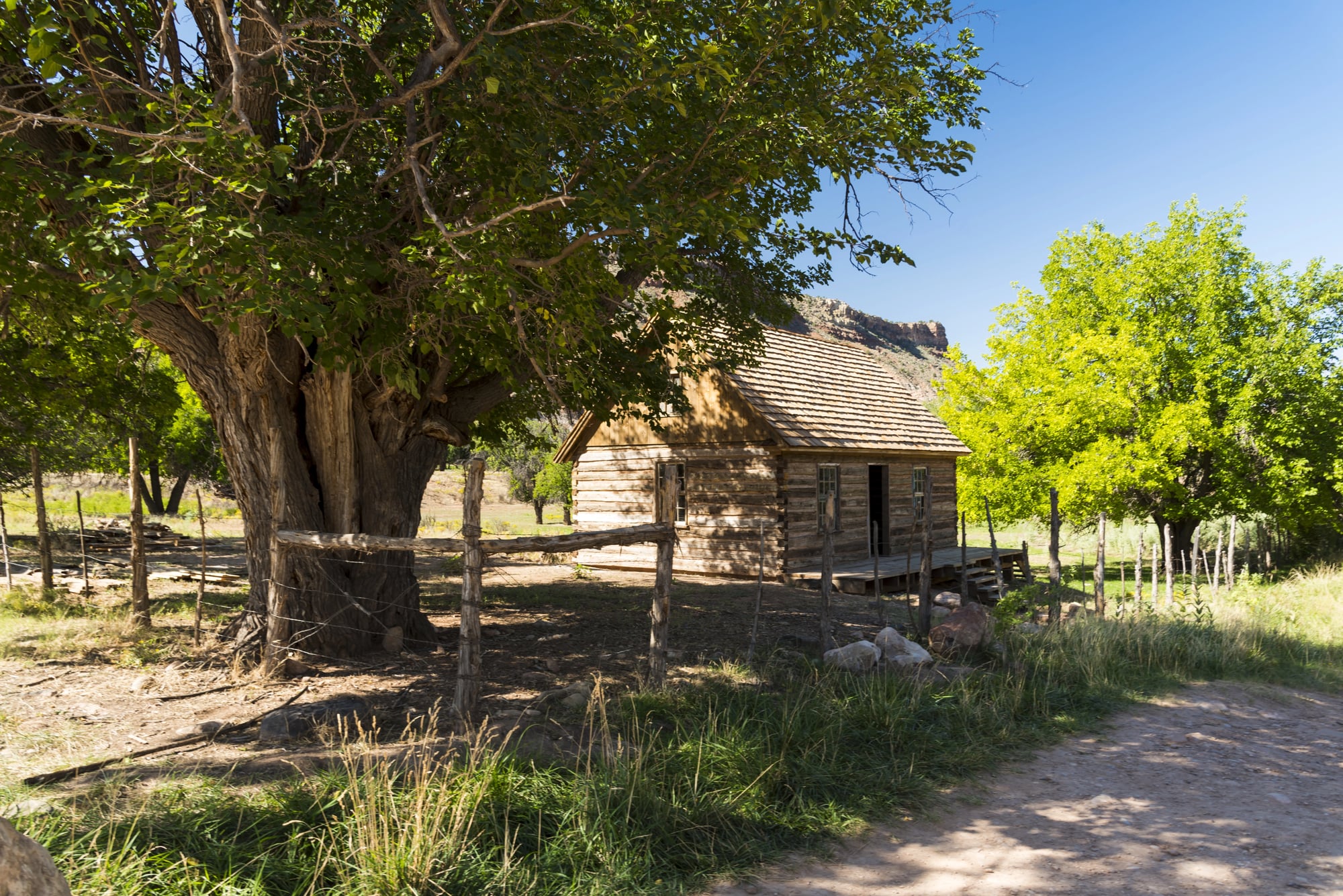
Utah’s Grafton achieved a different kind of immortality than most ghost towns — it became a movie set, which is either the perfect second act for a place that lost its original purpose, or the final insult to whatever dignity remained after the Virgin River flooded it one too many times. The town was established by Mormon pioneers in 1859, abandoned and rebuilt multiple times due to flooding, then finally abandoned for good in 1944 when the last residents decided that fighting a river was a losing proposition.
What remains is a collection of weathered buildings against red rock cliffs that look exactly like what Hollywood thinks the Old West should look like, which explains why “Butch Cassidy and the Sundance Kid” filmed here. The schoolhouse still stands, along with a few homes and the cemetery where residents who gave up on the town a century too early watch tour buses arrive.
Desert preservation keeps everything recognizable but not quite real — like a theme park version of abandonment.
Virginia City
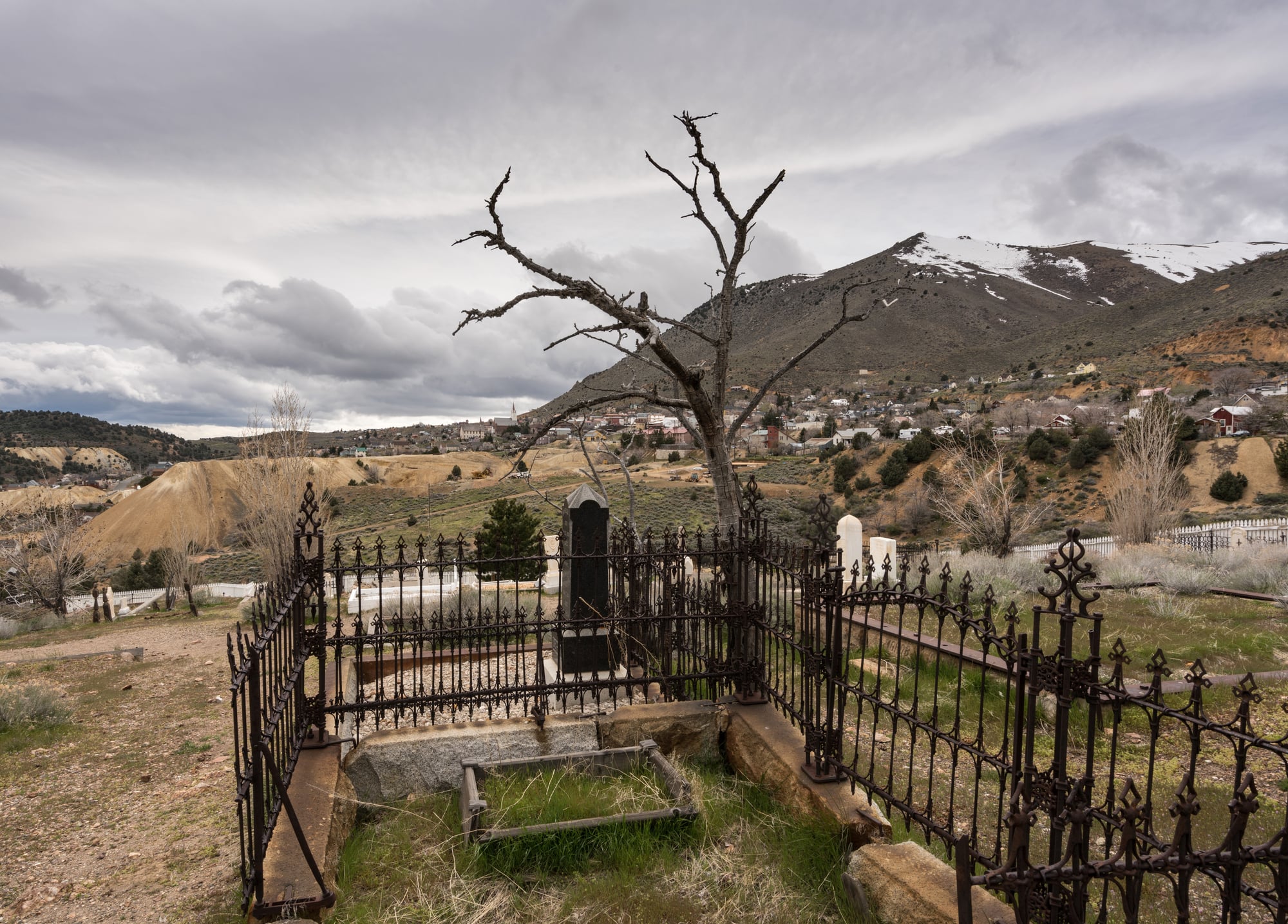
Montana’s Virginia City refuses to stay properly dead. Gold built this town in the 1860s, creating a place so wild and wealthy it briefly served as the territorial capital.
When the placer gold ran out, the town should have folded like so many others, but tourism discovered it instead. Now Virginia City exists as a ghost town that performs its own ghostliness for visitors.
The buildings are authentic 1860s structures, but they house gift shops and restaurants instead of miners and claim jumpers. Actors in period costume stage gunfights on the main street where real gunfights once happened.
The authenticity gets complicated when preservation becomes performance. These buildings witnessed actual history — vigilante justice, mining fortunes won and lost, the raw energy of a frontier boomtown.
Now they witness credit card transactions and camera flashes. The past becomes product, which might be the most American ghost story of all.
Cahawba
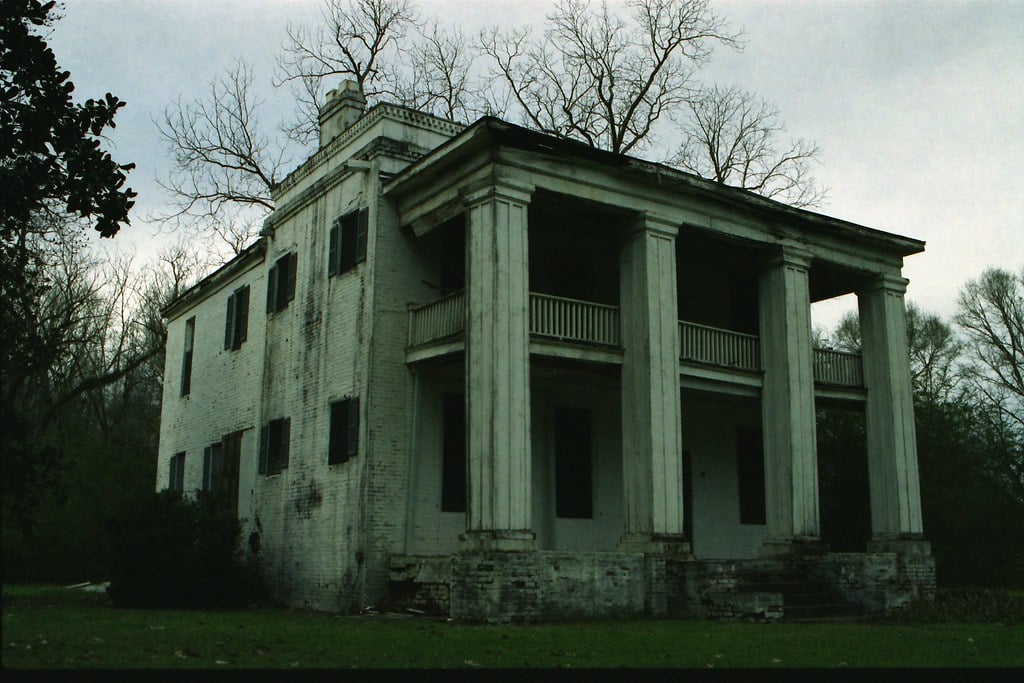
Alabama’s first state capital, Cahawba represents the kind of institutional abandonment that hits differently than economic collapse. This wasn’t a mining town that played out or a railroad stop that got bypassed — this was a deliberate seat of government that the government decided to abandon (moved the capital to Tuscaloosa in 1826, then later to Montgomery, leaving Cahawba with the political equivalent of being dumped twice).
The town lingered for decades afterward, sustained by cotton plantations and river commerce, but never recovered its original importance. The Civil War finished what political abandonment started: Cahawba served as a prisoner-of-war camp, housing thousands of Union soldiers in conditions that made the place infamous.
After the war, floods and yellow fever drove out most remaining residents. What’s left are ruins scattered through woods that have reclaimed the streets: crumbling foundations, a few standing walls, and archaeological remnants of a place that was supposed to matter.
The Alabama River still flows past, indifferent to the political ambitions it once supported.
Bannack
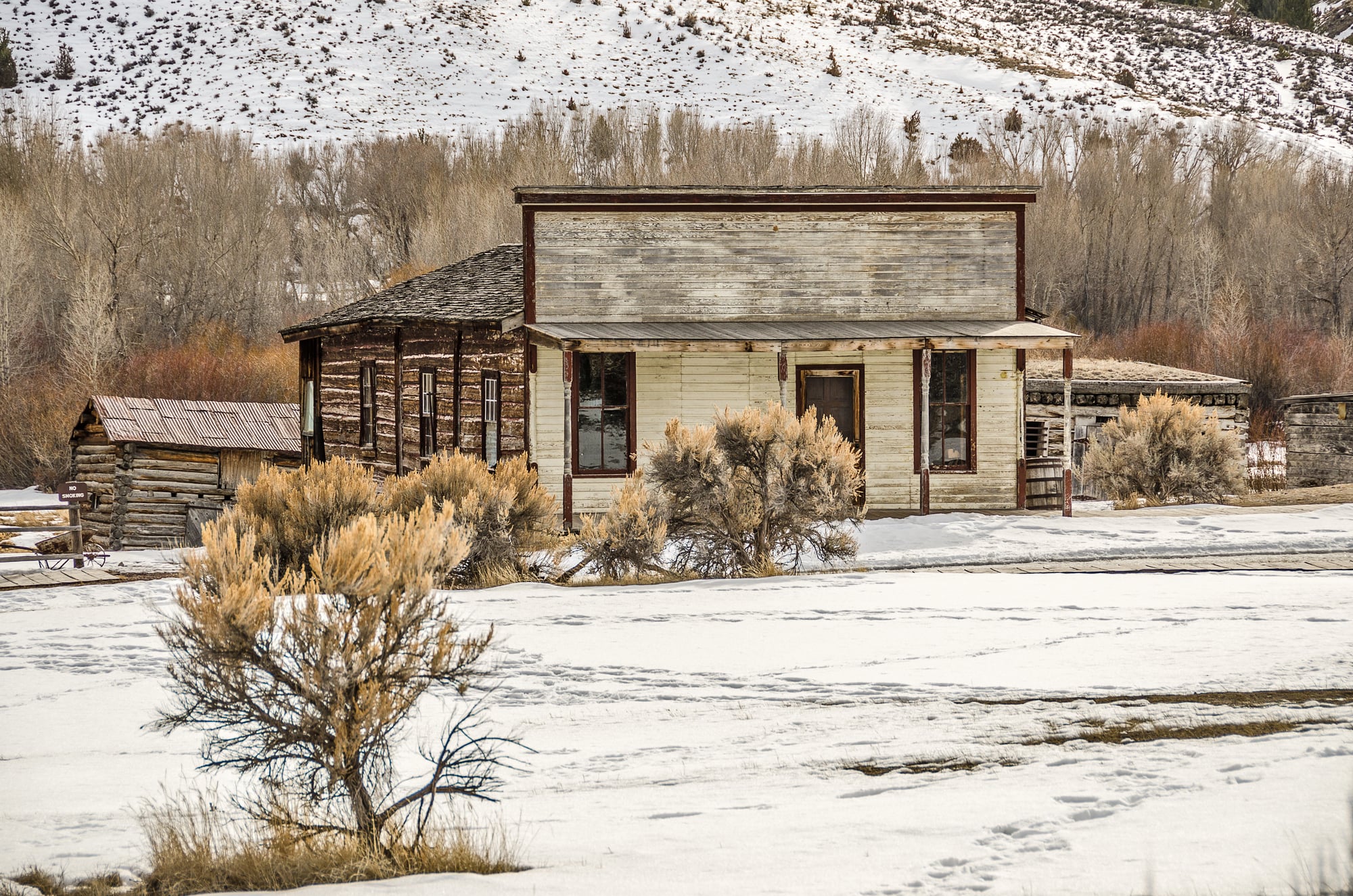
Montana’s Bannack State Park preserves the state’s first territorial capital in the kind of suspended animation that makes ghost towns into outdoor museums. Gold discovery in 1862 created this place overnight — one day empty prairie, the next day a town full of miners, merchants, and the usual frontier collection of dreamers and desperados.
The boom lasted barely a decade before richer strikes elsewhere drew people away, leaving Bannack to the wind and weather. What survived is a complete frontier town: the hotel where travelers once stayed, the church where they prayed, the jail where they sobered up, and dozens of other buildings that tell the whole story of a place that burned bright and brief.
The preservation is almost too complete — walking down the main street feels like trespassing on a movie set between takes. But the isolation is real enough.
Bannack sits alone in a valley where the only sounds are wind through broken windows and your own footsteps on wooden sidewalks that echo differently when nobody else is listening.
When Silence Becomes The Story
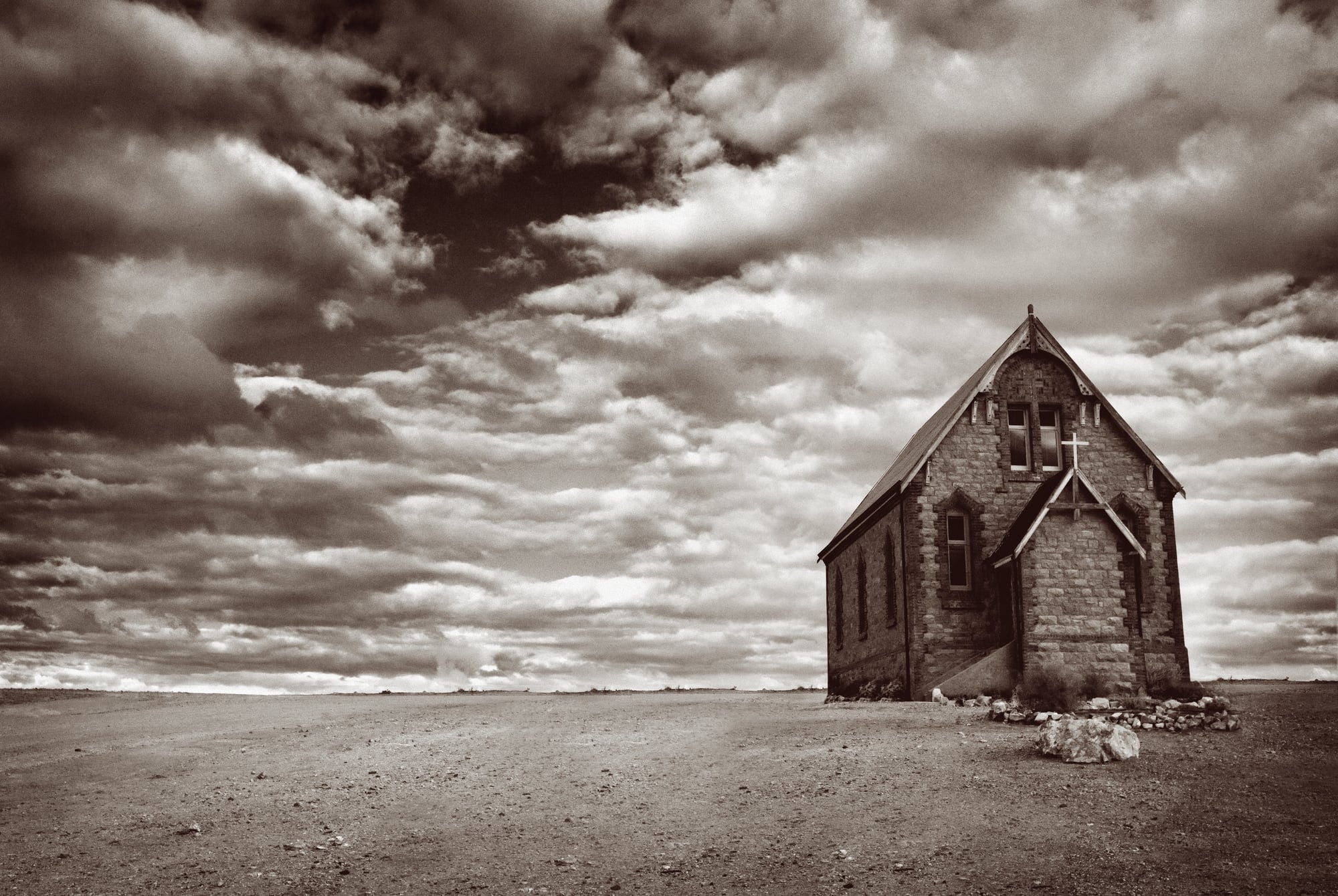
These places haunt us because they prove impermanence. Every ghost town was once someone’s entire world — their job, their neighbors, their future stretching ahead like a promise the landscape couldn’t keep.
The buildings remain as evidence of that faith, weathering into reminders that nothing lasts as long as we think it will when we’re busy living it.
More from Go2Tutors!

- The Romanov Crown Jewels and Their Tragic Fate
- 13 Historical Mysteries That Science Still Can’t Solve
- Famous Hoaxes That Fooled the World for Years
- 15 Child Stars with Tragic Adult Lives
- 16 Famous Jewelry Pieces in History
Like Go2Tutors’s content? Follow us on MSN.



