18 Iconic Final Jeopardy! Questions Asked
Final Jeopardy has delivered some of the most heart-stopping moments in television game show history. Whether it’s a champion’s streak coming to an abrupt end or all three contestants scratching their heads in bewilderment, these final clues have created television gold for decades.
From questions that stumped legendary champions to triple stumpers that left even Alex Trebek speechless, the Final Jeopardy round consistently proves that knowledge under pressure is a whole different challenge. Here’s a list of 18 iconic Final Jeopardy questions that have shaped the show’s most unforgettable moments and become part of television folklore.
The Question That Ended Ken Jennings’ Historic Run

After 74 consecutive wins and over $2.5 million in earnings, Ken Jennings faced his Final Jeopardy fate on November 30, 2004. The category was “Business & Industry,” and the clue read: “Most of this firm’s 70,000 seasonal white-collar employees work only four months a year.” Jennings incorrectly responded “What is FedEx?” when the correct answer was H&R Block. This single question ended the most dominant run in game show history, proving that even the greatest champions aren’t invincible.
Amy Schneider’s Shakespeare Stumble
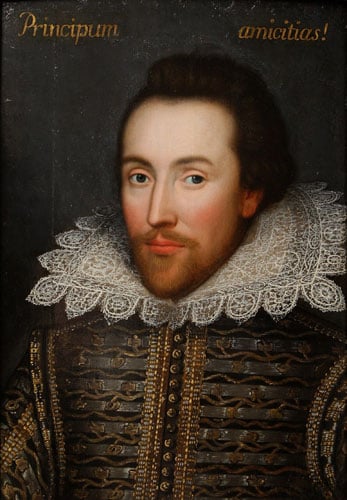
Amy Schneider’s remarkable 40-game winning streak came to an end with a Shakespeare question that proved too tricky. The Final Jeopardy category was “Shakespeare’s Contemporaries,” with the clue: “Much Ado About Nothing contains the balcony scene between these two characters.” Schneider wrote “Who are Beatrice & Benedick?” but misspelled Benedict as “Benedick.” The judges ruled this phonetically incorrect since Benedict is a distinctly different name, costing her the game. Talk about brutal.
James Holzhauer’s Literary Last Stand
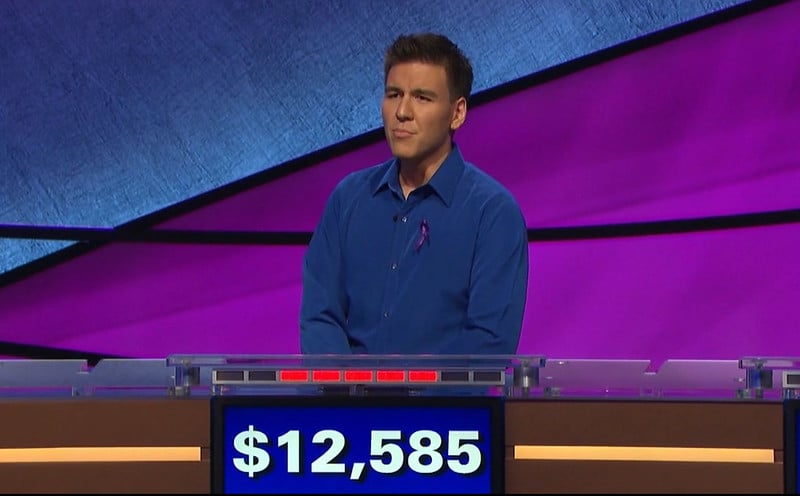
The high-stakes gambler James Holzhauer saw his record-breaking streak end after 32 games with a question about Elizabethan playwrights. The category was “Authors” and the clue stated: “Born in the same year as Shakespeare, this playwright wrote ‘Doctor Faustus’ and was killed at age 29.” The correct response was Christopher Marlowe, but Holzhauer trailed going into Final Jeopardy and needed his opponent Emma Boettcher to miss. She didn’t.
The $1 Winner That Broke the System
On October 12, 2017, one of the most bizarre outcomes in Jeopardy history occurred when the winner walked away with just $1. All three contestants missed the Final Jeopardy question about Iran being the only country that borders both the Caspian Sea and the Persian Gulf. The wild wagering left the winner with a single dollar while the “losers” actually took home more money in consolation prizes than the champion. Sometimes the rules create stranger outcomes than any scriptwriter could imagine.
The Iran Geography Triple Stumper
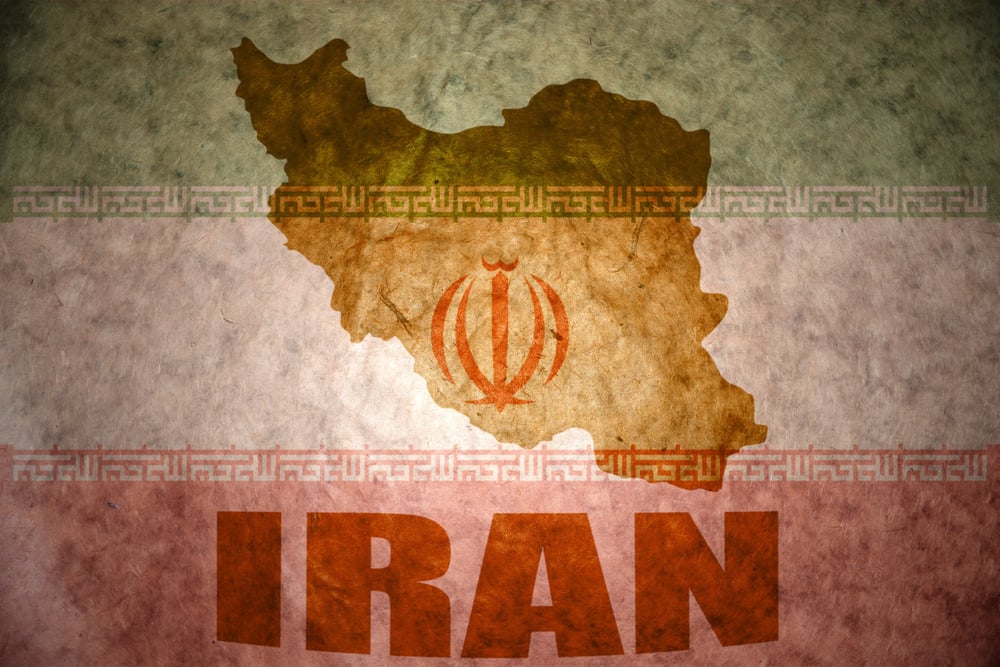
Building on that infamous $1 game, this geography question about Iran stumped everyone on stage. The clue seemed straightforward enough: “It’s the only country that borders both the Caspian Sea and the Persian Gulf.” All three contestants failed to identify Iran, leading to one of the most unusual prize distributions in the show’s history. Even seemingly simple geography can trip up the brightest minds under pressure.
Dr. Seuss and His Hat Collection
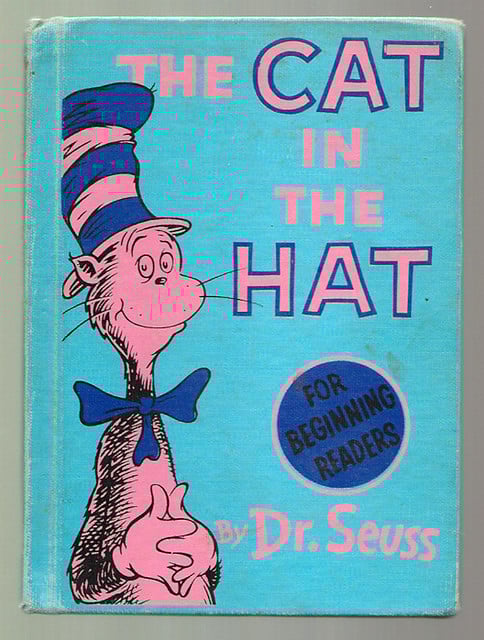
A charming literary clue about Dr. Seuss left all three contestants guessing incorrectly. The Final Jeopardy category was “Children’s Literature,” and the clue read: “In 1937 his sister said he had ‘hats of every description,’ which he would use as a ‘foundation of his next book.'” Despite Dr. Seuss being a household name, none of the contestants connected the dots between the hat collection and Theodore Geisel’s famous pen name. You’d think someone would have remembered ‘The Cat in the Hat.’
Hitler’s Timeline Stumper
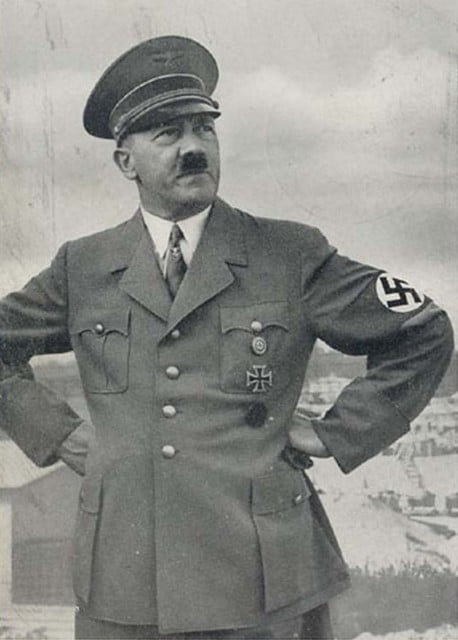
A historically significant but challenging clue about Adolf Hitler caught all contestants off guard. The category was “World Leaders,” and the clue stated: “He came to power 34 days before FDR and left it 19 days after him.” While many people know when World War II ended and when FDR died, calculating the exact timing of Hitler’s rise and fall relative to Roosevelt proved too complex for contestants working under the Final Jeopardy time constraint.
The Sports Nickname Triple Stumper

Two basketball-related Davids made headlines in 2014, but their similar names created confusion in Final Jeopardy. The clue read: “Both making news in June, these 2 Davids with similar last names are LeBron’s new coach and Eric Cantor’s conqueror.” The correct responses were David Blatt and David Brat. Still, the similarity of their surnames and the diverse contexts made this a challenging connection for all three contestants.
George Washington’s Greatest Enemy
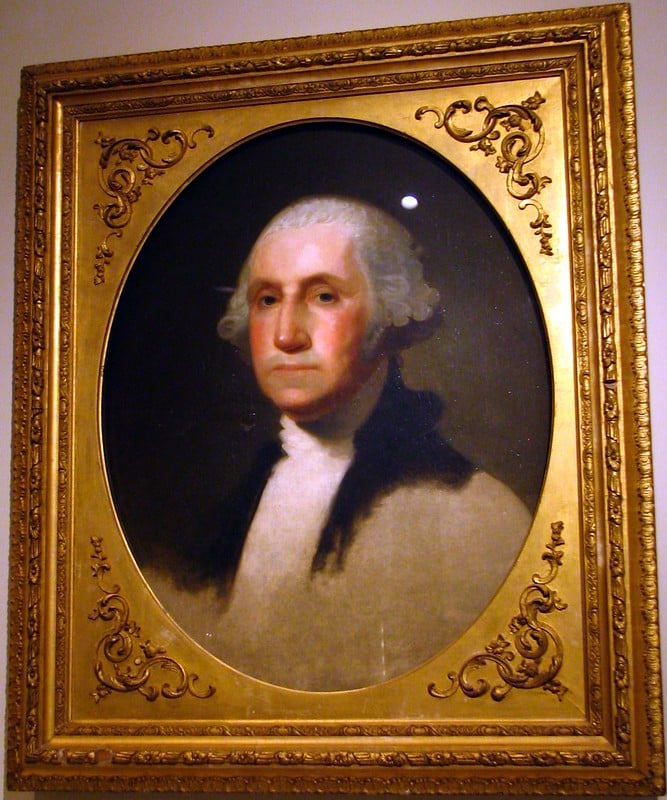
British military history provided another stumping question when contestants were asked about Britain’s greatest military enemy. The Final Jeopardy clue stated: “A 2012 poll by Britain’s national army museum voted this man, born in 1732, as the nation’s greatest military enemy.” The correct answer was George Washington, but contestants struggled to connect the birth year with the Revolutionary War leader who would later become America’s first president. Ironic, really.
The Dijon Mustard Mix-up

Food history proved challenging when all three contestants missed a question about French cuisine. The clue read: “A popular product was born when Jean Naigeon of this city substituted the juice of unripe grapes for vinegar.”
The answer was Dijon, referring to the famous mustard, but the historical context and specific details about grape juice replacing vinegar made this culinary connection too obscure for the contestants.
Barbra Streisand’s Broadway Streak
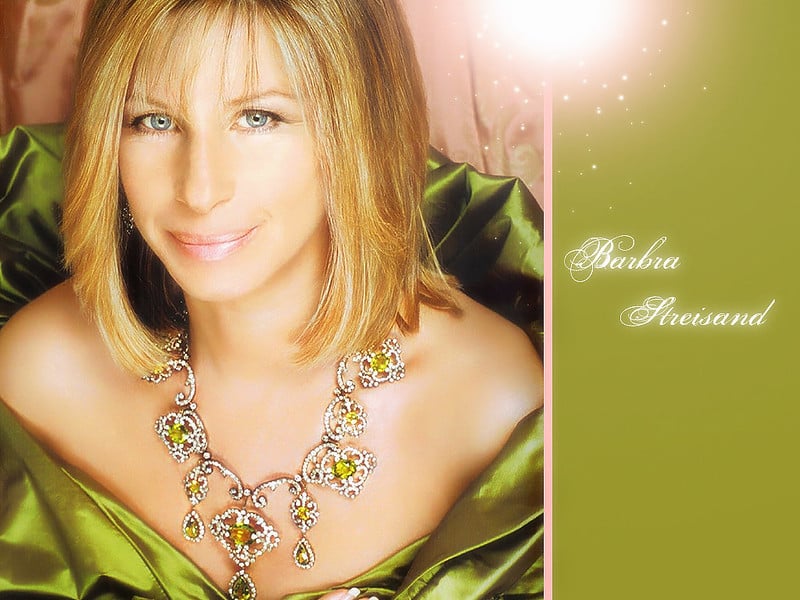
The Final Jeopardy contestants were baffled by entertainment trivia about Broadway legend Barbra Streisand. Despite Streisand’s enormous fame, the contestants were unaware of her specific Broadway background and the years of her Tony nominations. The clue read: “Although she has appeared in only 2 Broadway musicals, she got Tony nominations for both, for 1962 and 1964.” Even for fans of entertainment, Broadway trivia can be surprisingly detailed.
The Flight Simulator Solution

All three contestants found a 1929 question about aviation safety technology to be overly specific. The flight simulator was the right answer to the Final Jeopardy clue, which stated, “This machine was invented in 1929; the government began buying them to help prevent any more in a series of Army Air Corps fatalities.” However, relating the invention date to the Army Air Corps safety initiative required knowledge beyond general aviation history.
Social Security’s Independence Day

Another triple stumper was prompted by a query concerning particular dates and government bureaucracy. The answer to the clue was the Social Security Administration: “On August 15, 1994, 59 years and 1 day after FDR signed the original act, Bill Clinton made this an independent agency.” Even so, a thorough understanding of government operations was necessary to determine the precise timeline and comprehend the administrative transition from FDR to Clinton.
The Black Swan Discovery
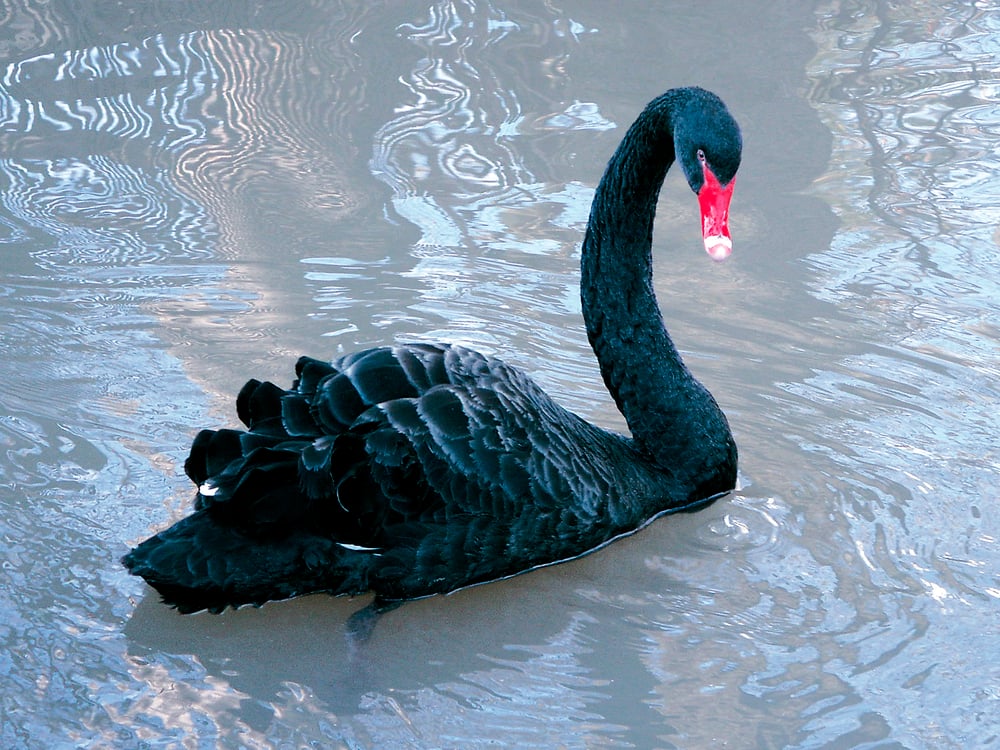
A question concerning a well-known book and Australian wildlife that combines scientific and literary knowledge. The Final Jeopardy clue was, “The title subject of a 2007 bestseller, it was discovered in Australia where today it’s a state emblem.” The right answer was the black swan, which was a reference to the seminal book by Nassim Nicholas Taleb, but the contestants found it difficult to relate the book to Australian natural history.
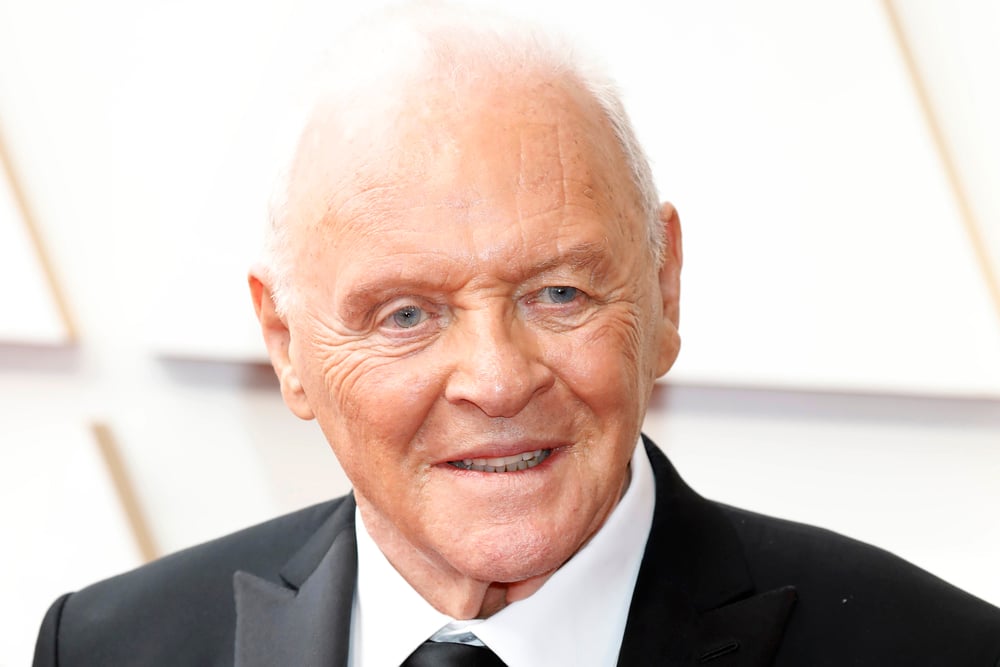
Anthony Hopkins’ Presidential Roles
— Photo by Jean_Nelson
All of the contestants were left speechless by a difficult entertainment question concerning Academy Award nominations. Anthony Hopkins, who played Richard Nixon and John Quincy Adams, was the answer to the clue, which read, “This Brit is the only actor to get Oscar nominations for playing two real-life U.S. Presidents, both for 1990s films.” However, the decade’s specificity and the need to identify both presidential roles made this too challenging.
The Medieval Japan Property Puzzle

For contemporary contestants, a question concerning the social structure of feudal Japan proved difficult. Contestants guessed shogun and daimyo, but the right answer was samurai, illustrating how historical terminology can be misleading. The Final Jeopardy category was “Medieval Asia,” and the clue read: “Though it means ‘one who serves,’ in medieval Japan, it was a property holder who received rent from serfs.”
The Tivoli Gardens Tourism Question
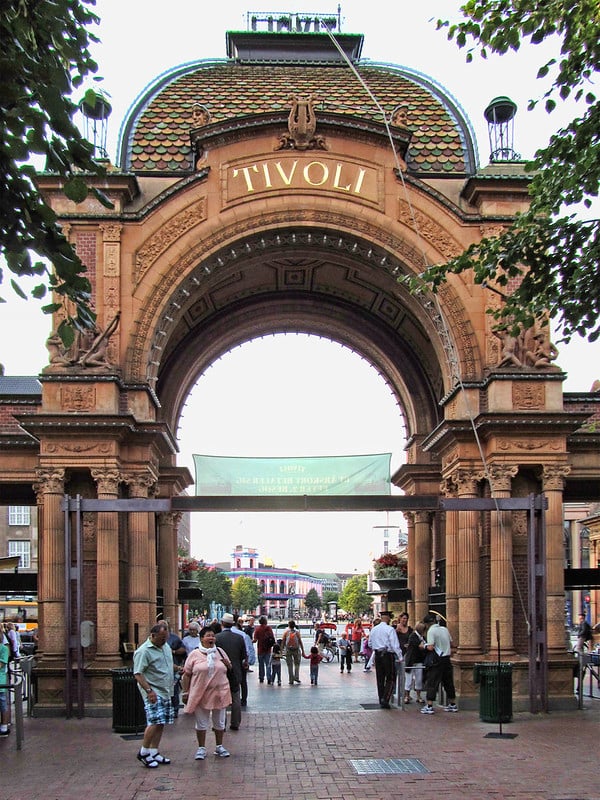
When asked about a well-known attraction, contestants were baffled by European tourism history. The clue for the Final Jeopardy category, “European Tourist Attractions,” was: “Opened in 1843, it was frequented by Hans Christian Andersen & Walt Disney, who both found inspiration there.” The right answer was Tivoli Gardens in Copenhagen, but competitors had trouble relating the entertainment and literary icons to the particular Danish attraction.
The Kinky Boots Comedy
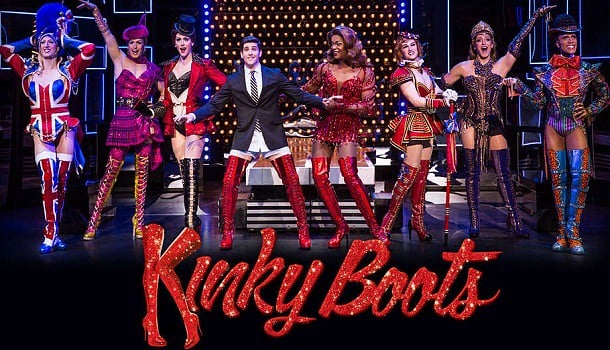
Sometimes wrong answers become as memorable as correct ones, as happened with one contestant’s hilariously incorrect response. The Final Jeopardy clue was: “A Christian hymn and a Jewish holiday hymn are both titled this, also the name of a 2009 Tony-nominated musical.” Contestant Choyon Manjrekar confidently wrote “What is Kinky Boots?” instead of the correct “Rock of Ages,” creating one of the most amusing wrong answers in the show’s history.
When Knowledge Meets Legacy
These 18 Final Jeopardy questions represent more than just trivia stumpers—they’re snapshots of moments when even the most brilliant minds hit their limits. Whether ending legendary streaks or creating unexpected outcomes, each question has contributed to the rich tapestry of television game show history. The beauty of Final Jeopardy lies not just in knowing the answer, but in understanding that sometimes the most iconic moments come from getting it spectacularly wrong.
More from Go2Tutors!

- 16 Historical Figures Who Were Nothing Like You Think
- 12 Things Sold in the 80s That Are Now Illegal
- 15 VHS Tapes That Could Be Worth Thousands
- 17 Historical “What Ifs” That Would Have Changed Everything
- 18 TV Shows That Vanished Without a Finale
Like Go2Tutors’s content? Follow us on MSN.



