Facts About Ancient Silk Road Trade Stops
Standing at the crossroads of continents, ancient merchants once gathered in bustling marketplaces where languages blended like spices in the air. The Silk Road wasn’t just a single path but a vast network of trade routes connecting East and West for over 1,500 years.
These weren’t merely rest stops for weary travelers — they were vibrant cultural melting pots where ideas, technologies, and goods transformed civilizations. The cities that emerged along these routes became some of the most cosmopolitan places on Earth, each developing its own character while serving as vital links in humanity’s first global economy. Their stories reveal how commerce shaped culture and how geography became destiny.
Samarkand
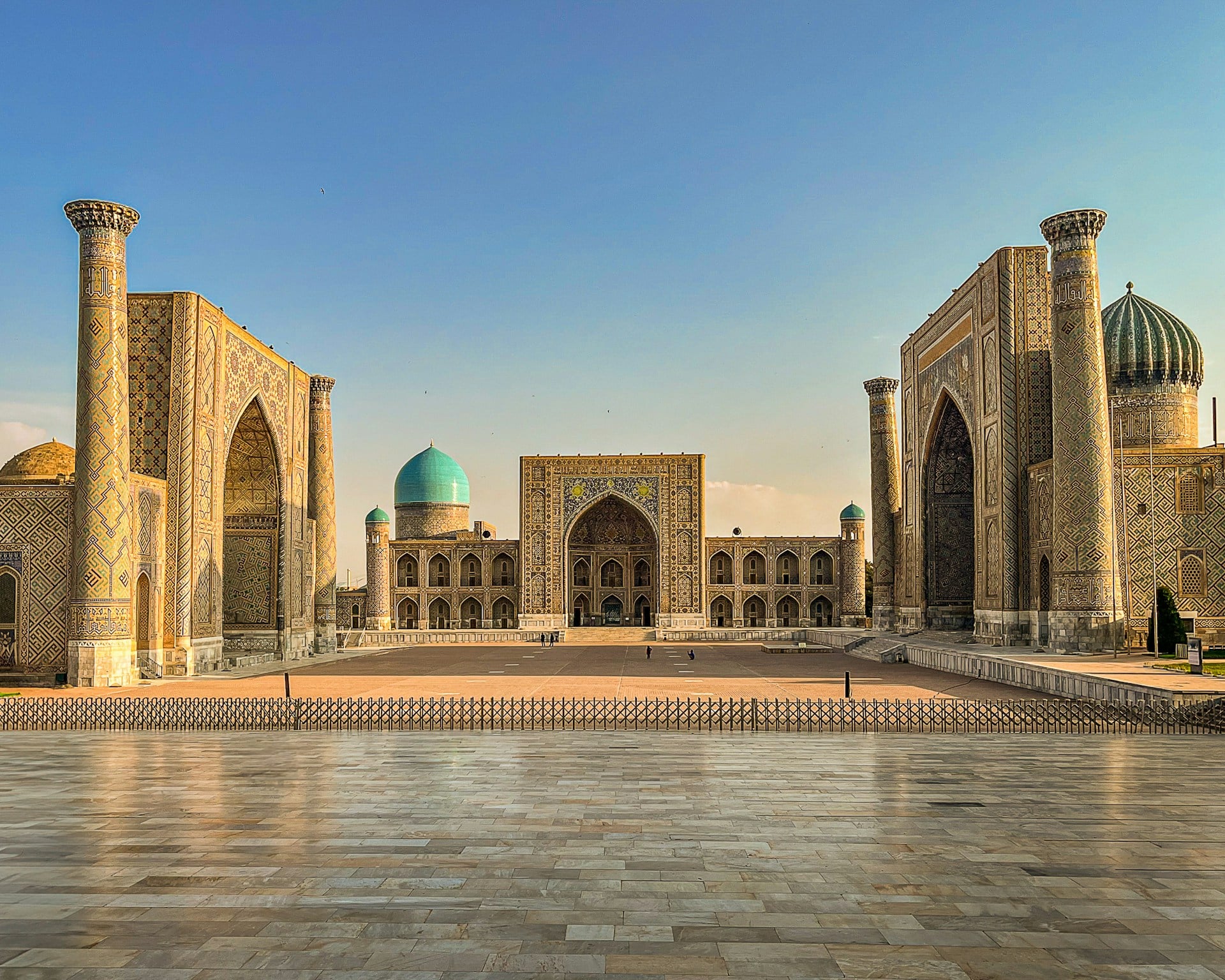
Samarkand didn’t just host traders — it seduced them. The city’s blue-tiled mosques and astronomical observatories made it clear that this wasn’t some dusty outpost but a center of learning and power. Merchants arrived planning a brief stop and ended up staying for months.
The Registan, Samarkand’s central square, functioned as the beating heart of Central Asian trade. Here, silk from China met glassware from Venice while scholars debated mathematics in Arabic, Persian, and Turkic languages. Timur made this his capital in the 14th century, transforming it into an architectural marvel that still draws visitors today.
Bukhara
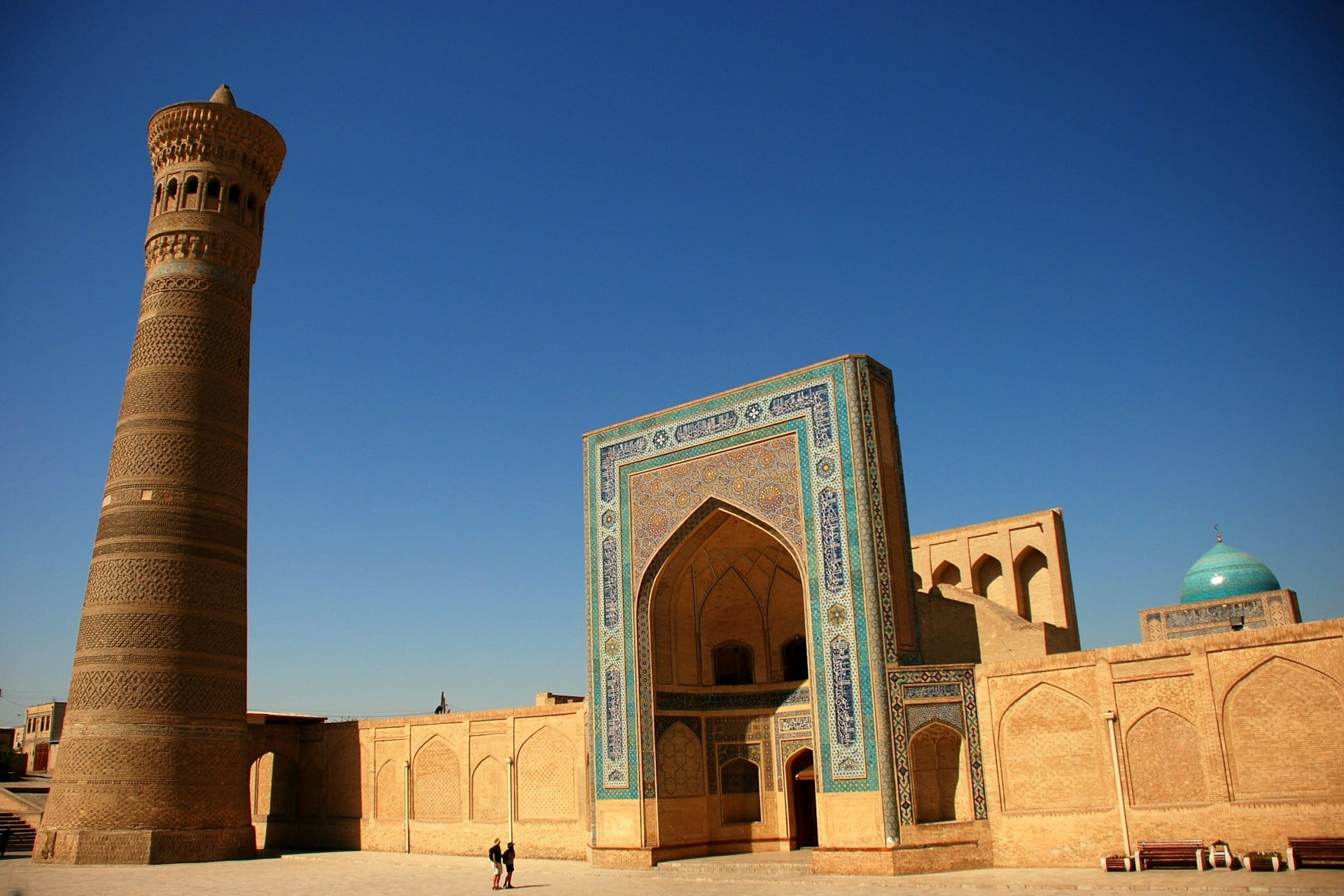
Think of Bukhara as the Wall Street of medieval Central Asia — except instead of trading stocks, merchants dealt in silk, spices, and precious stones. This city perfected the art of commerce with its covered bazaars and sophisticated banking systems. Persian and Arab merchants established trade houses here that operated across continents.
The city’s nickname, “Noble Bukhara,” wasn’t just flattery. Its madrasas produced some of the Islamic world’s greatest scholars, including the physician and philosopher Ibn Sina (Avicenna). When traders rested between journeys, they found themselves in a place where intellectual pursuits rivaled commercial ones — a combination that made Bukhara irresistible to ambitious minds seeking both profit and knowledge.
Xi’an
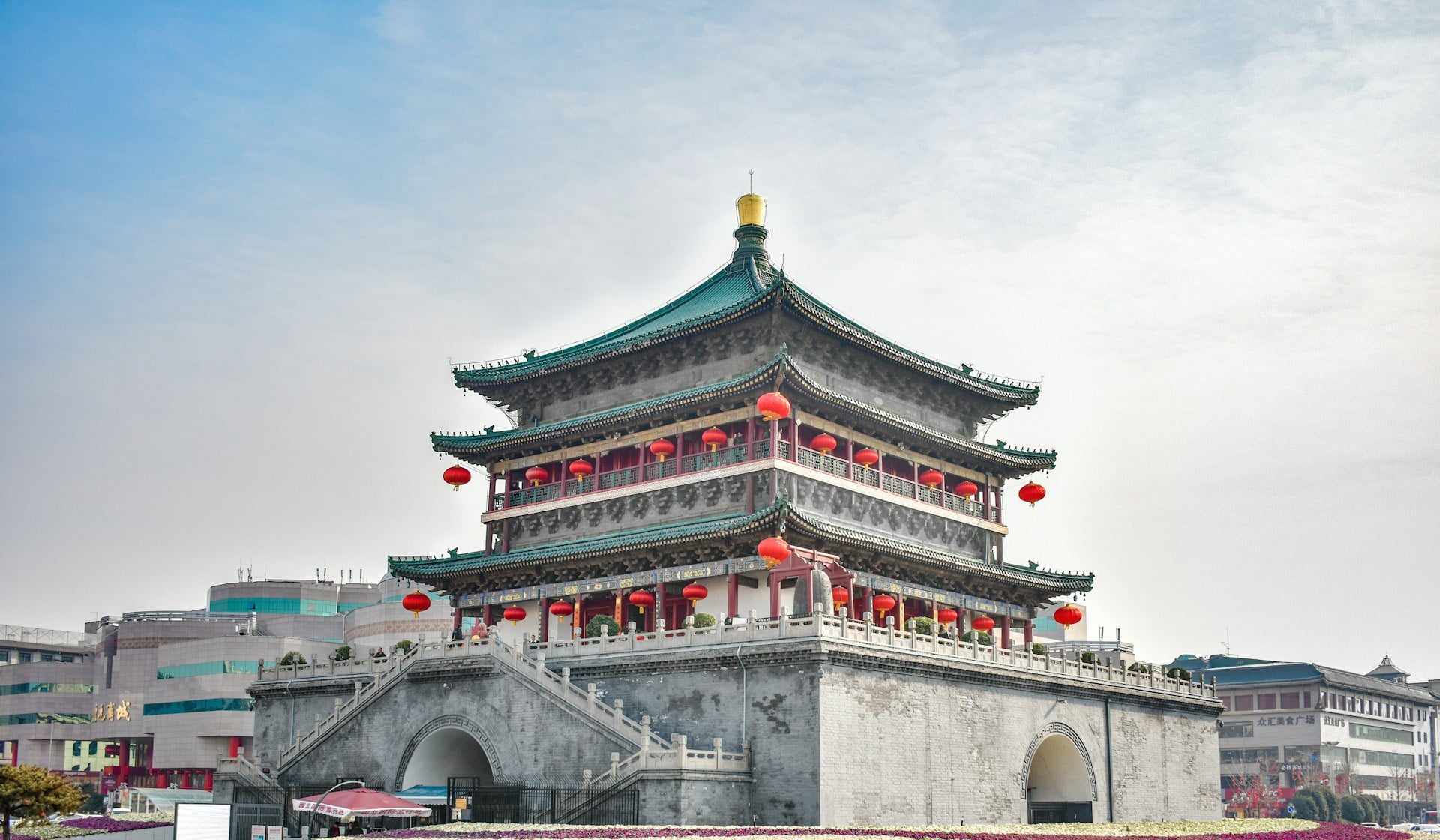
Before Xi’an became famous for its terracotta warriors, it served as the eastern terminus of the Silk Road under the name Chang’an. As the Tang Dynasty capital, it was possibly the world’s largest city, with over one million residents. Foreign merchants weren’t just visitors here — they were neighbors.
The city’s Western Market buzzed with activity as Chinese silk traders negotiated with Persian carpet dealers and Central Asian horse breeders. Tang emperors welcomed foreign merchants, artisans, and diplomats, creating a cosmopolitan atmosphere that influenced everything from cuisine to fashion. The city’s Buddhist temples and Taoist monasteries sat alongside Zoroastrian fire temples and Christian churches.
Kashgar
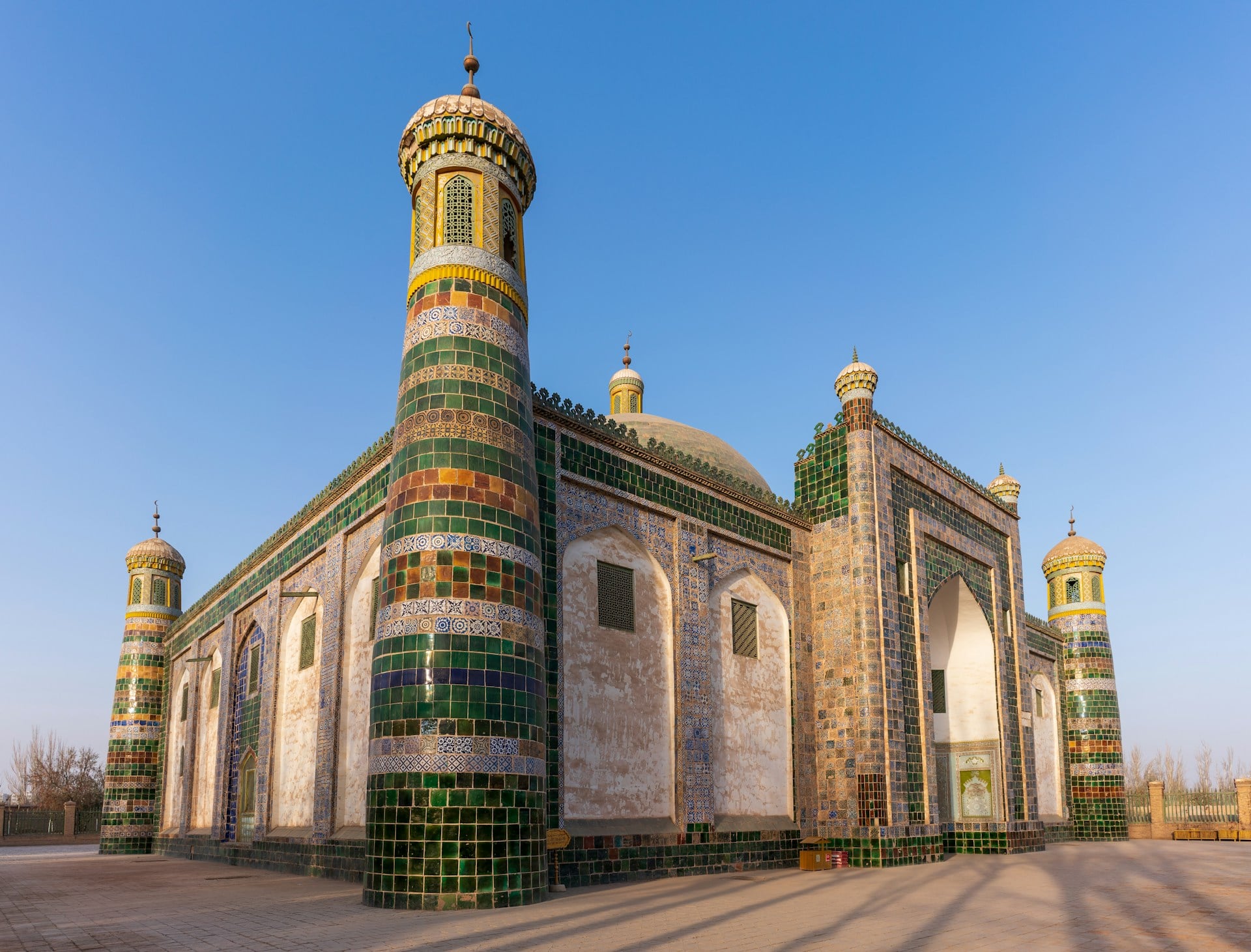
Kashgar mastered the art of the strategic location. Sitting at the crossroads where northern and southern Silk Road routes reconnected, every caravan had to pass through this oasis city. Geography made it wealthy, but culture made it unforgettable.
The Sunday Market in Kashgar became legendary among traders — not just for its size (which could accommodate 100,000 people) but for its diversity. Here, Uyghur merchants sold jade from nearby mountains while Tibetan traders offered yak wool and Indian dealers displayed precious stones. The market’s cacophony of languages created its own lingua franca, a pidgin tongue that allowed deals to happen across cultural divides. Even today, Kashgar’s old city retains the maze-like character that once sheltered merchants and their precious cargo.
Baghdad
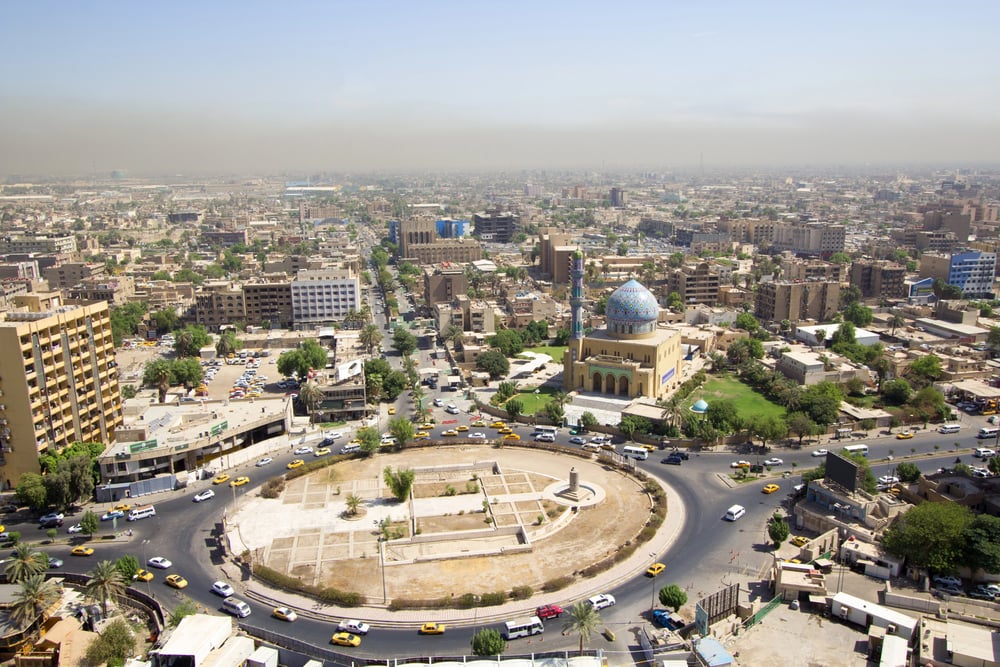
Baghdad’s rise reads like a carefully orchestrated plan to dominate global trade — because that’s exactly what it was. Founded by the Abbasid Caliph al-Mansur in 762 CE, the city was strategically positioned on the Tigris River, creating a natural highway for goods moving between Asia and Europe while placing it at the heart of the fertile Mesopotamian plain. But the Abbasids weren’t content with just geographic advantages; they systematically cultivated Baghdad as an intellectual powerhouse, establishing the House of Wisdom where scholars translated and preserved Greek, Persian, and Indian texts (while merchants negotiated deals in the courtyards outside). The city’s circular design wasn’t just aesthetic — it reflected a worldview that placed Baghdad at the center of civilization, and for several centuries, that wasn’t far from the truth.
So when Silk Road caravans arrived dusty and travel-worn, they found themselves in a city that had anticipated their every need: banks that understood letters of credit, interpreters who spoke their languages, and craftsmen who could repair anything from Chinese porcelain to Indian steel.
Damascus
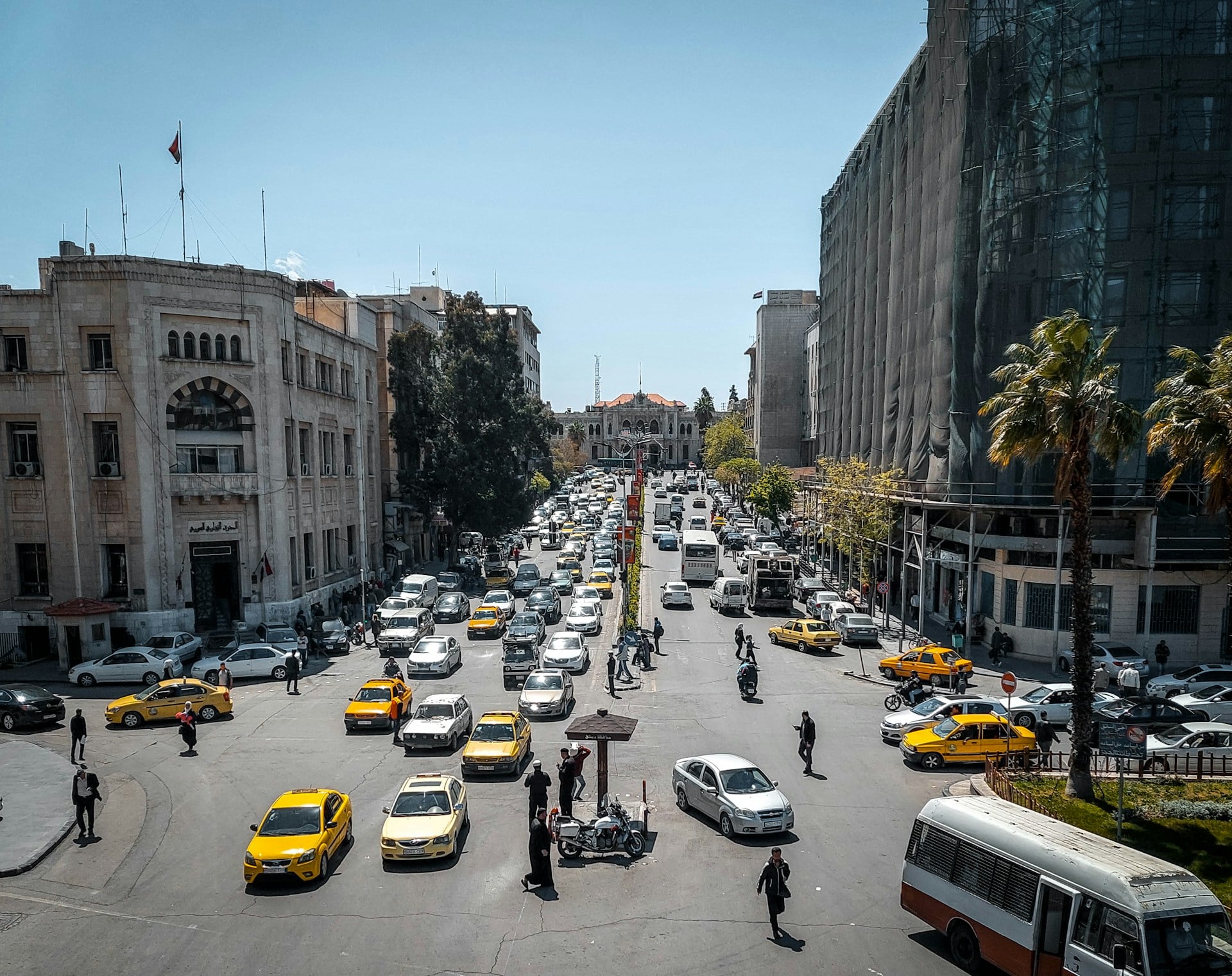
The phrase “road to Damascus” carries weight for good reason. This city didn’t just witness transformations — it specialized in them. Syrian artisans took Chinese silk and turned it into patterns that made European nobility swoon. They perfected Damascus steel, a metallurgy technique so advanced that modern scientists still debate how it was accomplished.
Damascus steel became the gold standard for weapons across three continents. Crusader knights coveted Damascus blades, while Mongol warriors traveled thousands of miles to acquire them. The secret lay not just in Syrian craftsmanship but in raw materials: Indian wootz steel refined with techniques learned from Persian masters, creating a fusion that epitomized Silk Road innovation.
Tashkent
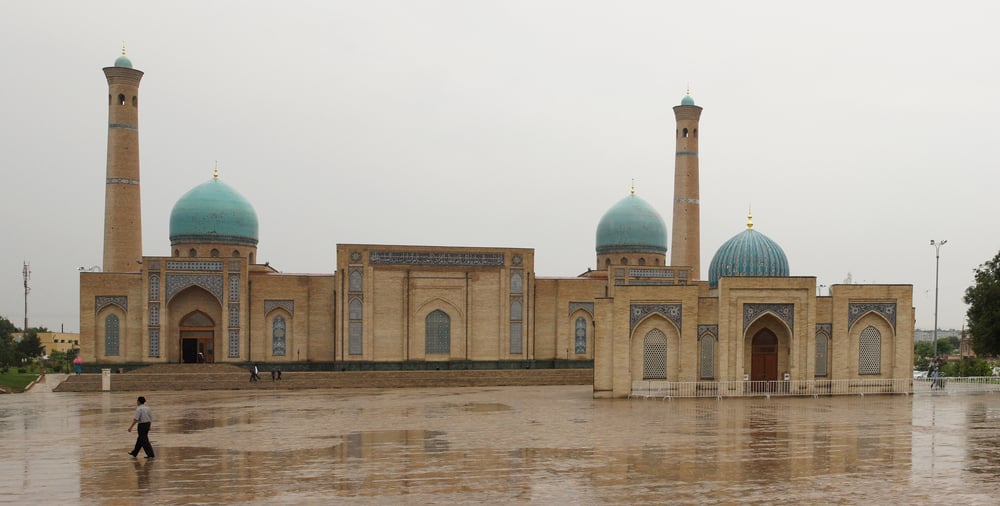
Tashkent operated as the Silk Road’s logistics headquarters. While other cities specialized in luxury goods or intellectual pursuits, Tashkent solved practical problems. Its location at the foothills of the Tian Shan mountains made it the natural assembly point for caravans heading into China’s challenging western territories.
The city developed sophisticated systems for managing large-scale trade expeditions. Caravanserai here weren’t just places to sleep — they were business centers where merchants formed partnerships, pooled resources, and hired guides who knew mountain passes and desert routes. Tashkent’s bazaars specialized in travel necessities: sturdy boots, weatherproof clothing, preserved foods, and most importantly, reliable camels and horses bred for long-distance travel.
Merv

Merv’s story reads like a cautionary tale about the fragility of prosperity, but for centuries it was one of the world’s great cities. Located in what’s now Turkmenistan, Merv controlled the routes between Iran and Central Asia. The city’s engineers mastered irrigation on a scale that supported a population rivaling Baghdad or Constantinople.
What made Merv special wasn’t just its size but its role as a manufacturing center. The city’s workshops produced some of the finest textiles on the Silk Road — fabrics so prized that they carried premium prices from London to Beijing. Merv’s artisans developed dyeing techniques that created colors other cities couldn’t match, particularly a deep blue that became known as “Merv blue” in markets across Europe and Asia. And then the Mongols arrived in 1221, and within days, one of humanity’s great cities became a memory.
Trebizond
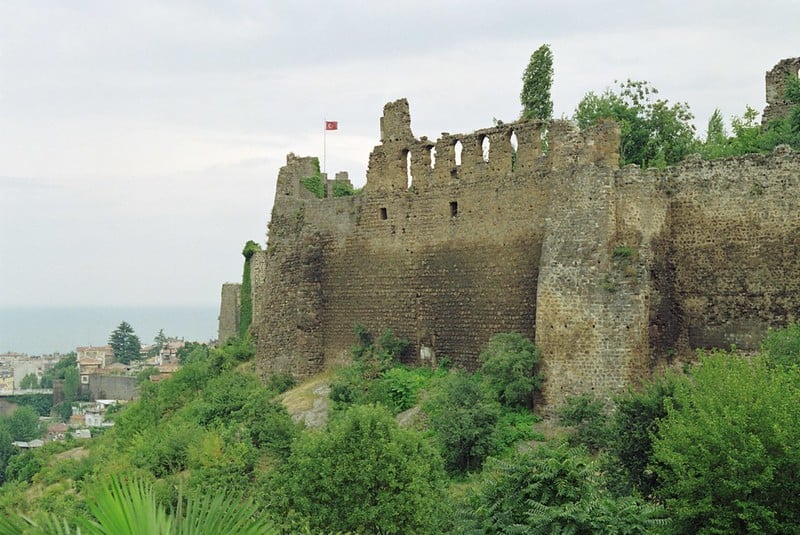
Trebizond turned geographic limitation into commercial advantage. Perched on the Black Sea coast where the Pontic Mountains meet the water, the city couldn’t accommodate the massive caravans that other Silk Road stops handled. Instead, it became the place where land routes met sea routes — where Asian goods bound for Europe switched from camel caravans to merchant ships.
This transition point role made Trebizond incredibly wealthy but also culturally unique. The city developed into a cosmopolitan port where Genoese sea captains negotiated with Persian caravan masters, and where goods from China were repackaged for European markets. Byzantine emperors recognized Trebizond’s value, granting it special trading privileges that made it effectively independent long before it became the capital of its own empire in 1204.
Herat
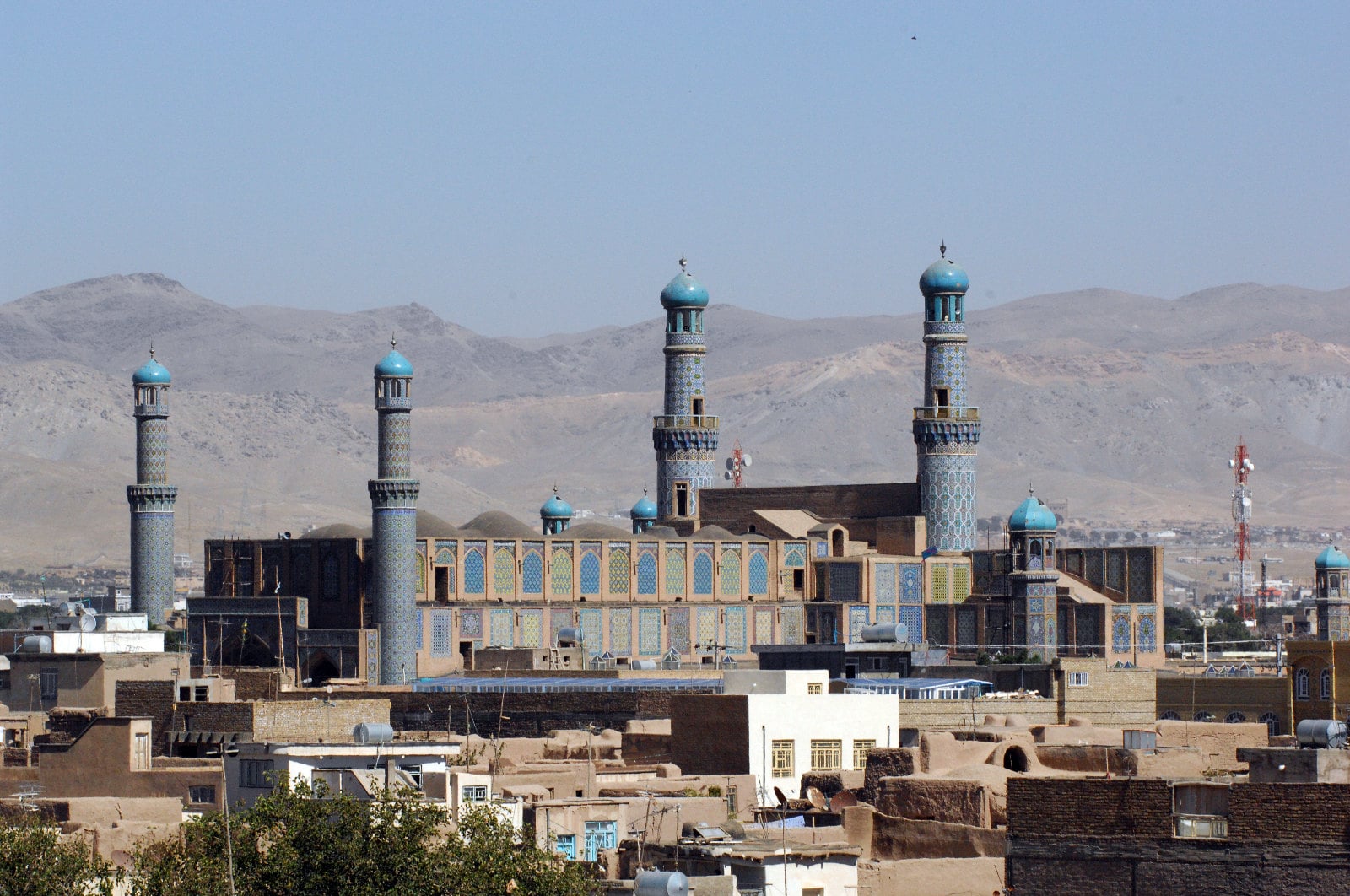
Herat specialized in the kind of luxury goods that made long-distance trade profitable: items small enough to carry but valuable enough to justify the journey. The city’s craftsmen became legendary for their work with precious metals and gems, creating jewelry and decorative objects that were coveted from Venice to Beijing.
But Herat’s real innovation was its approach to artistic fusion. Local artisans didn’t just copy Chinese or Persian styles — they synthesized them, creating new forms that incorporated elements from across the Silk Road network. Herat carpets, for instance, used Chinese silk threads, Persian knotting techniques, and design motifs influenced by both Islamic calligraphy and Buddhist art. These weren’t just floor coverings; they were portable masterpieces that carried cultural DNA from across Eurasia.
Almaty
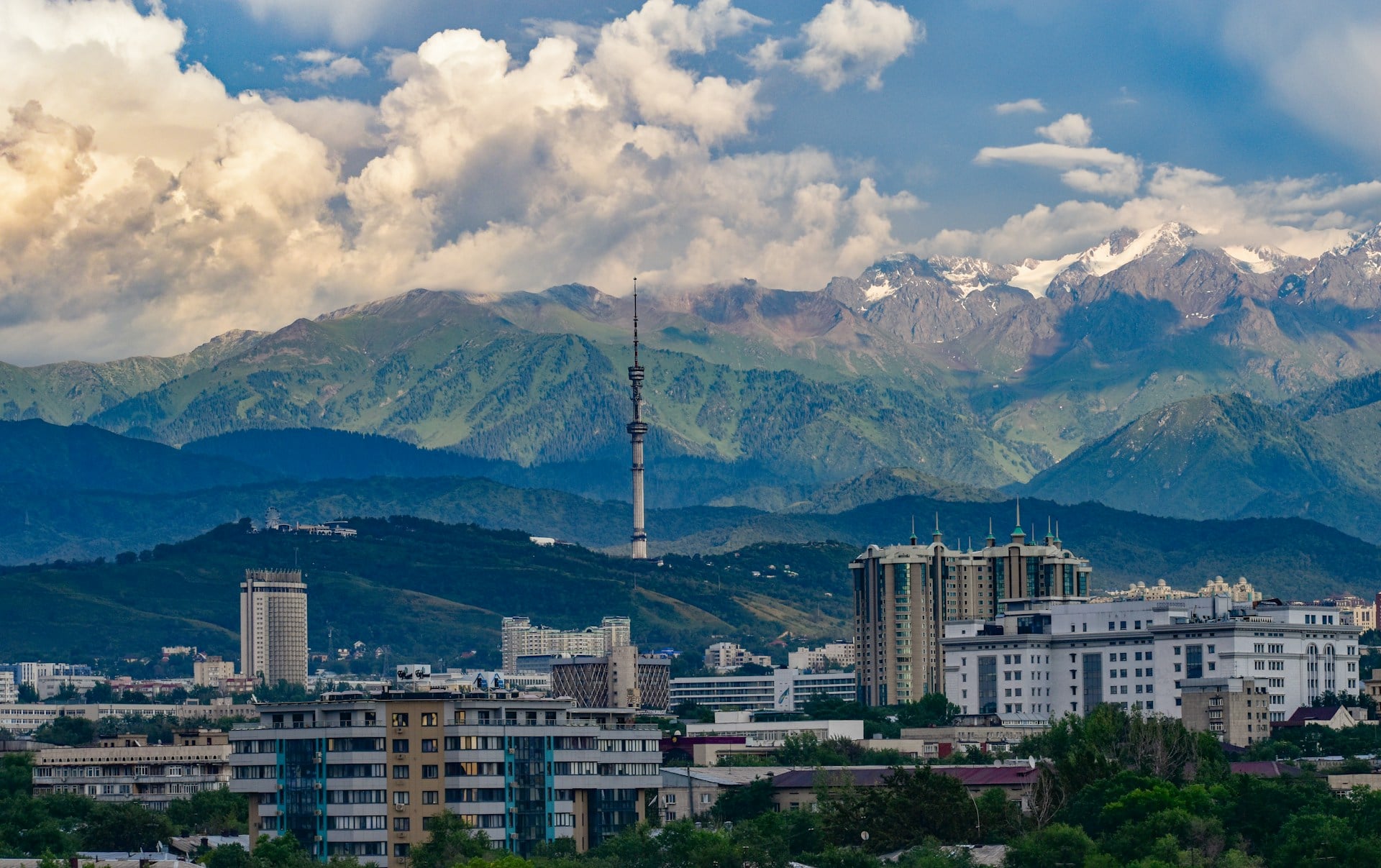
Before it became Kazakhstan’s modern commercial center, Almaty served the Silk Road as Alma-Ata, the “father of apples.” The city’s orchards didn’t just feed travelers — they gave the world one of its most important fruits. Genetic studies confirm that virtually all apple varieties trace their ancestry to the wild apples that still grow in the mountains around Almaty.
The city’s role went beyond fruit cultivation. Almaty sat at the intersection of routes heading toward China, Russia, and Central Asia, making it a natural hub for information as well as goods. Merchants gathered here to share intelligence about political conditions, weather patterns, and bandit activity along various routes. In an age before telecommunications, Almaty functioned as an early warning system for the entire northern Silk Road network.
Tabriz
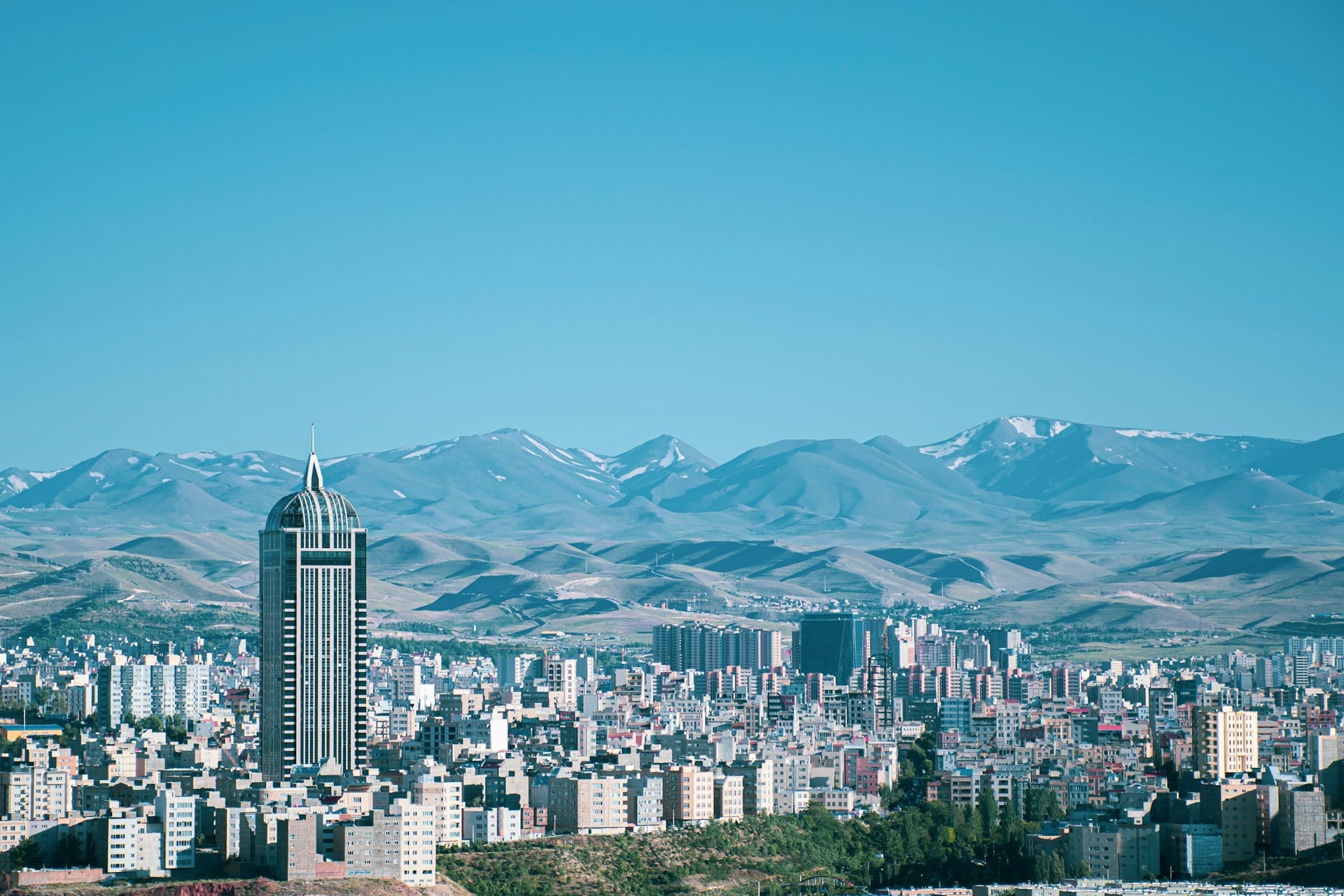
Tabriz understood something fundamental about international trade: control the money, control everything. The city emerged as the Silk Road’s banking capital, where Persian and Arab financiers developed sophisticated systems for moving value across continents without moving actual coins. Letters of credit issued in Tabriz were honored in markets from Seville to Shanghai.
This financial innovation made Tabriz incredibly powerful but also somewhat invisible. Unlike Samarkand’s architectural grandeur or Damascus’s famous steel, Tabriz’s influence operated behind the scenes. Merchants might spend weeks in the city and never see its most important transactions — deals struck in private meetings where Persian bankers arranged financing for trade expeditions they would never physically join but whose profits they would substantially share.
Konya
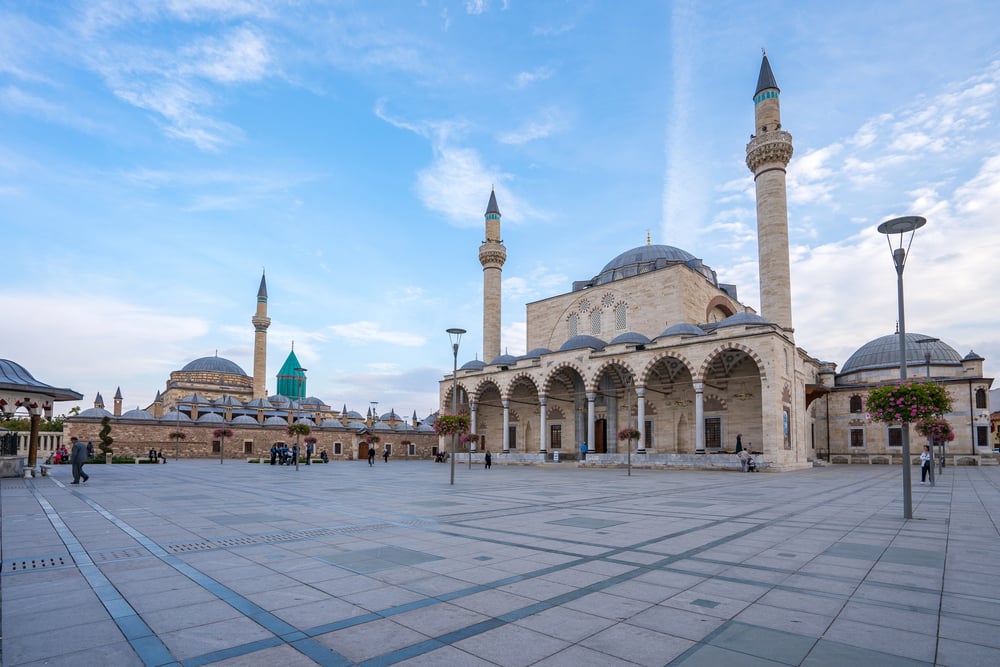
Konya’s Silk Road legacy intertwines with one of history’s most influential spiritual movements. As the home of Rumi and the whirling dervishes, the city became a pilgrimage destination that happened to sit on major trade routes. This combination created something unique: a commercial center with a profoundly spiritual atmosphere.
Merchants arrived expecting just another market town and discovered a place where Sufi poetry was discussed as seriously as commodity prices. The Mevlevi order, founded by Rumi’s followers, established lodges throughout the Silk Road network, creating a spiritual infrastructure that paralleled commercial routes. Travelers could journey from Istanbul to Central Asia staying in Sufi establishments, where they found not just accommodation but communities bound by shared mystical practices.
Constantinople
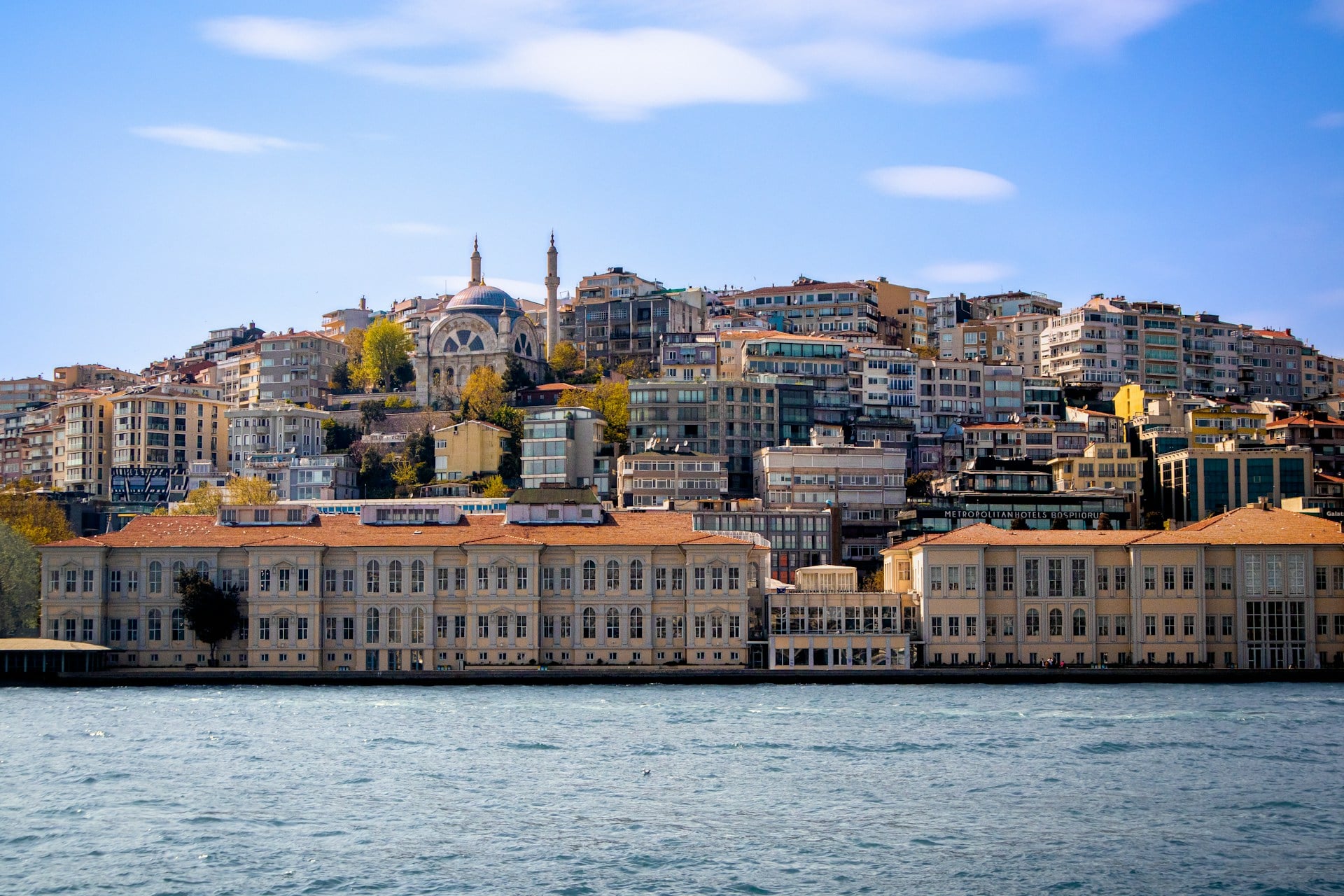
The city that controlled the Bosphorus controlled the flow between Europe and Asia. Constantinople didn’t just participate in Silk Road trade — it taxed it, regulated it, and ultimately transformed it. Byzantine emperors understood that their city’s location made them unavoidable middlemen in East-West commerce.
But Constantinople’s role went deeper than mere taxation. The city became the place where Asian goods were adapted for European markets and European innovations were prepared for Asian consumption. Byzantine craftsmen developed techniques for working with Chinese silk that influenced textile production across Europe. The city’s goldsmiths learned to set Asian pearls and gems in styles that appealed to European tastes, while its scholars translated technical and philosophical works that carried ideas along trade routes as surely as caravans carried goods.
Leaving More Than Footprints Behind
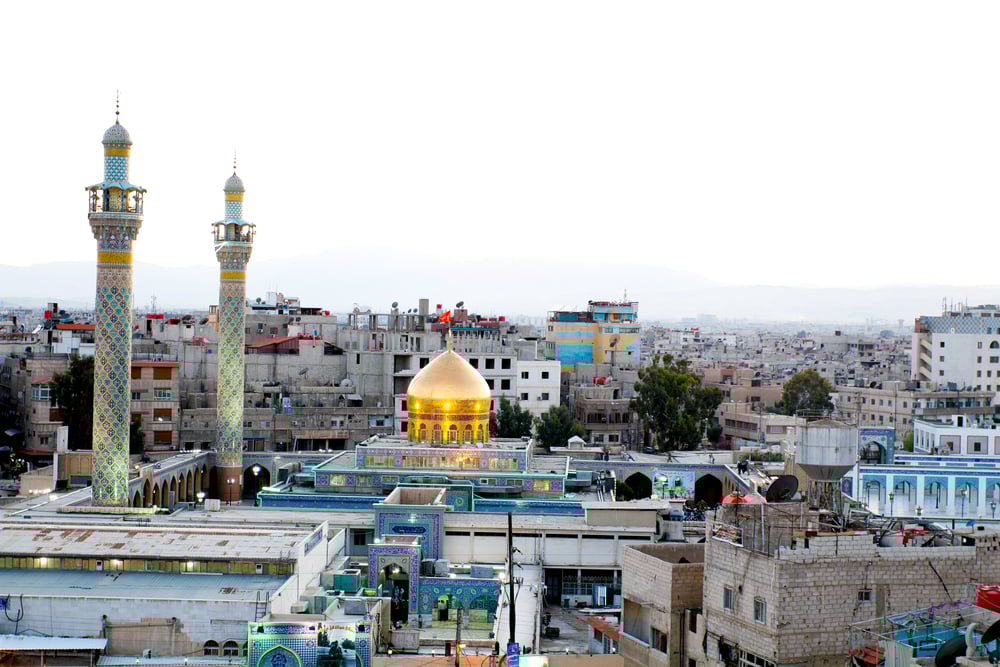
These ancient crossroads remind us that globalization isn’t new — just faster. The merchants who gathered in Samarkand’s markets and the craftsmen who perfected their arts in Damascus workshops were building the first truly international economy. They created networks of trust and exchange that survived empires and outlasted the routes themselves.
What they left behind goes beyond architectural wonders or archaeological artifacts. These cities pioneered the idea that prosperity comes not from isolation but from connection, not from cultural purity but from creative fusion. In our own interconnected age, their example suggests that the most vibrant places have always been those brave enough to welcome the world.
More from Go2Tutors!

- The Romanov Crown Jewels and Their Tragic Fate
- 13 Historical Mysteries That Science Still Can’t Solve
- Famous Hoaxes That Fooled the World for Years
- 15 Child Stars with Tragic Adult Lives
- 16 Famous Jewelry Pieces in History
Like Go2Tutors’s content? Follow us on MSN.