15 Cult Films That Bombed But Became Classics
Some of the most unforgettable movies are the ones that crashed spectacularly when they first reached theaters. Studios watched these films tank at the box office, wondering what went wrong with their investments.
Yet something remarkable happened after these supposed disasters left cinemas—audiences gradually discovered them and developed deep affection for what critics had dismissed. The passage of time transforms commercial failures into treasured gems. Here is a list of cult films that bombed at the box office but eventually became classics.
The Rocky Horror Picture Show
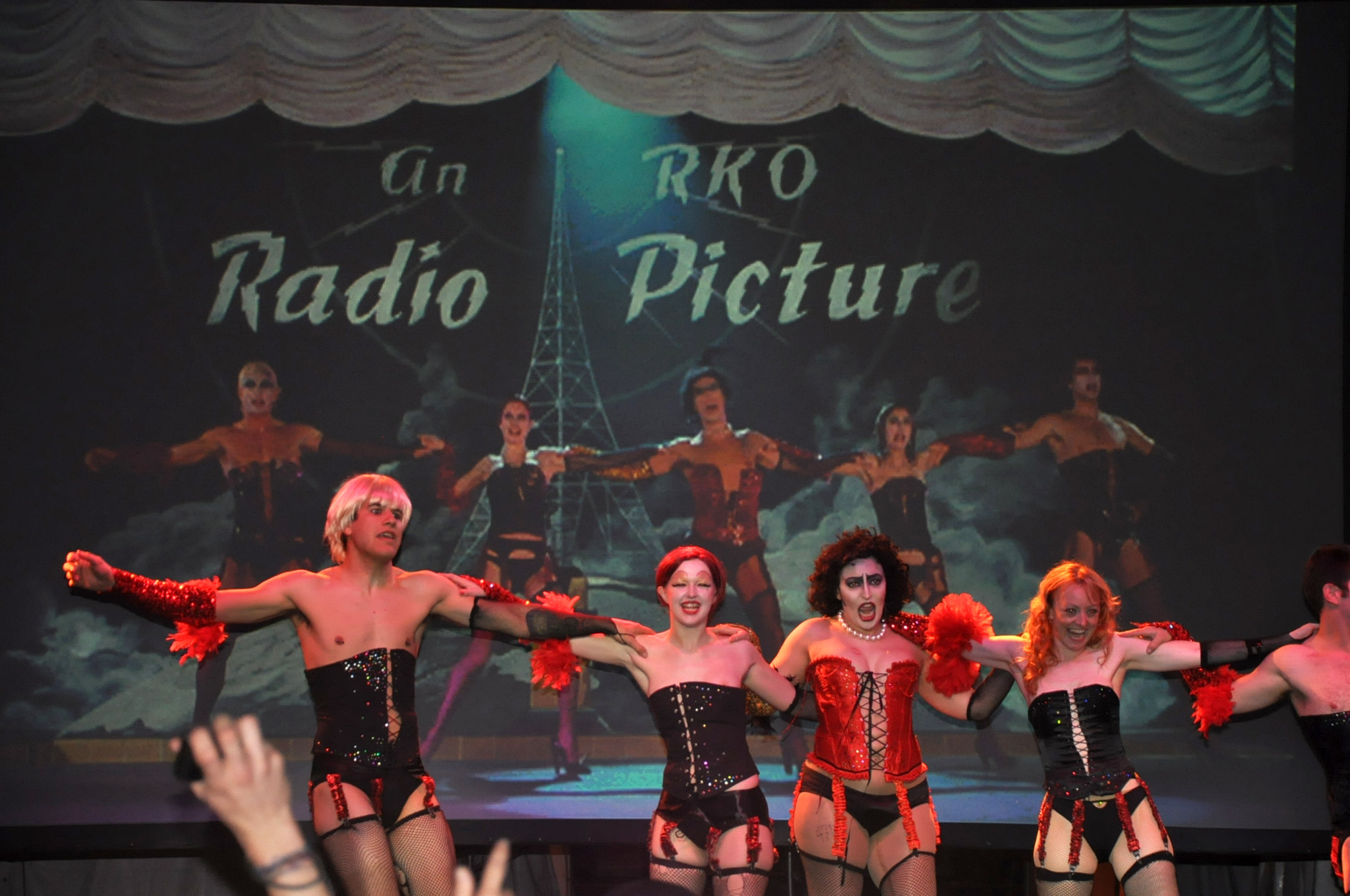
Tim Curry’s cross-dressing mad scientist couldn’t save this bizarre musical horror comedy from earning a paltry $21 million during its 1975 theatrical run. Mainstream audiences were completely baffled by the film’s outrageous camp aesthetic and couldn’t make heads or tails of what they were watching.
Midnight screenings changed everything though—turning this commercial disaster into the longest-running theatrical release in film history, with devoted fans dressing as characters and creating an interactive experience that’s lasted for decades.
Blade Runner
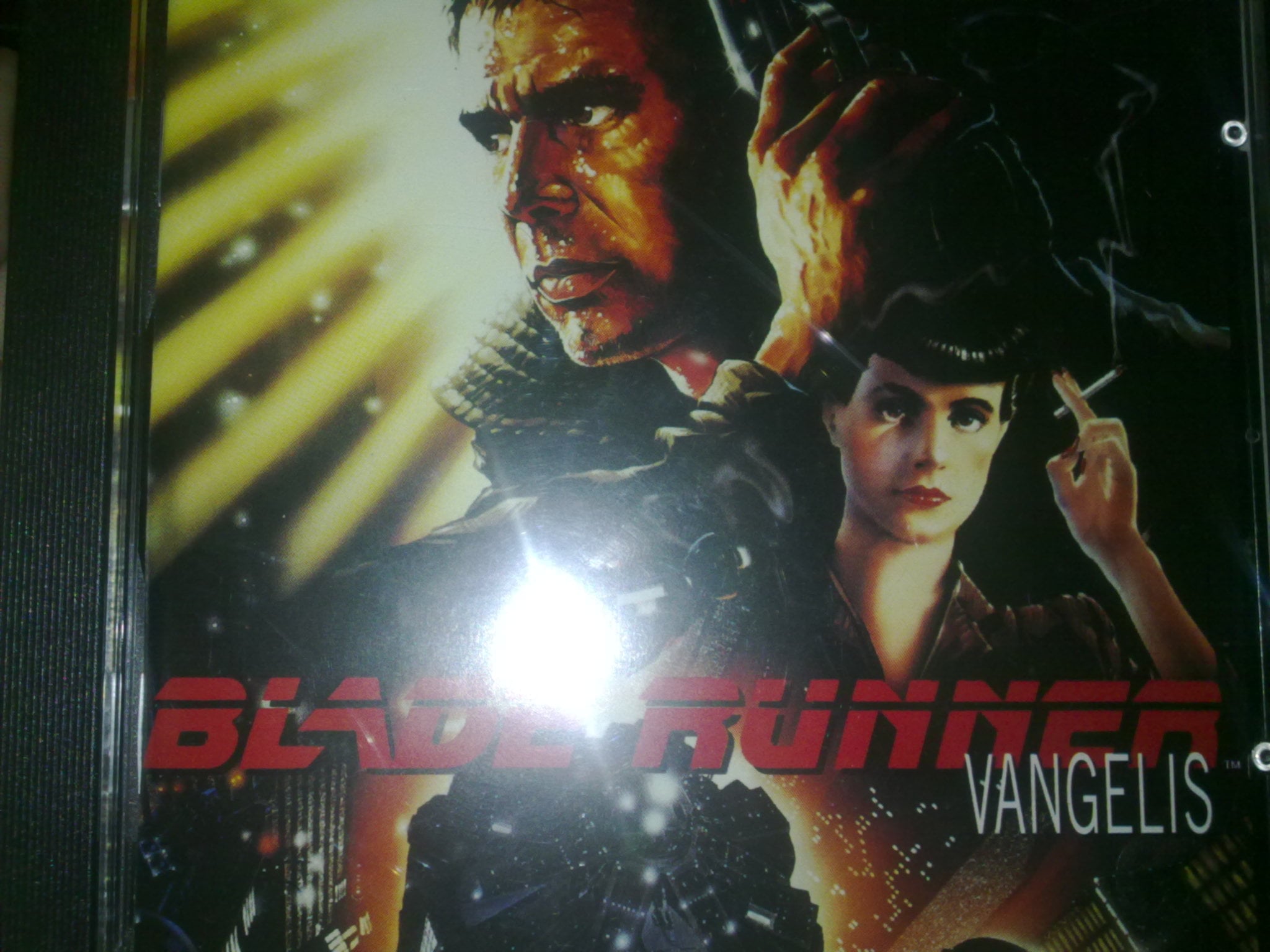
Ridley Scott’s cyberpunk vision barely squeaked past breaking even, making just $33 million against its $28 million budget in 1982. Critics dismissed it as sluggish and incomprehensible, while audiences who expected typical Harrison Ford action left theaters confused.
The film’s profound influence on cinema became impossible to ignore over the years—inspiring generations of filmmakers and creating the visual blueprint for futuristic noir that still dominates sci-fi aesthetics today.
The Shawshank Redemption
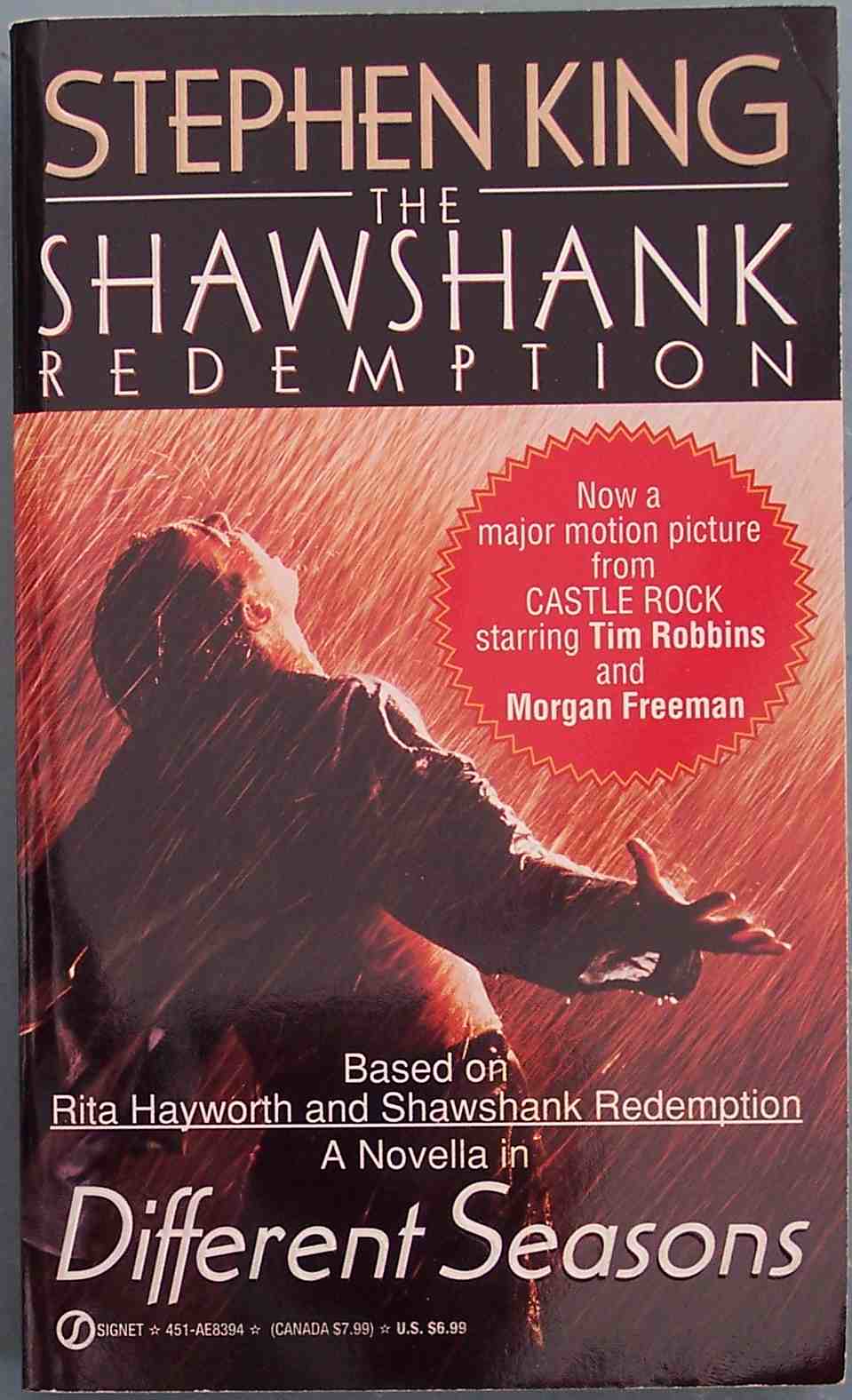
Even seven Academy Award nominations couldn’t help this prison drama, which managed only $16 million during its initial 1994 run. Forrest Gump and The Lion King dominated that year’s box office, leaving this quieter film struggling for attention.
Home video and cable TV broadcasts introduced the story to millions who’d missed it in theaters—eventually propelling it to the top spot on IMDb’s greatest movies ranking.
Donnie Darko
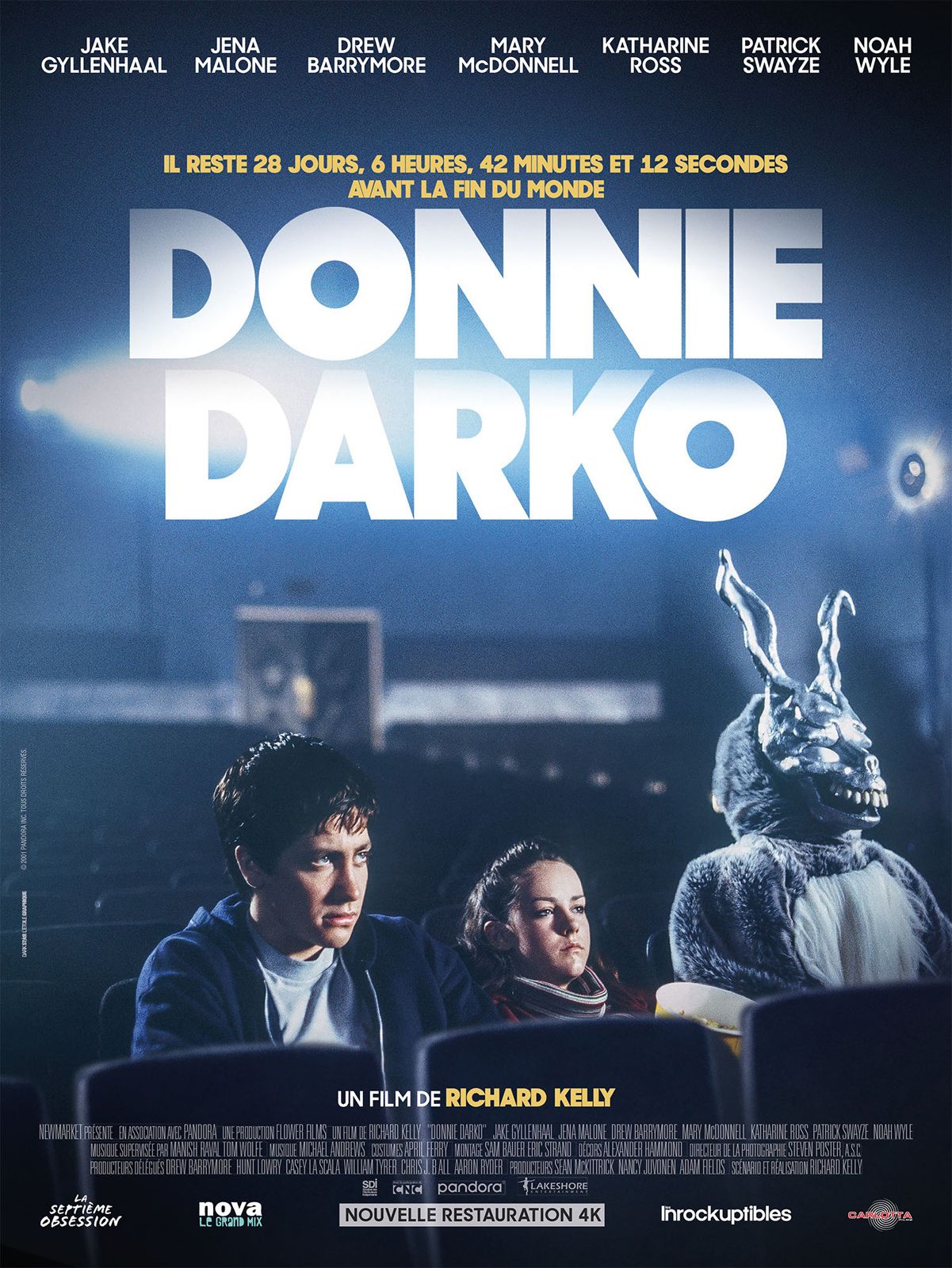
This mind-bending psychological thriller scraped together a mere $1.2 million at the box office in 2001, playing in fewer than 60 theaters nationwide. The complex time-travel narrative and surreal imagery left mainstream moviegoers scratching their heads.
College students discovered it on DVD though—transforming it into a cultural phenomenon that sparked endless online debates about its cryptic ending.
The Big Lebowski

The Coen Brothers’ stoner comedy disappointed everyone, earning just $17 million during its 1998 release. Critics found Jeff Bridges’ laid-back character tedious, while audiences thought the meandering plot went nowhere.
The film’s endlessly quotable dialogue slowly built a devoted following—leading to annual festivals where fans gather to celebrate ‘The Dude’ and his unconventional philosophy.
Fight Club
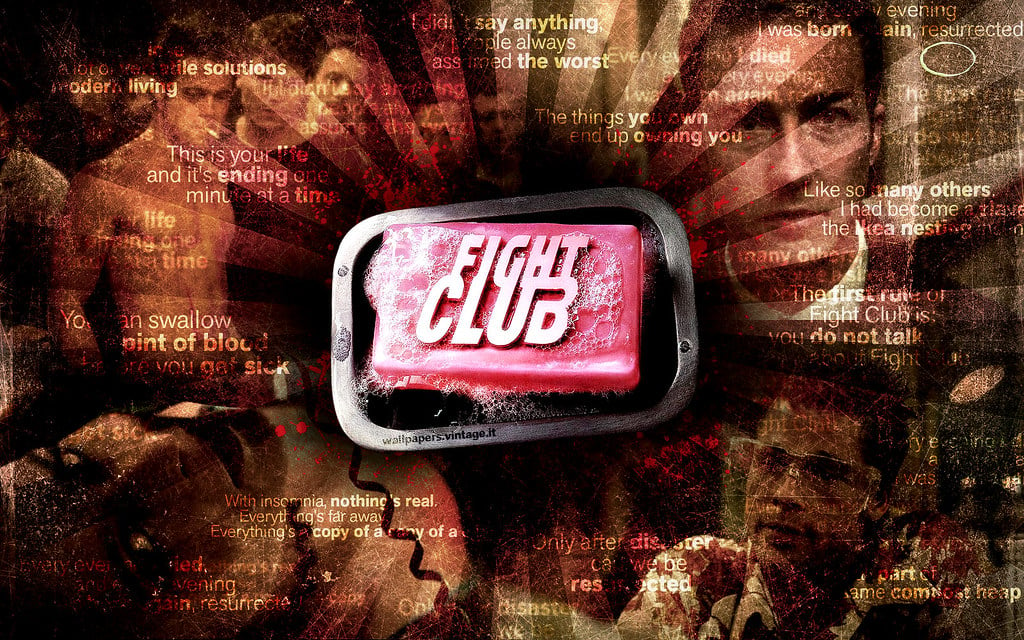
David Fincher’s dark examination of masculinity and consumer culture managed only $37 million domestically against its $63 million budget in 1999. Studio executives grew nervous about the film’s violent themes and anti-corporate messaging—severely limiting promotional efforts.
DVD sales and passionate word-of-mouth recommendations transformed it into a defining film for an entire generation, though its controversial themes remain divisive.
Office Space
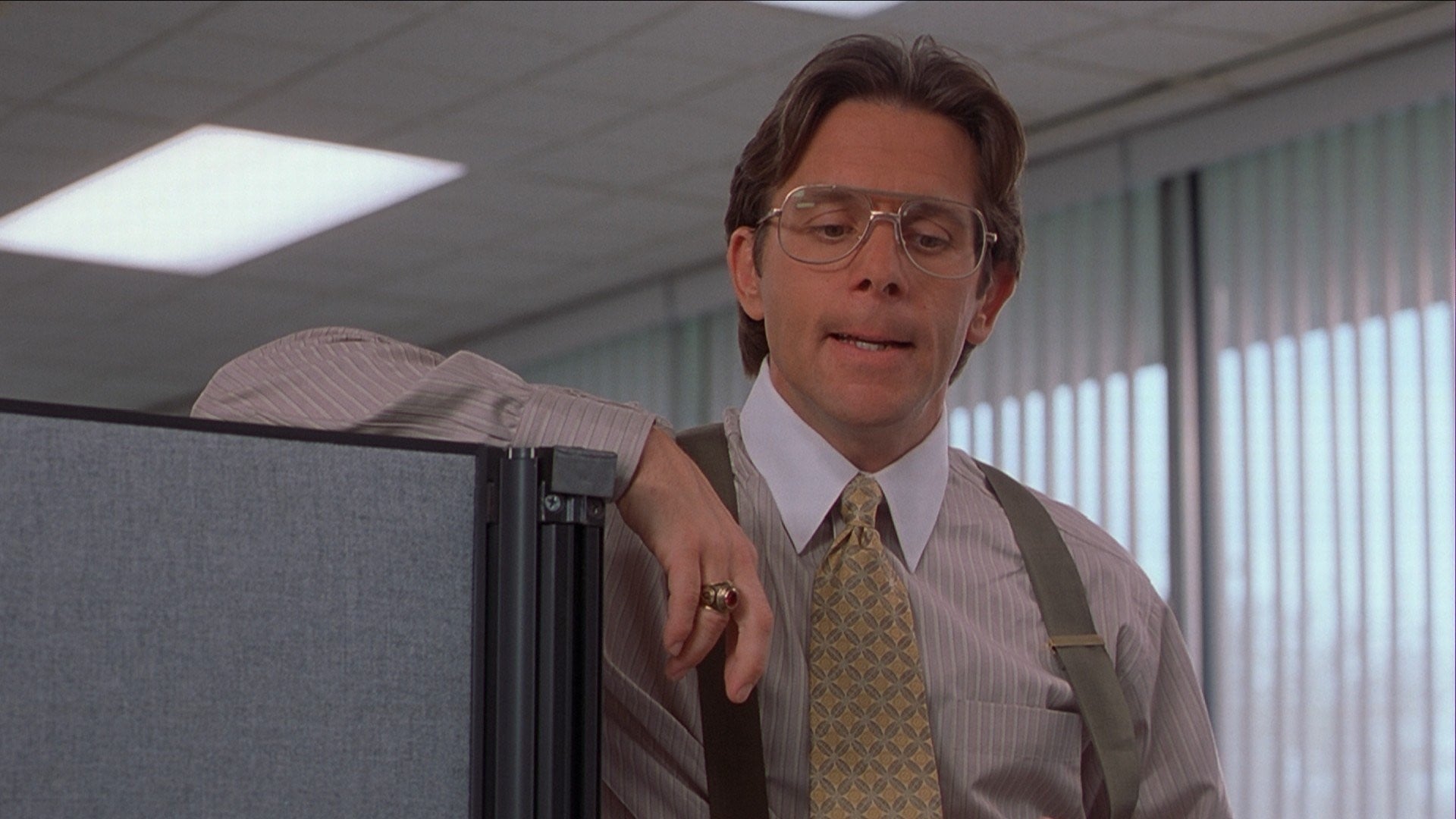
Mike Judge’s workplace satire earned a disappointing $12 million during its 1999 theatrical run—vanishing from most theaters within weeks. The deadpan humor and dreary office environments failed to attract moviegoers seeking broader comedy.
Cable television changed its fate completely, introducing millions of frustrated workers to Peter Gibbons and his corporate rebellion—making it the unofficial manifesto for cubicle culture.
The Princess Bride
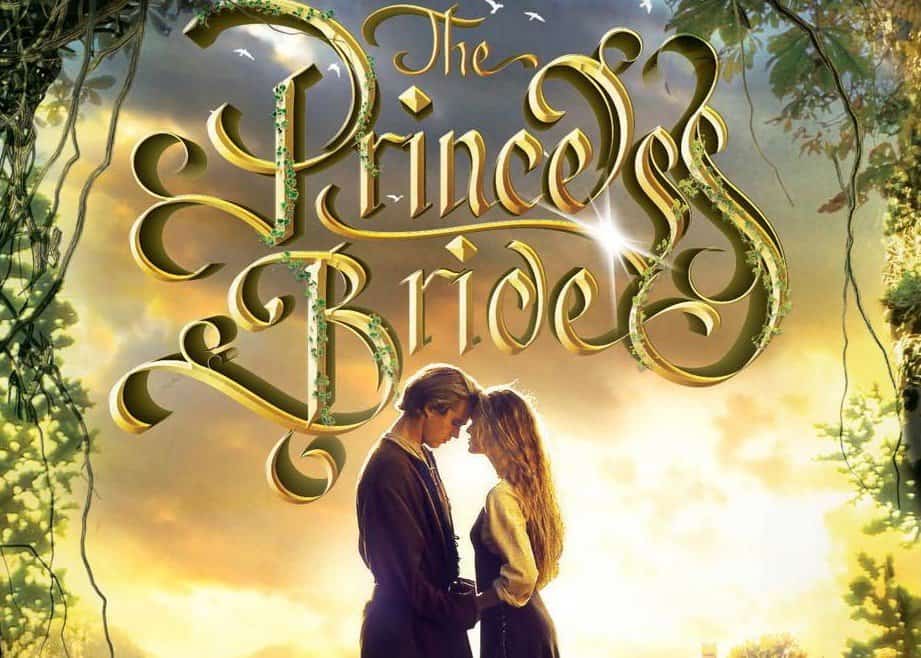
This fairy tale adventure fell short of studio expectations, making only $30 million during its 1987 release. Marketing departments struggled with categorization—unable to decide whether it was romance, comedy, or swashbuckling adventure.
Home video rentals revealed its perfect balance of wit, heart, and action to families—creating a multi-generational fanbase that quotes memorable lines endlessly.
Heathers

High school social satire rarely gets darker than this black comedy, which earned a measly $1.1 million at the 1989 box office. Distributors worried about the film’s controversial themes and satirical approach to teen violence—limiting its theatrical release.
MTV broadcasts and video store discoveries turned it into a genuine cult phenomenon, influencing countless dark comedies while establishing Winona Ryder as an alternative culture icon.
Scott Pilgrim vs. The World
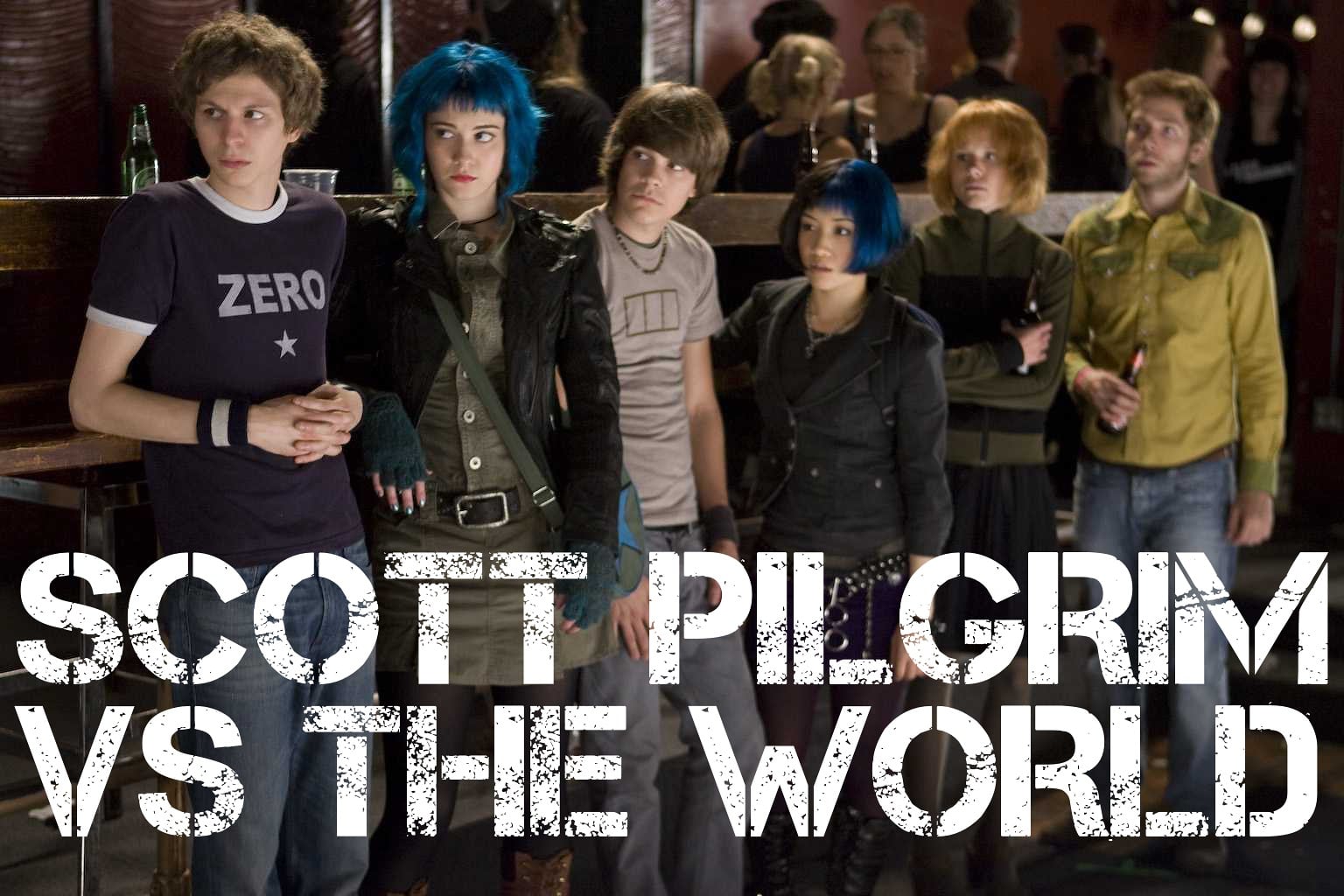
Edgar Wright’s video game-inspired romantic comedy bombed spectacularly—making only $47 million worldwide against its $90 million budget in 2010. The hyperkinetic editing and dense pop culture references overwhelmed casual viewers unfamiliar with gaming culture.
Social media and streaming services eventually connected it with its ideal audience of gamers and comic enthusiasts, who appreciated its visual innovation and humor.
The Iron Giant
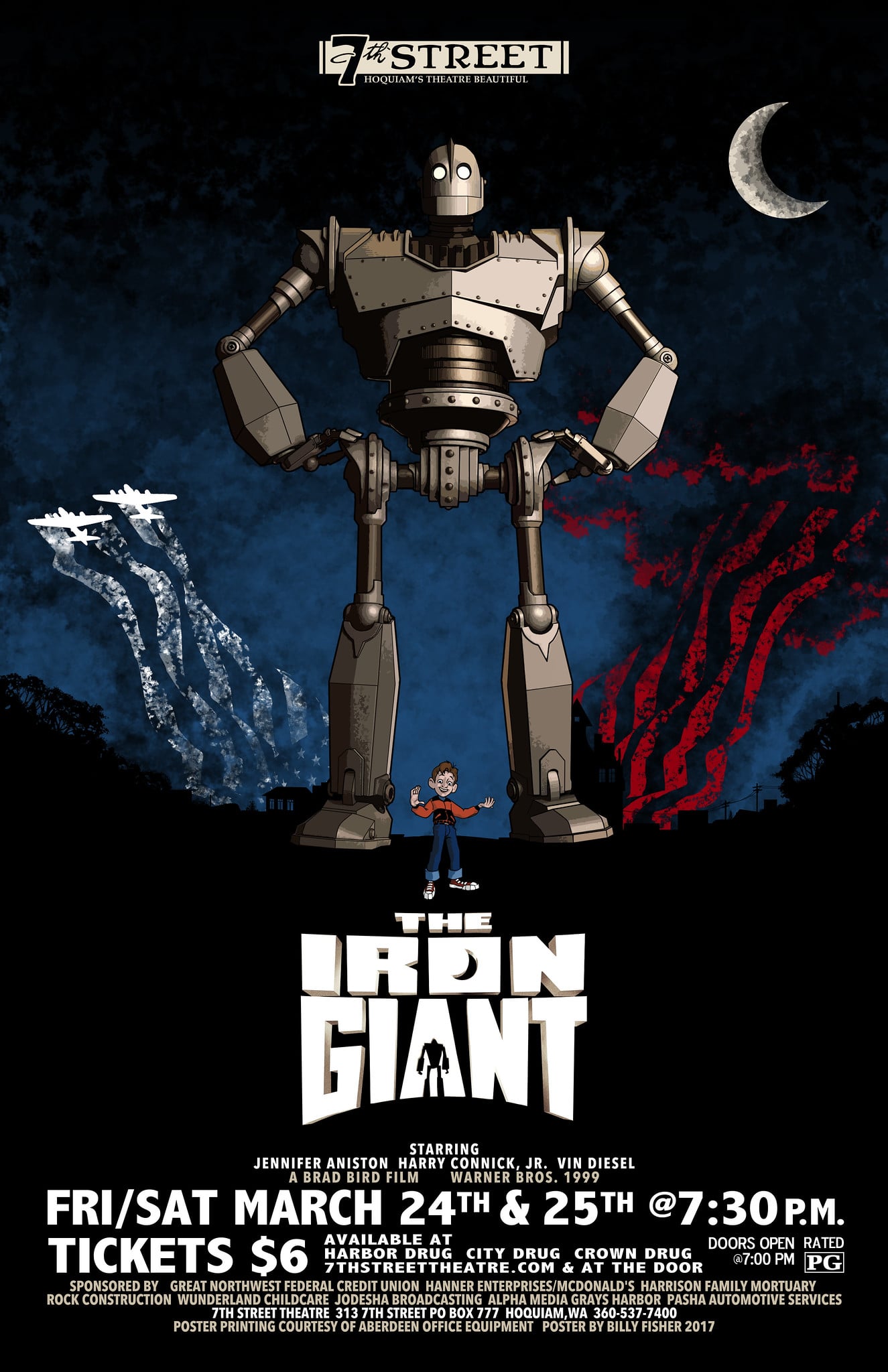
Warner Bros. suffered one of their biggest animated disappointments when this masterpiece about a boy and his robot companion earned just $31 million in 1999. The studio provided minimal marketing support, allowing Disney and DreamWorks to dominate family entertainment.
Animation critics and enthusiasts championed its emotional storytelling and hand-drawn artistry, securing its reputation among the greatest animated films ever created.
Dazed and Confused
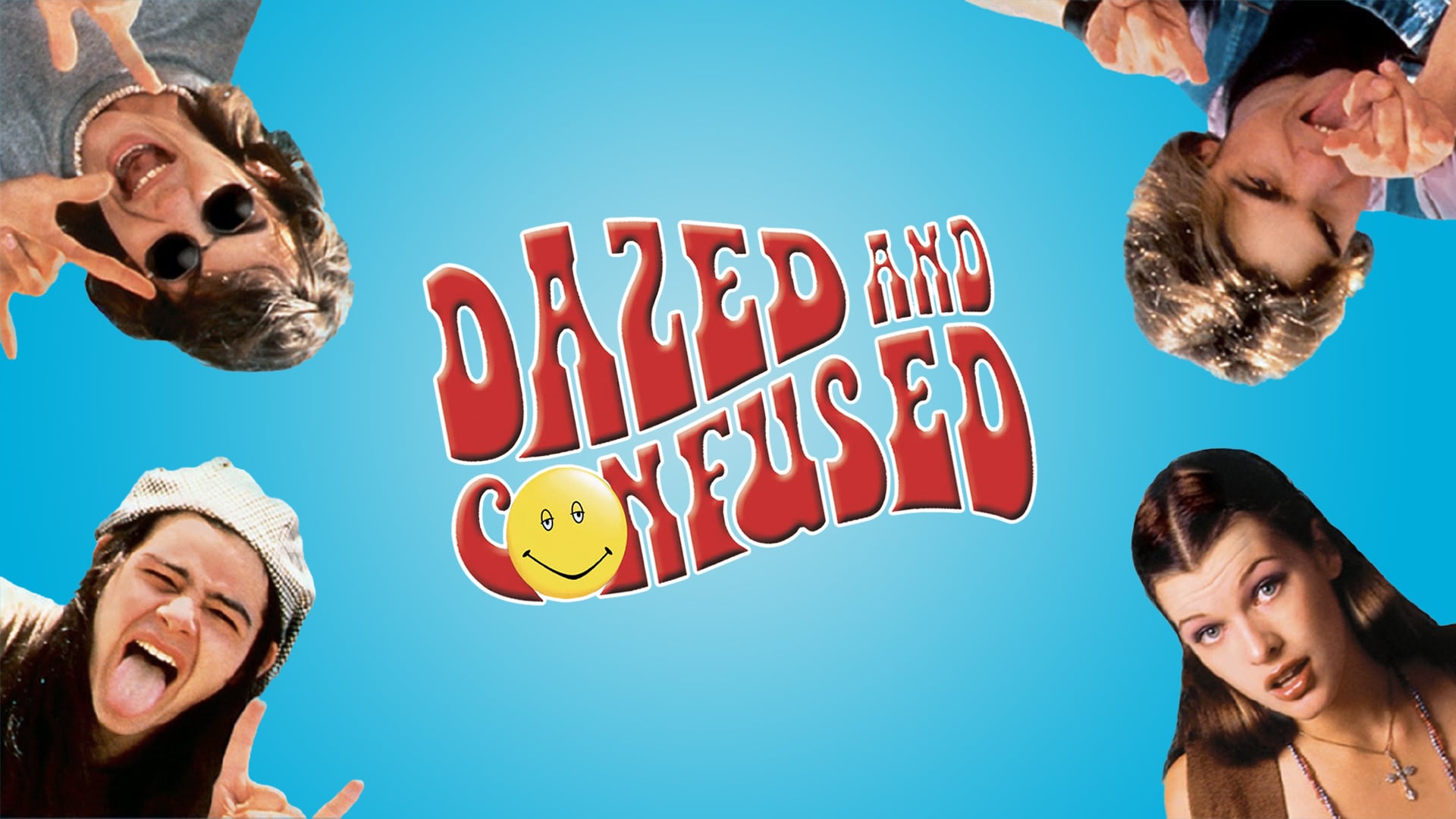
Richard Linklater’s 1976 Texas coming-of-age story made only $8 million during its 1993 theatrical run. Audiences found the plotless structure and large ensemble cast confusing compared to typical teen comedies.
The film’s authentic teenage experiences and incredible soundtrack attracted home video viewers, launching careers for Matthew McConaughey, Ben Affleck, and numerous other future stars.
The Thing
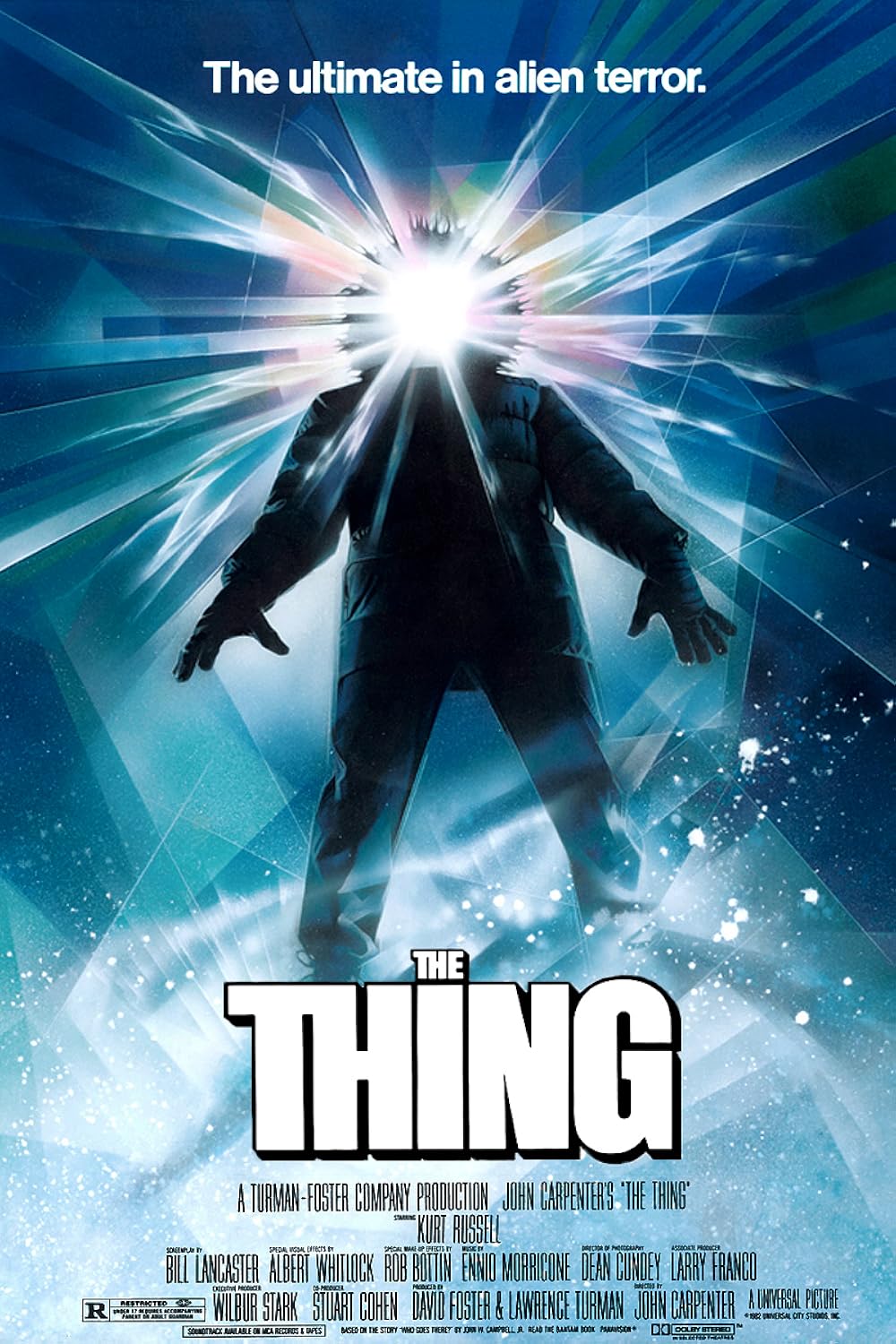
John Carpenter’s paranoid horror masterpiece disappointed Universal Studios, earning just $19 million against its $15 million budget in 1982. Opening two weeks after E.T. proved disastrous, as audiences preferred Spielberg’s friendly extraterrestrial to Carpenter’s terrifying shape-shifter.
Horror enthusiasts and film critics gradually recognized its masterful tension and revolutionary practical effects, establishing it among the genre’s finest achievements.
Clue
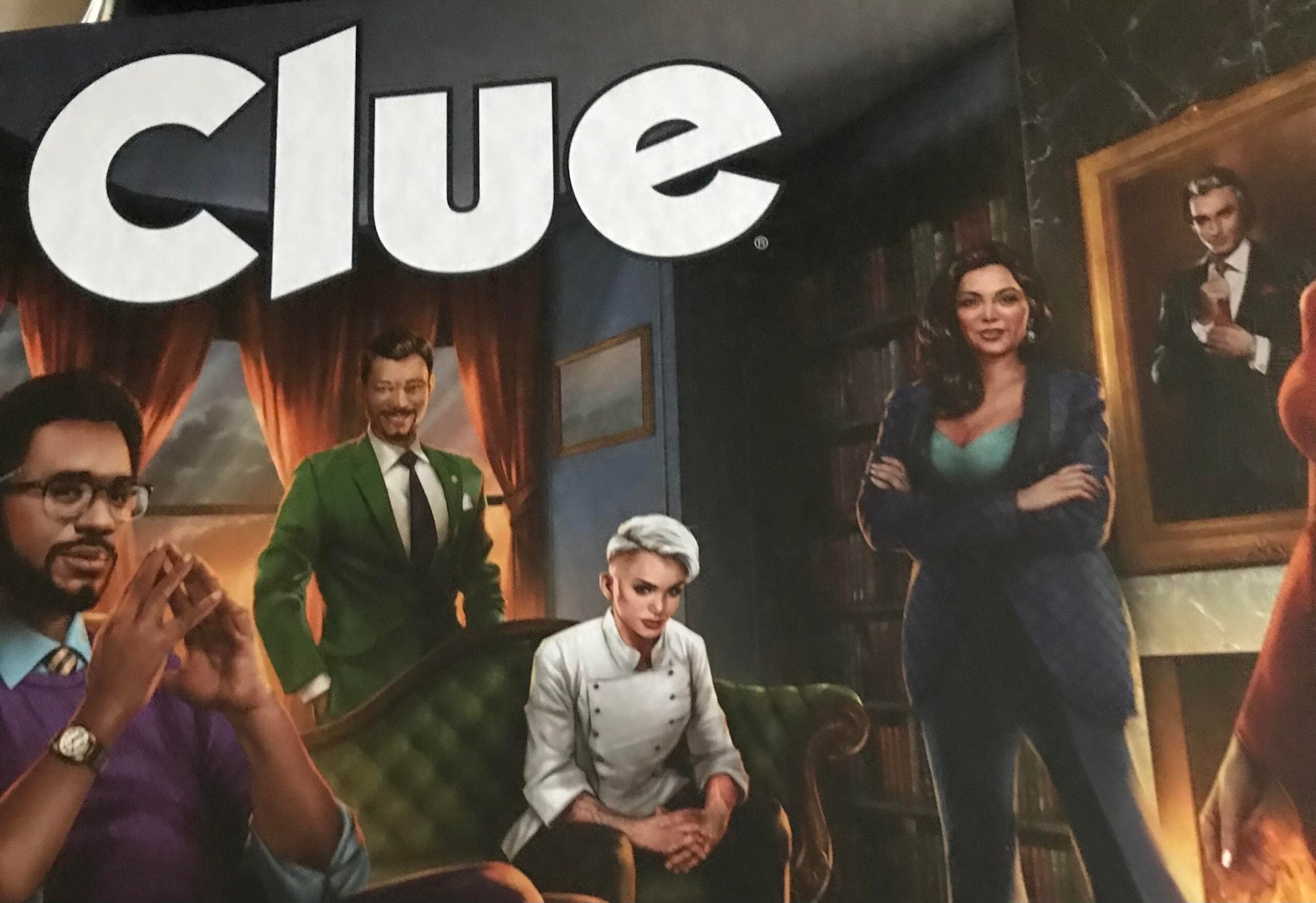
This board game adaptation confused audiences with its multiple endings gimmick, making only $14 million in 1985. Different theaters showed alternative conclusions, frustrating moviegoers who wanted definitive resolution to the murder mystery.
Home video allowed viewers to experience all three endings, while the rapid-fire dialogue and committed ensemble performances transformed it into a beloved comedy classic.
Idiocracy
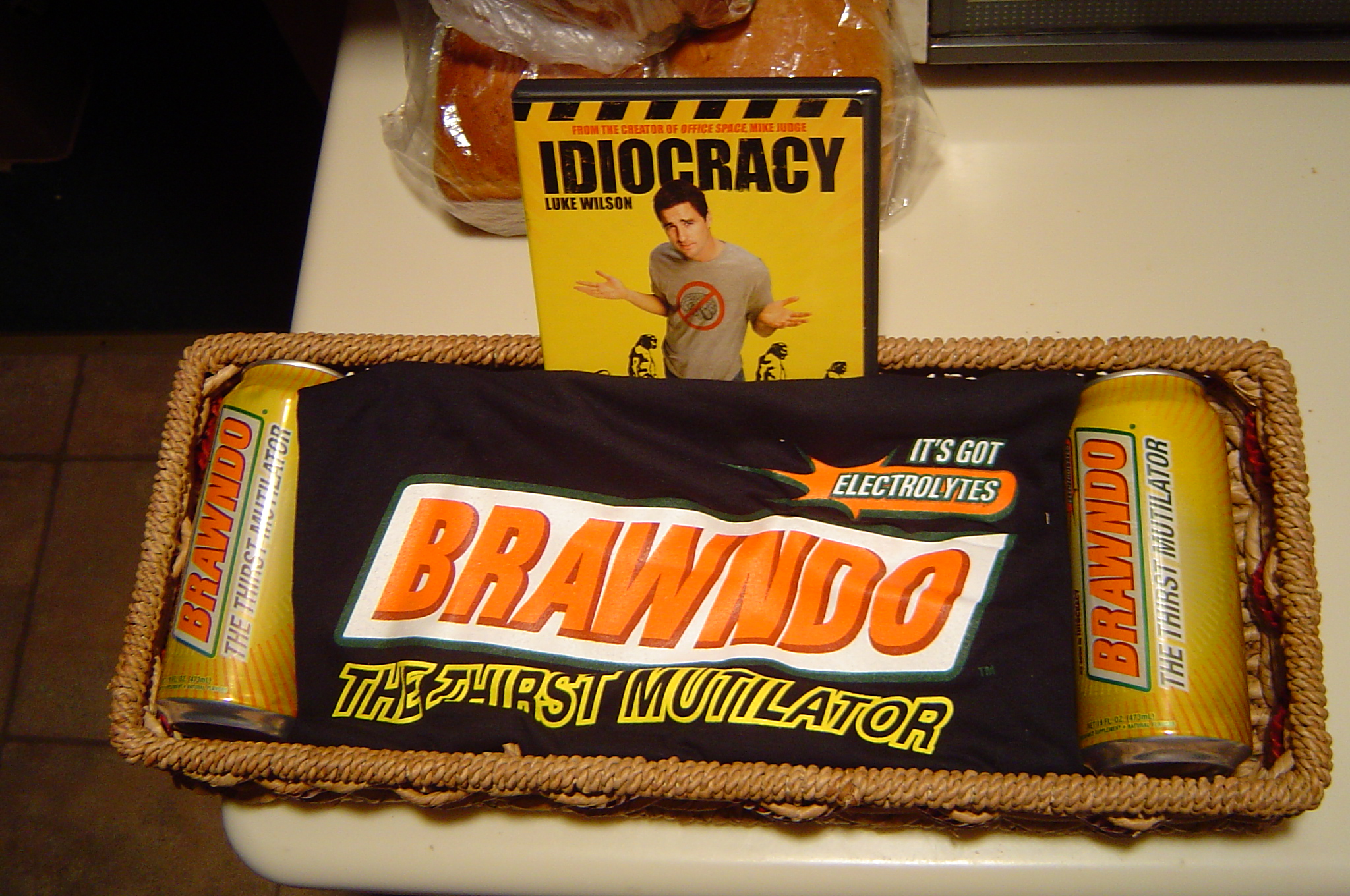
Mike Judge’s satirical vision of a dumbed-down future society earned a pathetic $444,000 during its limited 2006 release. 20th Century Fox barely promoted the film, seemingly uncomfortable with its corporate satire and social commentary.
The movie’s frighteningly accurate observations about anti-intellectualism and celebrity worship gained disturbing relevance over time, with viewers noting unsettling parallels between its fictional future and contemporary reality.
When Flops Become Forever

These box office disasters demonstrate that financial success rarely correlates with lasting cultural impact or artistic merit. Theatrical performance depends on countless variables beyond quality, including marketing budgets, release timing, and audience expectations.
Films that discover their audiences through alternative channels often cultivate the most passionate communities, creating devoted fan bases that preserve and celebrate these works across generations. What studios once wrote off as costly mistakes have become cinema’s most treasured and influential achievements.
More from Go2Tutors!

- The Romanov Crown Jewels and Their Tragic Fate
- 13 Historical Mysteries That Science Still Can’t Solve
- Famous Hoaxes That Fooled the World for Years
- 15 Child Stars with Tragic Adult Lives
- 16 Famous Jewelry Pieces in History
Like Go2Tutors’s content? Follow us on MSN.