15 Dark Secrets Of The Most Infamous Private Islands
Private islands occupy a strange place in our collective imagination. They’re simultaneously the ultimate symbol of freedom and the perfect hiding spot for things that shouldn’t see daylight.
While most of us dream of tropical escapes and crystal-clear waters, some of the world’s most exclusive private islands harbor secrets that would make your skin crawl. From mysterious disappearances to illegal experiments, these isolated paradises have witnessed horrors that their wealthy owners desperately hoped would stay buried.
Epstein’s Little Saint James
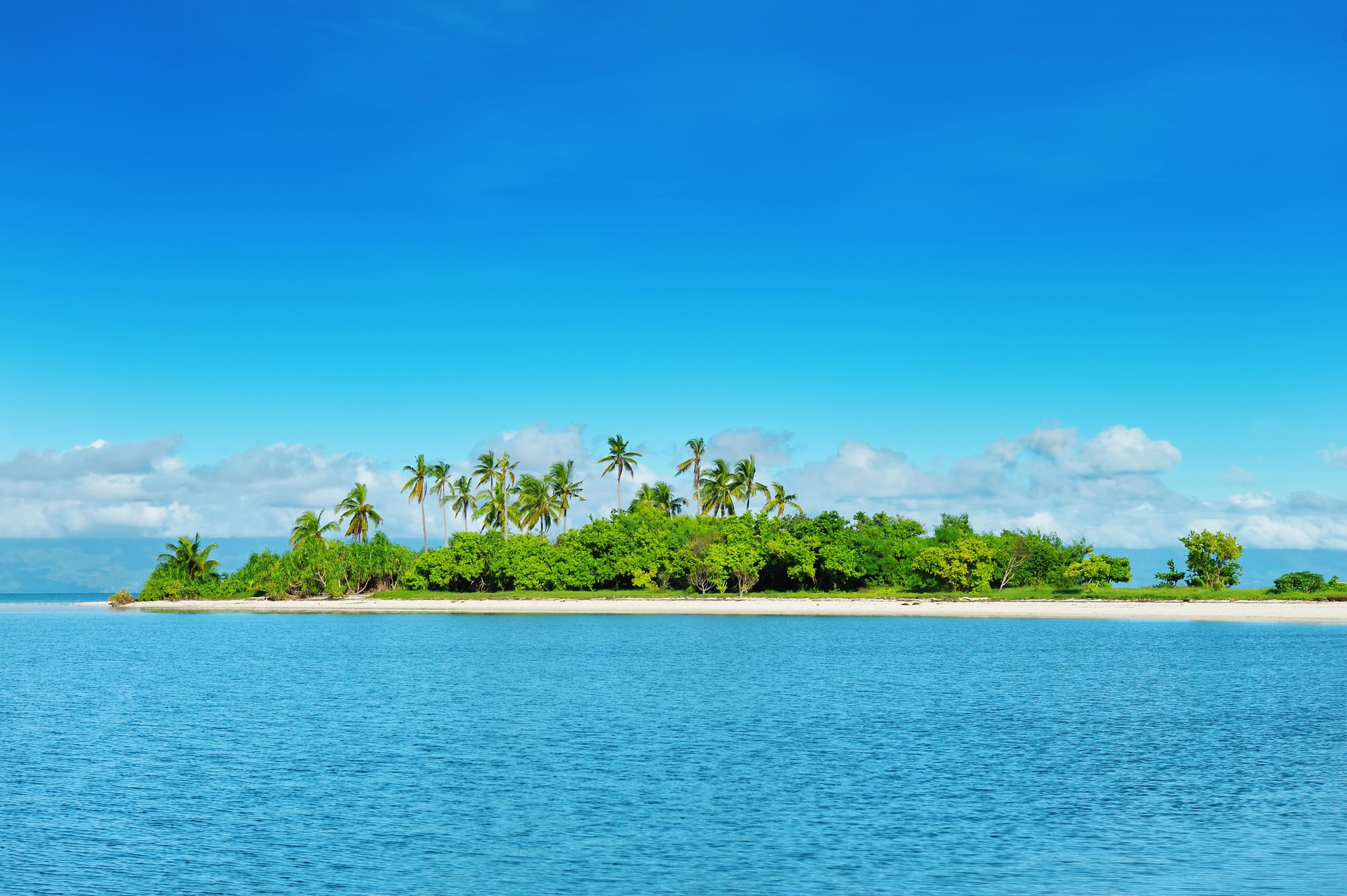
The most notorious private island scandal of recent memory involved Jeffrey Epstein’s 75-acre retreat in the U.S. Virgin Islands. Flight logs revealed a parade of powerful visitors, while staff members described underground tunnels, surveillance cameras hidden in palm trees, and a temple-like structure with no clear purpose.
Nygard Cay
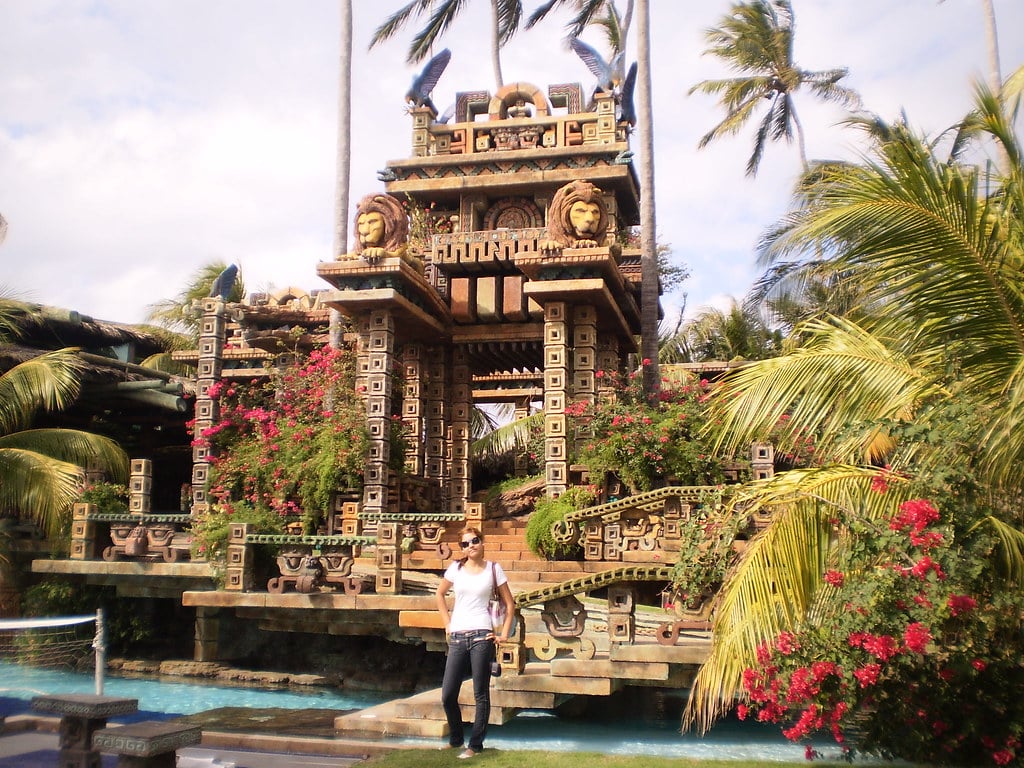
Peter Nygard’s Bahamian compound wasn’t just a mansion — it was a carefully designed trap. The fashion mogul allegedly hosted “pamper parties” where young women were plied with drugs and alcohol, then assaulted in soundproof rooms.
Hidden cameras captured everything, creating a blackmail archive that investigators are still combing through. The compound featured a fake Mayan temple where Nygard performed bizarre rituals he believed would extend his life.
Plum Island
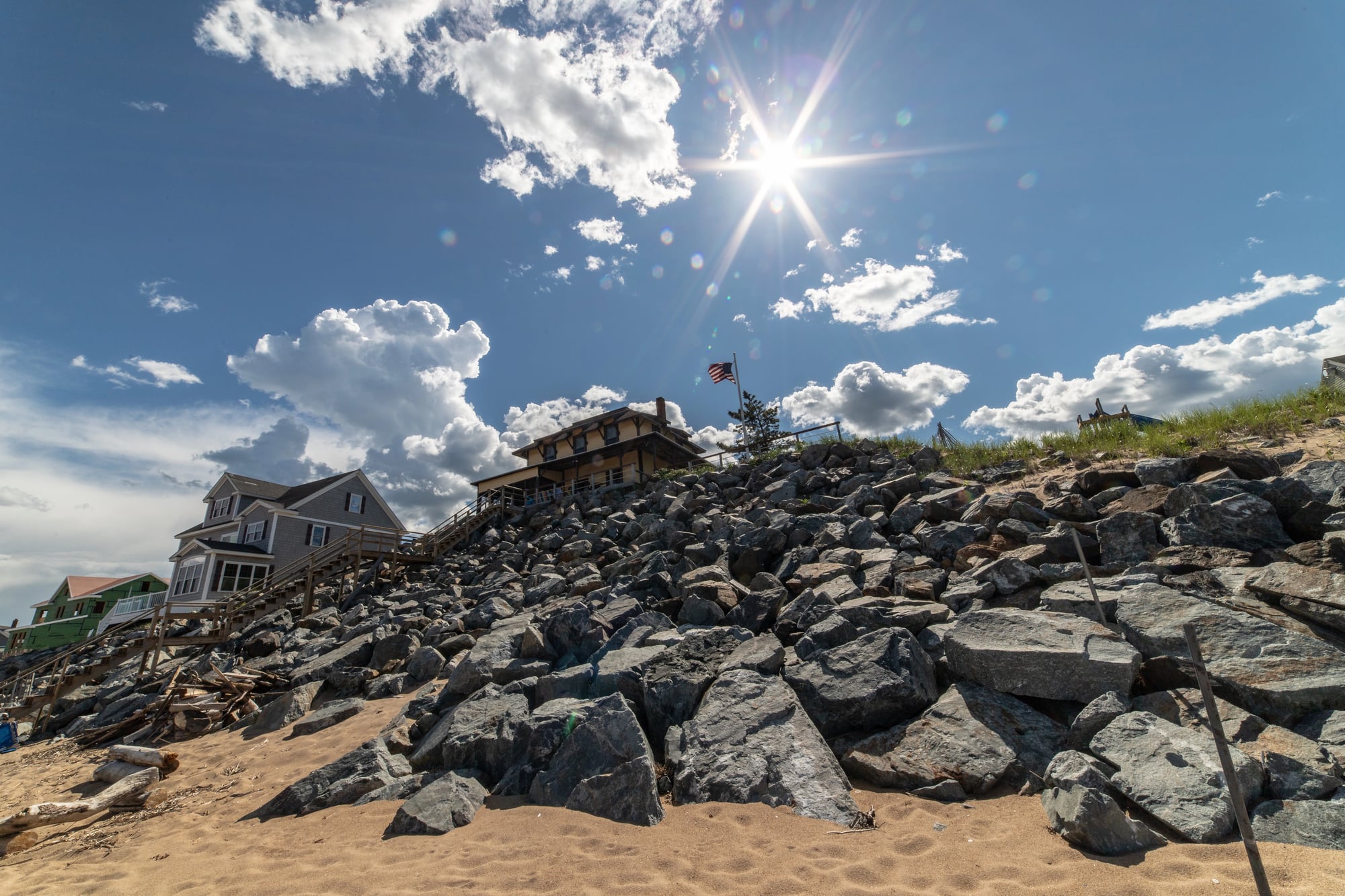
Officially, this island off Long Island’s coast was simply an animal disease research facility. But former employees tell a different story — one involving bioweapons development, escaped pathogens, and the mysterious Montauk Monster that washed ashore in 2008.
The government’s sudden decision to sell the island and relocate operations raised more questions than it answered. What were they really studying in those high-security labs, and what did they leave behind?
Poveglia Island
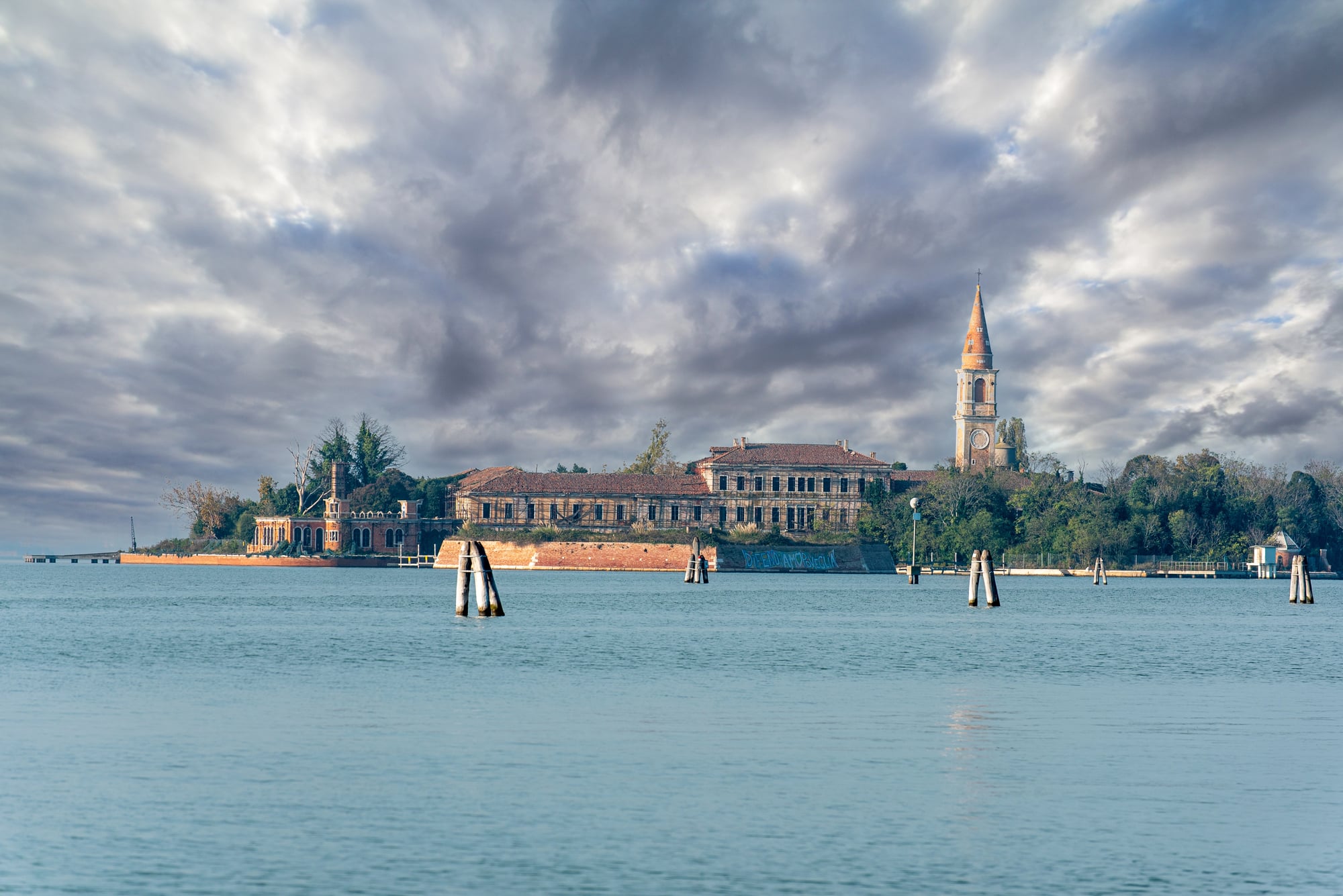
This Italian island’s soil is literally made of human ash. For centuries, it served as a plague quarantine station where over 160,000 people died in agony (their bodies burned in massive pyres that fertilized the ground with bone meal and cremated remains).
Later, it housed a mental hospital where a sadistic doctor performed gruesome experiments on patients — lobotomies with hand drills, amputations without anesthesia, torture disguised as treatment. And here’s the thing that makes your stomach turn: when they finally excavated parts of the island, they found the soil was 50 percent human ash.
The island sits empty now, officially off-limits to tourists, though locals whisper about strange lights flickering in the abandoned hospital windows and screams that carry across the water on windless nights. The island’s contaminated soil reflects centuries of mass burials, though specific composition claims remain unverified by peer-reviewed archaeological sources.
Hashima Island
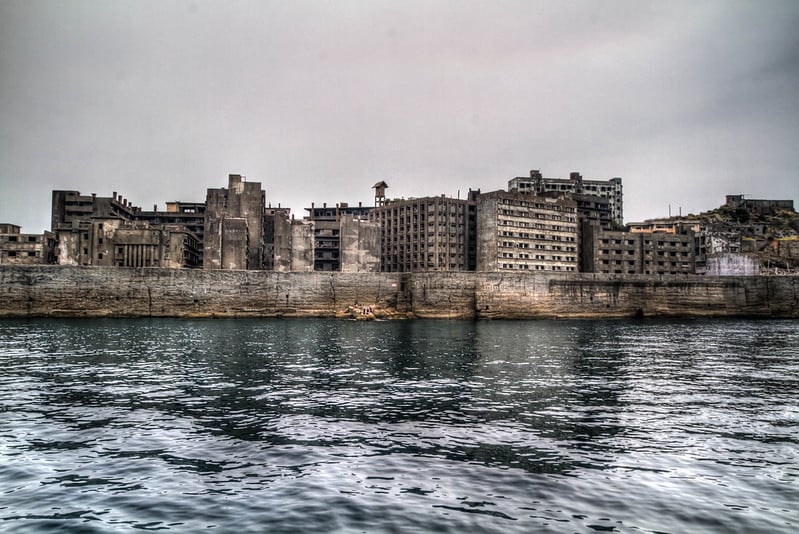
Japan transformed this tiny rock into an underwater coal mining operation that relied on forced labor from Korea and China during World War II. Thousands of workers died from malnutrition, accidents, and exhaustion while being worked to death in flooded tunnels.
The concrete apartment blocks that housed them became a vertical prison where escape was impossible and death was common.
Bird Island

South Africa’s apartheid government used this remote outcrop as a biological warfare testing ground. Scientists infected political prisoners with anthrax, cholera, and experimental diseases to see how quickly they would die.
The bodies were dumped in the surrounding shark-infested waters, ensuring no evidence would surface. When the program ended, researchers destroyed most records, but survivors’ testimonies paint a picture of systematic murder disguised as medical research.
Imber Island
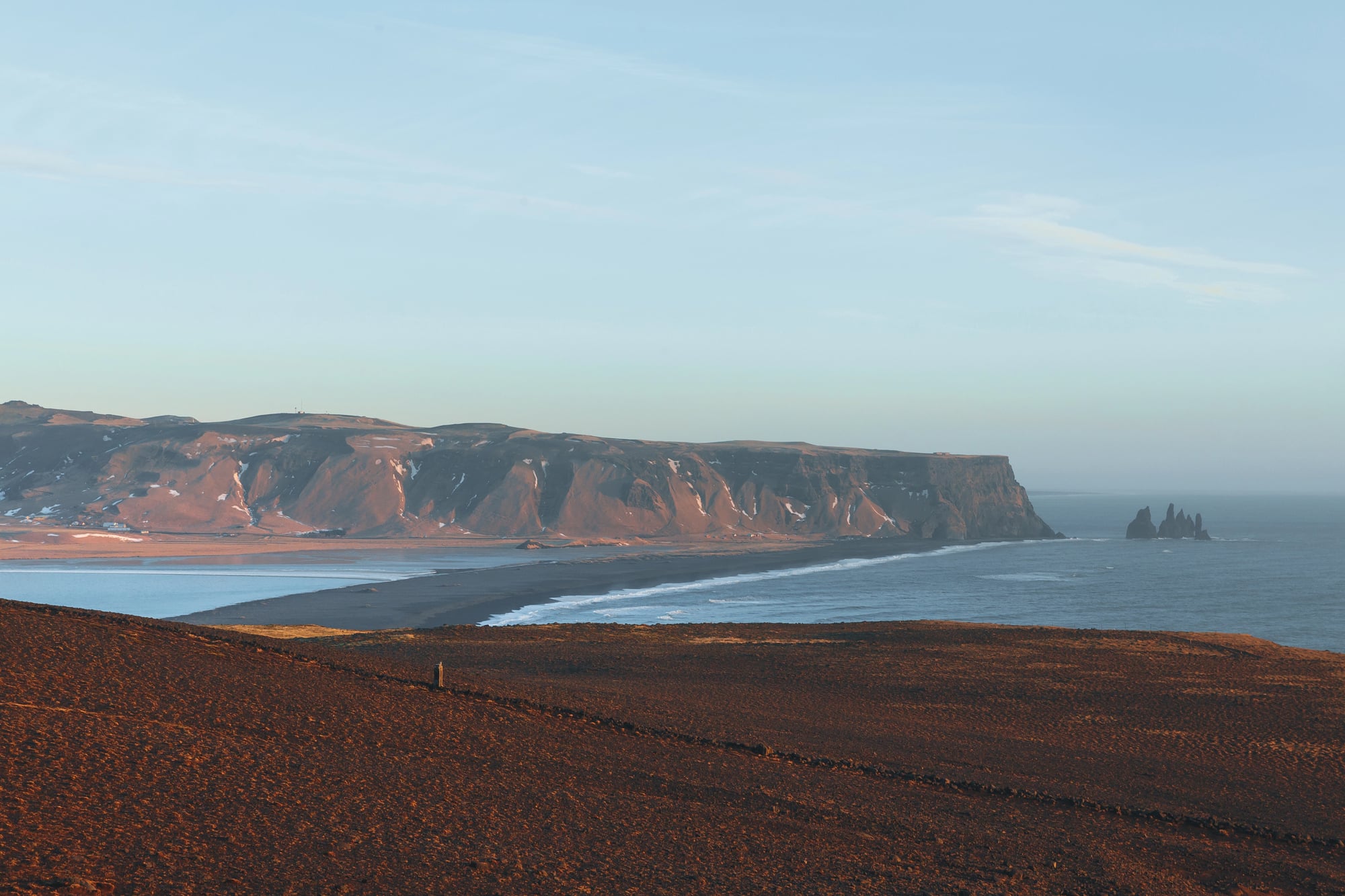
British authorities evacuated this island’s entire population in 1943, promising residents they could return after the war ended. They lied.
The military wanted a permanent testing ground for chemical weapons and never had any intention of letting people come home. Families lost ancestral lands forever, while the island became a laboratory for developing nerve agents and biological weapons that would later be used in conflicts around the world.
Île Du Diable
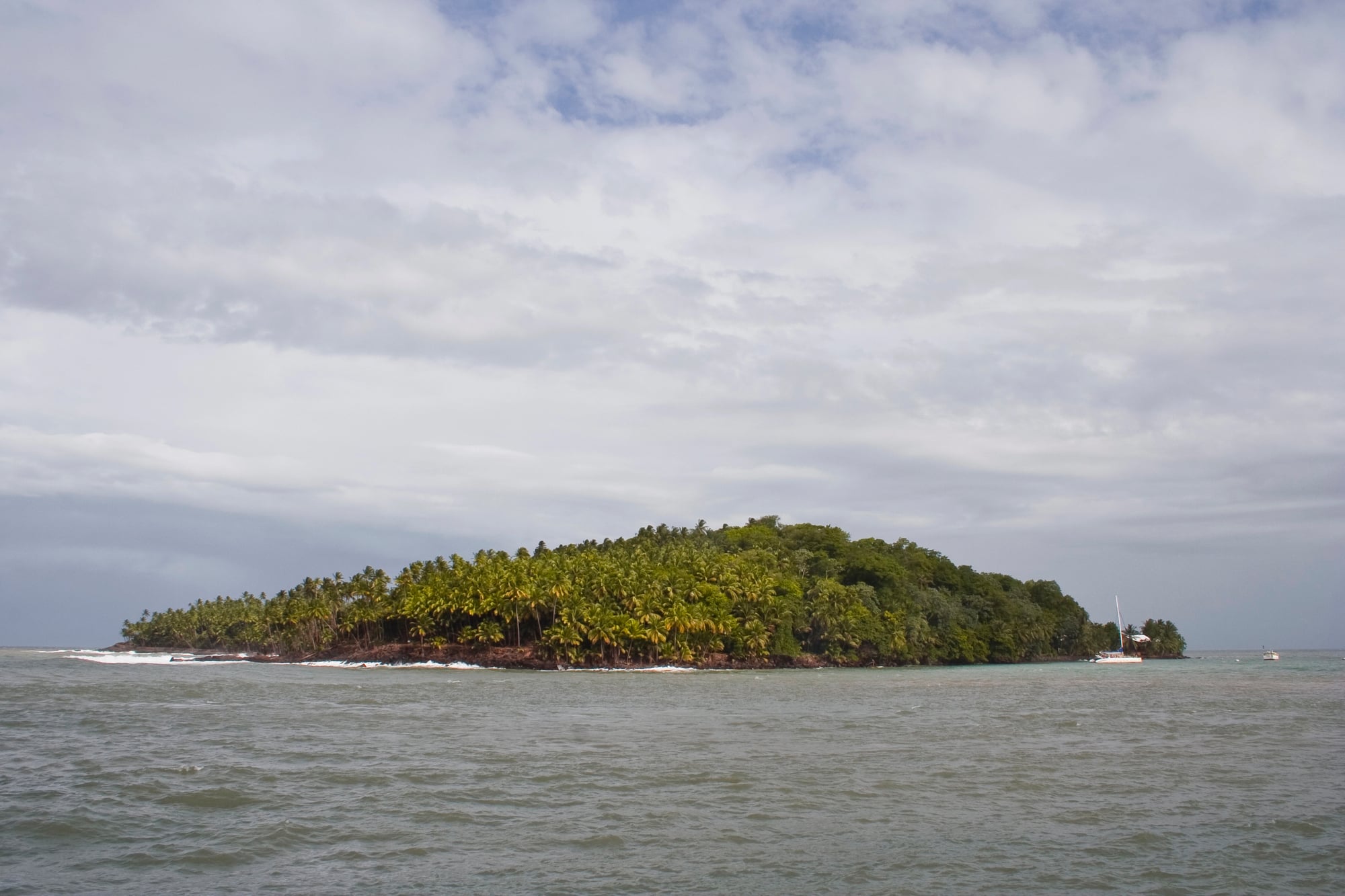
Devil’s Island earned its hellish reputation honestly. France sent its most dangerous criminals here to die slowly in the tropical heat, surrounded by sharks and disease-carrying insects.
Political prisoners were often thrown in solitary confinement for decades, emerging as broken shells of human beings. Alfred Dreyfus spent five years here for a crime he didn’t commit, and his case only came to light because he was famous.
Thousands of others rotted away in anonymity.
Rikers Island
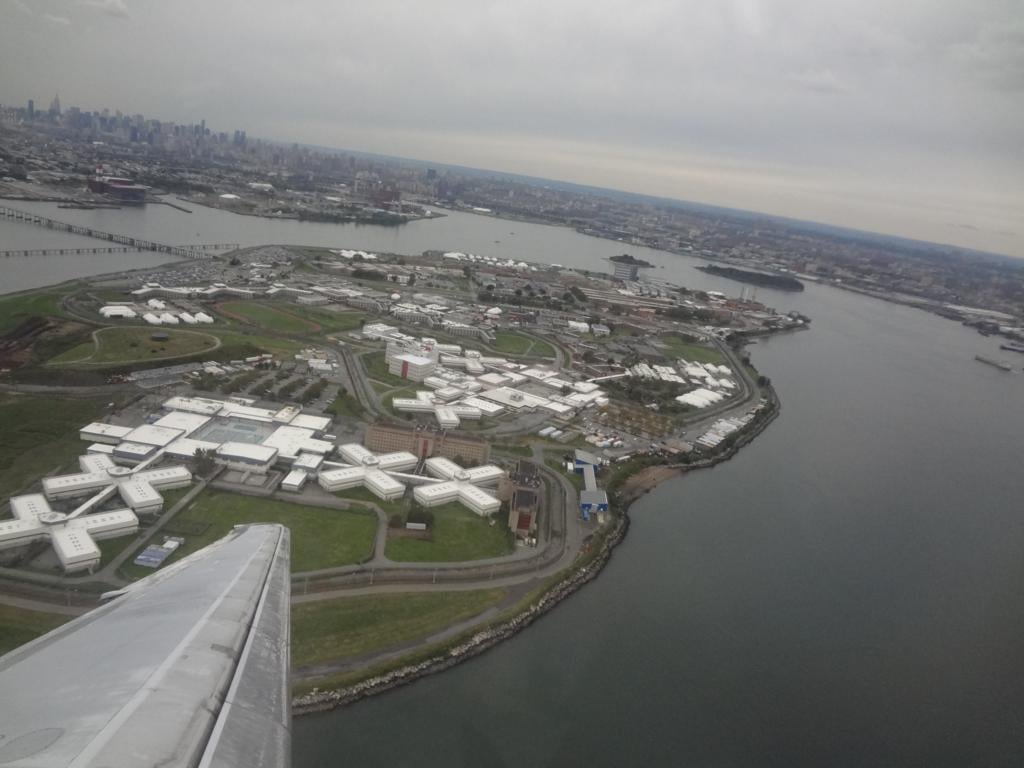
This place breaks people systematically. What happens behind those walls — the beatings by guards, the rapes, the suicides that get covered up — represents everything wrong with American justice.
Teenagers are locked in solitary confinement for months (which is torture by any reasonable definition), while guards place bets on inmate fights like they’re watching cockfights at some backwoods carnival. The island processes over 70,000 people annually, most of whom haven’t been convicted of anything — they’re just too poor to make bail.
And here’s the part that should make everyone uncomfortable: the city keeps promising to close it, keeps acknowledging it’s a human rights nightmare, but somehow it stays open year after year. Because closing it would require admitting that everything that happened there was wrong, and that’s a liability no politician wants to shoulder.
North Brother Island
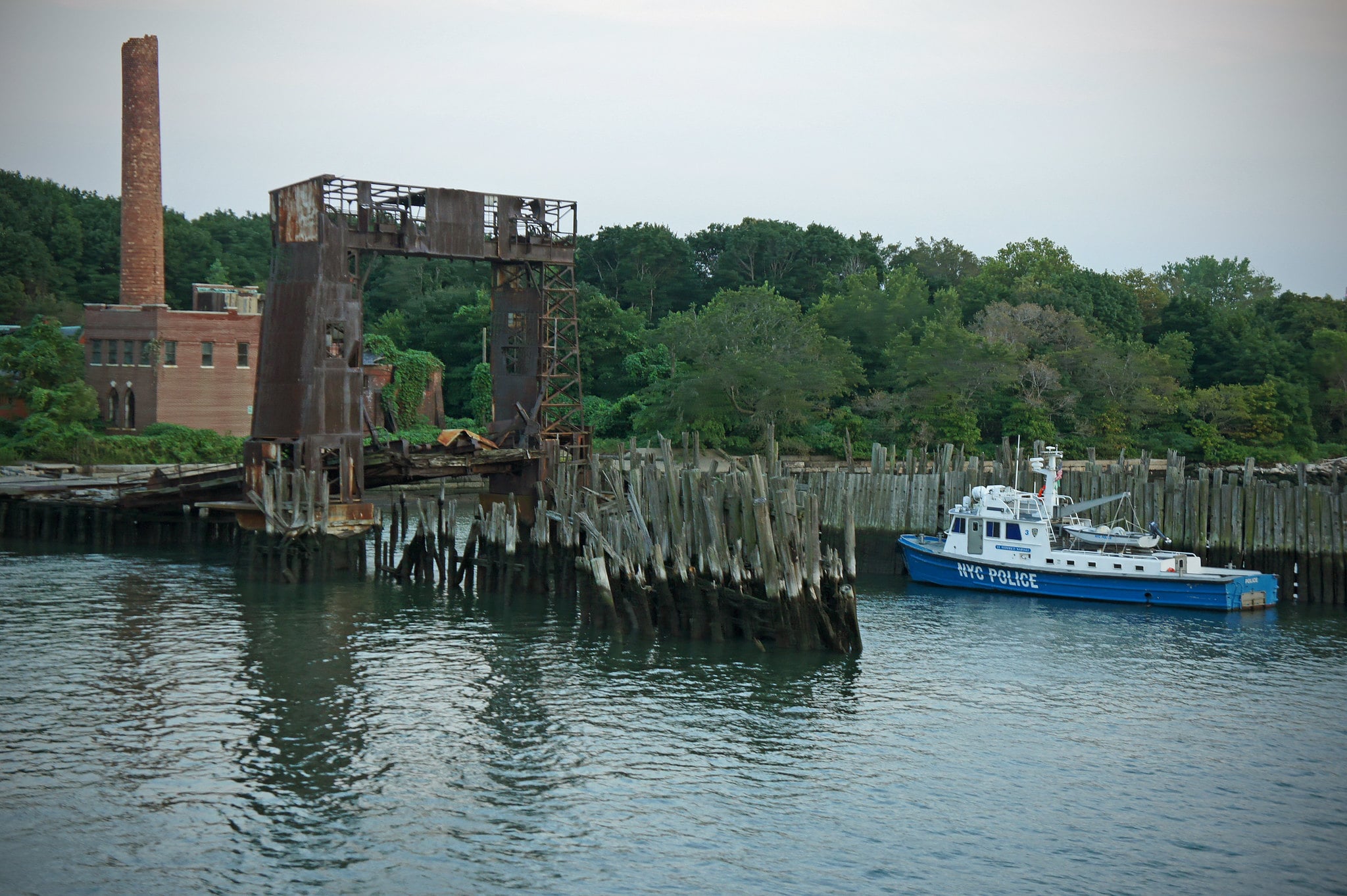
New York quarantined Typhoid Mary on this island for 26 years, even though she showed no symptoms and posed minimal risk to public health. She became a medical prisoner, isolated from human contact while doctors studied her like a lab specimen.
The hospital later housed drug addicts who were subjected to experimental treatments that killed more patients than they saved.
Anthrax Island
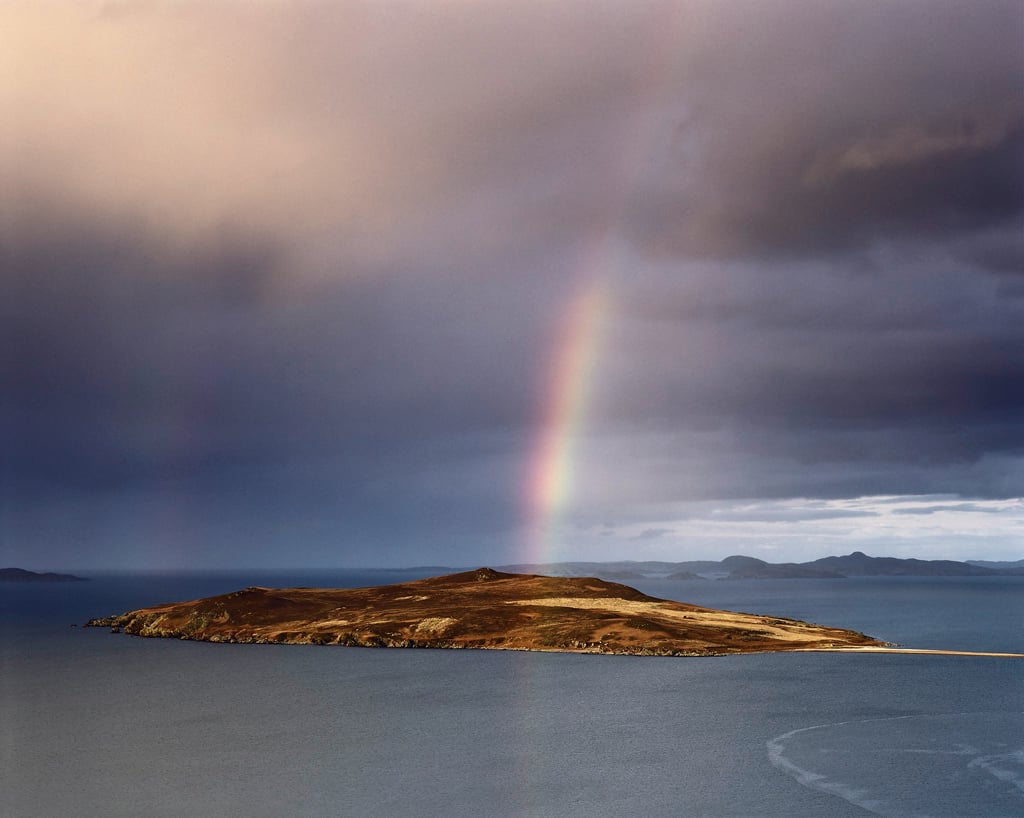
Scotland’s Gruinard Island was so thoroughly contaminated with weaponized anthrax that it remained off-limits for nearly 50 years. British scientists used sheep to test biological weapons during World War II, turning the island into a toxic wasteland where nothing could survive.
Even after extensive decontamination efforts, locals remain skeptical about whether it’s truly safe.
Nomans Land
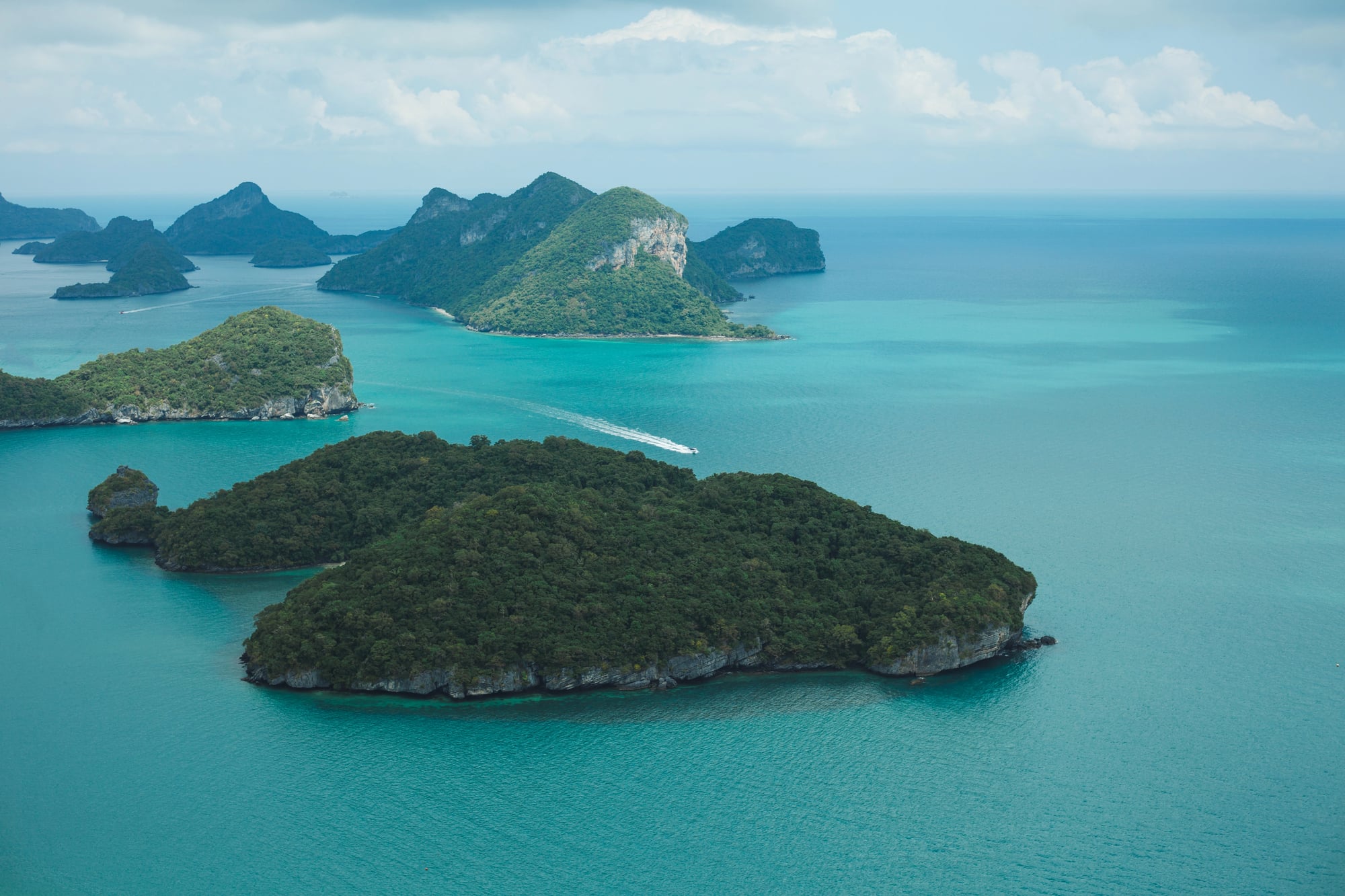
Massachusetts used this island as a bombing range for over 50 years, turning it into one of the most contaminated sites on the East Coast. Military exercises left behind unexploded ordnance, chemical residues, and heavy metals that poisoned the soil and groundwater.
The cleanup effort was so extensive that the government classified most details, raising questions about what exactly they were testing there.
Gunkanjima
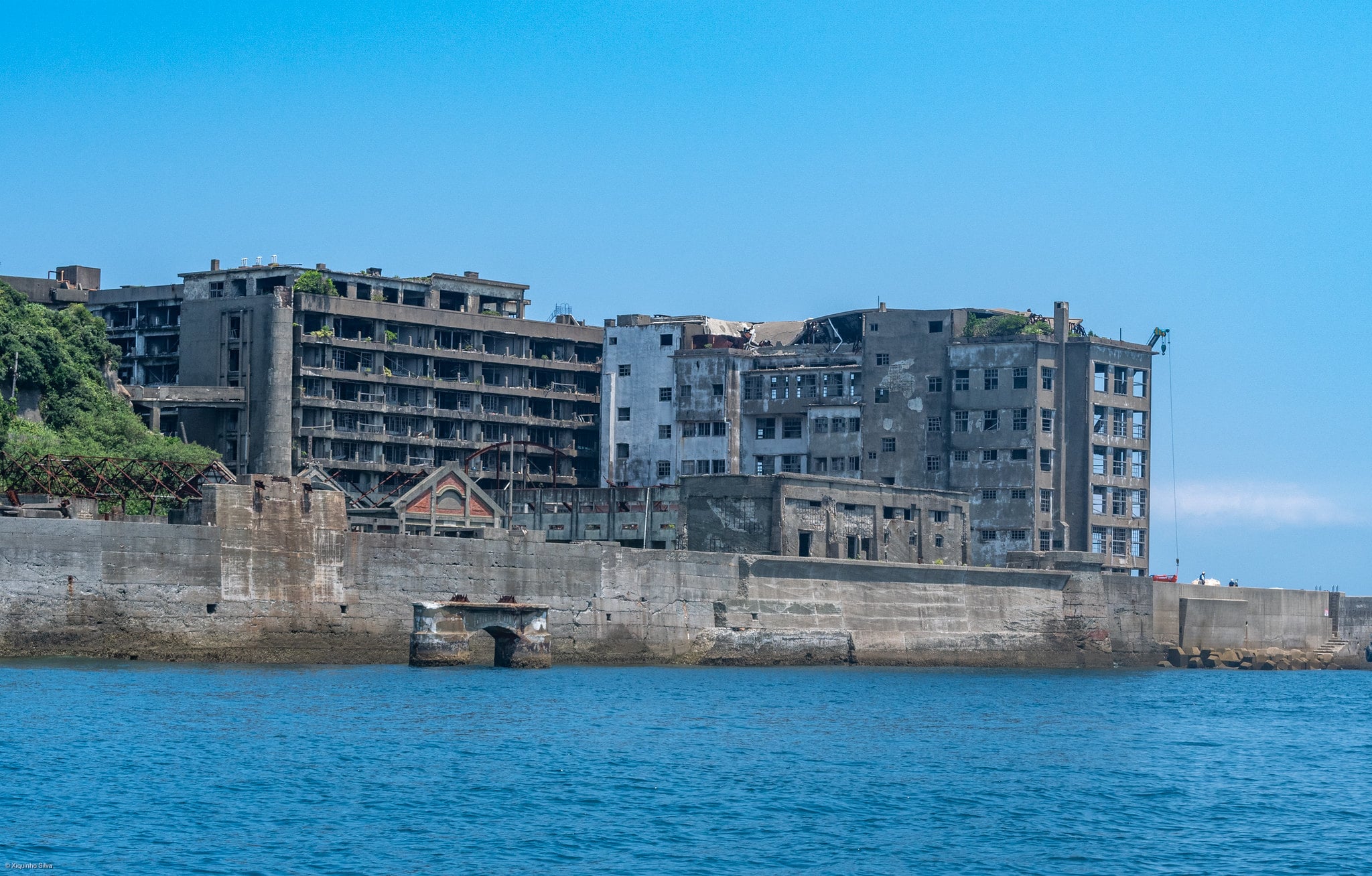
This abandoned Japanese island looks like a concrete ghost ship rising from the ocean. During World War II, Korean and Chinese laborers were forced to mine coal in deadly conditions while living in overcrowded concrete towers.
The mortality rate was staggering, but exact numbers were covered up to hide the extent of war crimes committed there.
Isola Di San Servolo
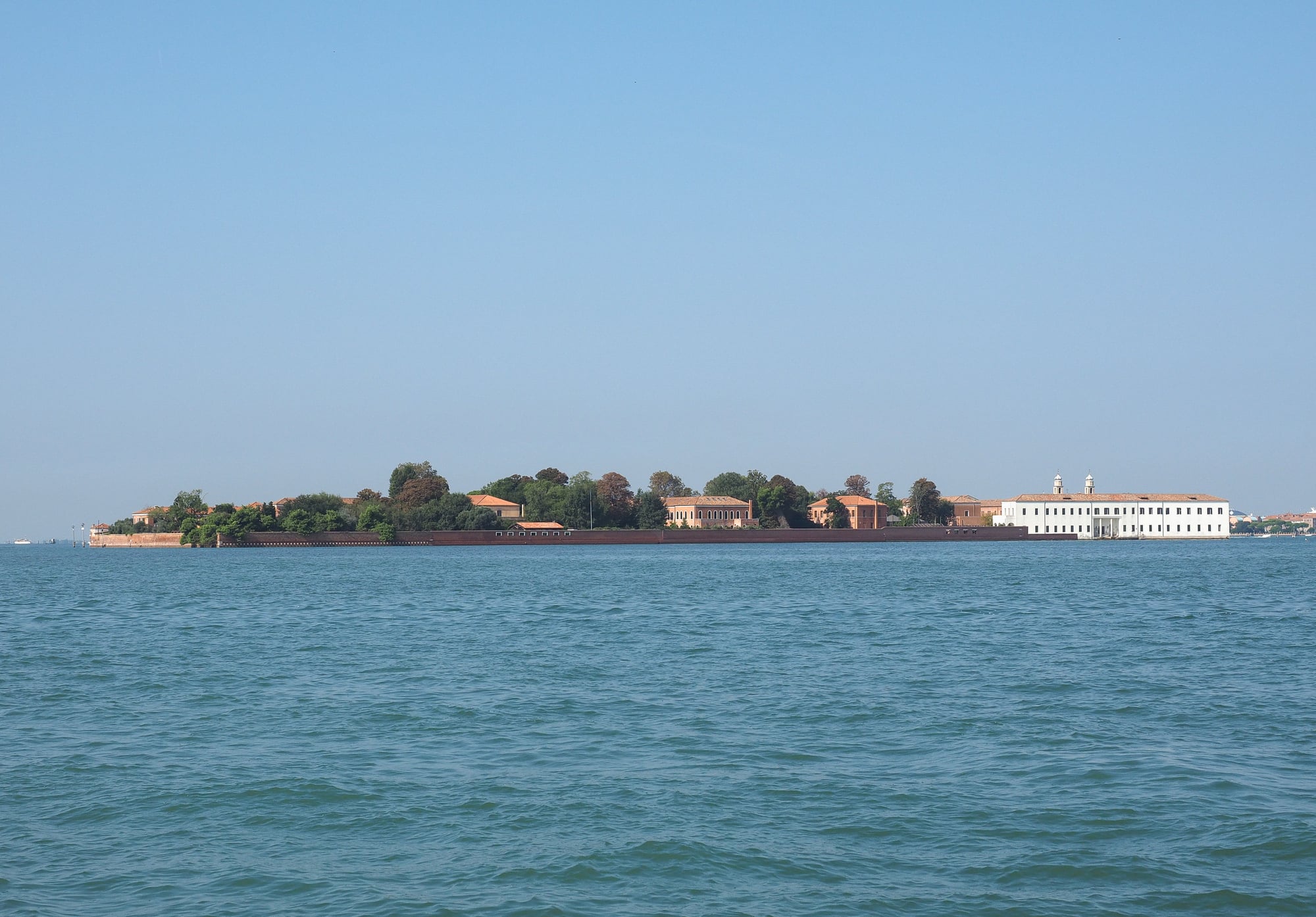
Venice used this island as a dumping ground for people society wanted to forget — the mentally ill, political dissidents, and unwanted family members. Patients were chained to walls, subjected to ice baths and electrical torture, and used as guinea pigs for experimental treatments.
The beautiful Venetian architecture concealed horrors that would make medieval dungeons seem humane.
Île Sainte-Marguerite
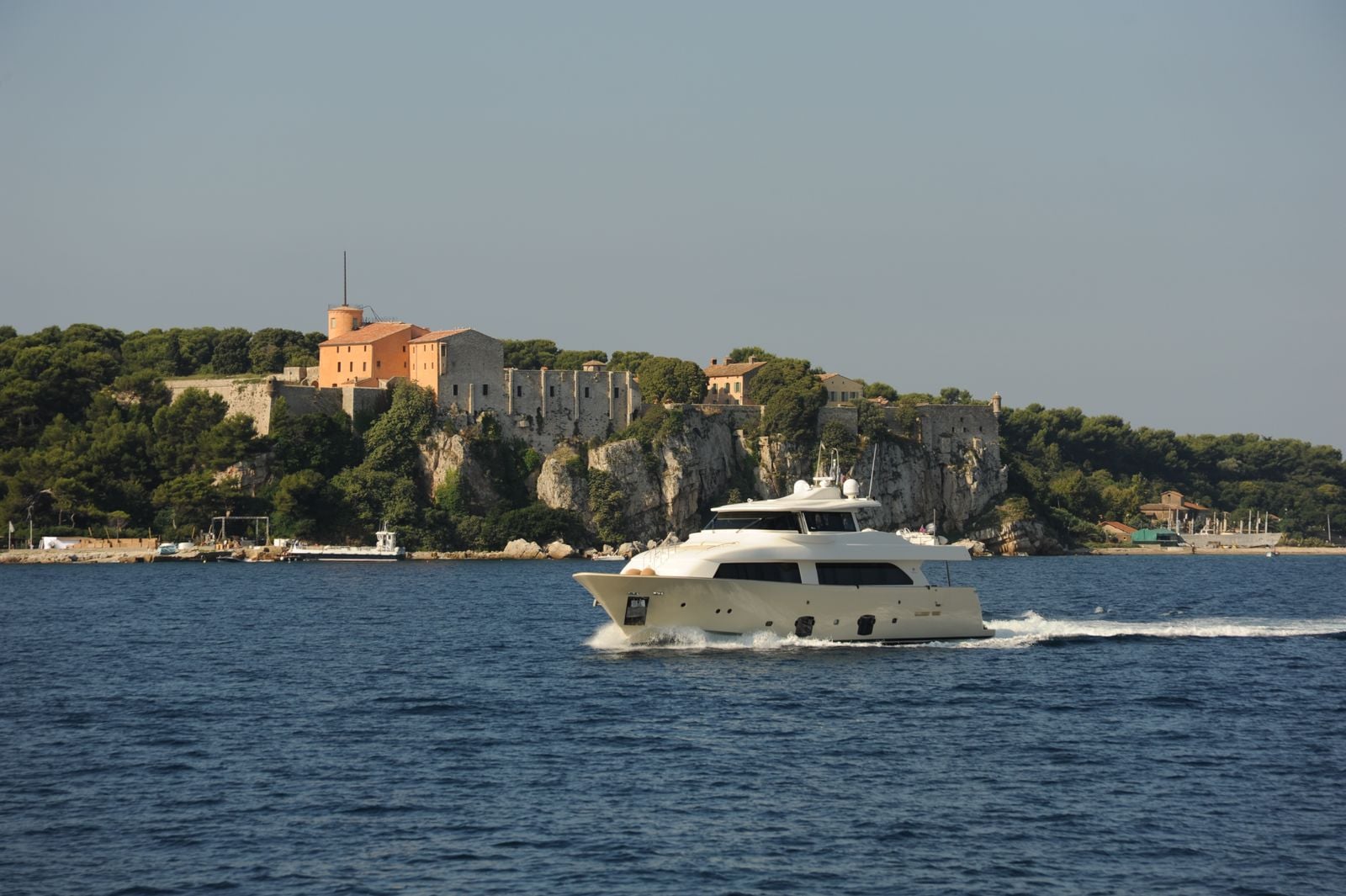
This French island housed political prisoners in fortress cells where they were forbidden from speaking to guards or each other for decades. The most famous prisoner was the Man in the Iron Mask, whose identity remains unknown because the French government destroyed all records.
Historians suspect he knew state secrets so damaging that Louis XIV preferred to erase his existence rather than risk them becoming public.
When Paradise Becomes Prison
Islands seduce us with promises of escape and freedom, but isolation cuts both ways. The same remoteness that makes them perfect hideaways also makes them perfect prisons where screams can’t be heard and witnesses don’t exist.
These dark histories remind us that paradise and hell can occupy the same coordinates, separated only by the intentions of those who control access to them.
More from Go2Tutors!

- The Romanov Crown Jewels and Their Tragic Fate
- 13 Historical Mysteries That Science Still Can’t Solve
- Famous Hoaxes That Fooled the World for Years
- 15 Child Stars with Tragic Adult Lives
- 16 Famous Jewelry Pieces in History
Like Go2Tutors’s content? Follow us on MSN.