Little-Known Things About the Liberty Bell
The Liberty Bell sits behind glass in Philadelphia, drawing millions of visitors each year who come to see America’s most famous cracked symbol of freedom. Most people know the basic story—it rang out for independence, it cracked at some point, and now it just sits there looking historic.
But the real story behind this 2,080-pound piece of metal gets weird, fascinating, and sometimes downright strange. The bell has survived theft attempts, inspired replicas across the globe, and even spent time touring the country like a celebrity on a road trip.
These facts don’t usually make it into the standard tour guide speech. Time to dig into the stuff that makes the Liberty Bell more interesting than any history textbook ever bothered to mention.
The crack happened way before anyone cared about independence

Everyone assumes the Liberty Bell cracked during some dramatic moment tied to American freedom. Wrong.
The bell cracked the very first time it got tested in 1752, decades before the Revolutionary War even started. Workers rang it to see how it sounded, and it immediately developed a crack so bad they had to melt it down and recast it.
Two local metalworkers named John Pass and John Stow took on the job, and they actually recast it twice because the first attempt sounded terrible. The bell that hangs today is their second try, and even that one eventually cracked again.
It was originally called the State House Bell

Nobody called it the ‘Liberty Bell’ when it first arrived in Philadelphia. The bell hung in the Pennsylvania State House (now Independence Hall) and people simply referred to it as the State House Bell for about 90 years.
The catchy name ‘Liberty Bell’ didn’t show up until the 1830s when abolitionists adopted it as a symbol for their movement to end slavery. They loved the biblical inscription on the bell about proclaiming liberty, and the name stuck.
Marketing teams today would call that successful rebranding.
The inscription comes from the Bible and celebrates something totally different

The bell features a line from Leviticus 25:10 that reads ‘Proclaim LIBERTY Throughout all the Land unto all the Inhabitants Thereof.’ Sounds perfect for American independence, right?
Actually, the inscription got added in 1751 to celebrate the 50th anniversary of Pennsylvania’s original constitution, written by William Penn. The biblical passage refers to the Jubilee year when debts got forgiven and slaves were freed, which fit Pennsylvania’s more tolerant founding principles.
Pure coincidence that it later became associated with the Revolutionary War.
Nobody knows exactly when the famous crack appeared

The dramatic crack everyone recognizes today remains a mystery in terms of timing. Some stories claim it cracked while ringing for George Washington’s birthday in 1846.
Others say it happened during Chief Justice John Marshall’s funeral in 1835. The truth is that records from that era are frustratingly vague, and the bell already had a thin crack that workers tried to fix multiple times.
The repair attempts probably made things worse. What we do know is that by the 1840s, the crack had grown too large to repair, and the bell stopped ringing for good.
It never actually rang on July 4th, 1776

The image of the Liberty Bell ringing out to announce American independence makes for great storytelling but probably never happened. The Declaration of Independence got signed on July 4th, 1776, but it wasn’t publicly read in Philadelphia until July 8th.
Even then, historians debate whether the State House Bell rang at all since the steeple was in bad shape and the bell might have been removed for safety. Most bells in the city likely rang that day, but singling out this particular bell as the star of the show came later as part of the legend-building.
The bell went on a bizarre national tour in the late 1800s

Between 1885 and 1915, the Liberty Bell traveled to various exhibitions and fairs across America like some kind of historical celebrity. It went to New Orleans, Chicago, Atlanta, and even made it all the way to San Francisco.
Cities threw huge parades for the bell’s arrival, and people lined up for hours just to touch it. The tours were supposed to help reunite the country after the Civil War by giving everyone a shared symbol to rally around.
Eventually, officials worried the trips might damage the bell further and ended the traveling show.
Philadelphia wasn’t even the bell’s first home

Before the bell ended up in Philadelphia, it was cast in London at the Whitechapel Bell Foundry in 1752. The foundry packed it up and shipped it across the Atlantic Ocean, which took about two months.
When it arrived and promptly cracked during testing, Philadelphians felt pretty annoyed about the defective British import. The Whitechapel Bell Foundry, incredibly, still exists today and has been making bells since 1570, though it closed to the public in 2017.
They also made Big Ben, so their track record improved after the Liberty Bell incident.
The bell weighs more than a small car

The Liberty Bell tips the scales at 2,080 pounds, which is heavier than most compact cars. The bell stands about three feet tall and measures roughly 12 feet around at its widest point near the bottom.
It’s made primarily of copper mixed with tin, along with small amounts of lead, zinc, arsenic, gold, and silver. That’s a lot of metal to haul around, which makes those late 1800s train tours even more impressive.
Moving something that heavy without modern equipment required serious planning and muscle.
Someone tried to steal it in 1777
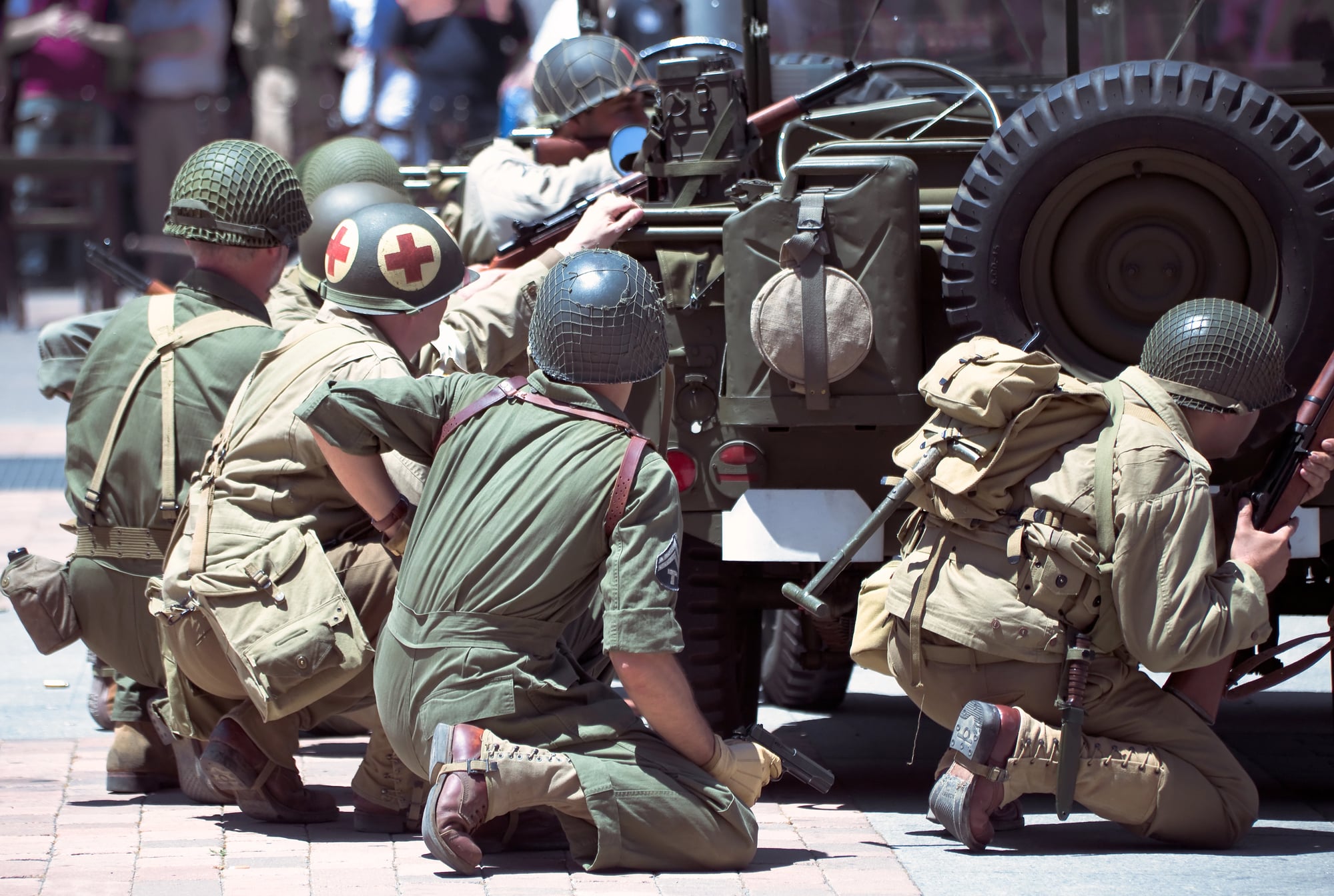
During the Revolutionary War, British troops were advancing toward Philadelphia and American officials panicked about losing important symbols and documents. They loaded the Liberty Bell onto a wagon, covered it with hay and manure to disguise it, and smuggled it out of the city.
The bell spent almost a year hidden under the floorboards of a church in Allentown, Pennsylvania, about 60 miles north of Philadelphia. British soldiers never found it, and the bell made it back safely once the coast was clear.
That manure disguise is definitely not in the typical Liberty Bell story.
The crack was intentionally made worse

Workers tried to fix the thin crack in the early 1840s by drilling out the edges to stop it from spreading. This repair technique, called ‘stop drilling,’ sometimes works on metal.
In this case, it failed spectacularly. The drilling actually weakened the bell’s structure and the crack kept growing, creating the wide zigzag pattern visible today.
After that botched repair job, officials gave up and accepted that the bell would never ring again. At least the dramatic crack made it more visually interesting for tourists.
It’s basically spent more time silent than ringing

The bell rang regularly for public announcements, events, and emergencies from 1753 until sometime in the 1840s. That’s roughly 90 years of active use.
Since then, the bell has been silent for over 180 years and counting. The math means the Liberty Bell has spent twice as long not ringing as it did actually serving its original purpose.
Officials tap it very gently on special occasions using a rubber mallet to symbolically ‘ring’ it, but the real sound of the Liberty Bell has been gone for nearly two centuries.
Fifty-three replicas exist across the country
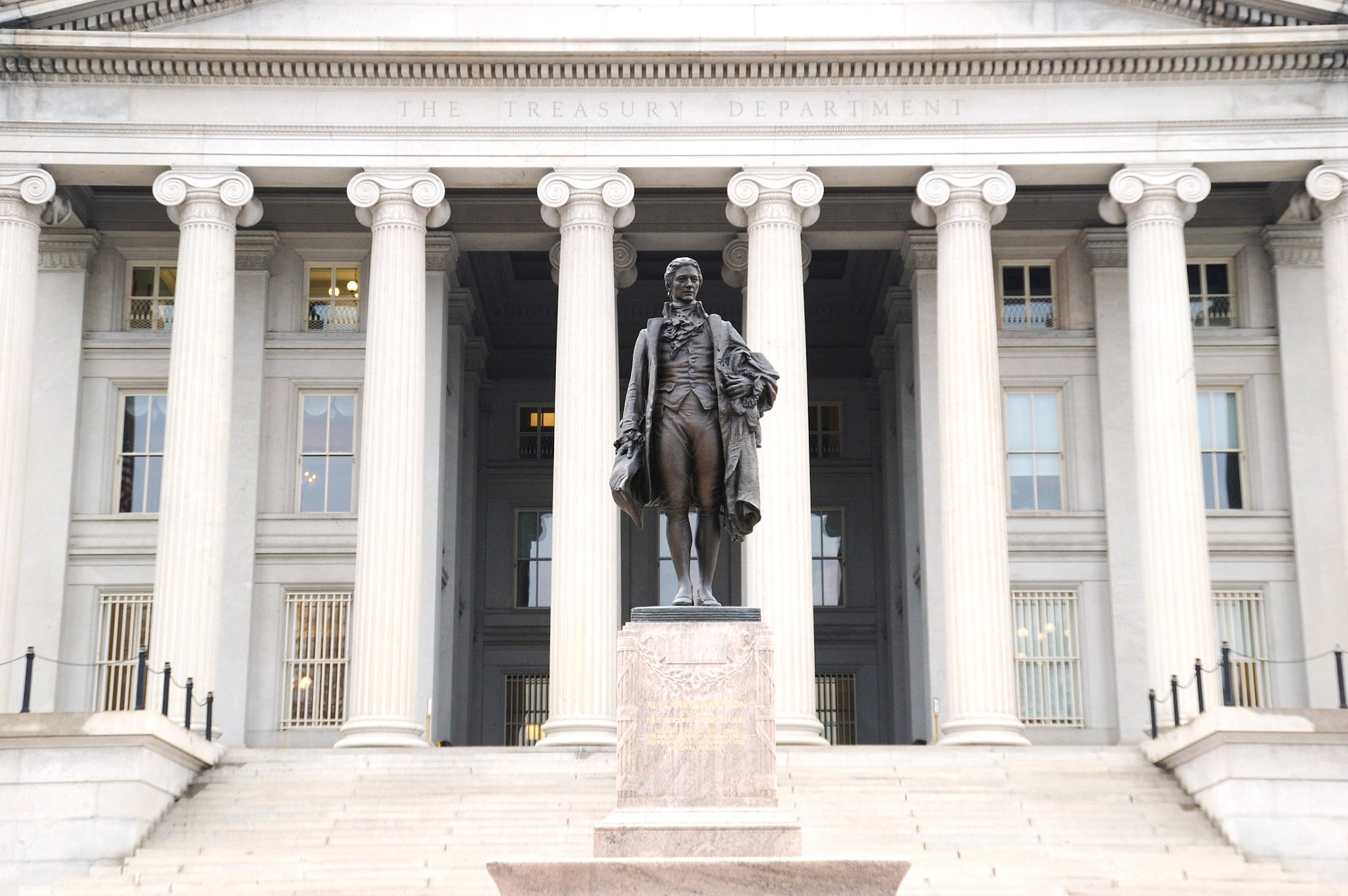
In 1950, the U.S. Treasury Department created 53 replica Liberty Bells and sent one to each state, plus the territories and Washington D.C. These replicas toured around as part of a savings bonds drive, encouraging Americans to buy bonds to support the government.
Most of the replica bells ended up at state capitol buildings or museums. They look nearly identical to the original, complete with artificial cracks, though they’re slightly smaller.
Some states display theirs prominently while others have tucked them away in storage somewhere.
The bell appeared at the first women’s rights convention

In 1915, suffragettes borrowed the Liberty Bell’s symbolism (and arguably its actual presence through a replica) for a Women’s Liberty Bell that toured the country to promote Women’s Liberty Bell. The original bell had already become associated with freedom and equal rights through the abolitionist movement, so women fighting for suffrage adopted the same imagery.
When Pennsylvania women finally won the right to vote in 1920, they rang bells across Philadelphia to celebrate, creating an echo of what the Liberty Bell used to do. The connection between the bell and various rights movements shows how symbols can gain new meanings over time.
It survived a fire but not by much
In 1777, the same year the bell got hidden from British troops, a fire broke out in the Pennsylvania State House. The building suffered significant damage but somehow the bell made it through unscathed since it was already in hiding.
If the bell had still been hanging in the tower during that fire, American history would have one less iconic symbol. Close calls like that make you wonder how many other historical artifacts almost got destroyed by random accidents.
The wooden frame that holds the bell? It’s way older than the USA
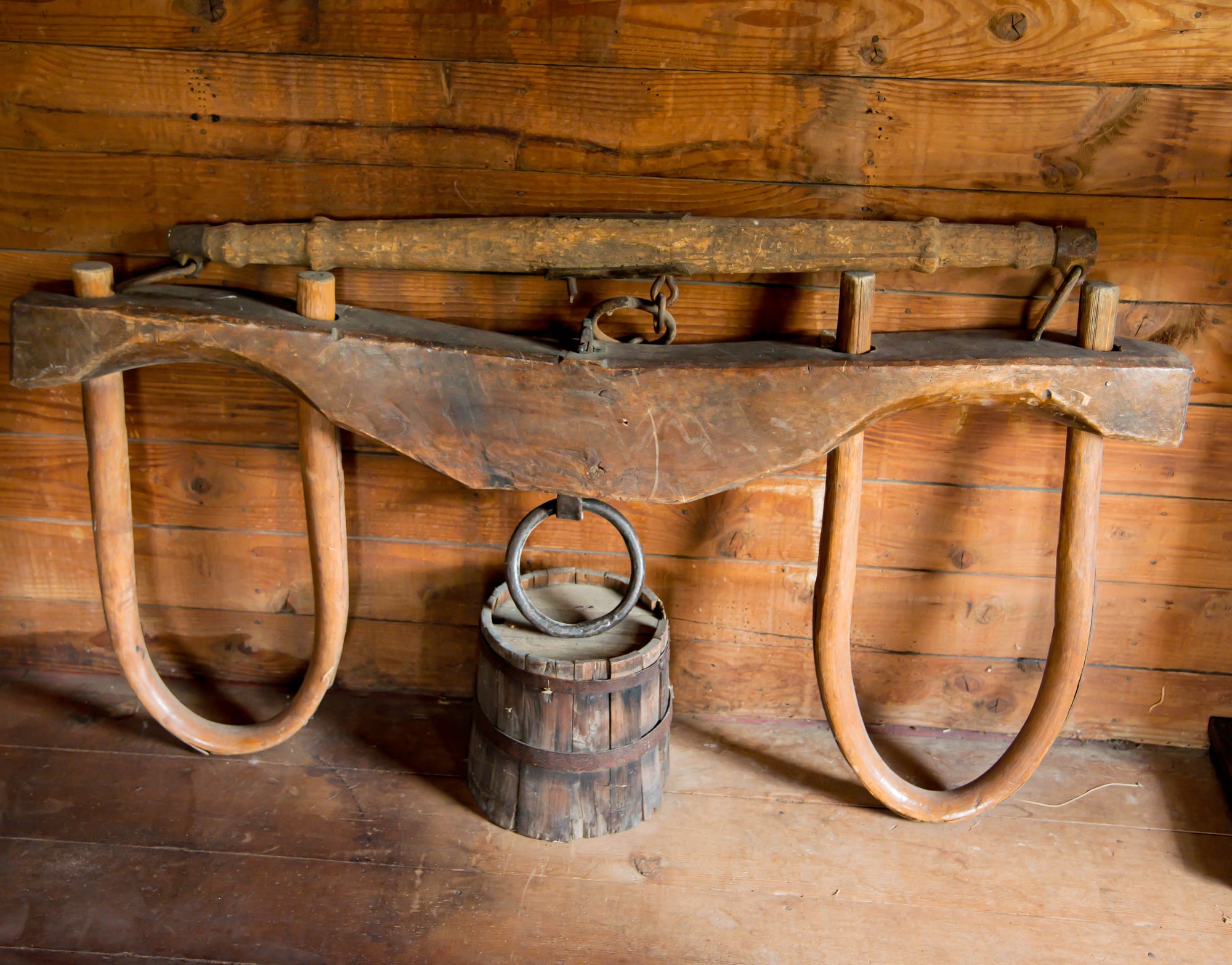
The wooden yoke – the part holding the bell so it can swing – goes back to the 1750s, about as old as the bell. But this one’s not the first; replacements happened when earlier ones decayed or broke down.
Over time, different versions took turns doing the job. Today’s version uses American elm, strong yet natural-looking.
It rests inside a steel structure, which helps carry the load. Spotting timber like that still working after ages surprises you, kind of like seeing the bell ring – wood rarely outlives metal by such margins.
Researchers looked into the break in detail

Scientists who study metals along with history experts checked the Liberty Bell’s break with today’s tools to see how it really cracked. Research shows the mix of metals used was too fragile from the start, while constant warming and cooling during use slowly caused tiny breaks.
Lots of copper helped the tone ring clearer, yet also increased its chance of splitting. Combine that with past fixes which damaged its strength further, and failure looked likely all along.
Still, at least we’ve got answers about why things fell apart – fixing it? Not happening anymore.
It showed up on the earliest U.S. coin made to honor something

In 1926, the Liberty Bell popped up on the Sesquicentennial fifty-cent piece – celebrating 150 years of U.S. freedom. That moment turned it into the top national icon featured on a special coin.
One face had the bell; the opposite held Independence Hall, tying together Philly’s best-known landmarks. Over time, it started showing up on different coins, postage stamps, even government emblems.
Its look is so familiar, folks everywhere see it and think ‘United States’ right away.
Kids would often scramble up there instead

Back when the Liberty Bell was still inside Independence Hall, folks could actually reach out and touch it. Photos from over a hundred years ago? Kids were scrambling right up onto it, with moms and dads just standing by, watching.
Instead of leaving it alone, some guests carved their initials into the surface or broke off little chunks to take home. Nowadays, that kind of behavior feels totally nuts – now it’s locked behind thick glass, under close watch.
Being able to get so close definitely left more marks on the bell, sure – but it also let everyday Americans feel like they were part of its story.
From buzzing straight to famous
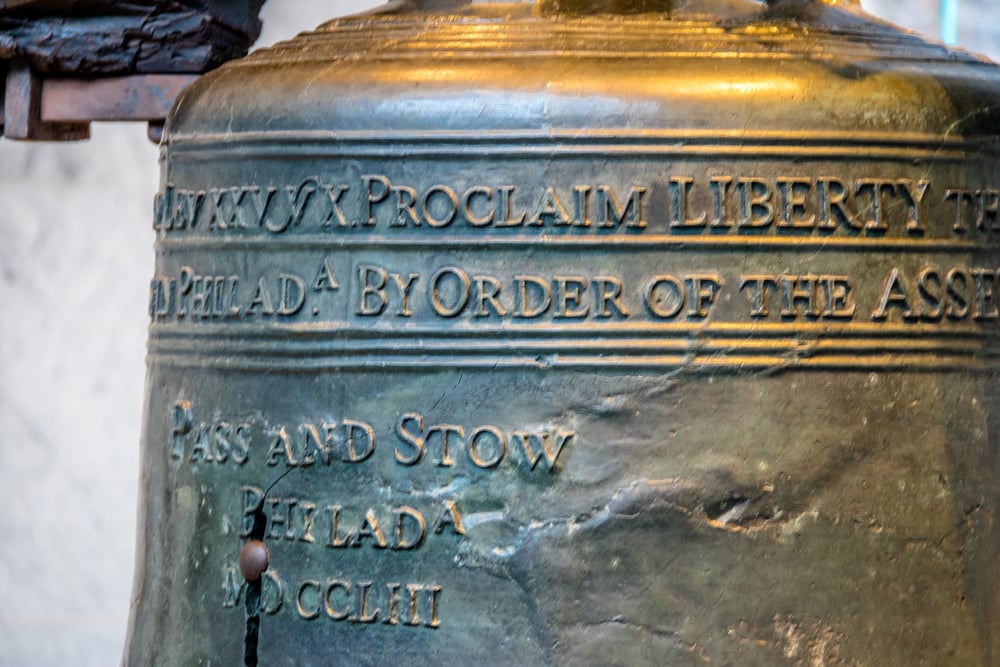
The Liberty Bell hasn’t rung properly in nearly two centuries – still, its meaning grew once it fell silent. That split across its side didn’t ruin it; instead, it mirrored a nation flawed from the start but always pushing forward.
Folks trek to see this 2,080-pound hunk of broken metal not since it makes noise or serves a purpose, rather because what it stands for matters more. Truth is, some icons gain strength when they stop functioning, simply by sticking around.
More from Go2Tutors!

- The Romanov Crown Jewels and Their Tragic Fate
- 13 Historical Mysteries That Science Still Can’t Solve
- Famous Hoaxes That Fooled the World for Years
- 15 Child Stars with Tragic Adult Lives
- 16 Famous Jewelry Pieces in History
Like Go2Tutors’s content? Follow us on MSN.



