15 Household Rules Everyone’s Parents Enforced for No Real Reason
Growing up under the watchful eyes of parents meant living by certain non-negotiable household regulations. These domestic policies varied somewhat from family to family, yet a core set of bizarre edicts seemed to permeate American homes regardless of region or decade. Despite lacking empirical evidence or logical foundations, these rules were enforced with judicial consistency.
The peculiar nature of these regulations often contradicted common sense, though questioning them typically resulted in the universal parental fallback explanation: “because I said so.” Let’s examine 15 peculiar household mandates that shaped childhoods across generations.
No Shoes on the Furniture

The cardinal sin in many households – feet or footwear making contact with upholstered surfaces. Parents would react with near-cardiovascular distress at the sight of sneakers propped on coffee tables.
Oddly enough, socks – which had been inside those very shoes moments earlier – were frequently deemed acceptable alternatives for elevation purposes.
Wait 30 Minutes After Eating Before Swimming

Despite minimal scientific support, this temporal restriction between consumption and aquatic recreation persisted for decades. Kids nationwide sat poolside watching imaginary digestive clocks tick down – convinced their turkey sandwich might cause instantaneous cramping and subsequent drowning.
Modern research has largely debunked this waiting period as unnecessary, though countless summer afternoons were sacrificed to its observance.
Like Go2Tutors’s content? Follow us on MSN.
Don’t Run with Scissors

This was a reasonable safety precaution that somehow transformed into apocalyptic warnings about potential impalement scenarios. Walking briskly while carrying even the most rounded-tip craft scissors could trigger parental alarm systems.
The prohibition extended beyond scissors to encompass anything remotely pointed—pencils, rulers, and even particularly crusty breadsticks might fall under this ordinance during periods of strict enforcement.
No Elbows on the Table

This arbitrary posture requirement – ostensibly about proper etiquette – suggested that forearm placement could somehow undermine familial harmony during mealtimes. Children learned that while hands, wrists, and even partial forearms might contact the dining surface, the precise joint connecting upper and lower arm components must remain suspended in mid-air, defying both gravity and comfort.
Don’t Touch the Thermostat
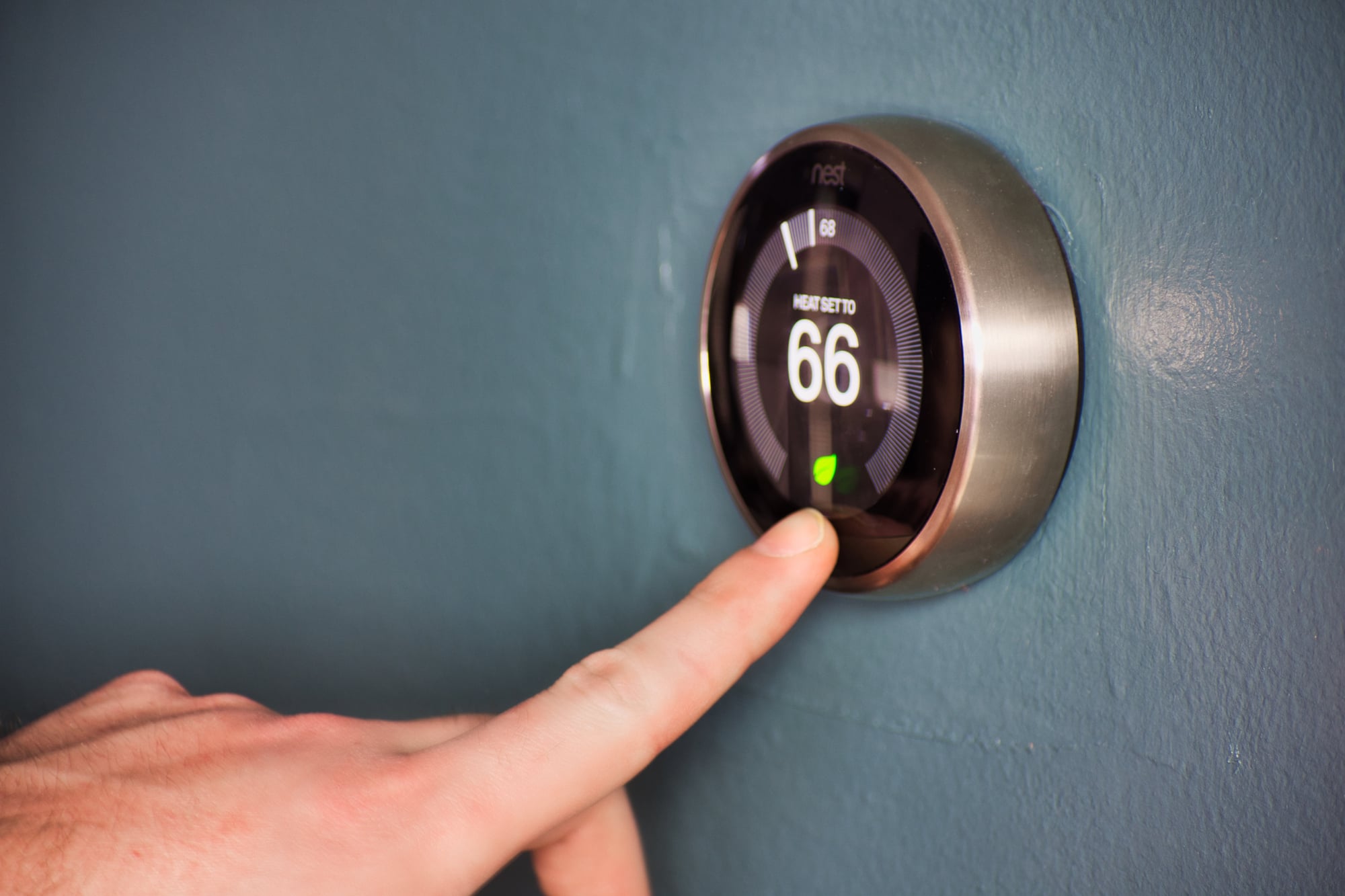
The temperature regulation device mounted on walls nationwide represented the ultimate symbol of parental authority. These small plastic controllers – essentially architectural boundary markers separating childhood territories from adult domains – remained strictly off-limits.
Unauthorized adjustment of even half a degree might trigger immediate detection systems built into the parental awareness framework.
Like Go2Tutors’s content? Follow us on MSN.
Close the Door, We’re Not Heating the Neighborhood

This meteorological economics lesson emerged whenever exterior doors remained ajar beyond a 2.5-second threshold. Household thermal integrity apparently hinged entirely upon complete door closure—momentary gaps supposedly capable of draining entire heating budgets within seconds.
Parents nationwide appeared convinced that heat transfer physics operated differently within domestic environments compared to laboratory settings.
Turn Off Lights When Leaving a Room
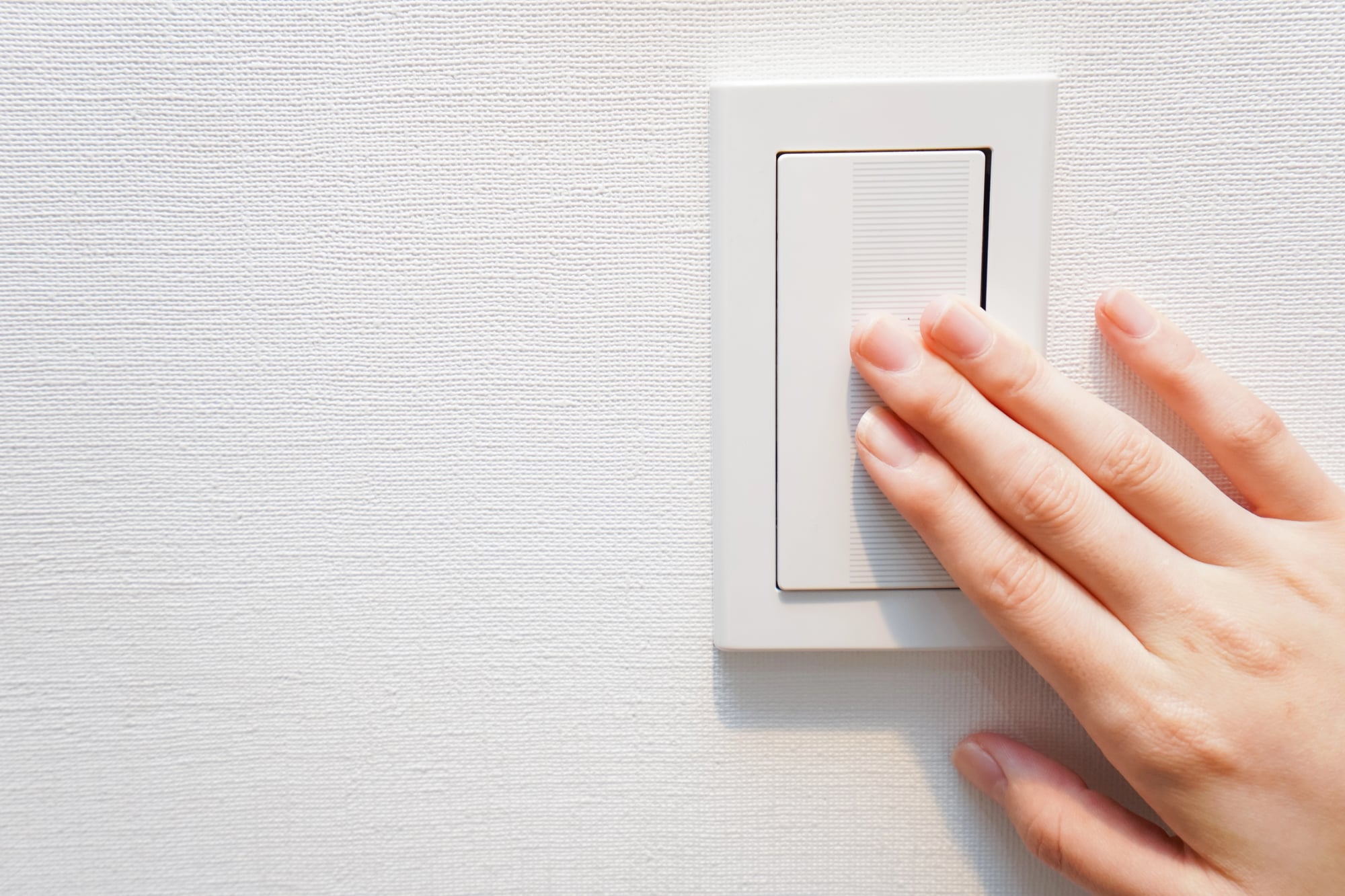
Illuminated yet unoccupied spaces became monitoring points for parental resource management systems. The incremental electrical consumption represented by a single bulb burning in an empty bedroom somehow warranted full-scale household investigations and subsequent lectures about fiscal responsibility.
The minuscule financial impact seemed dramatically outweighed by the enforcement energy expended.
Don’t Talk to Strangers

This paradoxical directive created cognitive dissonance when juxtaposed against parental behavior in public settings. Children observed adults freely engaging unfamiliar cashiers, neighbors, and random parking lot occupants in conversation – suggesting the definition of ‘stranger’ possessed situational flexibility beyond childhood comprehension.
The nuances of appropriate interaction parameters remained perpetually unclear.
Like Go2Tutors’s content? Follow us on MSN.
No TV Until Homework Is Done
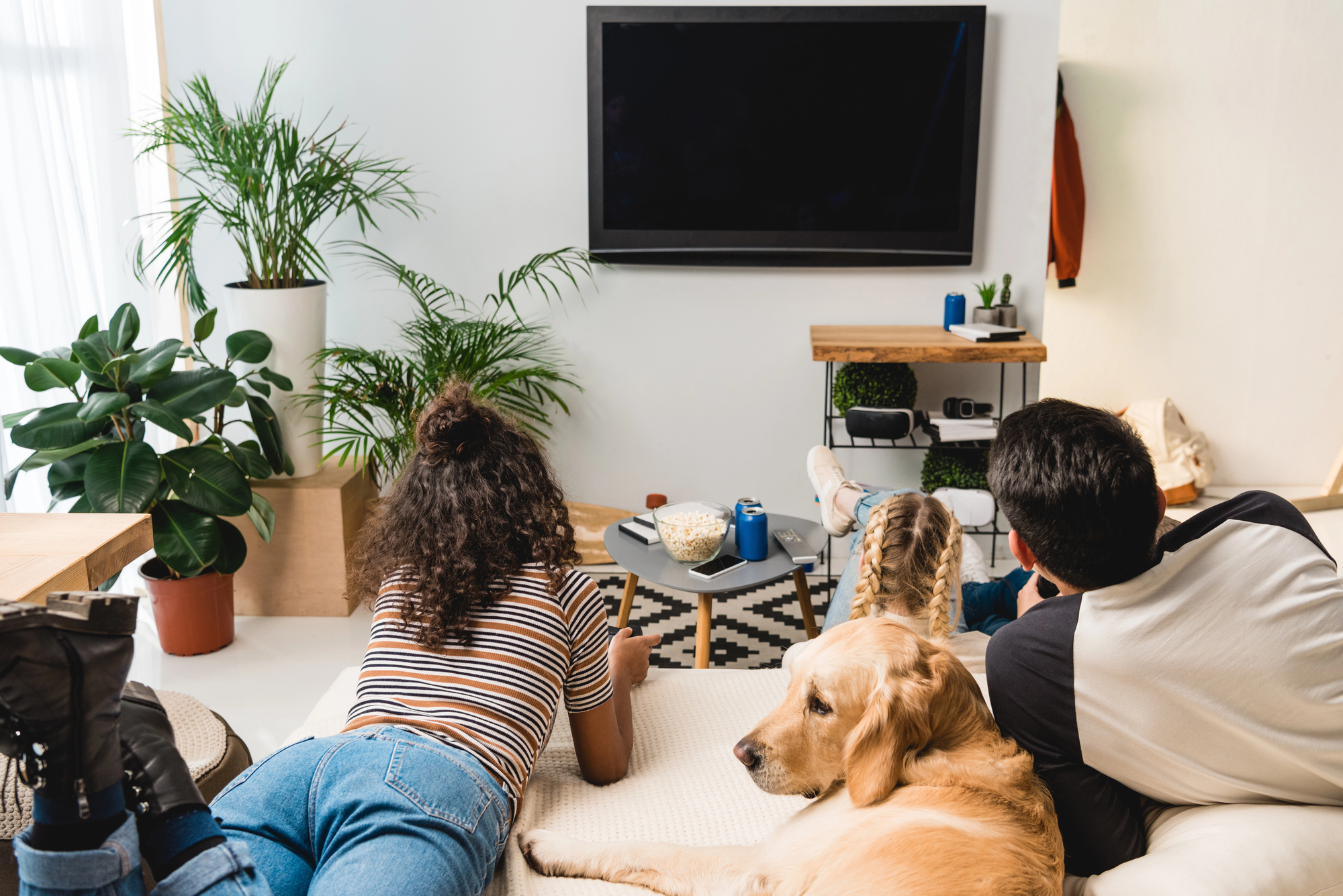
Academic responsibilities served as gatekeeping mechanisms for entertainment access – creating unfortunate associations between learning and obligation rather than curiosity. This conditional relationship between scholastic completion and recreational screen time established patterns wherein children rushed through assignments with minimal retention simply to access predetermined television programming schedules.
Make Your Bed Every Morning
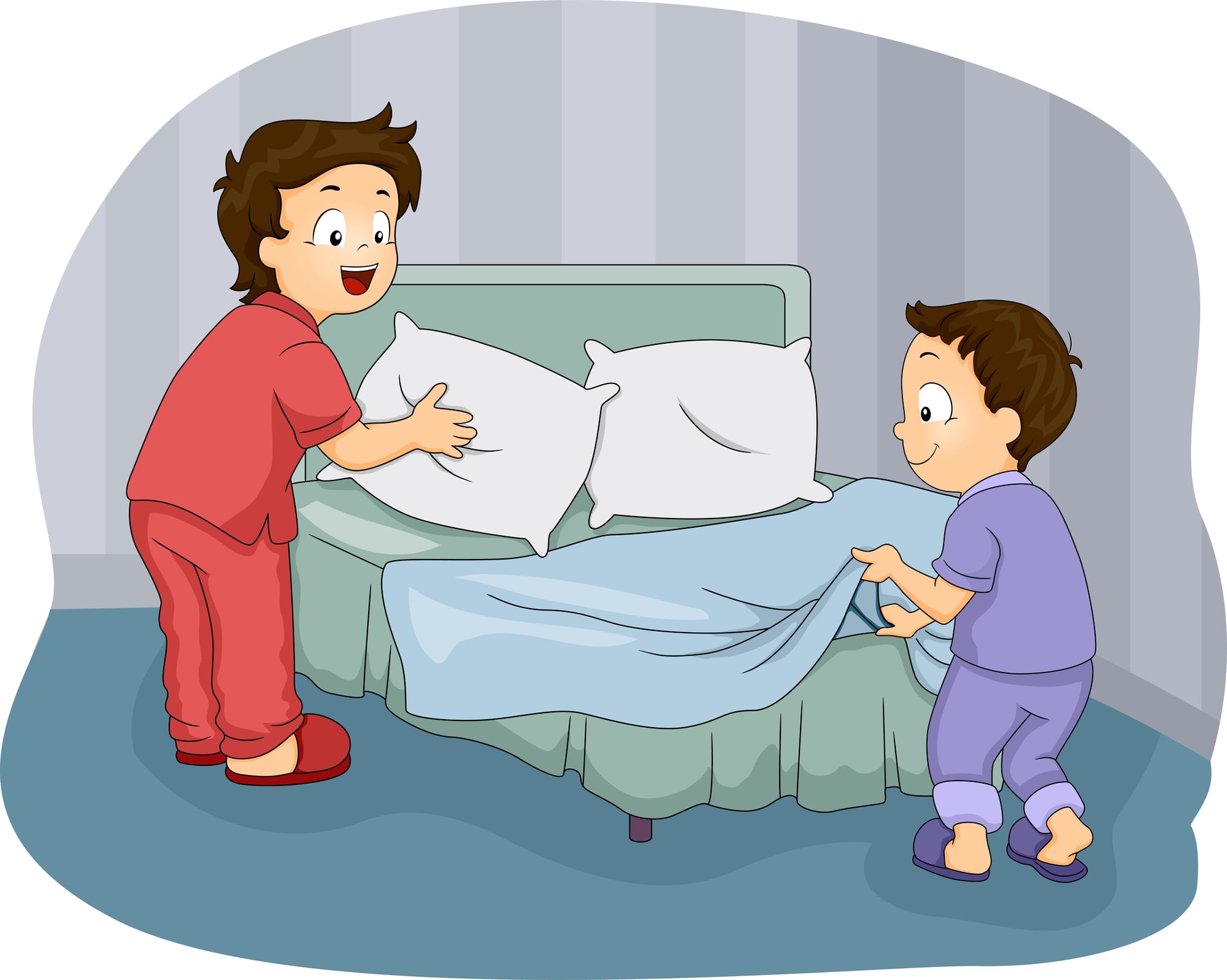
The daily reorganization of sleeping surfaces – despite their inevitable disruption hours later – represented a mysterious priority within household management systems. The practice supposedly built character despite lacking measurable metrics for such development.
Furthermore, the audience for such domestic achievements remained unclear, as visitors rarely conducted bedroom inspections.
No Snacking Before Dinner

Hunger – a biological response indicating nutritional needs – somehow transformed into a character flaw when experienced during late afternoon hours. Children learned that appetite operated not as a physical signal but rather as a scheduled event that should align precisely with predetermined family mealtimes.
Requests for small hunger-abating food portions were categorized as patience deficiencies rather than legitimate biological requirements.
Like Go2Tutors’s content? Follow us on MSN.
Clean Your Plate

This contradictory companion to the anti-snacking protocol created complex relationships with portion control and satiety cues. Children received mixed messages about responding to internal fullness signals versus external expectations of consumption completion.
This rule operated regardless of serving size inconsistencies or appetite variations, establishing problematic precedents for future eating behaviors.
No Hats at the Table

Headwear during mealtimes somehow threatened the fundamental social contract of family dining experiences. This arbitrary fashion restriction applied even to casual baseball caps during informal pizza nights.
The correlation between cranial coverings and nutritional intake remained unexplained, though vague references to “respect” sometimes accompanied enforcement actions.
Don’t Sit So Close to the TV
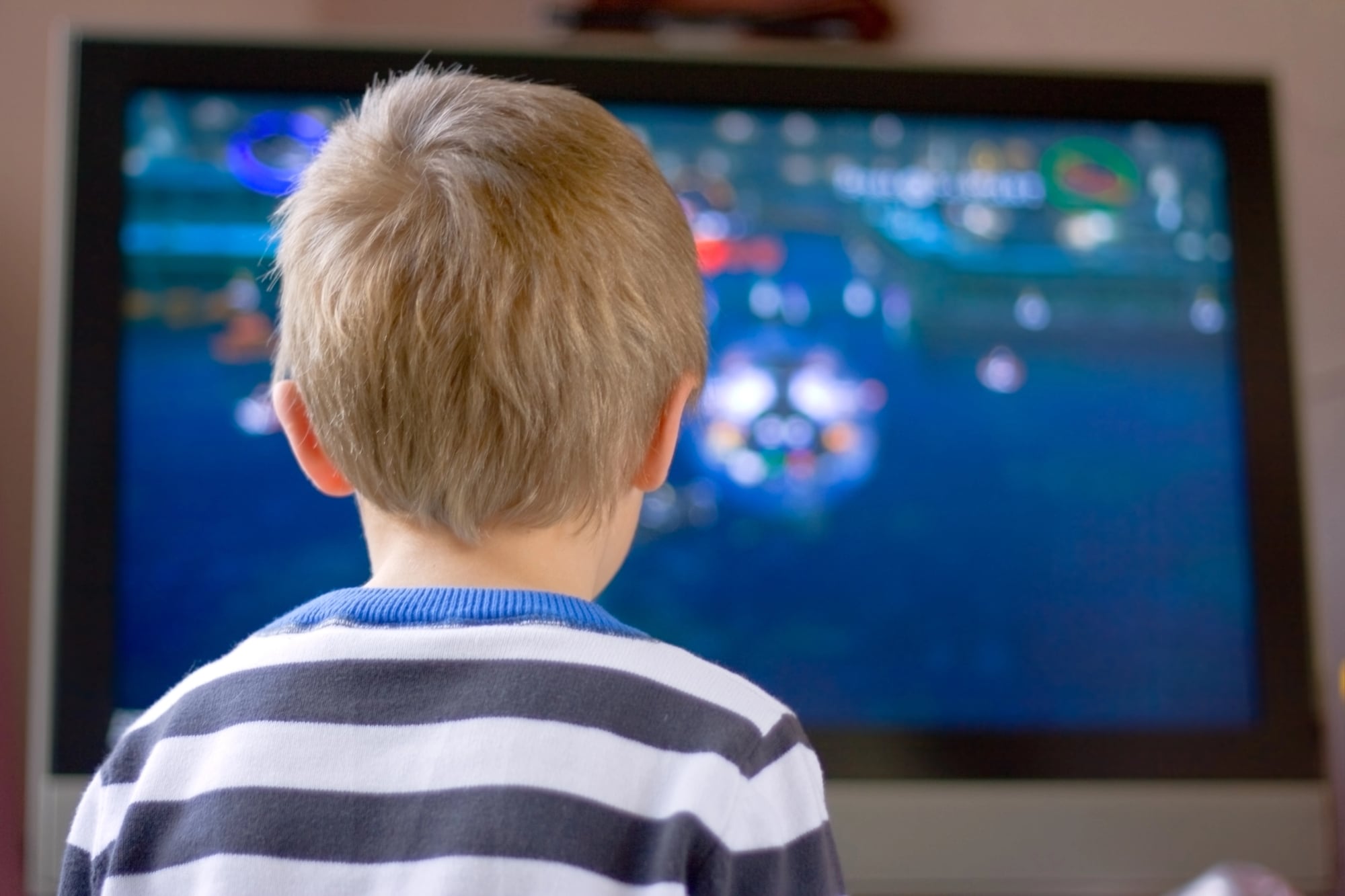
The invisible radiation danger zone extending from television screens created arbitrary viewing distance requirements that shifted with parental mood and television programming content. Parents seemed convinced that proximity to cathode ray tubes would result in immediate ocular deterioration, despite technological advancements and safety improvements in display technology.
Children repeatedly caught themselves inching forward during engaging programs, triggering the universal “back up” command.
Like Go2Tutors’s content? Follow us on MSN.
Be Home When the Street Lights Come On

This astronomically determined curfew system linked childhood outdoor privileges directly to municipal lighting infrastructure. The moment when photosensitive cells triggered neighborhood illumination served as universal recall signals across communities.
This cosmic timekeeping method required no watches, clocks, or actual scheduled hours, operating instead through mysterious sunlight-to-streetlight conversion formulas understood only by parental authorities.
The Lasting Impact of Domestic Regulations

While seemingly arbitrary, these peculiar household governance structures somehow contributed to collective childhood experiences that transcended generations. The strange comfort found in these shared domestic peculiarities connects adults across age groups and backgrounds.
Though we might question their logical foundations, many find themselves unconsciously perpetuating these same regulations with their own children – continuing traditions of inexplicable household rules that ultimately become part of our cultural fabric.
More from Go2Tutors!

- 18 Unexpectedly Valuable Collectibles You Might Have Lying Around
- 20 Little-Known Historical Battles That Had Huge Consequences
- 20 Historical Artifacts That Scientists Can’t Explain
- 15 Inventions That Were Immediately Banned After Being Created
- 20 Actors Who Were Almost Cast in Iconic Roles
Like Go2Tutors’s content? Follow us on MSN.