15 Deadliest Storms in Recorded History
Throughout human history, nature has unleashed some of its most devastating power through massive storms that have claimed hundreds of thousands of lives. These weather events, ranging from tropical cyclones to hurricanes and typhoons, represent some of the most catastrophic natural disasters ever recorded. While modern technology has improved our ability to predict and prepare for these storms, the historical record shows just how vulnerable human populations have been to nature’s fury.
Understanding these deadly storms helps us appreciate both the progress we’ve made in meteorological science and the ongoing challenges we face in protecting vulnerable populations. Here is a list of 15 of the deadliest storms in recorded history.
1970 Bhola Cyclone
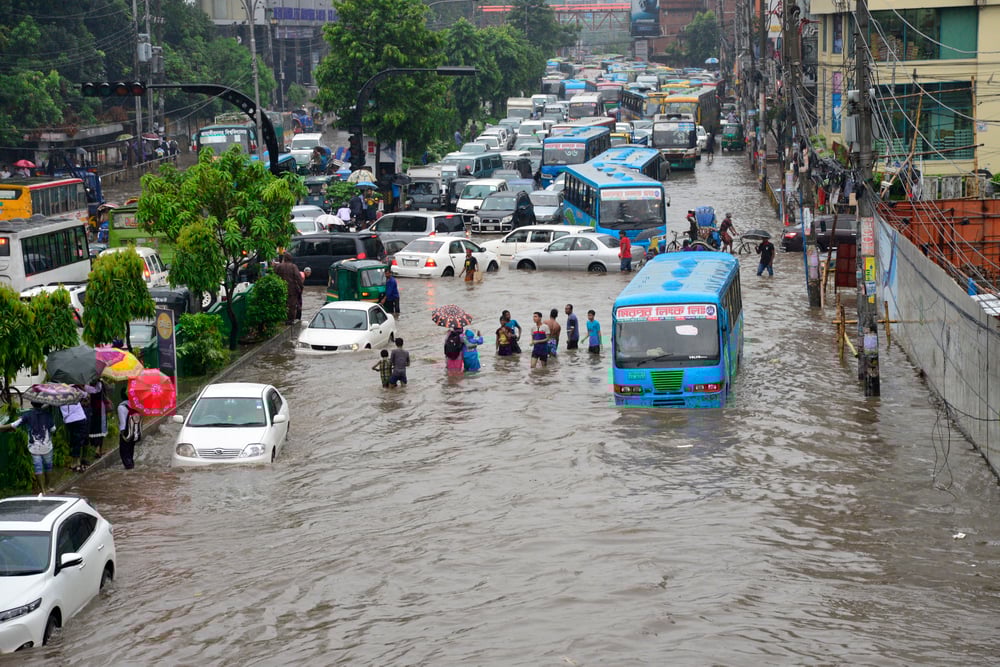
The 1970 Bhola cyclone stands as the deadliest tropical cyclone in recorded history, claiming between 300,000 and 500,000 lives in what is now Bangladesh. This monster storm struck the densely populated Ganges Delta region on November 12, 1970, with winds reaching 115 mph and a storm surge that devastated the low-lying islands and coastal areas.
The tragedy was made worse by inadequate warning systems and the fact that many residents had nowhere to evacuate to in the flat, sea-level terrain.
1839 India Cyclone

The 1839 cyclone that struck the port city of Coringa (now Kakinada) in India killed an estimated 300,000 people, making it one of the earliest documented super-deadly storms. This massive cyclone generated a 40-foot storm surge that completely destroyed the port city and surrounding villages along the Bay of Bengal coast.
The storm was so powerful that it permanently altered the coastline and erased Coringa from existence as a major trading center.
Like Go2Tutors’s content? Follow us on MSN.
1737 Calcutta Cyclone

More than two centuries ago, a devastating cyclone struck the area around Calcutta (now Kolkata), India. While early historical accounts reported a death toll as high as 300,000, modern analysis suggests this figure was likely a significant exaggeration or included deaths from other causes, with more accurate estimates of storm-related fatalities being in the thousands or tens of thousands.
This early recorded disaster demonstrated how vulnerable densely populated river deltas could be to tropical cyclones, a lesson that would be repeated many times throughout history.
1881 Haiphong Typhoon
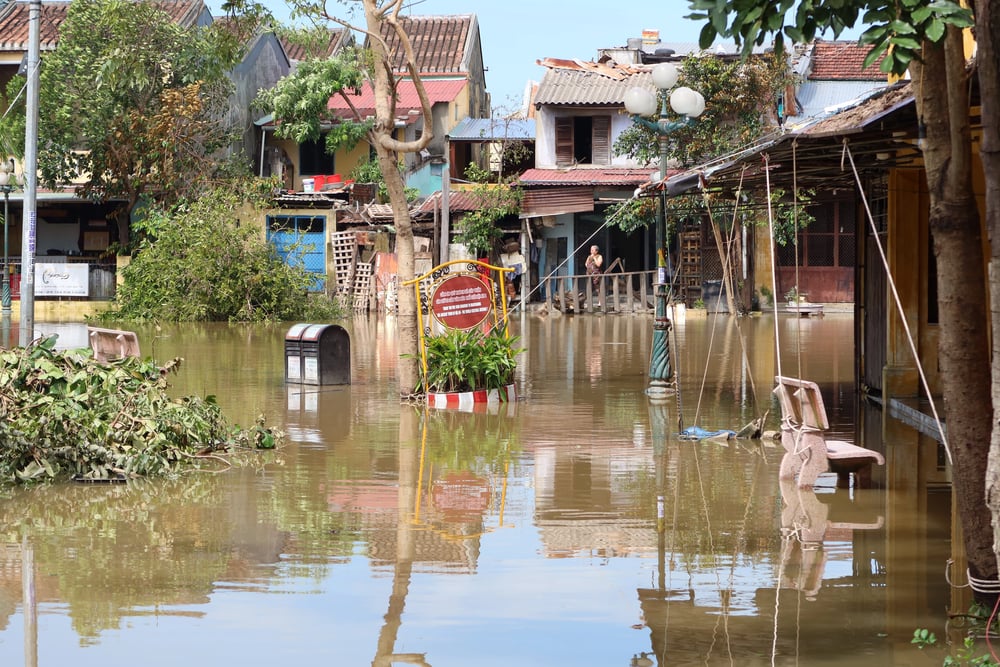
The port city of Haiphong in northern Vietnam was devastated by a powerful typhoon in 1881 that killed around 300,000 people. This storm struck during a time when the region had limited infrastructure and virtually no early warning systems, leaving the population completely unprepared for the massive storm surge and flooding.
The typhoon remains one of the deadliest storms to ever hit Southeast Asia, highlighting the region’s vulnerability to tropical cyclones.
2008 Cyclone Nargis
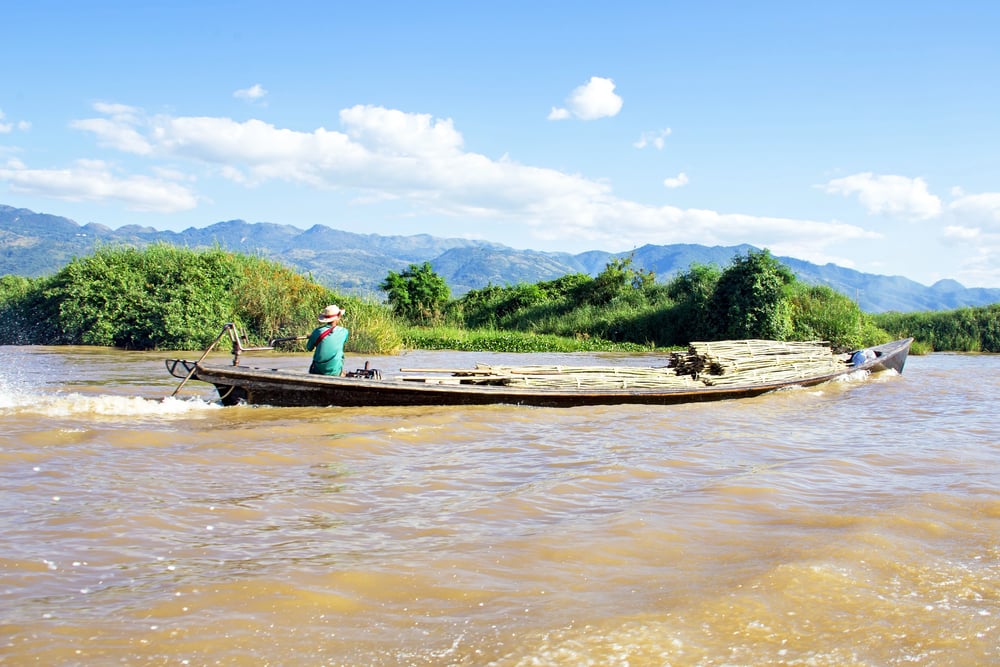
Cyclone Nargis became Myanmar’s worst natural disaster when it slammed into the Irrawaddy Delta region on May 2, 2008, killing at least 138,374 people with thousands more missing. The storm brought winds of 135 mph and a devastating storm surge that penetrated up to 25 miles inland, completely overwhelming the low-lying agricultural region.
The disaster was made worse by the Myanmar government’s initial refusal to accept international aid, delaying critical rescue and relief efforts for days.
Like Go2Tutors’s content? Follow us on MSN.
1975 Typhoon Nina

Typhoon Nina struck China’s Henan Province in August 1975, causing catastrophic flooding that killed an estimated 229,000 people, though some estimates put the death toll much higher. The storm caused the failure of the Banqiao Dam and dozens of other dams in a domino effect that released massive floods across the region.
This disaster was kept secret by the Chinese government for years, making it one of the most underreported natural disasters of the 20th century.
1991 Bangladesh Cyclone

Another devastating cyclone struck Bangladesh on April 29, 1991, killing approximately 138,000 people and leaving millions homeless. Despite improved warning systems compared to the 1970 disaster, the storm’s 160 mph winds and 20-foot storm surge still caused massive casualties in the densely populated coastal areas.
The cyclone demonstrated that even with better preparation, extremely vulnerable populations in low-lying areas remain at tremendous risk from powerful storms.
1900 Galveston Hurricane

The Great Galveston Hurricane of September 8, 1900, remains the deadliest natural disaster in United States history, killing between 6,000 and 12,000 people. This Category 4 hurricane completely destroyed the island city of Galveston, Texas, with a storm surge that reached 15 feet above sea level and winds of 145 mph.
The disaster led to major changes in hurricane forecasting and coastal city planning, including the construction of a massive seawall and the raising of the entire city’s elevation.
Like Go2Tutors’s content? Follow us on MSN.
1935 Yankee Hurricane

The Labor Day Hurricane of 1935, also known as the Yankee Hurricane, was one of the most intense hurricanes ever to make landfall in the United States, killing over 400 people in the Florida Keys. With sustained winds of 185 mph and a minimum pressure of 892 millibars, it remains the most intense hurricane on record at landfall in the Atlantic basin.
The storm’s path of destruction was relatively narrow, but its incredible intensity made it one of the most memorable storms in American history.
1780 Great Hurricane

The Great Hurricane of 1780 was the deadliest hurricane in the recorded history of the Atlantic, killing over 22,000 people across the Caribbean islands. This massive storm struck during the height of the Revolutionary War, destroying both British and French naval fleets and dramatically affecting military operations in the region.
The hurricane was so powerful that it stripped bark from trees and carried cannons hundreds of yards from their positions.
1963 Hurricane Flora
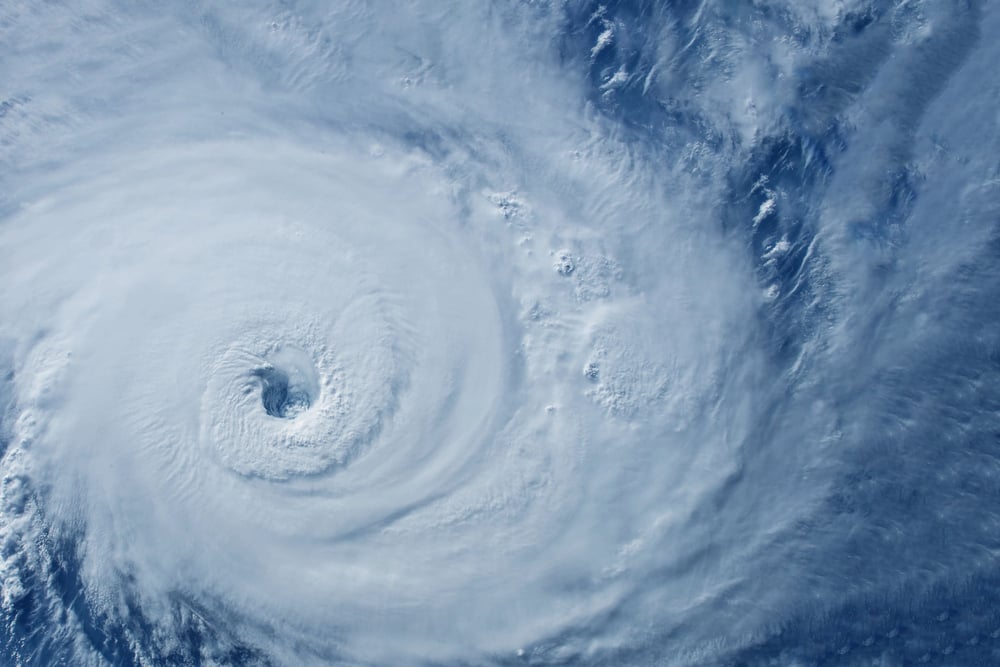
Hurricane Flora carved a path of destruction across the Caribbean in 1963, killing approximately 7,200 people, with Haiti and Cuba bearing the brunt of the casualties. The storm moved unusually slowly, allowing it to dump enormous amounts of rain that caused catastrophic flooding and landslides.
Flora’s impact was made worse by the mountainous terrain of Haiti, where heavy rains triggered deadly mudslides in populated valleys.
Like Go2Tutors’s content? Follow us on MSN.
1930 Dominican Republic Hurricane
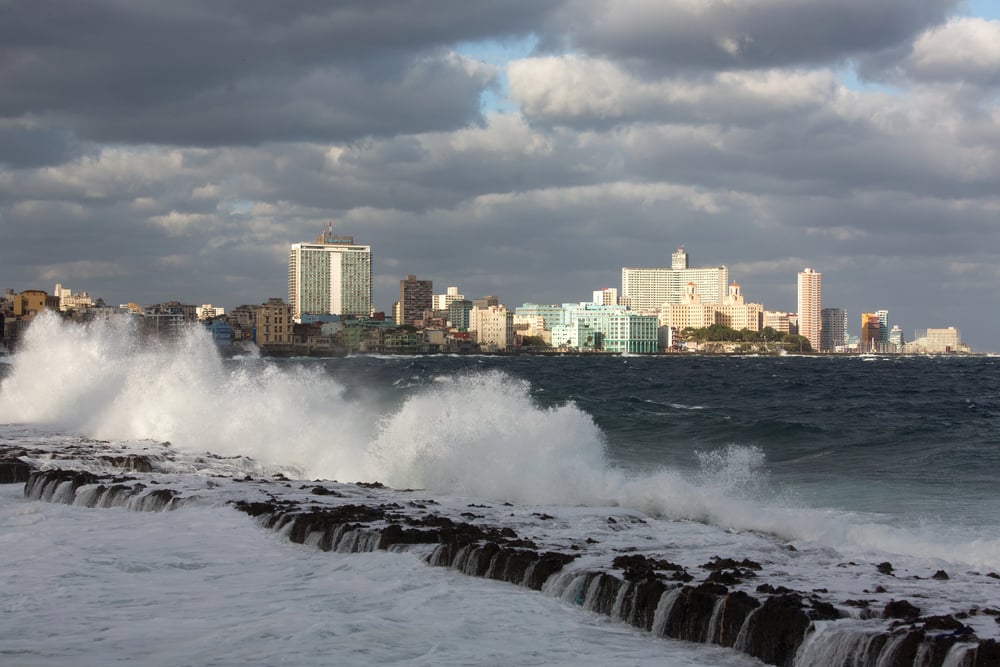
The Dominican Republic Hurricane of 1930, also known as Hurricane San Zenon, struck the capital city of Santo Domingo with devastating force, killing an estimated 8,000 people. The hurricane brought winds of 150 mph and a storm surge that flooded much of the coastal city, while also spawning deadly tornadoes inland.
This disaster led to significant changes in Caribbean hurricane preparedness and building codes in urban areas.
1919 Florida Keys Hurricane

The 1919 Florida Keys Hurricane was a powerful Category 4 storm that killed over 600 people in the Keys and caused extensive damage along the Florida coast. With sustained winds of 140 mph, the hurricane generated a storm surge of up to 15 feet that swept across the low-lying islands.
The storm highlighted the extreme vulnerability of the Florida Keys to hurricane storm surge, leading to better evacuation procedures for future storms.
1928 Okeechobee Hurricane

The 1928 Okeechobee Hurricane, also called the San Felipe Segundo Hurricane, killed at least 2,500 people in Florida, making it the second-deadliest hurricane in United States history. The storm caused Lake Okeechobee to overflow its earthen dike, flooding thousands of square miles of farmland around the lake with up to 20 feet of water.
Most of the victims were migrant farmworkers, many of whom were African American and whose deaths were initially undercounted in official records.
Like Go2Tutors’s content? Follow us on MSN.
1974 Cyclone Tracy
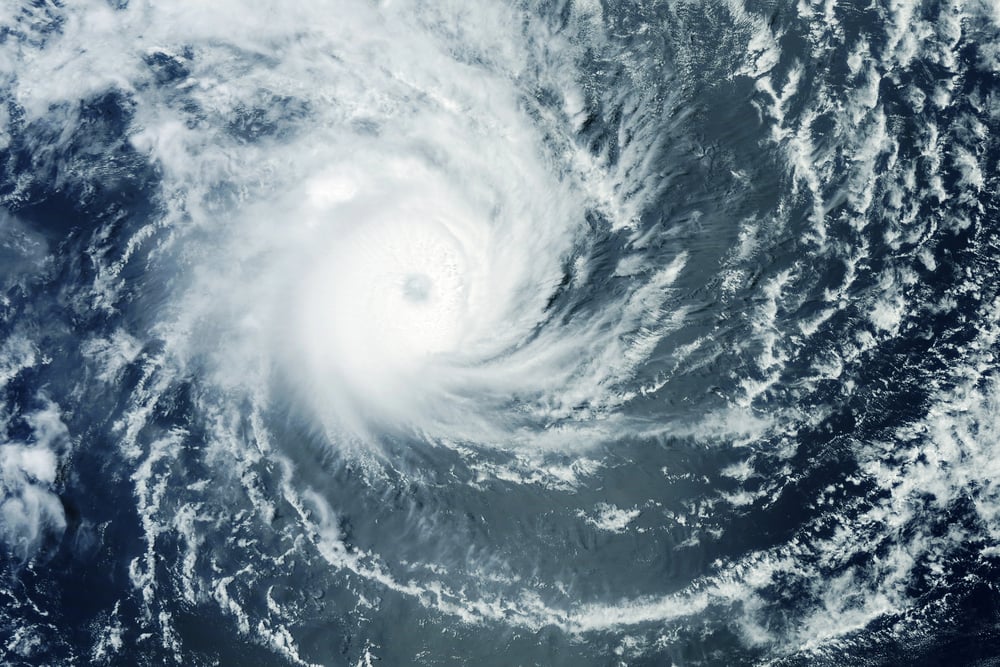
While not among the deadliest in terms of casualties, Cyclone Tracy deserves mention for completely destroying the Australian city of Darwin on Christmas Eve 1974, killing 71 people and leaving 41,000 homeless. The compact but incredibly intense cyclone packed winds of over 150 mph in a very small area, essentially erasing an entire city from the map.
Tracy led to completely new building standards in northern Australia and remains one of the most studied cyclones in Southern Hemisphere history.
When Nature Writes History
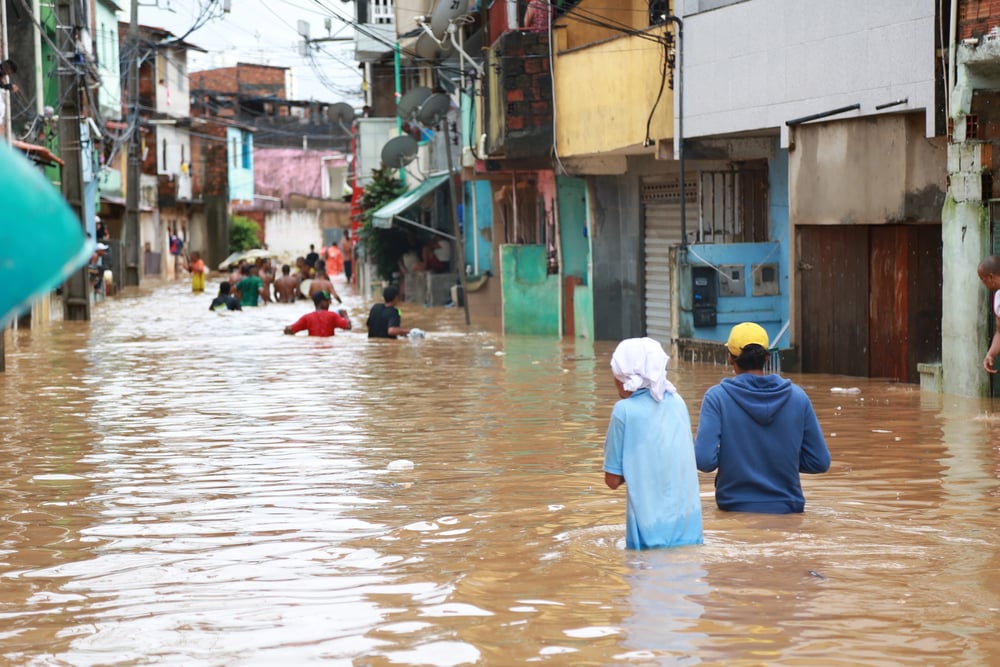
These deadly storms remind us that despite all our technological advances, we remain vulnerable to nature’s most extreme weather events. The patterns are clear: the deadliest storms typically strike densely populated, low-lying coastal areas where people have limited options for evacuation and inadequate infrastructure to withstand massive storm surges.
While modern forecasting has dramatically reduced casualties in many parts of the world, the most vulnerable populations often remain those in developing nations with limited resources for preparation and response. The legacy of these storms continues to shape how we build our cities, design our warning systems, and prepare for the inevitable return of nature’s fury.
More from Go2Tutors!

- 16 Historical Figures Who Were Nothing Like You Think
- 12 Things Sold in the 80s That Are Now Illegal
- 15 VHS Tapes That Could Be Worth Thousands
- 17 Historical “What Ifs” That Would Have Changed Everything
- 18 TV Shows That Vanished Without a Finale
Like Go2Tutors’s content? Follow us on MSN.