16 Bizarre Historical Moments That Experts Cannot Fully Explain
History is filled with mysteries that make you question everything. Not just the big, obvious puzzles like who built Stonehenge or what happened to Amelia Earhart.
The really unsettling ones are smaller — moments where perfectly reasonable people did something inexplicable, or entire communities acted in ways that defy logic. These events leave behind detailed records and witness accounts, yet experts still can’t agree on what actually happened.
The Dancing Plague of 1518

In July 1518, a woman named Frau Troffea began dancing in the streets of Strasbourg. She danced for days without stopping.
Within a week, dozens had joined her. By the end of the month, around 400 people were dancing uncontrollably, and some reportedly died from exhaustion.
The authorities consulted physicians, who declared it a “hot blood” condition that required more dancing to cure. So they hired musicians and built stages.
The dancing continued for weeks before mysteriously ending. No satisfactory explanation exists for why an entire city lost control of their bodies in synchronized madness.
The Tunguska Event

Something exploded over Siberia in 1908 with the force of 1,000 atomic bombs. It flattened 2,000 square kilometers of forest, but left no crater.
The blast was felt hundreds of miles away, and the night sky glowed bright enough to read by across Europe and Asia.
Scientists didn’t reach the site until 1927 (remote location, political upheaval, minor detail called World War I getting in the way). They found trees knocked down in a radial pattern around ground zero, but no fragments of whatever caused the explosion.
Theories range from a meteor that disintegrated mid-air to antimatter collisions — and here’s the thing that should bother you more than it probably does: we still don’t know what happened, and something that powerful hit Earth within living memory.
The Voynich Manuscript

Think of it as a medieval textbook written in an alien language — except the aliens apparently had a deep interest in plants, astronomy, and unclothed women in bathtubs. The Voynich Manuscript contains 240 pages of detailed illustrations accompanied by text in a script that has never been deciphered, despite nearly a century of attempts by cryptographers, linguists, and computer scientists.
The manuscript appears to be a scientific work from the 15th century, divided into sections on botany, astronomy, biology, and pharmacy. But here’s what keeps experts awake: the plants depicted don’t match any known species, the astronomical charts show unidentifiable celestial objects, and the text follows statistical patterns that suggest it’s a real language — just not one anyone recognizes.
Carbon dating confirms its age, ruling out modern hoaxes, which somehow makes it more unsettling rather than less.
The Bronze Age Collapse

Around 1200 BCE, advanced civilizations across the Mediterranean simply vanished. The Mycenaeans in Greece, the Hittites in Turkey, cities across the Levant — all abandoned within a few decades.
These weren’t primitive societies that got wiped out by natural disasters; they had writing systems, international trade networks, and sophisticated military technology.
Contemporary records mention mysterious “Sea Peoples” who appeared from nowhere and couldn’t be stopped. But that’s like saying aliens destroyed modern civilization — it explains nothing while raising more questions.
Climate change, internal rebellions, and economic collapse have all been suggested, but none adequately explain why multiple unconnected civilizations collapsed simultaneously. The Bronze Age ended not with conquest but with abandonment, and nobody knows why people just walked away from cities that had thrived for centuries.
The Wow Signal
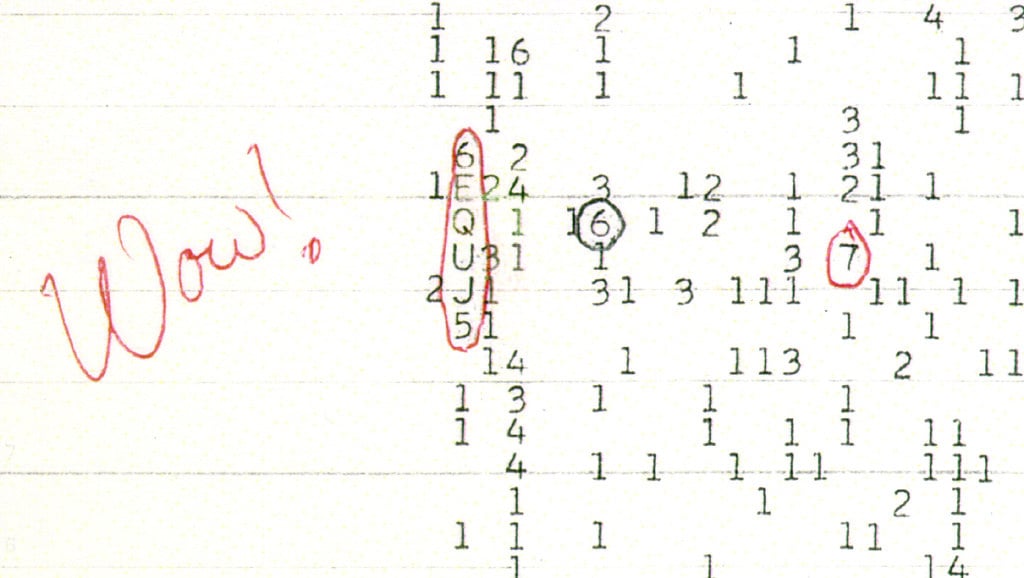
On August 15, 1977, astronomer J. Ehman was reviewing data from Ohio State University’s radio telescope when he found something that made him write “Wow!” in red ink on the computer printout. The signal came from the direction of Sagittarius, lasted exactly 72 seconds, and matched the frequency scientists expected extraterrestrial intelligence to use.
It was the strongest signal ever detected by the Search for Extraterrestrial Intelligence program. The telescope was designed to detect exactly this type of transmission, the frequency was significant, and the signal’s intensity increased and decreased in a pattern consistent with Earth’s rotation moving the telescope’s beam across a fixed source.
Despite decades of searching, the signal has never repeated. Either we detected communication from another civilization, or the universe has a sense of humor about getting our hopes up.
The Disappearance of the Ninth Legion
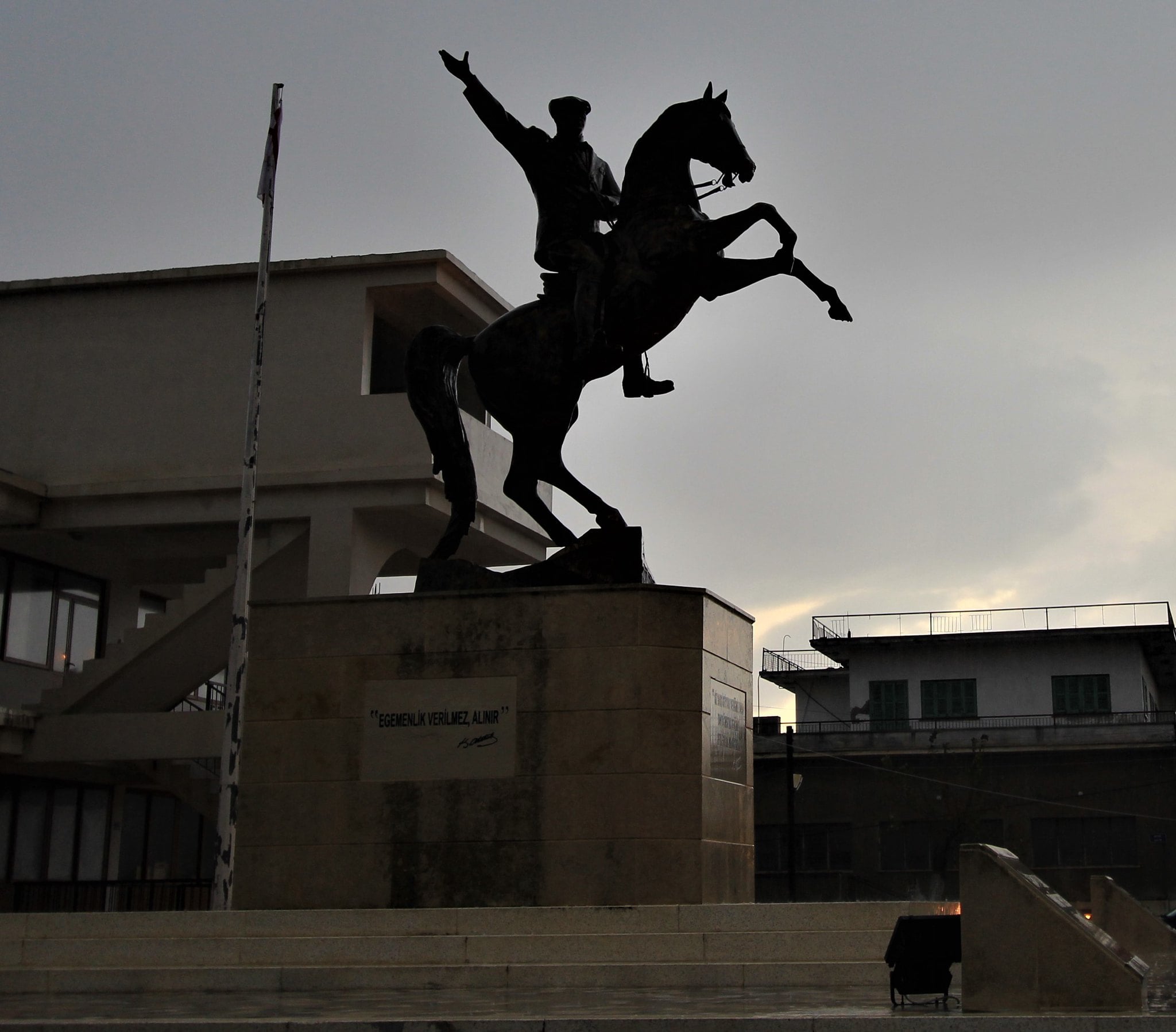
The Roman Ninth Legion, around 5,000 soldiers, marched into northern Britain around 108 CE and vanished from history. Not defeated in battle — there are records of Roman defeats.
Not reassigned — there are records of legion movements. They simply stopped appearing in any documents, inscriptions, or archaeological evidence.
The legion had served with distinction in Germany, Africa, and the conquest of Britain. Roman bureaucracy was meticulous about recording military units, yet the Ninth disappears from official records without explanation.
Theories include annihilation by Pictish tribes, transfer to another frontier, or gradual dissolution through casualties and reassignment. But Romans documented military disasters extensively — the complete absence of records suggests something happened that they chose not to write down.
The Carrington Event

In 1859, telegraph systems worldwide went haywire. Operators received electric shocks, telegraph paper caught fire, and some systems continued working after being disconnected from their power sources.
The aurora borealis appeared as far south as the Caribbean, bright enough that people could read newspapers by its light.
What caused this was a solar storm of unprecedented magnitude — the largest geomagnetic disturbance in recorded history. Telegraph networks, the only electrical infrastructure of the time, were overwhelmed by induced currents.
But here’s the unsettling part: if a similar event occurred today, it would destroy electrical grids, satellites, and communication systems globally. The Carrington Event proves such storms can happen, yet we have no way to predict or prevent them.
Solar observation has improved dramatically, but our dependence on vulnerable technology has increased exponentially.
The Mary Celeste

In December 1872, the merchant ship Mary Celeste was found drifting between Portugal and the Azores. The cargo was intact, there were six months of food and water aboard, and the captain’s log showed nothing unusual.
But the crew of ten had vanished without a trace.
The ship wasn’t damaged by storms or attacks (and besides, pirates don’t typically leave valuable cargo behind while making off with people who have no ransom value). Personal belongings remained undisturbed, suggesting the crew left voluntarily and expected to return.
The lifeboat was missing, but no distress signals had been sent, and the weather had been calm. A century and a half later, maritime experts still can’t explain what would cause an experienced crew to abandon a seaworthy ship carrying precious cargo in the middle of the ocean.
The Lead Masks Case

On August 20, 1966, two Brazilian electrical technicians were found dead on Vintém Hill wearing formal suits and lead masks over their eyes. Next to them was a notebook with cryptic instructions: “16:30 be at agreed place. 18:30 swallow capsules, after effect protect metals await signal mask.”
The men had told their families they were buying materials for work and would return the same day. Witnesses saw them purchasing the lead masks and rain coats (found at the scene despite clear weather).
Autopsy results were inconclusive, and no traces of poison were found, though this might have been due to the delay in discovering the bodies. The lead masks suggest protection from radiation, the formal clothes indicate a planned meeting, and the note implies they expected to survive whatever they were doing.
The case remains officially unsolved.
The Kentucky Meat Shower

On March 3, 1876, chunks of meat fell from a clear sky over Bath County, Kentucky. The meat shower lasted several minutes and covered an area roughly 100 yards long and 50 yards wide.
Two locals who tasted it (because apparently this was a reasonable response to mysterious falling meat) said it tasted like mutton or venison.
Scientific analysis identified the meat as lung tissue from either a horse or a human infant — results that somehow make the event more disturbing rather than less. The leading theory involves vultures regurgitating after being startled, but this fails to explain the quantity of meat, the uniform distribution, or why no vultures were observed in the area.
Weather conditions were calm, ruling out tornadoes transporting meat from distant locations. The incident was well-documented by multiple witnesses and scientifically investigated, yet no explanation adequately accounts for all the evidence.
The Hessdalen Lights
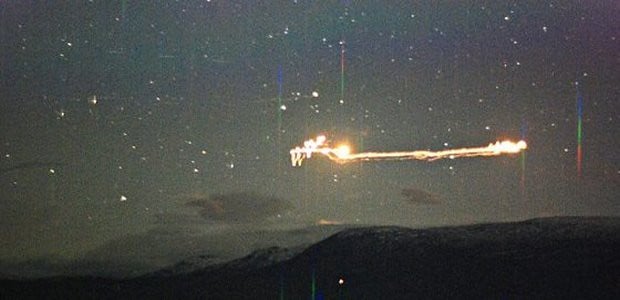
Since the 1940s, unexplained lights have appeared regularly in Norway’s Hessdalen Valley. They hover, move in geometric patterns, change colors, and sometimes last for hours.
The phenomenon became so frequent in the 1980s that scientists established a permanent monitoring station that continues operating today.
These aren’t distant lights that could be explained by aircraft or atmospheric phenomena. The lights appear close to the ground, exhibit controlled movement, and have been photographed extensively.
Electromagnetic readings spike during appearances, and the lights sometimes respond to radio transmissions. Scientific teams have monitored the area with sophisticated equipment for decades, confirming that something unusual occurs regularly — but not what it is.
The Antikythera Mechanism
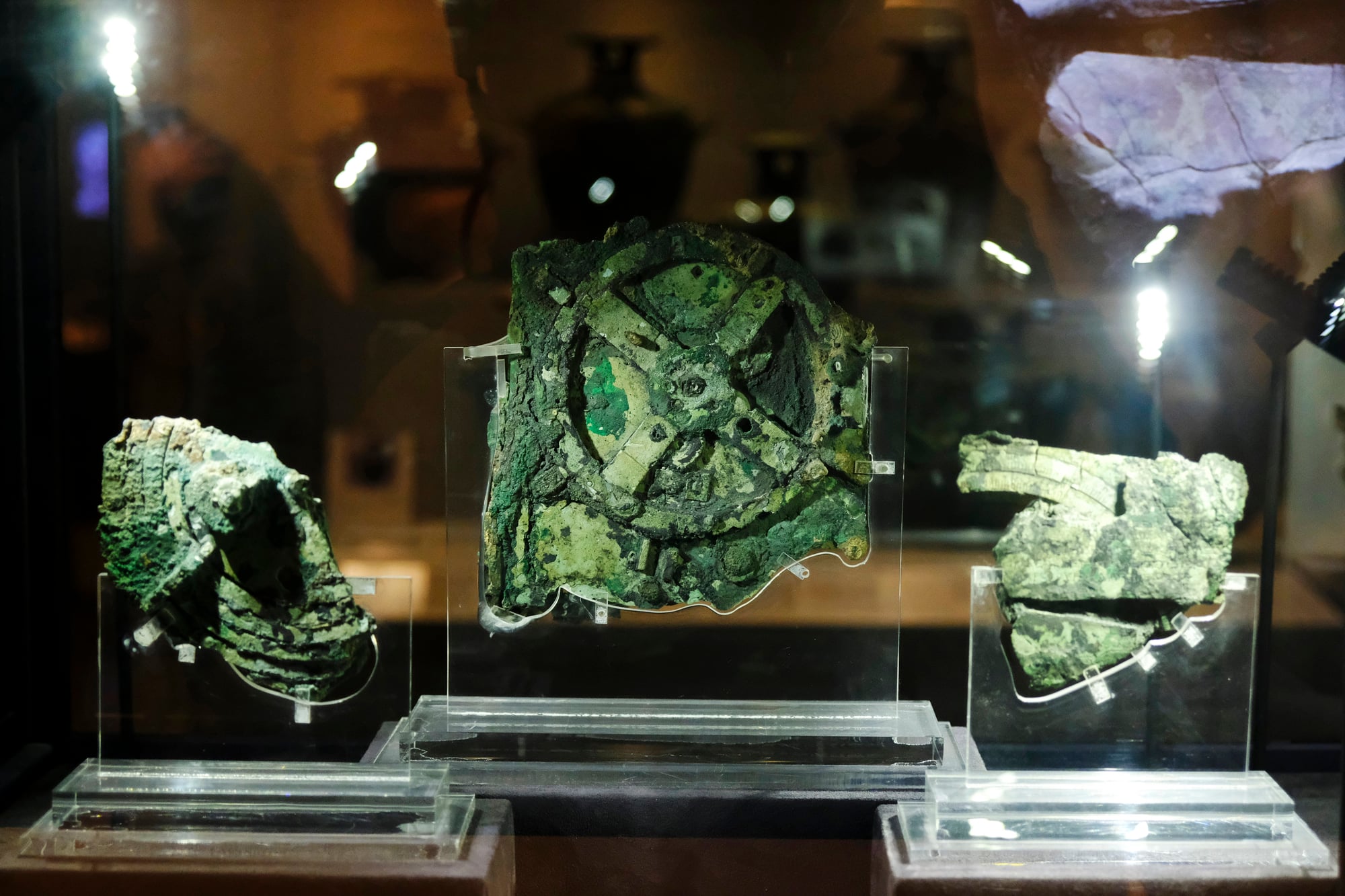
In 1901, divers recovered what appeared to be a corroded bronze gear system from a Roman shipwreck near the Greek island of Antikythera. For decades, archaeologists assumed it was some kind of clock.
In the 1970s, X-ray imaging revealed something that shouldn’t have existed: an ancient Greek computer capable of predicting eclipses, planetary positions, and Olympic games.
The mechanism dates to around 100 BCE but contains gear technology that historians believed wasn’t developed until the 14th century. It’s more sophisticated than any known device from antiquity, requiring mathematical and engineering knowledge that apparently vanished for over a millennium.
Either ancient Greek technology was far more advanced than we realized, or this single device represents lost knowledge that we’re only now beginning to understand.
The Dancing Mania of the Middle Ages

Between the 14th and 17th centuries, groups of people across Europe were periodically seized by compulsive dancing that lasted for days or weeks. These weren’t isolated incidents — the dancing mania affected entire communities and spread like contagion.
Participants danced until they collapsed from exhaustion, some reportedly dancing themselves to death.
Unlike the Strasbourg case, these outbreaks occurred repeatedly across different regions and time periods. Contemporary accounts describe people unable to stop moving, begging for their feet to be beaten or bound, and claiming they would die if the dancing ceased.
Medical theories of the time blamed “hot blood” or demonic possession, but modern explanations range from ergot poisoning to mass psychogenic illness. None fully explain why the compulsion specifically took the form of dancing, or why it affected entire communities simultaneously.
The Min Min Lights
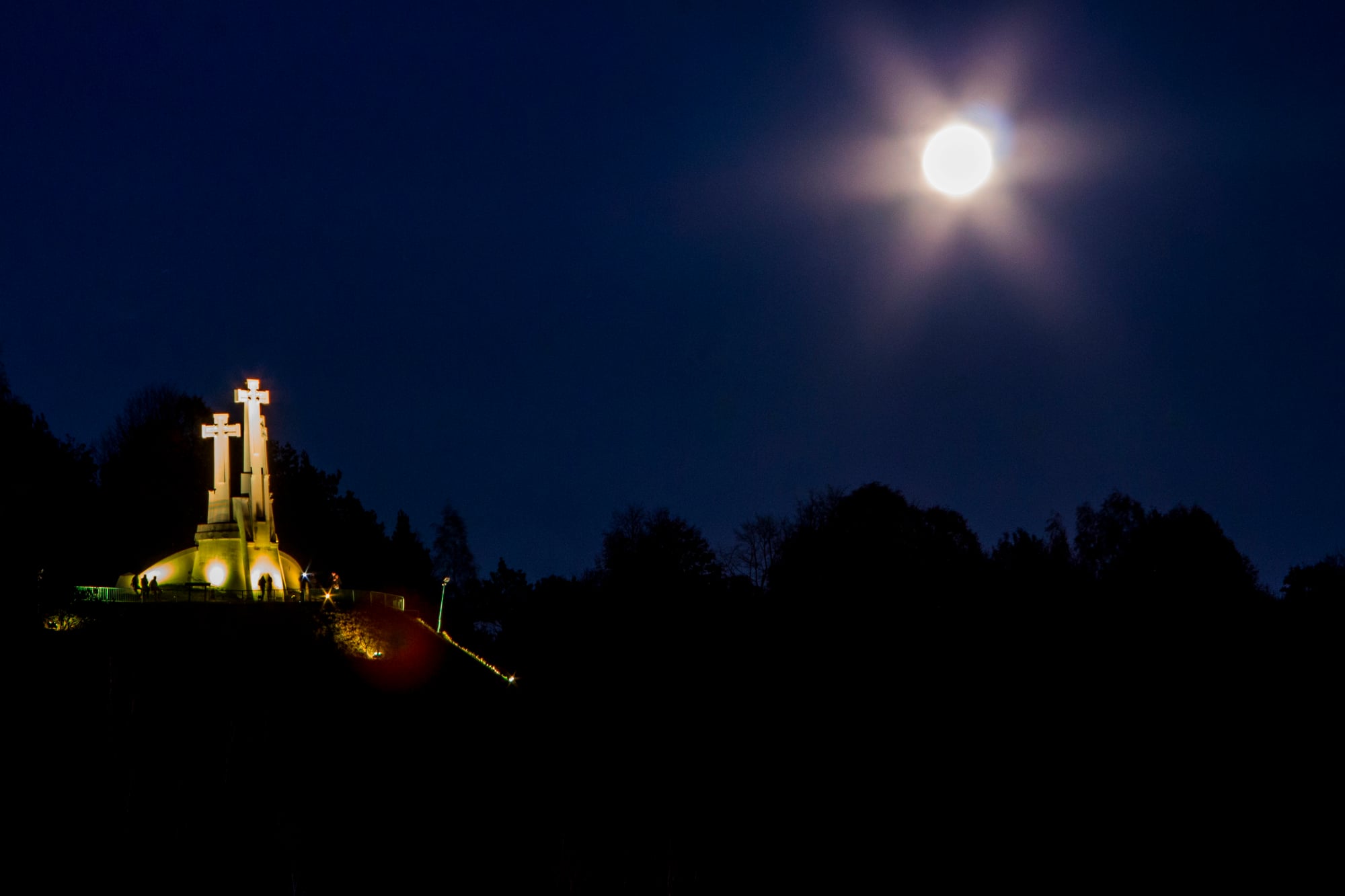
For over a century, travelers in the Australian outback have reported mysterious lights that follow vehicles, appear to respond to human presence, and behave in ways that defy conventional explanation. The Min Min lights, named after the abandoned town of Min Min in Queensland, appear as glowing orbs that move horizontally above the ground.
Unlike other unexplained lights, the Min Min phenomenon has been observed by thousands of credible witnesses including police officers, pilots, and government officials.
The lights maintain consistent distance from observers, retreat when approached, and sometimes appear to play with people by mimicking their movements. Aboriginal Australians have traditional stories about the lights predating European settlement.
Scientific expeditions have been mounted specifically to study the phenomenon, but no theory adequately explains all reported behaviors.
The Bloop

In 1997, underwater listening equipment detected an extremely powerful, ultra-low frequency sound in the Pacific Ocean. The sound, dubbed “the Bloop,” was louder than any known biological source and came from a location roughly 1,500 miles west of Chile’s coast.
It lasted about one minute and was detected by sensors over 3,000 miles apart.
The sound’s frequency profile was consistent with a biological origin, but no known animal could produce something that loud. Blue whale calls, the loudest known biological sounds, are significantly quieter and have different acoustic signatures.
The sound originated from depths where few large organisms can survive, and its volume would require an animal larger than any creature known to exist. In 2012, scientists concluded the sound came from ice movement in Antarctica — but this explanation remains disputed, and the Bloop’s exact cause continues to be debated.
The Devil’s Footprints

On the morning of February 9, 1855, people across Devon, England, discovered a trail of hoof-like prints in the snow. The prints were four inches long, nearly three inches wide, and appeared to have been made by a creature walking on two legs.
The trail extended over 100 miles, crossing rivers, walls, and rooftops without deviation.
What made the prints impossible to explain wasn’t just their extent, but their precision. The stride was consistent throughout the entire trail, the prints appeared in single file as if made by a bipedal creature, and the trail continued across obstacles that would stop any known animal.
The prints crossed the Exe River estuary, climbed over 14-foot walls, and appeared on rooftops with no evidence of how anything could have reached them. Multiple parishes reported the same prints simultaneously, and despite extensive investigation by local authorities and naturalists, no explanation was ever found.
When the Impossible Leaves Footprints

The most unsettling thing about these historical mysteries isn’t that they happened — it’s that they left evidence. These aren’t stories passed down through generations, growing stranger with each telling.
They’re documented events that someone recorded because they seemed important at the time. And maybe that’s what makes them so compelling.
In an age when we assume everything can eventually be explained, these moments remind us that reality still holds secrets. The past isn’t as settled as we like to think, and the present might be stranger than we’re comfortable admitting.
More from Go2Tutors!

- The Romanov Crown Jewels and Their Tragic Fate
- 13 Historical Mysteries That Science Still Can’t Solve
- Famous Hoaxes That Fooled the World for Years
- 15 Child Stars with Tragic Adult Lives
- 16 Famous Jewelry Pieces in History
Like Go2Tutors’s content? Follow us on MSN.



