Bizarre Two-Ingredient Recipes That Actually Work
Sometimes the best cooking happens when you strip everything down to the absolute basics. Two ingredients.
No fuss. No complicated techniques or exotic spices you’ll never use again. These combinations sound too simple to work, but they create something surprisingly satisfying.
The kind of recipes that make you wonder why anyone bothers with more.
Banana Ice Cream
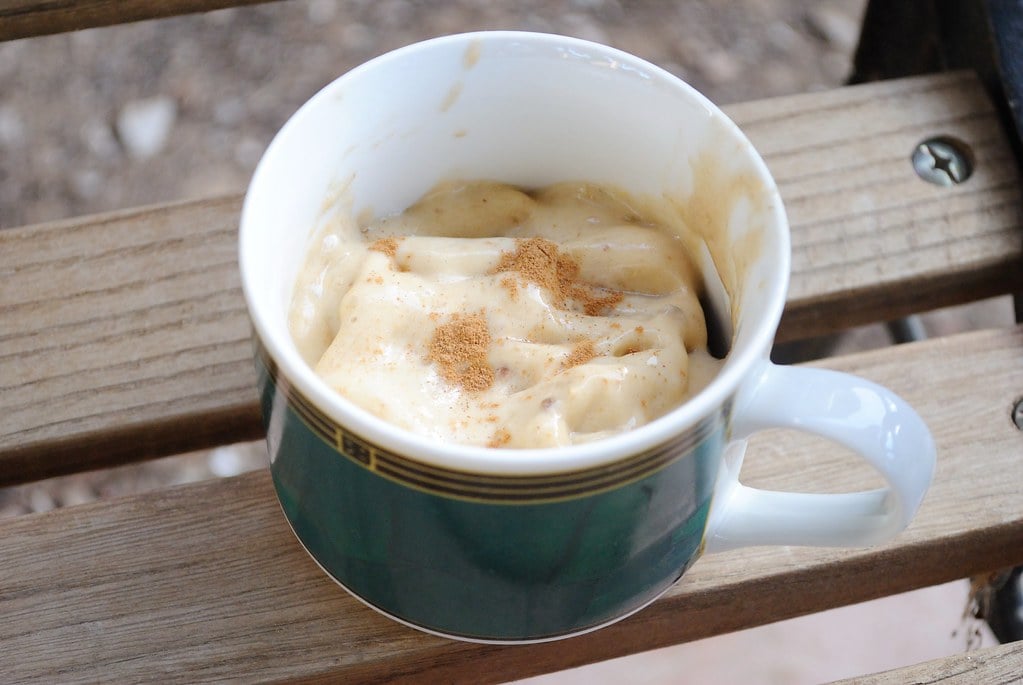
Frozen bananas and a food processor. That’s it.
The bananas transform into something that tastes like soft-serve ice cream without any dairy, sugar, or artificial anything. Just pure banana magic.
Peel ripe bananas, slice them, freeze them overnight. Toss the frozen pieces into a food processor and pulse until they break down into crumbs, then keep going until it becomes smooth and creamy.
The texture is uncanny — your brain insists this has to contain cream or milk, but it doesn’t.
Flourless Peanut Butter Cookies
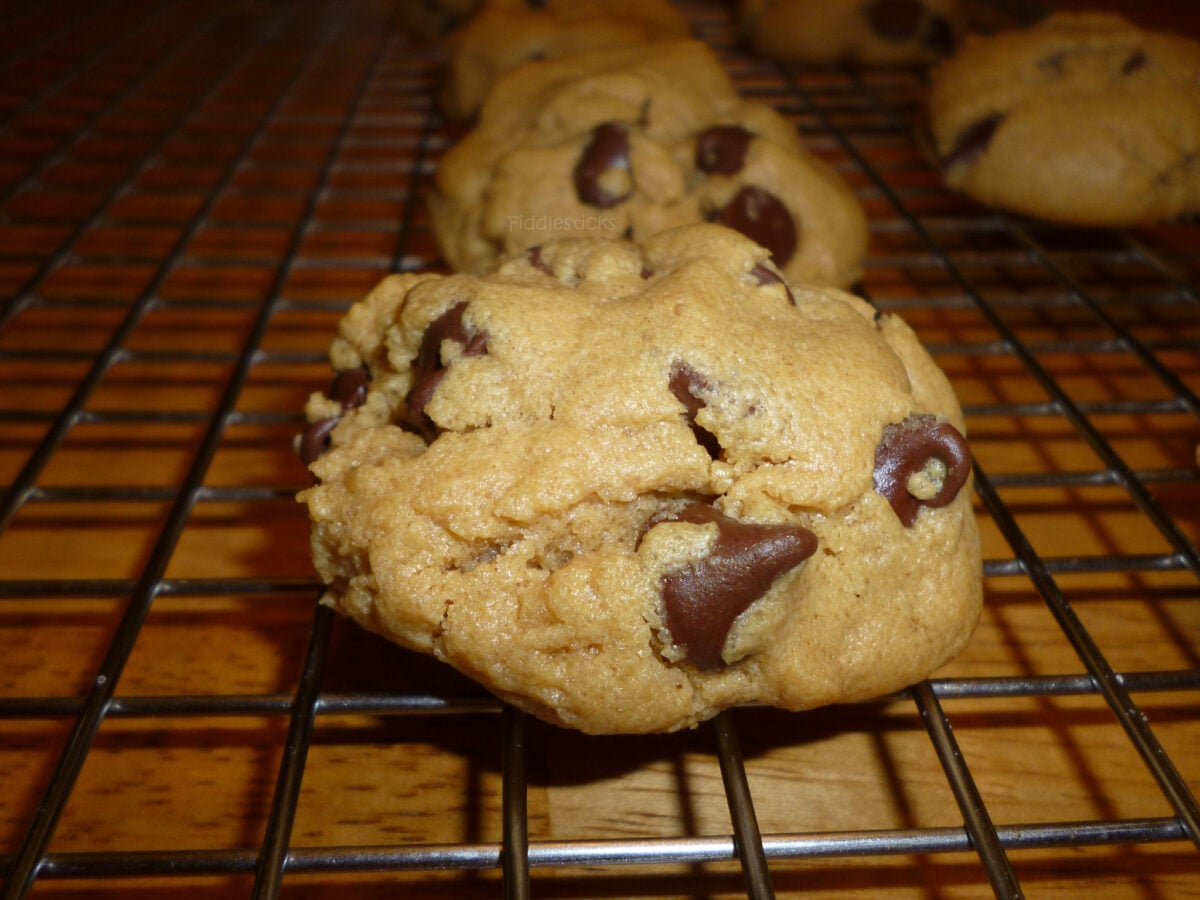
Equal parts peanut butter and sugar create cookies that shouldn’t exist but absolutely do. No flour, no eggs, no butter — just two ingredients that somehow hold together and bake into something chewy and satisfying (though adding an egg makes them even better, that would violate the two-ingredient rule, so we’re sticking to the basics here).
Mix one cup of peanut butter with one cup of sugar. Form into small orbs, press them down with a fork, and bake at 350°F for about 10 minutes.
They come out golden and crumbly on the edges, soft in the center. And yes, they actually taste like real cookies, which feels like cheating somehow.
Pasta Water Bread
Think of sourdough starter as a living thing that demands daily attention, feeding schedules, and the kind of commitment most people reserve for pets. Pasta water bread laughs at all that complexity.
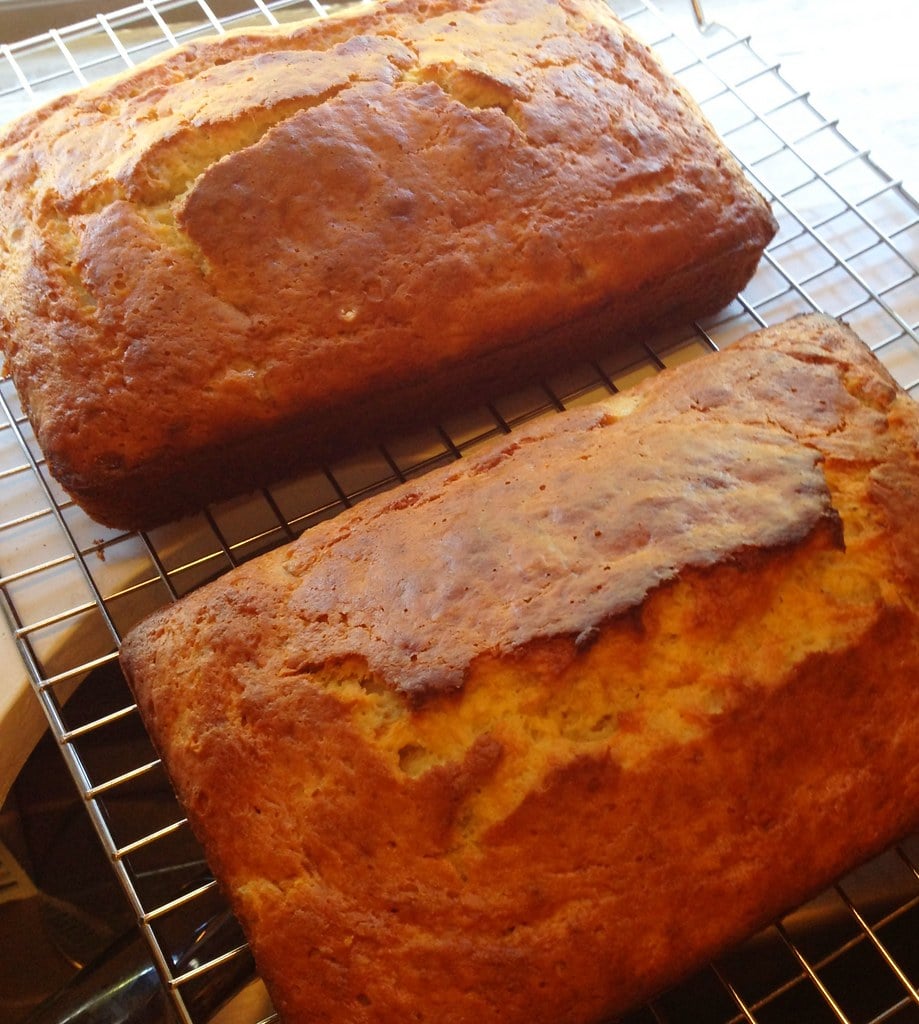
It’s bread made from leftover pasta water and flour — nothing more — and it rises because the starchy, salty water contains just enough wild yeast to make magic happen. Save the water from cooking pasta (the starchier, the better), let it cool, then mix it with flour until you get a shaggy dough.
Knead it briefly, let it rest, shape it, and bake it. The result tastes like actual bread with a slightly tangy flavor and a texture that’s both rustic and satisfying.
It’s the kind of discovery that makes you feel like you’ve stumbled onto something ancient people knew but modern cooking forgot.
Chocolate Mousse
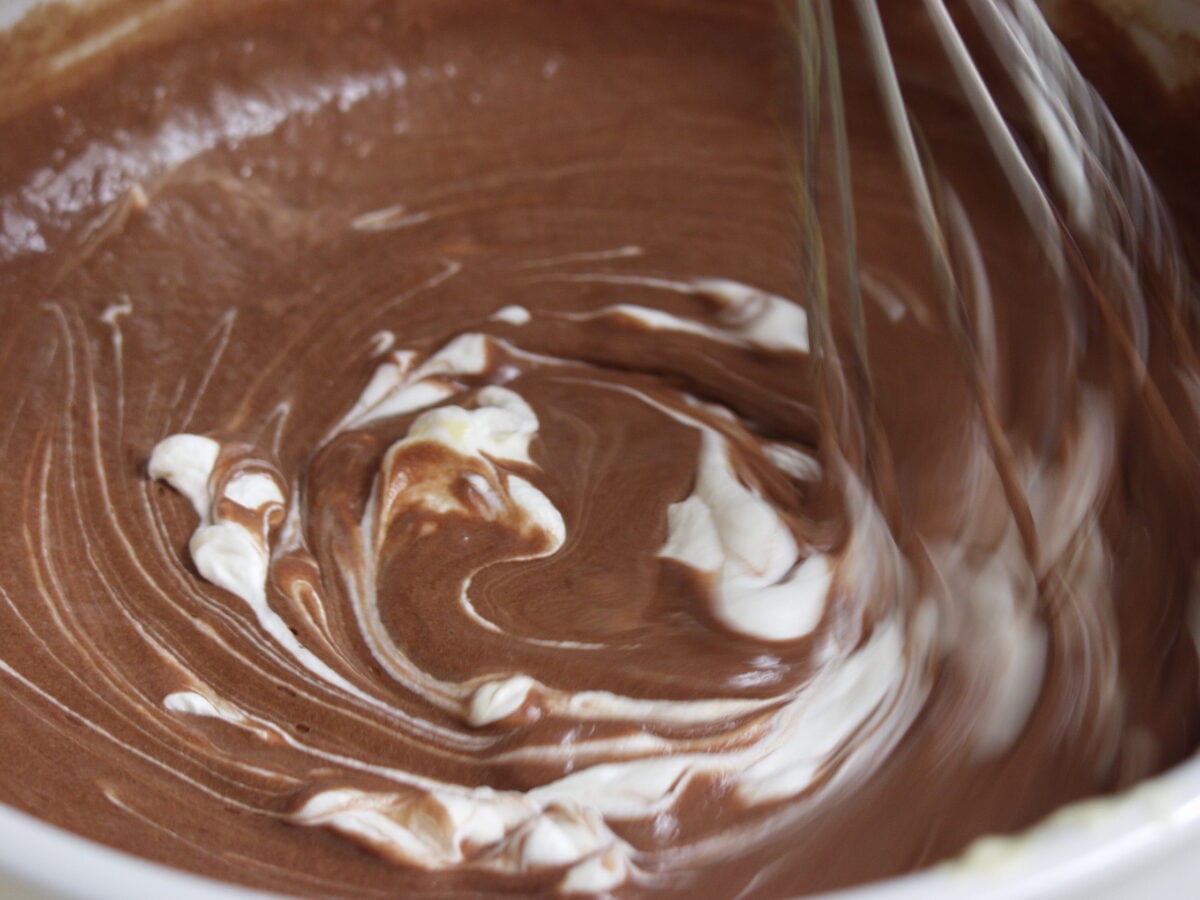
Heavy cream plus chocolate creates mousse without eggs, without gelatin, without any of the usual suspects that make desserts complicated. The science here is straightforward — hot cream melts the chocolate, then cooling and whipping creates air bubbles that turn into that light, airy texture mousse is famous for.
Heat heavy cream until it just starts to simmer, pour it over chopped dark chocolate, let it sit for a minute, then stir until smooth. Refrigerate the mixture until it’s cold, then whip it with a mixer until it doubles in volume and holds peaks.
The result is indistinguishable from traditional mousse that requires separating eggs and folding and all sorts of techniques you probably don’t want to bother with.
Tomato Confit
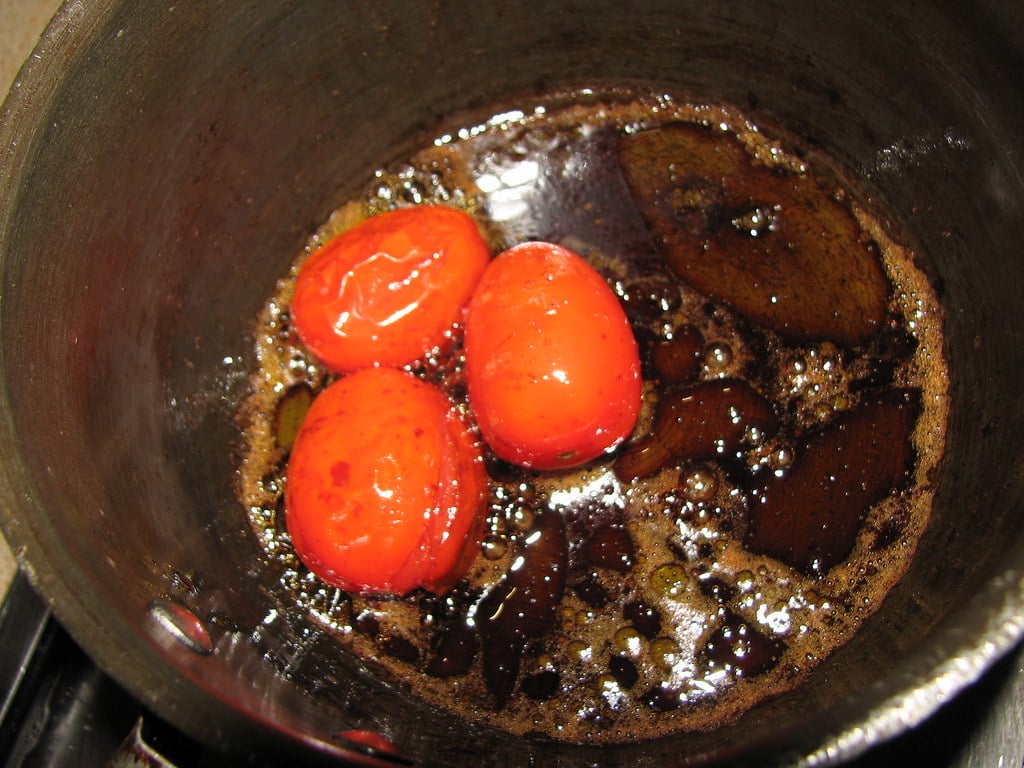
Tomatoes and olive oil, slow-cooked until the tomatoes collapse into concentrated sweetness. No herbs, no garlic, no salt — just time and low heat doing the work that a dozen ingredients usually handle.
Halve cherry tomatoes, arrange them cut-side up in a baking dish, cover with olive oil, and bake at 250°F for about two hours. They shrivel and intensify, turning into something that tastes like summer distilled into its purest form. The oil becomes infused with tomato essence, so you end up with two ingredients that have become something entirely different.
Sweet Potato Gnocchi
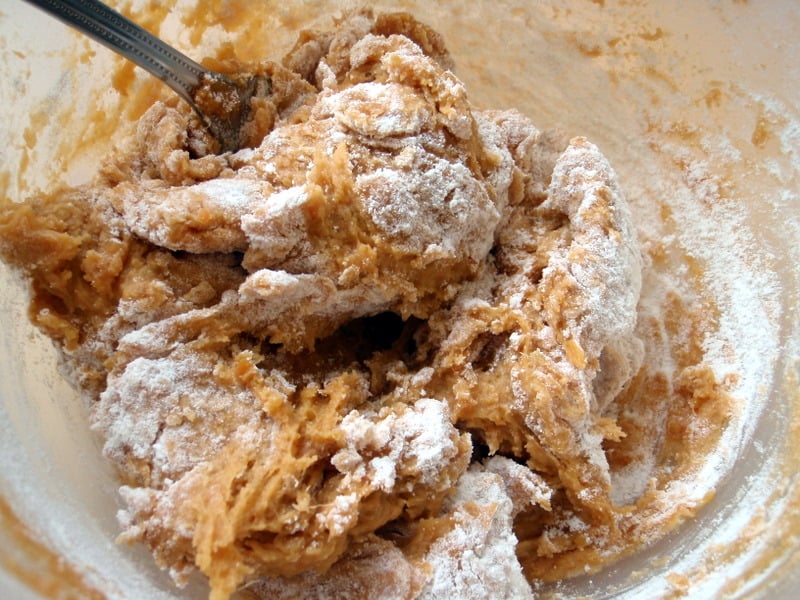
Here’s what happens when you bake sweet potatoes until they’re soft and yielding, then mix the flesh with just enough flour to form a workable dough: gnocchi that’s naturally sweet, naturally orange, and naturally more interesting than the traditional potato version that requires eggs and careful technique to avoid turning into glue.
The sweet potato’s natural moisture and starch content does most of the binding work, so you need less flour than you’d expect. Roll the dough into logs, cut into pieces, and boil until they float.
They taste like autumn in pasta form, which is either exactly what you want or completely wrong for your mood — but when it’s right, it’s perfect.
Watermelon Sorbet
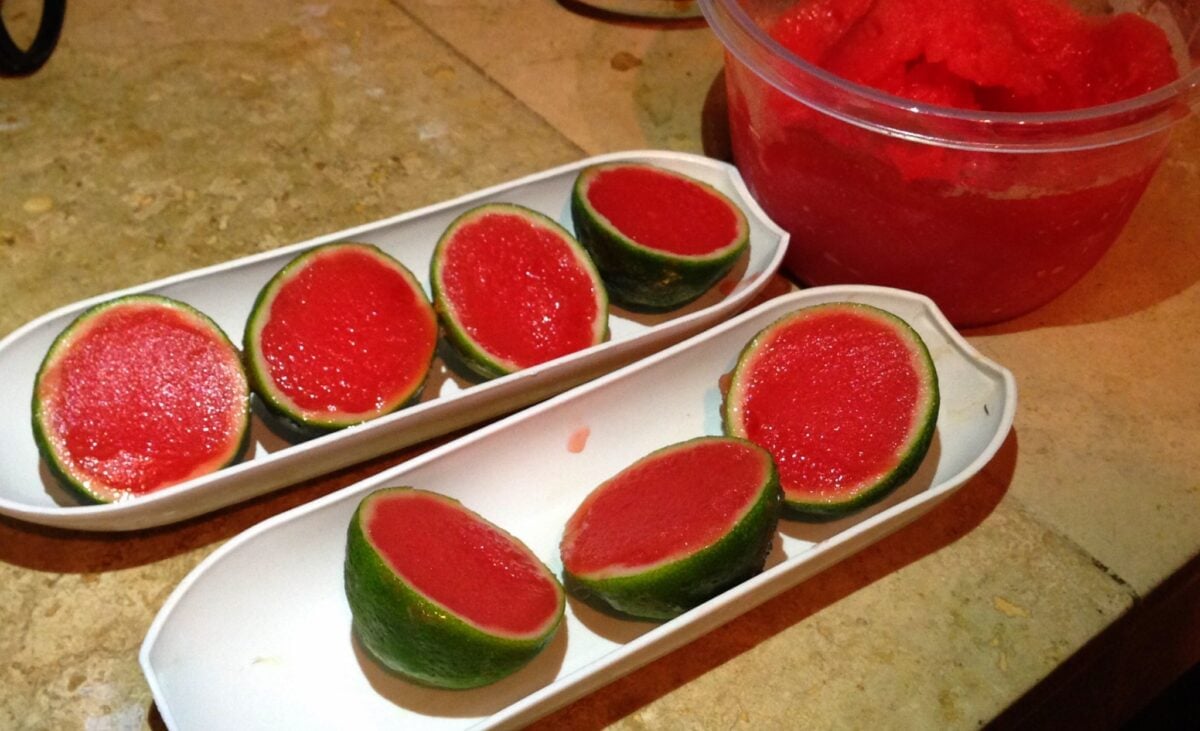
Watermelon becomes sorbet with nothing but time in the freezer. No sugar syrup, no ice cream maker, no stabilizers — just cubed watermelon frozen solid, then processed until smooth.
The fruit’s natural sugar content is already balanced, so adding more sweetener usually makes it too cloying. Cut watermelon into chunks, remove the seeds, and freeze overnight.
Process in a food processor until it transforms from icy chunks into something smooth and scoopable. The texture is lighter than traditional sorbet but more substantial than shaved ice.
Chickpea Flour Flatbread
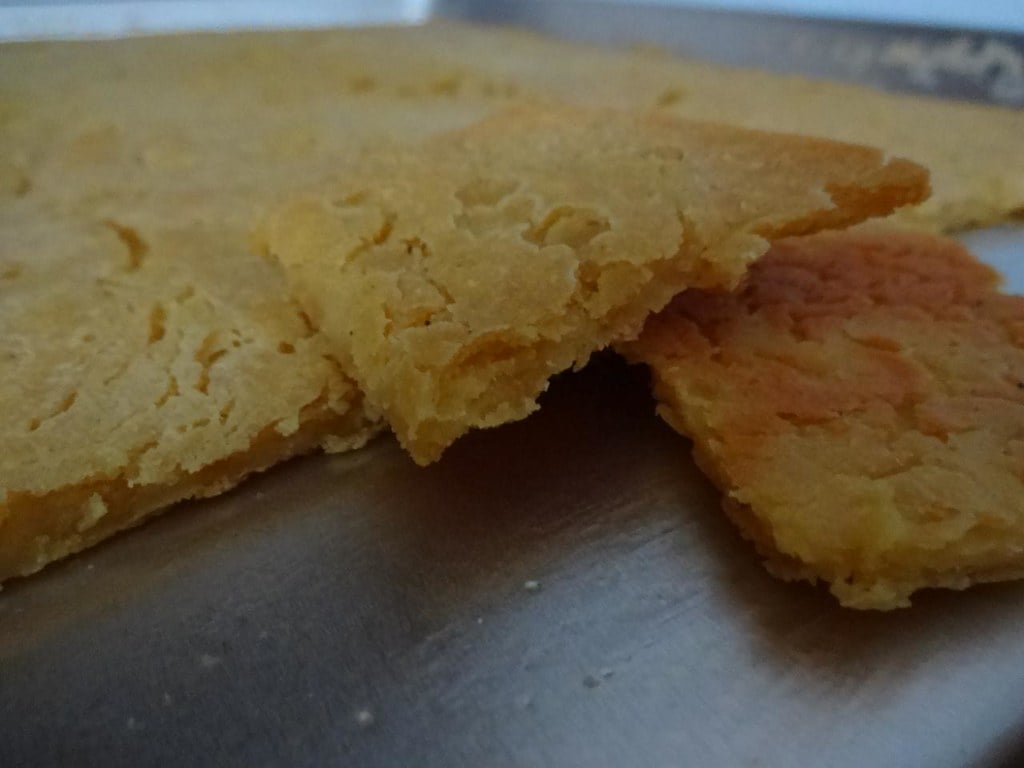
Chickpea flour mixed with water creates a batter that cooks into flatbread with a nutty flavor and protein content that regular flour can’t match. No yeast, no rising time, no kneading — just mix and cook like a pancake.
The batter needs to rest for about 20 minutes to fully hydrate, but that’s passive time that requires no attention. The ratio is roughly one cup of chickpea flour to one cup of water, whisked smooth and left to sit until the flour absorbs the liquid completely.
Cook it in a hot skillet with a little oil, flip once, and you have bread that’s naturally gluten-free and substantial enough to wrap around other ingredients or eat on its own.
Caramelized Onion Jam
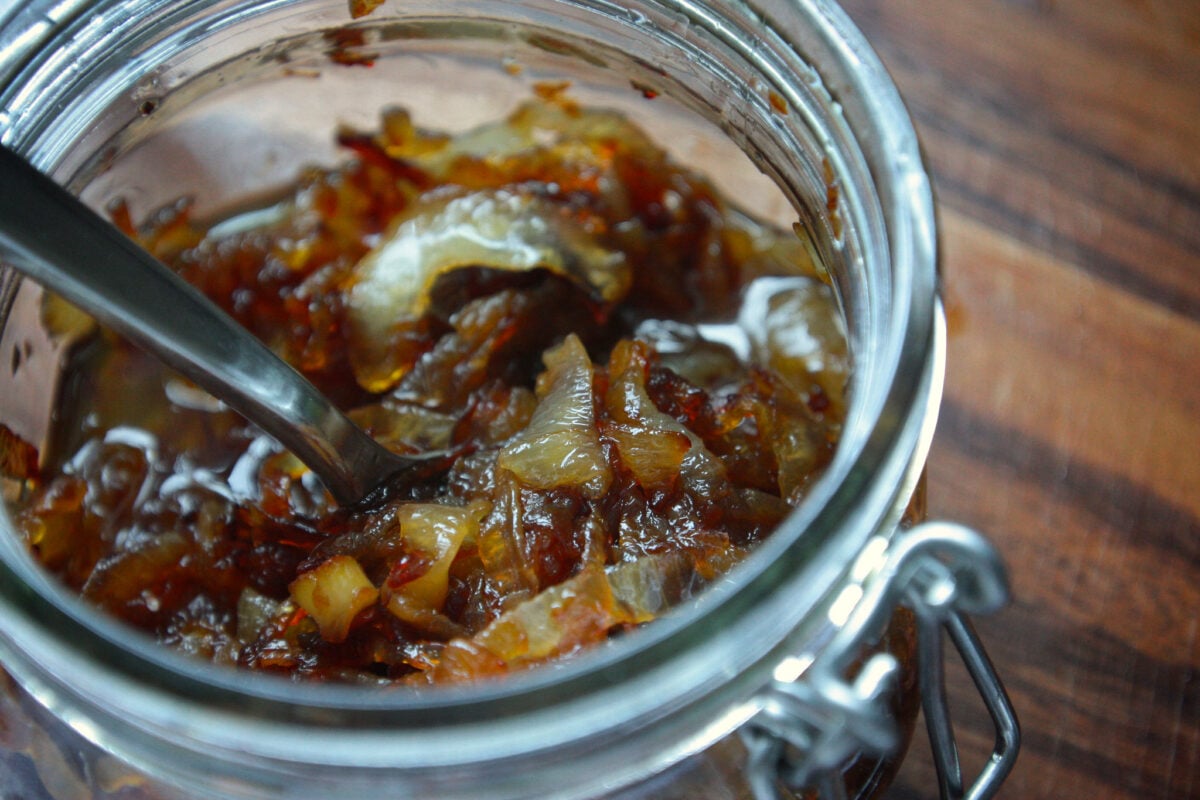
Onions plus time equals jam. No added sugar, no pectin, no vinegar — just onions cooked slowly until their natural sugars concentrate and turn deep amber.
The process takes patience (about an hour of stirring and watching), but the ingredient list couldn’t be simpler. Slice onions thin, cook them in their own moisture over low heat, stirring occasionally until they turn golden, then brown, then deep caramel-colored.
They’ll release liquid, then reabsorb it, then release more liquid as the cell walls break down. The final result spreads like jam and tastes like concentrated onion sweetness.
Yogurt Cheese
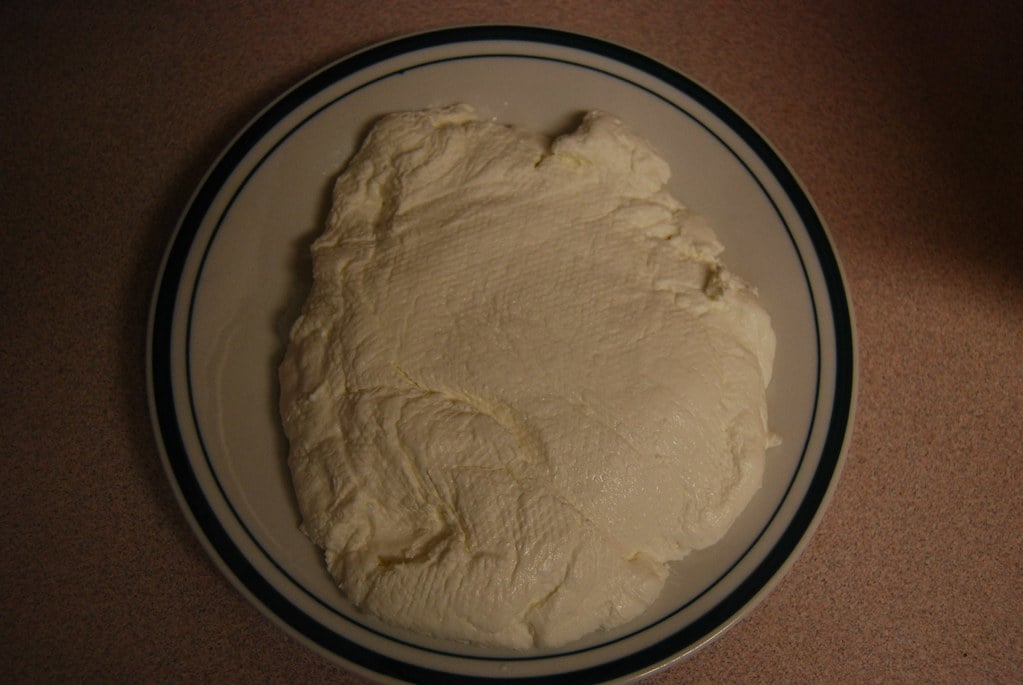
Greek yogurt strained through cheesecloth overnight becomes something with the texture of cream cheese but the tang of yogurt amplified. No cultures to add, no rennet, no specialized equipment — just yogurt, salt, and gravity doing the work.
The whey drains out, leaving behind concentrated yogurt solids that spread and taste like cheese. Line a strainer with cheesecloth, add yogurt mixed with a pinch of salt, and let it drain in the refrigerator for 12-24 hours.
The longer it drains, the firmer it becomes. What’s left behind has lost the yogurt’s liquid consistency but kept its fresh, tangy flavor.
Honey Butter Cookies
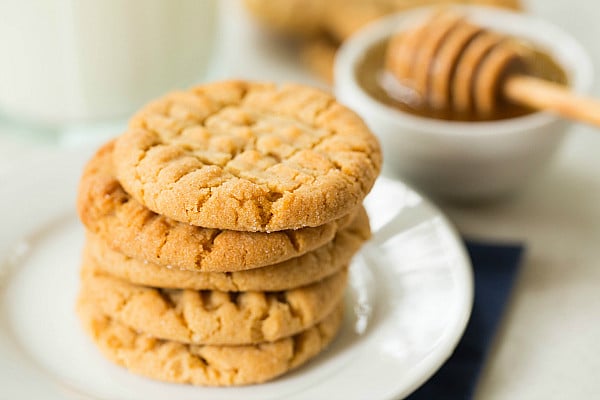
Butter and honey create cookies that taste like shortbread’s more interesting cousin. The butter provides structure while the honey caramelizes during baking and adds richness.
No flour seems impossible for cookies, but the combination of butter’s fat and honey’s sugars creates a thin, crispy treat. The texture is crumbly and rich, more like candy than traditional cookies, but they satisfy the same craving.
Cream equal parts butter and honey, drop spoonfuls onto a baking sheet, and bake at 325°F until the edges turn golden. They spread thin and develop a slightly chewy texture with crisp edges.
The honey flavor intensifies during baking, so they taste more complex than their simple ingredient list suggests.
Coconut Macaroons
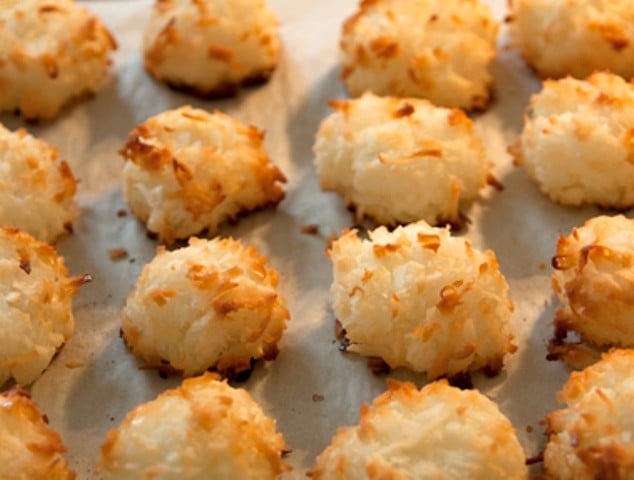
Shredded coconut plus egg whites creates macaroons that are naturally gluten-free and surprisingly satisfying. No flour, no butter, no complicated technique — just two ingredients that bind together during baking and develop a golden exterior while staying chewy inside.
Whip egg whites until they hold soft peaks, fold in shredded coconut until the mixture holds together, then drop spoonfuls onto a baking sheet. Bake at 325°F until golden brown on the outside.
The egg whites provide structure while the coconut provides flavor and texture.
Apple Chips
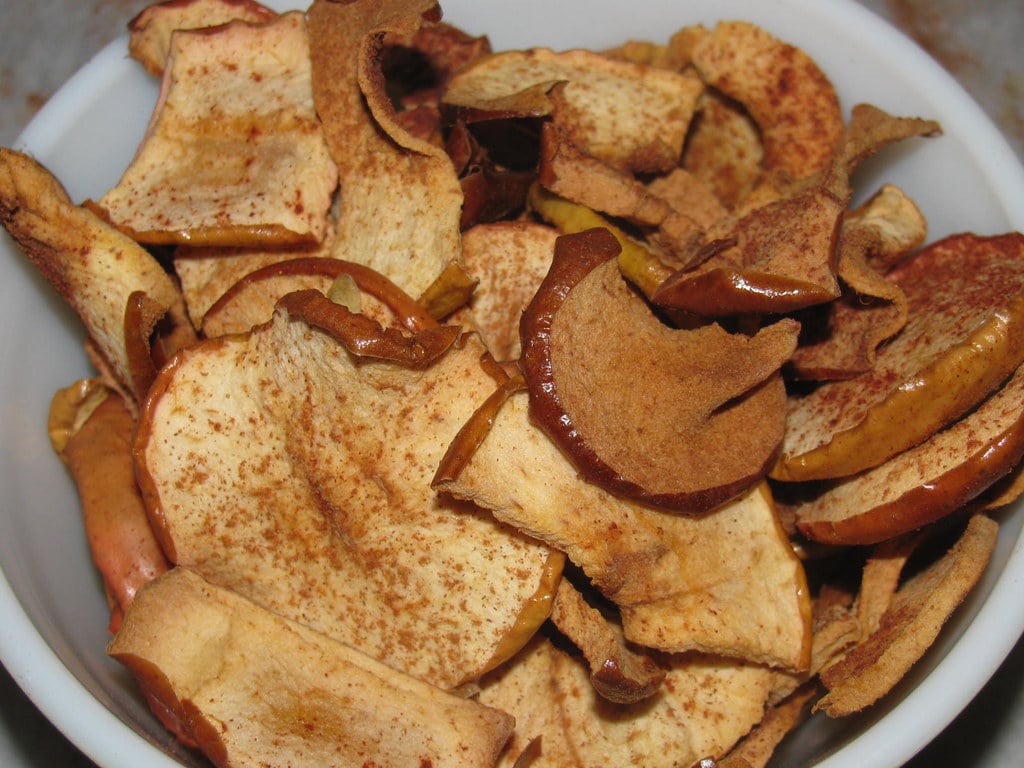
Apples sliced thin and baked low and slow become chips without any oil, salt, or seasoning. The fruit’s natural moisture evaporates, leaving behind concentrated apple flavor in a crispy form that satisfies the same craving as potato chips but tastes like dessert.
Slice apples as thin as possible (a mandoline helps but isn’t required), arrange on baking sheets, and bake at 200°F for several hours, flipping once. They’re done when they’re completely dry and crispy.
Different apple varieties produce different results — apples stay more sour, sweet apples concentrate their sugar.
Something Worth Keeping
These recipes prove that complexity often masks simplicity rather than improving it. Two ingredients, combined thoughtfully, can create something more satisfying than elaborate dishes that require a dozen components and techniques you’ll never remember.
The best part isn’t just that they work — it’s that once you know them, you’ll always have something to make when the pantry looks empty and inspiration feels distant.
More from Go2Tutors!

- The Romanov Crown Jewels and Their Tragic Fate
- 13 Historical Mysteries That Science Still Can’t Solve
- Famous Hoaxes That Fooled the World for Years
- 15 Child Stars with Tragic Adult Lives
- 16 Famous Jewelry Pieces in History
Like Go2Tutors’s content? Follow us on MSN.



