15 Design Flaws That Led to Aviation Accidents
Aviation’s remarkable safety record stands on a foundation built from lessons learned through tragedy. While modern aircraft are engineering marvels, their predecessors sometimes carried hidden flaws that only revealed themselves under the most dangerous circumstances. These design failures taught the industry invaluable lessons about physics, human factors, and the critical importance of thorough testing before putting passengers at risk.
Each flaw represented a gap in understanding—whether about materials science, aerodynamics, or how pilots interact with complex systems under stress. Here is a list of 15 design flaws that led to aviation accidents and forever changed how aircraft are built.
De Havilland Comet Square Windows
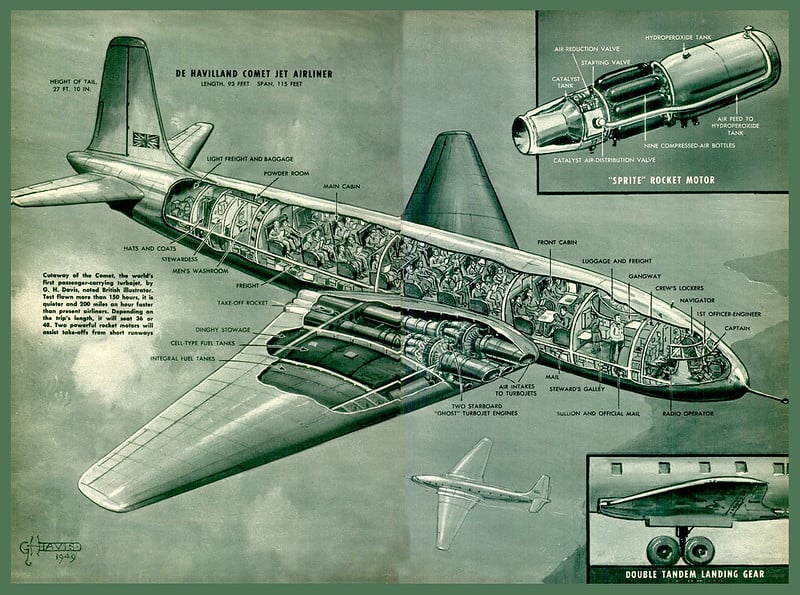
The world’s first commercial jet airliner seemed like a triumph of British engineering until three aircraft mysteriously broke apart in midair during the 1950s. Engineers eventually discovered that the square passenger windows created stress concentrations at their corners—acting like perforations on a sheet of paper. The repeated pressurization cycles caused metal fatigue that spread from these weak points, ultimately leading to catastrophic structural failure.
McDonnell Douglas DC-10 Cargo Door
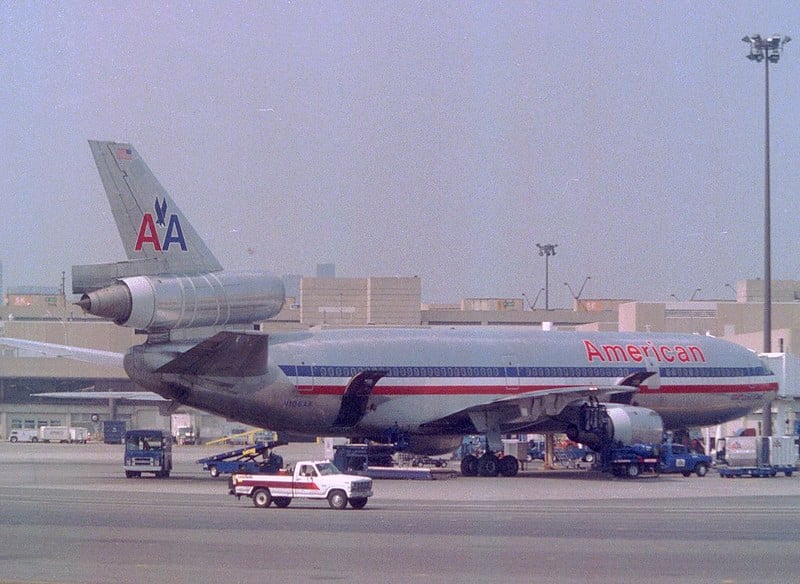
The DC-10’s cargo door design included a mechanism that could appear properly latched even when it wasn’t fully secured. This flaw became deadly when Turkish Airlines Flight 981’s cargo door blew out over France in 1974, killing all 346 people aboard. The sudden decompression collapsed the passenger floor above, severing control cables and making the aircraft uncontrollable.
Boeing 737 MAX MCAS System
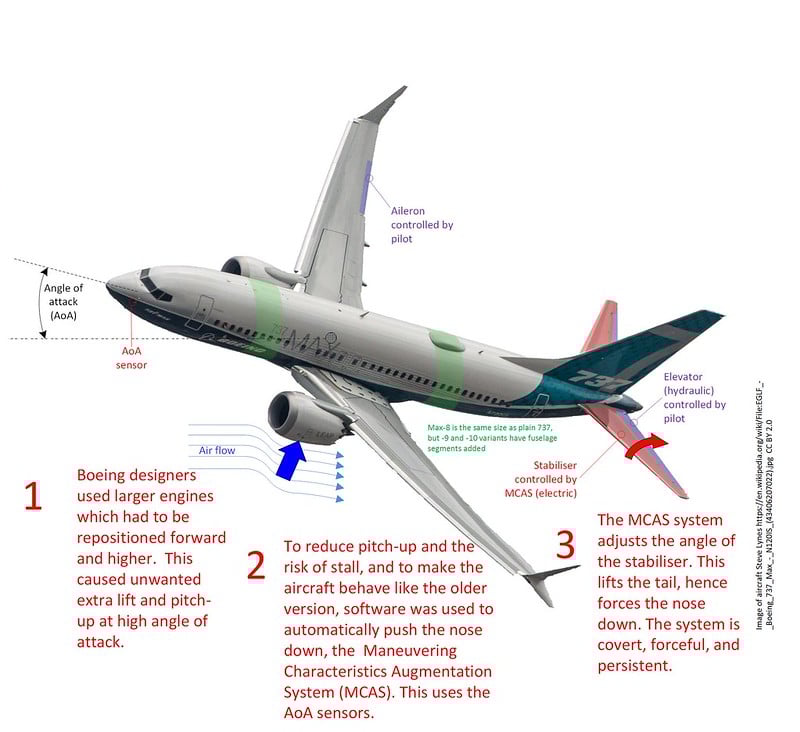
Boeing’s Maneuvering Characteristics Augmentation System was designed to automatically push the nose down if it detected a potential stall, yet the system relied on input from just one angle-of-attack sensor. When faulty sensors provided incorrect data, MCAS repeatedly forced the aircraft into steep dives that pilots couldn’t understand or counter. Two crashes within five months killed 346 people and grounded the entire fleet worldwide.
Lockheed Electra Wing Flutter
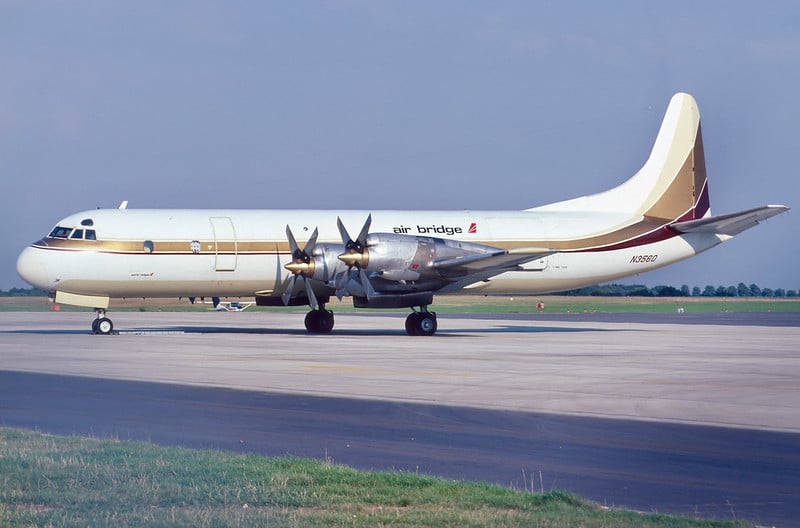
The Lockheed L-188 Electra seemed perfectly airworthy until several aircraft experienced catastrophic wing failures in the late 1950s. Engineers discovered that the engine mounts created a harmonic vibration that could build up during certain flight conditions—like a bridge swaying in the wind. When the vibrations reached critical frequency, they literally shook the wings apart, leading to complete structural breakup.
Sud Aviation Caravelle Tail Engine Placement
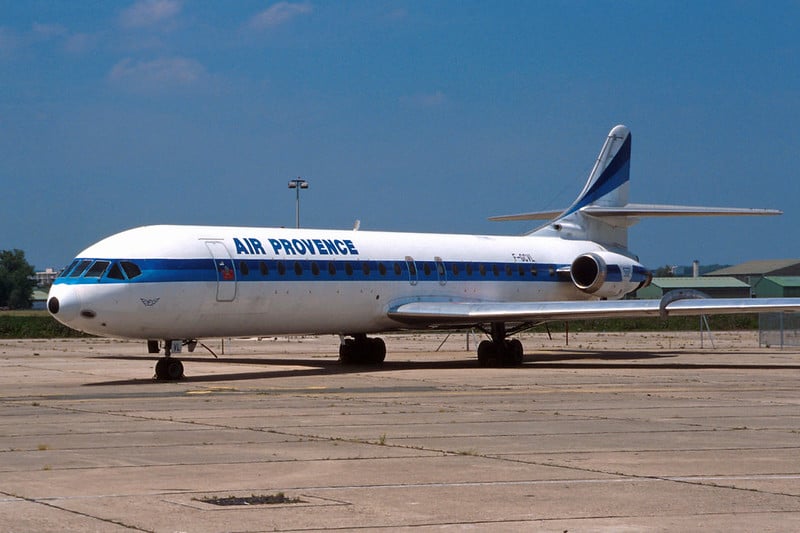
While the Caravelle’s rear-mounted engines offered a quieter cabin, they created a dangerous flight characteristic known as a deep stall. If the aircraft’s nose pitched up too high, the wing’s turbulent airflow would blanket the tail-mounted engines and horizontal stabilizer. This configuration made recovery nearly impossible because the elevators lost effectiveness just when pilots needed them most.
Fokker F27 Propeller Ice Shedding
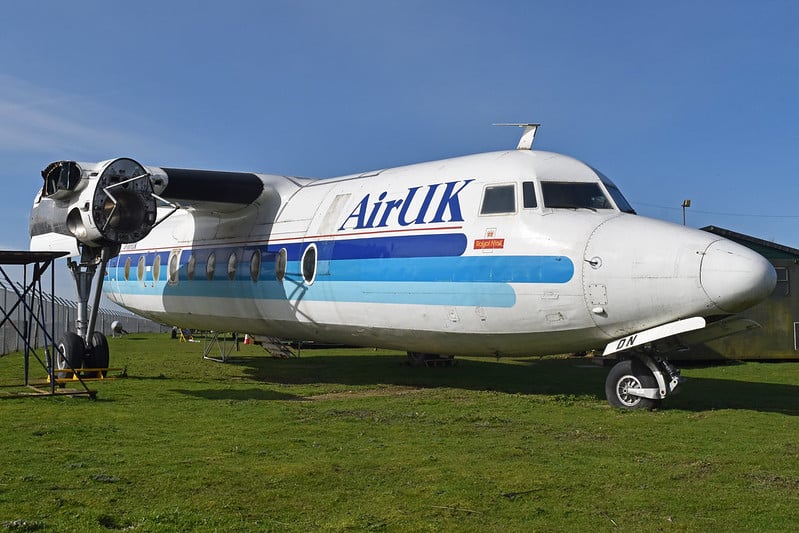
The F27’s turboprop engines had a nasty habit of shedding ice from their propeller blades during flight, though the chunks often struck the fuselage with devastating force. The design placed the engines close enough to the cabin that ice impacts could penetrate the pressure hull or damage critical systems. Several accidents resulted from structural damage caused by these high-velocity ice projectiles.
BAC One-Eleven Deep Stall Characteristics

The One-Eleven’s T-tail configuration looked sleek and modern, yet it harbored a deadly aerodynamic trap. During a deep stall, the wing’s disturbed airflow would engulf the horizontal stabilizer, making elevator control ineffective. Test pilots discovered this flaw the hard way when a prototype aircraft entered an unrecoverable stall during certification flights, forcing the crew to eject.
Douglas DC-6 Fire Suppression System
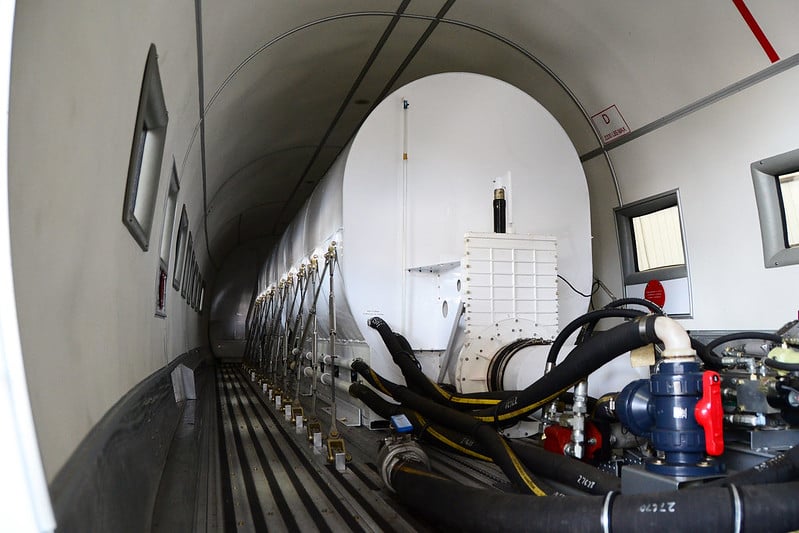
The DC-6’s cargo compartment fire suppression system used carbon dioxide, which seemed logical until engineers realized a crucial oversight. The system could extinguish fires effectively, though it also displaced oxygen throughout the aircraft—including in areas where crew and passengers needed to breathe. Several incidents occurred when the system activated unnecessarily, creating life-threatening conditions for everyone aboard.
Convair 580 Landing Gear Design
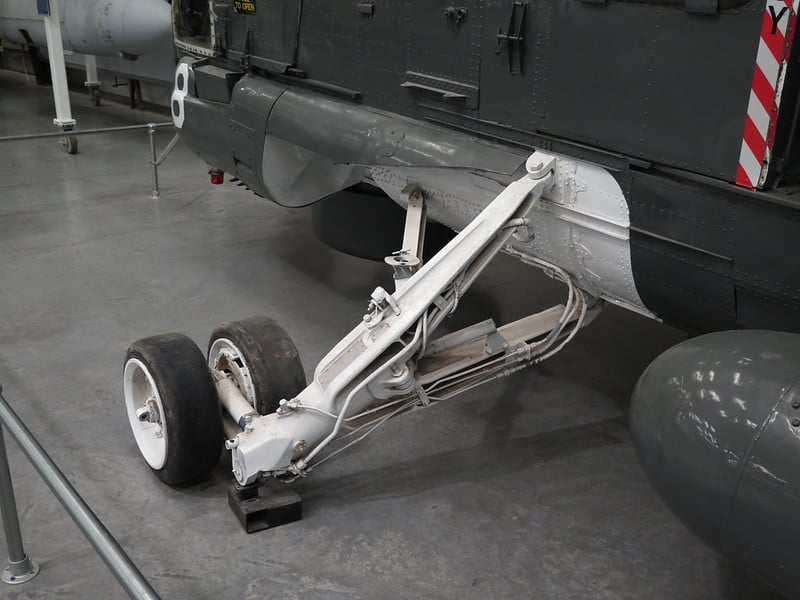
The Convair 580’s main landing gear retracted into the engine nacelles, creating a potential fire hazard that designers initially overlooked. When gear retraction systems malfunctioned, hydraulic fluid would leak onto hot engine components, leading to in-flight fires. The design also made emergency gear extension extremely difficult, leaving pilots with few options during hydraulic failures.
Vickers Viscount Propeller Reduction Gearbox
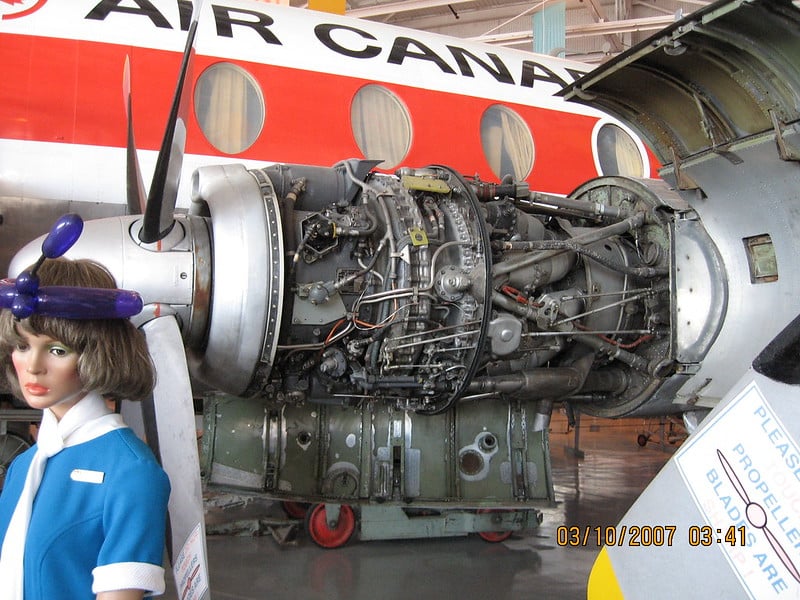
The Viscount’s innovative turboprop engines used complex reduction gearboxes to slow the turbine’s high-speed rotation for efficient propeller operation. These gearboxes proved vulnerable to fatigue failures that could cause complete propeller separation. When a propeller departed the aircraft, it often damaged the wing structure or control systems, creating multiple emergencies simultaneously.
Boeing 727 Aft Airstair Door
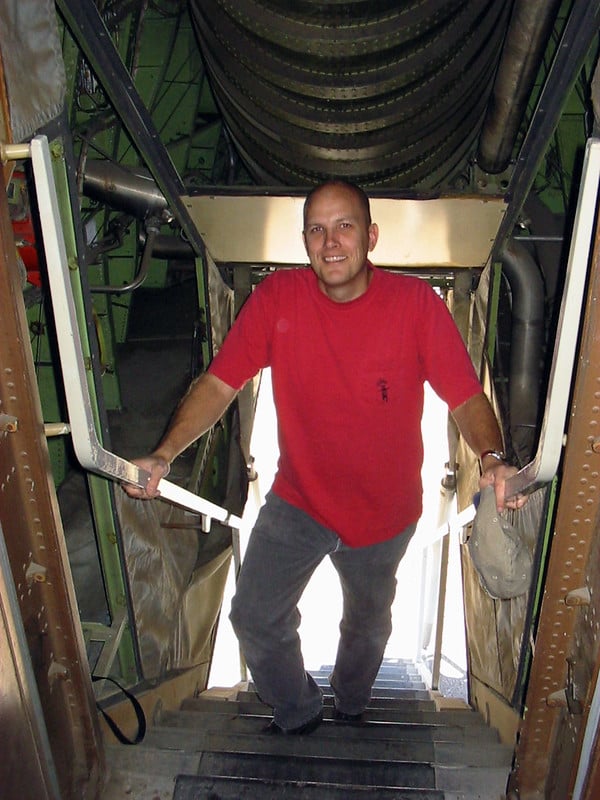
The 727’s built-in aft stairs seemed like a convenient feature until they became a security nightmare and a safety hazard. The door could be opened during flight, allowing the infamous D.B. Cooper hijacking in 1971. More critically, the door’s design created aerodynamic disturbances when opened that could affect the aircraft’s controllability and put tremendous stress on the door mechanism.
Hawker Siddeley Trident Drooped Leading Edge
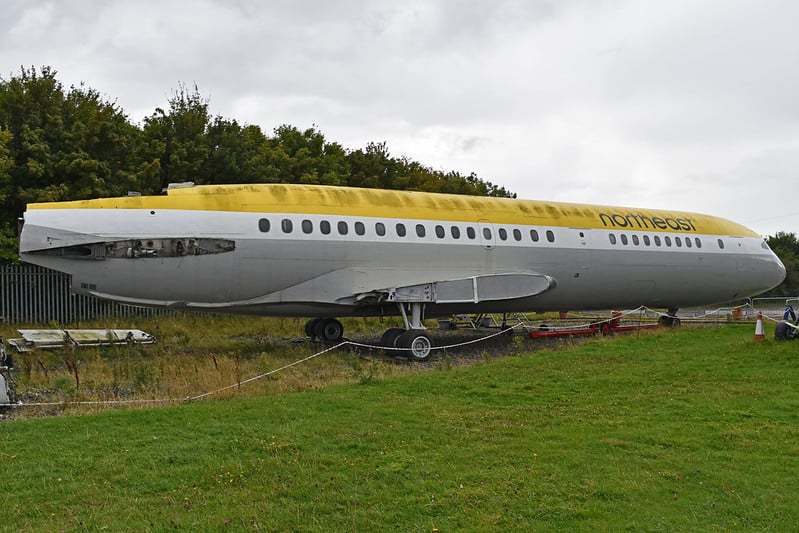
The Trident’s automatic leading edge droop system was designed to improve low-speed handling, yet it could malfunction in ways that pilots didn’t immediately recognize. When the system operated asymmetrically, it created rolling moments that grew stronger as airspeed decreased. This characteristic caught crews off guard during the approach and landing phases when they had little altitude to recover.
Tupolev Tu-104 Engine Surge Susceptibility
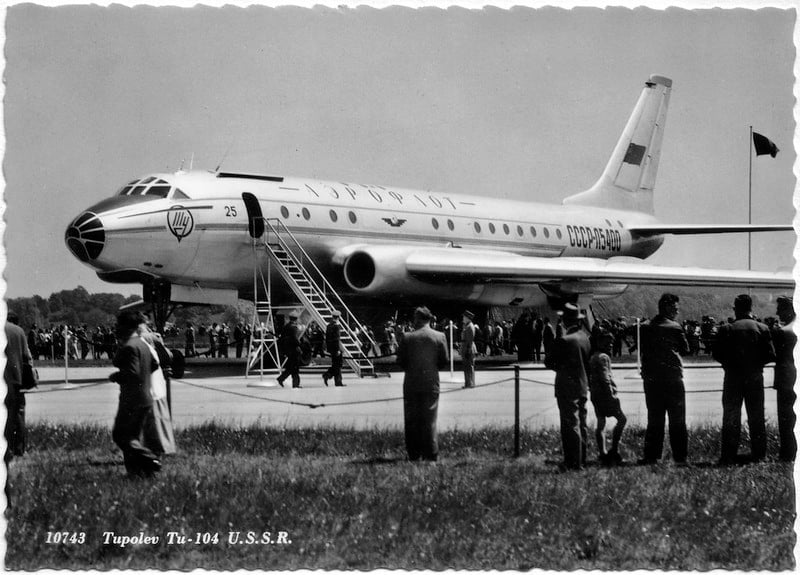
The Tu-104’s engines were prone to compressor surges during certain atmospheric conditions, causing sudden power loss and potential fire. The surge phenomenon could affect both engines simultaneously, leaving pilots with little time to restart them before impact. The design’s sensitivity to turbulent air and rapid throttle movements made routine operations surprisingly hazardous.
Nord 262 Fuel System Cross-Feed
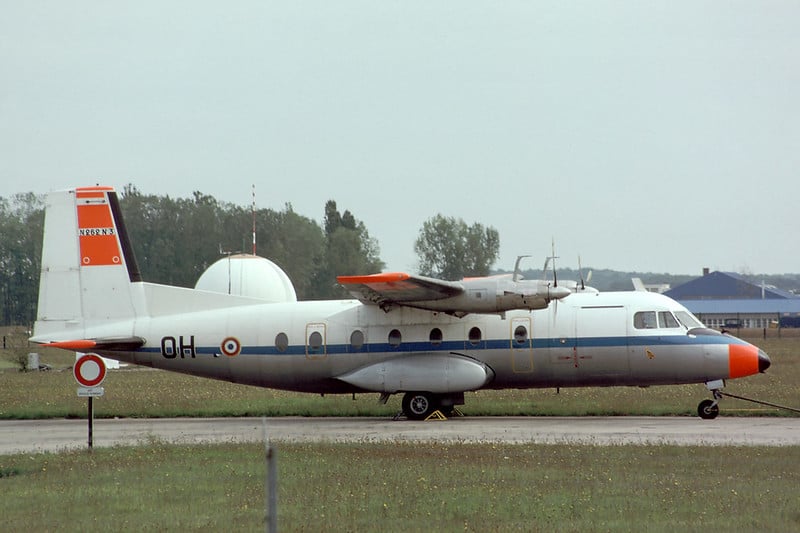
The Nord 262’s fuel system allowed cross-feeding between tanks, which seemed like good redundancy until pilots discovered its dangerous quirk. If one engine failed and the cross-feed valve was open, fuel could siphon from the good engine’s supply to the failed side. This design flaw could cause a running engine to flame out due to fuel starvation, turning a single engine failure into a total power loss.
Britten-Norman Islander Control Cable Routing
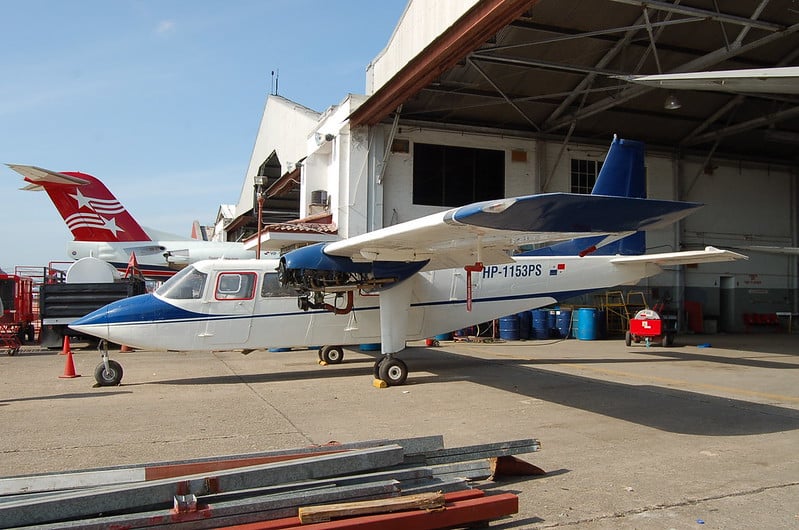
The Islander’s simple, robust design included control cables routed through areas where they could be damaged by cargo or passenger interference. Sharp or heavy items could sever these cables during turbulence, leaving pilots with partial or complete loss of control authority. The vulnerability was particularly dangerous because it could occur gradually, giving crews little warning of impending control problems.
Learning Through Loss
These design flaws remind us that aviation safety advances through painful trial and error, with each tragedy contributing to our understanding of flight. Modern aircraft incorporate thousands of improvements born from these early mistakes—redundant systems, fail-safe mechanisms, and human factors research that previous generations of engineers couldn’t have imagined. Today’s passengers fly in aircraft that represent the accumulated wisdom of nearly a century of aviation development, where every rivet and wire has been placed with the knowledge gained from those who came before. The price of this safety was measured in lives lost, making each flight a testament to the engineers who learned from failure and refused to repeat the mistakes of the past.
More from Go2Tutors!

- The Romanov Crown Jewels and Their Tragic Fate
- 13 Historical Mysteries That Science Still Can’t Solve
- Famous Hoaxes That Fooled the World for Years
- 15 Child Stars with Tragic Adult Lives
- 16 Famous Jewelry Pieces in History
Like Go2Tutors’s content? Follow us on MSN.