Countries That Changed Their Names
The world map isn’t as permanent as it seems. Countries have traded in their old names for new ones throughout history, and the reasons behind these changes are as varied as the nations themselves.
Some wanted to break free from colonial pasts, while others simply decided their original names better reflected who they really were. A few changes happened after political upheavals, and some were just about reclaiming identity and pride.
Let’s look at the countries that decided their old names didn’t fit anymore and made the switch.
Siam to Thailand

Thailand made its official name change in 1939, though the country had been called both names for years before that. The word ‘Thailand’ means ‘land of the free,’ which felt more appropriate for a nation proud of never being colonized by European powers.
Siam sounded foreign to the Thai people themselves, and the new name celebrated their independence and ethnic identity. The change stuck, though some people still romantically refer to the old Siam when talking about the country’s rich history.
Ceylon to Sri Lanka
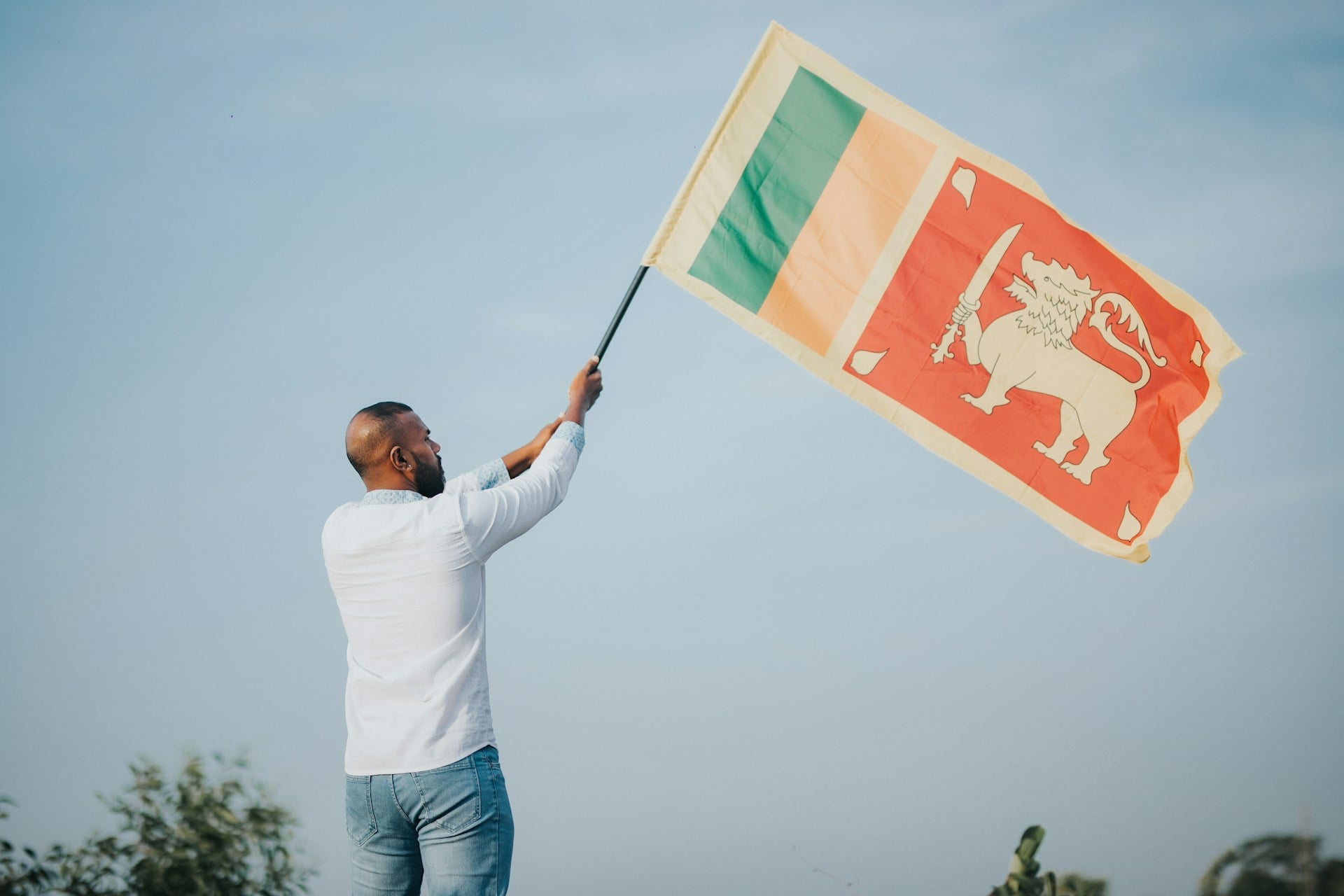
Sri Lanka dropped the name Ceylon in 1972, decades after gaining independence from British rule. Ceylon was the anglicized version of names given by various colonizers over centuries, and it never quite captured what the island nation wanted to be called.
The name Sri Lanka means ‘resplendent island’ in Sanskrit and had been used locally for ages. The switch was part of a broader movement to shed colonial labels and embrace a post-independence identity that felt authentically theirs.
Persia to Iran
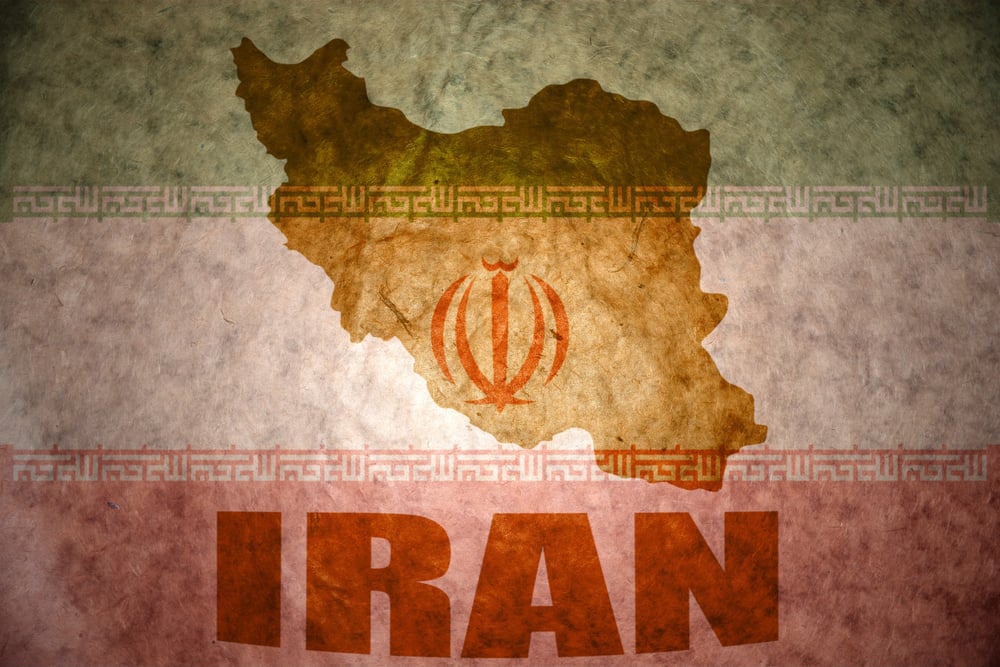
Iran officially asked the world to use its name instead of Persia in 1935, though Persians had called their homeland Iran for centuries. The government wanted international recognition to match what locals had always used, and the name Iran connects to the word ‘Aryan,’ referring to the Indo-European people who settled the region.
Persia had been the Western name since ancient Greek times, but it represented just one region rather than the whole country. Both names still get used today, with Persia often popping up in historical and cultural contexts while Iran is the official political term.
Burma to Myanmar

Myanmar officially changed from Burma in 1989, though this switch remains controversial even today. The military government that made the change claimed Burma was a colonial name that only referred to the majority ethnic group, while Myanmar included all the diverse peoples living there.
Critics argued the change was just the military regime trying to rebrand itself and erase democratic movements. Many countries and organizations still use Burma, especially when they don’t recognize the government’s legitimacy, making this one of the most politically charged name changes in recent history.
Rhodesia to Zimbabwe

Zimbabwe took its current name in 1980 when it finally won independence after years of conflict and white minority rule. Rhodesia had been named after Cecil Rhodes, a British colonizer whose legacy was tied to exploitation and racism.
The new name came from the ancient city of Great Zimbabwe, powerful stone ruins that proved sophisticated African civilizations existed long before colonization. Taking this name was about reclaiming history and rejecting everything Rhodesia represented about colonial domination.
Zaire to Democratic Republic of Congo
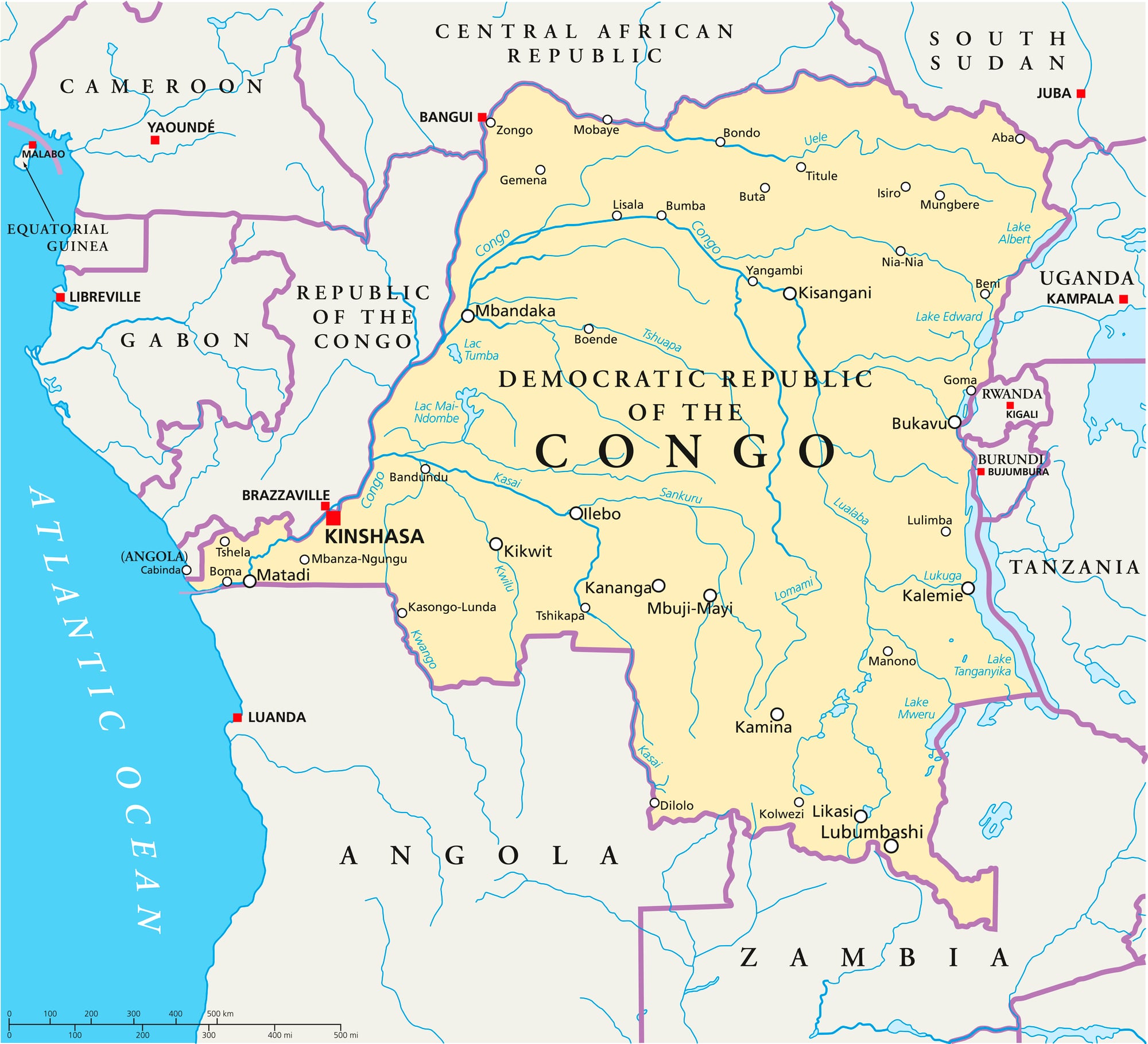
The Democratic Republic of Congo switched back from Zaire in 1997 after decades under that name. Zaire had been adopted in 1971 by dictator Mobutu Sese Seko as part of his campaign to remove all colonial influences and promote African authenticity.
The name came from a Portuguese mispronunciation of a local river name. When Mobutu’s regime collapsed, the new government returned to Congo, though the ‘Democratic Republic’ part distinguishes it from its neighbor, the Republic of Congo, making geography discussions needlessly confusing for everyone.
Abyssinia to Ethiopia

Ethiopia had been called Abyssinia by outsiders for centuries, but the name Ethiopia had ancient roots and had been used locally much longer. The official international adoption of Ethiopia happened around the 1930s, coinciding with the country’s resistance against Italian invasion.
Abyssinia came from an Arabic term and never quite resonated with the diverse ethnic groups within the nation. Ethiopia connects to ancient Greek writings and biblical references, giving the name both historical weight and cultural significance that Abyssinia lacked.
East Pakistan to Bangladesh

Bangladesh became its own country with its own name in 1971 after a brutal war of independence from Pakistan. East Pakistan had been created in 1947 during the partition of India, grouping together Bengali-speaking Muslims with Urdu-speaking West Pakistan over a thousand miles away.
The arrangement never made sense culturally or practically, and when West Pakistan tried to suppress Bengali language and identity, revolution erupted. Bangladesh means ‘country of Bengal’ in the Bengali language, finally giving the nation a name that reflected its people’s actual identity and heritage.
Gold Coast to Ghana

Ghana took its name in 1957 when it became the first sub-Saharan African nation to gain independence from colonial rule. The Gold Coast had been named by Europeans who were really interested in one thing when they showed up—the region’s gold resources.
The new name honored the ancient Ghana Empire, which had existed in West Africa centuries earlier, even though that empire was actually located in a different region. The name symbolized African greatness and served as inspiration for other independence movements across the continent.
Bechuanaland to Botswana

Botswana changed from Bechuanaland in 1966 when it gained independence from Britain. Bechuanaland was an anglicized, somewhat mangled version of ‘Tswana,’ the name of the largest ethnic group in the country.
The new name simply added ‘Bo-‘ as a prefix, which means ‘land of’ in the Tswana language, making it ‘land of the Tswana.’ The change was straightforward and logical, reflecting what locals had always called their homeland while ditching the clunky colonial version that foreigners had imposed.
Upper Volta to Burkina Faso
Burkina Faso adopted its current name in 1984, moving away from Upper Volta, which French colonizers had named after the Volta River. The new name combines words from two major local languages—’Burkina’ means ‘people of integrity’ in Mooré, and ‘Faso’ means ‘fatherland’ in Dioula.
Thomas Sankara, the revolutionary leader who initiated the change, wanted a name that honored the country’s African languages rather than a European-imposed geographic label. The change reflected broader attempts to reject colonial influence and build a uniquely African identity, though Sankara’s government didn’t last long enough to fully realize these ambitious goals.
Dutch East Indies to Indonesia

Indonesia emerged with its name in 1945 when it declared independence from Dutch colonial rule. The Dutch East Indies had been a commercial name that treated the vast archipelago as a business venture rather than a place where actual people lived.
Indonesia comes from Greek roots—’Indos’ for India and ‘nesos’ for islands—and had been suggested by scholars before independence to describe the region between mainland Asia and Australia. The name captures the country’s identity as the world’s largest archipelago nation, stretching across thousands of islands with hundreds of distinct cultures and languages.
Nyasaland to Malawi

Malawi took its name in 1964 when it broke away from British control and the Central African Federation. Nyasaland had been named after Lake Nyasa, which British explorers called the massive lake dominating the country’s eastern border.
Locals had always called it Lake Malawi, and the name Malawi itself comes from the ancient Maravi kingdom that once flourished in the region. Changing the country’s name to match the local terminology for the lake felt natural and served as another way to disconnect from colonial naming practices that ignored indigenous history.
New Hebrides to Vanuatu
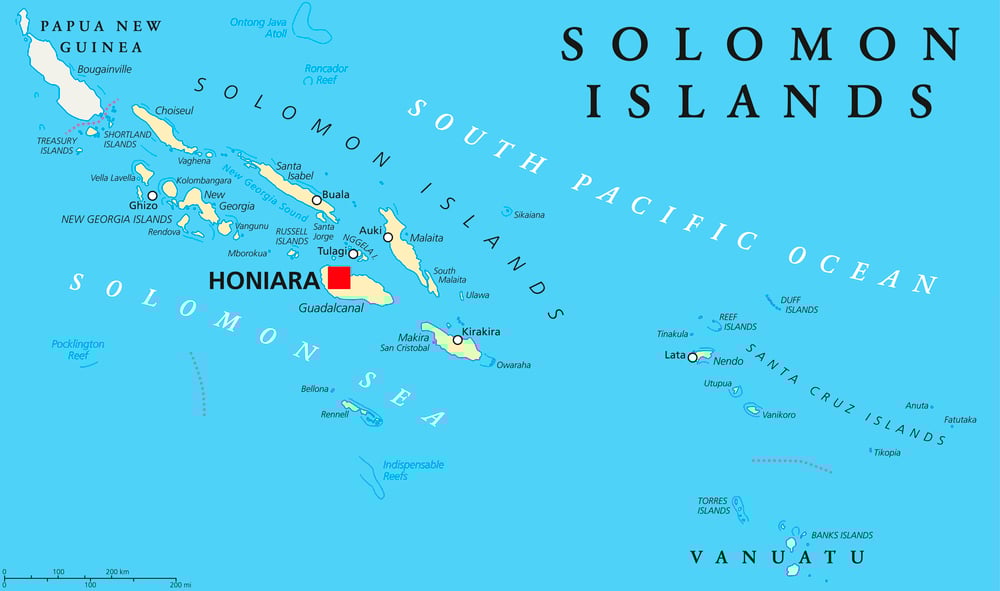
Vanuatu adopted its name in 1980 when it gained independence from joint British and French colonial rule. New Hebrides had been stuck on the Pacific island chain by British explorer James Cook, who apparently thought it resembled the Hebrides islands off Scotland, though the tropical climate suggests otherwise.
Vanuatu means ‘our land’ in several local languages, using the word ‘vanua’ for land and ‘tu’ for stand or exist. The name perfectly captured the sentiment of independence and the people’s connection to their ancestral islands after generations of foreign control.
Kampuchea to Cambodia

Cambodia has actually switched between these names several times depending on who controlled the government. The country was renamed Kampuchea by the Khmer Rouge in 1976, then changed back to Cambodia in 1989 after that genocidal regime fell.
Kampuchea is closer to the Khmer pronunciation of their country’s name, but it became so associated with the horrors of Pol Pot’s rule that the later government wanted distance from it. Cambodia, the anglicized version, won out internationally, though Kampuchea remains the official name in the Khmer language itself, making this a case where the name change depended heavily on which language someone was speaking.
South West Africa to Namibia

Namibia gained both independence and its new name in 1990 after decades of South African occupation. South West Africa was a generic, direction-based name that South Africa used during its mandate control, treating the territory like a geographic afterthought.
The name Namibia comes from the Namib Desert, which runs along the country’s Atlantic coast and is one of its most distinctive features. Local resistance movements had been pushing for the name Namibia since the 1960s, making the change about self-determination and rejecting South African domination that had lasted far too long.
Northern Rhodesia Becomes Zambia

Back in 1964, independence brought a new title – Zambia replaced what once was called Northern Rhodesia. Its southern counterpart already shed the Rhodesia label, setting an example.
The fresh name ties to the Zambezi River, carving paths across the land, powering mighty Victoria Falls. Long before that river bore meaning on maps, Cecil Rhodes staked claim here under imperial rule.
Holding onto his legacy post-freedom? That felt wrong for many who resisted outside control. Choosing Zambia meant choosing self-defined roots, shaped by natural landmarks instead of foreign ambition.
From French Sudan to Mali

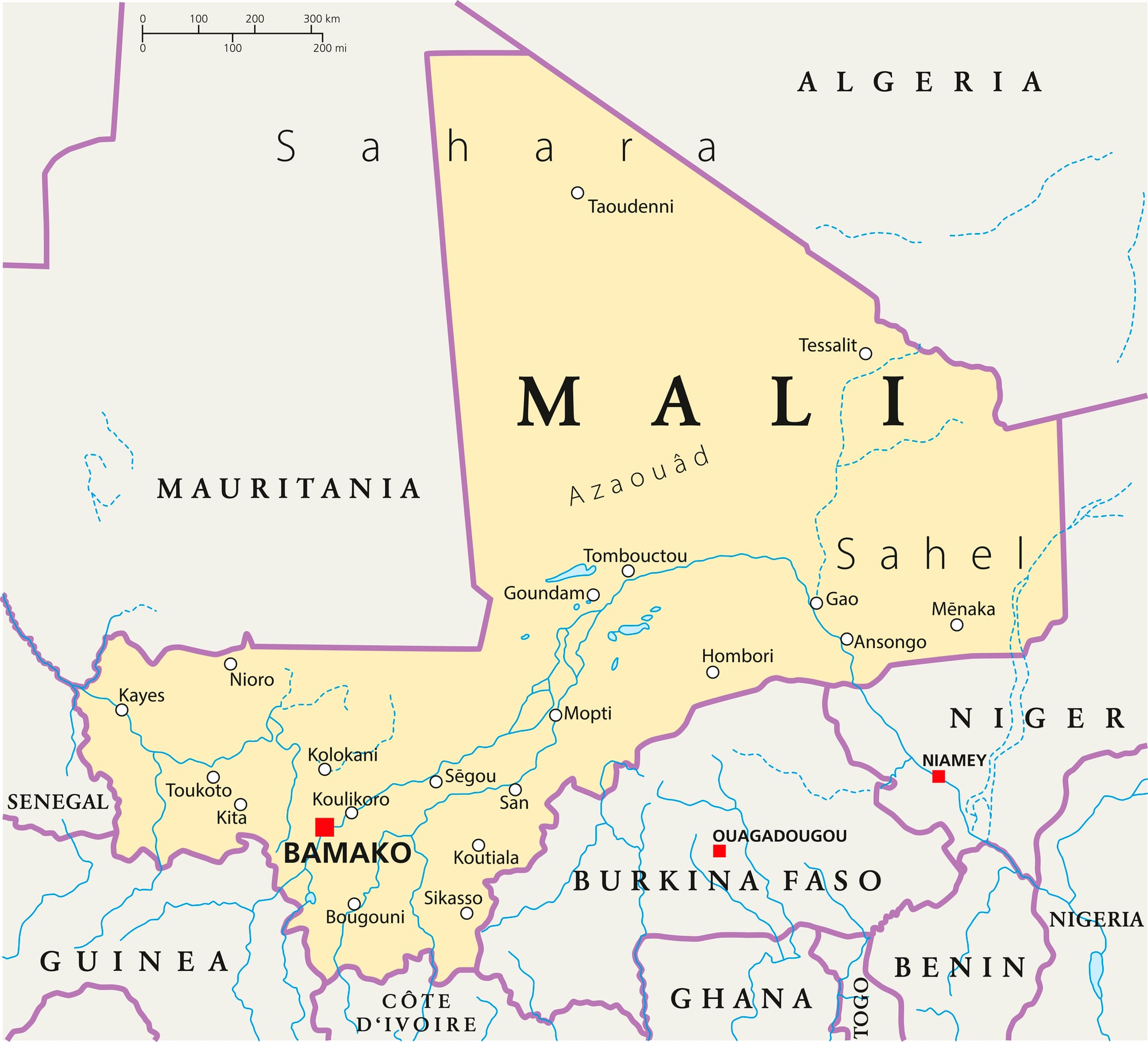
Back in 1960, after leaving French control, the country took the name Mali, following a short time joined with Senegal. Before that, it was called French Sudan – a title shaped by rulers overseas, not local identity.
This older term reflected power from afar, little of the land beneath. Instead, Mali looked to an earlier era, pulling forward the legacy of a vast empire from centuries ago.
That empire once held sway across West Africa, famed for gold, learning, and strong leadership. One ruler, Mansa Musa, became almost mythic over time. By reviving the old name, leaders tied their present to a proud history rooted deep in African soil. Independence wasn’t just political – it carried echoes of lost grandeur now within reach.
Times Shift. Names Change With Them

A shift in a country’s name often signals deeper currents beneath the surface. Not mere updates to official documents – these moments echo battles fought, victories claimed, new chapters begun.
Recognition by some corners of Earth does not guarantee agreement everywhere else. Still, each renaming nudges perception, reshapes understanding. How a land is labeled can alter its story in subtle ways. Change stays constant as self-definition evolves across borders.
More from Go2Tutors!

- The Romanov Crown Jewels and Their Tragic Fate
- 13 Historical Mysteries That Science Still Can’t Solve
- Famous Hoaxes That Fooled the World for Years
- 15 Child Stars with Tragic Adult Lives
- 16 Famous Jewelry Pieces in History
Like Go2Tutors’s content? Follow us on MSN.



