15 Petty Acts by Napoleon in Europe
Napoleon Bonaparte reshaped the face of Europe with sweeping reforms and spectacular campaigns. Yet beneath the grandeur, he often indulged in small, sharp gestures—spiteful acts that seemed driven more by vanity than vision. Here’s a list of the petty things he did across Europe, the little moves that revealed how personal slights could matter as much to him as major battles.
Renaming Cities
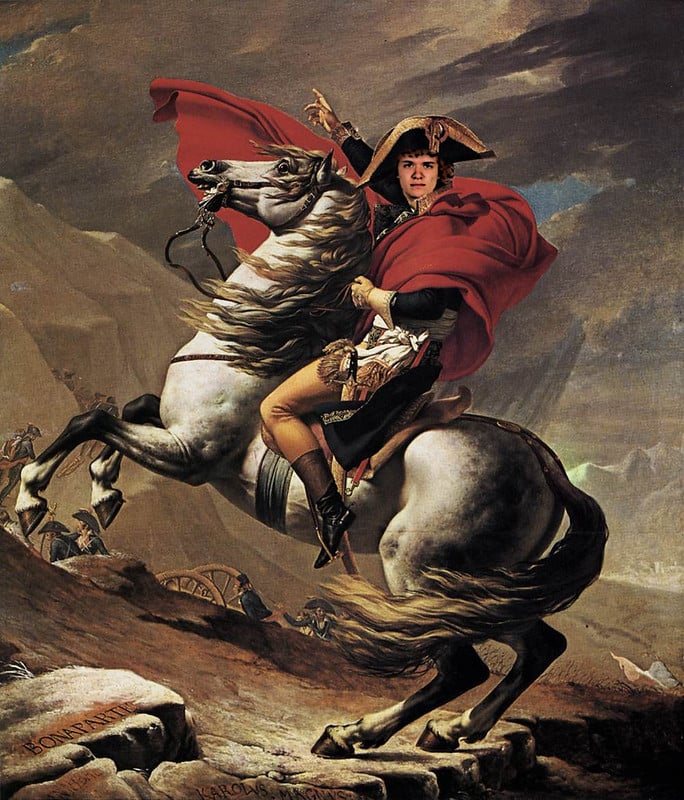
He delighted in renaming towns under his rule, blotting out centuries of heritage in favor of titles that suited him. It wasn’t necessary. It was just about leaving his mark.
The Spanish Royal Prisoners
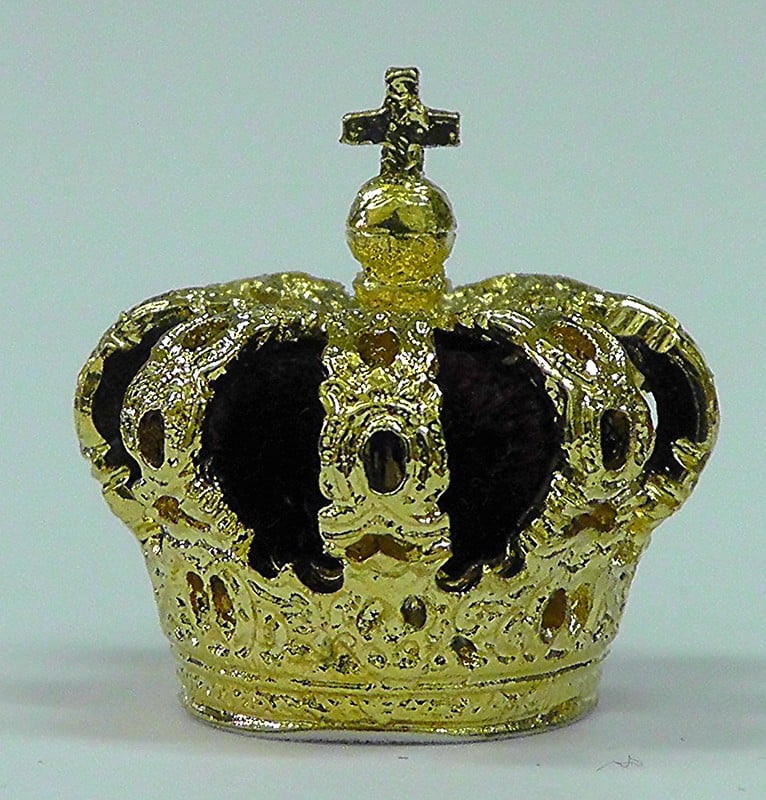
After tricking the Spanish Bourbons into surrendering their crowns, he kept them tucked away in France. No freedom, no formal punishment—just a long, humiliating limbo. Awkward, really.
Plundering Art for the Louvre

— Photo by olli0815
French troops marched not only with muskets but with crates. Treasures from Italy and the Low Countries—paintings, statues, manuscripts—were carted off to Paris as “gifts.” The Louvre gained, Europe lost. Everyone knew it was theft.
The Pope’s Kidnapping
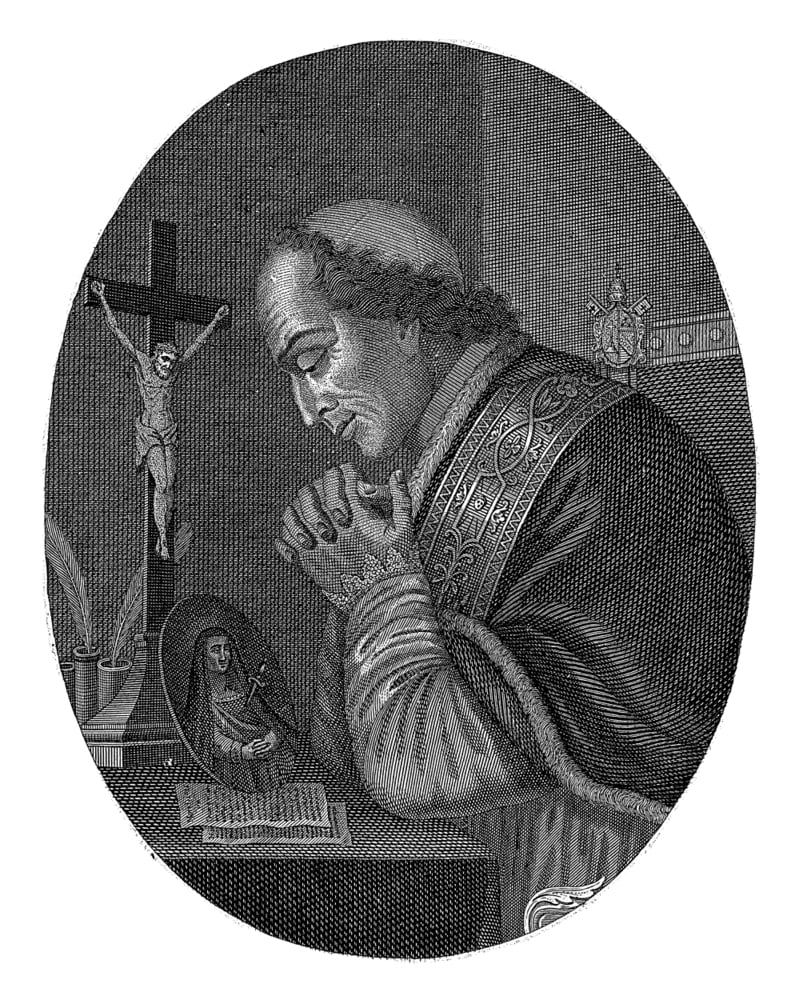
When Pope Pius VII resisted French control, Napoleon’s solution was blunt. Kidnap him. Hauled from Rome to France, the pontiff spent years as a prisoner—a reminder that Napoleon preferred brute force to delicate persuasion.
Altering the German Map
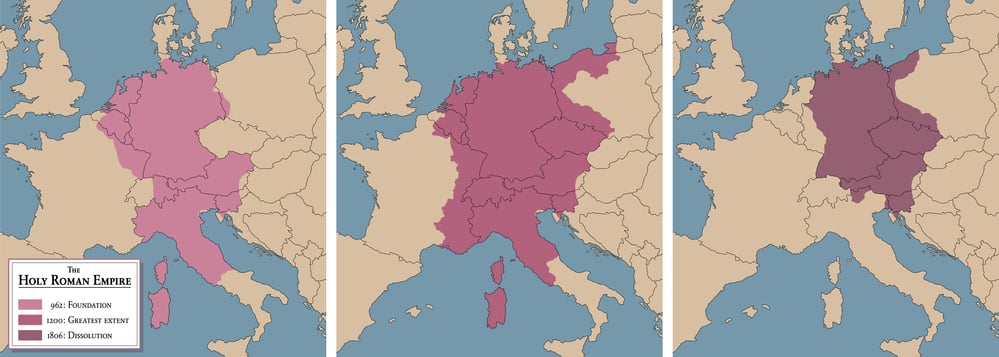
In 1806 he dismantled the Holy Roman Empire, casually erasing centuries of tradition. Practical for his plans, perhaps, but also a swipe at history. Still, it pleased him to break what others had built.
Forcing Marriages
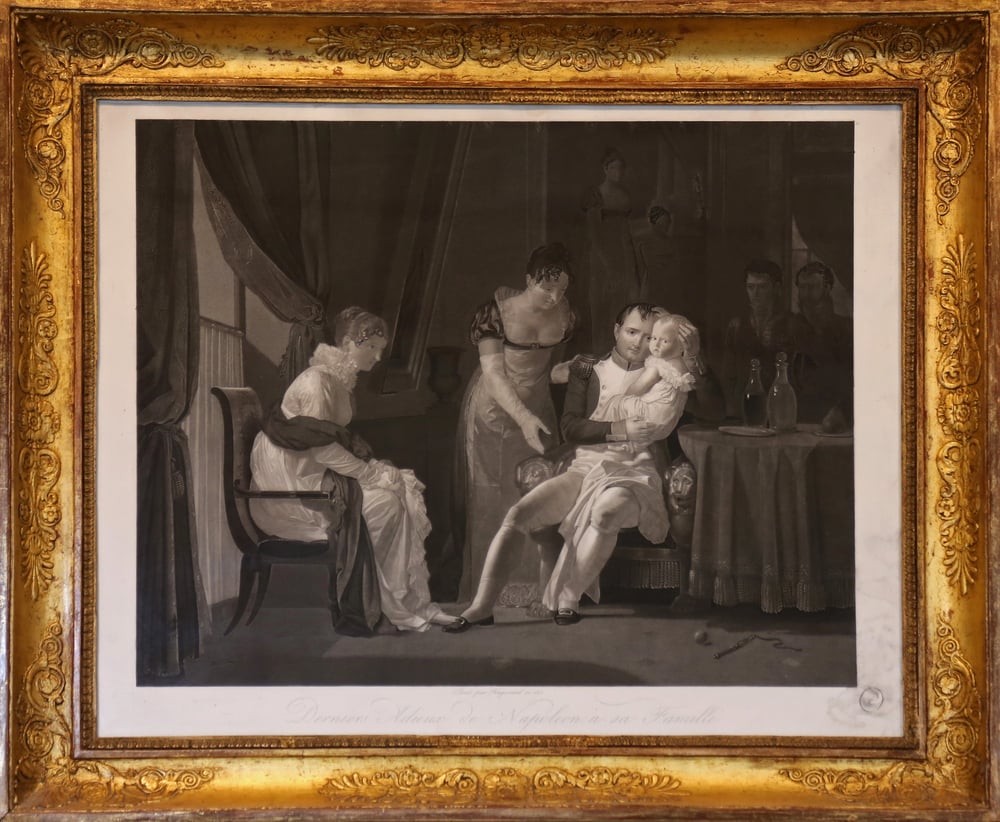
His family members were pawns. He arranged their marriages to secure alliances, often with little regard for affection. Some sulked, some obeyed—but none had much choice. Imagine the tension at the dinner table.
Insulting Diplomats
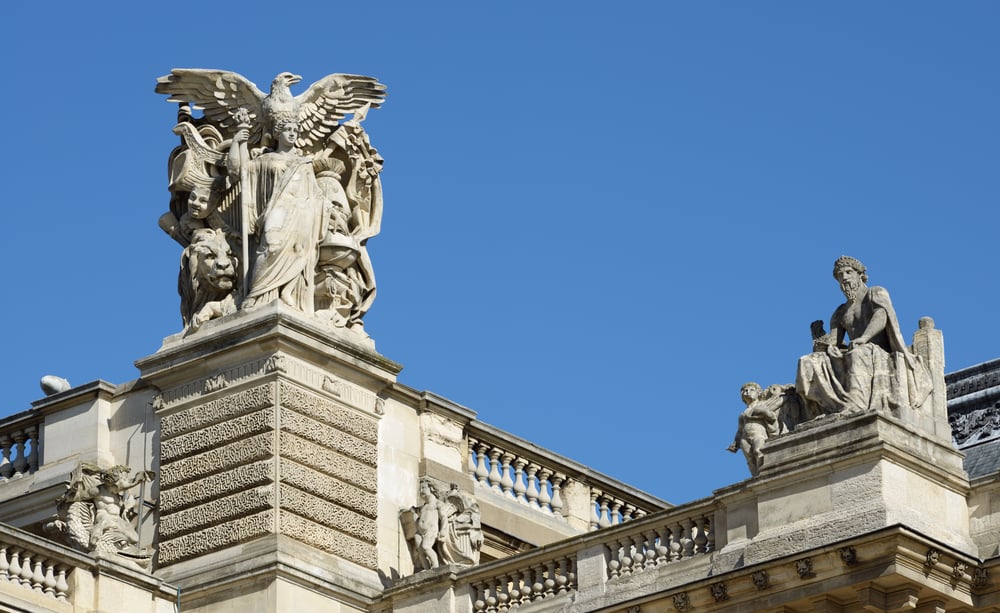
— Photo by onvial
Foreign envoys rarely escaped his temper. He scolded them in public, belittled them, or brushed them aside entirely. Diplomacy turned into theater, with Napoleon hogging the stage.
Petty Treatment of His Brothers

Even as kings in Spain, Naples, and Holland, his brothers endured constant nagging from Paris. He wrote endless letters criticizing their policies—and sometimes their manners. Not great for family harmony.
The Berlin Decree
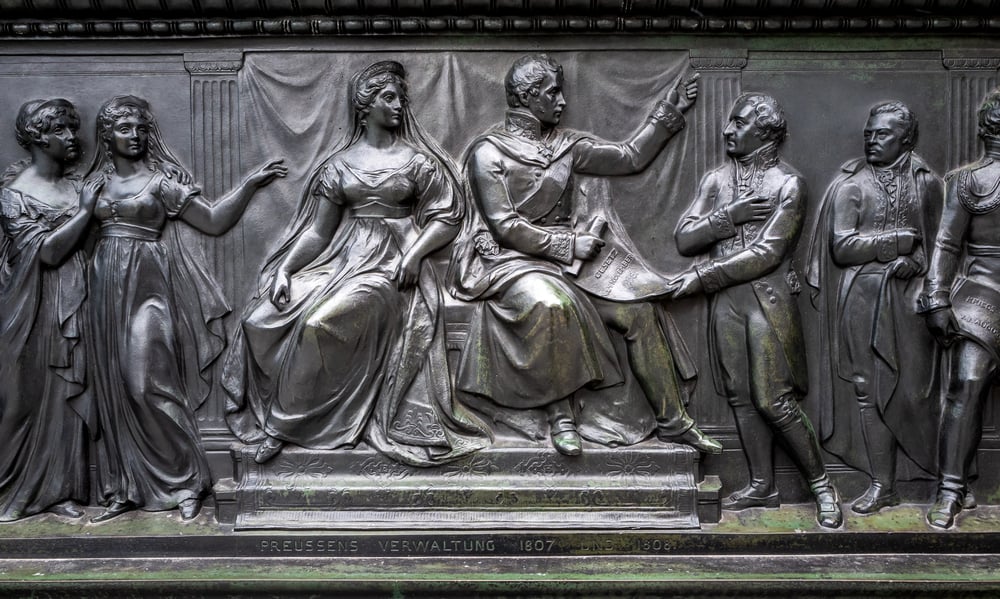
— Photo by chrissi
Announced as a grand strategy against Britain, the blockade strangled European trade instead. Merchants suffered, neutral nations fumed. Yet Napoleon clung to it, imagining Britain on the ropes. So stubborn.
Disrespecting the Prussians

After his victory in 1806, Napoleon rubbed it in. He marched triumphantly through Berlin, staged parades, and treated the Prussian monarchy like background scenery. Petty showmanship, more than military necessity.
Vandalizing Venice’s Horses

— Photo by Hackman
The bronze horses of St. Mark’s Basilica were pried off and shipped to Paris. Their absence left gaping plinths above the square, a daily reminder of Venice’s humiliation. Tourists today still notice the odd story.
Closing the British Mail

Intercepted letters between Britain and the continent were seized, opened, and censored. Reading private correspondence didn’t win wars. But it gave him satisfaction. A nosy habit—like rifling through someone’s desk drawer.
The Mock Crowning of Kings
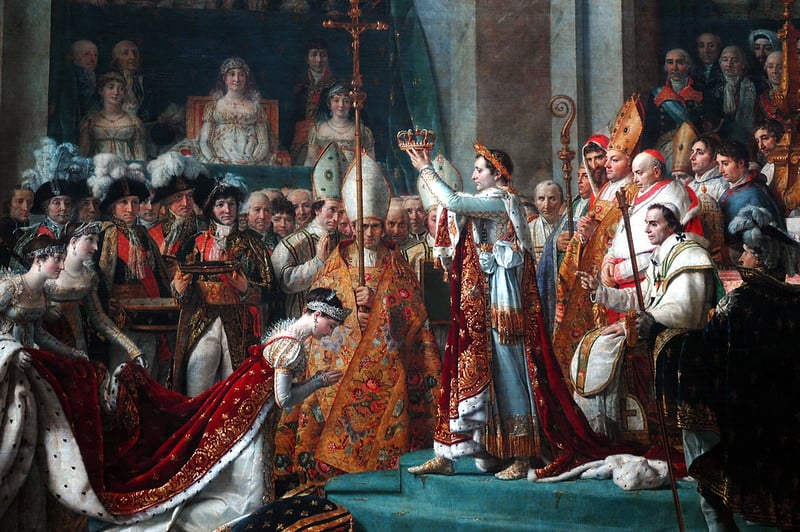
In puppet states, Napoleon staged ceremonies that left no doubt: their crowns rested on his say-so. It bordered on parody, with kings treated like extras in his play.
Taxing the Conquered
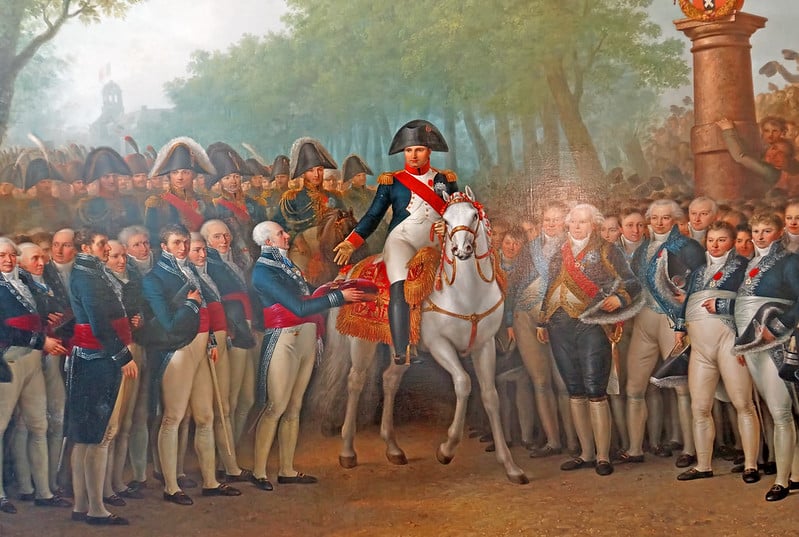
His rule came with a price tag. Heavy levies drained coffers in newly subdued territories, sometimes so excessive they felt punitive rather than practical.
- Holland
- Italy
- German states
All were squeezed until resentment boiled over.
The Elba Farewell

Even in exile, he refused to fade. When leaving Elba in 1815, Napoleon staged his return as though he had never stopped being emperor. Defiant, theatrical—maybe even smug.
Echoes of Pettiness

— Photo by 360ber
He’s remembered for sweeping victories and reforms, but these smaller, needle-like acts left their own mark. Petty? Certainly. Yet they reveal as much about Napoleon as the grand campaigns that filled history books.
More from Go2Tutors!

- 16 Historical Figures Who Were Nothing Like You Think
- 12 Things Sold in the 80s That Are Now Illegal
- 15 VHS Tapes That Could Be Worth Thousands
- 17 Historical “What Ifs” That Would Have Changed Everything
- 18 TV Shows That Vanished Without a Finale
Like Go2Tutors’s content? Follow us on MSN.