15 Discontinued Sodas Fans Still Miss Today
The soda market is like a graveyard of great ideas that just couldn’t stick around. Some beverages become legends in their own right, while others disappear so quickly you wonder if they ever existed at all. The thing about discontinued sodas is that they often develop cult followings years after they vanish from shelves, with fans creating online petitions and social media groups dedicated to bringing back their favorite fizzy drinks.
From bold flavor experiments to marketing mishaps, these defunct beverages tell the story of an industry that’s always willing to take risks. Here is a list of 15 discontinued sodas that fans are still talking about today.
Surge

— Photo by homank76
Coca-Cola launched Surge in 1997 as their answer to Mountain Dew, and it quickly became the poster child for extreme ’90s marketing with its neon-green color and over-the-top advertising that made caffeine consumption look like an extreme sport. This citrus soda was marketed as a lifestyle choice for rebellious teenagers, complete with campaigns that felt almost like parody but perfectly captured the era of baggy jeans and frosted tips. Despite its cult following, Surge was discontinued in 2003 due to declining sales, but the fan outcry was so persistent that Coca-Cola actually listened—bringing it back briefly in 2014, and you can still find it in some Burger King Freestyle machines today.
Crystal Pepsi

Crystal Pepsi might be the most famous soda failure of all time, but that doesn’t stop people from remembering it fondly as a bold experiment that almost worked. Released in 1992, this clear cola was supposed to taste like regular Pepsi without the caramel coloring, riding the wave of health-conscious consumers who associated clear with pure and natural. The problem wasn’t the taste, which many people actually enjoyed, but rather Coca-Cola’s deliberate sabotage campaign—they released Tab Clear as a ‘kamikaze’ product specifically designed to confuse consumers about clear sodas in general. The strategy worked perfectly, and Crystal Pepsi was gone by 1994, though it made several limited comeback appearances over the years for nostalgic fans.
Sprite Remix

Sprite got a makeover in 2002 with the Remix line, which included Tropical, Berryclear, and Aruba Jam flavors that weren’t just new flavors but caffeine-free fruit sodas that actually tasted pretty great. The Tropical Mix was especially popular, selling over 55 million cases in 2003 alone and proving that consumers were ready for Sprite alternatives that went beyond the traditional lemon-lime formula. The line started strong but fizzled out by 2005 when Aruba Jam failed to connect with consumers, leading Coca-Cola to quietly discontinue the entire Remix brand, though they’ve since brought back Tropical Mix under a slightly different name in select markets.
Pepsi Blue

Nothing says early 2000s like a bright blue soda that tasted like berry cotton candy and came with massive celebrity endorsements from Britney Spears and Papa Roach. Pepsi Blue launched in 2002, targeting the same demographic that was buying frosted tips and trucker hats, with a vibrant blue color that was definitely eye-catching on store shelves. The candy-like flavor was too much for most consumers though, and after just two years on the market, Pepsi Blue was discontinued in 2004, making a brief nostalgic return in May 2021 that was more of a limited-edition novelty than a serious comeback attempt.
Vault

Coca-Cola wanted their own version of Mountain Dew, so they created Vault in 2005—a citrus soda that promised ‘the taste of soda with the kick of an energy drink’ and came with aggressive marketing that included a Super Bowl commercial. The slogan ‘drinks like a soda, kicks like an energy drink’ appealed to the same crowd that loved extreme sports and energy drinks, and Vault actually had some success for several years as a legitimate competitor in the high-caffeine market. However, Coca-Cola decided to focus their efforts on Mello Yello instead, discontinuing Vault in 2011 despite its loyal fan base who still petitioned for its return online.
Josta
— Photo by jetcityimage2
Long before Red Bull dominated gas station coolers, Pepsi created Josta in 1995—the first energy drink from a major American beverage company, featuring guarana extract from the Amazon and a unique fruity taste that fans described as somewhere between cola and berry juice. This caffeinated soda developed a devoted following among people who appreciated its distinctive flavor profile and natural energy boost, but Pepsi pulled the plug in 1999 as part of a corporate strategy shift away from niche products. The ‘Save Josta’ campaign has been running for over two decades now, and the drink even got a nostalgic cameo in Disney’s Loki series, but Pepsi has remained completely silent about any potential revival despite the persistent fan demands.
OK Soda
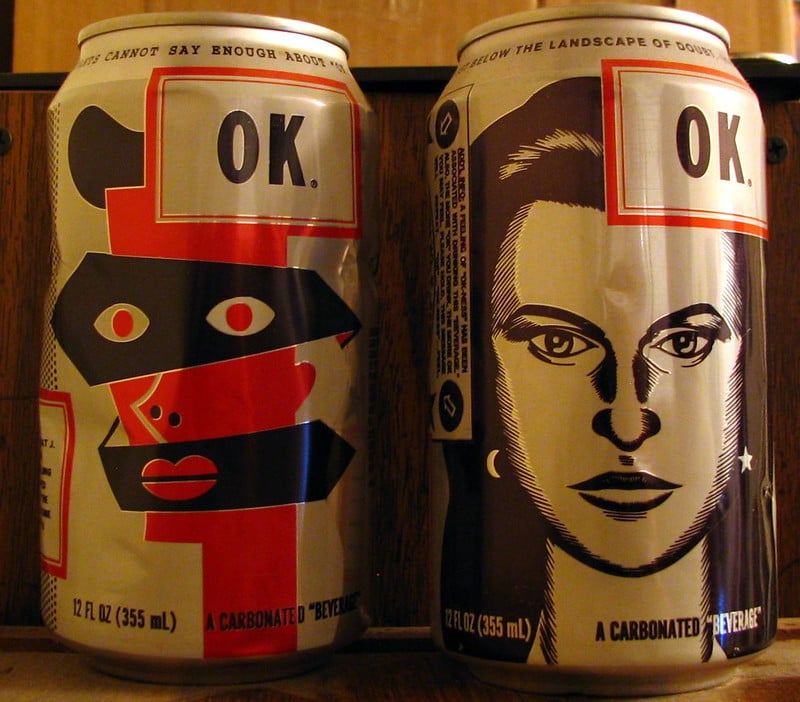
Coca-Cola’s attempt to capture Generation X cynicism resulted in OK Soda, launched in 1993 with intentionally bland marketing and existential slogans like ‘What’s the point of OK?’ that perfectly captured the nihilistic spirit of the grunge era. The name came from research showing that ‘OK’ was the most recognized word in the world after ‘Coke,’ and the anti-corporate marketing campaign featured abstract art and philosophical musings on the cans that were actually pretty clever for their time. However, ironic marketing only goes so far when the actual product doesn’t stand out from the crowded cola market, and OK Soda quietly disappeared by 1995 after failing to connect with the very demographic it was designed to attract.
Sierra Mist

Sierra Mist had a remarkably long run for a discontinued soda, lasting from 1999 to 2023 as Pepsi’s attempt to compete with Sprite in the lemon-lime market, using real cane sugar that gave it a distinct taste some fans preferred over its more famous competitors. The problem was that Sierra Mist never gained significant market share against Sprite and 7UP despite decades of trying, leading Pepsi to attempt multiple rebranding efforts including a confusing stint as ‘Mist Twist’ that only made things worse. They finally gave up in early 2023, replacing it with Starry, which is specifically designed to taste more like Sprite and compete more directly in the citrus soda wars.
New Coke

The most famous soda disaster in history started in 1985 when Coca-Cola decided to replace their classic formula with something sweeter to compete with Pepsi, triggering a backlash so brutal that people dumped New Coke in the streets and hoarded cans of the original recipe like they were preparing for the apocalypse. Coca-Cola brought back the original formula as ‘Coca-Cola Classic’ after just 77 days, making New Coke one of the shortest-lived major product launches in beverage history. The reformulated version hung around until 2002 under the name ‘Coke II,’ but it never recovered from that disastrous debut and became a textbook example of why you don’t mess with beloved brands.
Orbitz

Orbitz was the lava lamp of sodas—a clear fruit-flavored drink with floating gelatin spheres that looked like edible art and came in wild flavor combinations like ‘Pineapple Banana Cherry Coconut’ and ‘Black Currant Berry.’ The Clearly Food & Beverage Company launched this bizarre creation in 1997, marketing it as a ‘texturally enhanced’ beverage that was supposed to make drinking soda more interactive and fun. The texture was definitely polarizing though—some people found the floating orbs fascinating while others were completely grossed out by the weird mouthfeel, and Orbitz lasted exactly one year before disappearing in 1998, becoming a memorable footnote in soda history that people still talk about today.
Pepsi Fire

Pepsi Fire was essentially regular Pepsi with cinnamon flavoring, launched in 2004 as part of the brand’s ongoing experimentation with spiced sodas that were supposed to appeal to people who wanted something different from traditional cola flavors. The red-tinted cola featured a cinnamon kick that was meant to add warmth and complexity to the familiar Pepsi taste, but the combination turned out to be too sweet and overpowering for most consumers. Unfortunately, the cinnamon-cola experiment was discontinued after just one year, though they brought it back briefly in 2017 as a limited-edition nostalgia play that didn’t stick around long enough to build a new following.
Jolt Cola
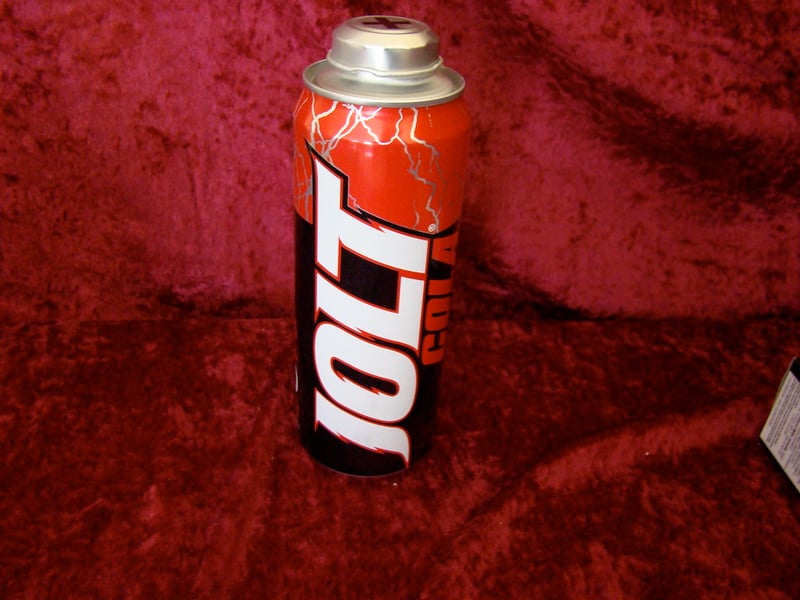
Before energy drinks took over convenience store refrigerators, there was Jolt Cola with its famous slogan ‘All the sugar and twice the caffeine,’ launched in 1985 as the drink of choice for college students and tech workers who needed to stay awake during all-nighters. Jolt actually had a pretty good run, maintaining a cult following for over two decades among people who appreciated its no-nonsense approach to caffeine delivery without any diet pretensions. However, the company faced financial difficulties and declared bankruptcy in 2009, officially ending the Jolt era just as mainstream energy drinks were becoming popular and taking over the market that Jolt had helped create.
TaB

TaB was Coca-Cola’s first diet soda, introduced way back in 1963 and lasting an impressive 57 years before being discontinued in 2020, making it one of the longest-running products on this list. This pink-canned diet cola was hugely popular in the ’70s and ’80s, especially among women who appreciated its distinctly different taste from regular Coca-Cola and its bold, unapologetic branding. The end came during the pandemic when Coca-Cola decided to streamline their product line, devastating TaB fans who had been drinking it for decades and even stockpiled cans when they heard about the discontinuation—people still talk about it as the superior diet cola that actually tasted like something unique.
Life Savers Soda

Life Savers candy seemed like a natural fit for soda form, and the drink actually launched with built-in name recognition from the popular candy brand that started way back in 1912, featuring flavors that matched the candy varieties in a logical marketing move. The concept made sense on paper—translate the beloved hard candy flavors into carbonated beverages that could capture the same taste experience in liquid form. However, translating candy flavors into sodas proved more challenging than expected, as the drinks never quite captured the essence of the original candies, and consumers weren’t convinced they needed a liquid version of their favorite hard candy, leading to the Life Savers soda experiment ending quietly after a relatively short run.
Hubba Bubba Soda

Hubba Bubba Soda was one of the strangest flavor experiments of the late ’80s—a bright pink carbonated beverage that was supposed to taste like the popular bubblegum, released in 1988 using bubblegum-flavored snow cone syrup rather than the actual Hubba Bubba recipe. The concept was definitely unique and they even released a diet version alongside the original, targeting people who wanted to experience their favorite childhood gum in liquid form. However, the reality of drinking something that tasted like bubblegum was much weirder than it sounded on paper, and the novelty wore off quickly when people realized that bubblegum flavor works much better when you’re chewing it than when you’re swallowing it, leading to Hubba Bubba Soda disappearing after less than five years.
The Fizz That Lives Forever

These discontinued sodas represent more than just failed products—they’re time capsules of different eras in American culture and marketing, from the extreme ’90s energy of Surge to the cynical Gen-X appeal of OK Soda, each one telling a story about what companies thought consumers wanted at a particular moment in time. The fact that people still create online communities dedicated to bringing back drinks that disappeared decades ago shows just how much these fizzy experiments meant to the people who loved them, proving that sometimes the most memorable products are the ones that don’t stick around long enough to become boring. Sometimes the sodas that don’t make it are the ones we remember most fondly, living on in our collective memory as symbols of simpler times when soda companies were willing to take wild risks on bizarre flavor combinations and marketing campaigns that would never fly in today’s focus-grouped world.
More from Go2Tutors!

- 16 Historical Figures Who Were Nothing Like You Think
- 12 Things Sold in the 80s That Are Now Illegal
- 15 VHS Tapes That Could Be Worth Thousands
- 17 Historical “What Ifs” That Would Have Changed Everything
- 18 TV Shows That Vanished Without a Finale
Like Go2Tutors’s content? Follow us on MSN.