15 Drinks Pulled From Shelves for Strange Reasons
The beverage industry has seen its fair share of unusual product recalls over the years. While most drinks get pulled for typical reasons like contamination or mislabeling, some have faced removal for truly bizarre circumstances that range from the hilarious to the downright weird.
Here is a list of 15 drinks that were yanked from store shelves for reasons that will make you do a double-take.
Cocaine Energy Drink
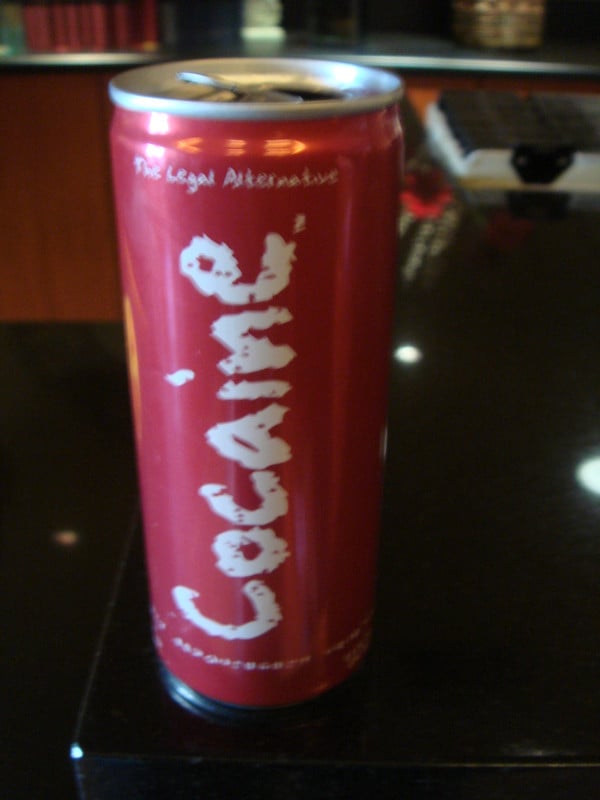
This energy drink wasn’t pulled because it contained actual narcotics, but because regulators weren’t thrilled about the name. The FDA pressured the company to rebrand after concerns that the provocative name promoted illegal drug use. The drink packed 280 milligrams of caffeine per can, which was actually more potent than most energy drinks at the time. They eventually rebranded as ‘No Name’ and later ‘Censored,’ but the original controversy had already done its damage.
Four Loko Original Formula
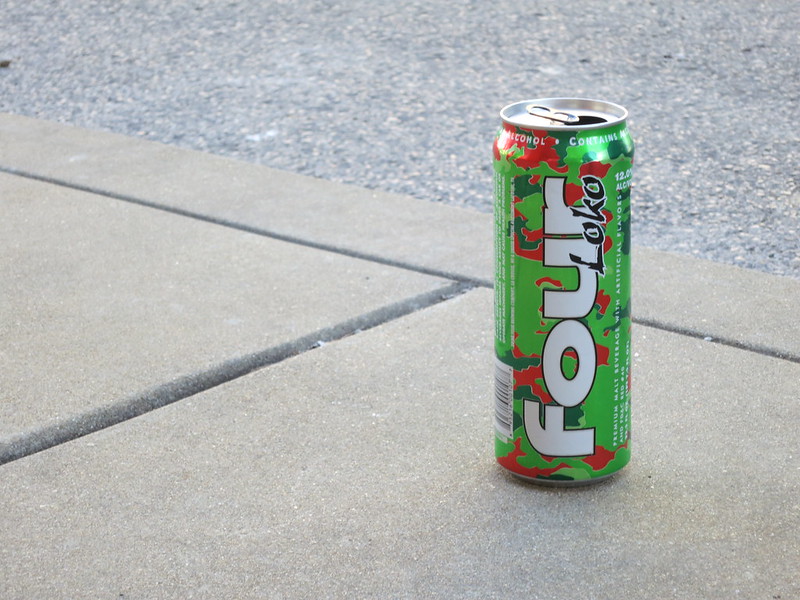
The original Four Loko became a nightmare for college campuses across America because it combined high levels of alcohol with massive amounts of caffeine. Students were ending up in emergency rooms after drinking what was essentially liquid cocaine mixed with booze. The FDA eventually banned the sale of alcoholic beverages containing added caffeine, forcing the company to reformulate without the stimulants. The new version still exists today, but it’s nowhere near as dangerous as the original party-in-a-can formula.
Snapple Elements
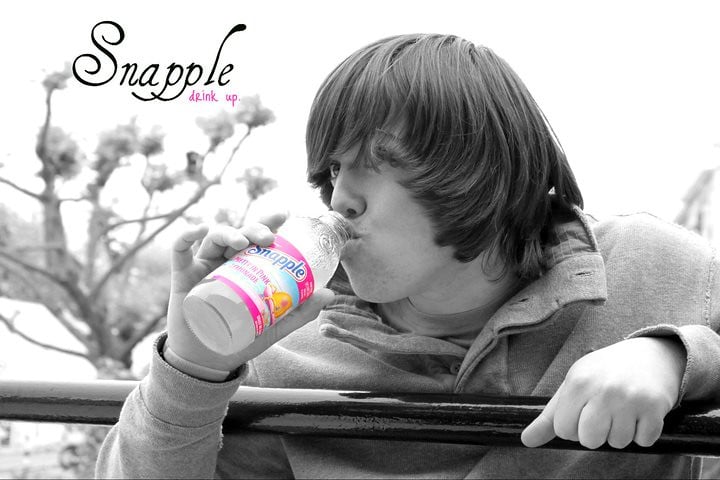
Snapple’s Elements line got pulled not for health reasons, but because the marketing was so confusing that nobody knew what they were buying. Each flavor had cryptic names like ‘Rain’ and ‘Fire’ with bizarre descriptions that sounded more like poetry than beverage marketing. Customers couldn’t figure out what flavors they were actually getting, leading to poor sales and eventual discontinuation. The whole campaign felt like someone’s art project that accidentally made it to market.
Crystal Pepsi
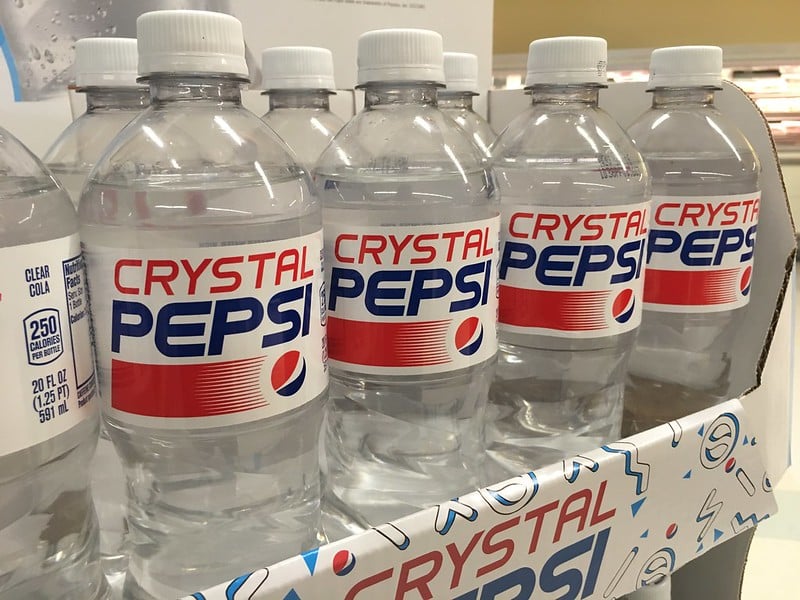
Crystal Pepsi disappeared from shelves because consumers found the clear cola deeply unsettling. The drink tasted like regular Pepsi but looked like water, creating a cognitive disconnect that made people uncomfortable. Market research showed that the transparent appearance made consumers expect a lemon-lime flavor, not cola, leading to widespread disappointment. The psychological mismatch between appearance and taste proved too weird for most people to handle, despite multiple comeback attempts over the years.
Orbitz
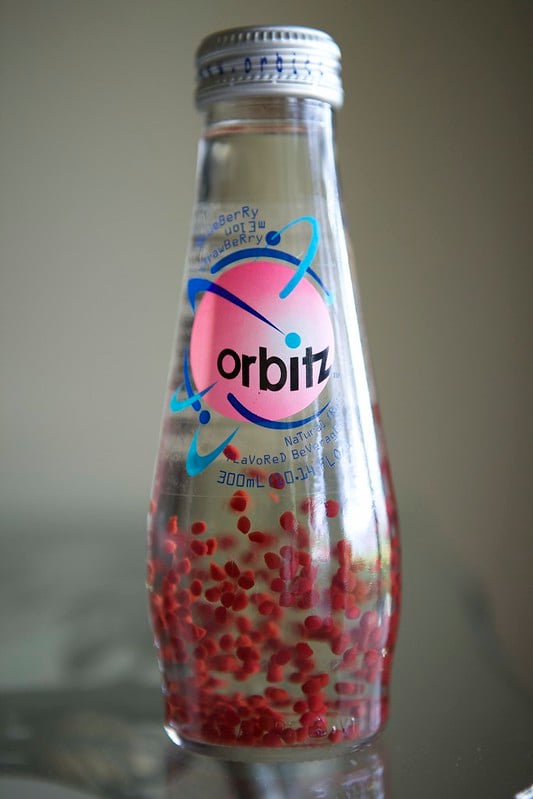
This drink looked more like a lava lamp than something you’d want to consume, with colorful gel orbs floating in flavored liquid. The texture was incredibly off-putting since you’d get chunks of gel mixed with regular liquid in each sip. Most people couldn’t get past the visual of drinking what looked like fish tank water with decorative pebbles floating around. The novelty wore off quickly when consumers realized the floating bits didn’t add any flavor, just an unpleasant chewing experience.
New Coke
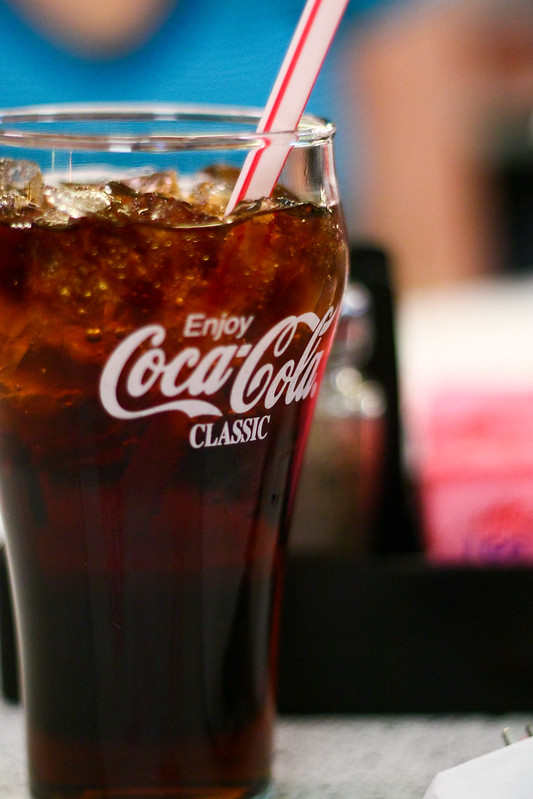
Coca-Cola pulled their original formula replacement after just 79 days due to massive public outrage. The company had secretly reformulated their classic recipe to taste more like Pepsi, thinking it would help them win the cola wars. Instead, they triggered one of the biggest consumer backlashes in beverage history, with people hoarding old Coke and staging protests. The company was forced to bring back the original formula as ‘Coca-Cola Classic’ while quietly phasing out the new version.
Surge
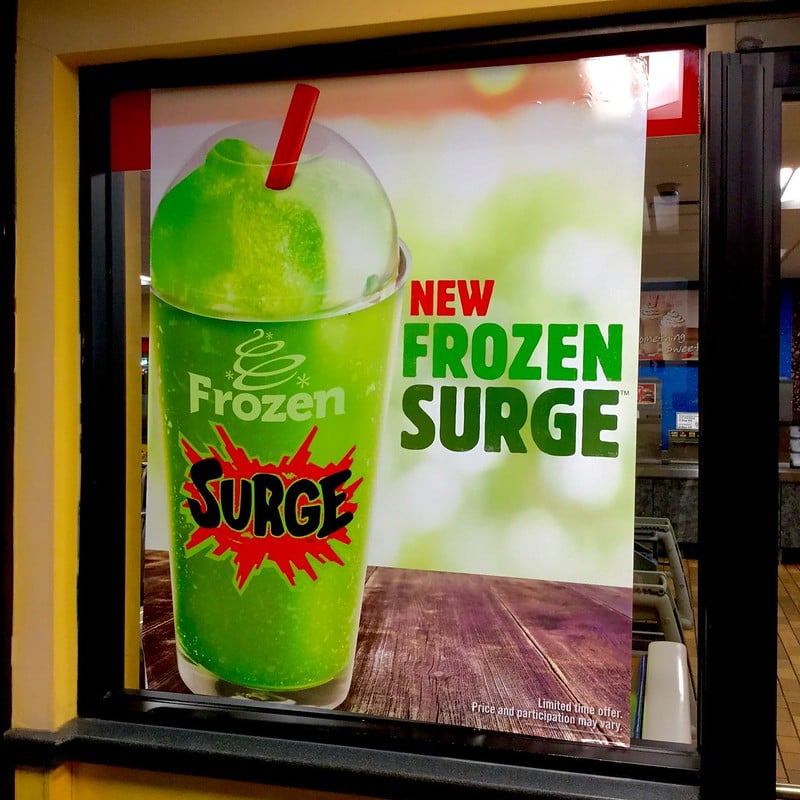
This citrus soda got discontinued because it became too associated with hyperactive behavior in kids. Parents started blaming Surge for their children’s wild antics, even though it had similar caffeine levels to other sodas. The brand developed such a reputation for causing chaos that many stores refused to stock it near schools. Marketing campaigns that emphasized extreme energy and intensity backfired when concerned parents began boycotting the product entirely.
Fruitopia
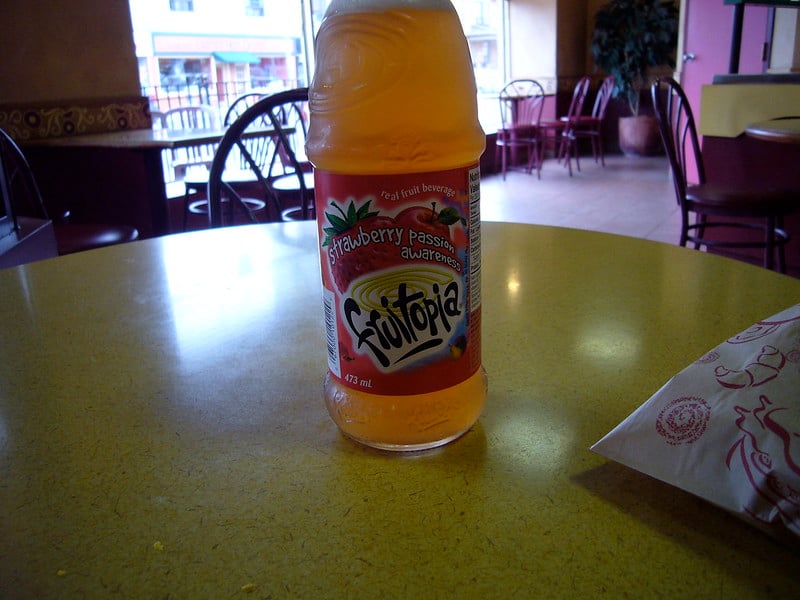
This psychedelic beverage line from Coca-Cola got pulled because the trippy marketing campaign was too weird even for the experimental 1990s. The ads featured swirling colors, abstract imagery, and philosophical slogans that made no sense to most consumers. Parents complained that the marketing seemed designed to appeal to people under the influence of mind-altering substances. The whole brand felt like it belonged at a music festival rather than a grocery store, making mainstream consumers uncomfortable.
Tab Clear
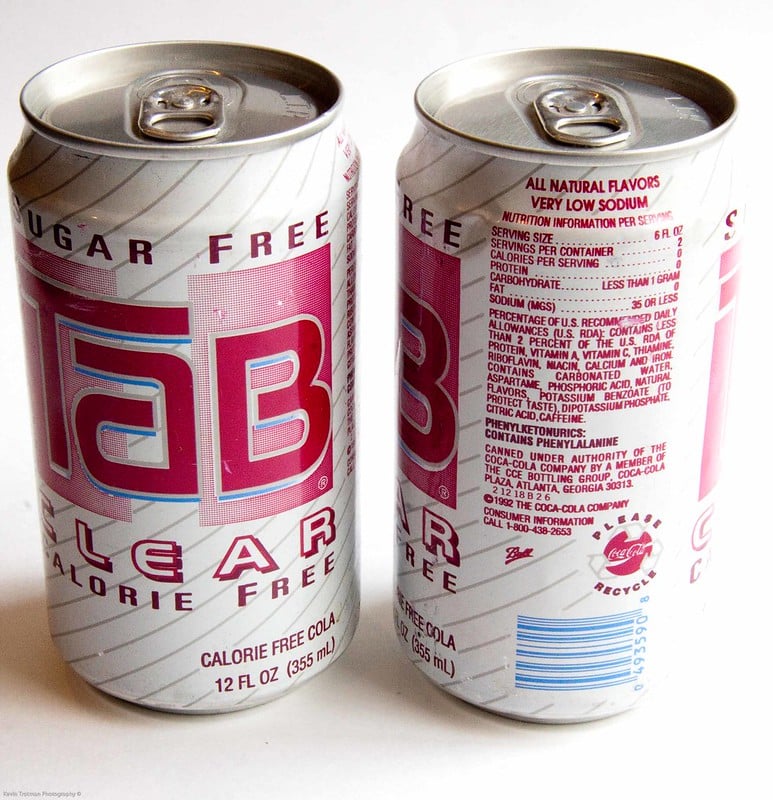
Coca-Cola’s answer to Crystal Pepsi failed because the company actually wanted it to fail. They launched Tab Clear as a ‘kamikaze’ product designed to confuse consumers about clear colas in general. The strategy worked too well, killing both Tab Clear and Crystal Pepsi, but also damaging the Tab brand reputation. Internal documents later revealed this was intentional corporate sabotage disguised as product innovation.
Jolt Cola
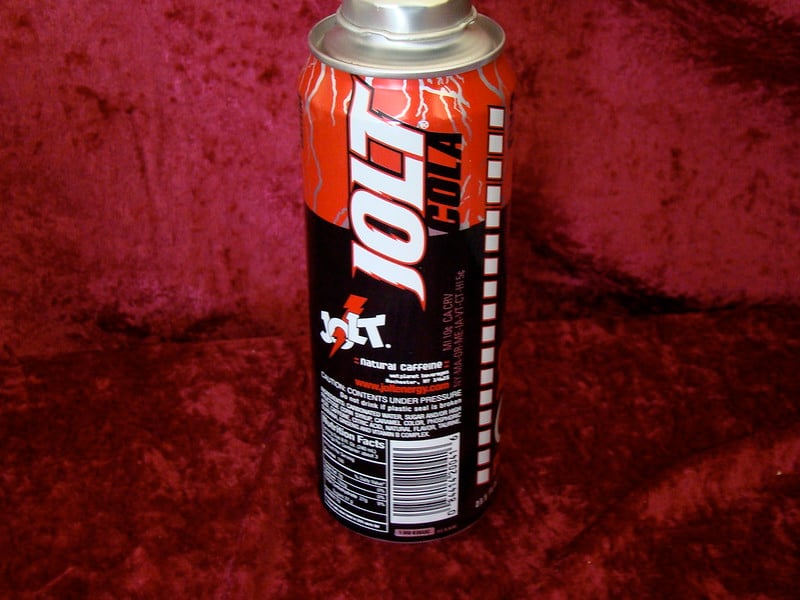
This high-caffeine cola got pulled from many stores after parents complained it was basically liquid speed for teenagers. While energy drinks were becoming popular, Jolt’s marketing slogan ‘All the sugar and twice the caffeine’ made parents nervous about giving it to kids. School districts started banning the product, and many retailers stopped carrying it to avoid controversy. The brand survived in some markets but never recovered its original widespread distribution.
Pepsi AM
— Illustration by fitimi
This coffee-flavored cola hybrid confused consumers who couldn’t figure out when they were supposed to drink it. The marketing suggested it was a morning beverage, but the cola taste made people think of afternoon or evening consumption. Most taste testers described it as ‘coffee that went wrong’ or ‘cola that someone accidentally dropped coffee grounds into.’ The flavor combination was so jarring that focus groups couldn’t imagine scenarios where they’d actually want to drink it.
7UP Gold
— Photo by fadhli.adnan19@gmail.com
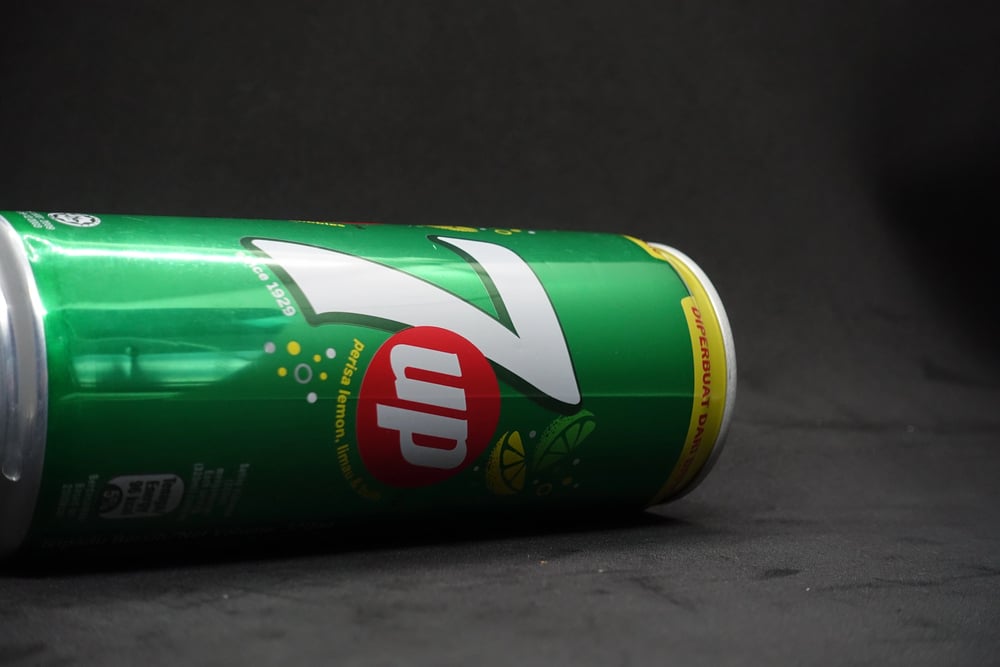
This spiced cola variant from 7UP got discontinued because it completely contradicted everything people expected from the brand. 7UP had built its reputation on being the clear, crisp alternative to dark colas, then suddenly launched a brown, spicy drink. Customers felt betrayed by the dramatic departure from the brand’s core identity. The product created so much confusion that it actually hurt sales of regular 7UP as people questioned what the brand stood for.
Diet Pepsi Jazz
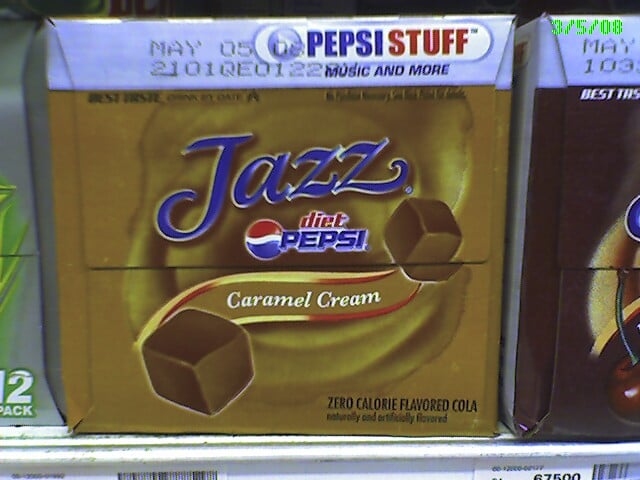
These jazz-inspired flavor combinations like Black Cherry Vanilla and Strawberries & Cream sounded good on paper but tasted terrible in reality. The artificial flavoring created chemical aftertastes that reminded people of medicine rather than music. Focus groups compared the flavors to cough syrup mixed with diet soda, which wasn’t exactly the sophisticated jazz club vibe Pepsi was going for. The whole line disappeared after less than two years on the market.
Hubba Bubba Soda
— Photo by postmodernstudio
This bubble gum flavored drink got pulled because it tasted exactly like liquid bubble gum, which turned out to be deeply unpleasant. The flavor triggered childhood memories of accidentally swallowing gum, making most adults feel nauseous. Kids initially loved the novelty, but even they got tired of the overly sweet, artificial taste quickly. The pink color also stained teeth temporarily, leading to complaints from parents who found their children looking like they’d been drinking food coloring.
Mountain Dew Pitch Black
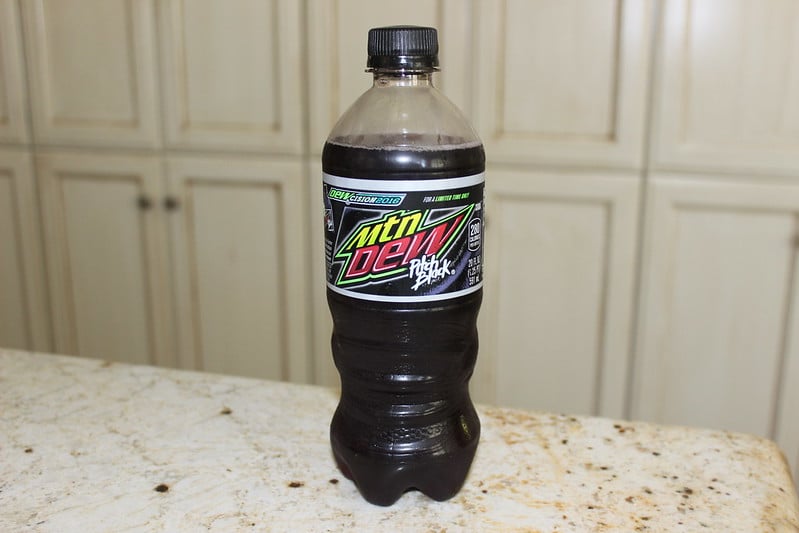
This grape-flavored Mountain Dew variant kept getting discontinued and brought back because of its cult following despite poor overall sales. The dark purple color looked more like cough medicine than a refreshing beverage, putting off casual consumers. However, a dedicated fanbase kept demanding its return through online campaigns and petitions. The constant cycle of discontinuation and revival created more confusion than consistent sales, making it a marketing headache for the company.
From Bizarre to Boring
These strange beverage failures remind us that innovation in the drink industry isn’t always about creating something better. Sometimes the weirdest ideas make it to market simply because they seemed clever in a conference room full of executives who forgot to ask if anyone would actually want to drink them. The beverage graveyard is full of products that prioritized novelty over taste, leading to some truly memorable failures. While most of these drinks are gone forever, their bizarre stories continue to entertain us long after the last sip disappeared from store shelves.
More from Go2Tutors!

- 16 Historical Figures Who Were Nothing Like You Think
- 12 Things Sold in the 80s That Are Now Illegal
- 15 VHS Tapes That Could Be Worth Thousands
- 17 Historical “What Ifs” That Would Have Changed Everything
- 18 TV Shows That Vanished Without a Finale
Like Go2Tutors’s content? Follow us on MSN.



