Airports Travelers Love to Hate
Every frequent traveler has that one airport. The one that makes you check your itinerary twice, hoping you misread the connection.
The one where a two-hour layover feels like a gamble with fate, and a four-hour delay transforms into something approaching cruel and unusual punishment. These airports have earned their reputations through a perfect storm of poor design, understaffing, weather vulnerabilities, and that special brand of operational chaos that can turn even the most zen traveler into someone muttering complaints under their breath at Gate 47B.
LaGuardia Airport (LGA)
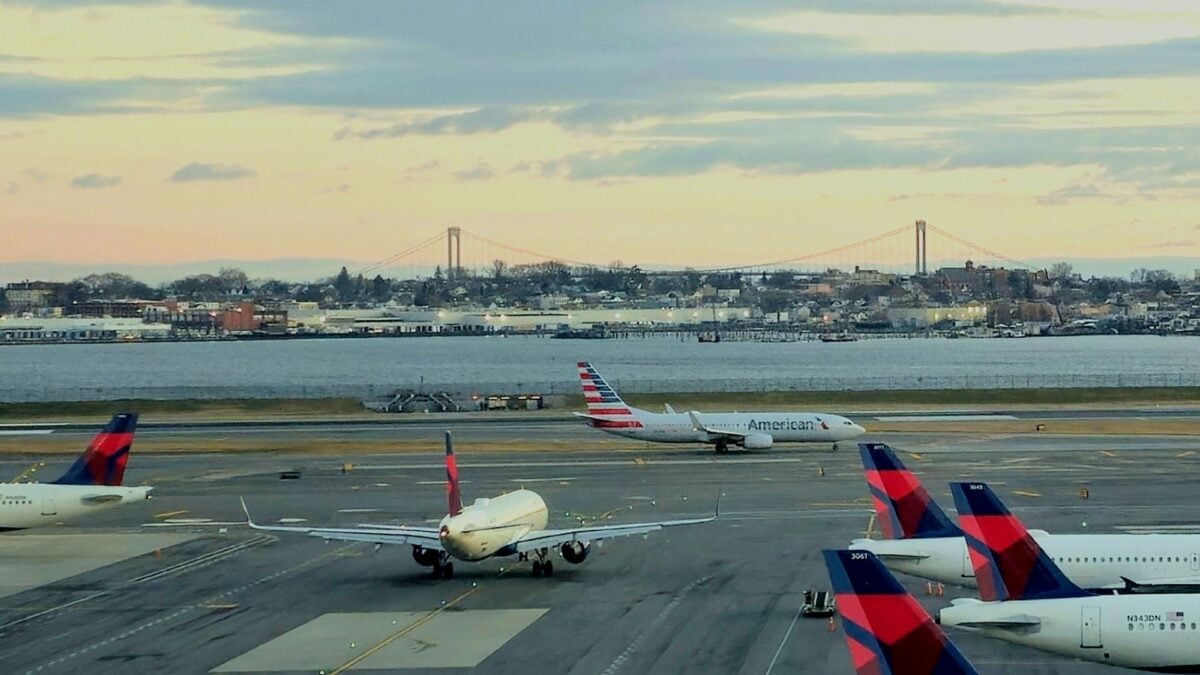
LaGuardia doesn’t apologize for what it is. Cramped terminals, low ceilings, delays that stack up like dominoes.
The airport that makes people grateful for Newark.
Most New Yorkers will drive an extra hour to avoid it. Smart choice.
Los Angeles International Airport (LAX)

The thing about LAX is how it manages to make you feel simultaneously rushed and stuck in amber, like being trapped inside a kaleidoscope that someone keeps shaking while you’re trying to read the signs (and good luck with that, because the signage seems designed by people who’ve never actually walked through their own airport). You’ll spend twenty minutes looking for your gate, another fifteen waiting for a shuttle that may or may not exist, and then — just when you think you’ve figured out the system — they’ll route you through what appears to be a construction zone that’s been under construction since the Clinton administration.
But that’s LAX for you: always becoming something better, never quite arriving.
The traffic outside matches the chaos inside, which is either poetic justice or just Los Angeles being Los Angeles. Either way, it’s exhausting.
Newark Liberty International Airport (EWR)
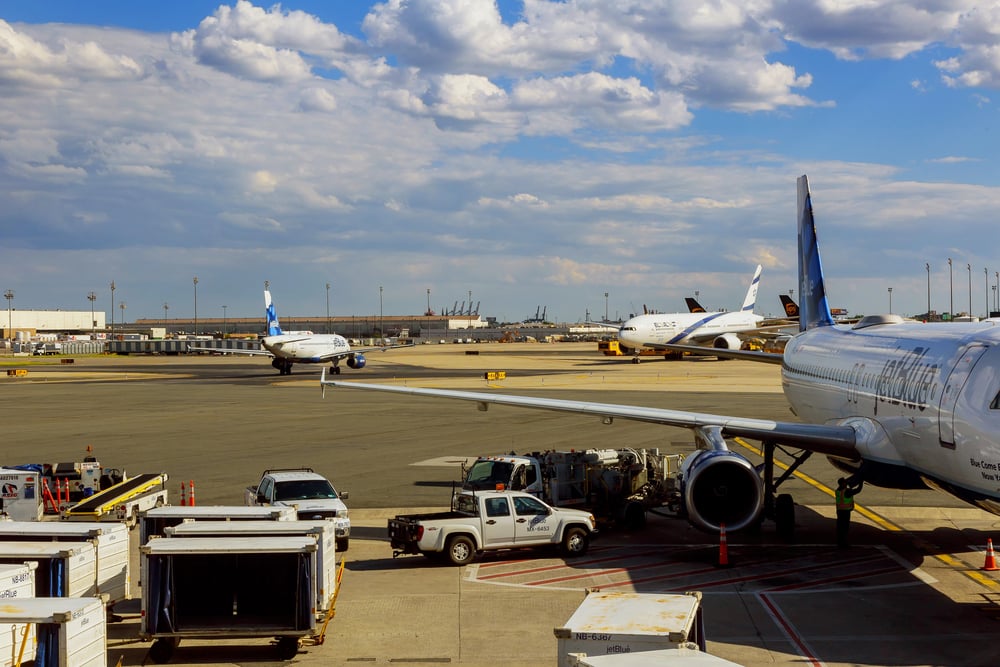
Newark exists in that peculiar space between ambition and reality, like a suit that almost fits but pulls in all the wrong places. It wants to be cosmopolitan — you can see it trying, with its newer terminals and updated dining options — but there’s something fundamentally stubborn about the place that refuses to cooperate with anyone’s schedule.
Passengers move through Newark with the resigned patience of people who’ve learned not to expect too much. The airport teaches you things about acceptance you didn’t know you needed to learn.
Miami International Airport (MIA)
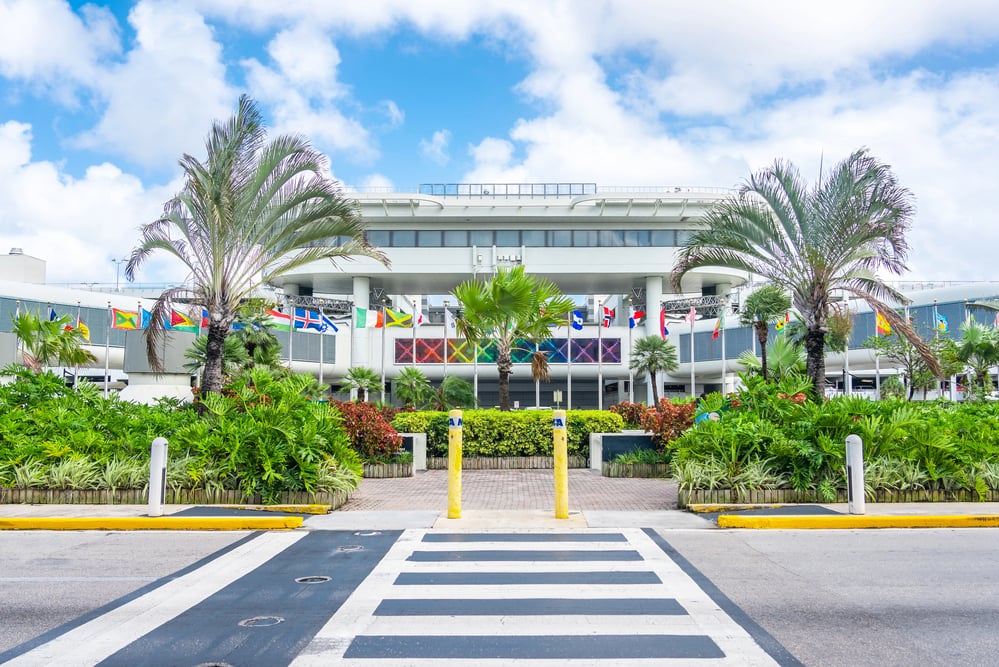
Miami International operates under the assumption that everyone has infinite time and an excellent sense of direction. Neither assumption proves particularly helpful when you’re trying to make a connection.
The airport spans what feels like several time zones, connected by a train system that works beautifully except when you need it most. Which is to say, when you’re running late.
The irony is almost perfect: an airport in a city known for its nightlife that somehow manages to exhaust you before you even leave the ground.
John F. Kennedy International Airport (JFK)
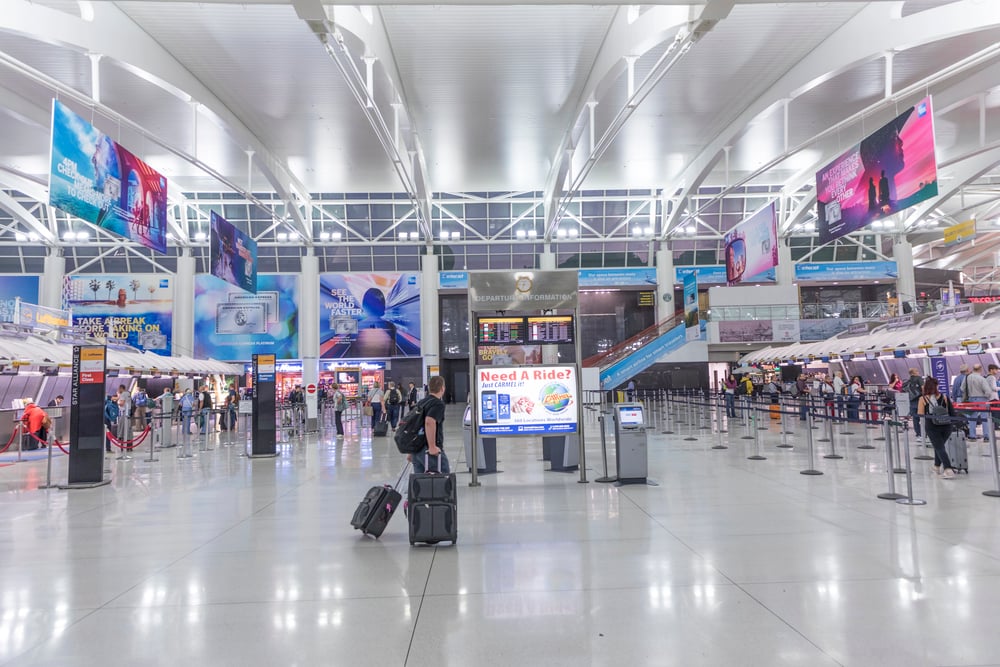
JFK carries the weight of expectations that no airport could reasonably meet — the international gateway to America, the place where dreams and bureaucracy collide at thirty thousand feet, the airport that’s supposed to represent the best of American efficiency and hospitality but instead offers a masterclass in how good intentions can curdle into something resembling organized confusion (emphasis on the confusion part). Terminal 4 feels like it was designed by someone who’d heard airports described but never actually seen one, while Terminal 1 maintains that special kind of 1970s optimism that now reads as charmingly delusional.
And yet people keep coming back, because sometimes you don’t get to choose your pain.
The taxi line alone could serve as a meditation on the nature of time and human patience. Some say it builds character. Others just take the subway.
Chicago O’Hare International Airport (ORD)
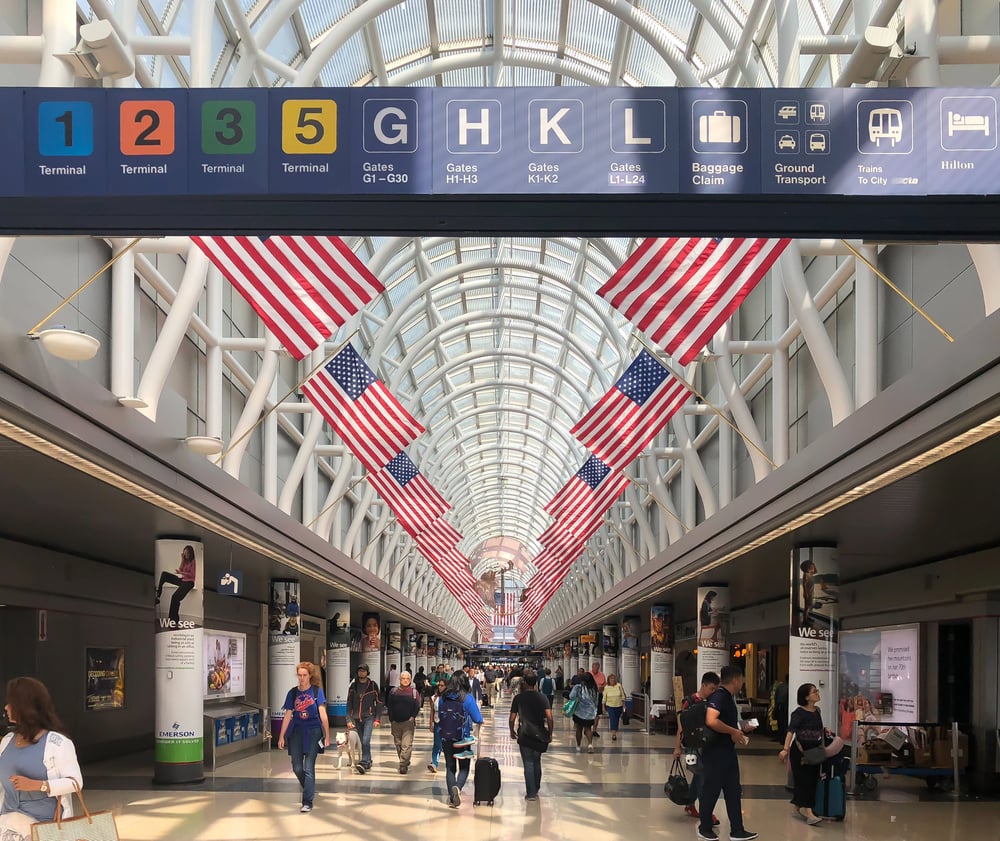
O’Hare doesn’t mess around. Delays pile up with Midwestern efficiency, and the weather always seems to have opinions about your travel plans.
The airport handles this chaos with the kind of practical resignation that makes Chicago famous. No drama, no excuses.
Just the quiet understanding that sometimes flights don’t leave when they’re supposed to, and that’s just how it goes. The moving walkways help, until they don’t.
Paris Charles de Gaulle Airport (CDG)
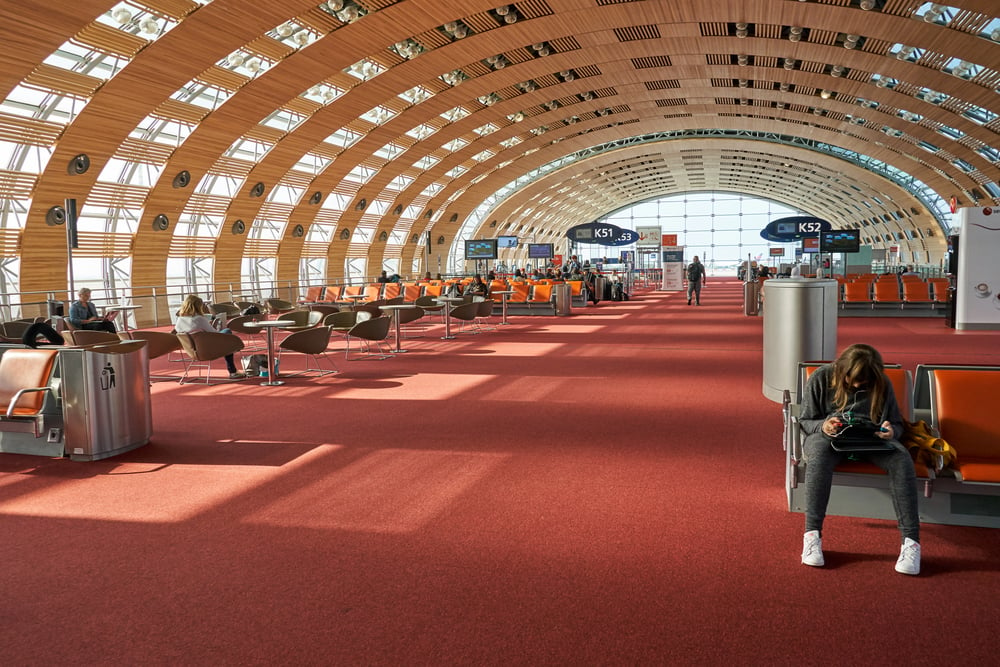
Charles de Gaulle suffers from a case of architectural overreach (those concrete tentacles seemed like a good idea in 1974, but time has not been kind to brutalist airport design, and what once looked futuristic now feels like being processed through the digestive system of a very large, very French concrete monster). The signage operates on the assumption that everyone speaks at least three languages fluently, and the walking distances between gates could qualify as cardio.
But perhaps that’s appropriate for Paris: even the airport insists on a certain level of sophistication from its visitors, whether they’re prepared for it or not.
Terminal 2E tries to make amends with better shops and cleaner lines. It’s a start, but the damage to CDG’s reputation was done decades ago.
London Heathrow Airport (LHR)
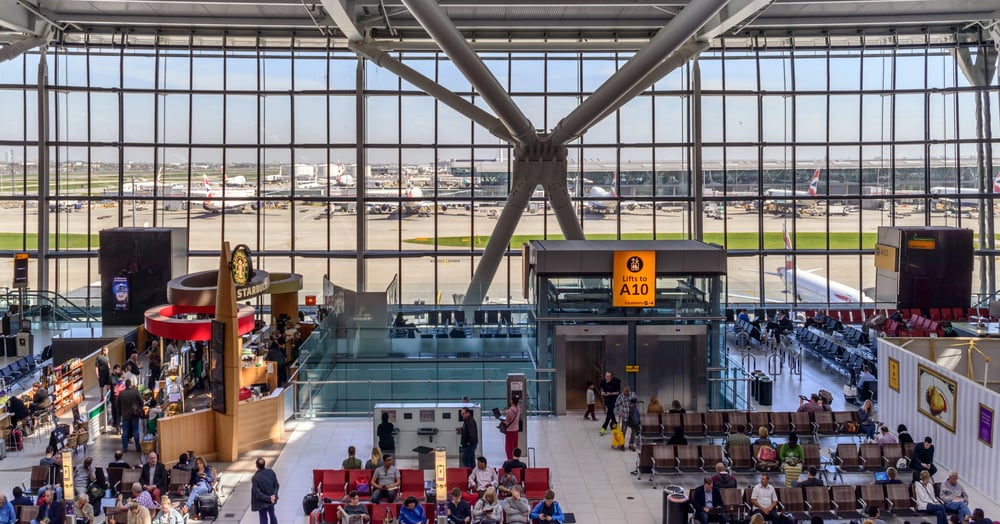
Heathrow works exactly as well as you’d expect from a major international hub that’s been expanded, renovated, and modernized approximately seventeen times over the past fifty years. Which is to say, not particularly well at all.
The airport serves as a monument to the triumph of bureaucracy over common sense. Immigration queues that stretch toward infinity, baggage claim areas that seem designed to test your faith in the fundamental order of the universe, and a shopping experience that makes duty-free feel like a punishment rather than a privilege.
Frankfurt Airport (FRA)
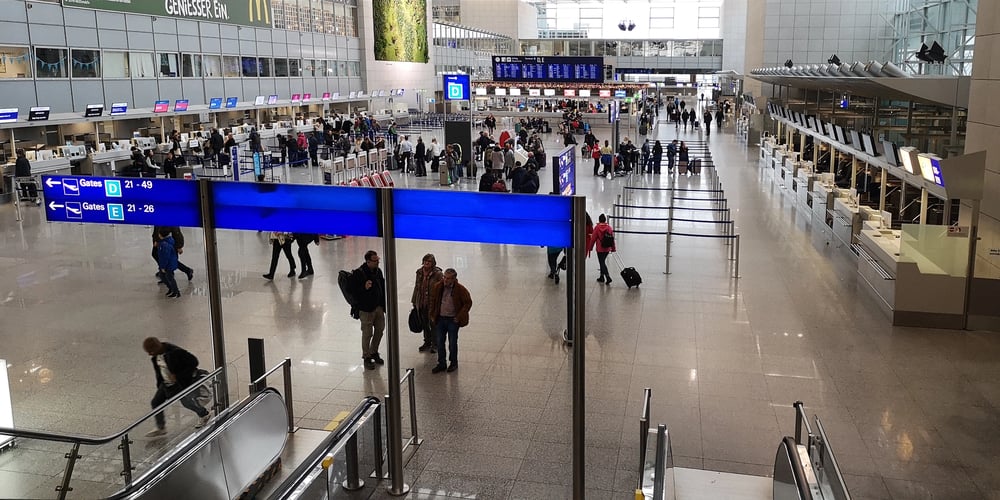
Frankfurt approaches air travel with German precision applied to an inherently imprecise system. The result is an airport that runs like clockwork when everything goes according to plan, and transforms into a monument to frustrated efficiency the moment anything goes wrong.
The terminals connect through a series of underground passages and elevated trains that work brilliantly until you’re running late. Then they become a testament to how far you can walk in expensive shoes while carrying too much luggage and maintaining the illusion of dignity.
Dallas/Fort Worth International Airport (DFW)
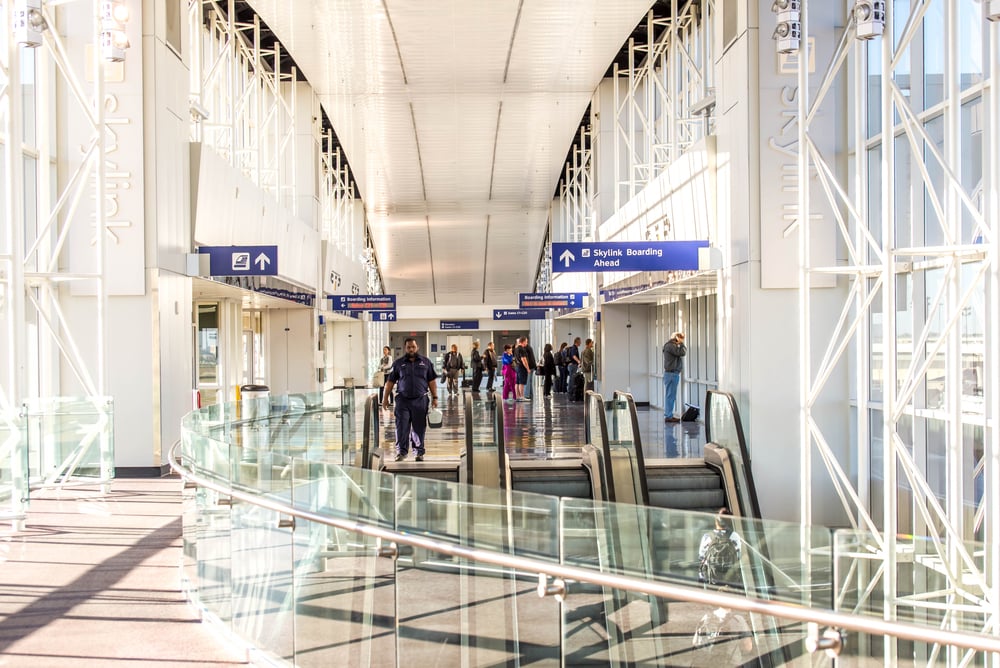
DFW subscribes to the Texas theory that bigger is always better. The airport sprawls across an area roughly the size of Manhattan, connected by a train system that works beautifully except when you need to get somewhere quickly.
The sheer scale creates its own problems. Gates that looked close on the departure board turn out to be separated by what amounts to a cross-country journey.
The moving walkways help, but they can’t overcome the fundamental challenge of an airport that seems designed for people with unlimited time and comfortable shoes.
Atlanta Hartsfield-Jackson International Airport (ATL)
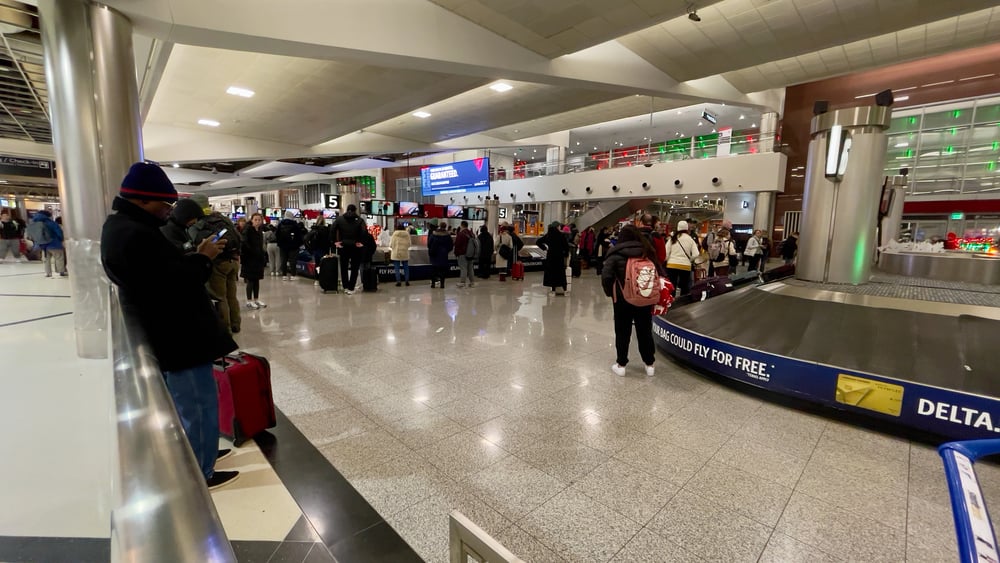
Atlanta handles more passengers than any other airport in the world, and it shows. The crowds move with the steady persistence of rush hour traffic, and finding a quiet corner becomes an exercise in optimism.
The airport works, technically. Flights generally leave on time, connections are usually possible, and the food options have improved dramatically over the past decade.
But the experience feels like being processed rather than served, which is probably inevitable when you’re dealing with that volume of human movement.
Seattle-Tacoma International Airport (SEA)
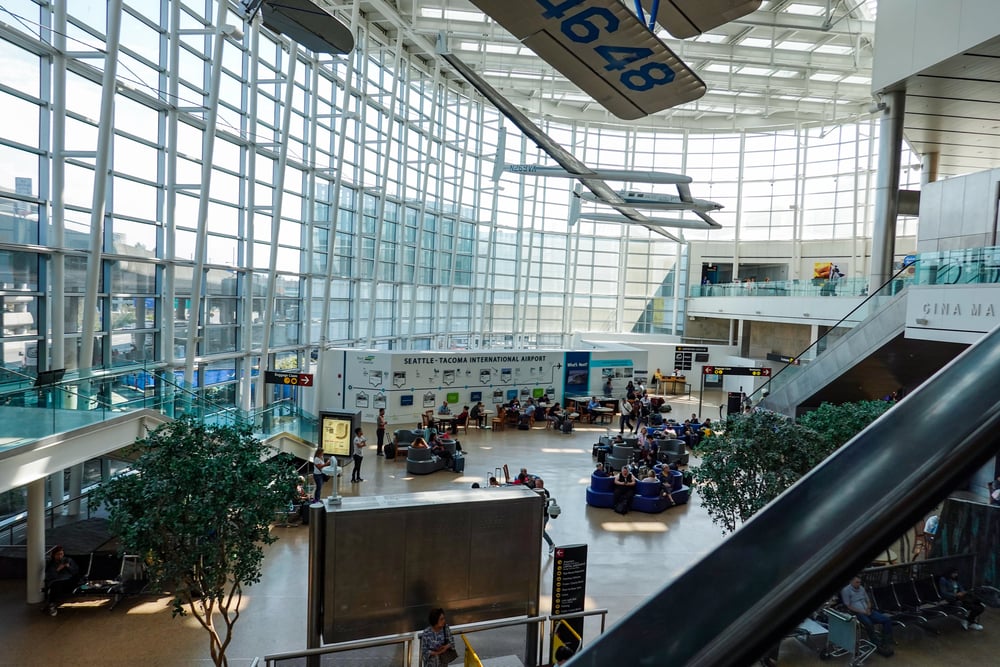
Sea-Tac occupies that awkward middle ground between regional charm and international ambition — not quite large enough to handle the volume it attracts, not quite small enough to maintain the laid-back Pacific Northwest vibe that Seattle likes to project (and which falls apart completely the moment you hit the security lines during peak travel season, when everyone’s politeness starts wearing thin around the edges). The airport tries hard, with local coffee shops and regional dining options that remind you where you are, but good intentions don’t solve the fundamental problem of too many people trying to get through too few gates at the same time.
Still, the mountain views from certain terminals make up for some of the operational shortcomings.
The light rail connection helps, assuming you’re not carrying more luggage than a reasonable person should travel with. Which, let’s be honest, most of us are.
Detroit Metropolitan Wayne County Airport (DTW)
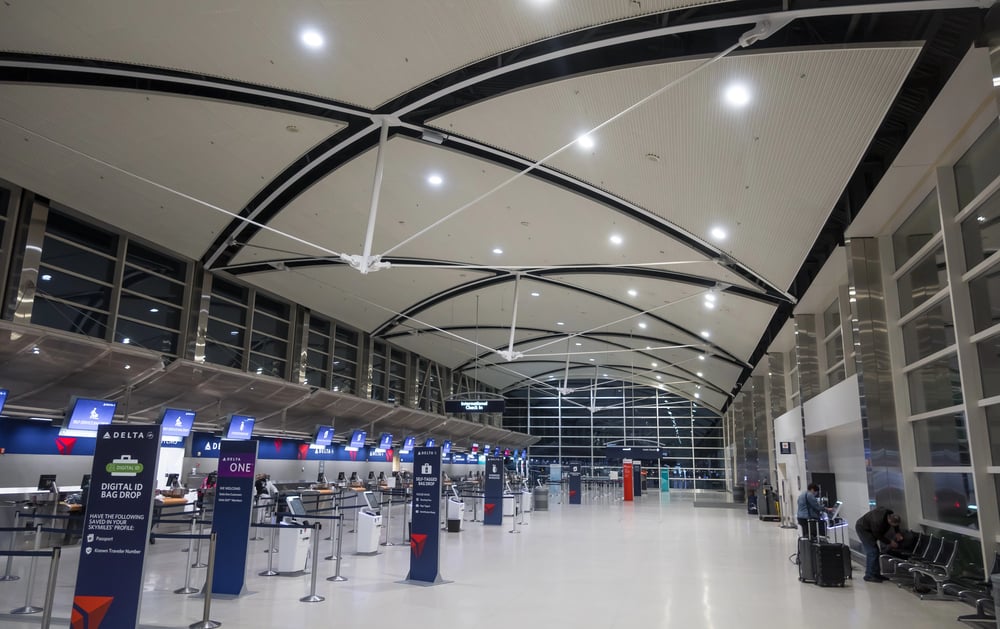
Detroit Metro works better than it has any right to, considering the economic challenges the region has faced over the past few decades. The airport maintains a quiet competence that surprises first-time visitors.
The Delta hub operation runs smoothly most of the time, and the McNamara Terminal’s design actually helps with wayfinding rather than hindering it. But the airport suffers from a perception problem that has more to do with the city’s reputation than the actual travel experience.
Fair or not, that’s the reality Detroit Metro has to work with.
Phoenix Sky Harbor International Airport (PHY)
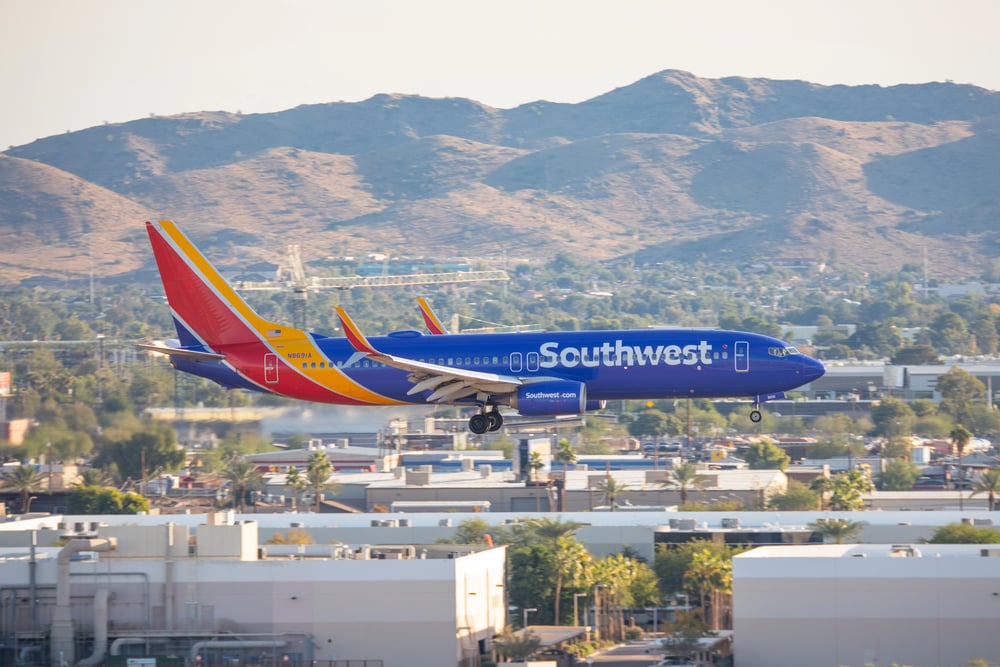
Sky Harbor bakes in the Arizona sun like everything else in Phoenix, and the heat creates its own operational challenges. Planes can’t take off when the temperature gets too high, which happens regularly during summer months.
The airport handles this climate reality with the same pragmatic acceptance that characterizes most things in Phoenix: this is the environment, these are the constraints, and everyone just has to work within them. The delays are frustrating, but they’re also predictable, which somehow makes them easier to tolerate.
Where the Journey Really Begins
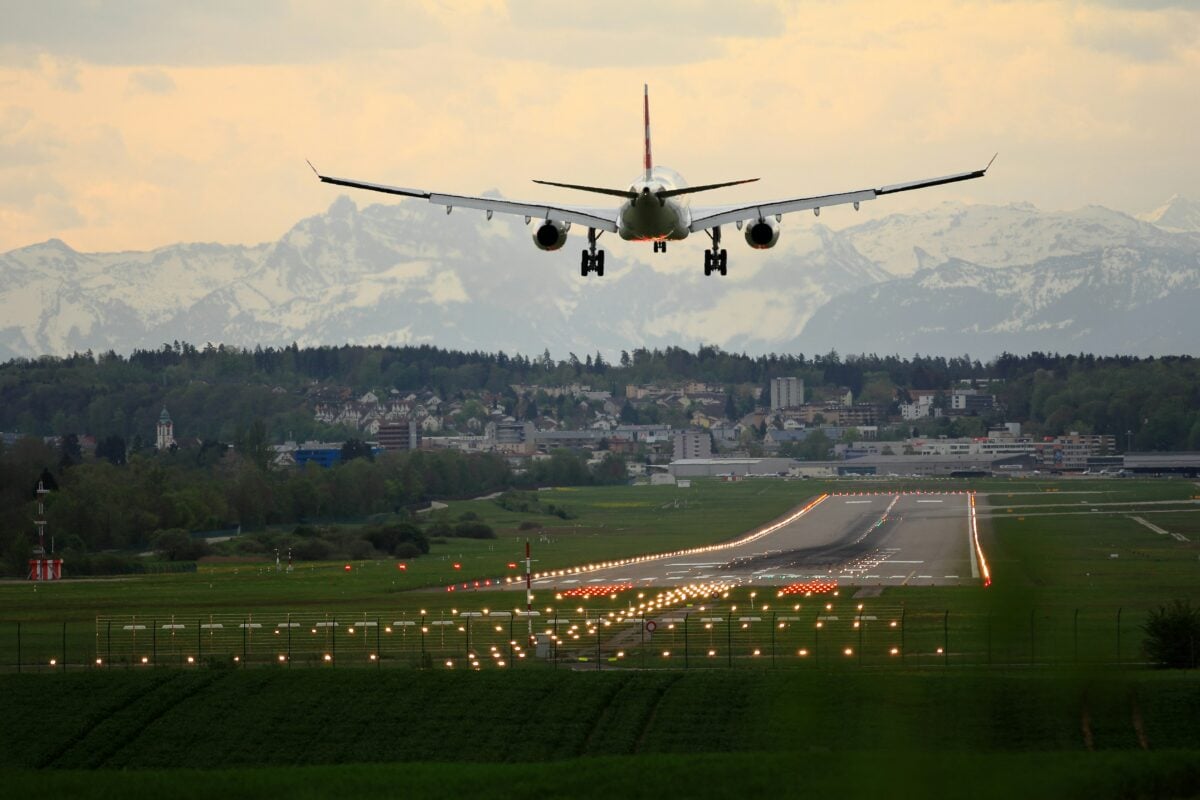
These airports shape the beginning and end of millions of trips each year, setting the tone for adventures, business dealings, and family reunions in ways that ripple far beyond their terminals. The frustration they generate is real, but so is their essential function: moving people across impossible distances in what, historically speaking, amounts to no time at all.
That doesn’t excuse poor design or operational failures, but it does provide some perspective on why we keep returning to places that test our patience. Sometimes the destination makes the journey worthwhile, even when the journey starts with a two-hour delay at LaGuardia.
More from Go2Tutors!

- The Romanov Crown Jewels and Their Tragic Fate
- 13 Historical Mysteries That Science Still Can’t Solve
- Famous Hoaxes That Fooled the World for Years
- 15 Child Stars with Tragic Adult Lives
- 16 Famous Jewelry Pieces in History
Like Go2Tutors’s content? Follow us on MSN.