15 Everyday Gadgets We Thought We’d Always Need
There’s a drawer in most homes that tells a story. It’s full of tangled cables, dead batteries, and devices that once felt essential.
Some of them were gifts. Some cost a small fortune.
All of them made perfect sense at the time. Looking back, it’s easy to forget how dependent people were on gadgets that have since quietly vanished from daily life.
Not because they broke or failed, but because something absorbed their purpose and made them redundant almost overnight. Here are 15 of them.
The Standalone GPS Navigator
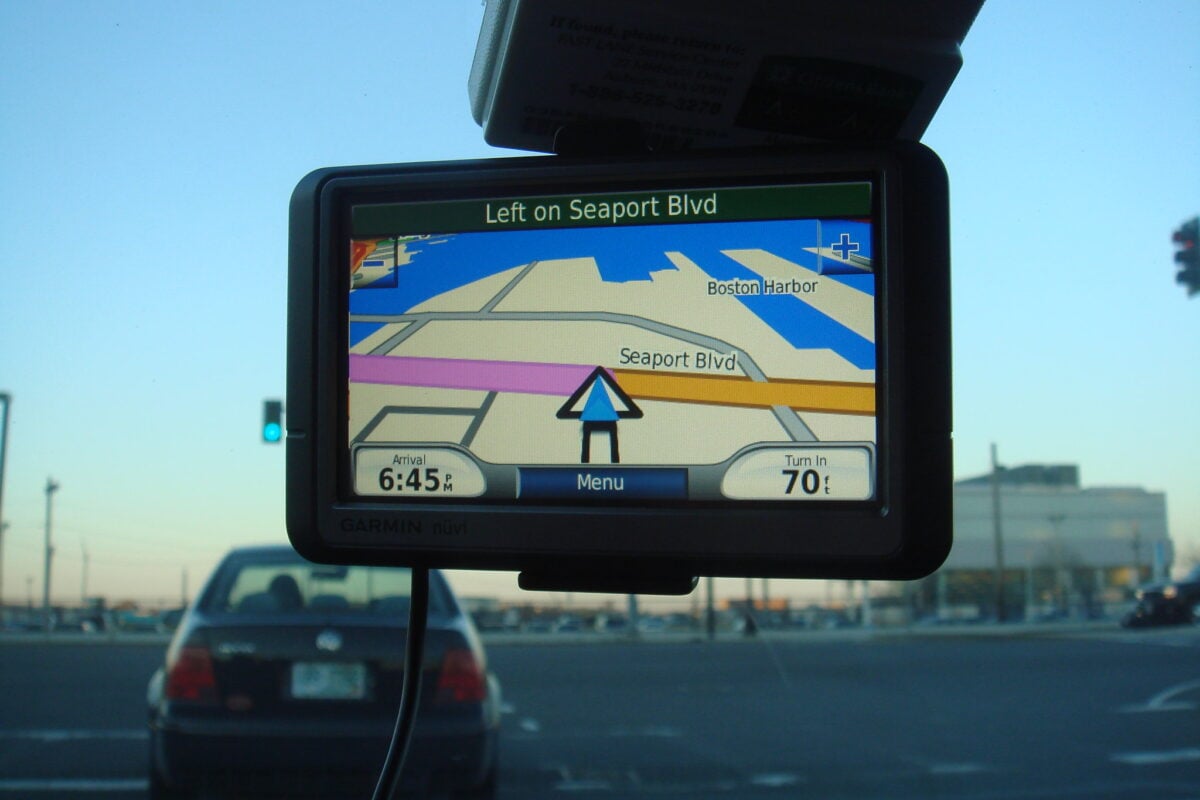
Garmin and TomTom were household names for a good stretch of the 2000s. Millions of people suctioned a plastic device to their windshield and trusted a calm robotic voice to guide them through every turn.
People updated the maps, replaced the mounts, and even argued with them when the route seemed wrong. Then smartphones arrived with Google Maps, and the dashboard device became a relic.
The GPS navigator is still sold today, mostly to people with older phones or those who drive in remote areas without signal. But for most drivers, it collects dust in a glove compartment somewhere.
The Dedicated Digital Camera
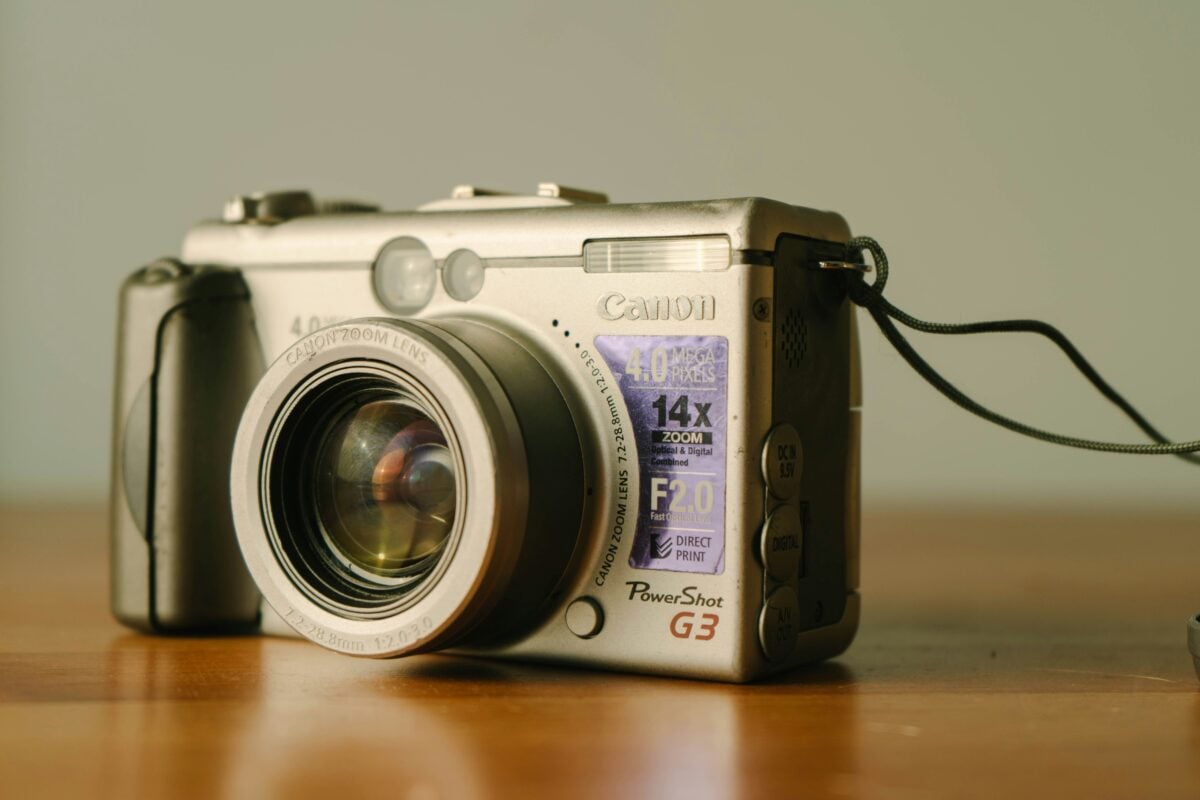
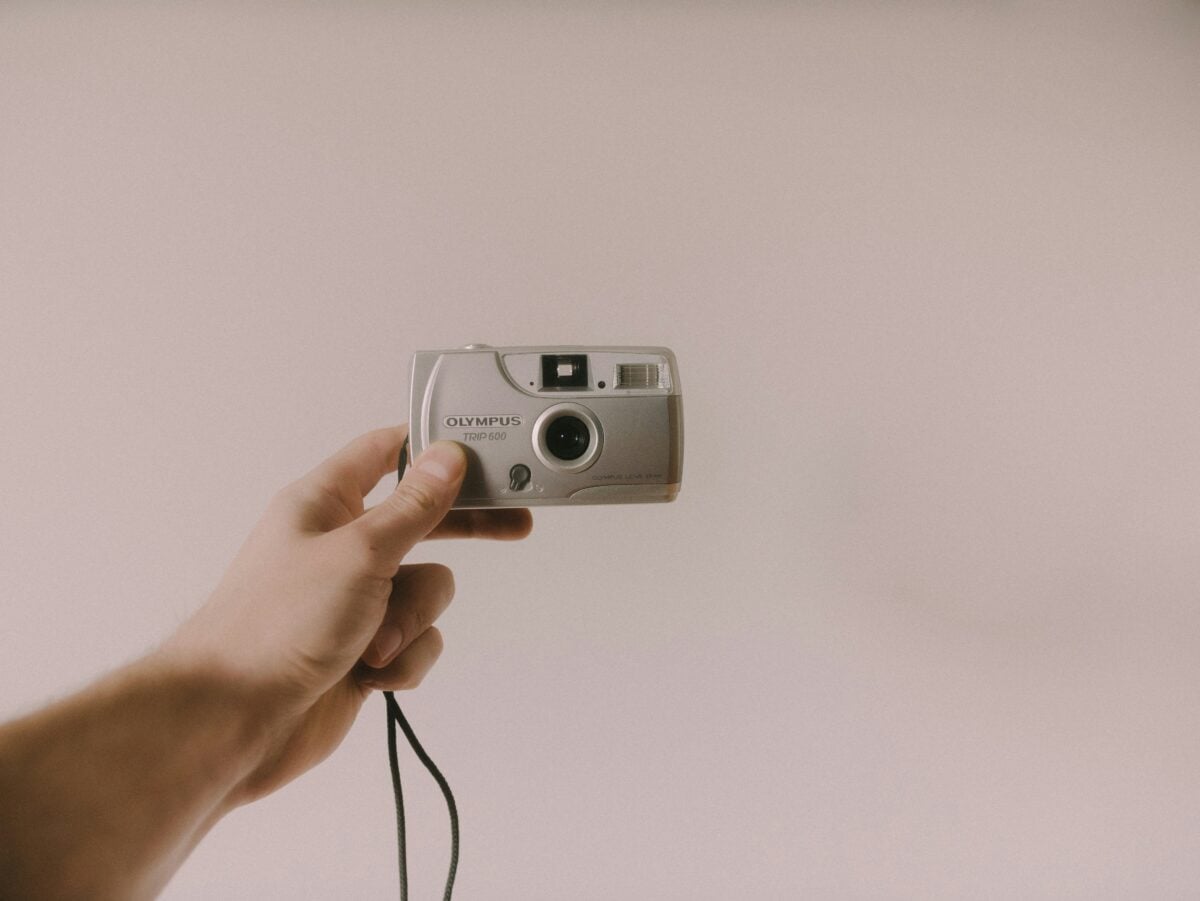
For most of the 2000s, carrying a point-and-shoot camera was just something you did. Family trips, birthdays, concerts — you packed the camera, remembered the memory card, and hoped the battery held out.
Phone cameras have made the dedicated consumer camera mostly unnecessary for everyday use. The quality gap that once justified carrying a separate device has closed dramatically.
Professional photographers still rely on DSLRs and mirrorless cameras, but the casual point-and-shoot market has essentially collapsed.
The iPod (and MP3 Players Generally)
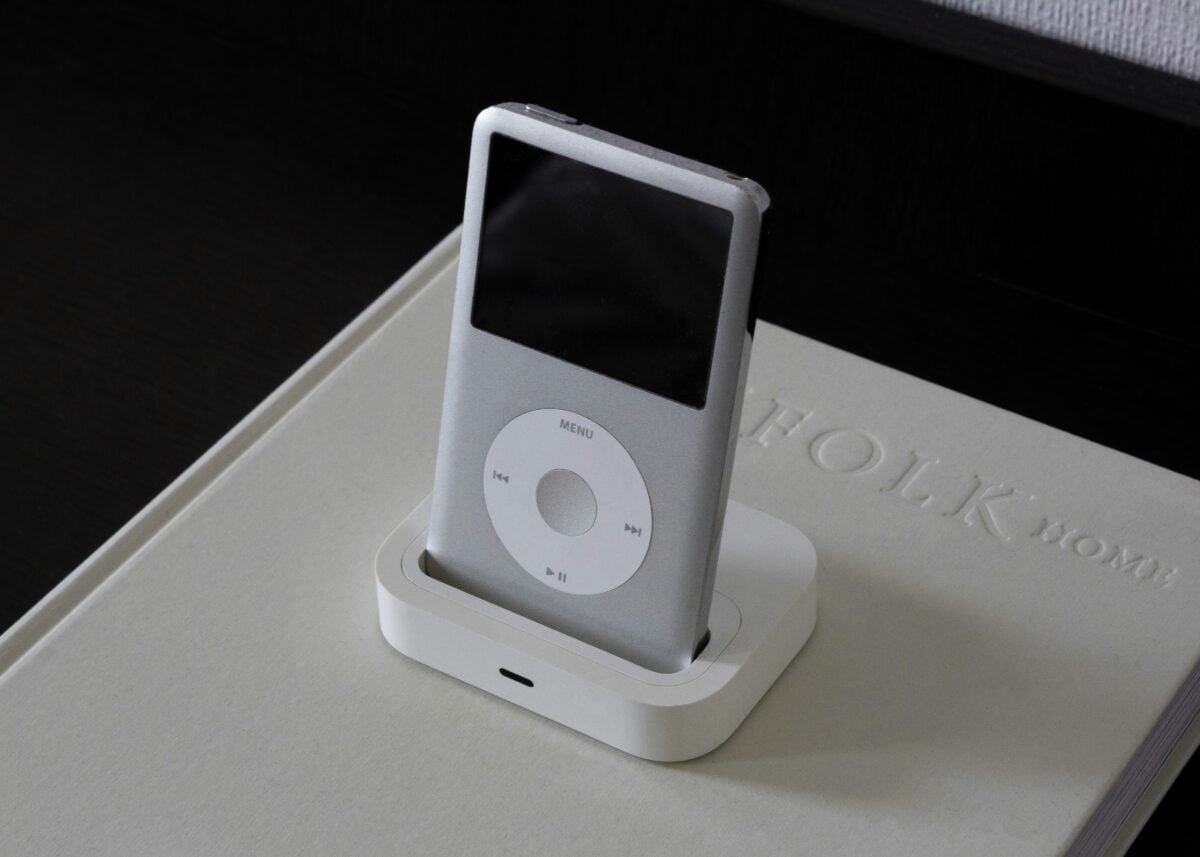
The iPod changed how people related to music. Before it, you carried a CD case or a bulky portable CD player.
After it, your entire music library fits in your pocket. Apple sold hundreds of millions of them.
And then the iPhone made the iPod redundant. Apple actually discontinued the iPod Touch in 2022, quietly ending an era.
Streaming finished what smartphones started. Why carry a separate device when the one in your pocket already plays anything ever recorded?
The DVD Player
Blockbuster. Friday nights.
The walk down the aisles. The disappointment when the movie you wanted was already rented.
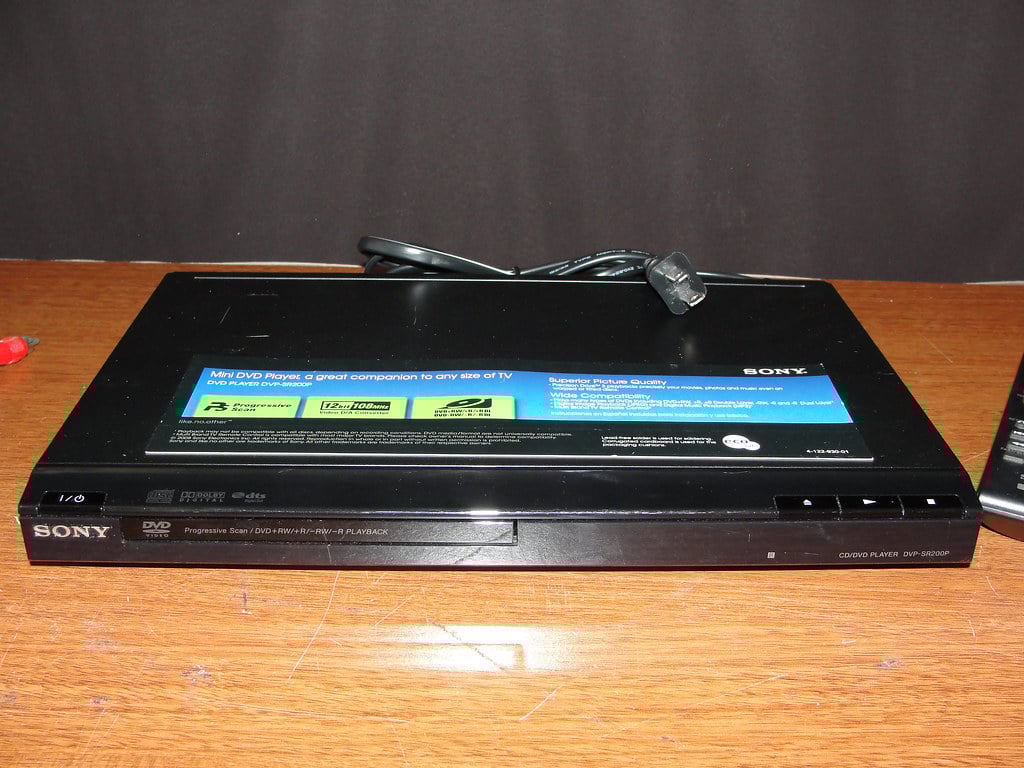
The late fees. DVD players replaced VHS with better pictures and no rewinding, and they dominated home entertainment for years.
Then streaming services changed everything. Netflix, followed by dozens of others, made the physical disc feel unnecessary.
Many laptops don’t even include disc drives anymore.
The Alarm Clock
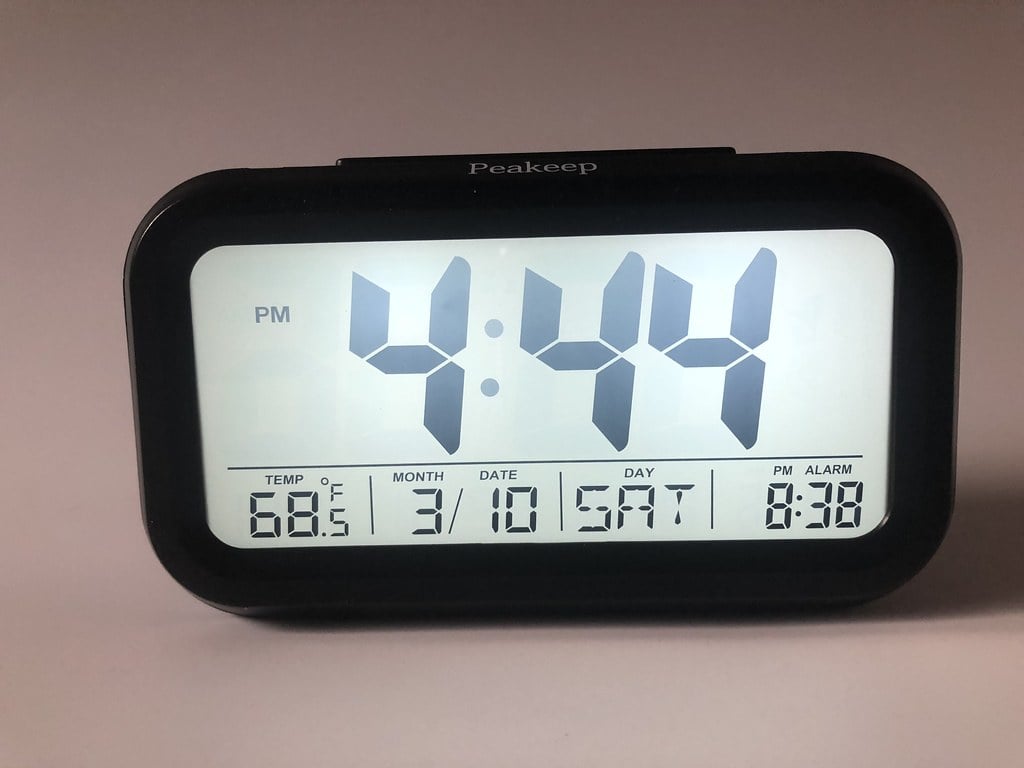
Bedside alarm clocks were a fixture of every bedroom for decades. You set the time, chose AM or PM carefully, and flipped the switch.
Waking up to a buzzing alarm was a universal experience. Most people now use their phone.
It’s always nearby, the alarm is easy to set, and it adjusts automatically when the time changes. The standalone alarm clock has been reduced to a niche product — mostly bought by people who want to keep their phone out of the bedroom at night.
The Pocket Calculator
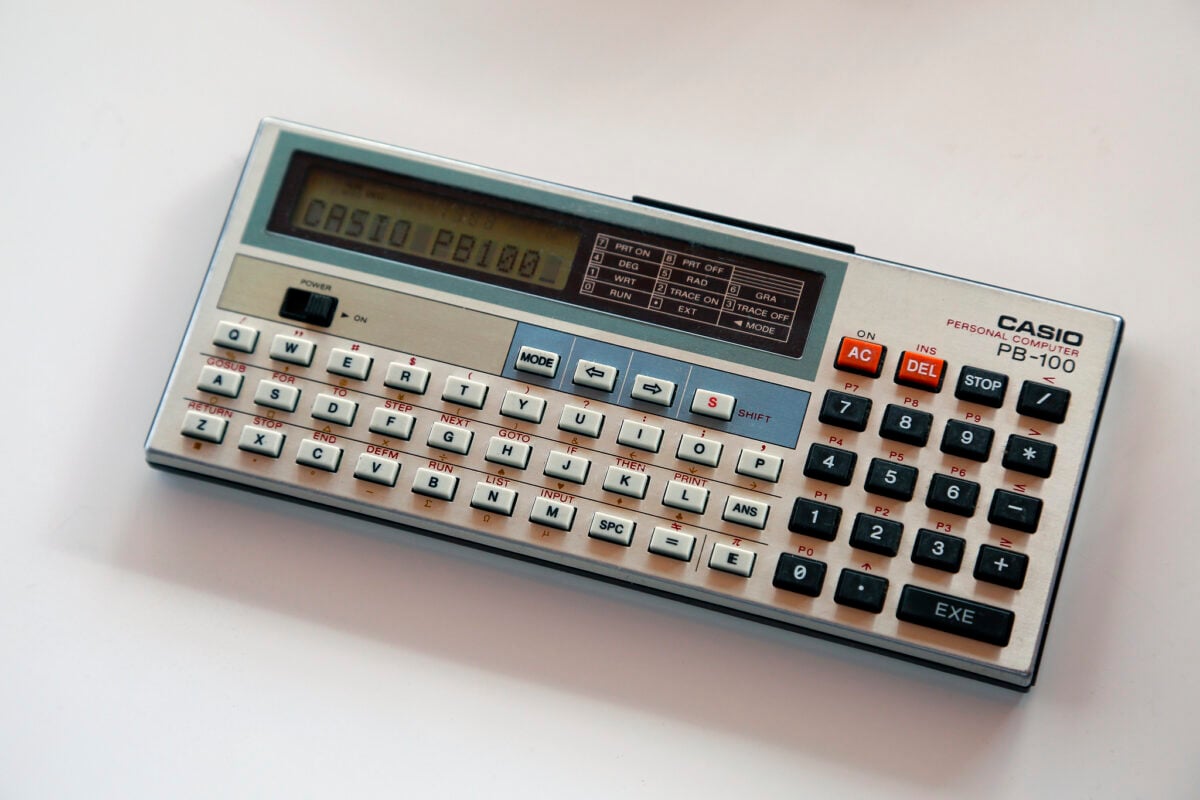
In the 1970s and 1980s, a pocket calculator was a legitimately impressive piece of technology. Students carried them to school.
Professionals used them at their desks. There were even calculator watches.
The calculator app ships with every phone and computer by default now. You never need to buy a separate device unless you’re a student required to use an approved scientific calculator for an exam — and even that tradition is fading.
The Rolodex and Physical Address Book
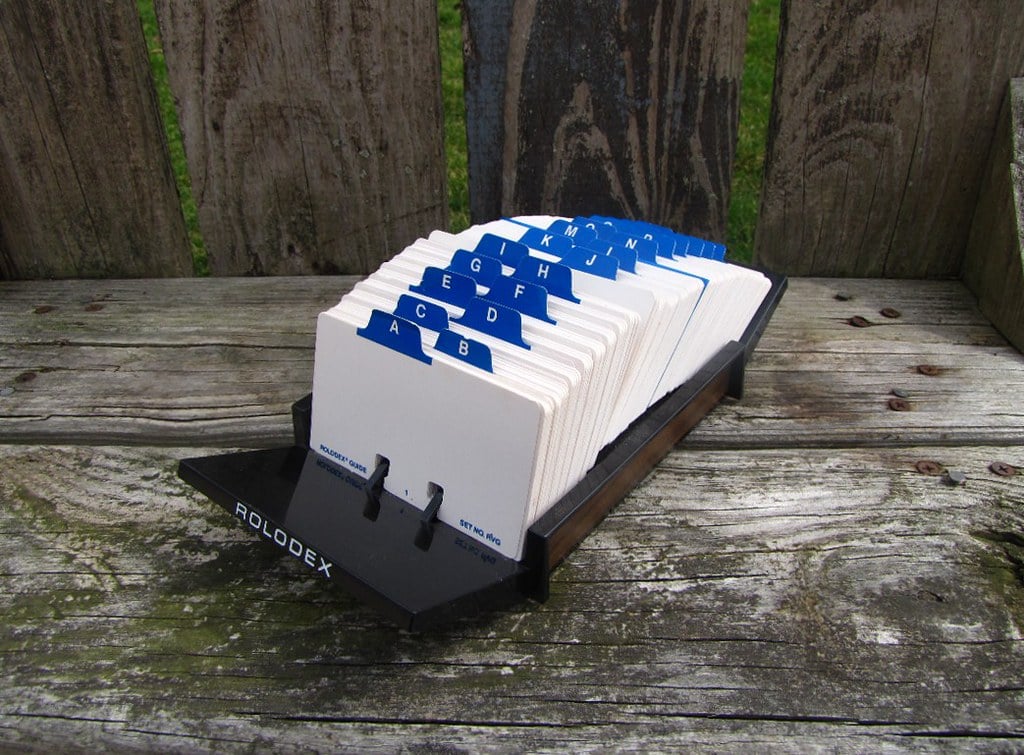
Before digital contacts, keeping track of phone numbers and addresses required physical effort. The Rolodex sat on office desks like a trophy of professional organization.
Personal address books were kept in kitchen drawers and handbags. Contacts synced across devices replaced all of that.
Your phone number follows someone across jobs, cities, and phone upgrades. The physical address book now feels like something you’d find at an estate sale.
The Landline Phone
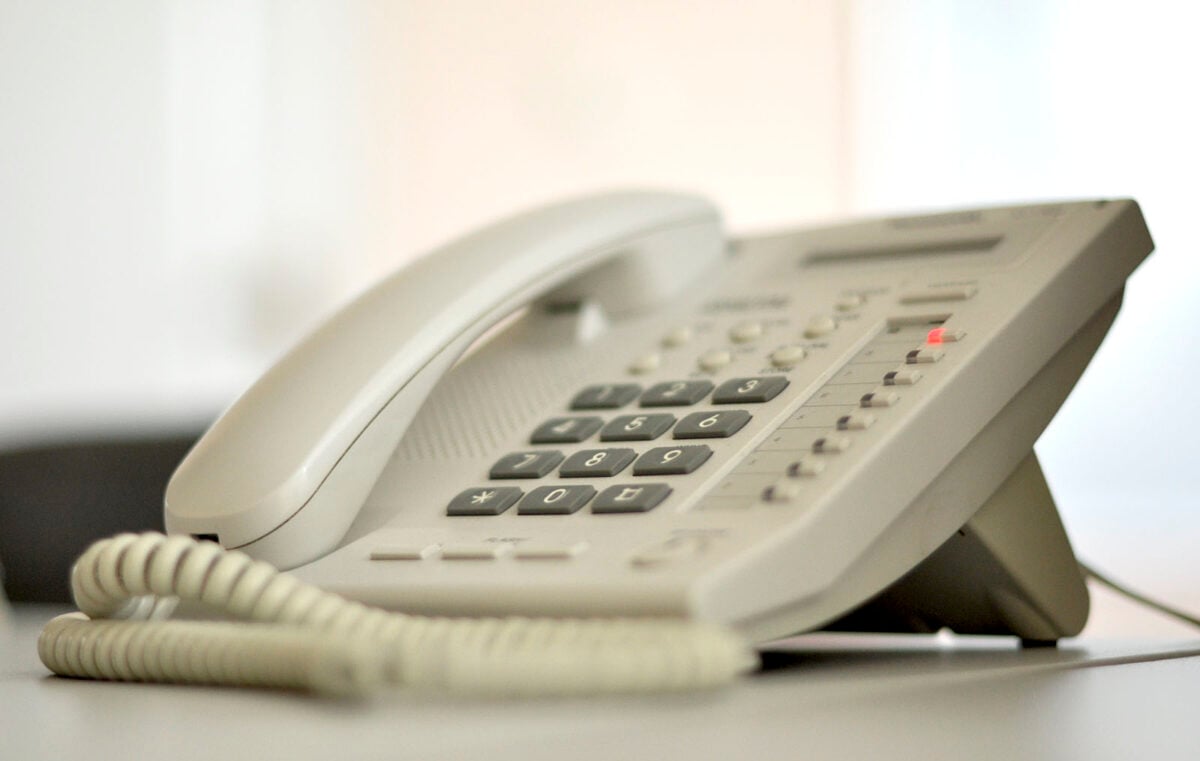
There was a time when every home had one. The number was listed in the phone book, and people memorized it.
Cordless phones were a major upgrade. Caller ID was genuinely exciting.
Mobile phones gradually replaced the landline for most households. Younger generations have never had a home phone at all.
The ones that remain are often kept for emergencies, older relatives, or habit.
The Fax Machine
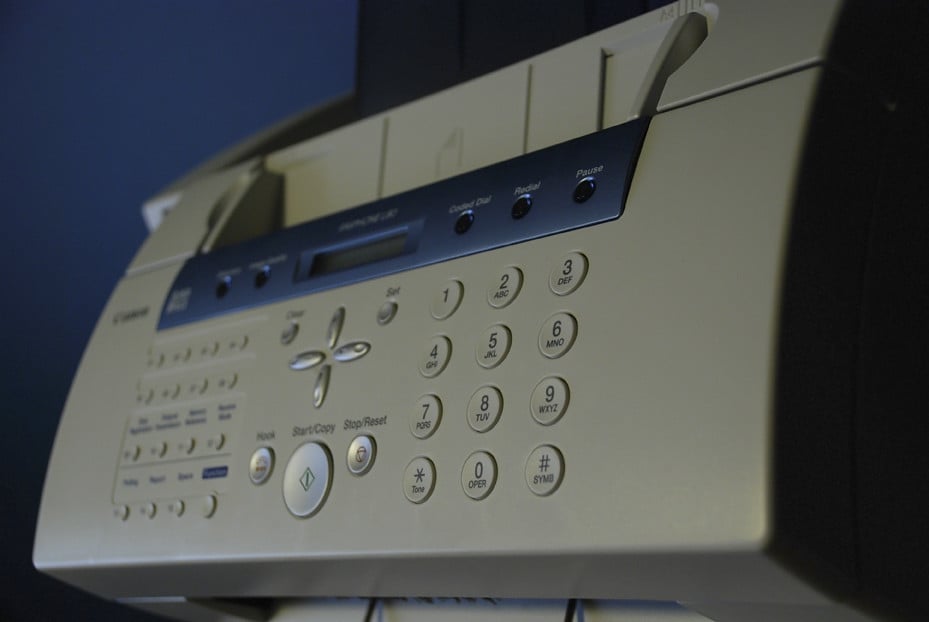
The fax machine had an improbable lifespan. It existed for decades as the standard way to send documents quickly, and offices kept them running long after email arrived because certain industries simply refused to change.
Healthcare, legal offices, and government agencies held on the longest. But even they have largely moved on.
Digital document signing and secure email have made faxing feel absurdly outdated. The machines are still out there, but their days are numbered.
Paper Maps
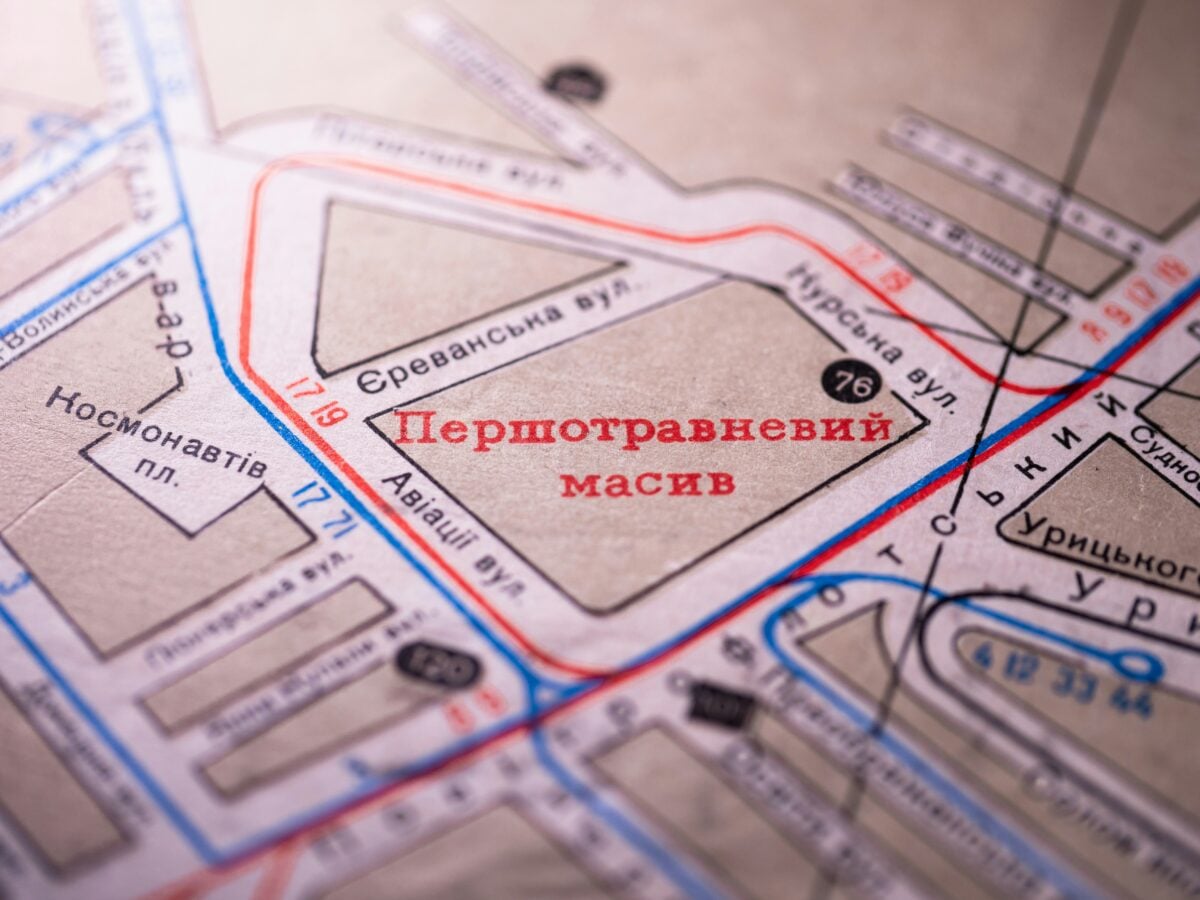
Road atlases lived in car door pockets and glove compartments. Families argued over them during long drives. Unfolding one and actually refolding it correctly was a skill.
Maps covered entire dining room tables during trip planning. Digital maps didn’t just replace paper — they made navigation interactive, real-time, and reroutable.
You can now see traffic conditions, road closures, and arrival times updated by the second. Paper maps still have fans, particularly among hikers and enthusiasts, but they’ve become more hobby than necessity.
The Answering Machine
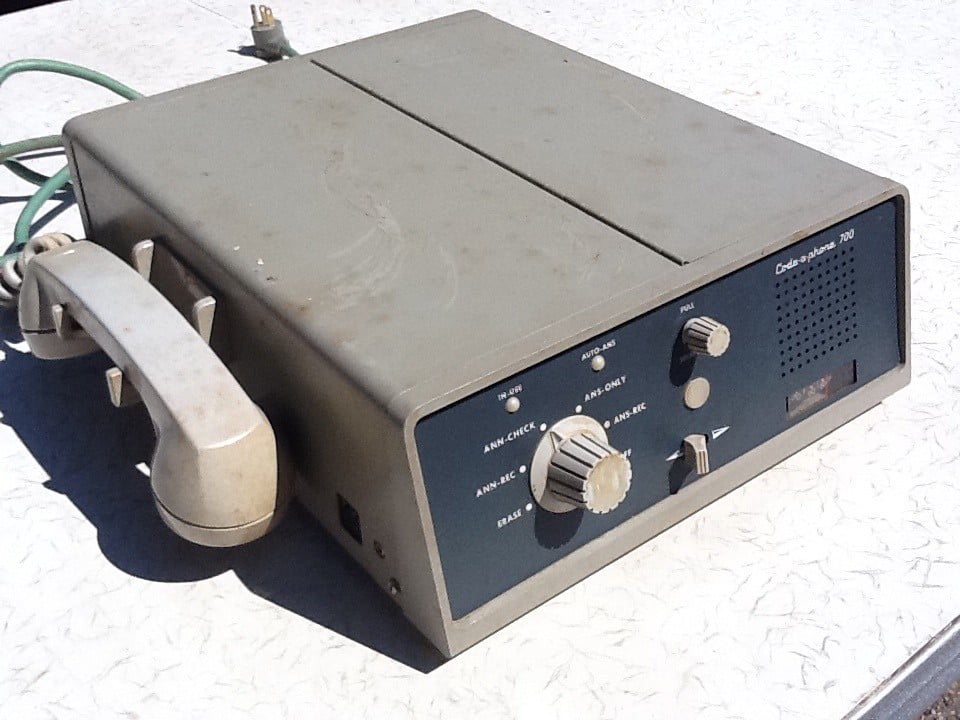
Before voicemail, there was the answering machine. It sat next to the phone, recorded messages on actual tape, and blinked a little light when something was waiting for you.
Voicemail built into phone services replaced it first. Then people stopped leaving voicemails at all.
The answering machine was a device that solved a problem, then the problem itself became less common.
The Camcorder
Back then, home video cameras cost quite a bit. Big and heavy, they ran on tapes plus demanded bright lights just to work properly.
Still, people picked one up – capturing birthday moments, holiday scenes, baby’s first walk mattered that much. Even with flaws, families said yes simply because memories weighed more than hassle.
Fitting in your pocket, today’s phones shoot 4K video easily. What used to need expensive gear is now standard on everyday devices.
Mostly gone are consumer camcorders – only low-end kid models keep them alive here and there. A few dedicated users still hold on, but they’re rare.
The Portable Voice Recorder
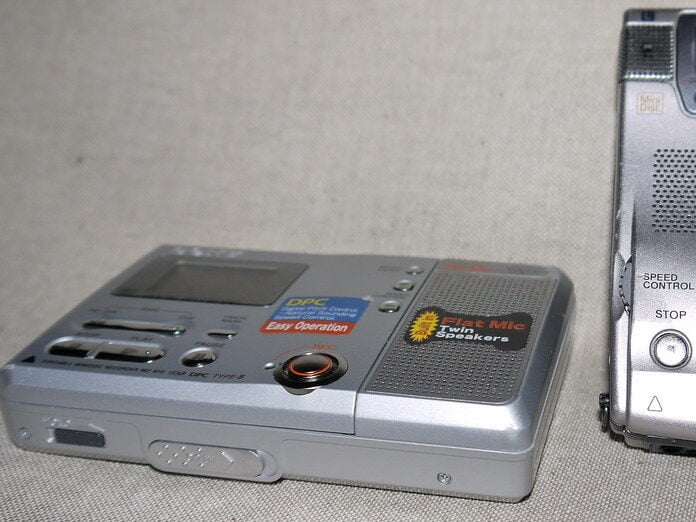
Some folks jotting down interviews once kept a separate gadget just for sound. That little machine worked without fuss, stayed out of sight, ran long on power when needed.
These days, most people use phone apps to capture audio. Lots of them cost nothing at all.
Sound quality holds up well against older tools because the hardware you carry works just fine. While pros might still grab a standalone recorder for serious work outdoors or on set, regular folks rarely pick one up anymore.
The Clip On Bluetooth Headset
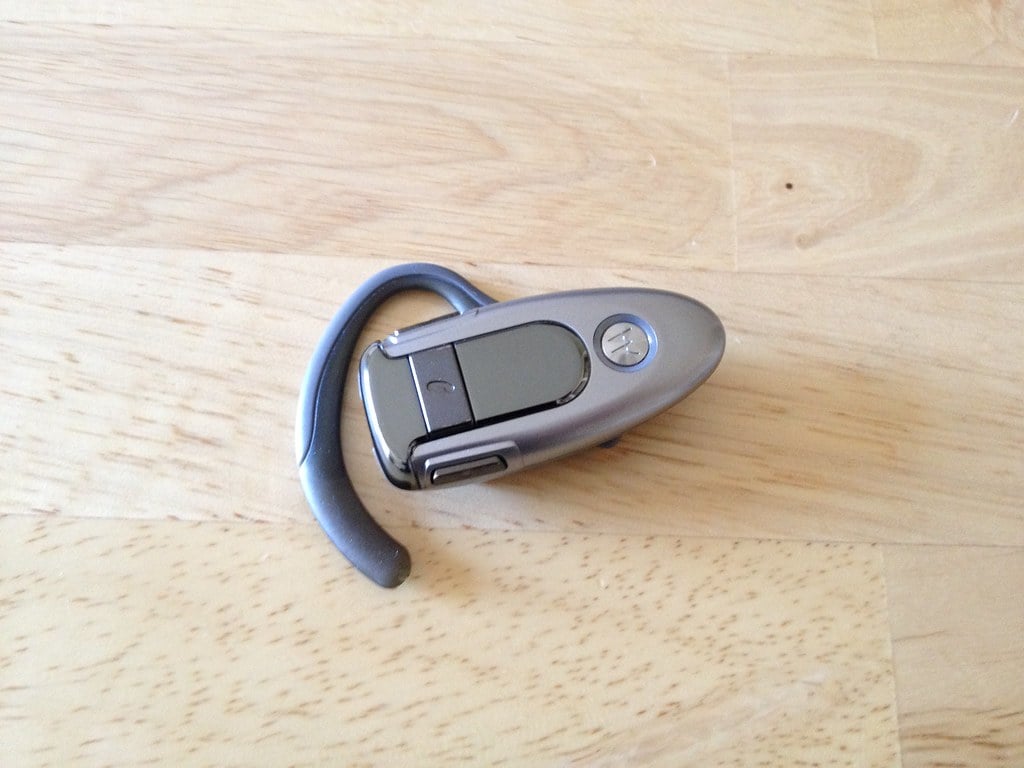
One day around 2005, tiny headsets started appearing on strangers’ ears. Office workers paced train platforms murmuring into thin air.
Grocery aisles filled with folks chatting while staring at cereal boxes. A small gadget dangled from each earlobe, blinking faintly.
Out of nowhere, true wireless earbuds took over. Looking strange was part of the problem with clip-ons – also they didn’t do much better than just holding your phone.
Then came AirPods, followed by a flood of similar gadgets. After that, clip-on headsets nearly vanished.
The Physical TV Remote Made for Just One Device
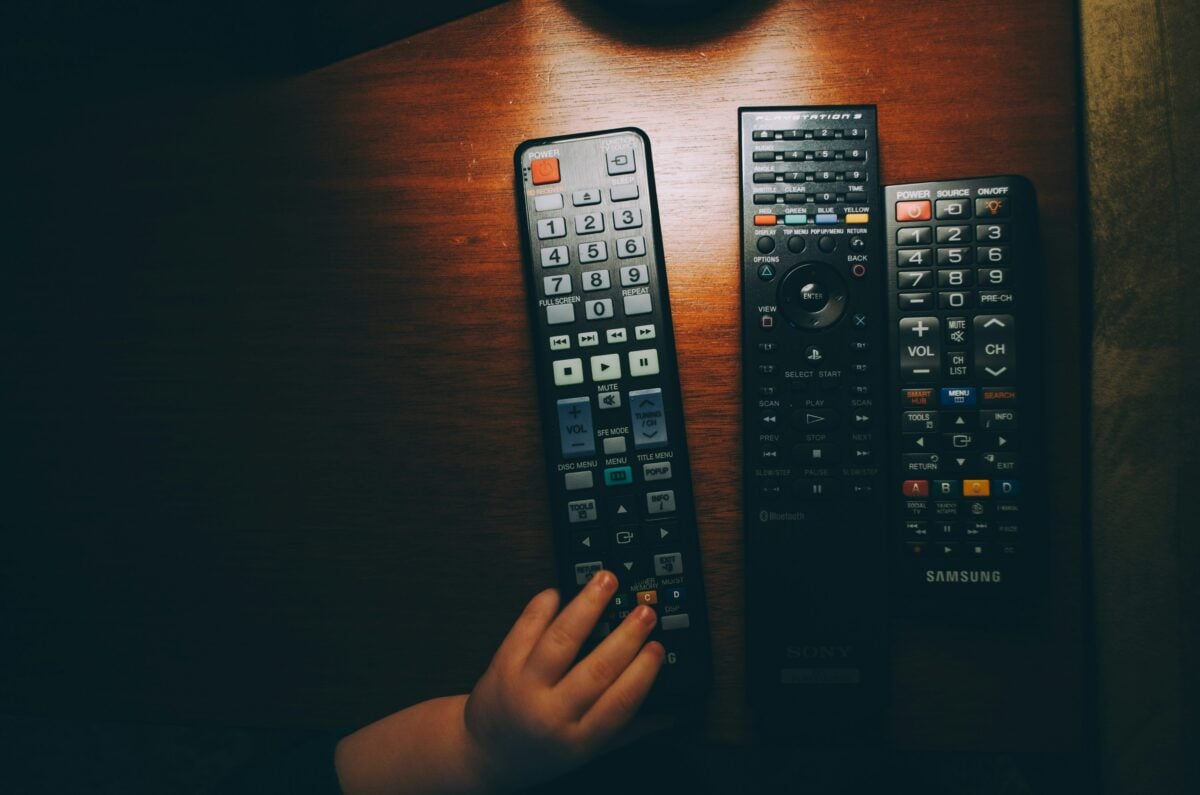
A twist here. Not vanished – the gadget stays – but the pile of extras?
Gone. Once upon a time, sofas gathered clutter: four, sometimes five little boxes stacked nearby.
Each did its own job – screen, signal box, spinning disc tray, speaker bar – all needed their own hand-held key. One gadget was meant to rule them all, yet it never quite did.
Control got simpler once screens grew smart and tiny plugs handled streams. A single clicker does most tasks these days – sometimes a spoken word or tap on glass instead.
Fewer boxes with buttons gather dust near couches now.
The Drawer Doesn’t Lie
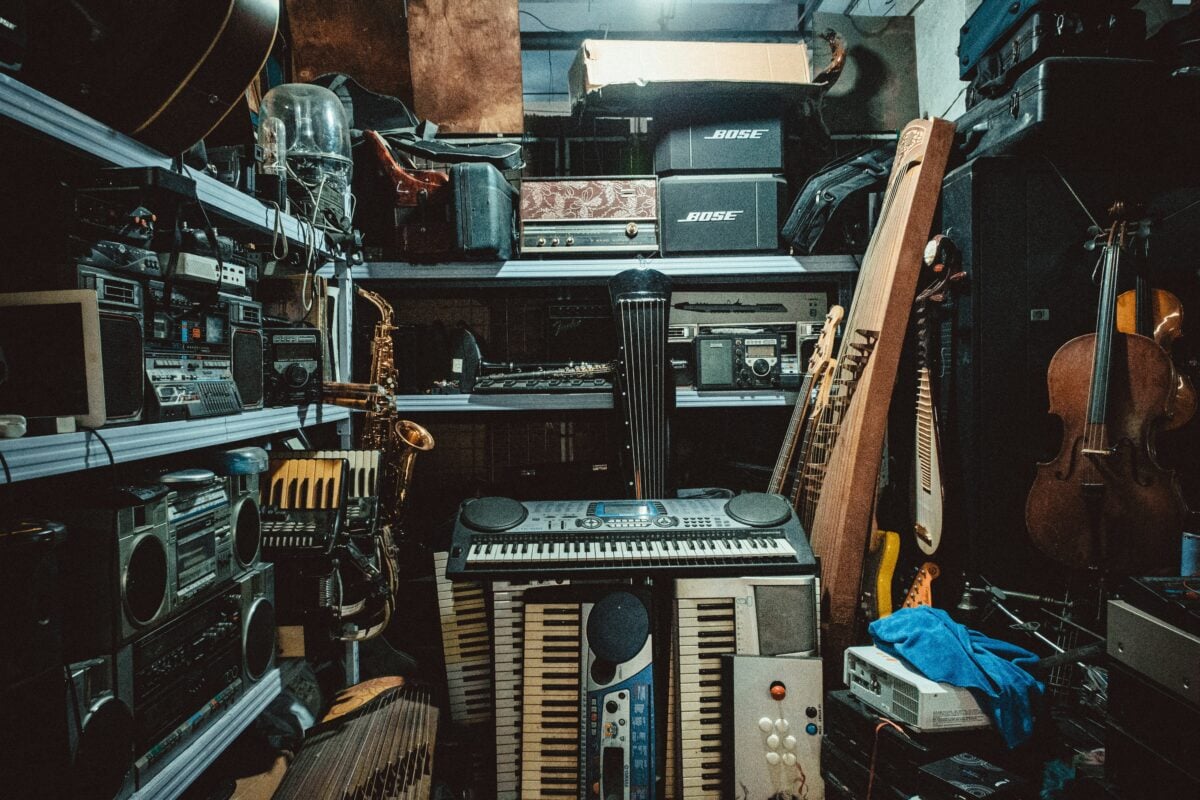
One after another, those tools worked just as intended. Not discarded due to breaking, but set aside when newer ones showed up doing more than one thing at once.
That little phone took in so many jobs. Out went the old camera, because now pictures live right there.
Maps? No need for paper ones when directions sit inside your pocket.
Music follows you without a separate machine doing it. Waking up relies on something most already holds tight each night.
Numbers get crunched by what also sends messages. Even voices save easily within its frame.
All those standalone tools faded once one thing could handle them all. It feels odd, somehow.
Every gadget was once somebody’s answer to a challenge. It worked – just for a time.
After that, the issue became part of a larger picture, so the tool ended up in the drawer.
More from Go2Tutors!

- The Romanov Crown Jewels and Their Tragic Fate
- 13 Historical Mysteries That Science Still Can’t Solve
- Famous Hoaxes That Fooled the World for Years
- 15 Child Stars with Tragic Adult Lives
- 16 Famous Jewelry Pieces in History
Like Go2Tutors’s content? Follow us on MSN.