Ancient Inventions Still Used in Daily Life Today
Walk into any modern home and you’ll find gadgets everywhere—smartphones, laptops, even fridges that tell you when to buy milk. It’s easy to think we’re living in a totally new age of innovation. But the truth? A lot of what we use every single day comes from ideas that are thousands of years old.
Ancient civilizations cracked problems so cleverly that their solutions still work—just with better packaging. Here’s a list of 14 ancient inventions that continue to shape our daily lives.
The Wheel

The wheel rolled into existence in Mesopotamia around 3500 BCE. At first, it wasn’t for transport at all—it helped potters shape clay. Then someone figured, “Hey, this works for moving stuff too,” and the world changed forever.
From cars and airplanes to office chairs and luggage, the wheel is literally what keeps things moving. Even gears and turbines are wheel-based mechanics in disguise. The oldest known wheel, found in Slovenia and dating to about 3200 BCE, is still a quiet show-off from history.
Paper

Around 105 CE, Chinese inventor Cai Lun came up with something revolutionary—paper made from mulberry bark, hemp, and old rags. It replaced clay tablets and animal skins, and suddenly, writing wasn’t just for the wealthy.
Despite our obsession with screens, paper refuses to retire. Books, newspapers, receipts, packaging, art supplies—even toilet paper—still rely on it. The oldest printed book ever found, The Diamond Sutra (868 CE), proves paper’s legacy isn’t just long—it’s legendary.
Like Go2Tutors’s content? Follow us on MSN.
Concrete

Romans were absolute geniuses with concrete. About 2,100 years ago, they mixed slaked lime with volcanic ash (pozzolana) to create a strong paste that hardened even underwater.
That’s how we got the Pantheon and the Colosseum—structures that laugh in the face of time. Modern concrete works on the same idea—just with extra chemicals and precision.
From roads and bridges to skyscrapers, this ancient blend literally holds up our world.
Plumbing Systems

Around 2,000 BCE, ancient Egyptians were already using clay and copper pipes to move water around. Their system carried wastewater out and kept cities cleaner by channeling it into the Nile.
Simple. Brilliant. The Romans later perfected it with vast aqueducts that brought in fresh water—though, yes, their lead pipes caused a few health hiccups.
Still, today’s plumbing works on that same core principle: get clean water in, get dirty water out.
Locks and Keys

Imagine ancient Egypt, around 4,000 BCE. Wooden locks with pin tumblers, opened by long wooden keys that looked like weird toothbrushes.
Those were the first security systems. Fast-forward to now—your house keys, locker padlocks, and even smart locks are all distant relatives of those ancient designs.
Sure, we’ve traded wood for metal and electronics, but the logic is timeless: keep things safe, keep people out.
Like Go2Tutors’s content? Follow us on MSN.
Alarm Clocks

The ancient Greeks didn’t just rely on roosters. They built water-based alarm clocks that used dripping water to trigger a noise when it filled a vessel.
Ingenious, right? These early “timers” served the same purpose as your smartphone alarm today—make sure you wake up (or don’t miss work again). Different mechanism, same morning dread.
Scissors
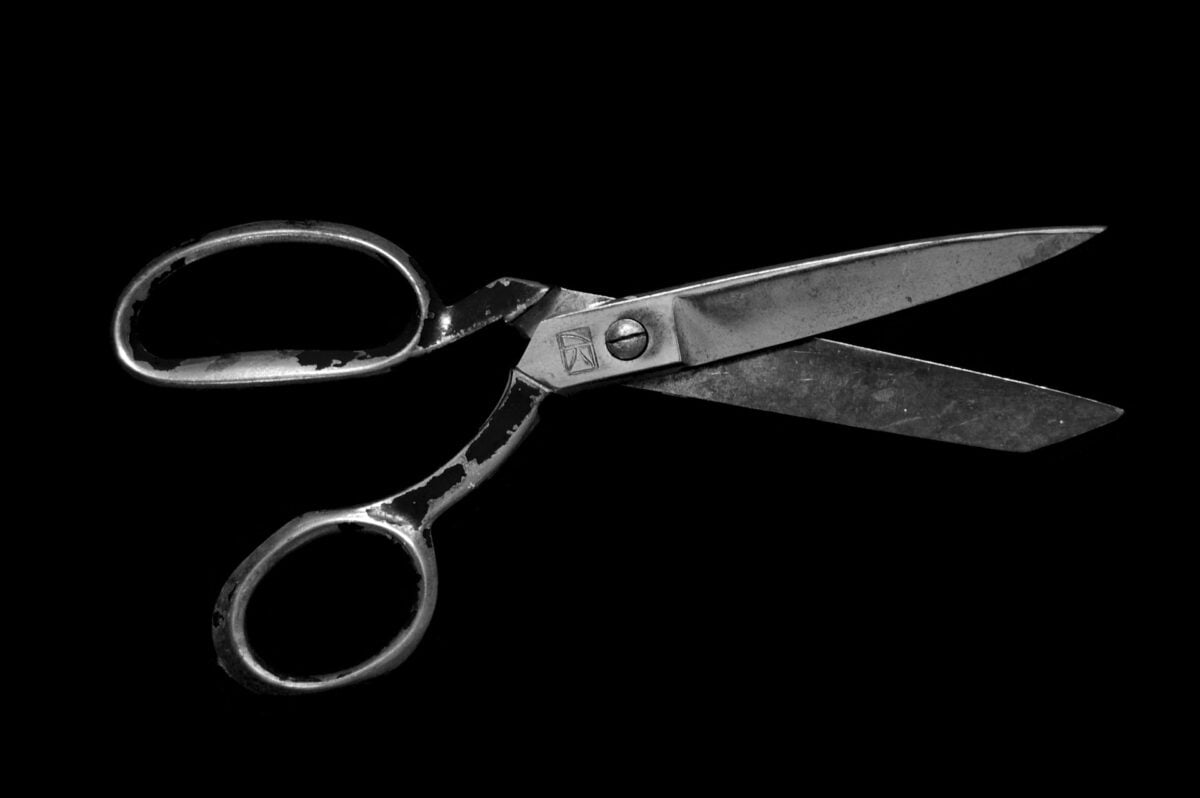
Romans crafted the first pivot-style scissors around 625 BCE, made from brass and steel. The design worked so well that there’s been almost no reason to change it.
We still use scissors for everything—cutting hair, trimming paper, opening packages. It’s a simple tool that’s quietly survived over two and a half millennia of human progress.
The Compass
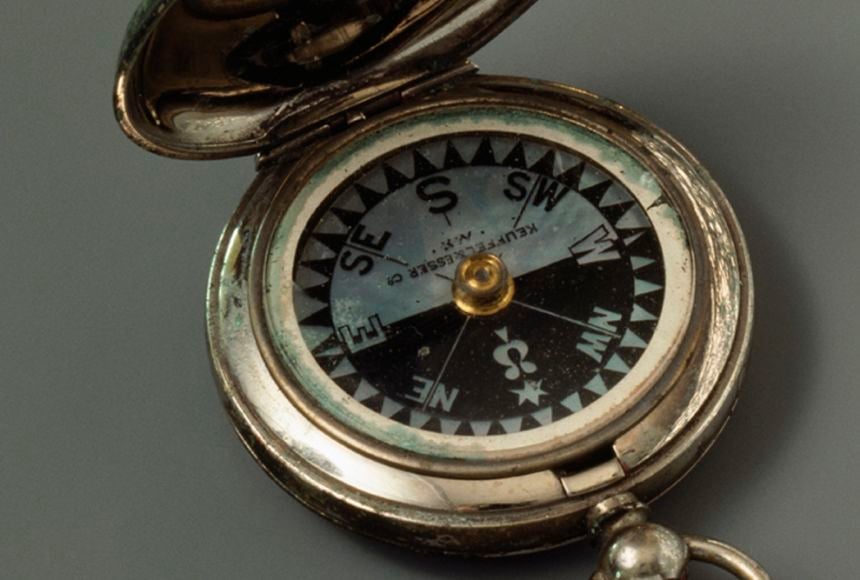
Invented in ancient China, the compass changed exploration forever. Early models were spoon-shaped magnets sitting on bronze plates, showing direction by aligning with Earth’s magnetic field.
Now, compasses live in airplanes, ships, and even your phone via GPS. And though GPS feels ultra-modern, it’s just a digital evolution of the same old idea: finding your way when you’re lost.
Like Go2Tutors’s content? Follow us on MSN.
Calendars
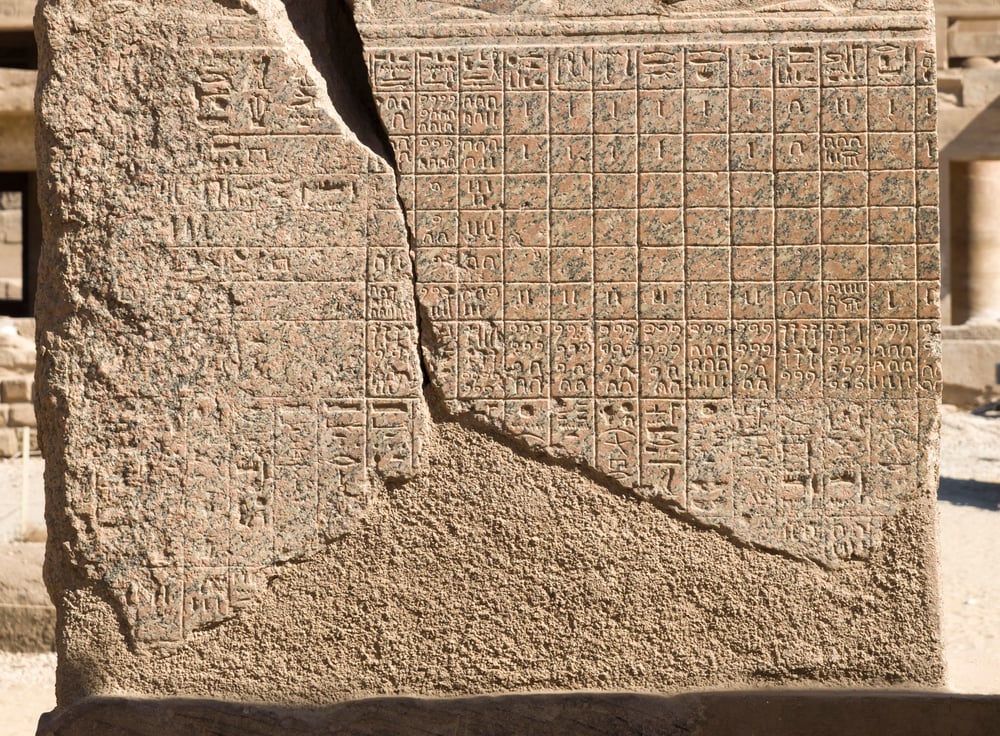
The Egyptians built one of the first solar calendars based on the flooding of the Nile, while the Babylonians preferred a lunar system. Over time, the Romans refined it into the Julian calendar, which later became the Gregorian version we all use today.
Without calendars, modern life would collapse into chaos. Meetings, school terms, holidays, even farming cycles all rely on them. Fun fact: the Maya calendar was so accurate it predicted leap years centuries before Europe caught up.
Breath Mints
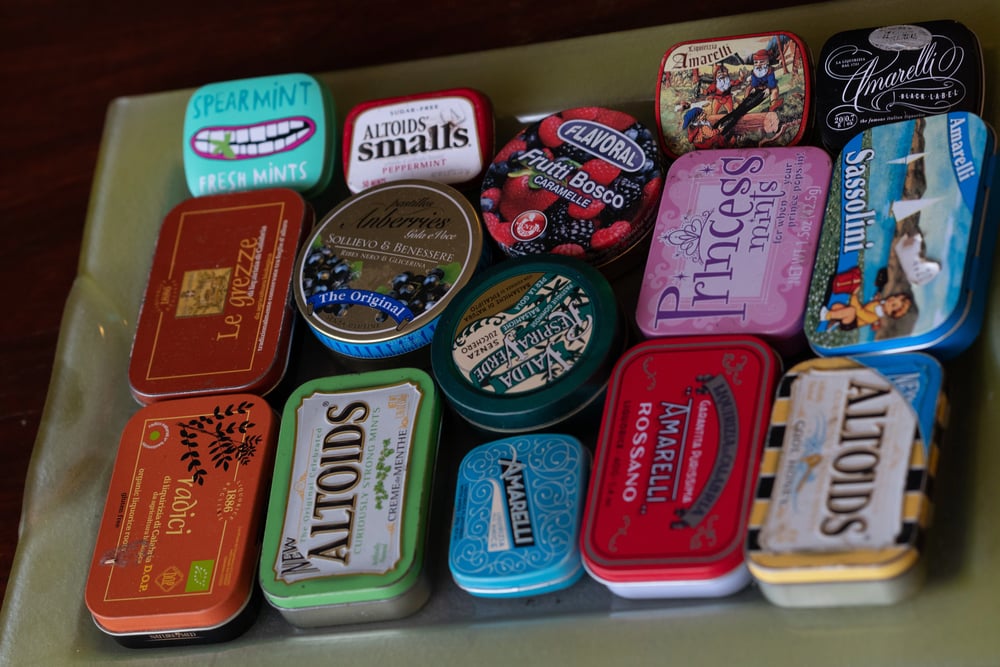
Ancient Egyptians cared a lot about fresh breath. They mixed frankincense, myrrh, cinnamon, and honey, rolled them into pellets, and voilà—the first mints.
Today’s breath mints may come in fancy tins and different flavors, but the mission is the same: fight bad breath before your next conversation. Apparently, even pharaohs weren’t immune to morning breath.
Surgical Instruments
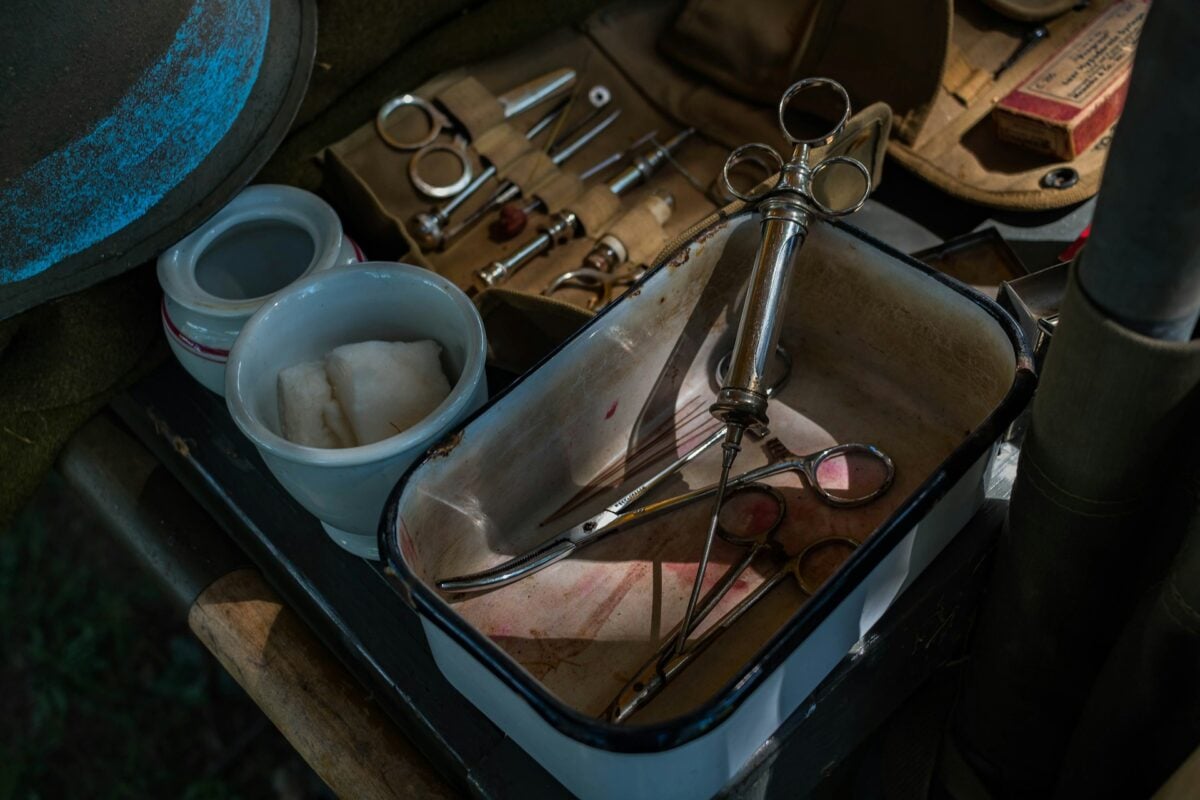
Around 625 BCE, Romans were already crafting scalpels, forceps, and other surgical tools from brass and steel. Many of their designs are still recognizable today.
Modern surgery has gone high-tech with lasers and robotics, but the basic shapes and functions of those ancient tools haven’t changed much. Medicine has always built on what came before.
Like Go2Tutors’s content? Follow us on MSN.
Windmills

Greek engineer Tesibius (285–222 BCE) used wind power to grind grain—an early nod to renewable energy. His invention showed that nature could do the heavy lifting.
Fast-forward to now, and we’ve scaled the idea up. Modern windmills generate electricity for cities, pump water for farms, and still grind grain in some rural areas.
Ancient sustainability at its finest.
The Odometer

Roman engineer Vitruvius came up with the odometer around 15 BCE to measure how far vehicles traveled. This helped ancient civilizations plan roads and trade routes more efficiently.
Every car dashboard today has one—only now, it’s digital. Still, the purpose hasn’t changed: track your miles and remind you how overdue your oil change probably is.
High Heels

In 10th-century Persia, men wore heels so their boots would fit better in horse stirrups—pure practicality. Eventually, this design trotted its way to Europe and transformed into a fashion statement.
Today, heels are less about horses and more about height and style. But the idea of elevating your feet for function? That started centuries ago with Persian riders, not Parisian runways.
Like Go2Tutors’s content? Follow us on MSN.
How Ancient Innovation Shaped Modern Convenience

These 14 inventions remind us that human creativity is nothing new. From the wheel to paper to concrete, ancient people didn’t just survive—they engineered the foundations of modern comfort.
Even smaller ideas like breath mints and high heels show that our ancestors cared about the same things we do: hygiene, fashion, and getting places on time. So next time you set your alarm, check your mileage, or pour water from the tap, remember—you’re part of a 5,000-year-old tradition of innovation that’s still rolling along.
More from Go2Tutors!

- 16 Historical Figures Who Were Nothing Like You Think
- 12 Things Sold in the 80s That Are Now Illegal
- 15 VHS Tapes That Could Be Worth Thousands
- 17 Historical “What Ifs” That Would Have Changed Everything
- 18 TV Shows That Vanished Without a Finale
Like Go2Tutors’s content? Follow us on MSN.