14 Rare Spices Behind Iconic Global Dishes
Food lovers around the world know that great dishes depend on more than just good ingredients and cooking skills. The secret often lies in rare and expensive spices that most home cooks never even hear about. These precious seasonings can cost more per pound than gold, but they create flavors that make certain dishes absolutely unforgettable.
From ancient trade routes to modern kitchens, these rare spices continue to shape the way we experience food. Let’s explore the hidden treasures that make iconic dishes so special.
Saffron makes paella truly Spanish
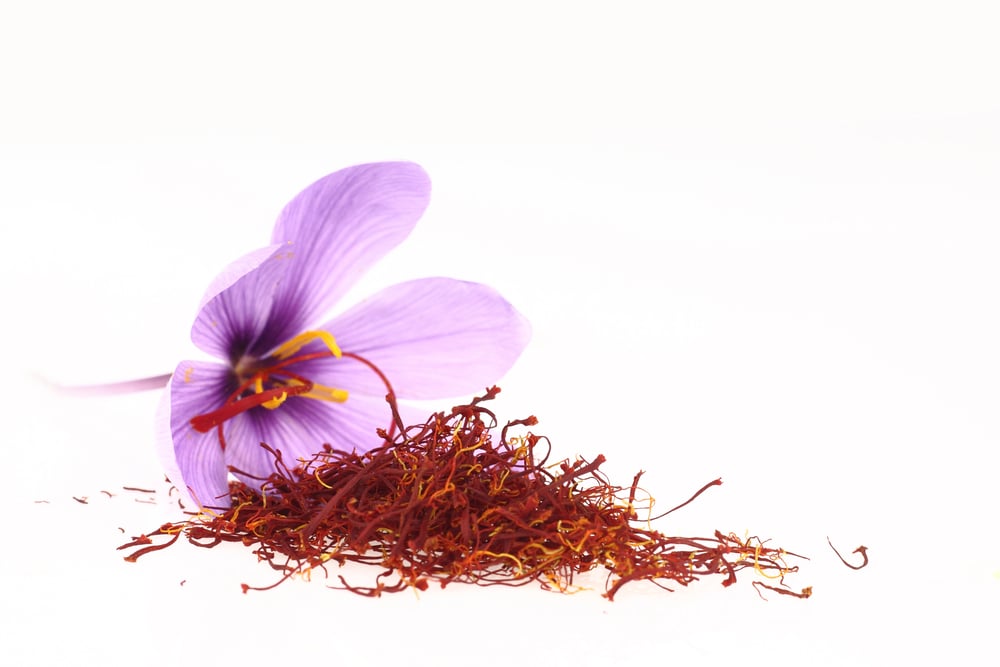
This golden spice costs more than its weight in gold and gives authentic paella its signature color and flavor. It takes around 75,000 blossoms to produce just one pound of saffron, making it incredibly expensive and precious.
Each tiny red thread must be hand-picked from crocus flowers at dawn, when the blooms are fresh and the threads contain the most flavor. Spanish chefs guard their saffron supplies carefully, using just enough to create that distinctive yellow glow without overpowering the rice.
Without real saffron, paella is just another rice dish with seafood.
Vanilla beans from Madagascar create the world’s best desserts
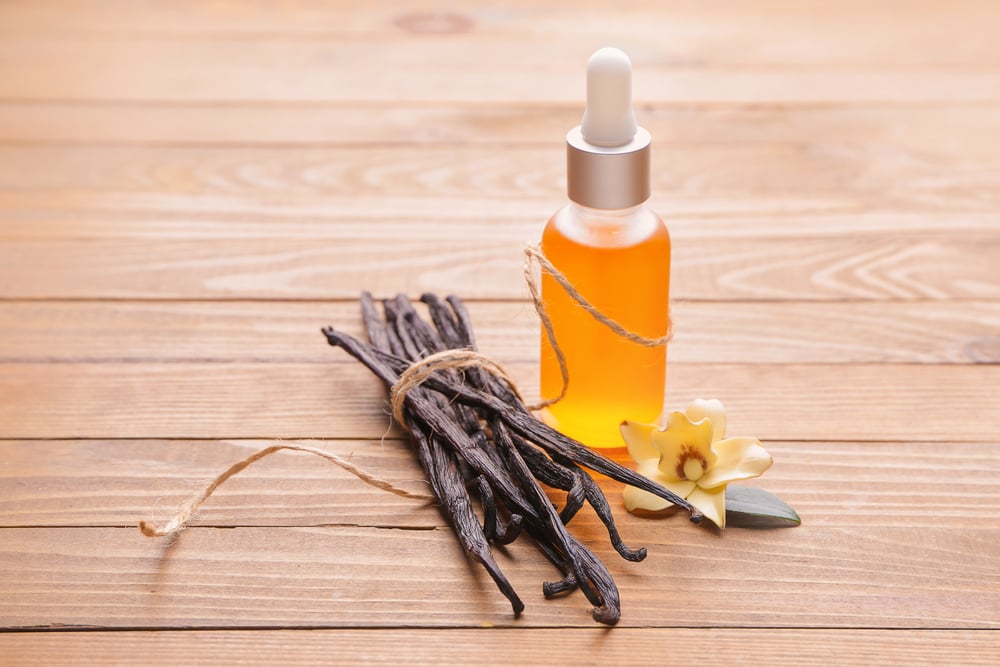
Real vanilla costs over $600 per pound because each orchid must be hand-pollinated, and curing the beans takes months. Most people have never tasted genuine vanilla extract because the artificial version is so much cheaper and more common.
Madagascar produces about 80% of the world’s vanilla, where farmers still use traditional methods passed down through generations. The curing process involves blanching the beans in hot water, then wrapping them in blankets for months until they develop their complex flavor.
Top pastry chefs can taste the difference immediately and refuse to use anything but the real thing.
Cardamom brings depth to Indian curries and Scandinavian pastries
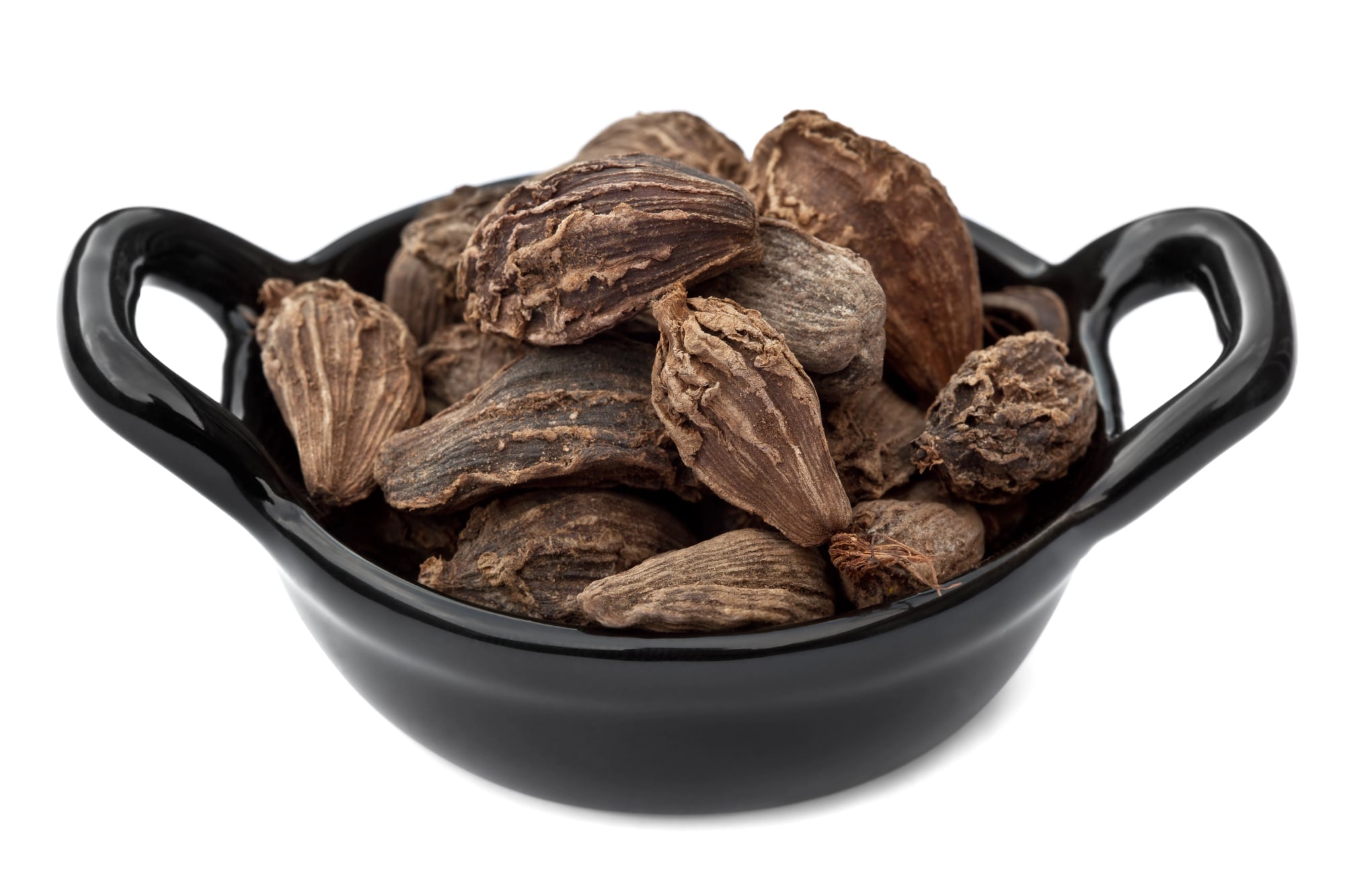
Cardamom is the world’s third-most expensive spice, surpassed in price per weight only by vanilla and saffron. The small green pods must be picked by hand at exactly the right moment, when they’re three-quarters ripe.
Cardamom is expensive because it requires manual harvesting for ripeness and specific weather conditions, making it labor-intensive to produce. Indian dishes like biryani depend on cardamom’s unique floral notes, while Swedish bakers use it to create their famous cardamom buns.
The spice loses its potency quickly once ground, so serious cooks buy whole pods and crush them fresh for each dish.
Sumac adds tartness to Middle Eastern cuisine
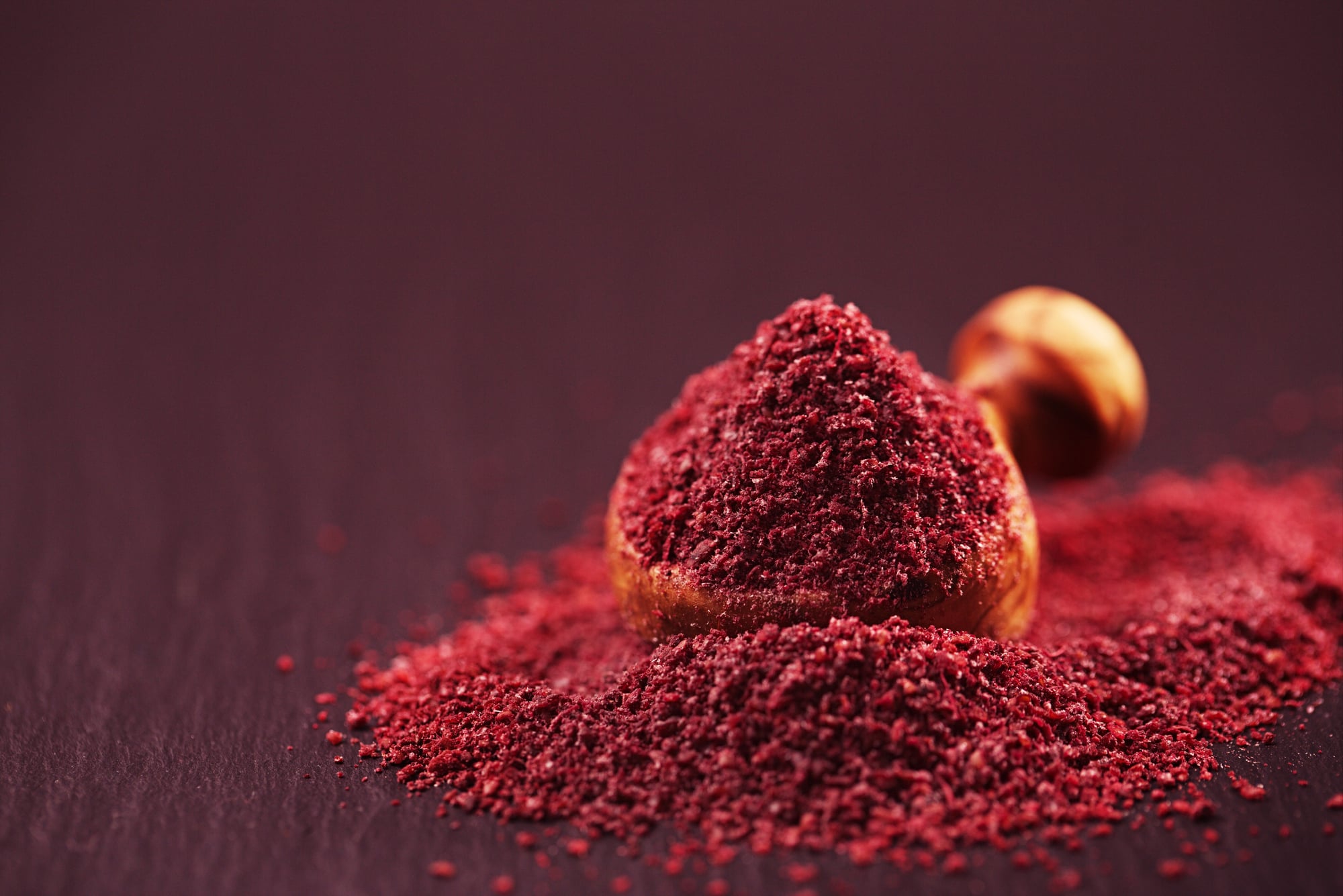
This deep red spice comes from dried berries and provides the signature sour flavor in many Lebanese and Syrian dishes. Sumac grows wild on bushes throughout the Mediterranean region, but the best quality comes from specific mountain areas where the climate is just right.
The berries must be harvested quickly when they reach peak tartness, then dried and ground into the distinctive brick-red powder. Lebanese versions are distinguished by their dark red hue from generous amounts of sumac, giving dishes like fattoush salad their characteristic tangy bite.
Many cooks mistake sumac for paprika, but the flavors are completely different.
Grains of paradise spiced up medieval European feasts
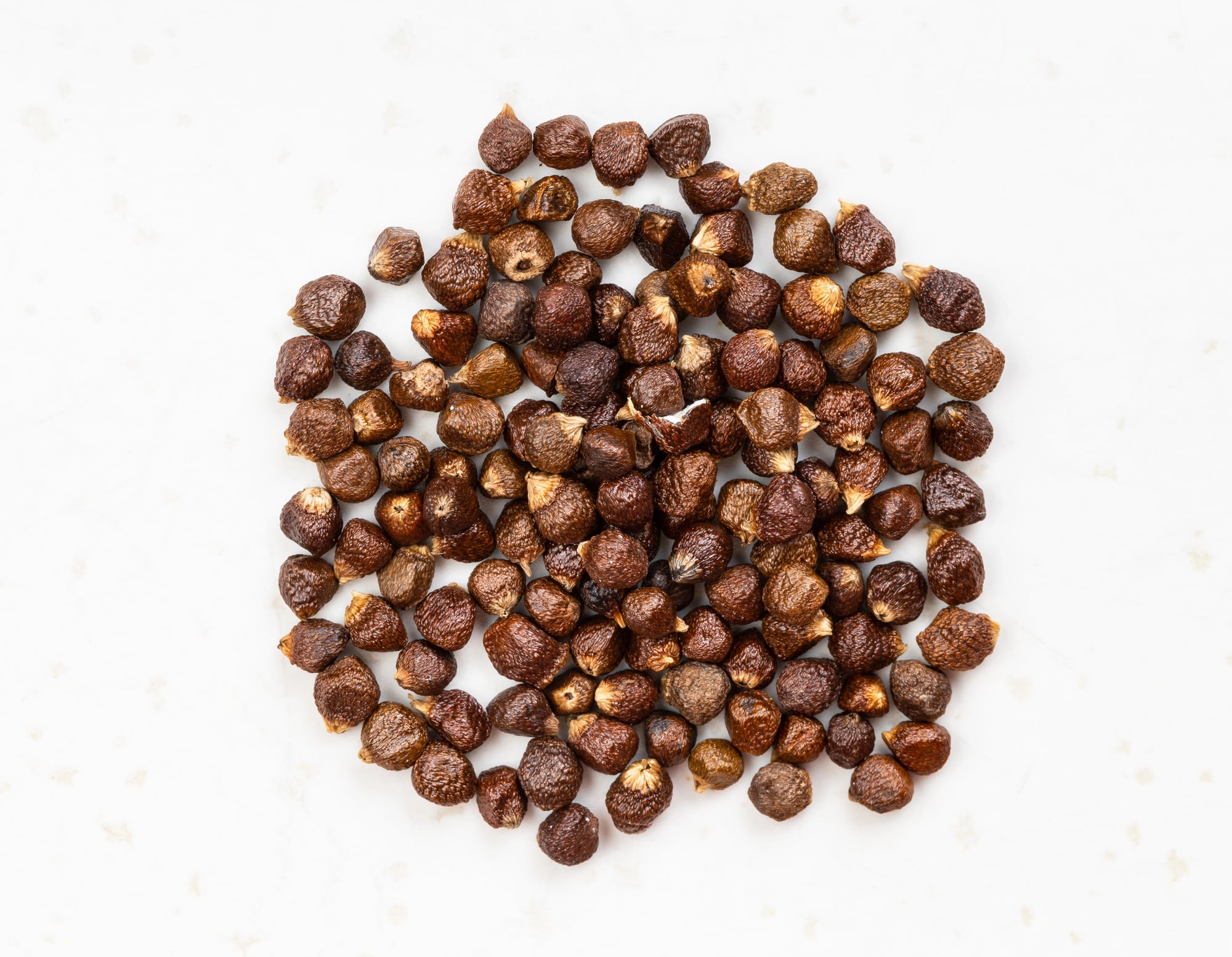
Grains of Paradise, also known as melegueta pepper or alligator pepper, is a spice native to West Africa and was once more valuable than black pepper. Medieval European nobles prized this spice for its complex flavor that combines heat with floral and citrus notes.
The spice comes from a plant related to ginger and must be harvested from wild plants in specific regions of Ghana and Nigeria. With notes of cardamom, coriander, citrus, ginger, nutmeg and juniper, grains of paradise are often used to add flavour to curries, tagines, paellas, cakes, spice rubs, braises and gingerbread.
Today, craft brewers and specialty chefs are rediscovering this forgotten spice.
Ras el hanout transforms Moroccan tagines
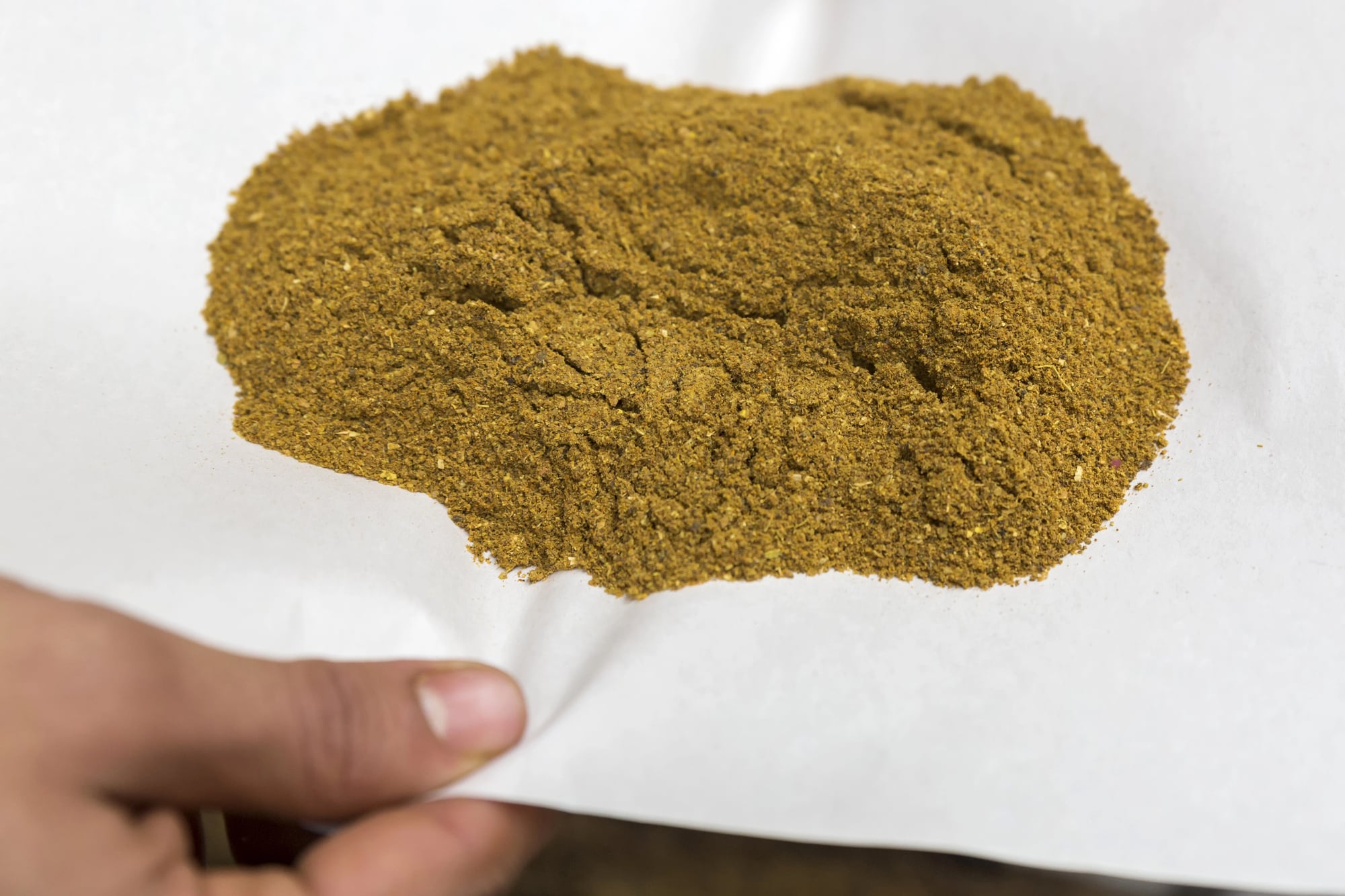
This complex spice blend can contain over 30 different ingredients, each carefully balanced by master spice merchants in Moroccan souks. Every spice dealer guards their ras el hanout recipe as a family secret, passed down through generations of blending expertise.
The name means “head of the shop” in Arabic, indicating that it contains the very best spices the merchant has to offer. Rare ingredients like long pepper, cubeb berries, and dried rosebuds make authentic ras el hanout incredibly expensive.
The blend transforms simple lamb and vegetable stews into the aromatic tagines that define Moroccan cuisine.
Ceylon cinnamon elevates Mexican hot chocolate
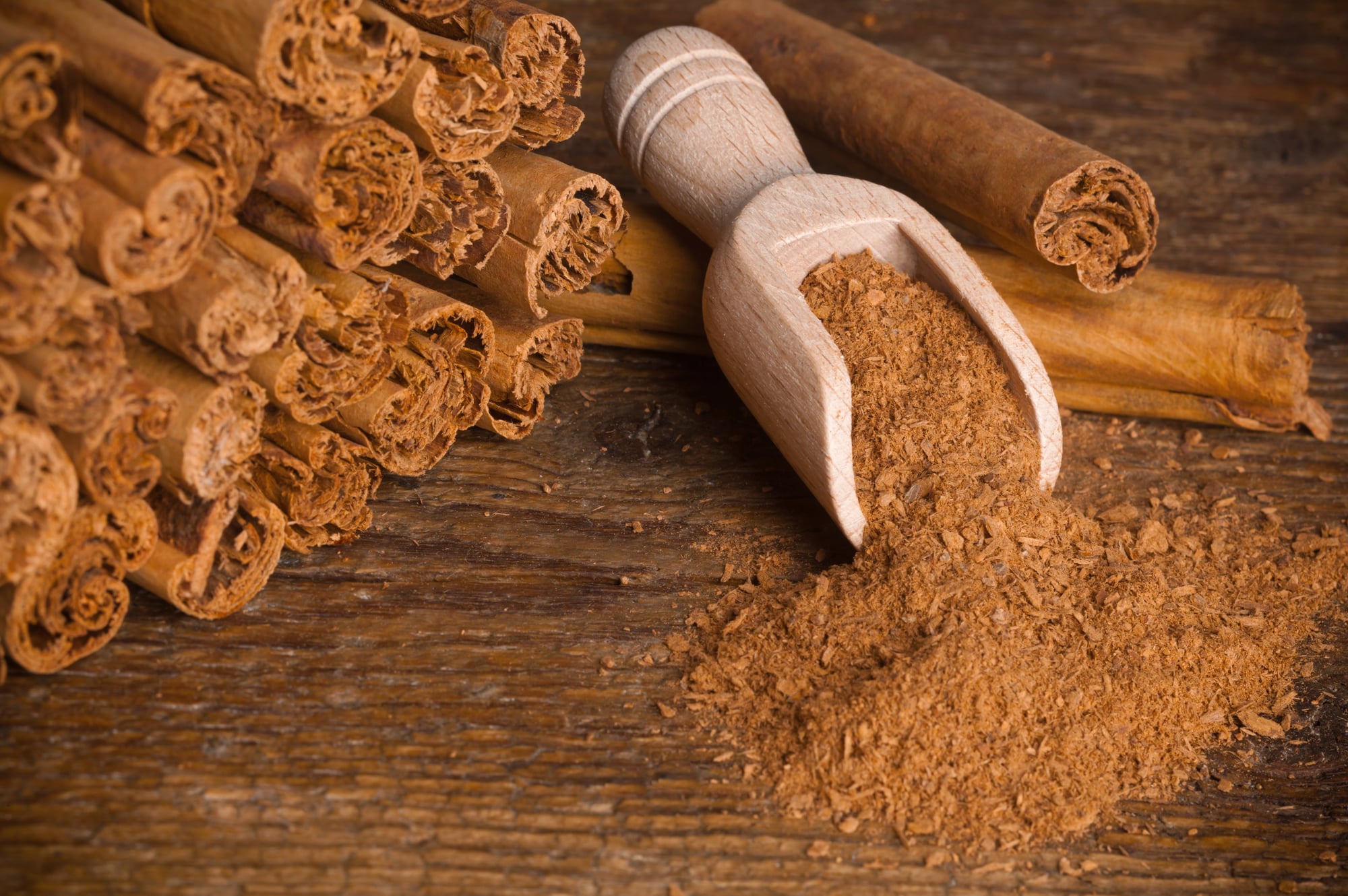
Most people think all cinnamon is the same, but Ceylon cinnamon is rarer, milder in taste, and more expensive than regular cassia cinnamon, due to its longer and more complex production process. True Ceylon cinnamon comes only from Sri Lanka and has a sweet, delicate flavor completely different from the harsh bite of common cinnamon.
Mexican chocolatiers have used Ceylon cinnamon for centuries to create their traditional hot chocolate drinks. The bark must be harvested by skilled workers who peel it in perfect spirals, then dry it slowly to preserve the delicate oils.
This rare cinnamon costs ten times more than regular cinnamon but creates an incomparably smooth and complex flavor.
Long pepper was worth more than gold in ancient Rome
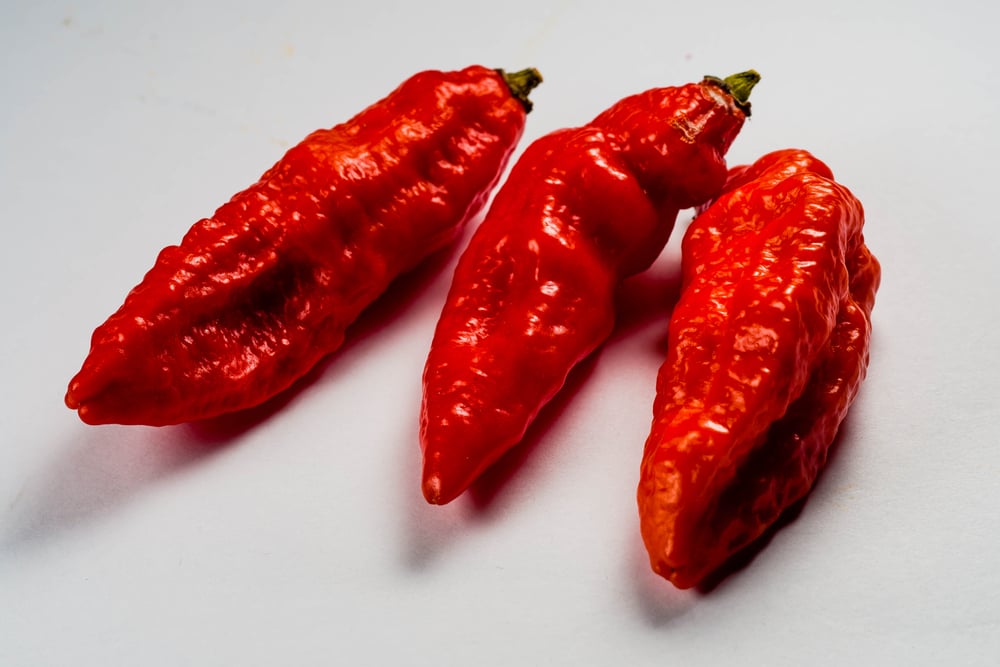
Before black pepper became common, long pepper was the most prized spice in European cuisine and cost more than its weight in gold. This rare spice grows wild in the foothills of the Himalayas and has a complex flavor that starts sweet and becomes intensely spicy.
Roman emperors served dishes seasoned with long pepper at their most important banquets to show off their wealth. The spice nearly disappeared from Western cooking when black pepper became more available through new trade routes.
Today, high-end chefs are rediscovering long pepper for its unique ability to add heat without overwhelming other flavors.
Za’atar blend makes Middle Eastern bread irresistible
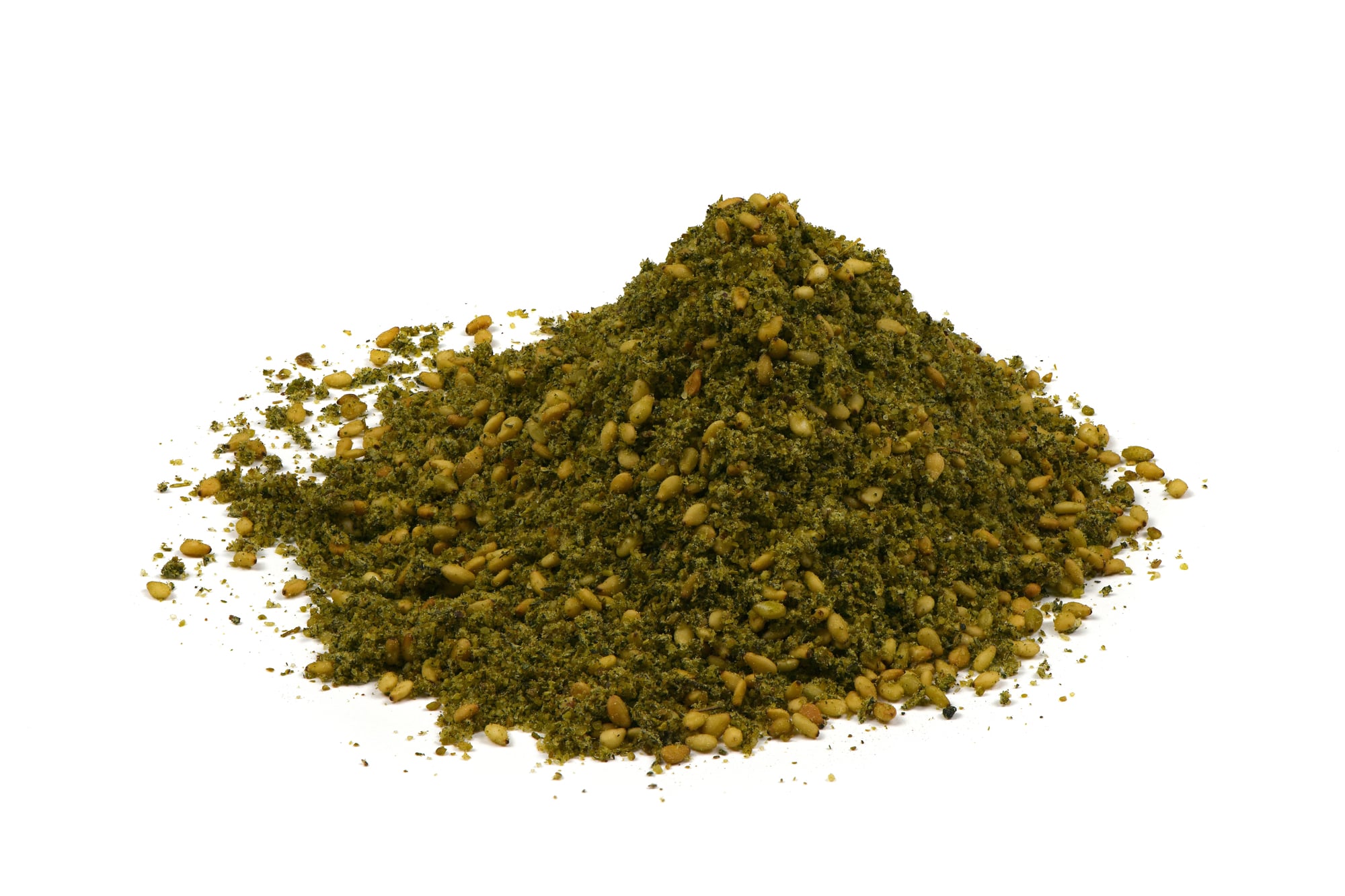
This herb and spice mixture contains wild thyme that grows only in specific Mediterranean mountain regions, making authentic za’atar increasingly rare. The wild thyme (called za’atar in Arabic) has a more intense flavor than cultivated varieties and can only be harvested from plants growing in rocky, high-altitude terrain.
The fragrant herb combined with sumac adds a lovely flavour to many dishes, especially when mixed with olive oil and spread on flatbread. Palestinian and Lebanese families often have their own za’atar recipes that include different ratios of sumac, sesame seeds, and salt.
The depletion of wild thyme plants has made genuine za’atar much more expensive and harder to find.
Asafoetida brings umami depth to Indian vegetarian dishes
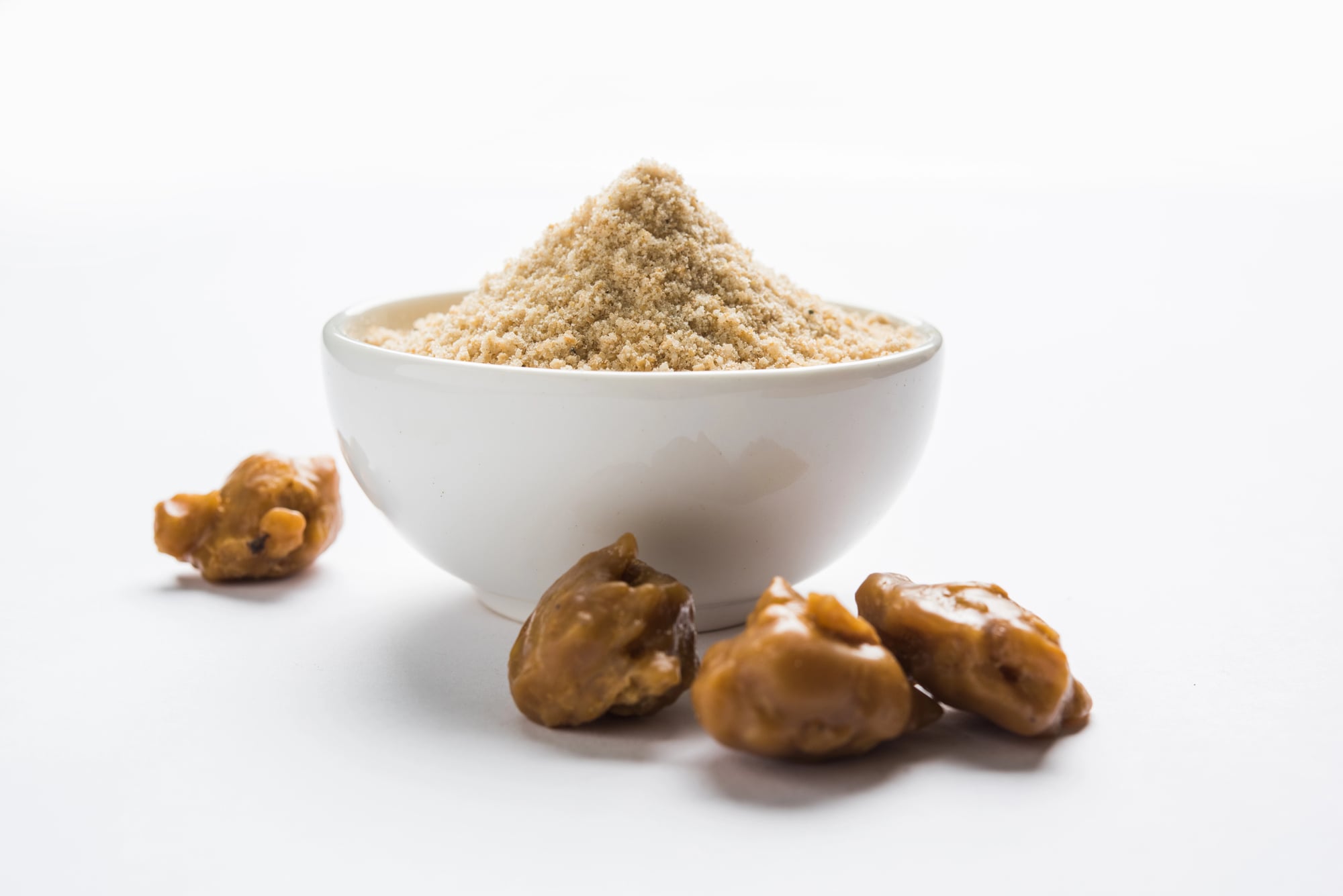
This pungent spice smells terrible when raw but transforms into something incredible when cooked, adding deep savory flavors to dal and vegetable curries. Asafoetida comes from the resin of a plant that grows wild in Afghanistan and Iran, often in dangerous mountain regions controlled by various factions.
The resin must be extracted by making cuts in the plant’s roots and collecting the dried sap over several weeks. Indian Jain cooks rely on asafoetida to replace garlic and onions in their strict vegetarian cuisine.
The spice is so potent that most cooks store it in airtight containers to prevent its smell from contaminating other ingredients.
Baharat seasoning creates the soul of Middle Eastern meat dishes
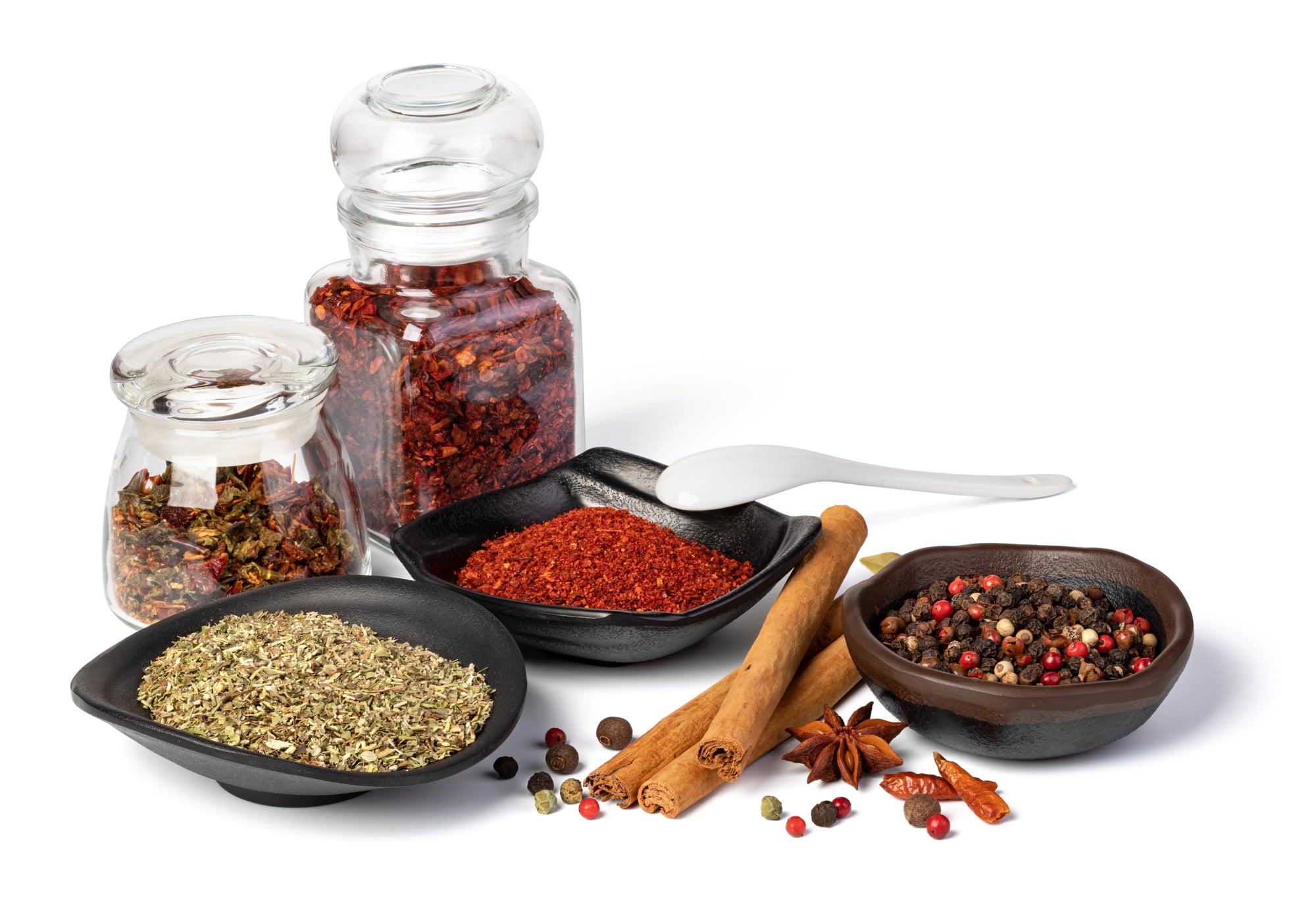
Arabic Baharat spice is a classic and versatile Middle Eastern spice blend that delivers sweet, smoky, and earthy warmth to every bite. The blend typically includes rare spices like cubeb pepper and long pepper alongside more common ingredients like cinnamon and cloves.
Turkish blends of Baharat are used in kofte, pilafs, shawarma and roast vegetables, especially aubergines, while Arabic versions tend to be sweeter and more aromatic. Master spice blenders create baharat by roasting each ingredient separately and then combining them in precise ratios.
The quality of baharat can make or break traditional dishes like lamb kebabs and stuffed vegetables.
Nigella seeds bring onion-like pungency to Indian flatbreads
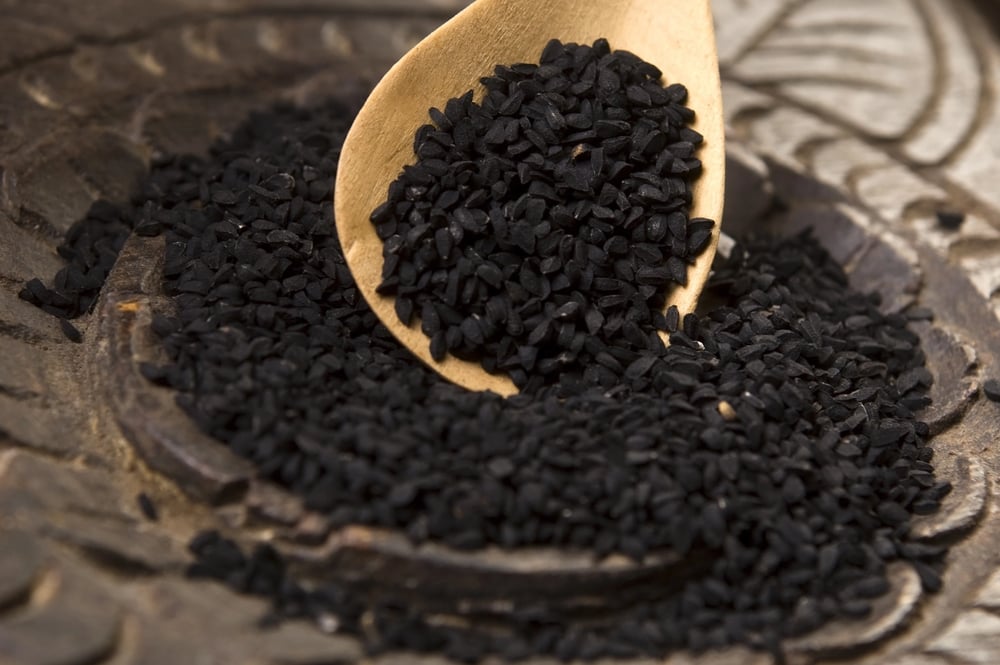
Often called black cumin or kalonji, nigella seeds come from a flowering plant native to the Eastern Mediterranean and Southwest Asia. The tiny black seeds must be harvested by hand when the seed pods are fully mature but haven’t yet opened to release their contents.
Indian bakers sprinkle nigella seeds on naan bread and paratha, where they provide a sharp, onion-like flavor that complements the bread’s richness. The seeds are also essential in Bengali five-spice blends and many pickle recipes throughout South Asia.
Unlike many spices, nigella seeds retain their potency for years when stored properly, making them valuable trade commodities.
Annatto gives Latin American dishes their orange glow
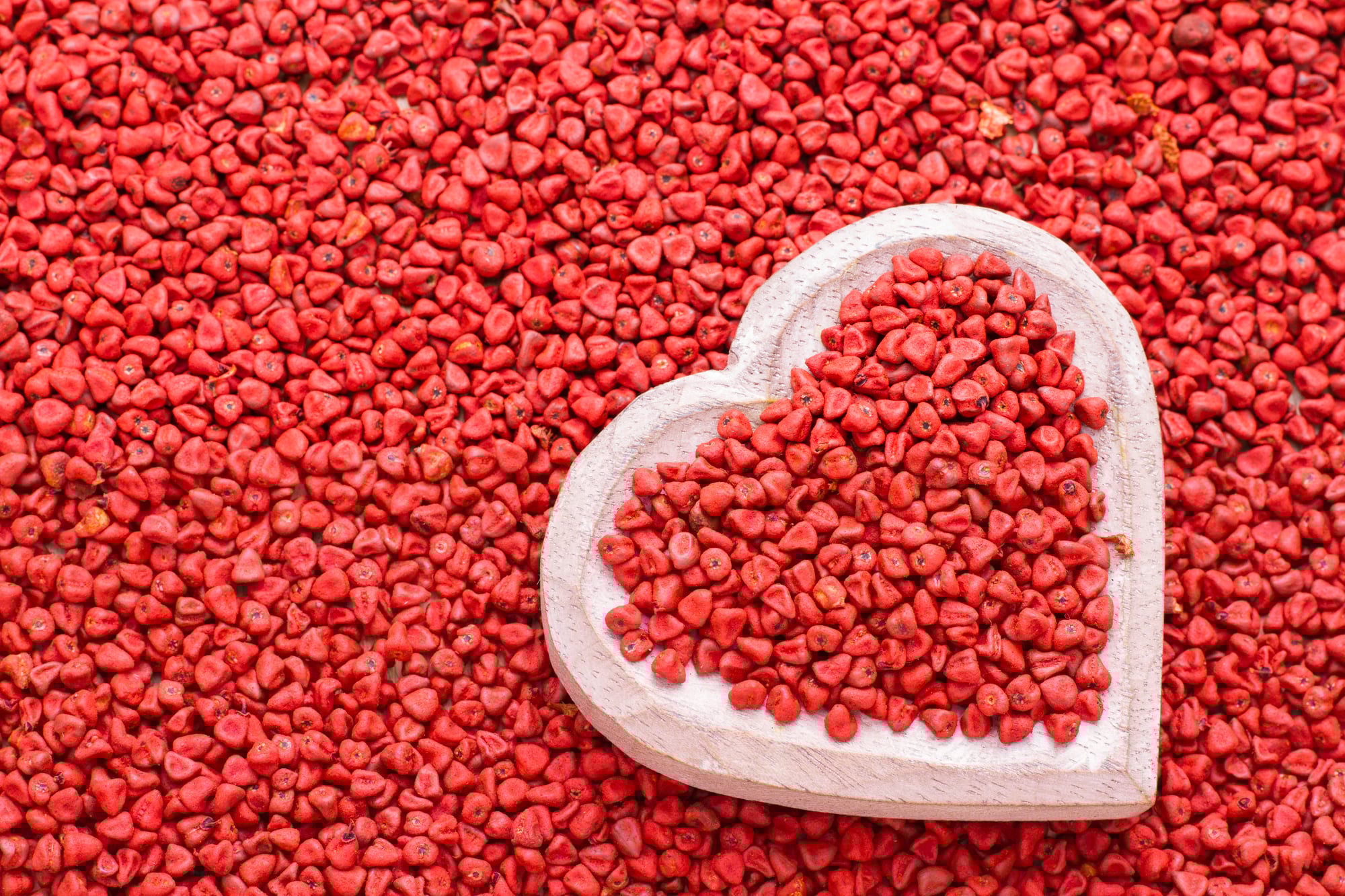
Also known as achiote, this spice comes from seeds that must be scraped from the pods of a small tropical tree native to Central America. The Mayans and Aztecs used annatto not only for cooking but also as body paint and fabric dye due to its intense orange-red color.
The seeds provide a mild, peppery flavor and the distinctive orange color seen in dishes like cochinita pibil and many Caribbean rice dishes. Traditional preparation involves soaking the seeds in water or grinding them with other spices to make a paste.
Commercial food producers use annatto to color everything from cheese to margarine, but the authentic seeds provide much more complex flavor than artificial colorings.
Mastic resin creates unique Mediterranean desserts
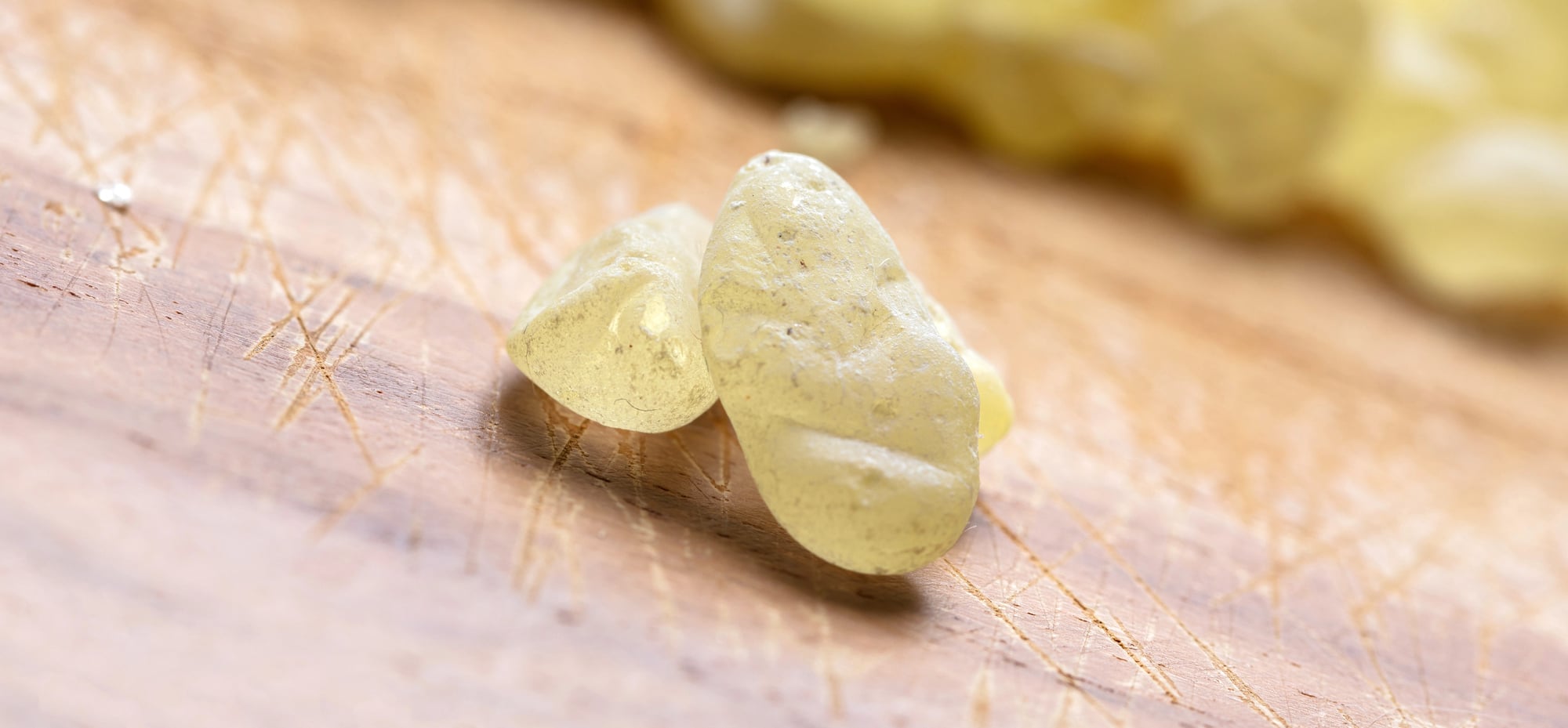
This unusual spice comes from the resin of mastic trees that grow only on the Greek island of Chios, making it one of the world’s most geographically limited seasonings. The trees must be at least five years old before they produce resin, and the collection process involves making small cuts in the bark and waiting for the sap to harden.
Mastic has a distinctive pine-like flavor that’s essential for traditional Greek pastries, Turkish delight, and Middle Eastern ice cream. The resin is so valuable that the trees are protected by law, and harvesting requires special permits from local authorities.
Many dessert recipes calling for mastic simply cannot be replicated without this rare ingredient.
From ancient trade routes to modern plates
These 16 rare spices remind us that the world’s greatest dishes often depend on ingredients that cost more than most people’s entire spice cabinet. What makes these seasonings so special isn’t just their rarity, but the centuries of tradition and expertise required to grow, harvest, and prepare them correctly.
Today’s global food scene allows us to taste authentic dishes from around the world, but the real magic happens when chefs use these precious spices exactly as their ancestors did. The high prices reflect not just scarcity, but the human knowledge and care that goes into bringing these flavors from remote mountain slopes and ancient family farms to our modern kitchens.
These spices prove that some things in cooking simply cannot be mass-produced or artificially replicated.
More from Go2Tutors!

- The Romanov Crown Jewels and Their Tragic Fate
- 13 Historical Mysteries That Science Still Can’t Solve
- Famous Hoaxes That Fooled the World for Years
- 15 Child Stars with Tragic Adult Lives
- 16 Famous Jewelry Pieces in History
Like Go2Tutors’s content? Follow us on MSN.



