Times History Repeated Itself in Eerie Ways
You’ve probably heard the phrase “history repeats itself” so many times it feels worn out. But sometimes the parallels between past and present events go beyond coincidence into something that makes you pause.
The names change, the technology advances, but the patterns stay eerily similar—like the world keeps running the same script with minor edits. These aren’t just vague similarities.
These are specific, strange echoes that make you wonder if time works differently than you thought.
Two Presidents, Same Death Day, Same Details
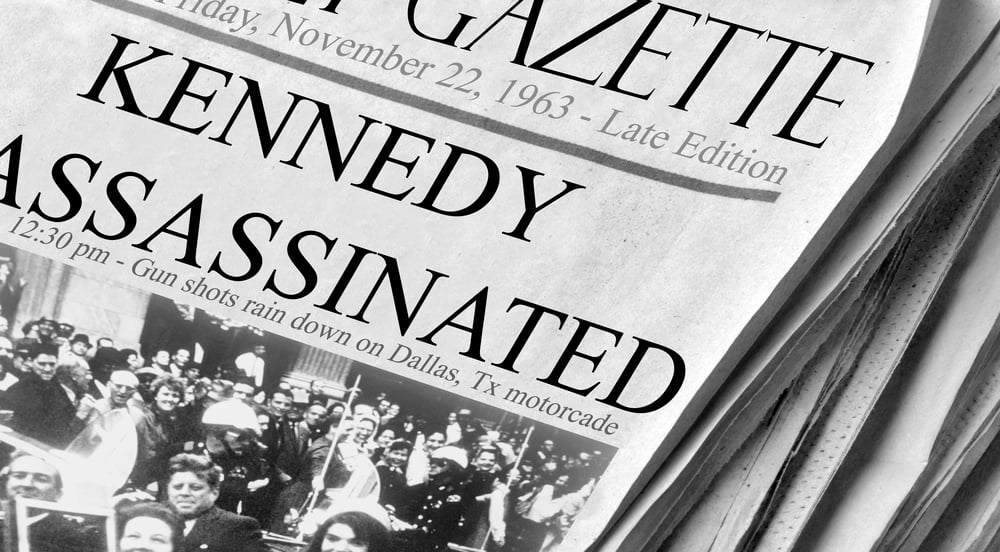
Abraham Lincoln and John F. Kennedy both died on Fridays, shot in the head while sitting next to their wives. Lincoln died in 1865; Kennedy in 1963—exactly 98 years apart.
Both men were succeeded by men named Johnson who were Southern Democrats born 100 years apart. Andrew Johnson was born in 1808; Lyndon B. Johnson in 1908.
The assassins share patterns too. John Wilkes Booth was born in 1839; Lee Harvey Oswald in 1939.
Both men went by three names. Both were killed before standing trial.
Booth shot Lincoln in a theater and hid in a warehouse. Oswald shot Kennedy from a warehouse and hid in a theater.
Lincoln’s secretary, named Kennedy, warned him not to go to the theater. Kennedy’s secretary, named Lincoln, warned him not to go to Dallas.
Two Titanics Meeting the Same Fate

In 1898, Morgan Robertson wrote a novel called “Futility” about an unsinkable ship named the Titan that hit an iceberg and sank in the North Atlantic. The ship was described as the largest vessel ever built.
It carried too few lifeboats. Most passengers died because they couldn’t escape in time.
Fourteen years later, the Titanic—a real ship called “unsinkable” by its builders—hit an iceberg and sank in the North Atlantic. It was the largest vessel ever built at the time.
It carried too few lifeboats. Most passengers died for the same reason Robertson described.
The fictional Titan was 800 feet long with a capacity of 3,000 people and three propellers. The real Titanic was 882 feet long with a capacity of 3,000 people and three propellers.
Both ships hit the iceberg at similar speeds in the same area of the ocean, in the month of April.
Napoleon and Hitler’s Russian Campaigns

Napoleon invaded Russia in June 1812 with over 600,000 troops. He captured Moscow in September but found the city abandoned and burning.
The harsh Russian winter forced his retreat. His army suffered catastrophic losses from cold, starvation, and constant attacks.
Hitler invaded Russia in June 1941 with over 3 million troops. His forces pushed deep into Soviet territory and reached the outskirts of Moscow.
The Russian winter arrived earlier than expected. His army suffered massive losses from cold, supply shortages, and determined Soviet resistance.
Both men started their invasions in June. Both reached Moscow only to find determined resistance.
Both underestimated the Russian winter and the resolve of the Russian people. Both retreats marked the beginning of their ultimate defeat.
The gap between these disasters was exactly 129 years.
The Curse of Tecumseh
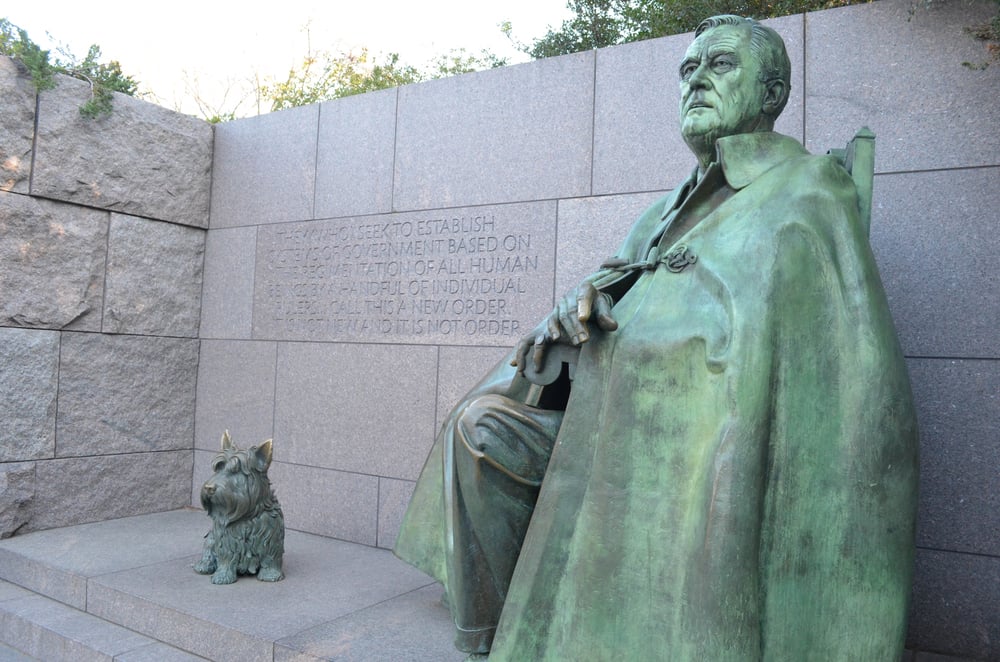
William Henry Harrison defeated the Shawnee leader Tecumseh at the Battle of Tippecanoe in 1811. According to legend, Tecumseh placed a curse on Harrison and every president elected in a year ending in zero.
Harrison was elected in 1840 and died in office after just 31 days.
Lincoln was elected in 1860 and assassinated. Garfield was elected in 1880 and assassinated.
McKinley was elected in 1900 and assassinated. Harding was elected in 1920 and died in office.
Franklin D. Roosevelt was elected for his third term in 1940 and died in office. Kennedy was elected in 1960 and assassinated.
The pattern held for seven consecutive presidents spanning 120 years. Reagan, elected in 1980, survived an assassination attempt.
George W. Bush, elected in 2000, survived his presidency despite an attempt on his life during a visit to Georgia in 2005.
Twin Births Separated by Centuries
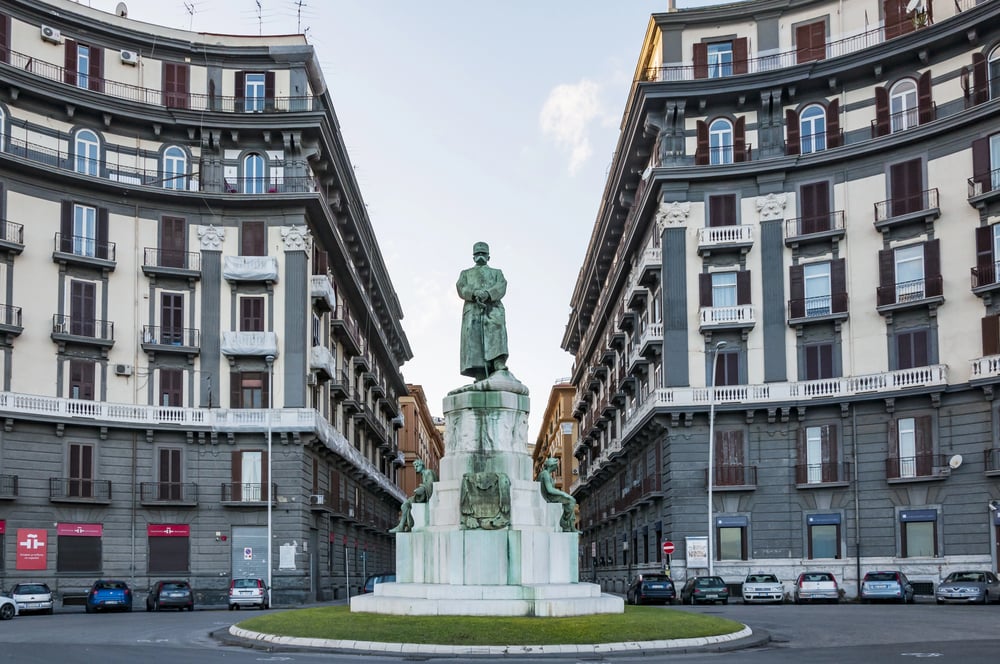
King Umberto I of Italy visited a restaurant in Monza in 1900. The owner looked exactly like him—same face, same build, same height.
They discovered they were both named Umberto, born on the same day in the same town. Both married women named Margherita on the same day.
Both had sons named Vittorio.
The restaurant owner opened his establishment on the same day Umberto became king. The next day, the king learned that the restaurant owner had died in a shooting.
Hours later, the king himself was assassinated.
The Hoover Dam Workers

George Tierney drowned on December 20, 1922, while working on preliminary surveys for what would become the Hoover Dam. He was the first person to die on the project.
His son, Patrick Tierney, fell from one of the intake towers and drowned on December 20, 1935—exactly 13 years later to the day. He was the last person to die during the dam’s construction.
Father and son bookended the deadliest construction project in American history, dying on the same calendar date.
The Falling Babies and the Same Man

In Detroit in the 1930s, a man named Joseph Figlock was walking past a building when a baby fell from a high window and landed on him. Both survived.
A year later, Figlock was walking past the same building when another baby fell. Again, the child landed on him.
Again, both survived. The odds of this happening once strain belief.
Twice defies explanation.
Twin Brothers, Twin Deaths

In 2002, twin brothers in Finland died in identical accidents on the same road, two hours apart. Both were struck by trucks while riding their bicycles.
Neither knew the other had died. They were both 70 years old.
The first brother died at 10:00 AM. The second died at 12:00 PM, just a mile and a half from where his twin had been killed.
Police stated that this was one of the strangest coincidences they’d ever encountered.
The Monk’s Predictions

A Franciscan monk named Padre Pio made several predictions that came true with disturbing accuracy. In 1942, he told a young Karol Wojtyła to prepare himself for high office.
Wojtyła later became Pope John Paul II.
Years before, Pio told a young priest named Albino Luciani that he would become pope but would serve for only a short time. Luciani became Pope John Paul I in 1978.
He died after just 33 days in office.
Anne Parrish and Her Childhood Book

American author Anne Parrish was browsing bookstores in Paris in the 1920s when she found a copy of a book she loved as a child. She showed it to her husband, delighted to find this particular edition.
When he opened the cover, he found an inscription: “Anne Parrish, 209 N. Weber Street, Colorado Springs.”
It was her exact book from childhood, somehow making its way from Colorado to a bookshop in Paris and back to her hands decades later.
Mark Twain and Halley’s Comet

Mark Twain was born on November 30, 1835, just two weeks after Halley’s Comet became visible. He wrote in 1909: “I came in with Halley’s Comet in 1835.
It will be the greatest disappointment of my life if I don’t go out with Halley’s Comet.”
The comet returned in April 1910. Twain died on April 21, 1910, one day after the comet reached its perihelion.
He predicted his own death and connected it to a celestial event that occurs every 75-76 years.
The Empress of Ireland and the Titanic’s Survivors

The Titanic sank in April 1912. Many survivors suffered trauma but eventually returned to the sea.
Two years later, the Empress of Ireland, a Canadian passenger ship, collided with a Norwegian coal ship in dense fog and sank in the St. Lawrence River.
Among the 1,012 people who died were dozens of Titanic survivors. They escaped one maritime disaster only to perish in another.
The psychological weight of surviving two sinking ships proved too much for some families.
Royal Family Members Born and Died on the Same Days
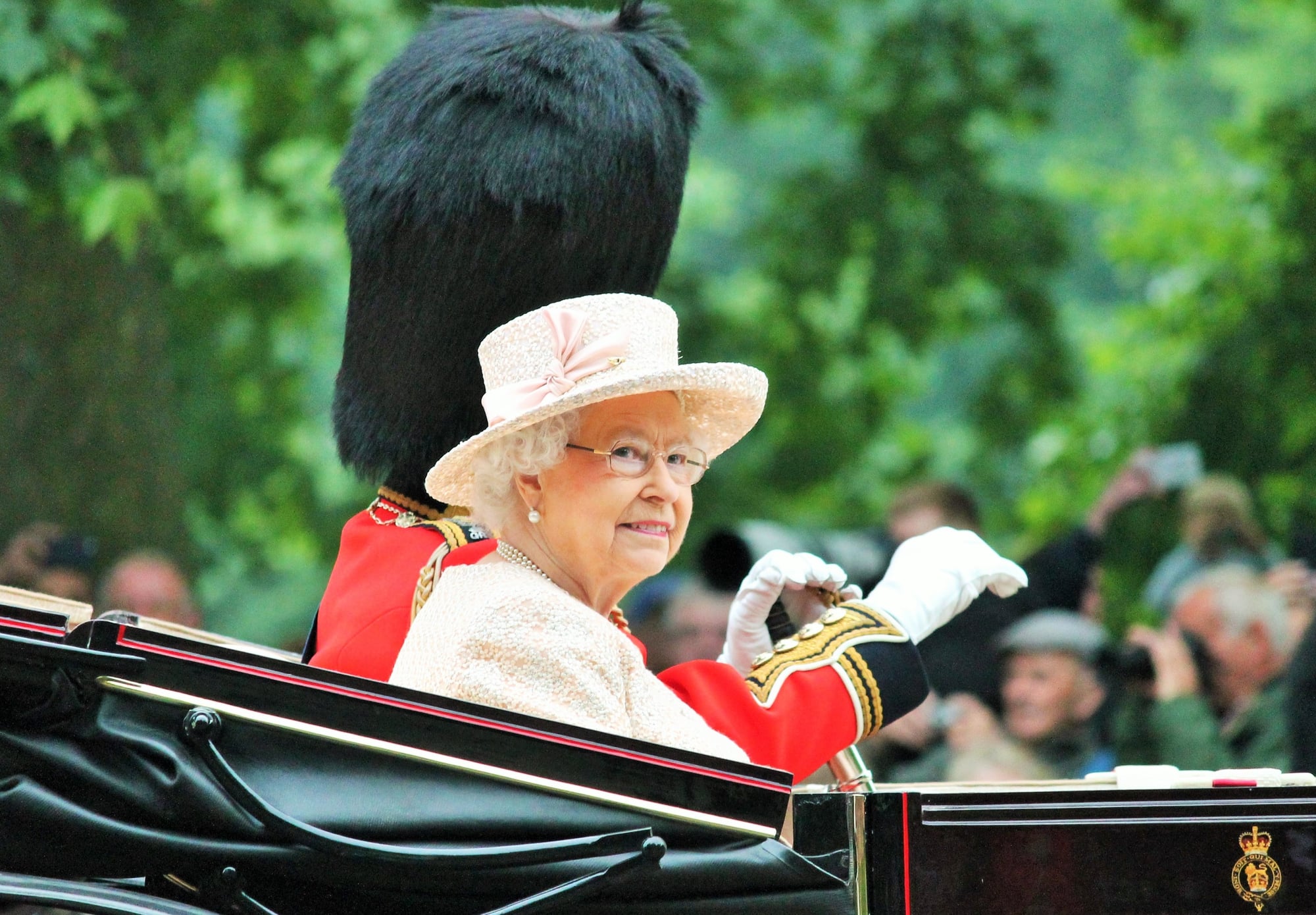
Queen Elizabeth II’s father, King George VI, died on February 6, 1952. Fifty years later to the day, on February 6, 2002, his daughter Queen Elizabeth II lost her sister, Princess Margaret.
Both deaths occurred on the same calendar date, exactly half a century apart, creating a double anniversary of loss for the Queen.
The Booth Family and Lincoln

Edwin Booth, one of America’s greatest actors and the brother of John Wilkes Booth, once saved a life on a train platform. A young man stumbled and fell into the gap between the train and the platform.
Edwin grabbed him and pulled him to safety.
The young man was Robert Todd Lincoln, Abraham Lincoln’s son. Edwin Booth saved the life of the president’s son before his own brother assassinated the president.
Robert, the only one of Lincoln’s children to survive to adulthood, later narrowly avoided both the Garfield and McKinley assassinations by being nearby but not present.
When Patterns Become More Than Coincidence

You can explain away one or two of these as a chance. But when the details stack up—dates matching, names repeating, circumstances mirroring each other across decades or centuries—it becomes harder to dismiss.
History doesn’t just rhyme. Sometimes it recites the same verse word for word, just with different actors.
Maybe humans are more predictable than we think. Maybe the universe has a limited set of templates it works from.
Or maybe time isn’t the straight line we assume it is. Whatever the reason, these echoes across history remind you that the past never really leaves.
It just waits for the right moment to come around again.
More from Go2Tutors!

- The Romanov Crown Jewels and Their Tragic Fate
- 13 Historical Mysteries That Science Still Can’t Solve
- Famous Hoaxes That Fooled the World for Years
- 15 Child Stars with Tragic Adult Lives
- 16 Famous Jewelry Pieces in History
Like Go2Tutors’s content? Follow us on MSN.



