Cities With the Most Rugged Terrain
Flat cities are easy. You build roads in straight lines, run utilities underground, and everything makes sense.
Then there are cities that refuse to let geography stop them. These places are built on mountains, carved into hillsides, or squeezed between cliffs and ocean.
They adapted to terrain that most urban planners would reject immediately. The result is cities where walking to the grocery store means climbing the equivalent of several flights of stairs, where streets dead-end into rock faces, and where the view from your window might be someone else’s roof.
La Paz, Bolivia
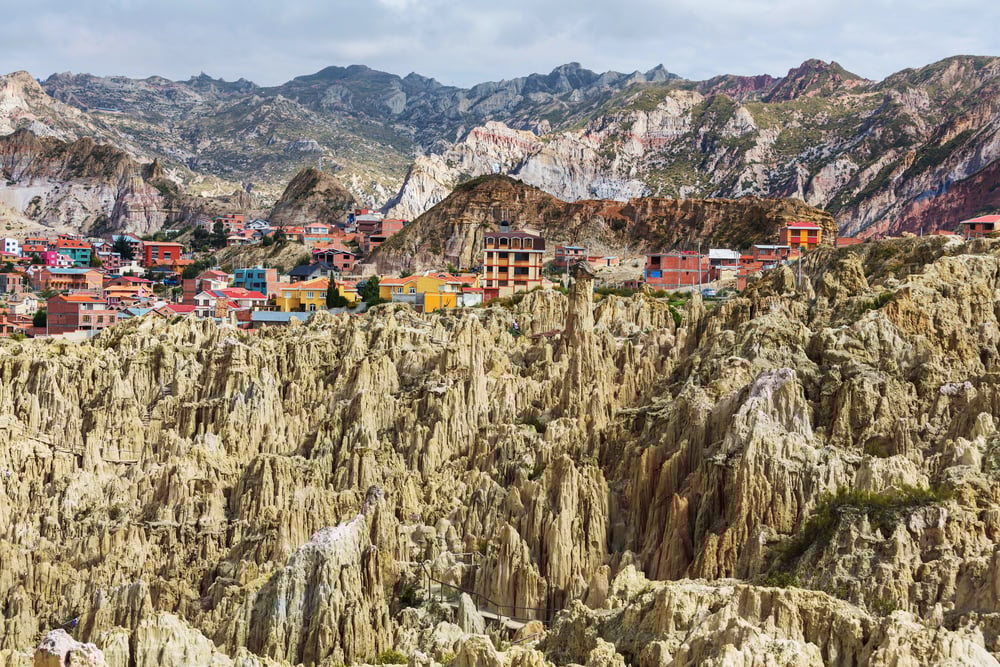
The highest capital city in the world sits in a canyon in the Andes at over 11,000 feet elevation. The city sprawls up and down canyon walls, with elevation differences of more than 3,000 feet between the highest and lowest neighborhoods.
Roads switchback up impossible slopes. Cable cars function as public transit because building subway tunnels through mountains at this altitude wasn’t feasible.
The wealthy live at lower elevations where the air is thicker. The poor live higher up where breathing is harder.
The city just keeps expanding up the canyon walls. New neighborhoods appear on slopes that look too steep to build on.
Somehow they make it work.
San Francisco, California
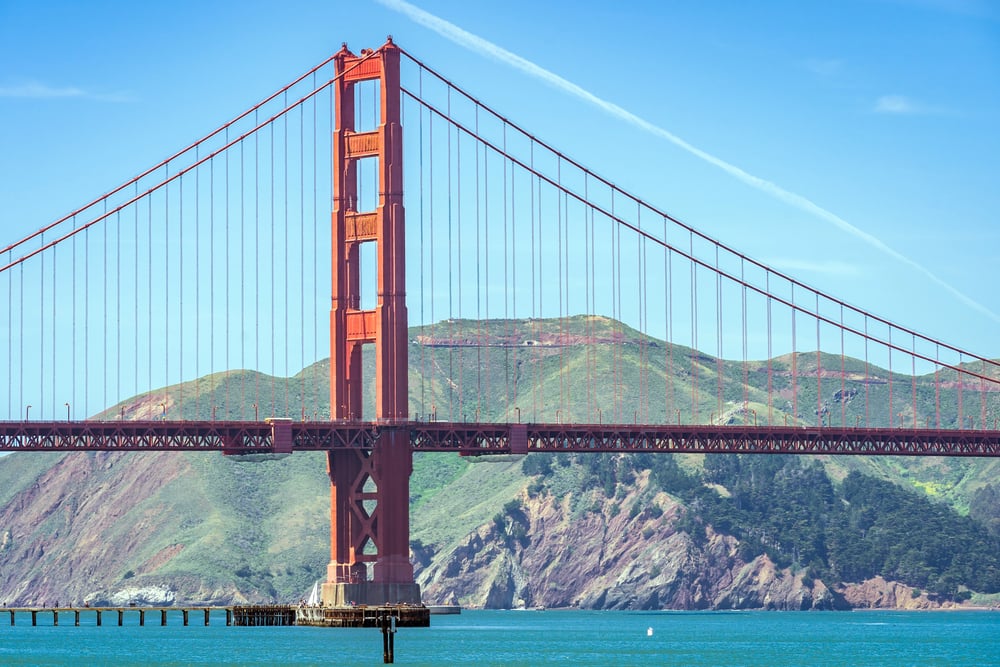
Forty-three hills packed into 47 square miles. The city is famous for those hills, but living with them is different from visiting.
Streets climb at angles that feel wrong for a car. Lombard Street gets the tourists, but the real challenge is navigating neighborhoods where every walk becomes a workout.
Parking means curbing your wheels and hoping your handbrake holds. Some streets are actually stairs because the grade is too steep for pavement.
The hills created distinct neighborhoods that feel separate even though they’re close together. You can’t see one neighborhood from another because hills block the view.
Each area developed its own character partly because the terrain isolated them.
Rio de Janeiro, Brazil
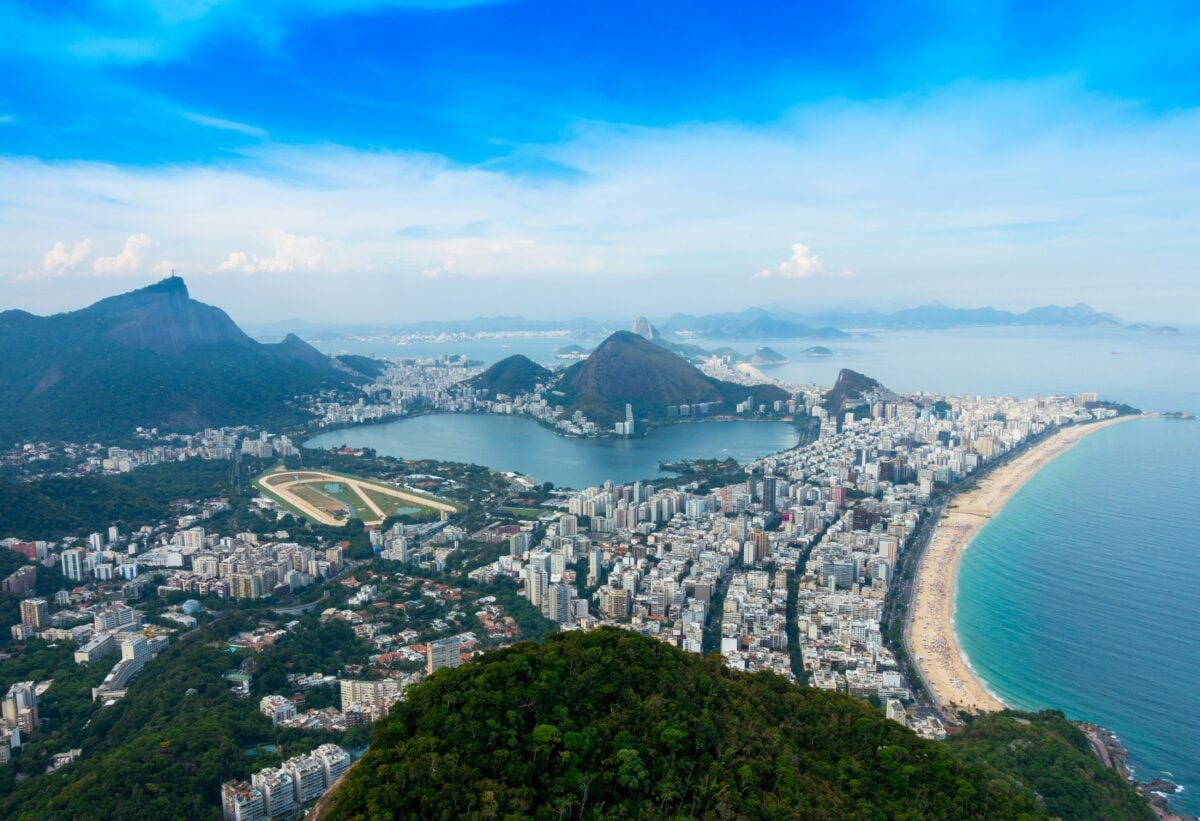
Mountains rise straight out of the ocean. The city built itself in the spaces between them, then started building up the mountainsides when flat land ran out.
Favelas cling to slopes that shouldn’t be inhabitable. Houses stack on top of each other up hillsides at angles that look unstable.
Some neighborhoods are only accessible by foot because the terrain won’t support roads. Sugar Loaf Mountain and Corcovado dominate the skyline.
The city works around them, not with them. Cable cars take you up because driving isn’t an option.
The beaches are gorgeous, but turn around and you’re looking at near-vertical urban density.
Pittsburgh, Pennsylvania
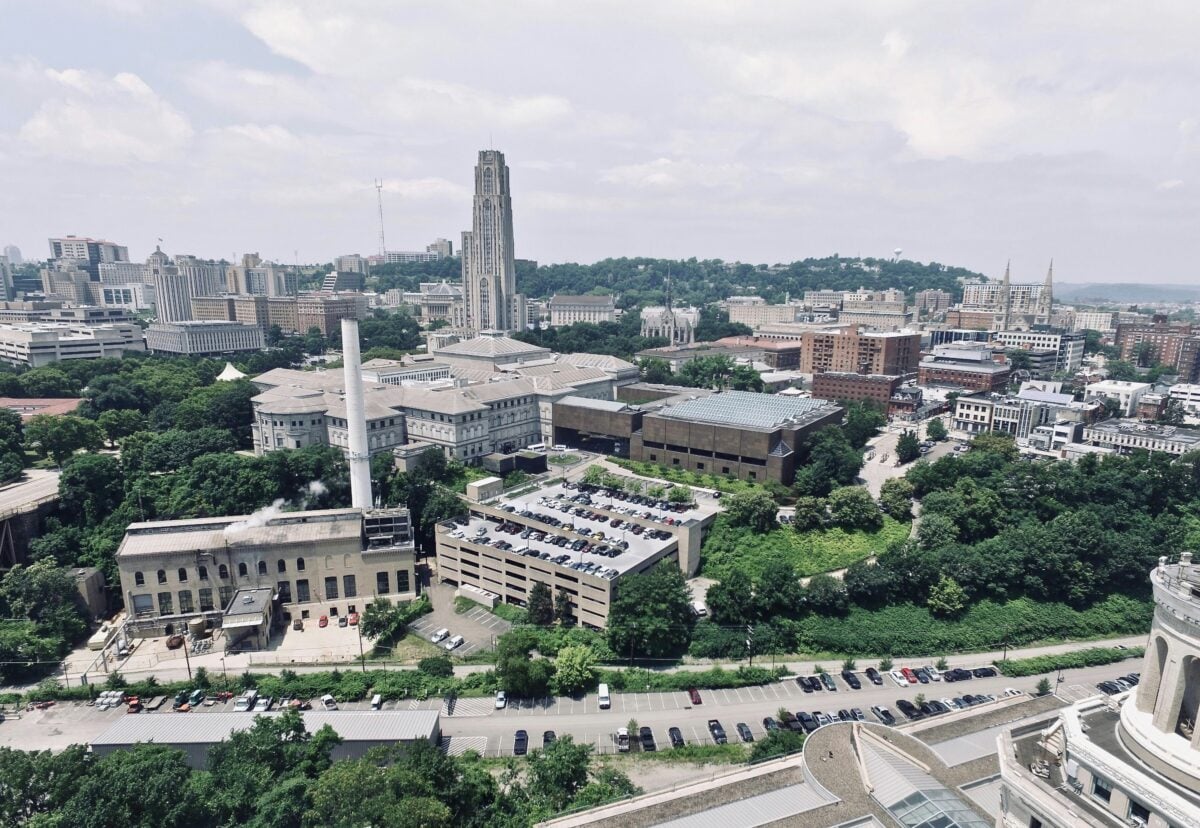
Three rivers meet and the land between them is nothing but hills. The city built bridges—446 of them—more than any other city in the world except Venice.
Neighborhoods sit on hilltops separated by steep valleys. You can see another part of the city across the valley but getting there means going down one hill and up another.
Some streets have public staircases instead of sidewalks. Others are so steep they’re closed in winter.
The terrain forced the city to build vertically when it ran out of river-level land. Now the hills are packed with houses that seem to defy gravity.
Lisbon, Portugal
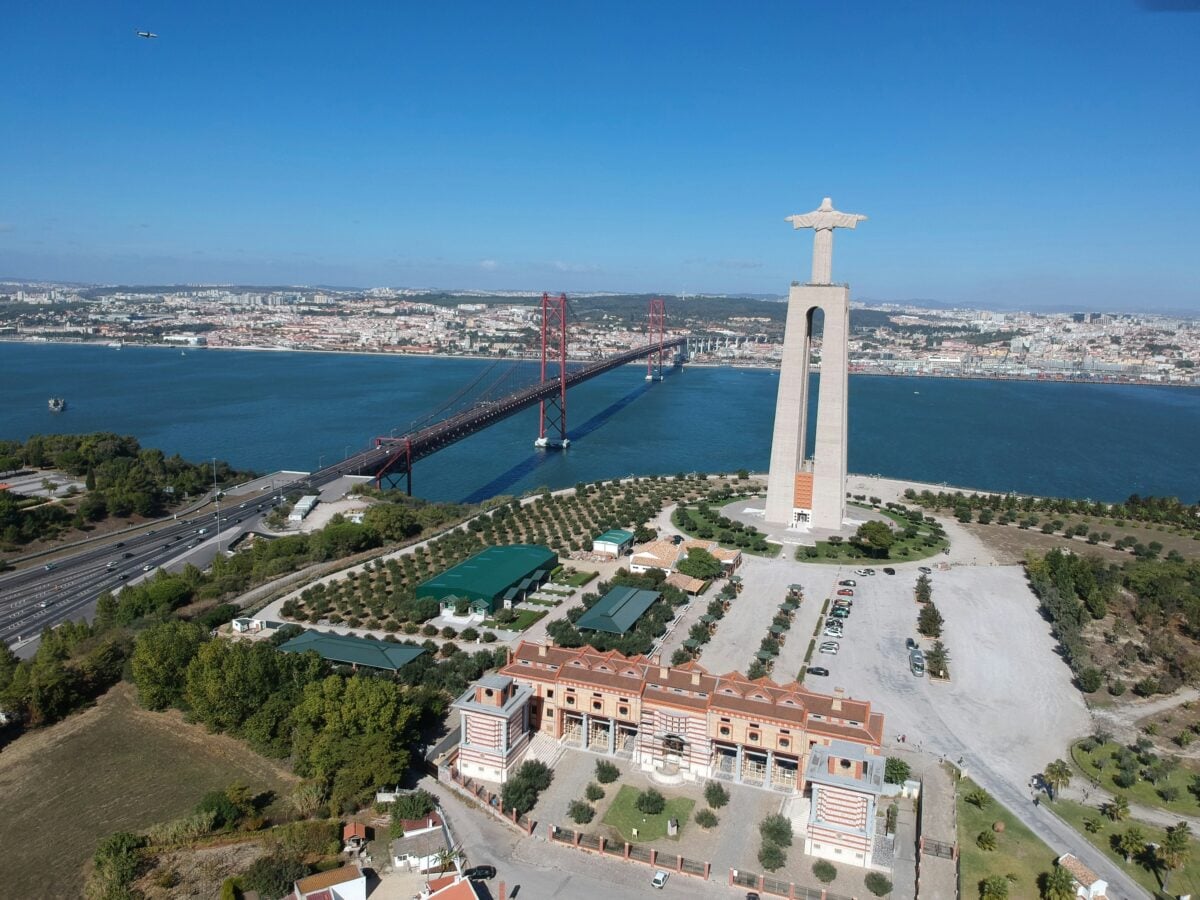
Seven hills, or so the traditional count goes. The actual number is higher.
The city spreads across steep slopes that make walking an aerobic activity. Trams climb hills at angles that look impossible.
The famous Tram 28 lurches up and down streets barely wider than the car itself. Elevators and funiculars are public transit because walking isn’t always practical.
Neighborhoods cascade down to the river. Buildings stack up hillsides in layers.
The view from the top is worth the climb, but you earn it.
Hong Kong
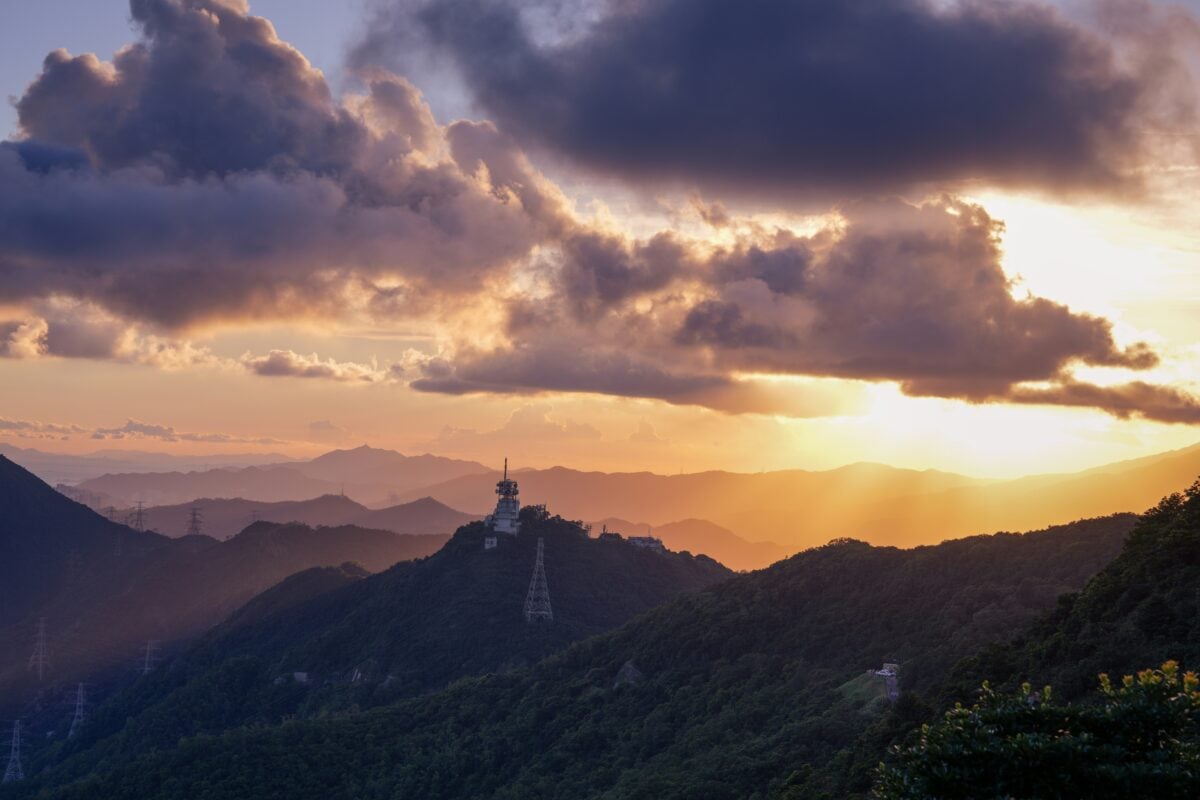
Mountains crowd the island and push the city into whatever space they leave. Victoria Peak rises nearly 2,000 feet above the harbor.
Buildings cling to slopes and squeeze into narrow valleys. The city built up because it couldn’t build out.
High-rises pack together with mountains as the backdrop. Some neighborhoods are accessible only by escalator or funicular.
The Mid-Levels escalator system is 800 meters long, the longest outdoor covered escalator system in the world. Hiking trails cut through the city because the mountains are too steep to develop fully.
You can walk from urban density into forest in minutes.
Valparaíso, Chile
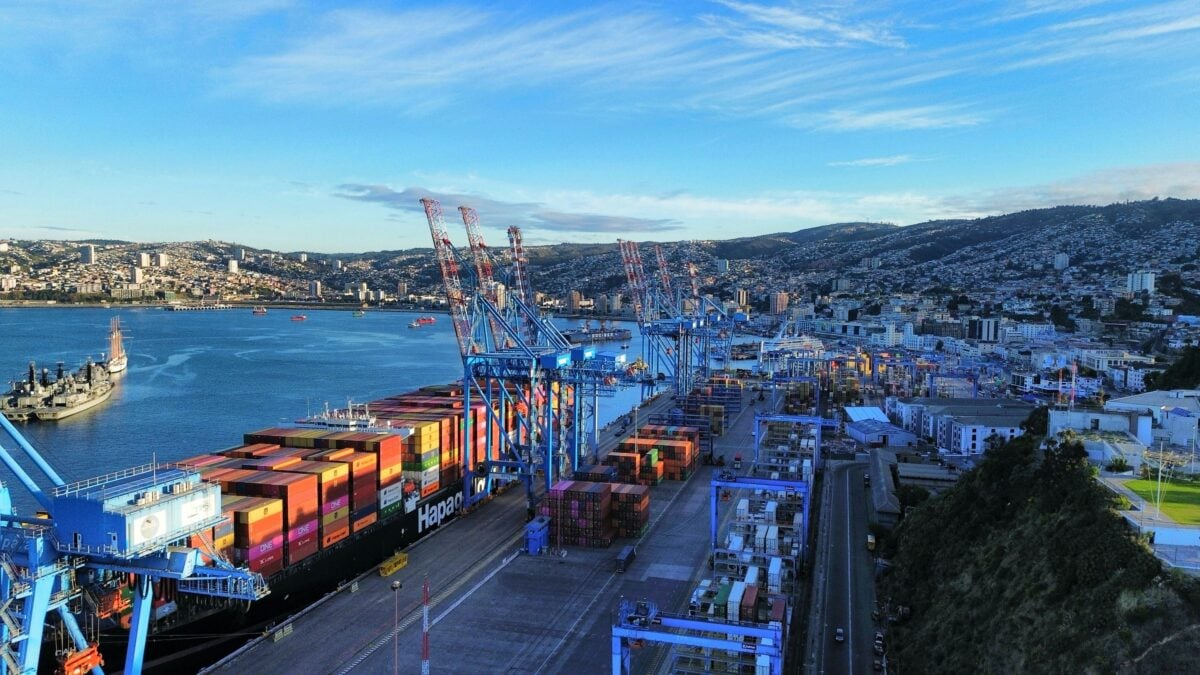
Forty-five hills overlooking the Pacific. The historic quarter sits on a narrow strip of flat land at sea level, then the city climbs straight up.
Funiculars carry people between the port and the neighborhoods above. Some have been running since the 1880s.
Streets wind up hills in patterns that make no sense on a map but work in practice. Houses paint themselves bright colors, making the hillsides look like patchwork.
The terrain is so steep that many houses are only accessible by stairs. Drive to the top and you still have to walk down flights of steps to reach your front door.
Wellington, New Zealand
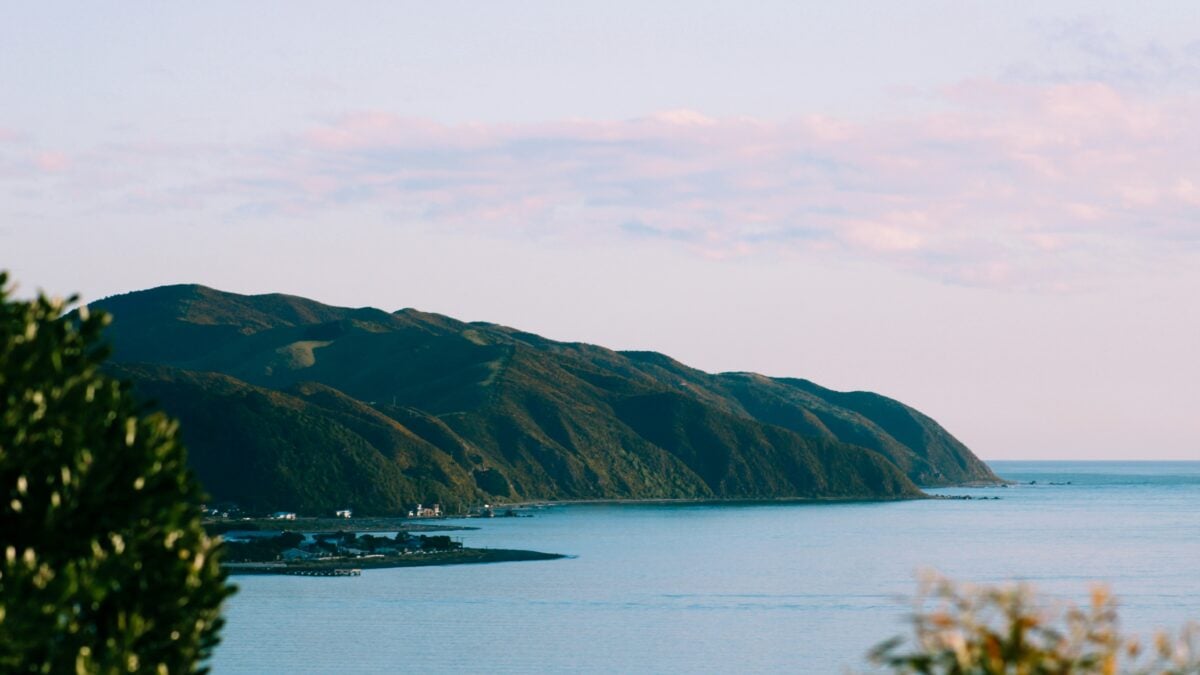
The city sits on hills surrounding a harbor. Wind screams through constantly because the hills funnel it.
The terrain rises sharply from the waterfront. Streets climb at grades that would fail inspection in flatter cities.
Some neighborhoods require driving up hills so steep your car struggles. Cable cars transport people from downtown to hillside suburbs.
Earthquakes are a constant threat here, and building on steep slopes in earthquake zones creates obvious problems. They build anyway because there’s nowhere else to go.
Medellín, Colombia
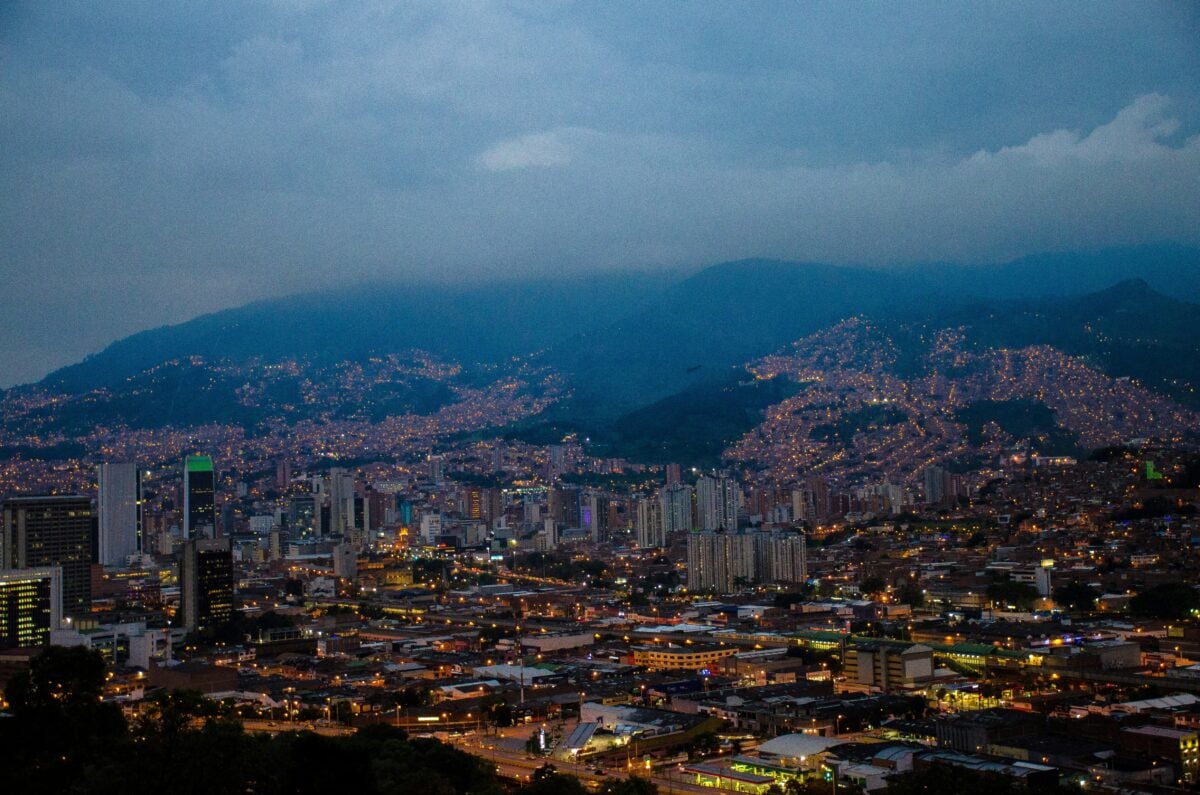
The city fills a narrow valley in the Andes with neighborhoods climbing the surrounding mountains. The main city sits on the valley floor, but most people live on the slopes.
Cable cars connect hillside neighborhoods to the metro system below. These aren’t tourist attractions—they’re how people get to work.
The system transformed access to communities that were previously cut off from the rest of the city. The valley is only about 6 miles wide.
The metropolitan area is home to nearly 4 million people. That density pushed development up mountainsides at aggressive angles.
Cape Town, South Africa
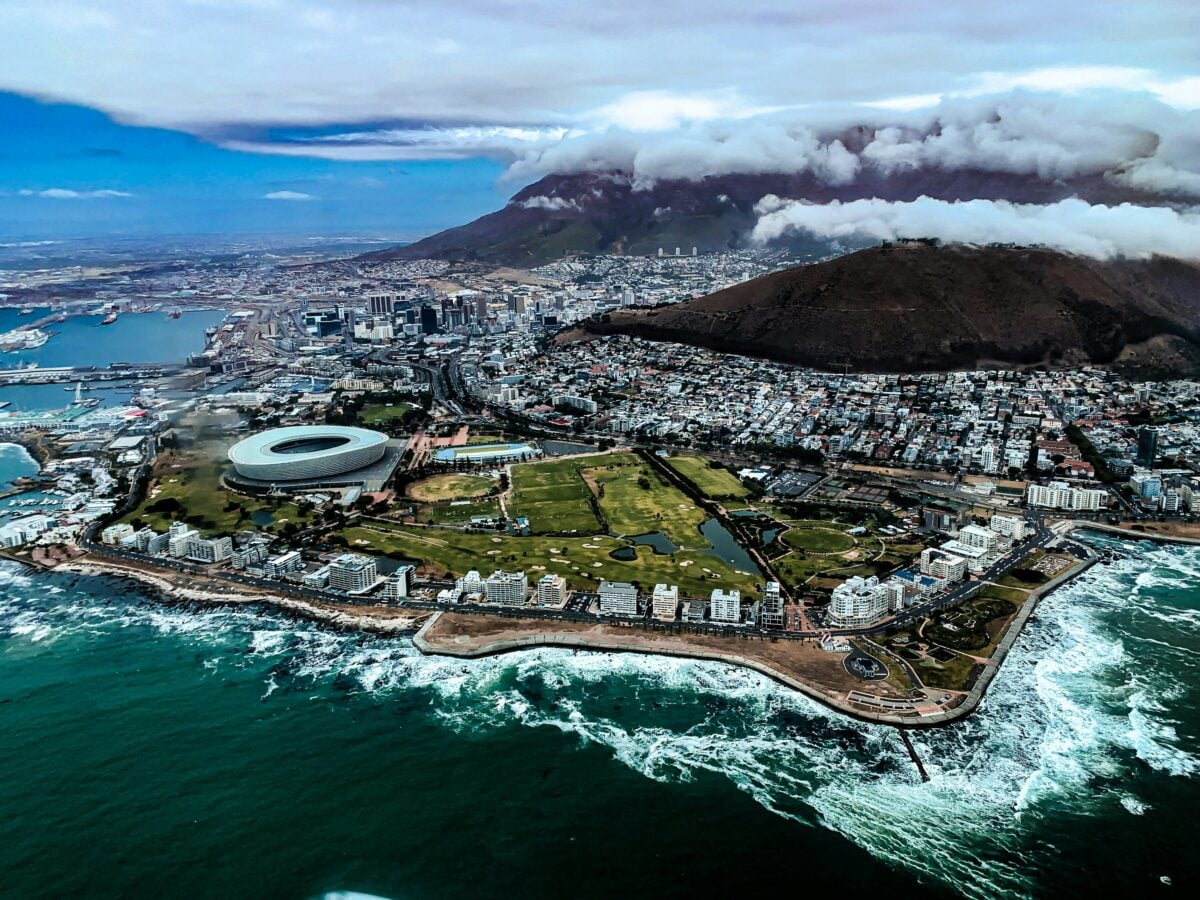
Table Mountain rises flat-topped behind the city like a wall. The city spreads around its base and climbs lower peaks nearby.
The mountain dominates everything. Roads wind up slopes and around the mountain’s flanks.
Signal Hill and Lion’s Head add more vertical terrain. The city adapts its layout to work around topography it can’t change.
The cable car to the top of Table Mountain carries tourists, but locals live with the mountain every day. It creates weather patterns, blocks routes, and defines the city’s shape.
Shimla, India
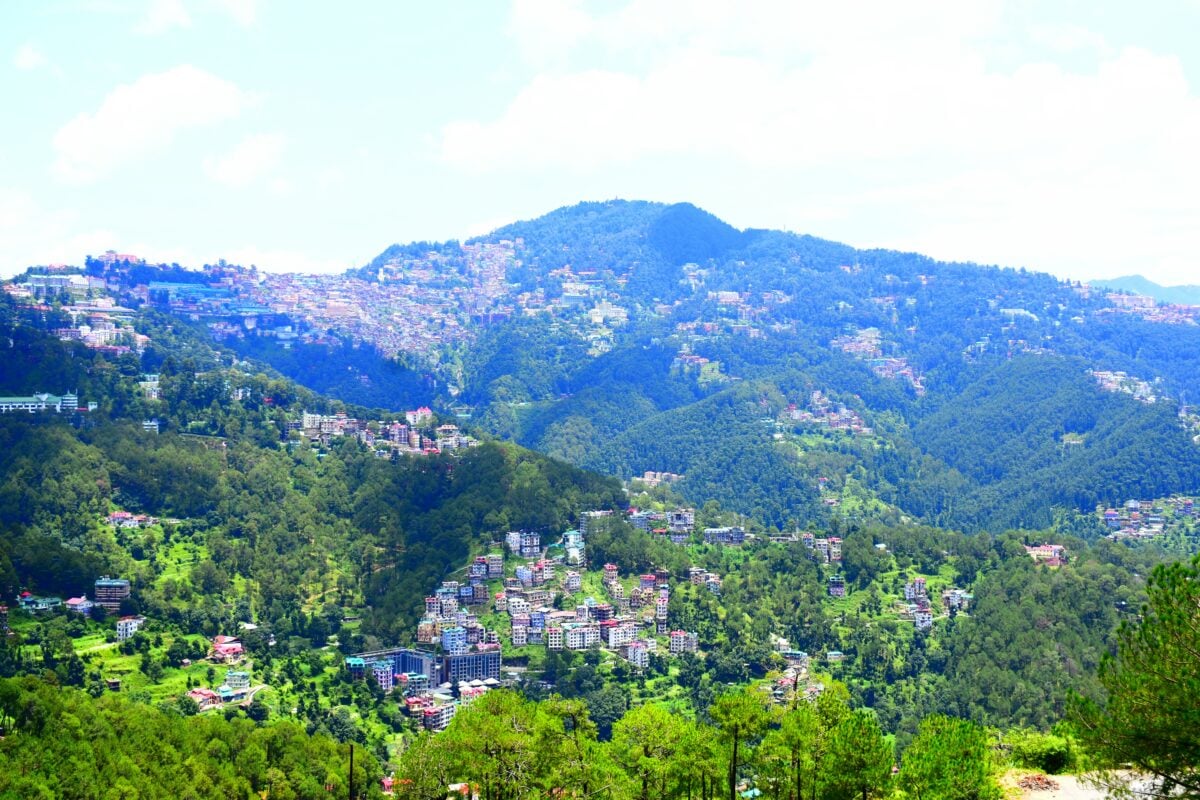
This hill station in the Himalayas sits at 7,200 feet elevation on steep ridges. The British built it as a summer capital to escape the heat of the plains.
The terrain is relentlessly vertical. The main street follows a ridge line.
Buildings cascade down slopes on either side. Many areas are accessible only by foot because the paths are too narrow and steep for vehicles.
The city expanded beyond its original footprint and now sprawls across multiple ridges and valleys. Getting from one neighborhood to another often means descending into a valley and climbing back up the other side.
Guanajuato, Mexico
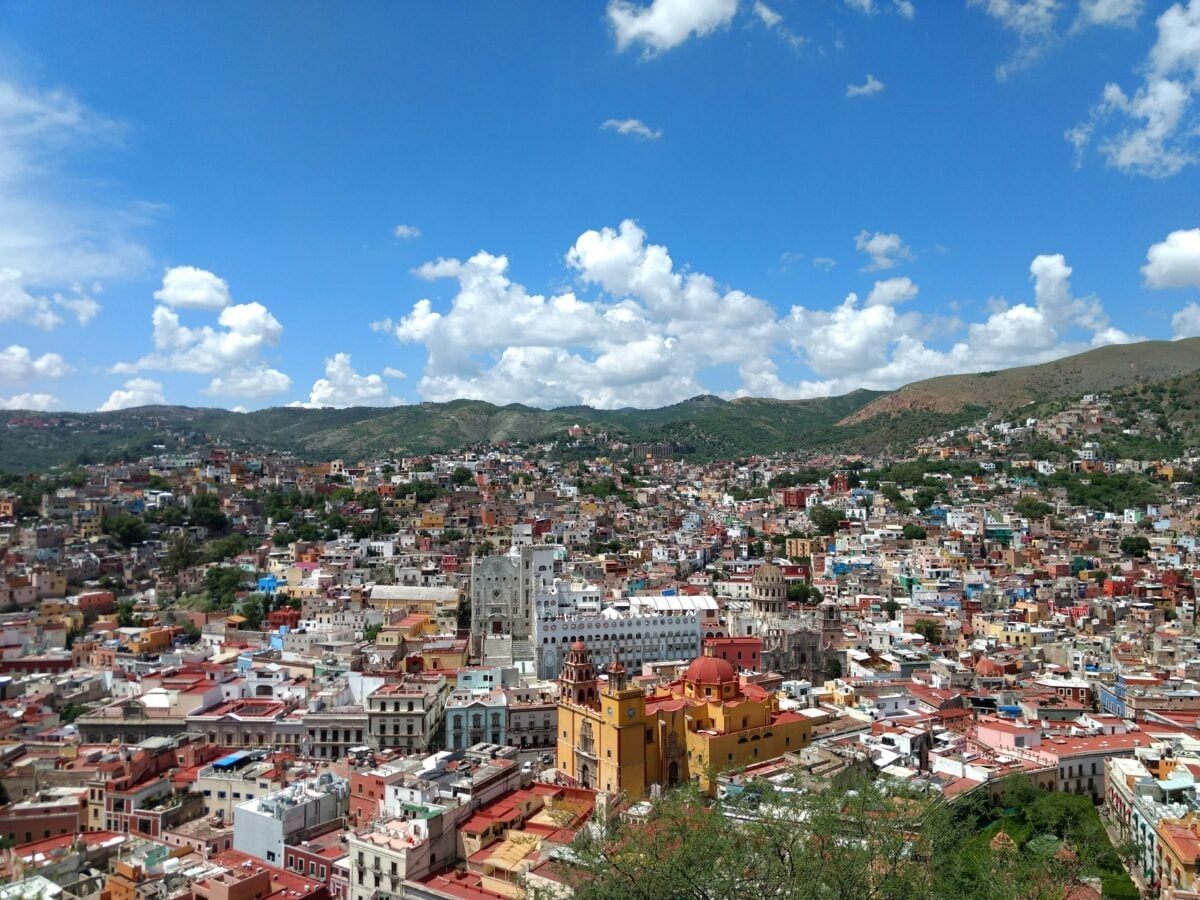
This colonial city sits in a narrow valley surrounded by mountains. The streets wind through tunnels and follow the terrain in ways that confuse GPS systems.
An underground road network runs beneath the city, originally built as flood channels but now carrying traffic.
Above ground, streets climb hills at severe angles and dead-end into staircases. Buildings stack up hillsides in layers of balconies and terraces.
The city looks like it was carved into the mountains rather than built on top of them. The topography created a three-dimensional maze of a city center.
Aden, Yemen
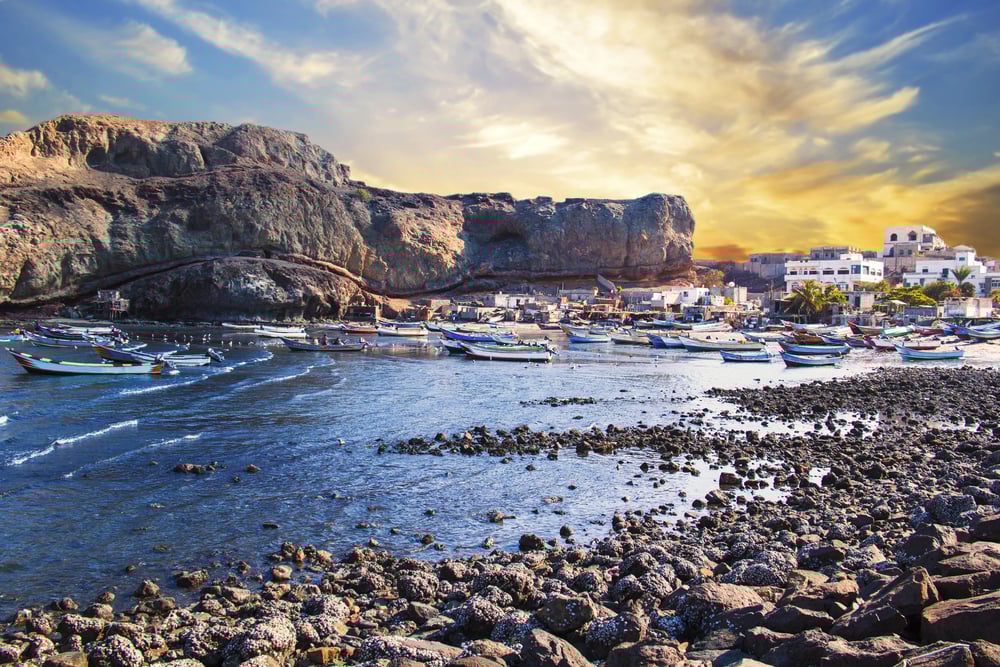
This port city sits in the crater of an extinct volcano. Mountains surround the harbor on all sides.
The city built into the volcanic rock and up the crater walls. The terrain limited expansion for centuries.
When the city grew, it had nowhere to go but up the volcanic slopes. The landscape is harsh and dry, with rock dominating the scenery.
Natural harbors are rare on this coastline, so Aden developed where the geography allowed it despite the difficult terrain everywhere else.
Where Flat Seems Like a Luxury
Cities on flat land take their ease for granted. Roads run straight.
Buildings sit level. Walking to the store doesn’t require planning for altitude gain.
These cities with rugged terrain had no such luxury. They built where the land allowed and adapted everything else to fit.
The result is places that feel different from ground level because the ground is never level. Living in these cities means accepting that geography dictates daily life.
Your commute includes elevation change. Your walk to the bus stop might include stairs.
The route to anywhere involves accounting for terrain. But the terrain also created cities that feel distinct.
The views exist because you’re up high. The neighborhoods stay separate because hills divide them.
The character of these places comes partly from the land they sit on. Flat is easier.
Flat is more efficient. But flat doesn’t create cities that look like Rio or Valparaíso.
The challenge of building on mountains and hillsides produced urban landscapes that couldn’t exist anywhere else.
More from Go2Tutors!

- The Romanov Crown Jewels and Their Tragic Fate
- 13 Historical Mysteries That Science Still Can’t Solve
- Famous Hoaxes That Fooled the World for Years
- 15 Child Stars with Tragic Adult Lives
- 16 Famous Jewelry Pieces in History
Like Go2Tutors’s content? Follow us on MSN.