15 Facts About Christmas Markets That Amaze Visitors
Apart from the chill, there’s warmth in how people drift through the square. Cinnamon curls around corners, mixed with smoke from chestnut pans.
Light spills from tiny bulbs strung above low rooftops. Conversations rise without purpose, held up by steam rising off drinks.
For hundreds of years, crowds have wandered these markets – still, few grasp the tales hiding beneath. Deeper than spiced drinks, old customs linger.
They Started in Germany Over 600 Years Ago
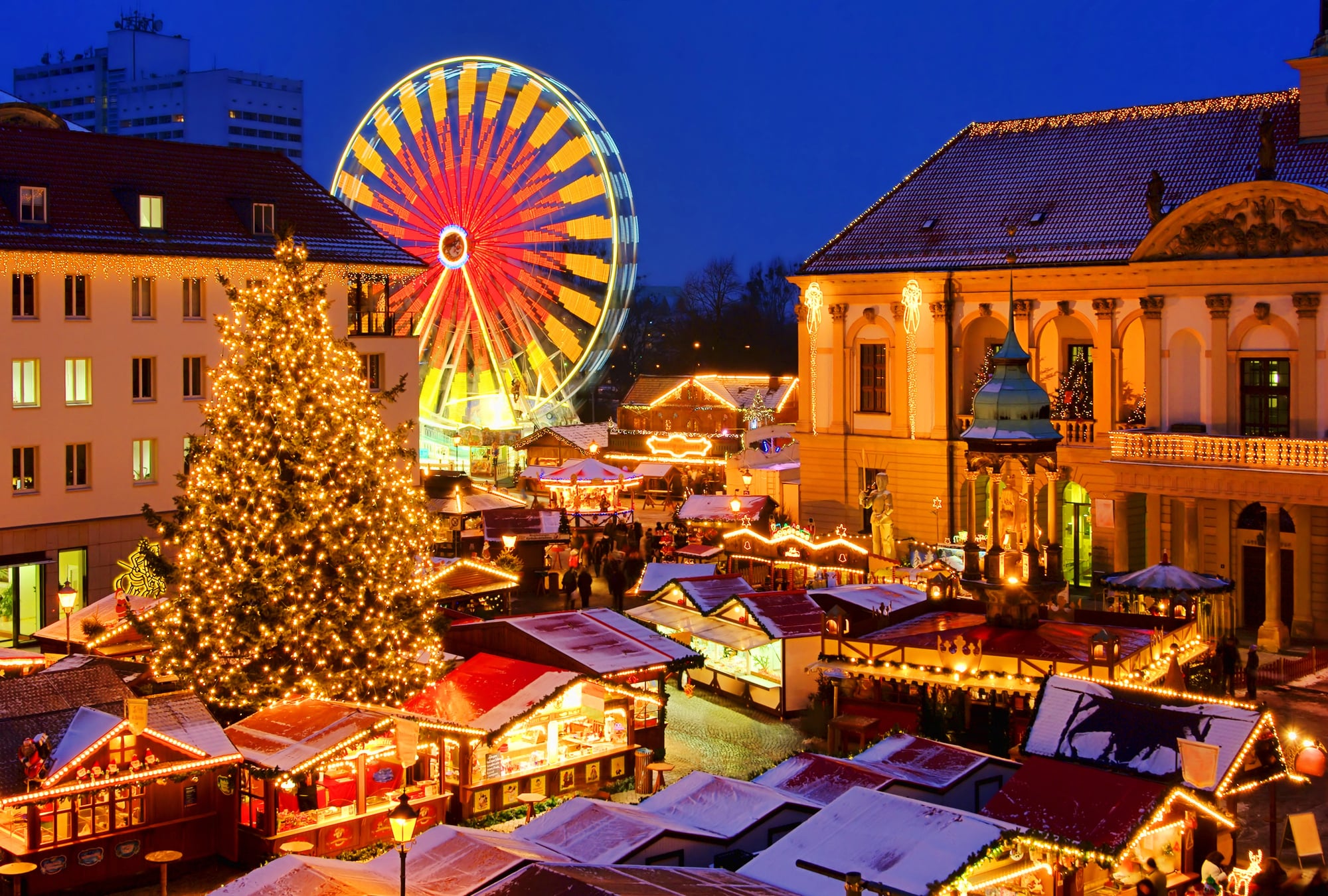
The oldest documented Christmas market dates back to 1434 in Dresden, Germany. Called the Striezelmarkt, it began as a one-day meat market held on the Monday before Christmas.
Vienna and Munich also claim early origins, with records from the mid-1400s. The concept spread slowly at first, staying mostly within German-speaking regions for centuries before the rest of Europe caught on.
The Nuremberg Christkindlesmarkt Sets the Standard
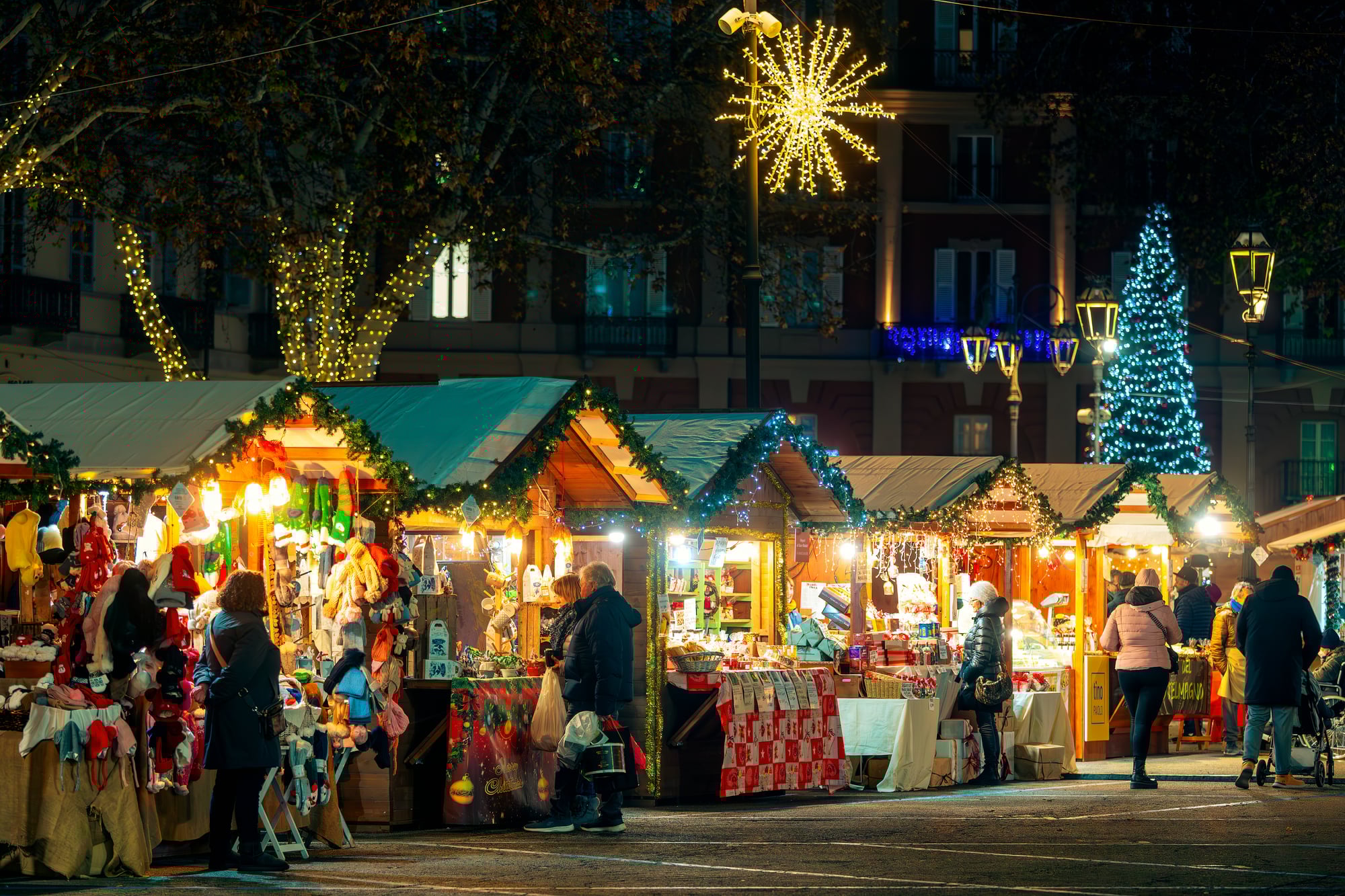
When people picture a traditional Christmas market, they’re usually imagining Nuremberg. This market dates back to the early 17th century, with the first documented evidence from 1628, and draws about two million visitors each year.
Every stall must sell traditional goods—no mass-produced plastic items allowed. The market opens each year with a ceremony where a local girl, dressed as the Christkind angel, reads a prologue from the balcony of the Church of Our Lady.
Glühwein Has Medieval Roots
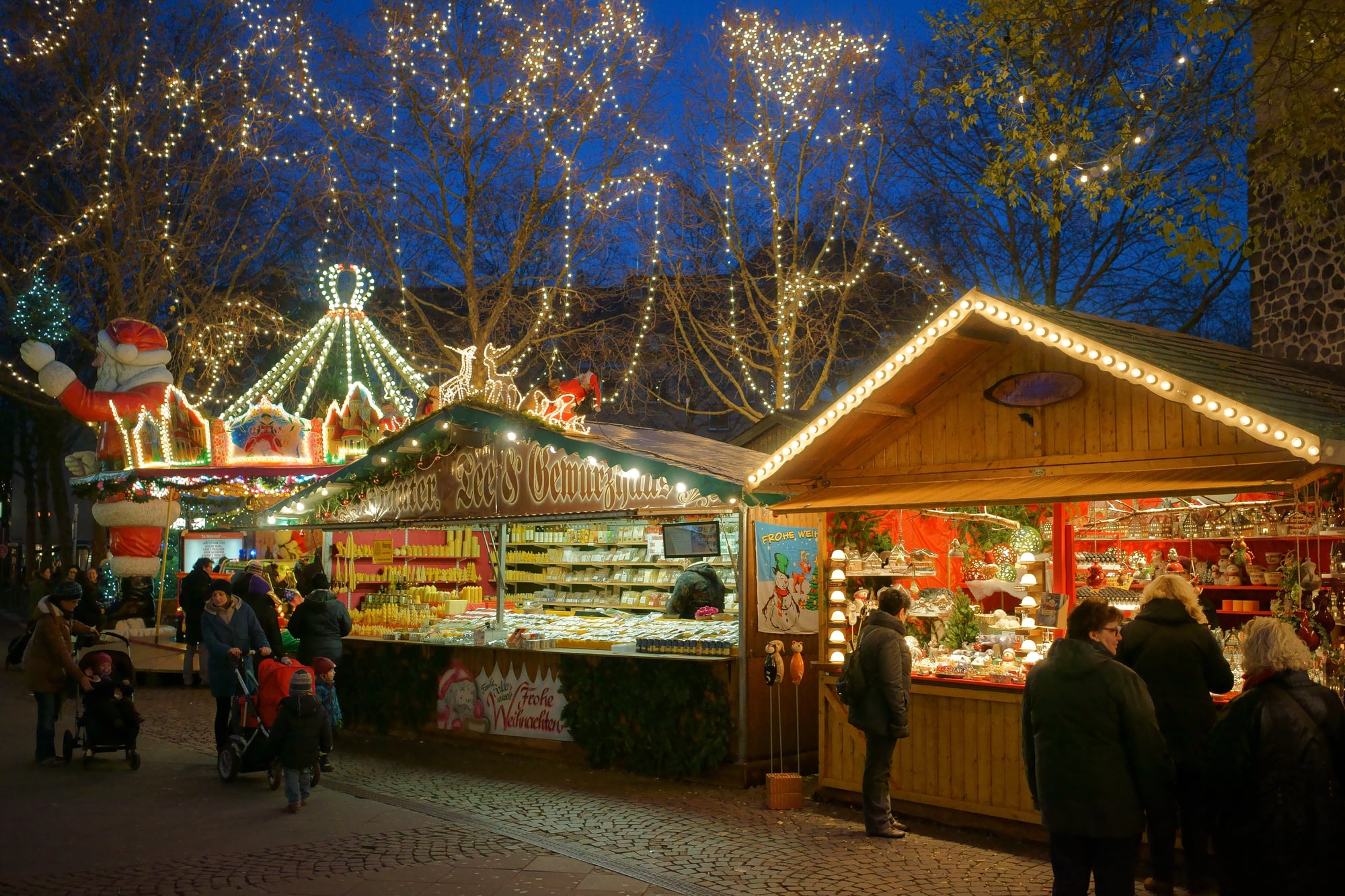
That warm spiced wine you sip while browsing isn’t just cozy—it’s ancient. Recipes for heated wine with spices appear in Roman texts, and the practice continued through medieval Europe as a way to make rough wine more palatable.
German glühwein typically includes cinnamon, cloves, star anise, citrus peel, and sugar. Each region has its own variation. And yes, the mug often costs extra because vendors expect you to keep it as a souvenir.
The Stalls Follow Strict Design Rules
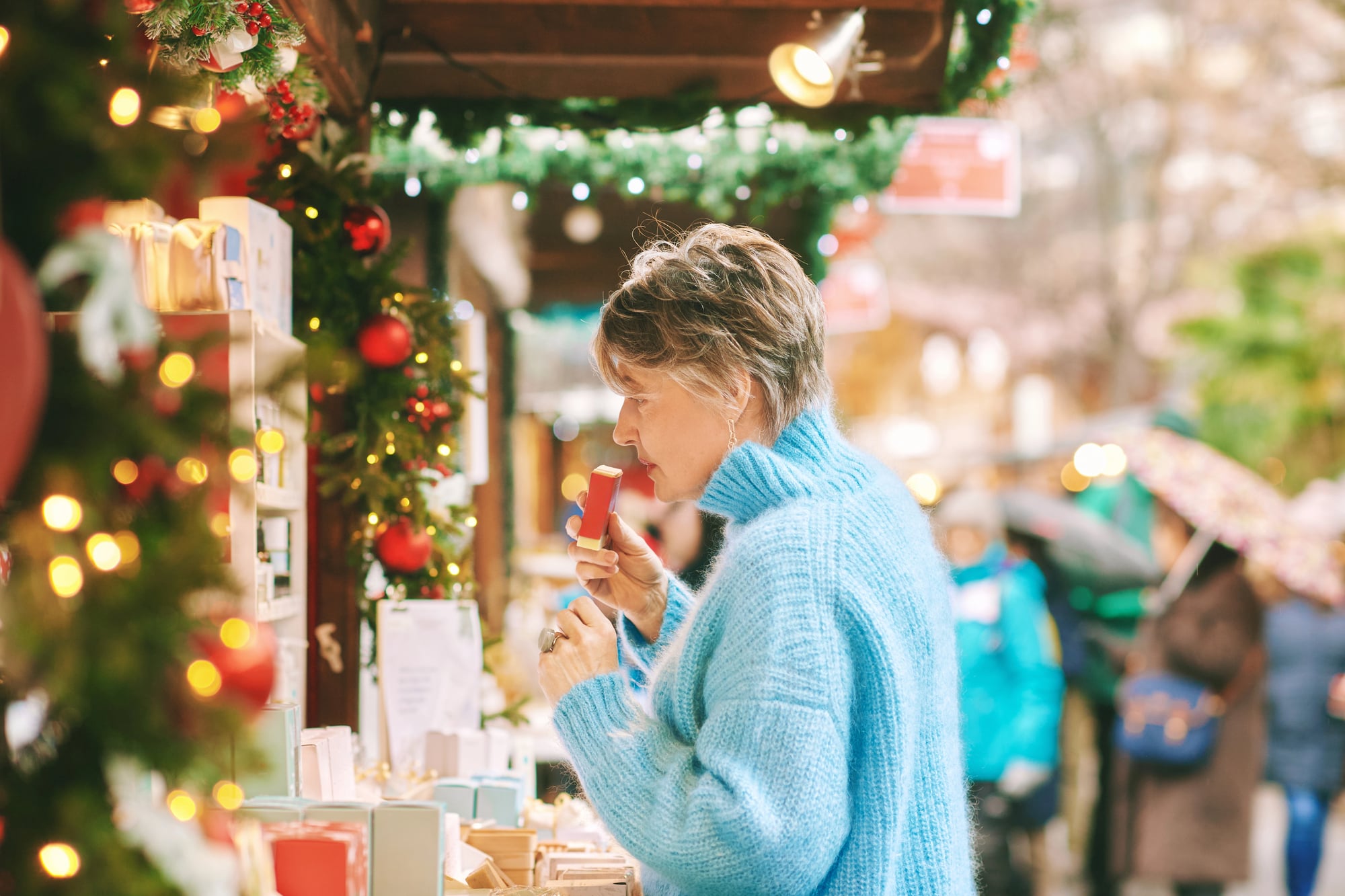
At many traditional markets, vendors can’t just set up any structure they want. Market organizers provide standardized wooden huts to maintain a cohesive look.
In some German cities, these stalls must be hand-painted and decorated according to specific guidelines. The uniformity creates that fairy-tale atmosphere, but it also means months of preparation before the market opens.
Advent Calendars Emerged from the Same Tradition
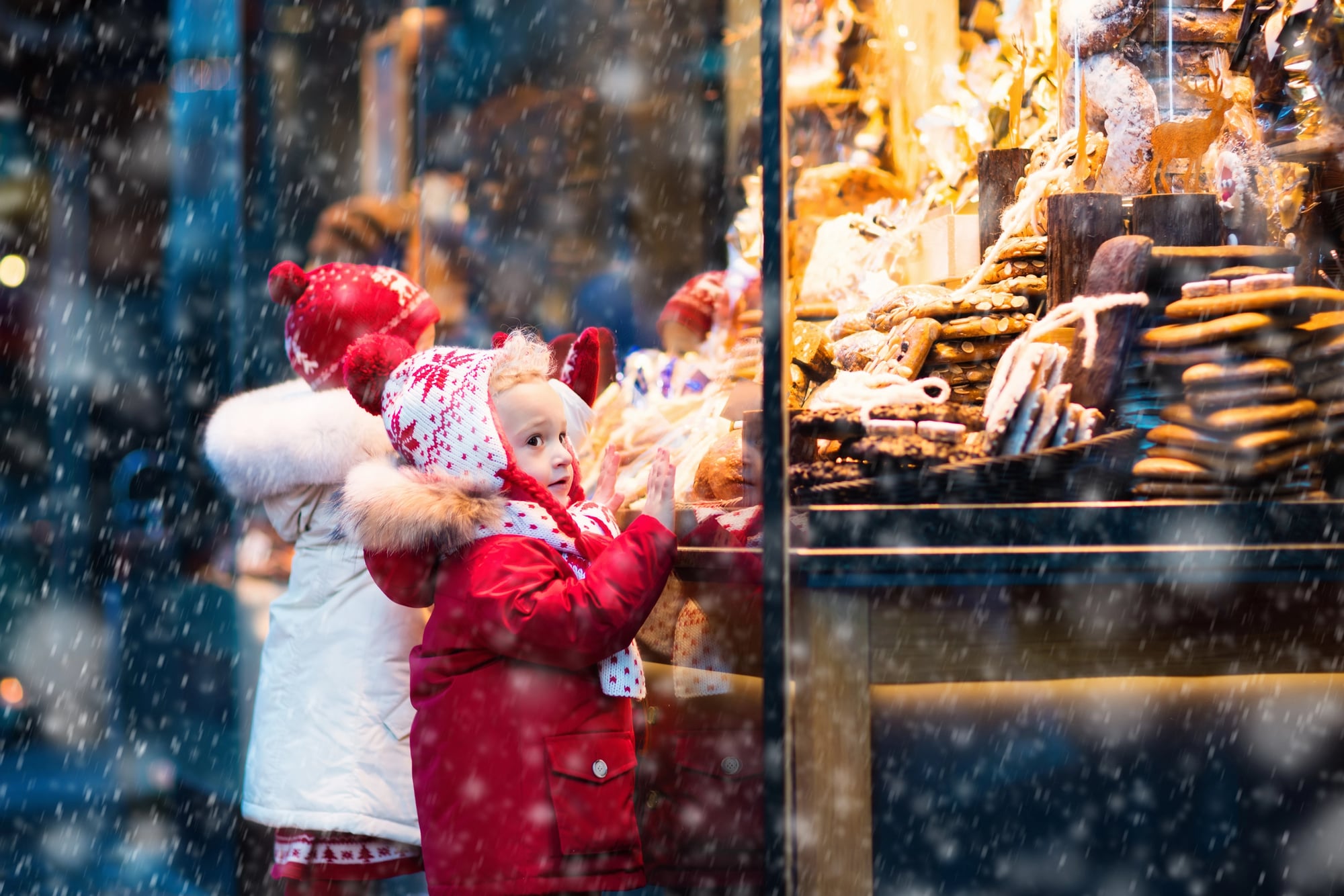
The connection makes sense once you think about it. German Protestant families in the 1800s began marking the days before Christmas with chalk lines on doors or by lighting candles.
The first printed advent calendar appeared around 1902. The tradition grew alongside Christmas markets, both feeding into that month-long buildup of anticipation that defines the German approach to the holiday season.
Some Markets Specialize in Unusual Themes
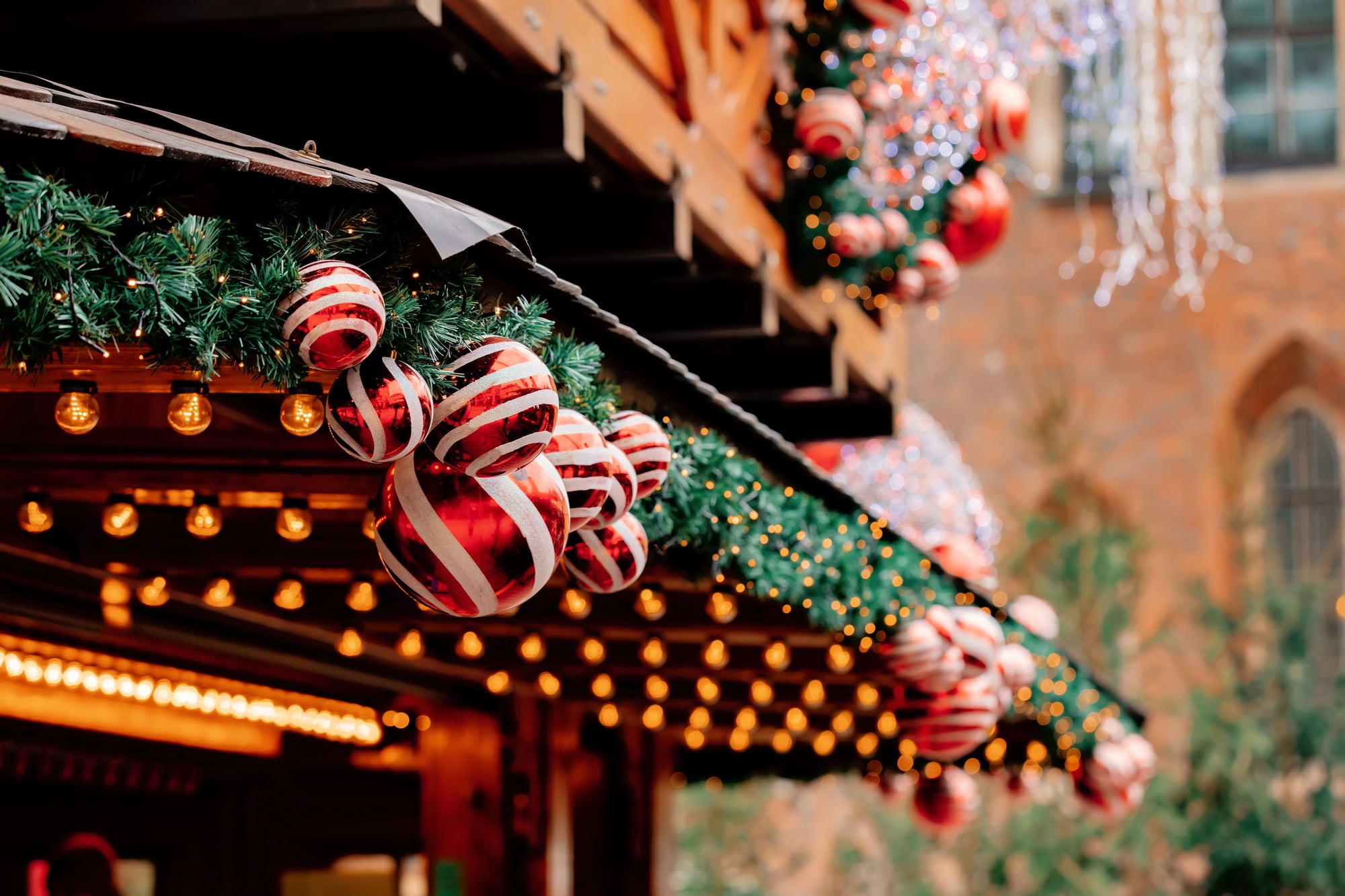
Not every Christmas market sticks to the classic formula. Copenhagen’s Tivoli Gardens transforms into a holiday wonderland with its own amusement park rides.
Zurich hosts a market inside the main train station beneath Europe’s largest indoor Christmas tree, covered in thousands of Swarovski crystals. Brussels sets up a market with an ice-skating rink and light show. Edinburgh combines Scottish traditions with German imports, resulting in haggis alongside bratwurst.
The Food Goes Far Beyond Bratwurst
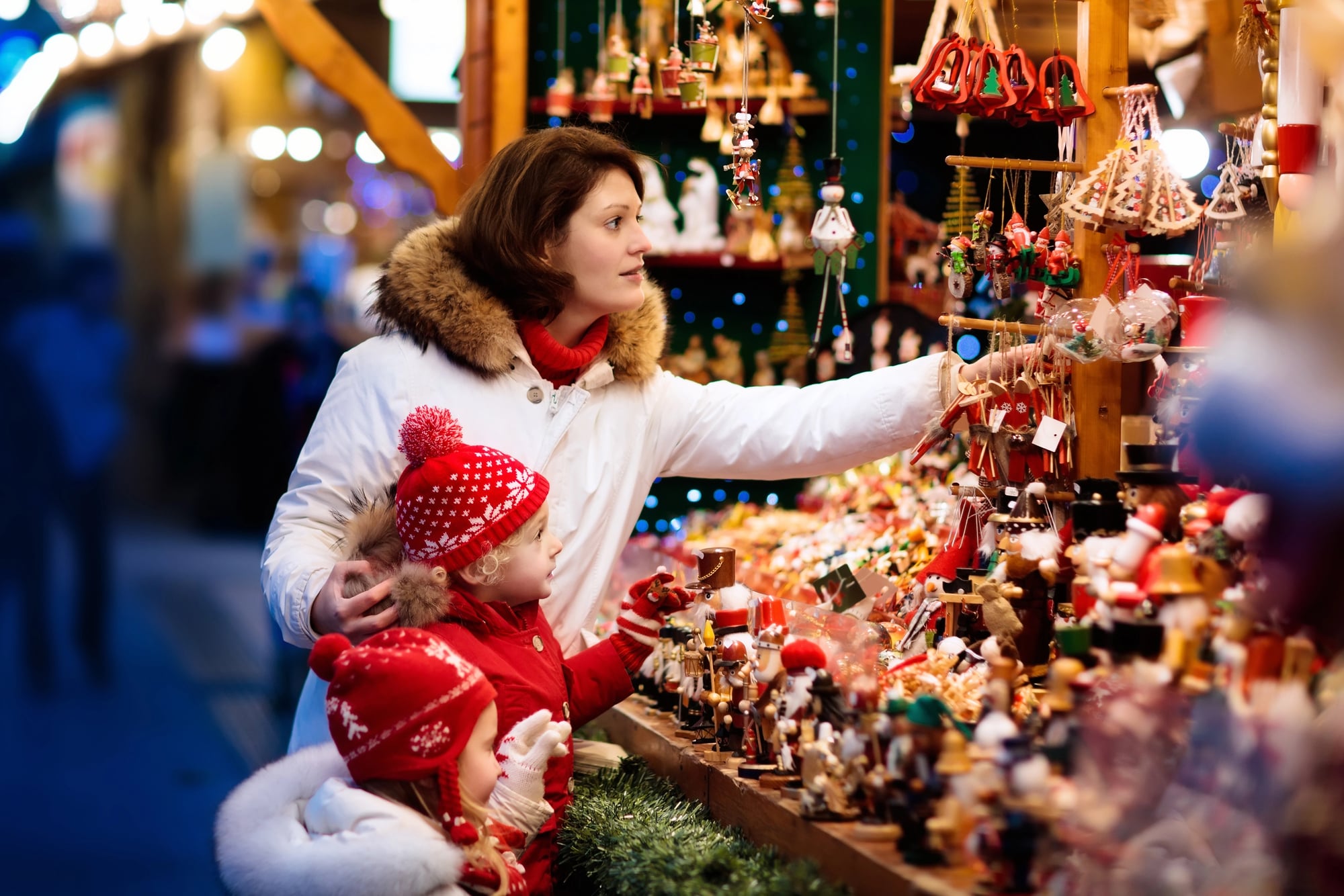
Yes, German sausages dominate many markets. But the food traditions vary wildly depending on location.
Prague offers trdelník, a spiral pastry cooked over an open flame and coated in cinnamon sugar. Vienna serves kartoffelpuffer, crispy potato pancakes.
Strasbourg, straddling the French-German border, brings foie gras and pretzels to the same table. Markets in Budapest feature chimney cakes filled with Nutella or ice cream, despite the freezing temperatures.
They Generate Billions in Economic Activity
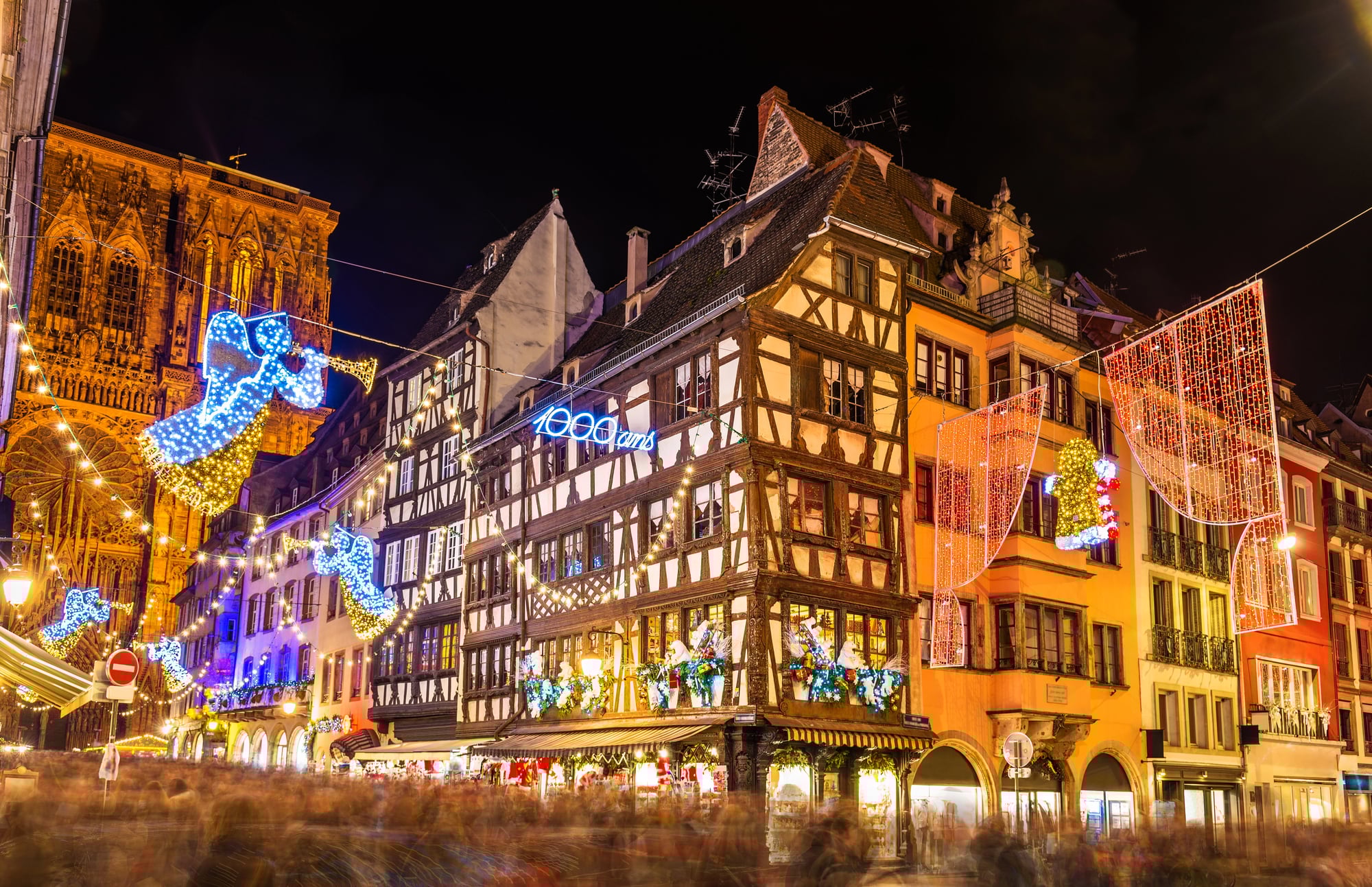
Christmas markets aren’t just quaint traditions—they’re serious business. Germany alone hosts between 2,500 and 3,000 markets each year, generating an estimated 4 billion euros in direct revenue during the season.
Cologne’s series of markets draws roughly four million visitors. Birmingham’s Frankfurt Christmas Market, the largest authentic German Christmas market outside of Germany or Austria, contributes hundreds of millions of pounds to the local economy. Hotels fill up months in advance in cities known for their markets.
The Decorations Often Have Religious Origins
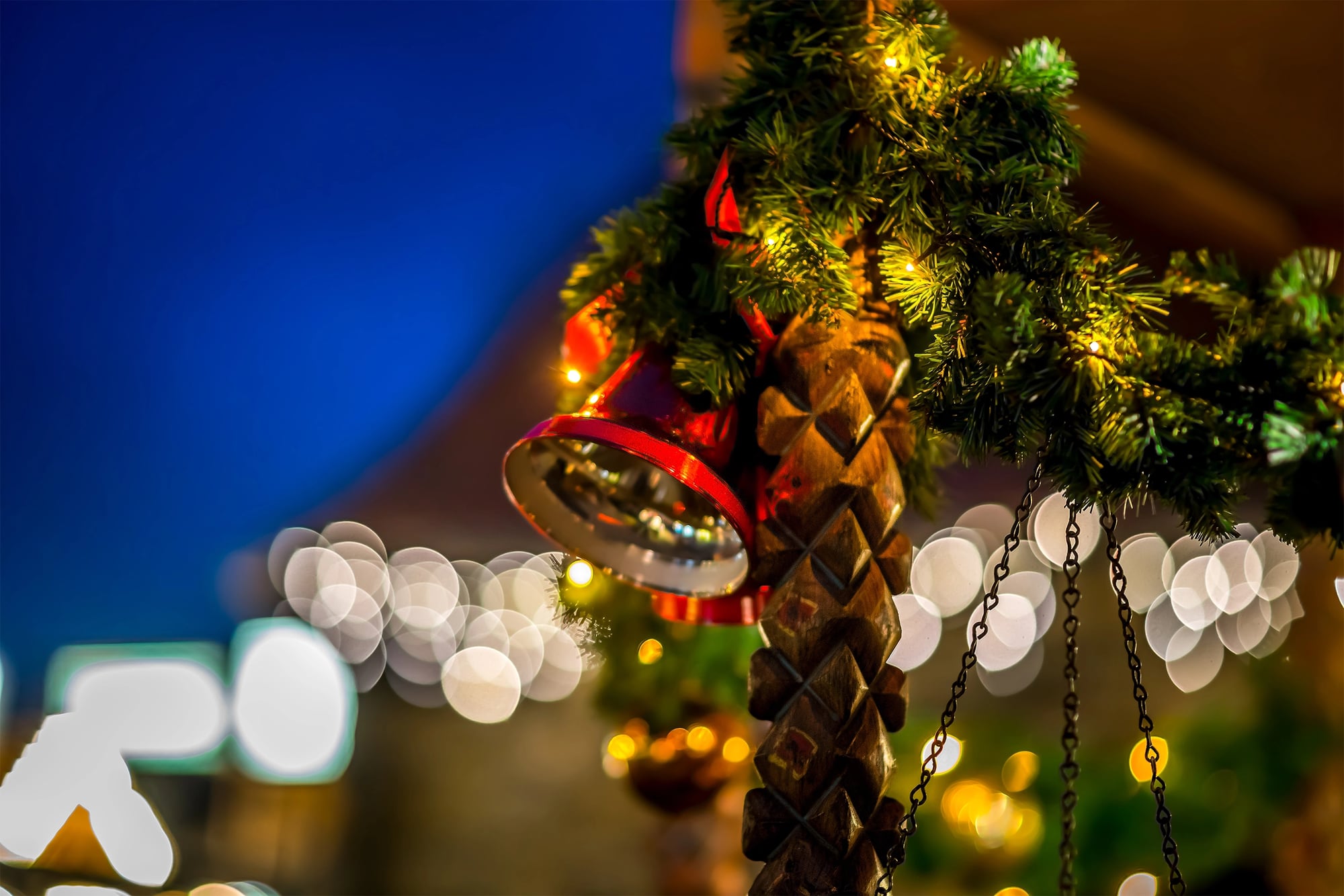
Those wooden nutcrackers, incense-burning figurines, and carved nativity scenes come from the Erzgebirge mountain region of eastern Germany. Mining communities there developed intricate woodworking traditions during long winters when they couldn’t work the mines.
The iconic pyramids with spinning tiers powered by candle heat originated here too. Many of these crafts date back 300 years or more, passed down through families of artisans.
Some Markets Run for Just a Few Days
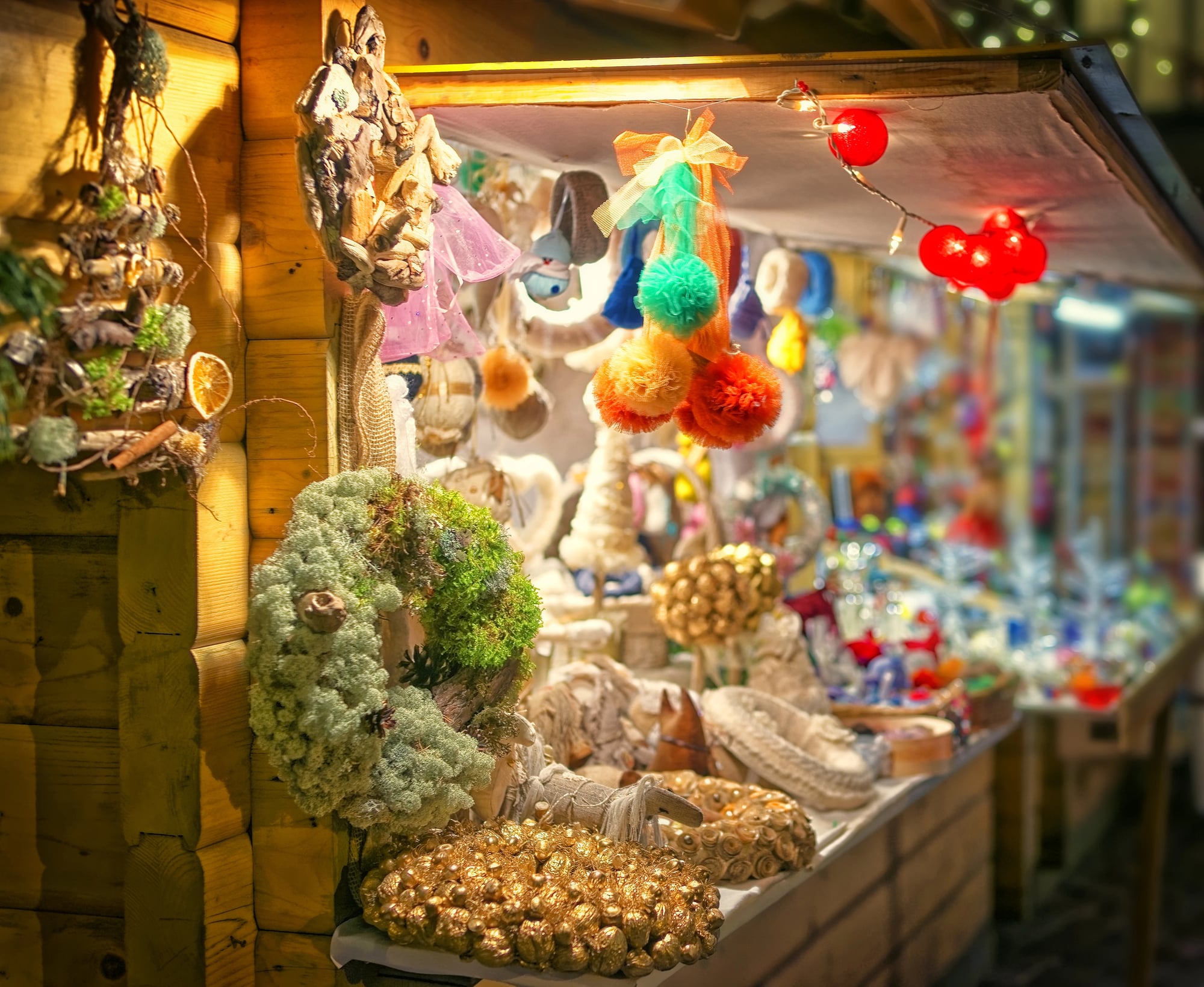
While the big markets in Cologne or Strasbourg operate from late November through late December, plenty of smaller markets pop up for only a weekend or two. Village markets in Bavaria might last three days.
Pop-up markets in London neighborhoods come and go quickly. This scarcity makes certain markets feel more special—you either catch them or wait another year.
The Christmas Pickle Tradition Probably Isn’t German
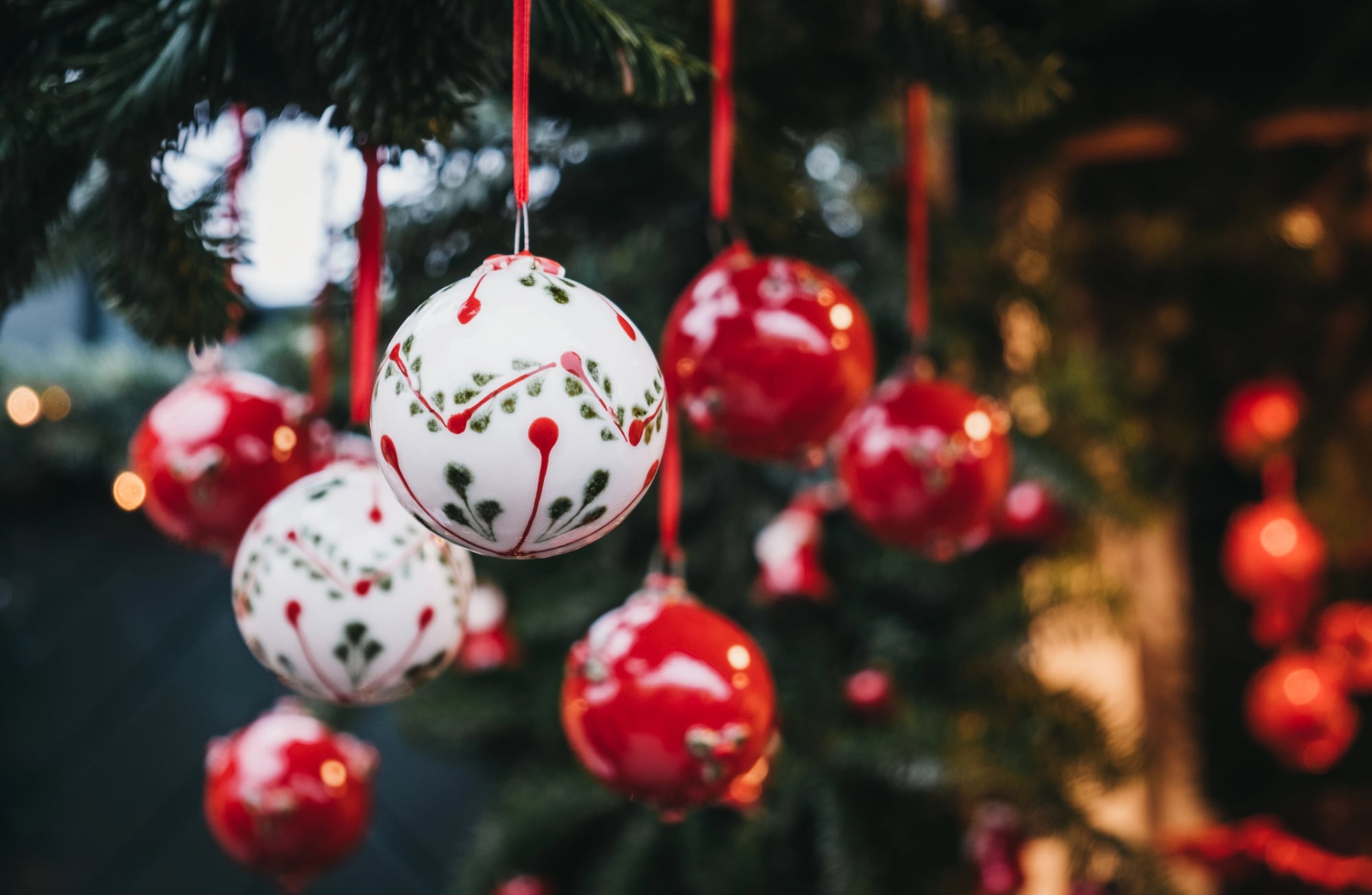
You’ve likely heard the story: German families hide a glass pickle ornament in the Christmas tree, and whoever finds it gets an extra present. The thing is, Germans don’t really do this.
A 2016 survey found that 91% of Germans had never even heard of the tradition. It appears to have originated in the United States, possibly as a marketing gimmick by ornament sellers in the 1890s when Woolworth’s was importing glass decorations from Germany. The pickle ornament wasn’t selling well, so someone invented a story about it being an old German custom. Now the tradition has actually been exported back to Germany, where some shops sell pickle ornaments as a quirky American import.
Mulled Wine Cups Have Become Collector’s Items
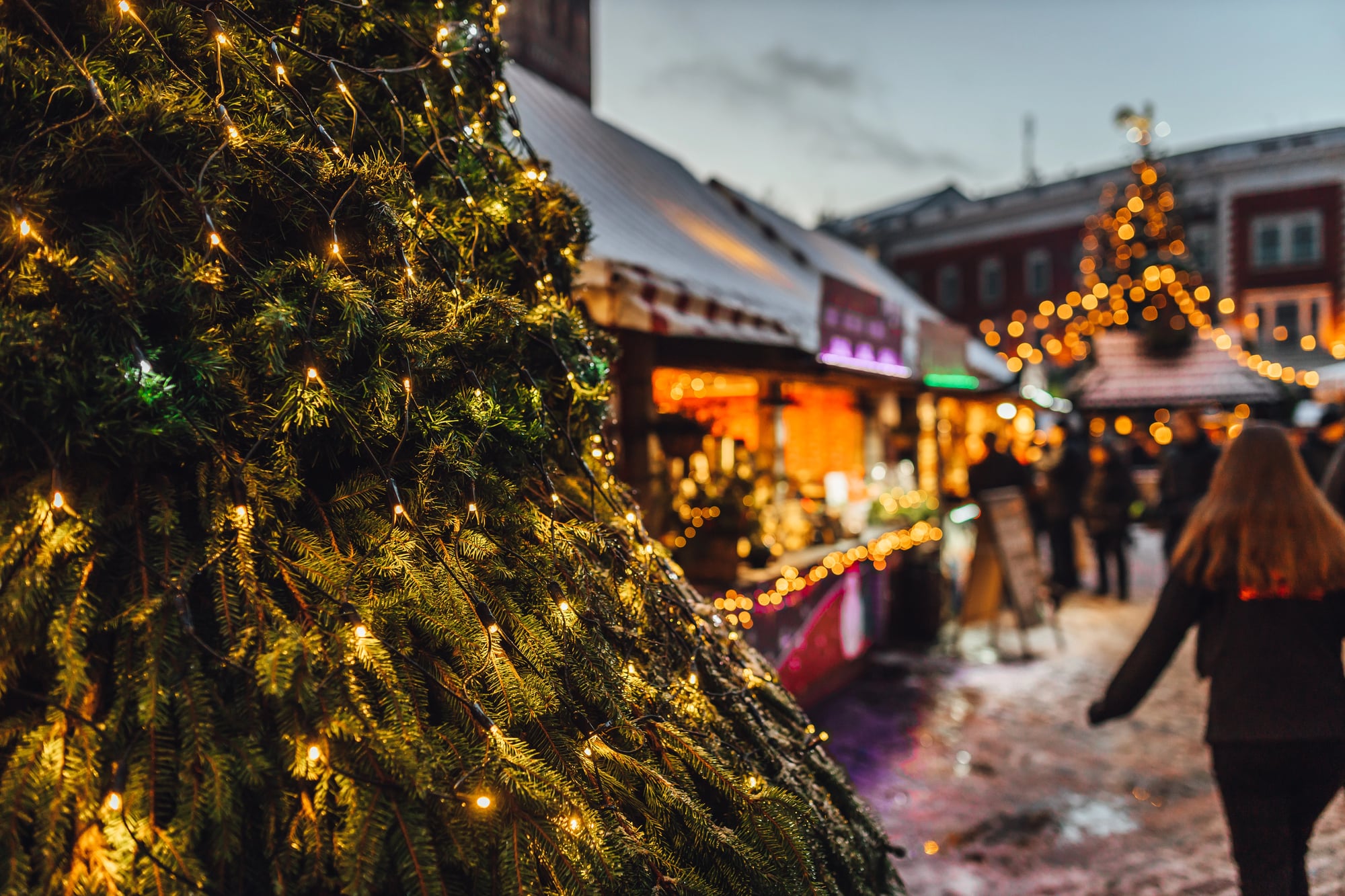
Those ceramic mugs with each year’s date and market logo aren’t just practical. Some people travel to multiple markets each season specifically to collect them.
The tradition of paying a deposit for the cup started as a way to reduce waste, but it backfired beautifully. Now the cups function as affordable souvenirs that people display at home.
Rare cups from smaller markets or unusual years can sell for surprising amounts online.
Markets in Warmer Climates Require Some Creativity
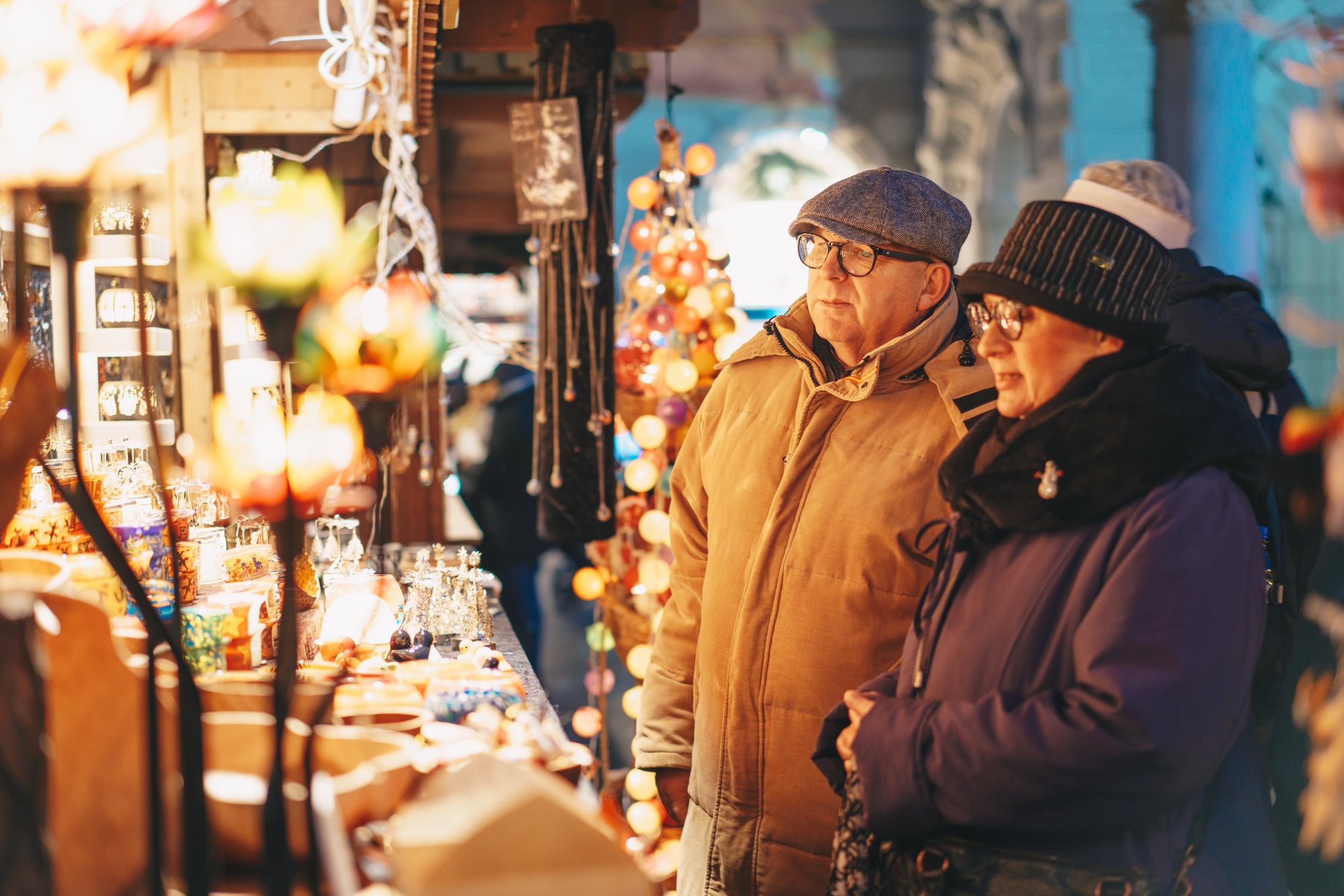
Christmas markets have spread far beyond their cold-weather origins. Sydney’s market happens in summer, meaning shorts and tank tops rather than wool coats.
Singapore creates artificial snow and refrigerated ice-skating rinks. Mexico City embraces the tradition despite temperatures that make hot mulled wine feel absurd.
These adaptations prove the concept works beyond its original context, even if something gets lost without the authentic chill.
Security Measures Changed After 2016
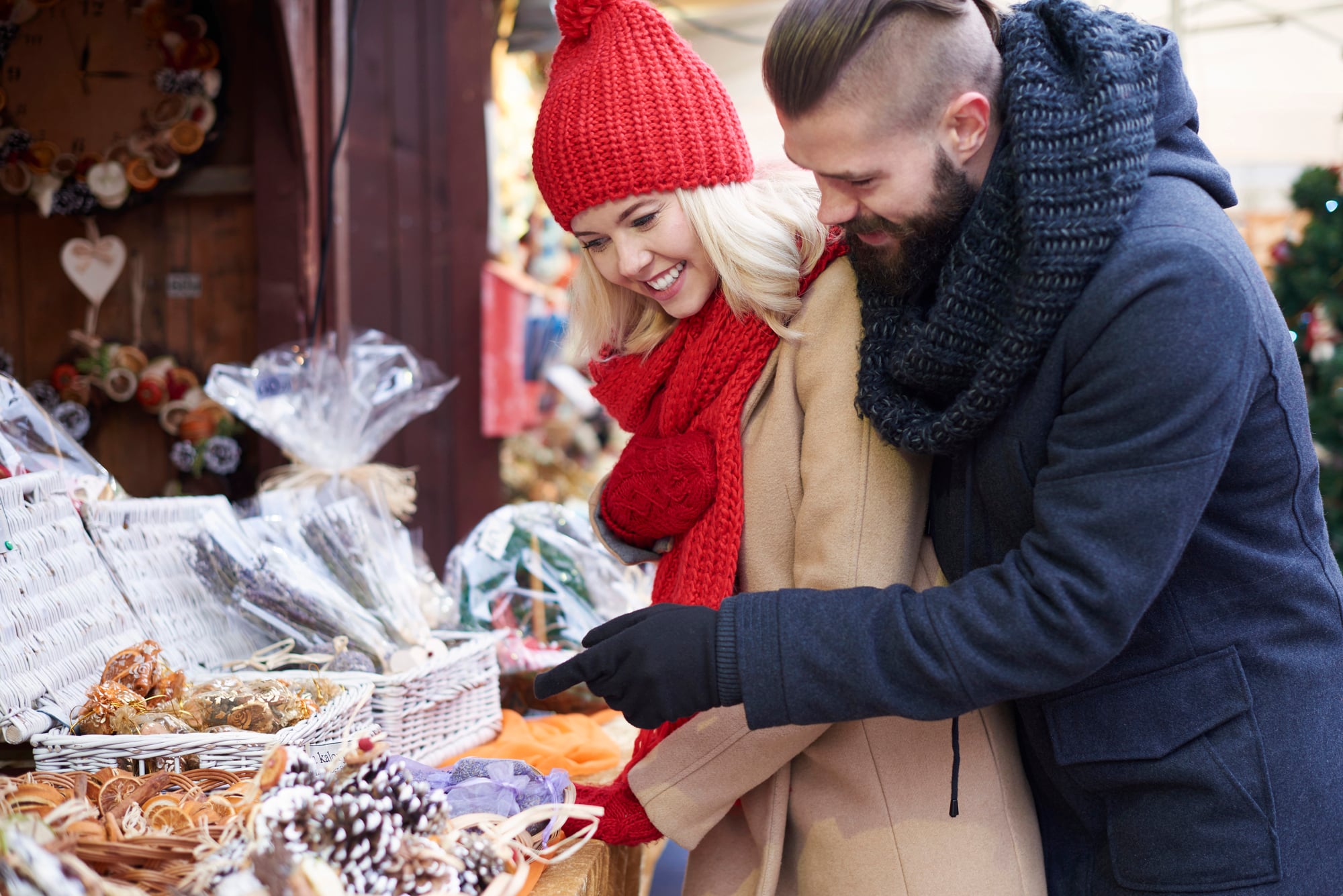
The attack on a Berlin Christmas market on December 19, 2016, when a truck was driven into the crowd at Breitscheidplatz, killed 12 people and forever altered how these events operate. Now, concrete barriers, bollards, and heavy planters surround market perimeters.
Bag checks have become standard at many locations. Police presence has increased dramatically.
The changes add friction to what used to feel effortlessly festive, but organizers consider them necessary. Attendance dipped briefly after 2016 but has largely recovered.
Opening Day Brings Its Own Rituals
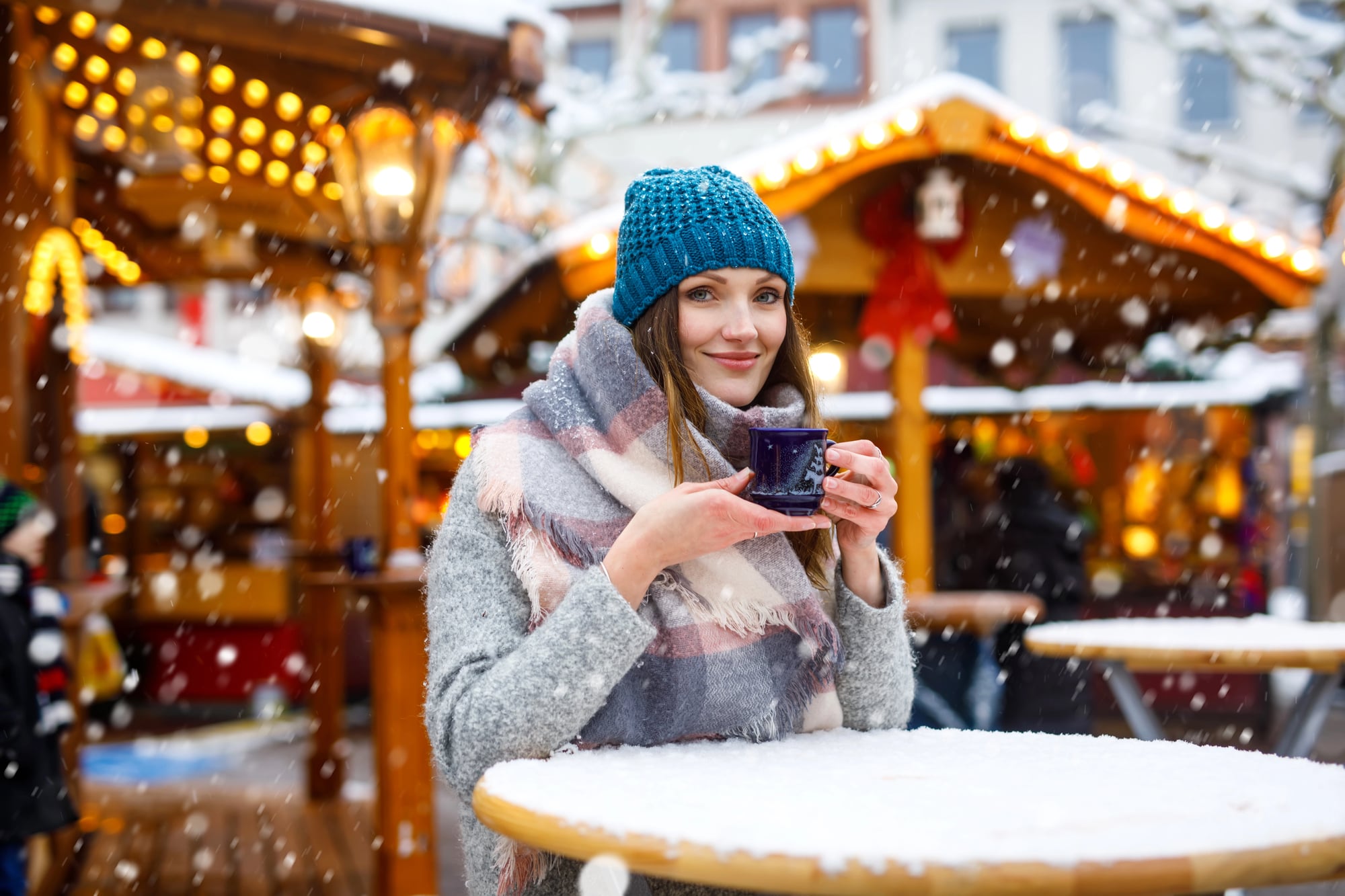
The first day of a major Christmas market carries real weight. In Nuremberg, the Christkind’s prologue draws crowds who’ve been waiting for months.
Strasbourg’s lights-on ceremony transforms the city in an instant. Vienna’s Rathausplatz market opens with orchestral performances.
These moments mark the unofficial start of the holiday season for locals. Many people return year after year on opening day, making it a tradition within the tradition.
That Particular Smell Stays with You
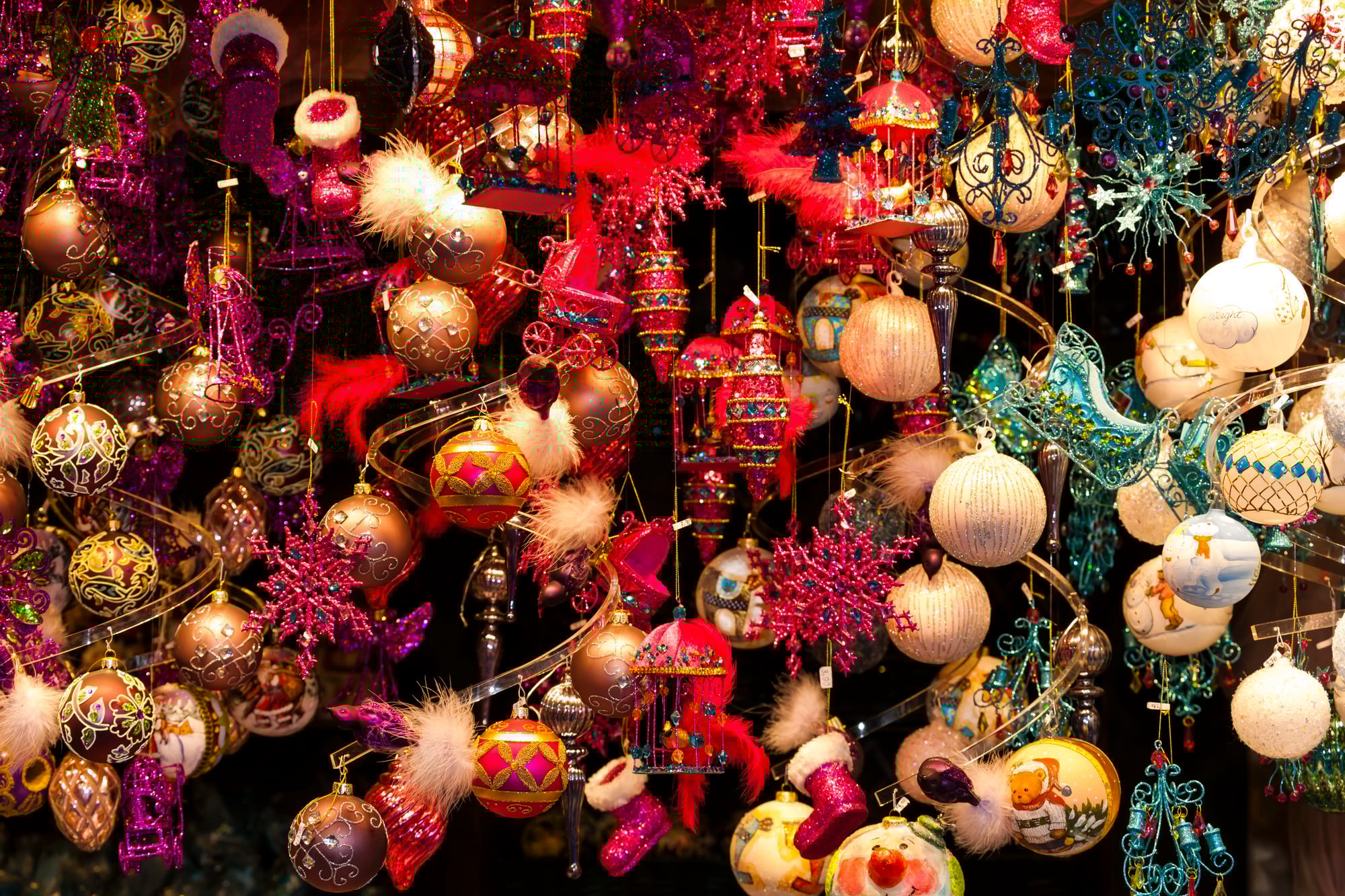
Smell cinnamon first, then cloves – warm mugs of glühwein leave trails in cold air. Candied almonds burn slightly at the edges, sending sweet smoke into the breeze.
Wood fires crackle nearby, sharp and earthy. Fresh pine lies heavy around stacked logs.
Roasting meat turns slowly, fat dripping onto coals below. Smell hits differently when it piles on like that – no copycat version ever matches.
A hint of spiced wine months down the line pulls you right back without warning. This is what drags folks across continents just to freeze near booths they know by heart.
Pictures fail completely at carrying that weight. Standing there matters most: air filling your lungs, fingers gripping a hot drink, fog from your mouth curling into the rising vapor.
More from Go2Tutors!

- The Romanov Crown Jewels and Their Tragic Fate
- 13 Historical Mysteries That Science Still Can’t Solve
- Famous Hoaxes That Fooled the World for Years
- 15 Child Stars with Tragic Adult Lives
- 16 Famous Jewelry Pieces in History
Like Go2Tutors’s content? Follow us on MSN.