15 Facts About Spring
There’s something about spring that feels like a reset. The days stretch out a little longer, the air loses its bite, and things that were dormant start moving again.
But beyond the general sense of renewal, spring is full of specific, fascinating details — biological, astronomical, historical, and ecological — that most people never think about. Here are 15 of them.
The Date Changes Every Year
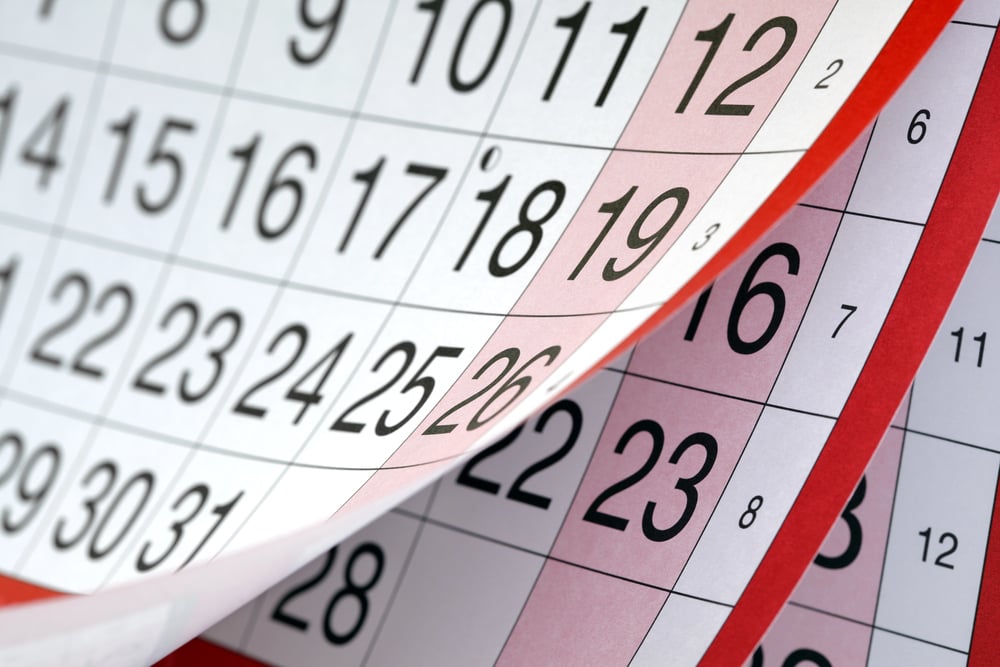
Spring doesn’t start on the same day each year. In the Northern Hemisphere, the spring equinox falls somewhere between March 19 and March 21, depending on the year.
This variation exists because the solar year doesn’t align perfectly with the 365-day calendar. The equinox marks the moment when the sun crosses the celestial equator, and that moment shifts slightly from one year to the next.
Day and Night Aren’t Exactly Equal on the Equinox
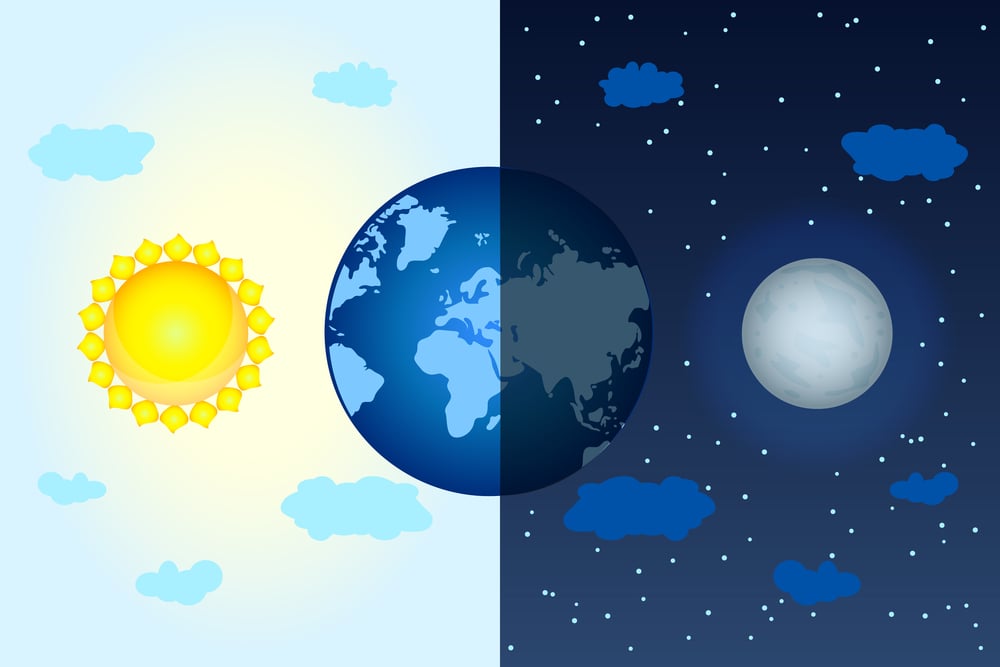
The word “equinox” comes from Latin meaning “equal night,” which suggests day and night should be precisely 12 hours each. In practice, they’re not.
The sun takes a few minutes to fully rise and set, and the atmosphere bends sunlight so it appears above the horizon before it technically is. On the equinox, daylight is actually slightly longer than 12 hours almost everywhere on Earth.
Animals Don’t Just Wake Up — They Transform
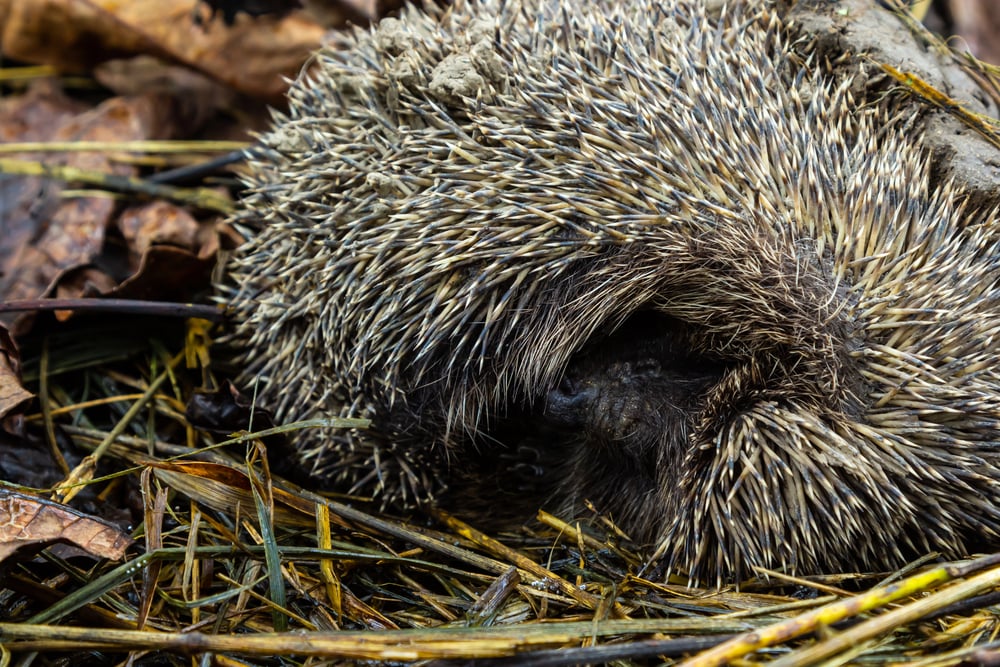
Hibernating animals don’t simply open their eyes and walk out in spring. Their bodies go through dramatic changes first.
A bear’s heart rate, which drops to around 8 beats per minute during hibernation, gradually climbs back to normal. Body temperature rises.
Metabolism shifts from burning stored fat to needing external food again. The process takes days, not hours, and during it the animals are sluggish and disoriented.
Cherry Blossoms Have Predicted the Climate for Centuries
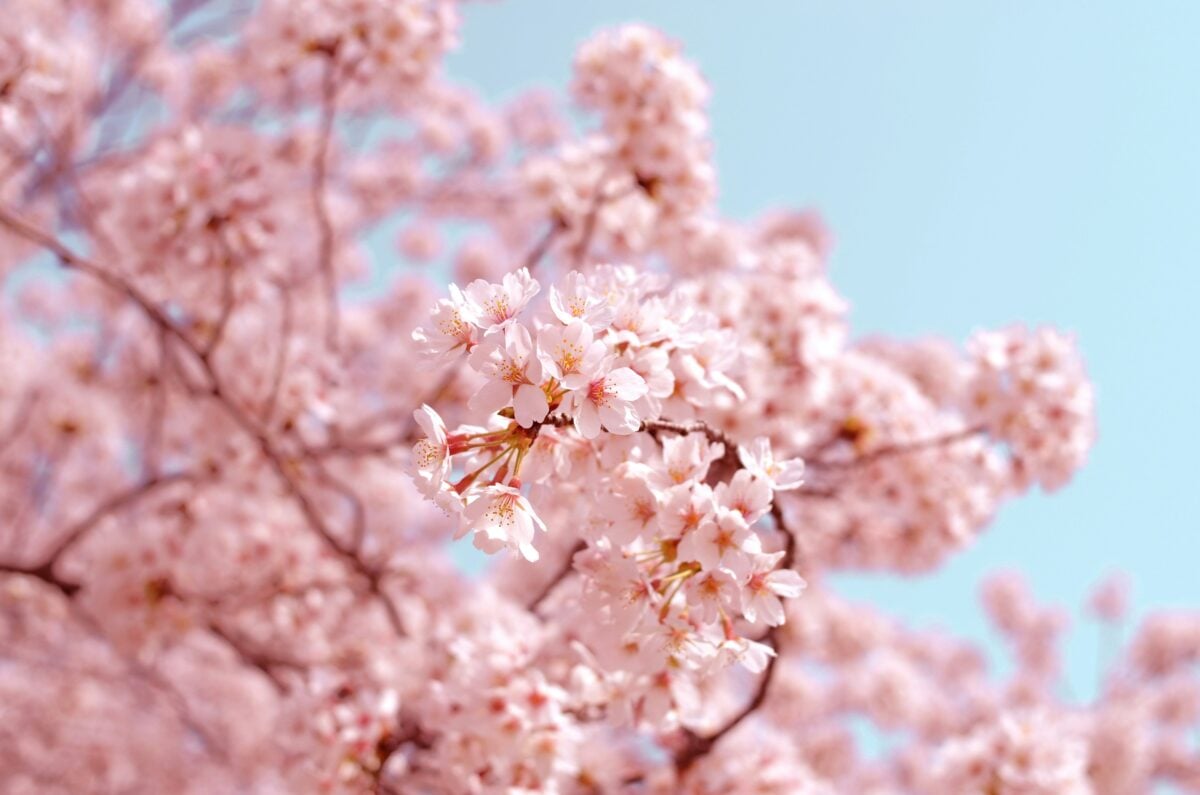
Japan has kept records of cherry blossom blooming dates going back more than 1,200 years, making it one of the longest continuous environmental datasets in history. Scientists use these records to study climate patterns over time.
The data shows that peak bloom in Kyoto has shifted to earlier in the year over the past few centuries — a shift that has accelerated noticeably in recent decades.
Spring Fever Is a Real Biological Response
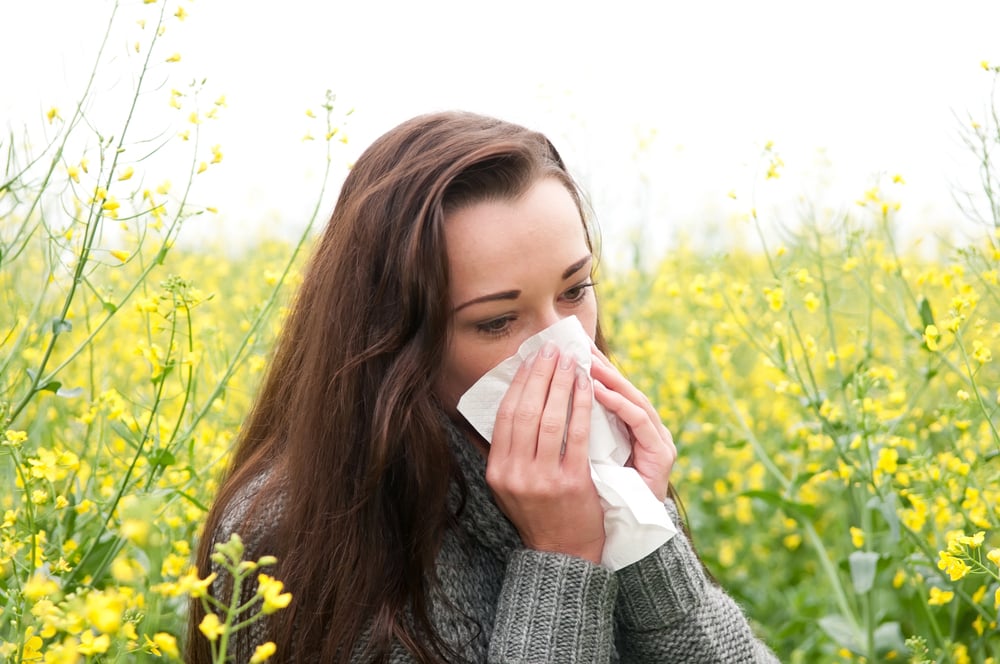
The restless, energised feeling many people get in spring isn’t just a figure of speech. As daylight increases, the brain produces less melatonin — the hormone associated with sleep and drowsiness.
At the same time, serotonin levels tend to rise with more light exposure. The result is a genuine shift in mood and energy levels that has a measurable physiological basis.
Birds Navigate Using the Stars

Many migratory birds return in spring, and their navigation is more complex than simply following the warmth. Birds use a combination of the Earth’s magnetic field, the position of the sun, star patterns at night, and even smell to find their way across thousands of kilometres.
Young birds learn the star patterns during their first summer by watching the night sky rotate around the North Star — and they use that map for the rest of their lives.
Spring Arrives Earlier at Lower Altitudes
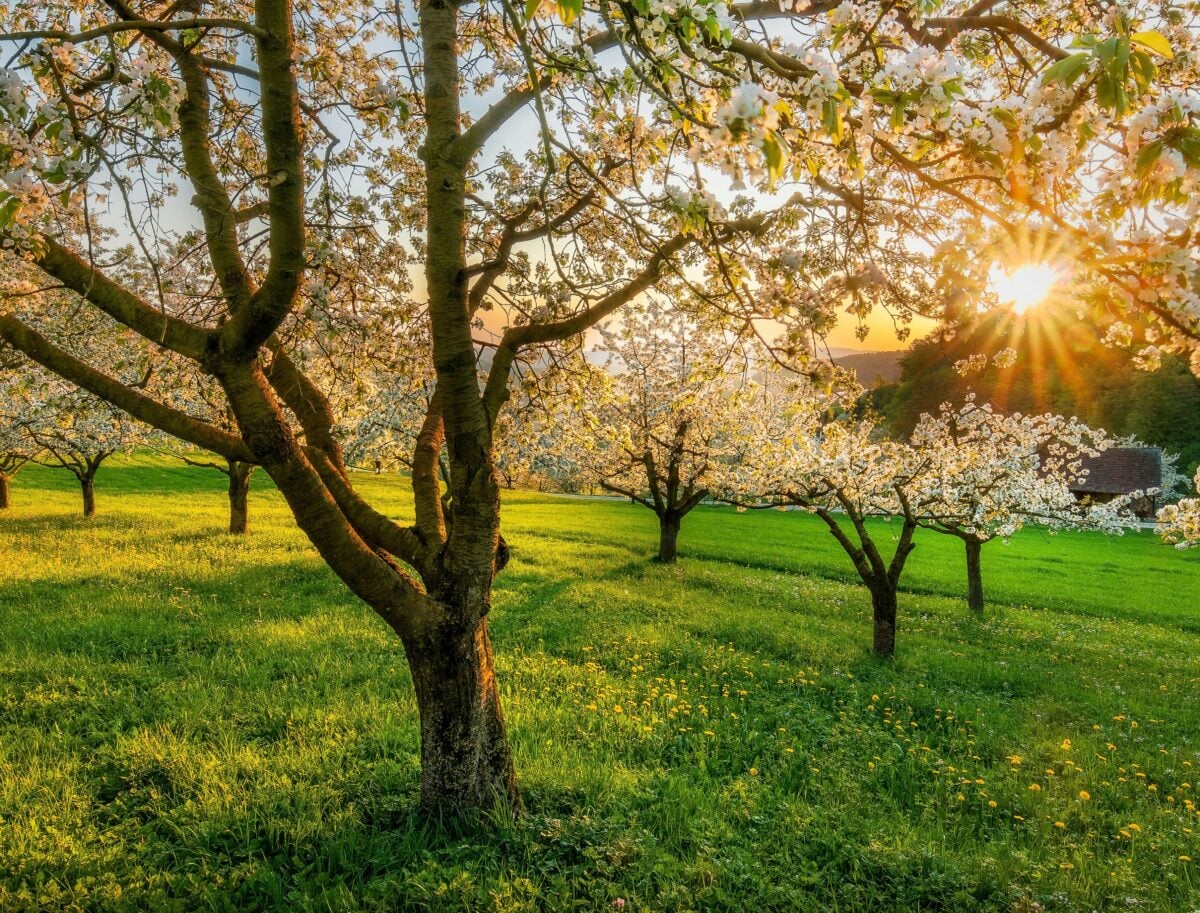
Temperature decreases with altitude at a fairly consistent rate — roughly 6.5 degrees Celsius per 1,000 metres. This means spring arrives noticeably later in mountainous regions than in valleys nearby.
On a mountain, you can literally walk through the seasons. The base might be in full bloom while the peak is still covered in snow.
Flowers Don’t Just Bloom — They Time It Precisely
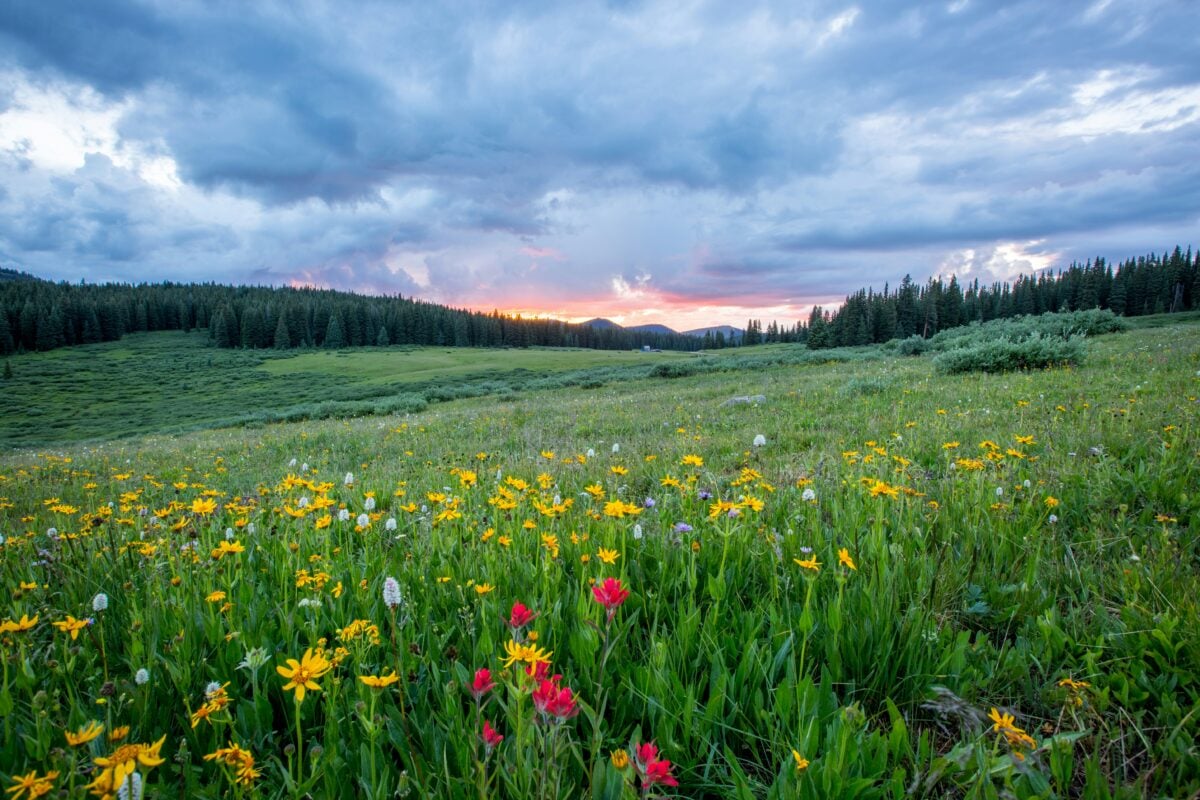
Plants track day length, not just temperature, to decide when to flower. This process, called photoperiodism, involves proteins in the leaves that measure the duration of darkness each night.
Some plants need long nights to flower, others need short ones. This is why plants tend to bloom at the same time every year even when temperatures vary, and why moving a plant to a different latitude can completely disrupt its flowering cycle.
The Southern Hemisphere Has Spring in September
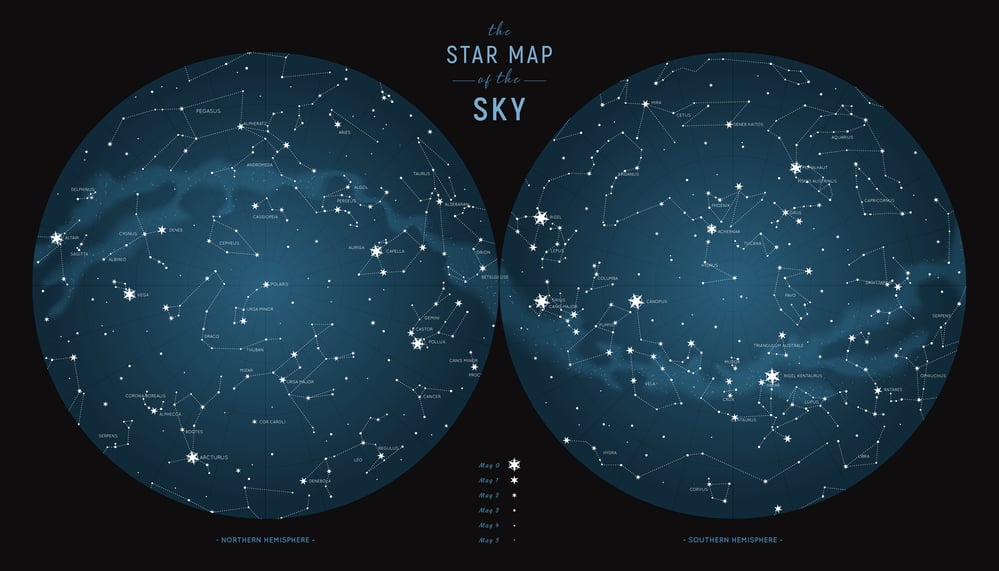
Spring is not a universal experience in March. In the Southern Hemisphere, the seasons are reversed. Australia, South Africa, Argentina, and Chile all experience spring from roughly September to November.
The equinox that brings spring to the north brings autumn to the south, and vice versa. For roughly half the world’s population, spring and images of blooming flowers in April are associated with autumn, not their own season.
Newborns Have Better Odds in Spring
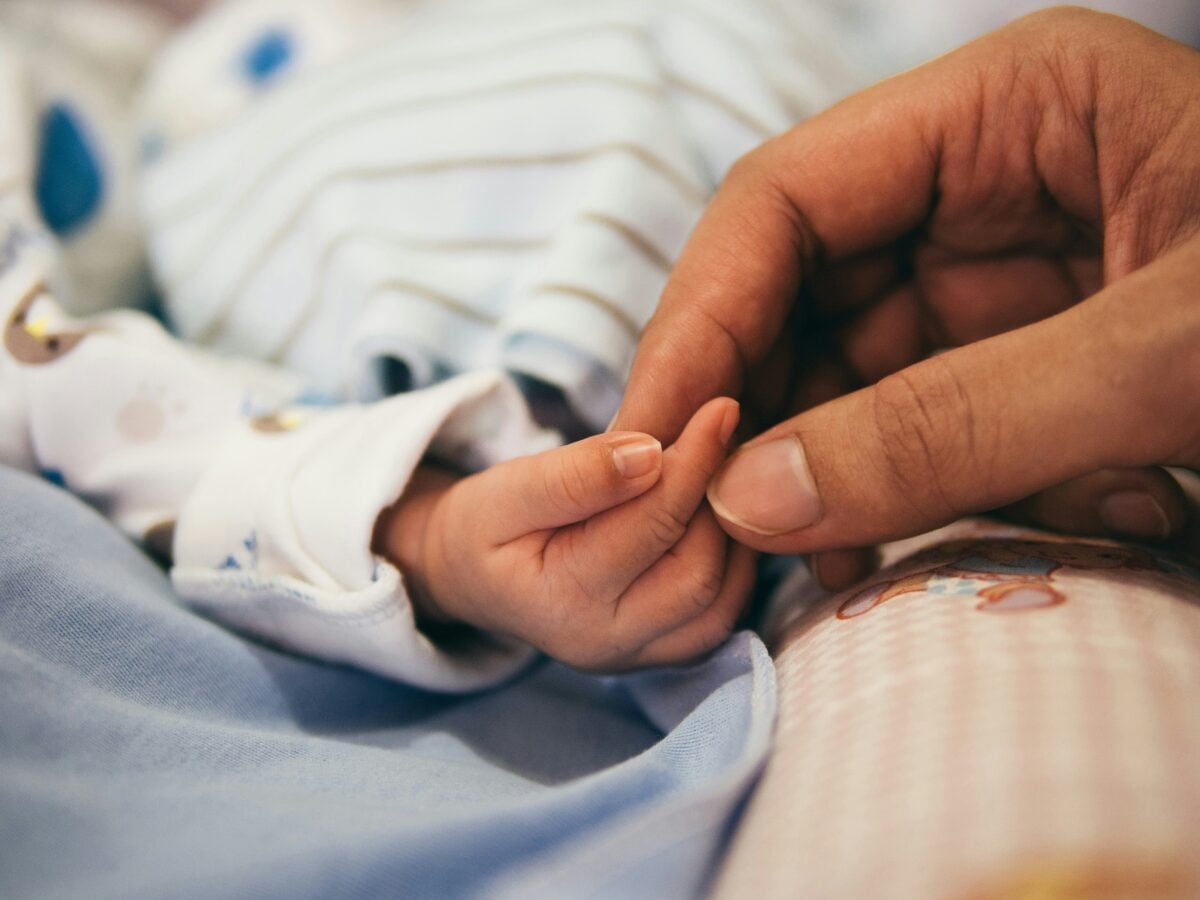
Studies across several countries have found that babies born in spring tend to have slightly higher birth weights on average than those born in other seasons. Researchers attribute this partly to the fact that mothers in their third trimester during winter months get more rest, eat slightly more, and are exposed to less heat stress.
The effect is modest but consistent across multiple datasets.
Mud Season Is Its Own Phenomenon

In parts of North America and northern Europe, there’s an unofficial fifth season between winter and spring called “mud season.” When the ground thaws from the top down, the lower layers stay frozen while the surface turns to saturated mud.
Roads in rural areas become nearly impassable. In Vermont and parts of Canada, mud season is an accepted fact of life with real practical consequences for farmers and rural residents who have to plan around it.
Allergies Didn’t Always Affect So Many People

Spring allergies are tied to pollen counts, which have been rising steadily. Plants produce more pollen when carbon dioxide levels in the atmosphere are higher, and pollen seasons have grown longer over the past few decades — starting earlier in spring and ending later in autumn.
People who didn’t have allergies 20 years ago are developing them now, partly because overall pollen exposure has increased.
The Word “Spring” Used to Mean Something Different
In Old English, the season was called lencten, which is where the word Lent comes from. The word “spring” originally referred to the action of water springing from the ground, or plants springing up — it was a verb describing what the season did, not a noun naming it.
It gradually shifted from describing the action to naming the time of year when those things happen. The shift was complete by around the 16th century.
Some Animals Reproduce Only Once a Year — and Spring Is That Window

For many species, spring isn’t just a nice time of year — it’s the only window for reproduction. The timing is driven by day length, which triggers hormonal changes in everything from deer to songbirds.
Missing the spring window can mean waiting a full year to try again. For animals with short lifespans, that can mean the difference between passing on genes and not.
The pressure to time reproduction correctly is an enormous evolutionary force.
Not Every Culture Celebrates Spring the Same Way

The arrival of spring has been marked by human cultures for as long as there are records. The Persian New Year, Nowruz, falls on the spring equinox and has been celebrated for at least 3,000 years.
Holi in South Asia marks spring with colour and festivity. Ancient Egyptians, Greeks, and Romans all had spring festivals tied to agricultural cycles and the return of warmth.
The themes differ, but the impulse — to mark the moment when the cold breaks — appears to be nearly universal.
What the Season Actually Signals
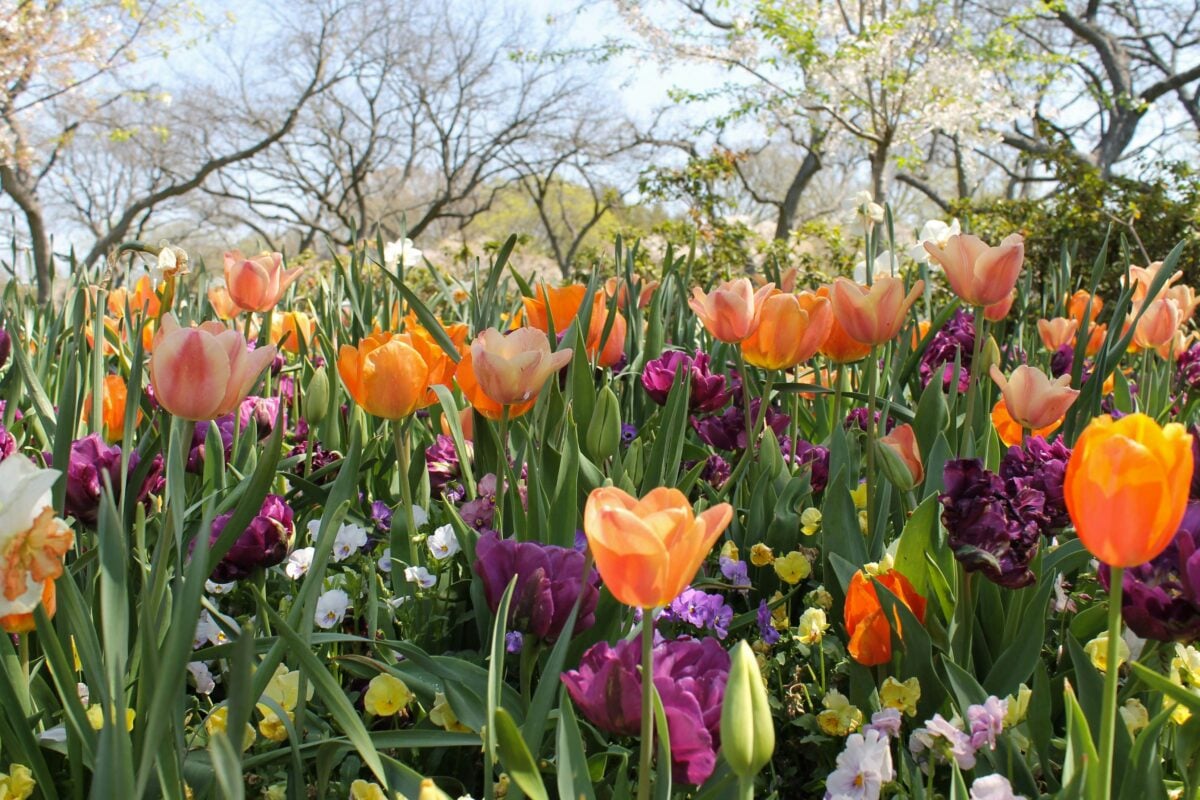
It’s when the air gets warm that ice dissolves into water. People can hardly wait for plants to reveal their first leaves after winter.
Birds migrate across the sky along paths that they recall anyhow. Mornings are coming even faster, and the longer the day is – light keeps stretching further.
We can find that life is awakening not because we say it, but rather the signals are passing through soil, air and bones.
What we give a verdict to be an emotion at a glance are just steps times exactly repeated endlessly. The changes have been there even before they got stories made about them.
More from Go2Tutors!

- The Romanov Crown Jewels and Their Tragic Fate
- 13 Historical Mysteries That Science Still Can’t Solve
- Famous Hoaxes That Fooled the World for Years
- 15 Child Stars with Tragic Adult Lives
- 16 Famous Jewelry Pieces in History
Like Go2Tutors’s content? Follow us on MSN.