16 Public Spaces With Hidden Historical Secrets
Walking through a bustling city square or relaxing in your neighborhood park, you’d probably assume you know exactly what you’re experiencing. Yet beneath your feet, behind those walls, and tucked away in plain sight lie stories that would completely transform how you see these everyday places. Some of the most ordinary public spaces around the world are actually concealing extraordinary secrets from the past.
These aren’t just minor footnotes in dusty history books either. Here is a list of 16 public spaces that conceal fascinating historical secrets you probably never knew existed.
Washington Square Park’s Potter’s Field Past
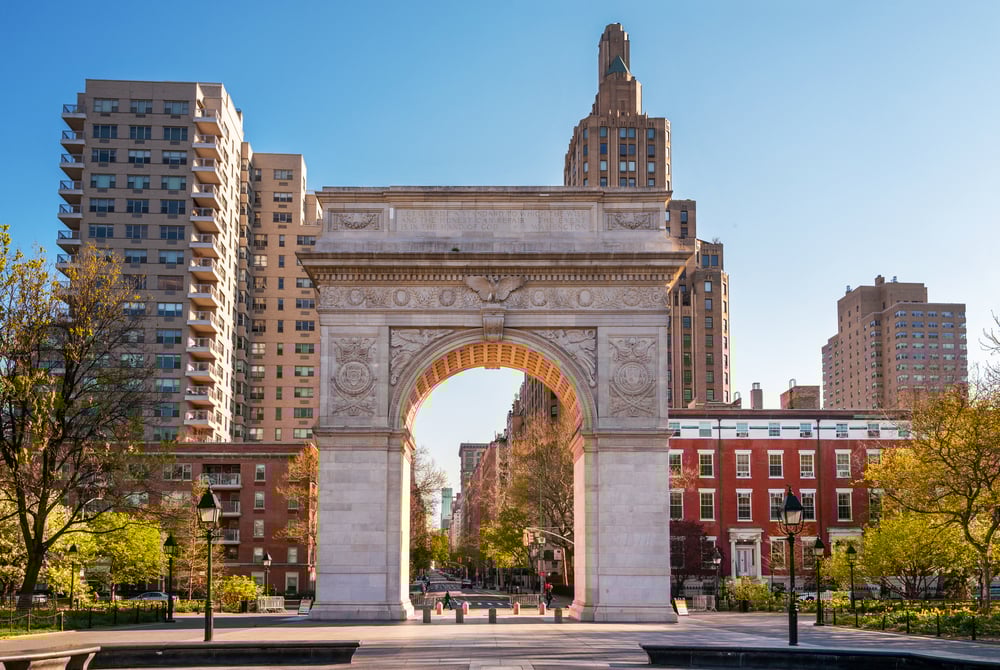
New York’s beloved Washington Square Park wasn’t always filled with street performers and chess players. For over seven decades, this Greenwich Village gathering spot served as a potter’s field where the city buried its poor and unknown dead. An estimated 20,000 bodies still rest beneath the park’s pathways and fountain—a staggering number that most visitors can’t fathom.
The famous arch wasn’t built to celebrate triumph; it was constructed directly over a mass grave, making today’s joggers and picnickers literally walk above one of Manhattan’s largest forgotten cemeteries.
The London Underground’s Secret Bunker Network
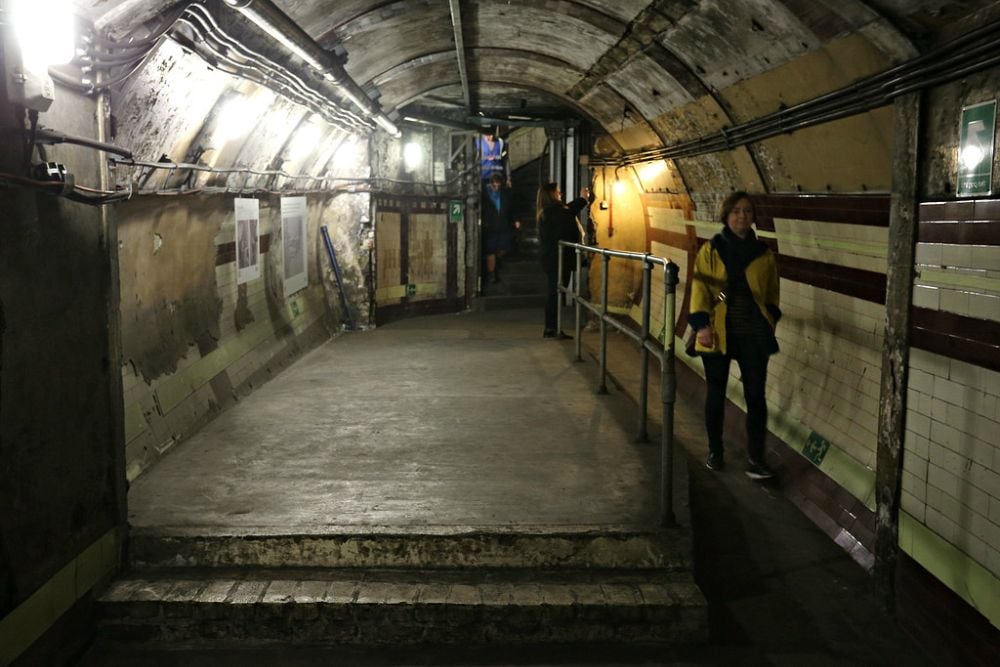
While millions ride the Tube daily, few realize they’re traveling through what was once Britain’s largest underground bunker system. During World War II, entire abandoned stations were converted into air raid shelters, government command centers, and even ammunition storage facilities—transforming the transport network into a hidden wartime infrastructure.
Down Street station, closed since 1932, became Winston Churchill’s secret wartime headquarters complete with meeting rooms and sleeping quarters. The tunnels still contain original wartime fixtures, though classified areas remain off-limits to this day.
Like Go2Tutors’s content? Follow us on MSN.
Central Park’s Seneca Village
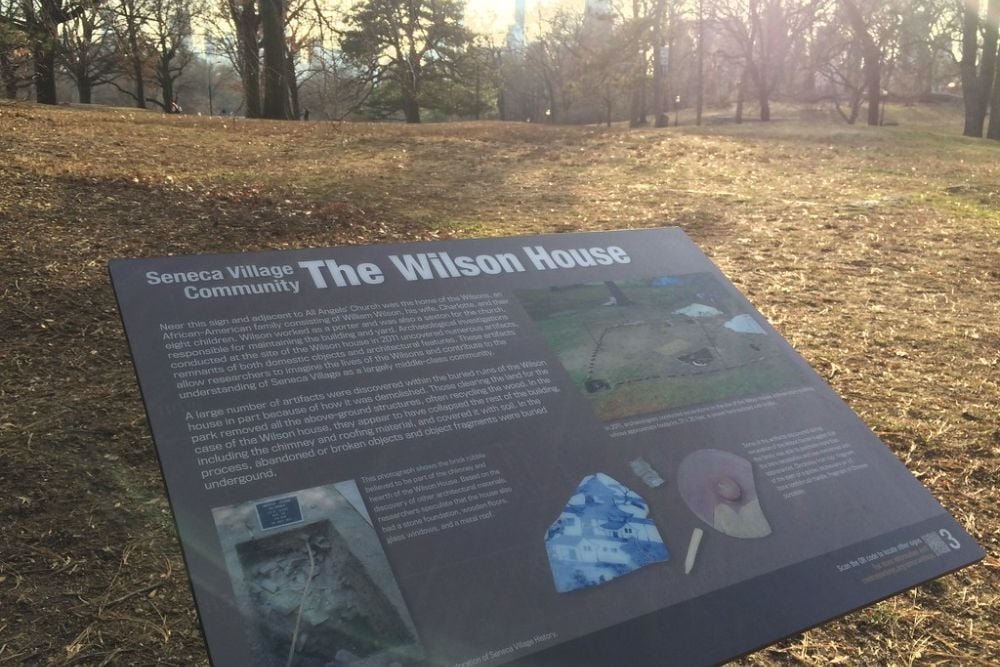
Before Central Park became America’s most famous green space, it was home to Seneca Village—a thriving community of predominantly Black property owners who’d built something remarkable. This 19th-century neighborhood included three churches, two schools, and several cemeteries where families had been buried for generations, creating a true sense of community.
In 1857, the city used eminent domain to forcibly remove all 1,600 residents, destroying their homes and community to create the park we know today. Archaeological digs in the 1990s uncovered foundations, artifacts, and personal belongings that finally told the story of this forgotten neighborhood.
Boston Common’s Execution Ground
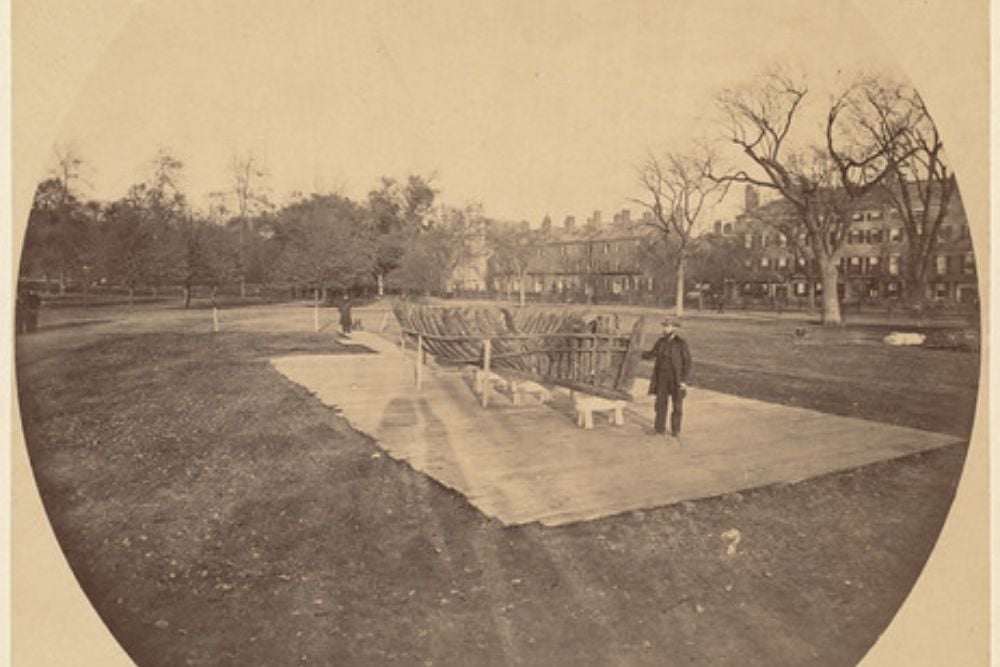
America’s oldest public park has a much darker history than its peaceful swan boats would suggest. For nearly two centuries, Boston Common served as the city’s primary execution site where accused witches, pirates, and political prisoners met their end—often in front of massive crowds who treated these events like public entertainment.
The Great Elm tree, which stood until 1876, was used as a gallows for public hangings. Mary Dyer, a Quaker minister, was hanged here in 1660 for her religious beliefs, making her one of America’s first martyrs for religious freedom.
The High Line’s Industrial Espionage Past
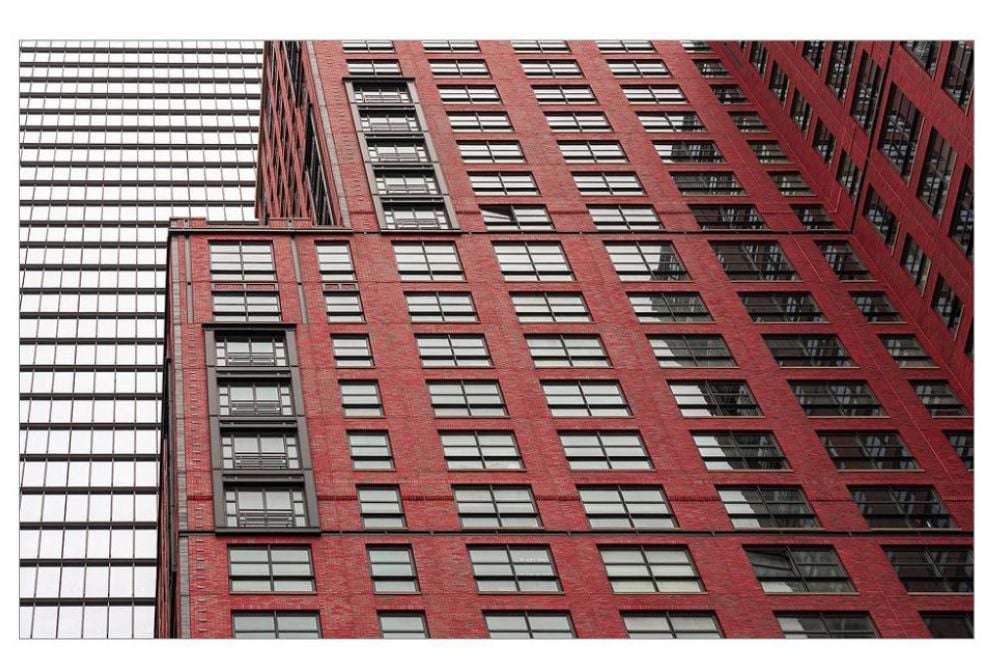
New York’s trendy elevated park was once the scene of corporate espionage that would make modern business scandals look tame. During its operating years as a freight railway, the High Line’s unique vantage point made it perfect for industrial spying between competing meatpacking companies—though few tourists walking the converted park today would ever guess its secretive past.
Business rivals would station lookouts along the tracks to monitor competitors’ deliveries, shipments, and business practices. The railroad company eventually had to install screens and barriers to prevent this unauthorized intelligence gathering that was affecting entire industries.
Like Go2Tutors’s content? Follow us on MSN.
Trafalgar Square’s Royal Mews Connection

London’s famous public square sits directly above a network of royal tunnels that once connected to the old Royal Mews—a hidden transportation system most tourists never suspect exists. These underground passages allowed the monarchy to move horses, carriages, and even people without being seen by the public, particularly during times of political unrest.
Members of the royal family could travel from Buckingham Palace to other locations completely undetected. Some of these tunnels remain intact beneath the square, though they’re sealed off and heavily guarded by government security.
Golden Gate Park’s Forgotten Cemetery
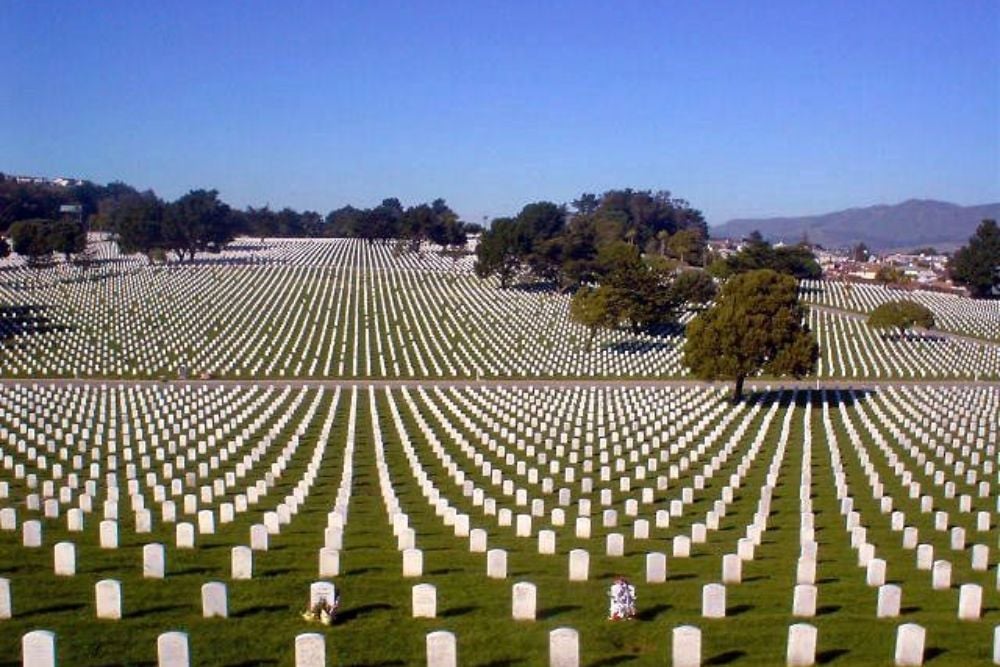
San Francisco’s Golden Gate Park was built over several existing cemeteries that were never properly relocated—a cost-cutting decision that would horrify modern urban planners. When the park was designed in the 1870s, city planners simply covered over graveyards rather than go through the expensive process of moving thousands of bodies.
The park’s unusual rolling hills aren’t entirely natural; many are actually burial mounds containing the remains of Gold Rush-era settlers. Heavy rains or construction work still occasionally uncover coffins and human remains throughout the park, startling workers who stumble upon San Francisco’s forgotten past.
Times Square’s Speakeasy Network
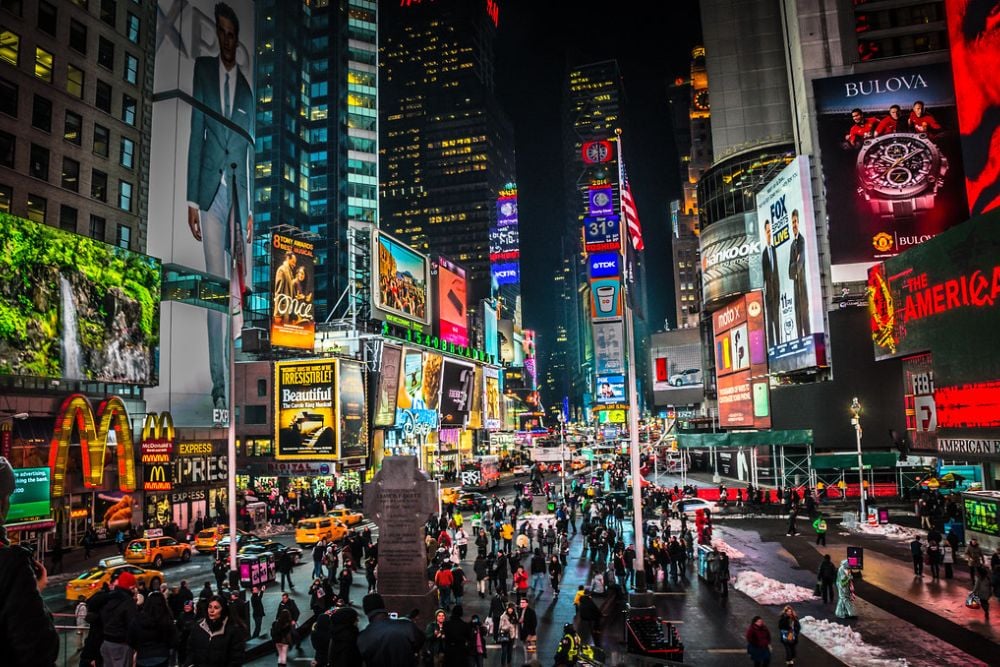
Beneath the bright lights and tourist crowds of Times Square lies an extensive network of hidden tunnels and basement rooms that served as speakeasies during Prohibition—a underground world that thrived while authorities looked the other way. These establishments were connected by a maze of passages that allowed patrons and bootleggers to move between venues without detection.
Many basement spaces still contain original bars, hidden doors, and even jail cells where police would temporarily hold arrested patrons. Several Broadway theaters were built with secret passages connecting directly to these underground drinking establishments, creating an integrated entertainment district that operated on multiple levels.
Like Go2Tutors’s content? Follow us on MSN.
Hyde Park’s Speakers’ Corner Surveillance
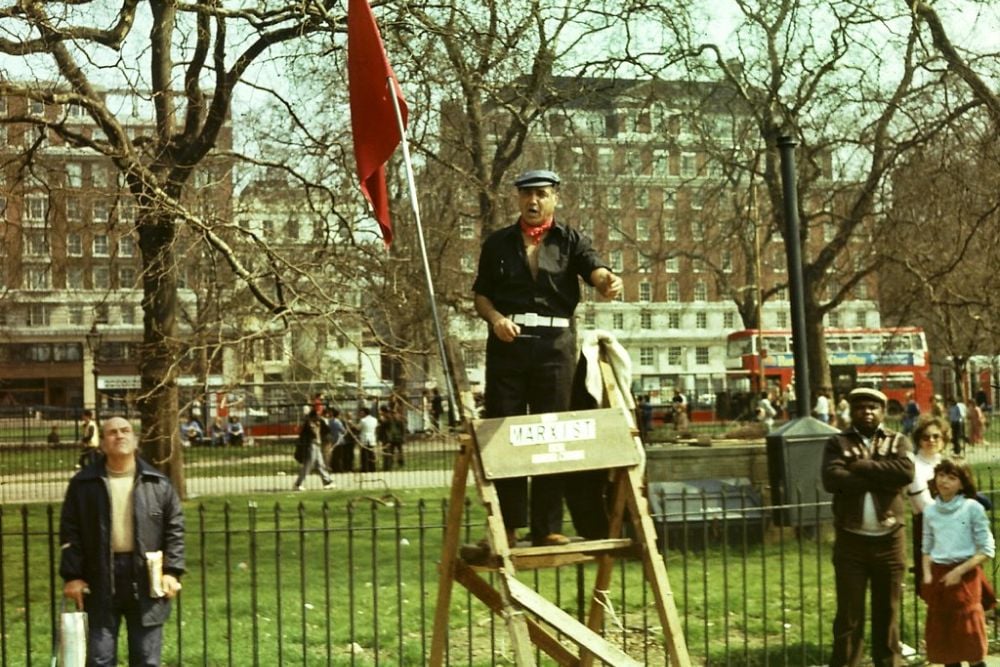
London’s Hyde Park appears to be a bastion of free speech, yet Speakers’ Corner has been under constant government surveillance since its establishment in 1872—making it one of the most monitored “free speech” zones in the world. Hidden microphones and recording devices were installed throughout the area to monitor political dissidents, union organizers, and foreign agents who used the space to spread their messages.
During both World Wars, intelligence officers posed as regular listeners to identify potential security threats. The surveillance continues today with modern digital equipment disguised as park maintenance equipment, though most speakers remain blissfully unaware.
Millennium Park’s Toxic Ground
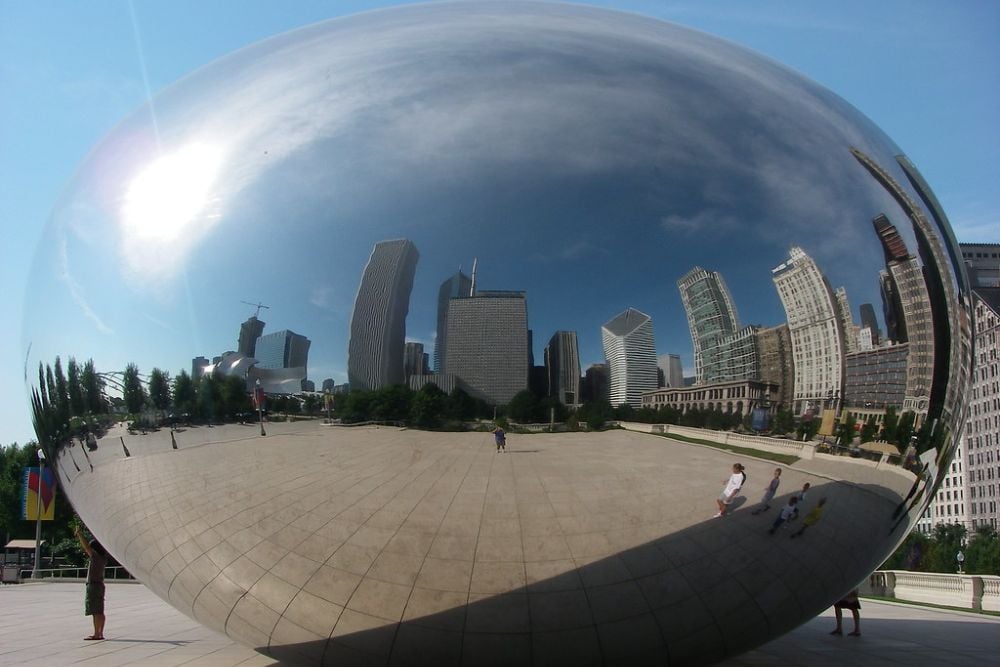
Chicago’s stunning Millennium Park was constructed over one of the most contaminated sites in the city’s history—an environmental challenge that required unprecedented cleanup efforts before construction could even begin. The land previously housed a railroad yard where trains were cleaned with toxic chemicals for over a century, leaving behind dangerous residue.
Workers had to remove millions of tons of contaminated soil and install a complex system of barriers to prevent underground toxins from reaching the surface. The park’s famous Crown Fountain and Bean sculpture were strategically placed to hide ventilation systems that still monitor air quality around the clock.
Bryant Park’s Potter’s Field Origins
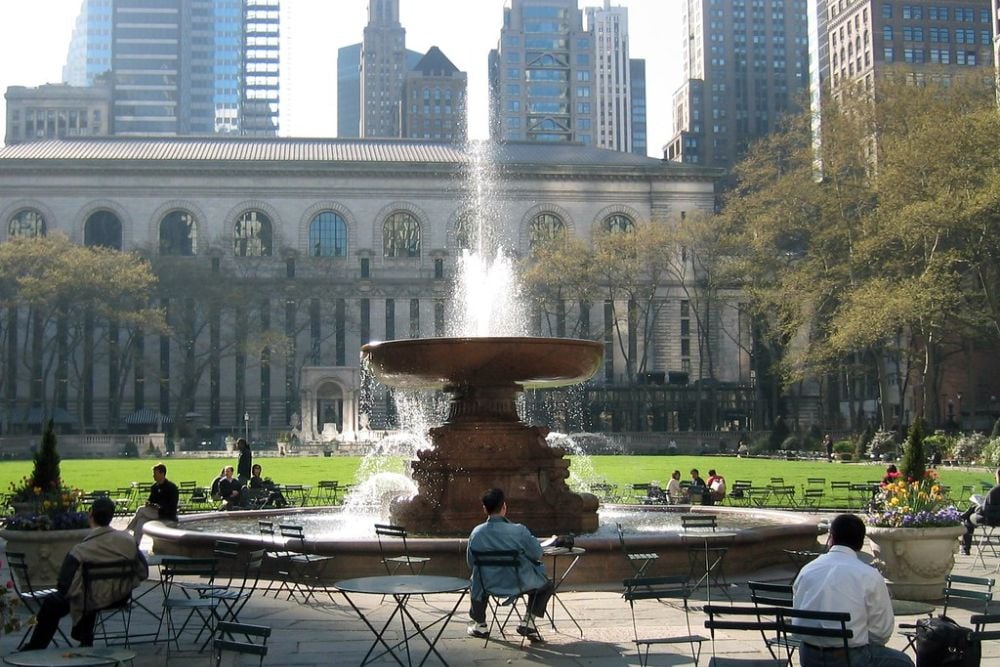
Like Washington Square Park, New York’s Bryant Park also began as a potter’s field where the city buried its unclaimed dead. For 40 years, this Midtown location served as a cemetery for thousands of poor immigrants and epidemic victims who had nowhere else to go.
When the land was converted to a park in the 1840s, most bodies were never relocated but simply covered with soil and forgotten. The New York Public Library, which borders the park, was built partially over this old burial ground.
Construction workers still occasionally discover human remains during renovation projects, providing unwelcome reminders of the site’s original purpose.
Like Go2Tutors’s content? Follow us on MSN.
Balboa Park’s Military Intelligence Center
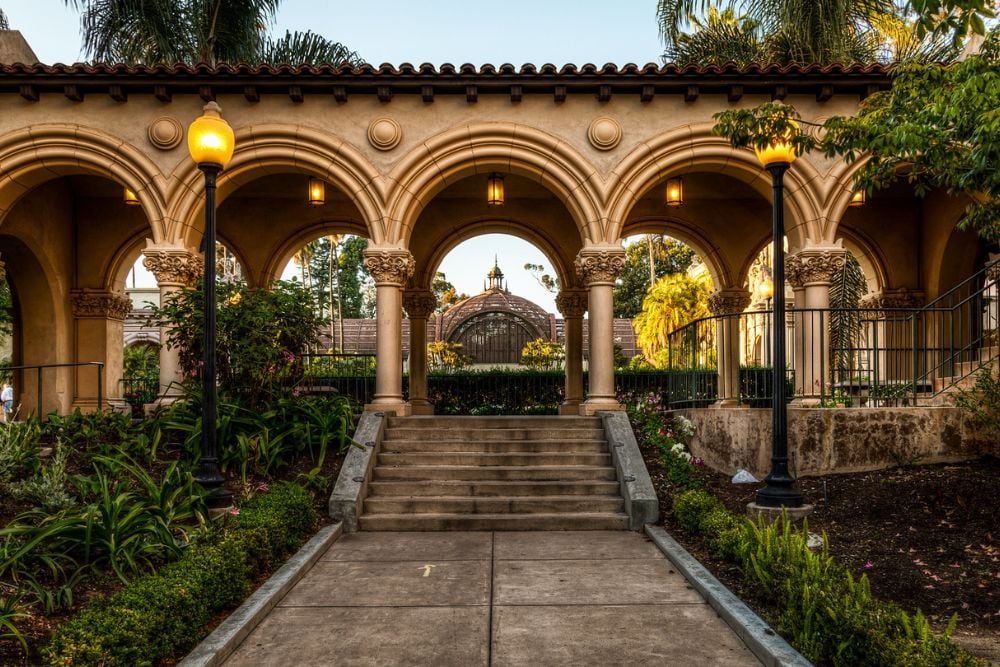
San Diego’s cultural heart served as a major military intelligence gathering center during both World Wars, though visitors today see only museums and gardens. Several of the park’s buildings were converted into code-breaking facilities where military analysts intercepted and decoded enemy communications.
The park’s central location and multiple buildings made it perfect for housing classified operations while maintaining the appearance of normal civilian activities. Some of the original code-breaking equipment was left behind in sealed basement rooms that remain classified to this day, hidden beneath spaces now used for art exhibitions and cultural events.
Boston Public Garden’s Landfill Foundation
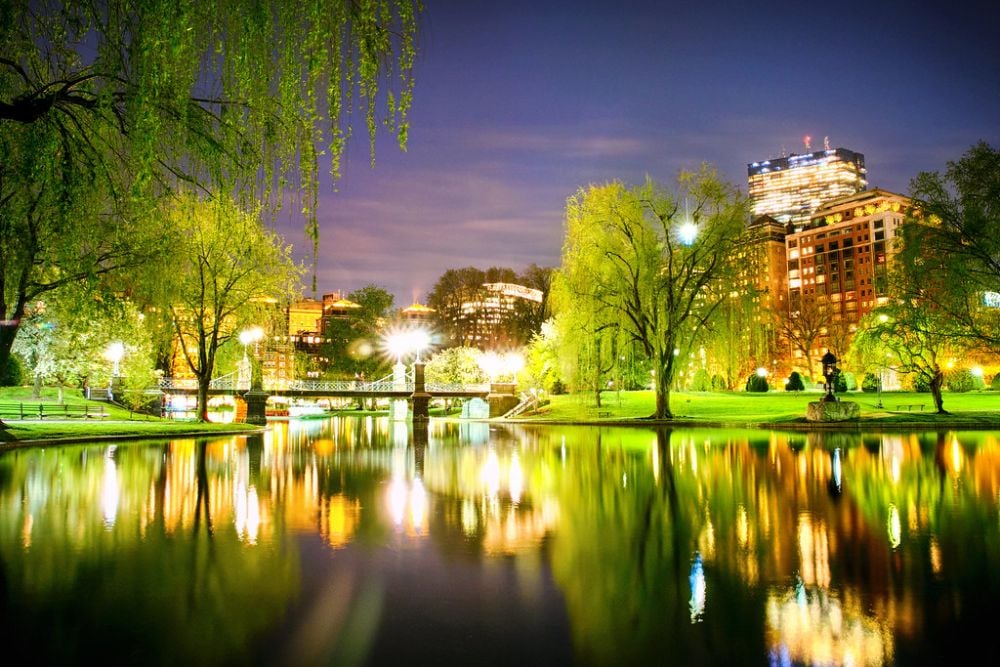
Boston’s picturesque Public Garden with its famous swan boats sits entirely on man-made land created from garbage, sewage, and industrial waste. In the mid-1800s, the city filled in a tidal marsh called Back Bay using whatever materials were available, including rotting organic matter and toxic industrial byproducts.
The famous lagoon isn’t a natural pond but rather a carefully engineered system designed to prevent the unstable landfill beneath from shifting and sinking. Engineers still monitor the ground constantly to ensure the park doesn’t literally fall into the harbor, making it one of the most closely watched green spaces in America.
Griffith Park’s Aviation Crash Sites
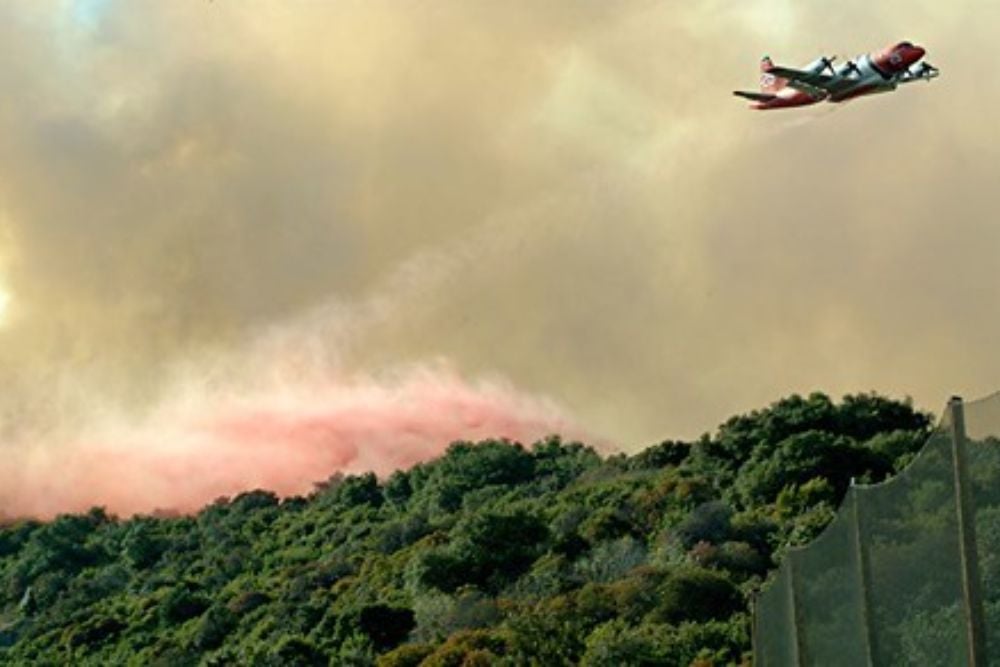
Los Angeles’ largest municipal park contains the wreckage of numerous aircraft crashes that have never been fully cleaned up. Since the 1920s, at least 17 planes have crashed within the park’s boundaries, though pieces of twisted metal, engines, and other debris remain scattered throughout remote areas.
Some crash sites became impromptu memorials, while others were simply left to be reclaimed by nature. Hikers still occasionally stumble across aircraft parts embedded in hillsides or hidden under decades of vegetation growth, discovering unexpected remnants of aviation history.
Like Go2Tutors’s content? Follow us on MSN.
Union Square’s Underground Shopping Complex
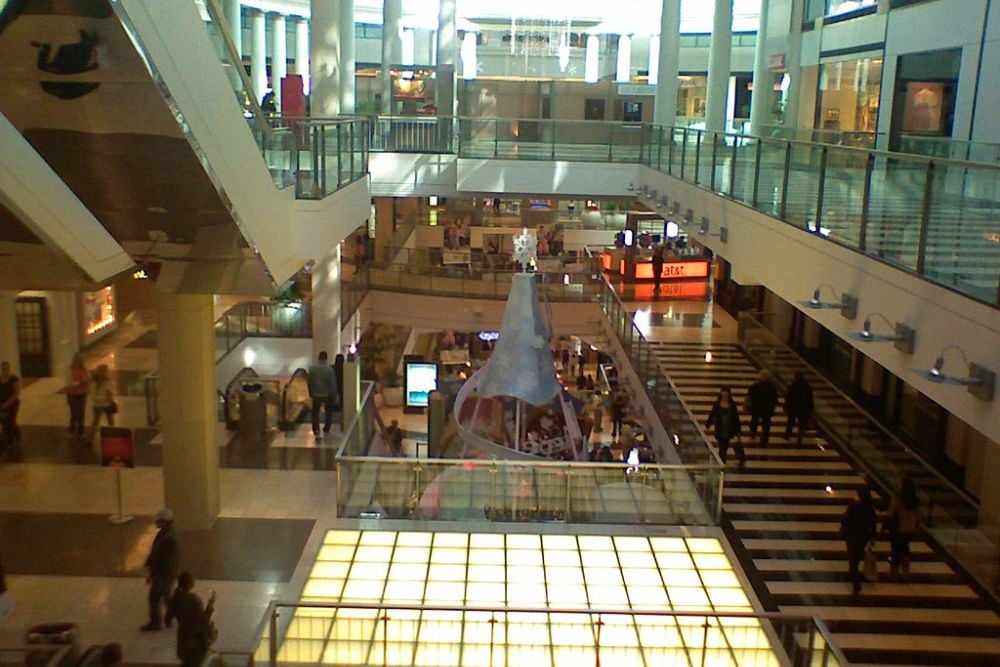
San Francisco’s Union Square sits atop a massive underground shopping and parking complex, yet few visitors realize the subterranean levels extend far beyond what’s publicly accessible. Hidden areas beneath the square include abandoned retail spaces, storage facilities, and maintenance tunnels that connect to nearby buildings through a labyrinthine network.
During the Cold War, portions of this underground system were designated as civil defense shelters stocked with emergency supplies. Some of these sealed-off areas still contain 1960s-era survival equipment and radiation detection devices, frozen in time like a museum of atomic age paranoia.
Rittenhouse Square’s Duel Grounds
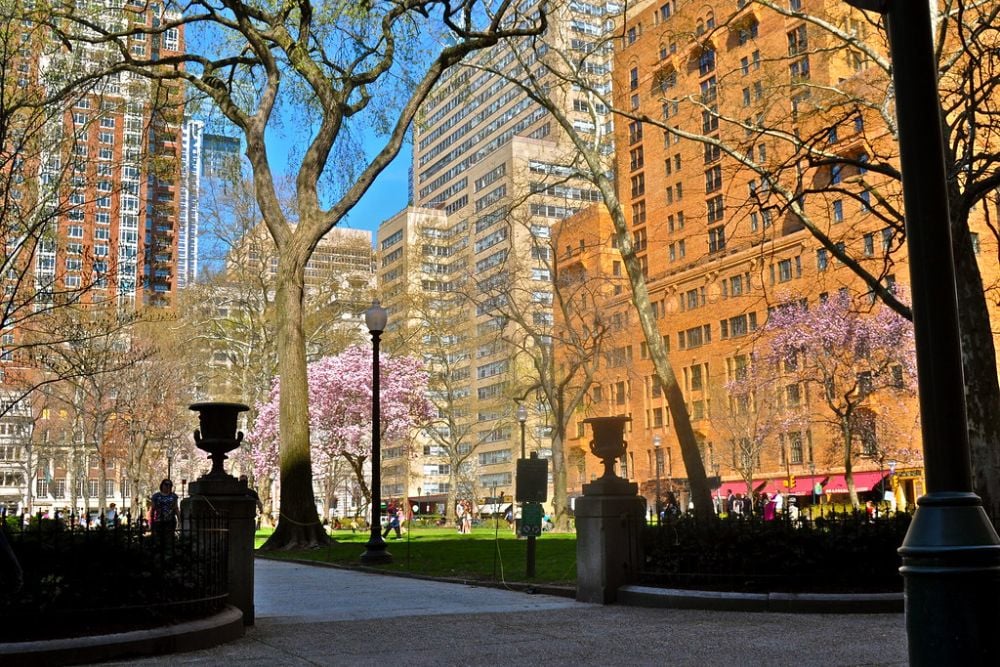
Philadelphia’s elegant Rittenhouse Square served as the city’s primary dueling ground where gentlemen settled disputes with pistols at dawn. For over 50 years, this seemingly peaceful park witnessed dozens of formal duels between politicians, businessmen, and military officers who couldn’t resolve their differences through less violent means.
The park’s open space and early morning privacy made it ideal for these illegal but socially accepted confrontations. Several prominent Philadelphia families lost members to dueling in this square, including descendants of the city’s founding fathers, creating a tragic irony in America’s birthplace.
From Secrets to Stories
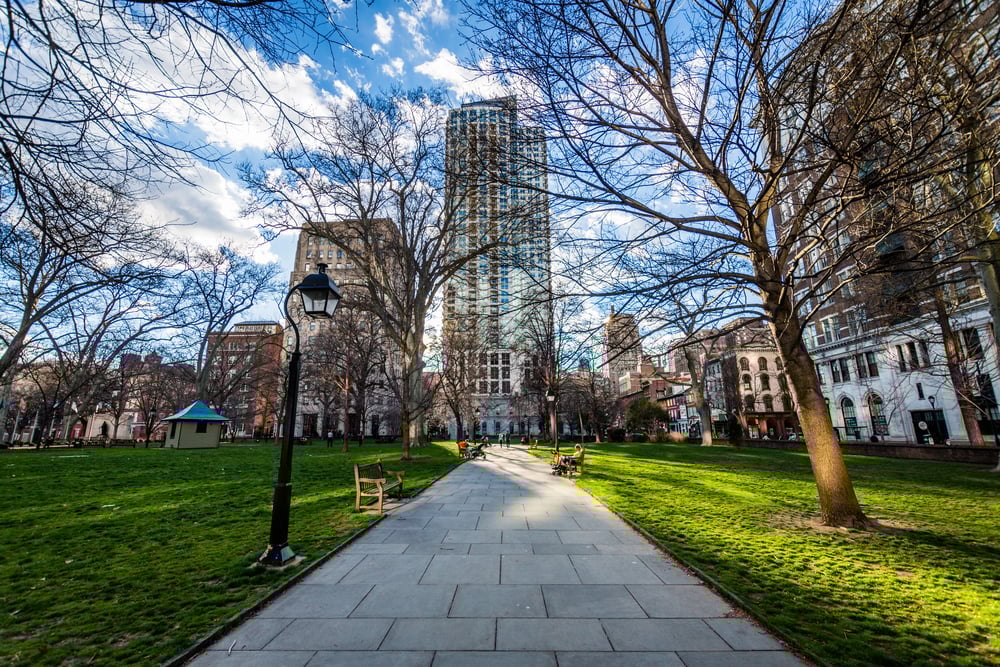
These hidden histories remind us that public spaces are never just empty lots waiting to be developed. Every park, square, and gathering place carries the weight of previous generations who lived, worked, died, and struggled on the same ground we now call our own.
The next time you sit on a park bench or walk through a city plaza, remember that you’re participating in a much longer story than you might imagine. Sometimes the most fascinating chapters are the ones buried just beneath the surface, waiting for someone curious enough to dig deeper.
Like Go2Tutors’s content? Follow us on MSN.
More from Go2Tutors!

- 16 Historical Figures Who Were Nothing Like You Think
- 12 Things Sold in the 80s That Are Now Illegal
- 15 VHS Tapes That Could Be Worth Thousands
- 17 Historical “What Ifs” That Would Have Changed Everything
- 18 TV Shows That Vanished Without a Finale
Like Go2Tutors’s content? Follow us on MSN.



