15 Famous Books Published Under Different Original Titles
A title is the first thing a reader sees, and publishers have never hesitated to change one. Some of the most famous books in English appeared first under names that readers would barely recognize today.
The changes below came from authors, editors, and international publishers, and each reveals something about the book’s route to the shelf.
Harry Potter and the Philosopher’s Stone Became the Sorcerer’s Stone
The first Harry Potter novel was published in Britain on June 26, 1997, as Harry Potter and the Philosopher’s Stone. When Scholastic released it in the United States on September 1, 1998, the title changed to Harry Potter and the Sorcerer’s Stone.
The American publisher made the change, a decision that left American and British readers holding different covers for the same book.
Catch-18 Became Catch-22
A chapter of Joseph Heller’s novel appeared in the magazine New World Writing in 1955 under the title Catch-18. By the time the book was published in 1961, the number had changed to 22, partly to avoid confusion with Mila 18, a novel by Leon Uris that came out around the same time.
The altered title is the one now used as a phrase in everyday English for a no-win situation.
Murder on the Orient Express Became Murder in the Calais Coach
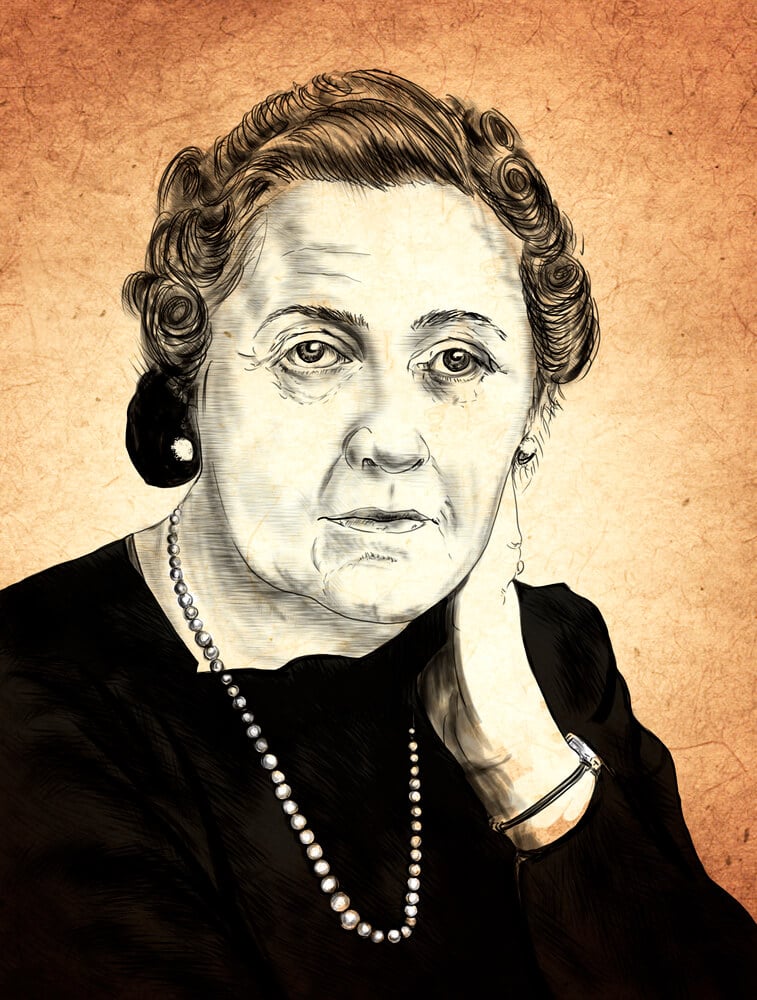
Agatha Christie’s novel was published in Britain in January 1934 as Murder on the Orient Express. The American edition appeared under the title Murder in the Calais Coach, reportedly to avoid confusion with Graham Greene’s novel Orient Express, the American title of Stamboul Train.
Different covers and titles on each side of the Atlantic mean that early editions need checking carefully.
Northern Lights Became The Golden Compass

Philip Pullman’s novel appeared in Britain in 1995 as Northern Lights, a title that points to the aurora seen in the story. When Knopf published it in the United States in 1996, the title became The Golden Compass, a reference to the story’s golden instrument.
Readers on each side of the Atlantic knew the book by a different name for years.
Gulliver’s Travels Was Published as Travels into Several Remote Nations of the World
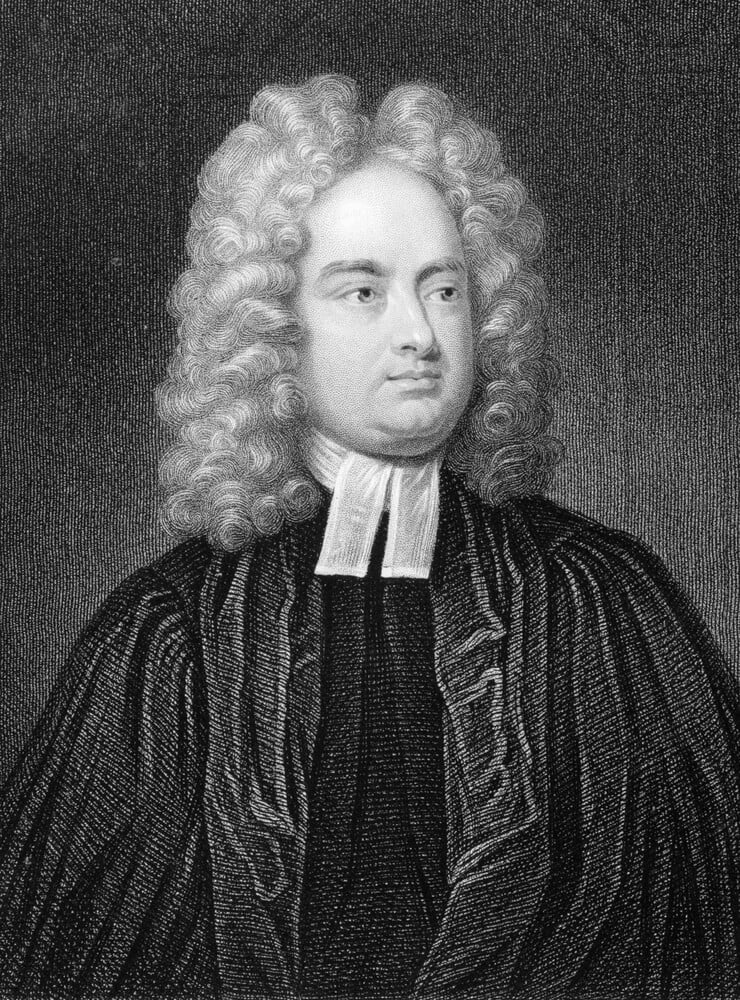
Jonathan Swift’s satire appeared in 1726 under the long title Travels into Several Remote Nations of the World, in Four Parts, by Lemuel Gulliver. It was published anonymously, with the fictional Gulliver credited as author.
The shorter title Gulliver’s Travels is the one that survived.
Treasure Island Was Serialized as The Sea Cook

Robert Louis Stevenson’s pirate adventure first appeared in the magazine Young Folks in 1881 and 1882 under the title The Sea Cook, or Treasure Island. It was published as a book in 1883.
The original title put the ship’s cook, who became Long John Silver, at the center rather than the island.
The Diary of a Young Girl Appeared as Het Achterhuis

Anne Frank’s diary was first published in Amsterdam in 1947 under the title Het Achterhuis, meaning the house behind, a reference to the annex where her family hid. The English edition, The Diary of a Young Girl, followed in 1952.
The Dutch title points to the place rather than the writer.
The Sun Also Rises Became Fiesta in Britain

Ernest Hemingway’s novel was published by Scribner’s in 1926 as The Sun Also Rises. When the British edition appeared in 1927 from Jonathan Cape, it carried the title Fiesta.
The two titles coexisted for years, and some editions still note both.
Peter Pan Was Published as Peter and Wendy
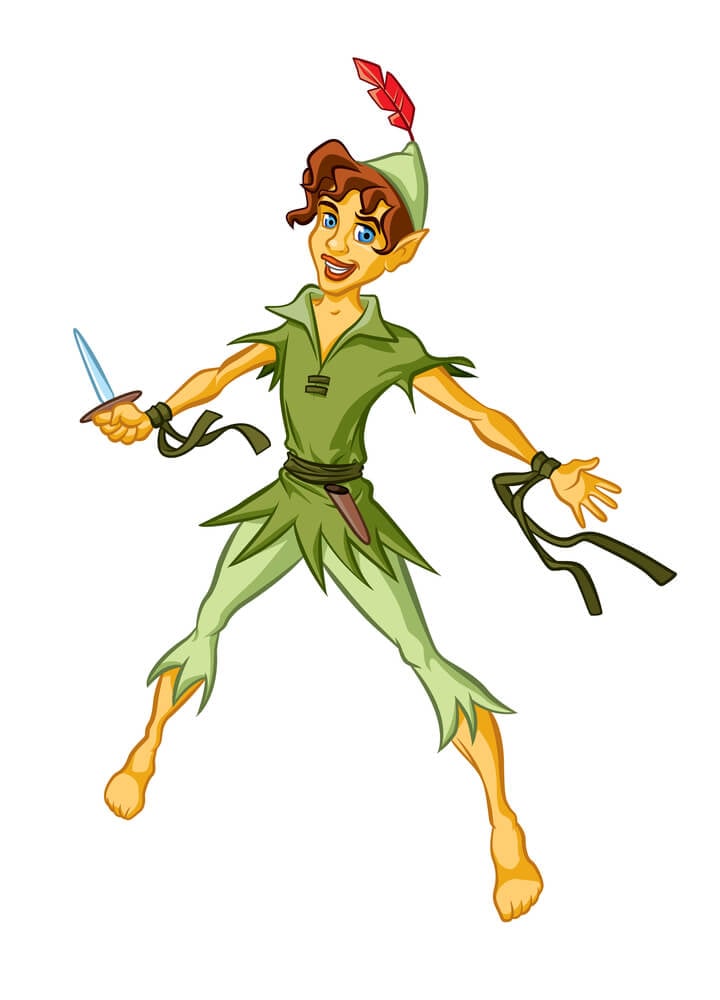
J. M. Barrie’s play Peter Pan, or the Boy Who Wouldn’t Grow Up premiered in 1904. The prose version appeared in 1911 under the title Peter and Wendy, and it was later retitled Peter Pan and Wendy.
The book form gave Wendy equal billing with the boy who would not grow up.
The Wizard of Oz Was The Wonderful Wizard of Oz

L. Frank Baum’s novel appeared in 1900 as The Wonderful Wizard of Oz, with illustrations by W. W. Denslow. The shorter title The Wizard of Oz became standard decades later, particularly after the 1939 film.
Collectors prize the 1900 first edition, whose condition varies widely.
Alice’s Adventures in Wonderland Began as Under Ground
Lewis Carroll gave Alice Liddell a handwritten manuscript titled Alice’s Adventures Under Ground as a Christmas present in 1864. The expanded version appeared in 1865 as Alice’s Adventures in Wonderland, and a facsimile of the original manuscript was published in 1886.
The shift from underground to wonder changed the mood of the title.
Pride and Prejudice Was First Impressions

Jane Austen wrote an early version of the novel in the late 1790s under the title First Impressions, and her father offered it to a publisher in 1797, who declined. The revised book appeared in 1813 as Pride and Prejudice, a phrase that also appears in Fanny Burney’s novel Cecilia.
The new title shifted the focus from first meetings to the flaws of the two leads.
The Great Gatsby Was Nearly Trimalchio in West Egg

F. Scott Fitzgerald considered several titles for his novel, including Trimalchio in West Egg and Under the Red, White and Blue. The book was published in April 1925 as The Great Gatsby.
The final title pointed attention to the mysterious man at the center of the story.
Lord of the Flies Was Strangers from Within
William Golding’s novel was first conceived under the title Strangers from Within. Faber and Faber published it in 1954 as Lord of the Flies.
The new title referred to a pig’s head on a stick, a detail that gave the book a stronger and more memorable image.
Dracula Was Almost The Un-Dead

Bram Stoker worked on his vampire novel under the working title The Un-Dead. The title changed shortly before publication in May 1897, when the book appeared as Dracula.
The simple name gave the villain more weight than the clinical working title.
What a Title Change Reveals

A title is a marketing decision as much as a literary one, and these changes show how often the two collide. Some were made to avoid confusion with another book, some to suit a new market, and some because an author or editor simply found a better phrase.
In every case, the new title shaped how the book was remembered.
For collectors, the differences matter in practical ways. A first edition under an original title can be worth much more than a later reissue, and a book with two titles often has two distinct first editions, one for each market.
Checking the title page against the publication history is the first step in pricing any of them.
More from Go2Tutors!

- 27 Silver Dollars and Half Dollars Worth Keeping
- 28 Restaurant Menu Items Nobody Orders Anymore
- 17 Places Built in Seemingly Impossible Spots
- 27 Vintage Rings Worth More Than They Look
- 25 Restricted Sites Tourists Can’t Enter
Like Go2Tutors’s content? Follow us on MSN.