15 Sports Rules That Were Changed After One Game
Sometimes a single moment in sports history becomes so significant that it forces entire leagues to rewrite their rulebooks. These aren’t gradual adjustments or seasonal tweaks—these are immediate, dramatic changes that happened because one game, one play, or one controversy made it clear that something had to be fixed right away.
Here is a list of 15 sports rules that were changed after just one game, showing how quickly the sports world can adapt when faced with the unexpected.
The Mel Gray Rule
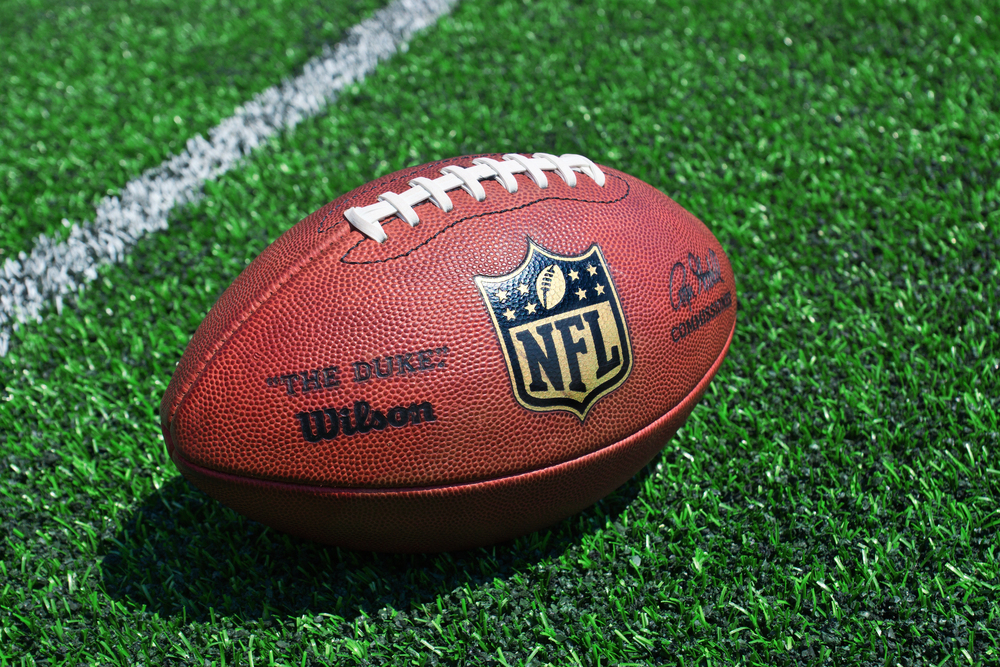
In 1975, Detroit Lions return specialist Mel Gray caught a punt and immediately called for a fair catch—but kept running anyway. The referees didn’t blow the whistle, and Gray took it all the way for a touchdown.
The NFL realized they had a massive loophole on their hands and quickly implemented a rule stating that any player who signals for a fair catch cannot advance the ball under any circumstances. Gray’s clever exploitation of unclear wording created one of the most straightforward rule changes in football history.
The Hail Mary Interference Ban
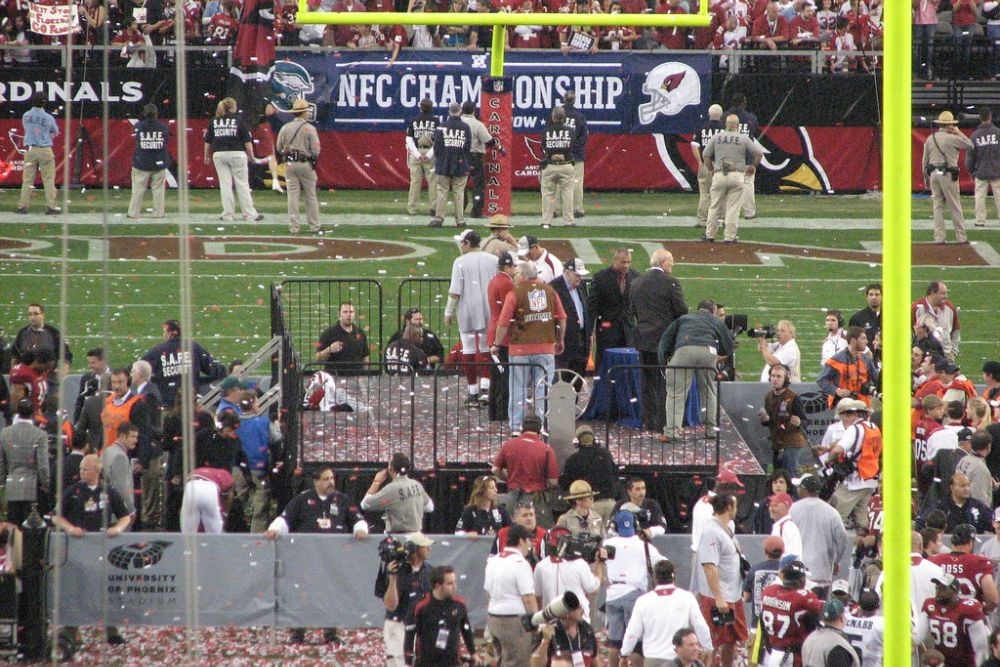
The 1979 NFC Championship game between Dallas and Los Angeles featured a controversial play where Cowboys receiver Drew Pearson appeared to push off defender Nolan Cromwell before catching a game-winning touchdown pass. The officials didn’t call interference, but the play was so blatantly obvious to everyone watching that the NFL immediately clarified and strengthened offensive pass interference rules.
This change made it clear that receivers couldn’t simply bulldoze their way to catches, even in crucial moments.
Like Go2Tutors’s content? Follow us on MSN.
The Tuck Rule
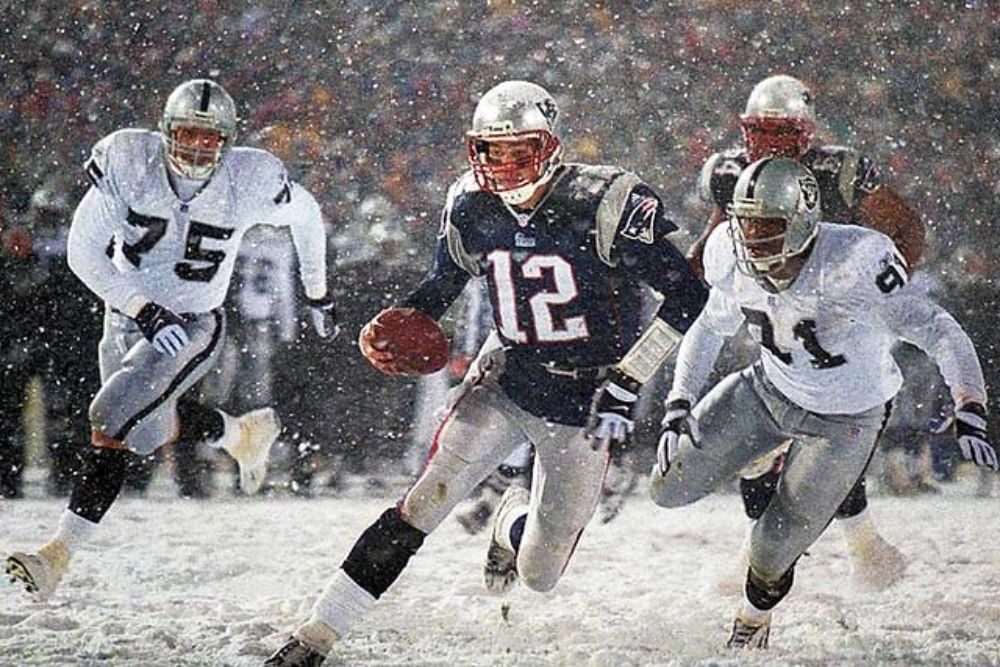
Though it became famous during a 2001 Patriots-Raiders playoff game, the tuck rule was actually created after a 1999 Jets-Patriots game involving Vinny Testaverde. When Testaverde appeared to fumble while bringing the ball back to his body, officials ruled it an incomplete pass based on an obscure interpretation.
The NFL formalized this as the ‘tuck rule,’ which stated that if a quarterback loses the ball while bringing it back toward his body after starting a throwing motion, it’s an incomplete pass rather than a fumble.
The Roy Williams Horse-Collar Rule
Dallas Cowboys safety Roy Williams had a habit of tackling runners by grabbing the back of their shoulder pads and yanking them down—a technique that looked effective but was incredibly dangerous. After Williams injured several players using this method, including a particularly nasty injury to Eagles running back Terrell Owens in 2004, the NFL banned the horse-collar tackle entirely.
The rule specifically prohibits grabbing the inside collar of shoulder pads or jerseys and yanking players down from behind.
The Calvin Johnson Catch Rule
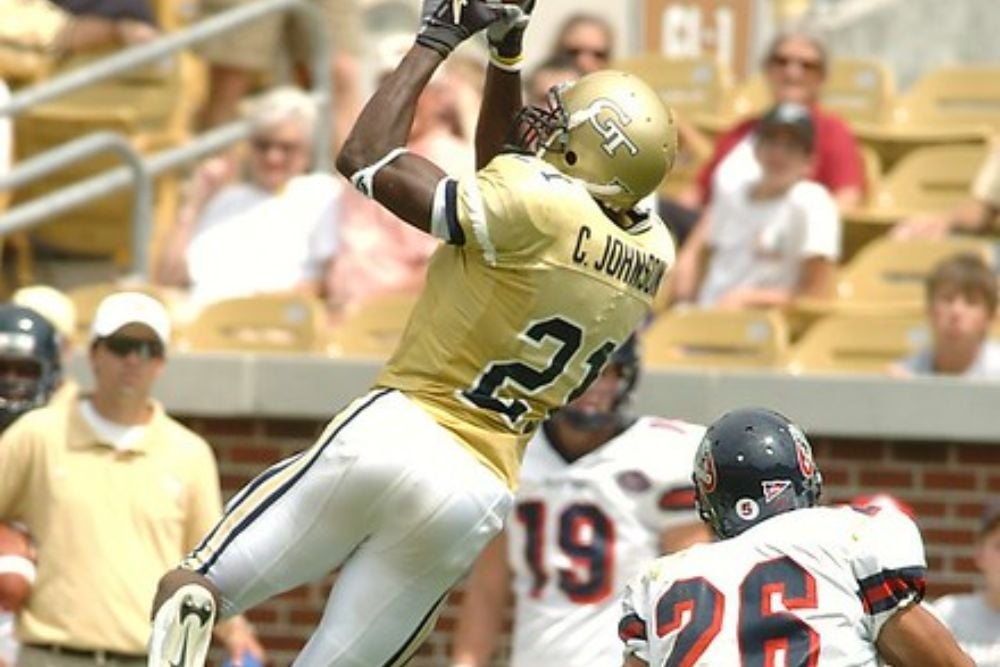
During a 2010 game between Detroit and Chicago, Lions receiver Calvin Johnson caught what appeared to be a game-winning touchdown pass. However, officials ruled that Johnson didn’t maintain possession through the entire catching process, even though he had clear control of the ball.
The controversy was so intense that the NFL spent years clarifying what constitutes a catch, eventually simplifying the rule to focus on control, time, and football moves rather than surviving contact with the ground.
Like Go2Tutors’s content? Follow us on MSN.
The Ty Law Contact Rule
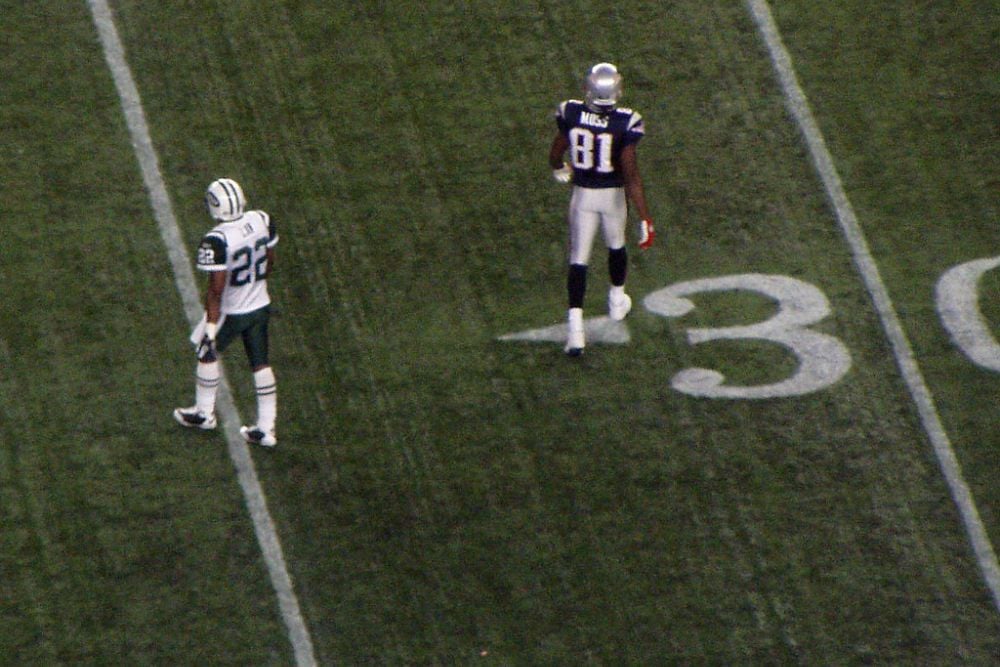
The 2003 AFC Championship game between New England and Indianapolis featured Patriots cornerback Ty Law constantly jamming Colts receivers throughout their routes, making it nearly impossible for Peyton Manning to complete passes. While technically legal at the time, the aggressive contact was clearly affecting the game’s flow and entertainment value.
The NFL responded by limiting defensive contact with receivers to within five yards of the line of scrimmage, opening up passing games across the league.
The Ice Bowl Warming Rule
The 1967 NFL Championship game between Green Bay and Dallas, known as the Ice Bowl, was played in temperatures of minus-13 degrees Fahrenheit. The conditions were so brutal that several players suffered frostbite, and the game’s outcome may have been influenced more by weather survival than athletic skill.
Following this game, the NFL implemented rules about field heating systems and established protocols for postponing games when conditions become genuinely dangerous to player health.
The Jim Marshall Wrong-Way Rule
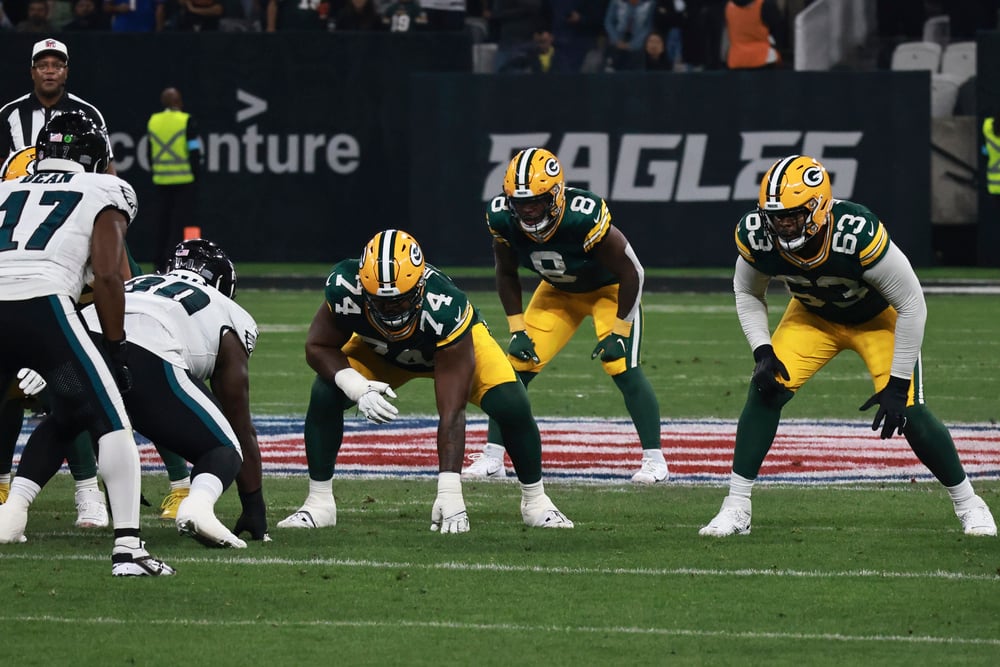
In 1964, Minnesota Vikings defensive end Jim Marshall recovered a fumble and ran 66 yards the wrong way, scoring a safety for the opposing San Francisco 49ers. While the play itself was just a mental error, it exposed a gap in the rulebook about what happens when a player advances the ball toward his own goal line.
The NFL clarified that defensive players who recover fumbles and run the wrong way would have the play blown dead at the spot of recovery rather than allowing them to score for the opposition.
Like Go2Tutors’s content? Follow us on MSN.
The Fair Catch Kick Revival
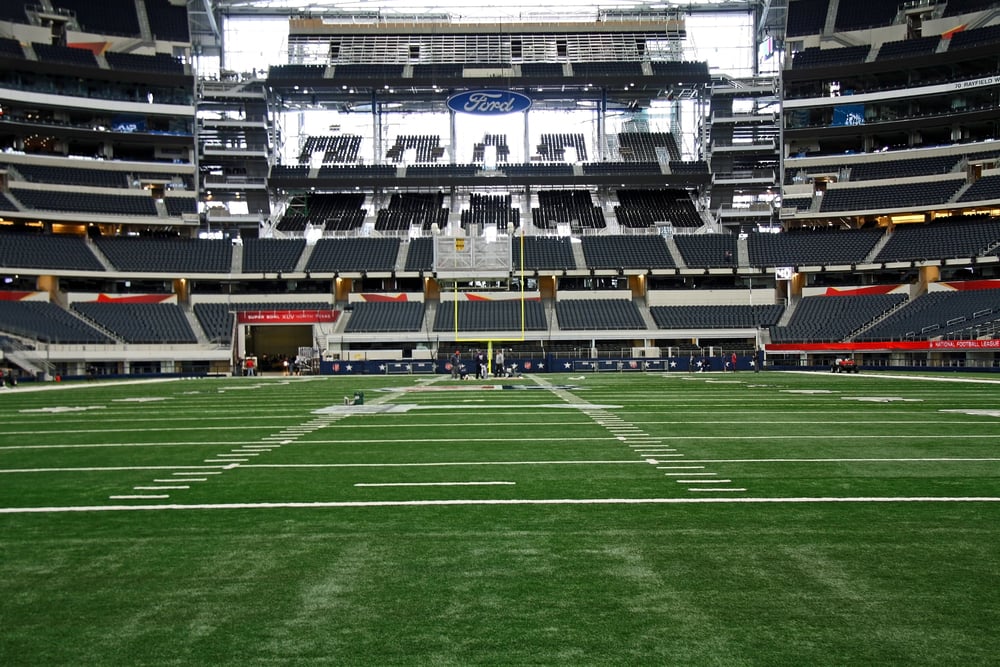
Most fans don’t know that NFL teams can attempt a field goal immediately after a fair catch, without running a play from scrimmage. This obscure rule was rarely used until the San Diego Chargers successfully attempted one in 1976 after a fair catch near midfield as time expired in the first half.
The success of this play reminded teams about the rule’s existence and led to clearer guidelines about when and how fair catch kicks could be attempted.
The Instant Replay Introduction
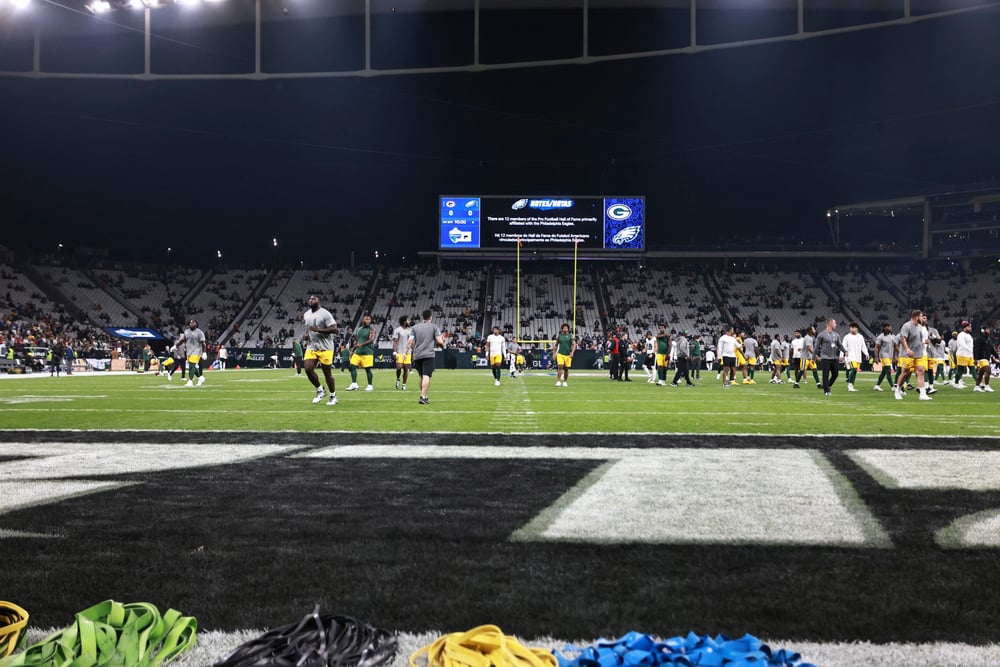
The 1982 playoff game between San Francisco and Dallas included a controversial pass interference call that may have changed the game’s outcome. Television replays clearly showed the officials had made an error, but there was no mechanism to correct it.
The NFL introduced instant replay the following season, giving officials the ability to review certain calls and overturn obvious mistakes. Though the system has evolved significantly, that single controversial call sparked one of the most important technological additions to professional sports.
The Terrell Owens Celebration Ban
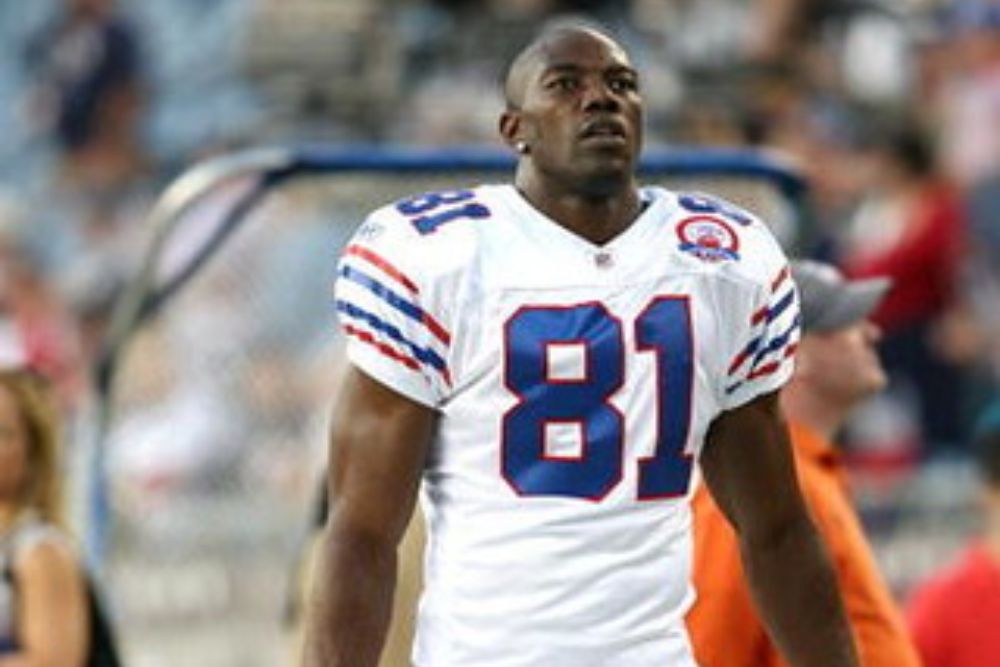
After catching touchdown passes, Dallas Cowboys receiver Terrell Owens would often celebrate by running to the center of the opposing team’s field and standing on their logo. While entertaining fans, these celebrations frequently led to fights and delays.
Following a particularly heated incident in 2000, the NFL implemented stricter celebration rules that prohibited players from using opposing team logos as props and limited the duration of touchdown celebrations.
Like Go2Tutors’s content? Follow us on MSN.
The Tom Brady Slide Rule
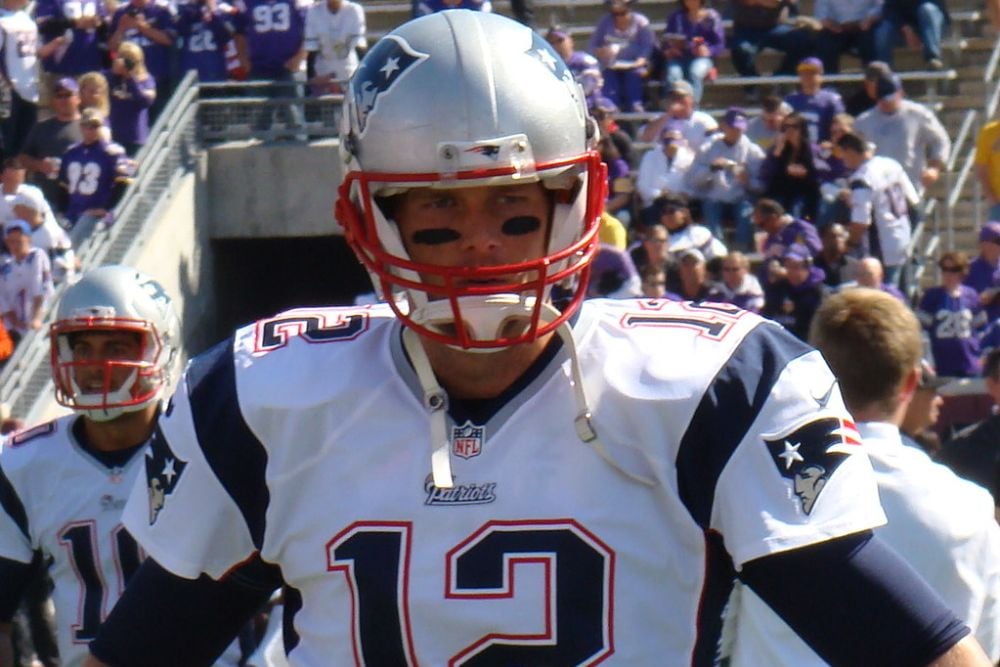
During a 2001 playoff game, Patriots quarterback Tom Brady slid to avoid a tackle but continued sliding well past where he first made contact with the ground. The play exposed ambiguity about exactly when a sliding quarterback should be considered down.
The NFL clarified that quarterbacks are down the moment they begin their slide, not when they finish sliding, protecting quarterbacks while preventing them from gaining extra yardage through extended slides.
The Sean Taylor Hit Prevention
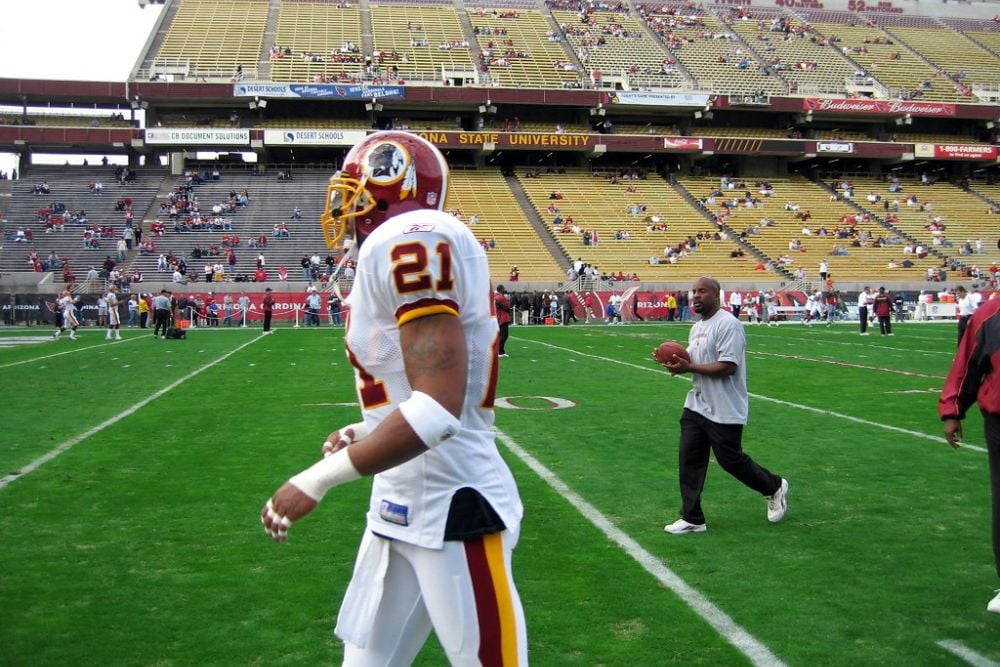
Washington safety Sean Taylor was known for devastating hits on defenseless receivers, including a particularly brutal collision during a 2004 game that left the receiver unconscious. While Taylor’s hits were technically legal at the time, the NFL recognized that such collisions were unnecessarily dangerous and not in the sport’s best interest.
New rules prohibited hits on defenseless receivers and established clearer guidelines about what constitutes targeting a vulnerable player.
The Randy Moss Moon Celebration
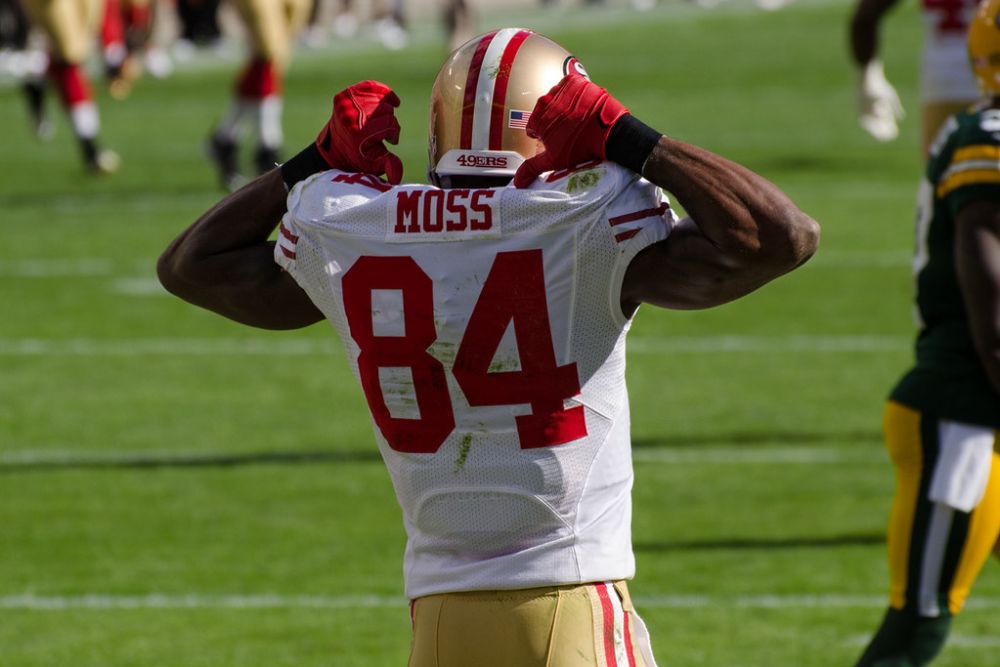
After scoring a touchdown in a 2005 playoff game, Vikings receiver Randy Moss pretended to pull down his pants and expose himself to Green Bay Packers fans—a gesture known as ‘mooning.’ While Moss didn’t actually expose anything, the simulated gesture was clearly inappropriate for a televised sporting event.
The NFL immediately implemented stricter conduct rules that specifically prohibited any celebrations mimicking inappropriate gestures or actions.
The Pete Carroll Timeout Freeze
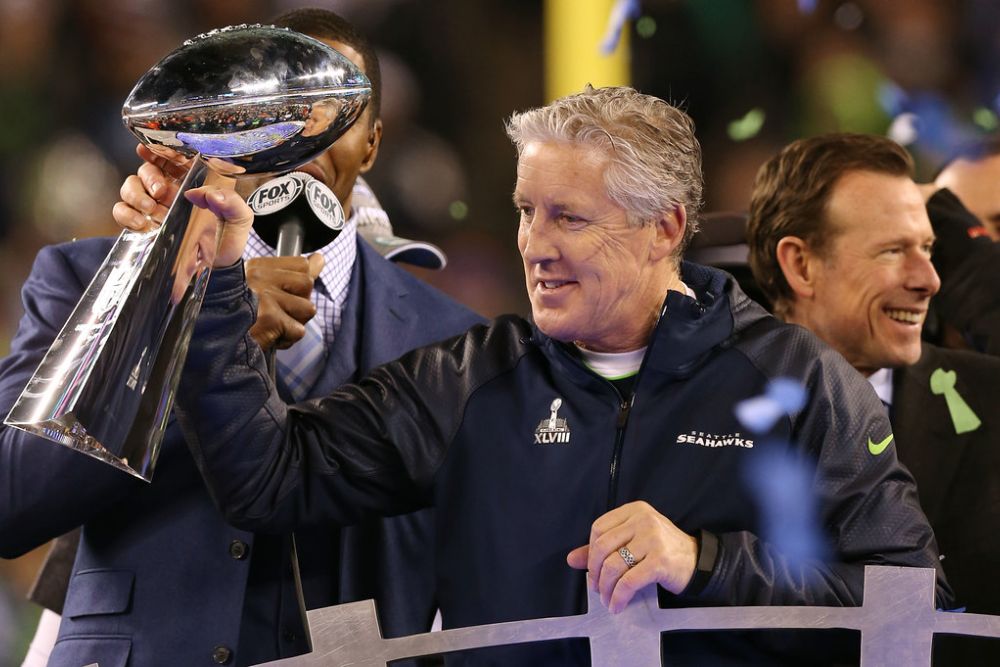
During a 2006 game, USC coach Pete Carroll called a timeout just as the opposing kicker was about to attempt a crucial field goal. The timeout was called so late that the kicker had already started his approach, creating confusion about whether the attempt should count.
College football responded by implementing the ‘freeze’ rule, which prevents coaches from calling timeouts once the kicking team has started their approach, eliminating the psychological gamesmanship that had become common in crucial kicking situations.
How One Game Changes Everything
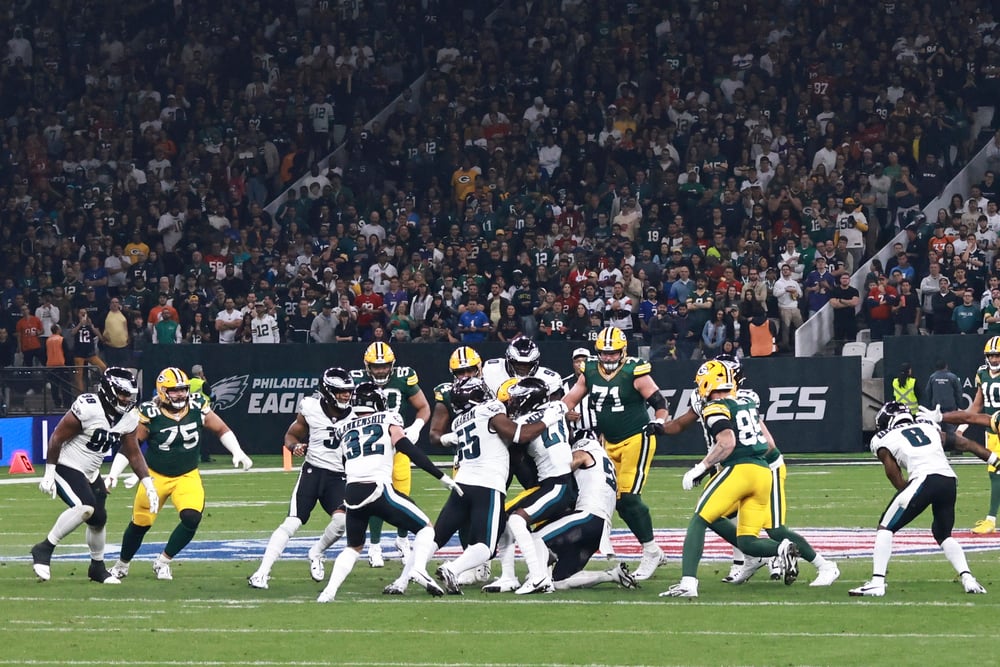
These rule changes demonstrate how quickly sports can evolve when faced with unexpected situations or obvious flaws in existing regulations. Each of these modifications came about because someone found a way to exploit the system, created a dangerous situation, or simply did something that nobody had thought to prohibit before.
The ability of sports leagues to adapt and improve their rules based on real-game experiences keeps the games fair, safe, and entertaining for everyone involved.
More from Go2Tutors!

- 16 Restaurant Chains That Went Too Fast
- 12 Things Sold in the 80s That Are Now Illegal
- 15 Strange Things People Have Tried to Ban (And Failed)
- 16 Collectibles People Tossed Out Too Soon
- 17 Myths from Your Childhood That Were Actually Based on Real Things
Like Go2Tutors’s content? Follow us on MSN.