15 Iconic U.S. Toys From the ’70s
The 1970s brought us disco, bell-bottom jeans, and some of the most memorable toys in American history. This decade wasn’t just about groovy music and funky fashion—it was a playground revolution that introduced toys so iconic they’re still beloved today. From simple rocks that became millionaire-makers to complex electronic games that laid the groundwork for modern gaming, the ’70s proved that imagination and innovation could turn almost anything into the next big thing.
The toys that captured America’s attention during this era weren’t just random hits. Here’s a list of 15 toys that defined childhood in the 1970s and left their mark on generations.
Pet Rock

Gary Dahl turned one of the most absurd ideas in toy history into a multimillion-dollar phenomenon in 1975. These ordinary rocks came in cardboard carrying cases complete with air pits and a care manual that included instructions for teaching your pet to ‘stay’ and ‘play dead.’
The joke was obviously on everyone, but Americans bought over a million Pet Rocks at $4 each, proving that sometimes the simplest ideas are the most brilliant.
Rubik’s Cube

Hungarian inventor Ernő Rubik created this colorful puzzle in 1974, though it didn’t hit American shores until the end of the decade. The cube’s deceptively simple appearance—just twist the sides to match the colors—masked a mind-bending challenge that could take weeks or even months to solve.
What started as an architectural teaching tool became an obsession that had people twisting and turning their way through the late ’70s and beyond.
Like Go2Tutors’s content? Follow us on MSN.
Star Wars Action Figures

When the first Star Wars movie hit theaters in 1977, Kenner’s action figures followed close behind and changed the toy industry forever. These 3.75-inch figures were smaller than traditional action figures, but that compact size meant kids could collect entire armies of rebels and imperials.
Luke Skywalker, Princess Leia, and Darth Vader became household names, and suddenly every kid wanted to recreate epic space battles in their backyard.
Stretch Armstrong

This blonde, muscle-bound action figure could stretch up to four times his normal size thanks to a corn syrup filling that made him nearly indestructible. Kids could pull his arms, legs, and torso in ways that would break any normal toy, and he’d always snap back to his original shape.
Stretch Armstrong became the ultimate test of childhood restraint—everyone wanted to see just how far they could push him before he finally broke.
Big Wheel

The Big Wheel turned every driveway into a racetrack with its oversized front wheel and low-riding design. This three-wheeled marvel let kids speed down hills and around corners with the kind of reckless abandon that would make today’s parents nervous.
The distinctive sound of plastic wheels on pavement became the soundtrack of suburban childhood, and the inevitable skid marks on driveways became badges of honor.
Like Go2Tutors’s content? Follow us on MSN.
Lite-Brite
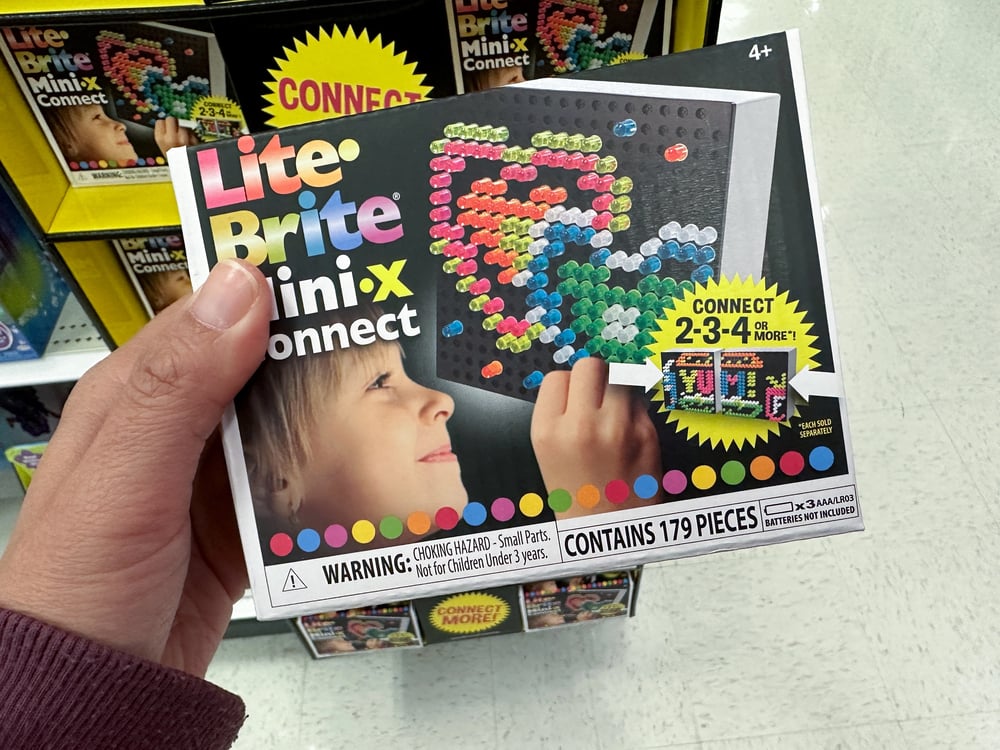
This illuminated peg board turned ordinary colored pegs into glowing works of art that could brighten up any dark room. Kids would follow pattern sheets or create their own designs, pushing tiny colored pegs through black paper to create pictures that came alive when backlit.
The jingle ‘Lite-Brite, Lite-Brite, turn on the magical colored light’ became permanently embedded in the minds of an entire generation.
Evel Knievel Stunt Cycle

Inspired by the death-defying motorcycle stunts of the real Evel Knievel, this toy let kids recreate dangerous jumps without actually risking life and limb. The wind-up motorcycle and its leather-clad rider could launch off ramps and clear impressive distances, usually ending in spectacular crashes that were half the fun.
It perfectly captured the daredevil spirit of its namesake while keeping the action safely in miniature.
Simon

This electronic memory game consisted of four colored buttons that lit up and played tones in increasingly complex sequences. Players had to repeat the patterns perfectly, and the game got faster and more challenging with each successful round.
Simon was one of the first mainstream electronic toys, introducing kids to the concept of interactive technology while driving them absolutely crazy with its unforgiving difficulty.
Like Go2Tutors’s content? Follow us on MSN.
Mastermind

This code-breaking board game challenged players to crack a secret sequence of colored pegs using logic and deduction. One player would create a hidden code while the other tried to guess it, receiving clues after each attempt.
Mastermind turned every game night into a battle of wits, and its simple concept proved that the best puzzles don’t need flashy graphics or complex rules.
Rock ‘Em Sock ‘Em Robots
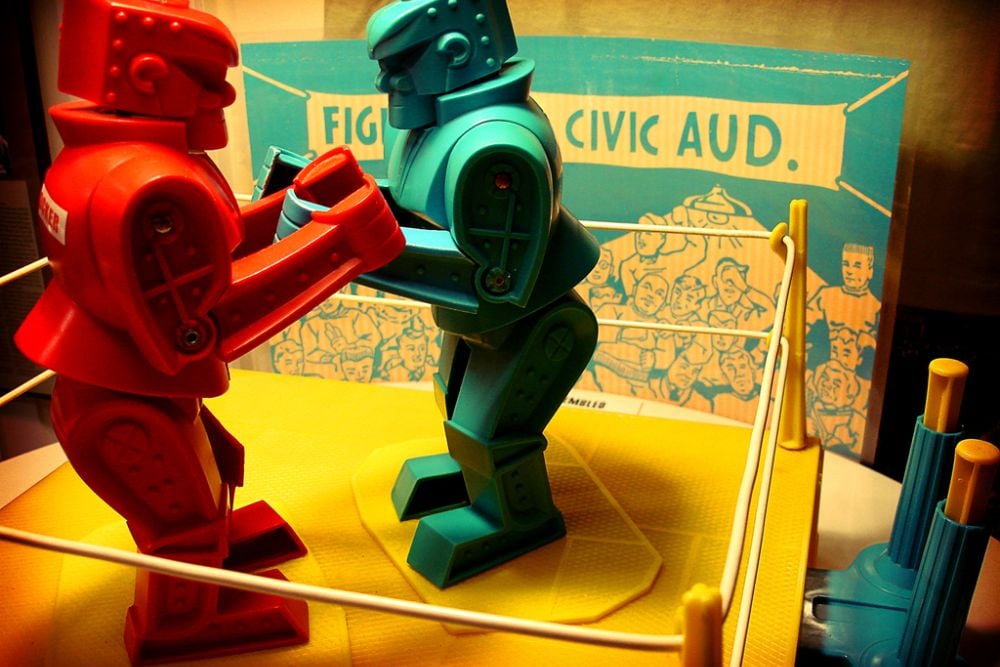
These dueling mechanical boxers settled playground disputes the civilized way—with tiny robot fisticuffs. Players would frantically push buttons and pull levers to make their red or blue robot throw punches until one fighter’s head popped up, signaling knockout victory.
The satisfying ‘pop’ of a successful hit and the dramatic head-popping action made every match feel like a heavyweight championship bout.
Nerf Football
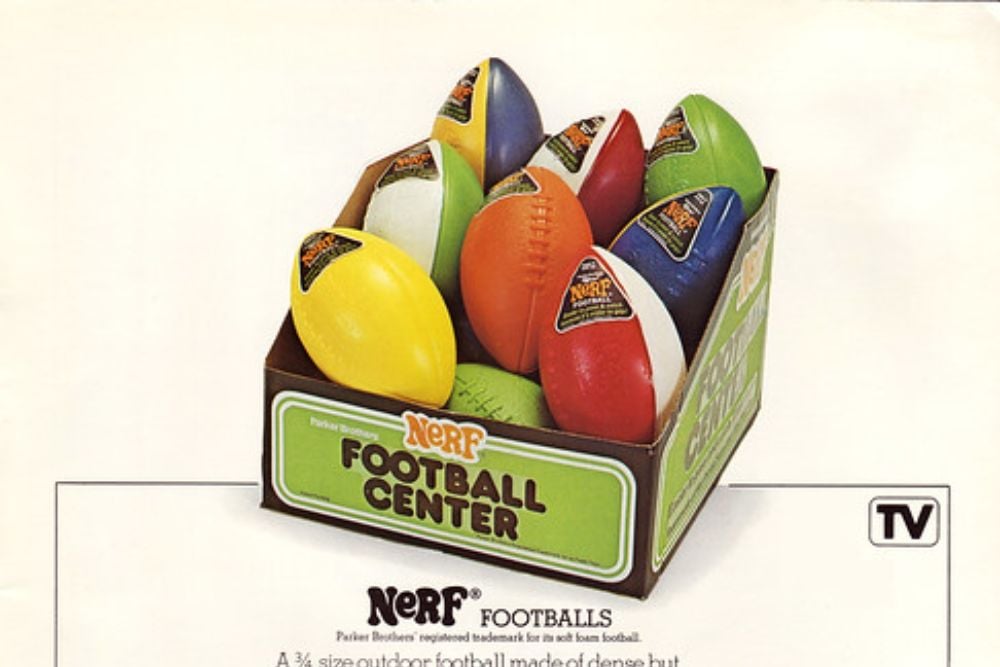
Parker Brothers revolutionized backyard sports with this soft foam football that could be thrown indoors without breaking anything valuable. The Nerf football’s squishy construction meant kids could finally play catch in the living room, and its aerodynamic design actually made it fly better than many traditional footballs.
It opened up a whole new world of indoor athletics and launched the Nerf brand into sporting goods stardom.
Like Go2Tutors’s content? Follow us on MSN.
Weebles
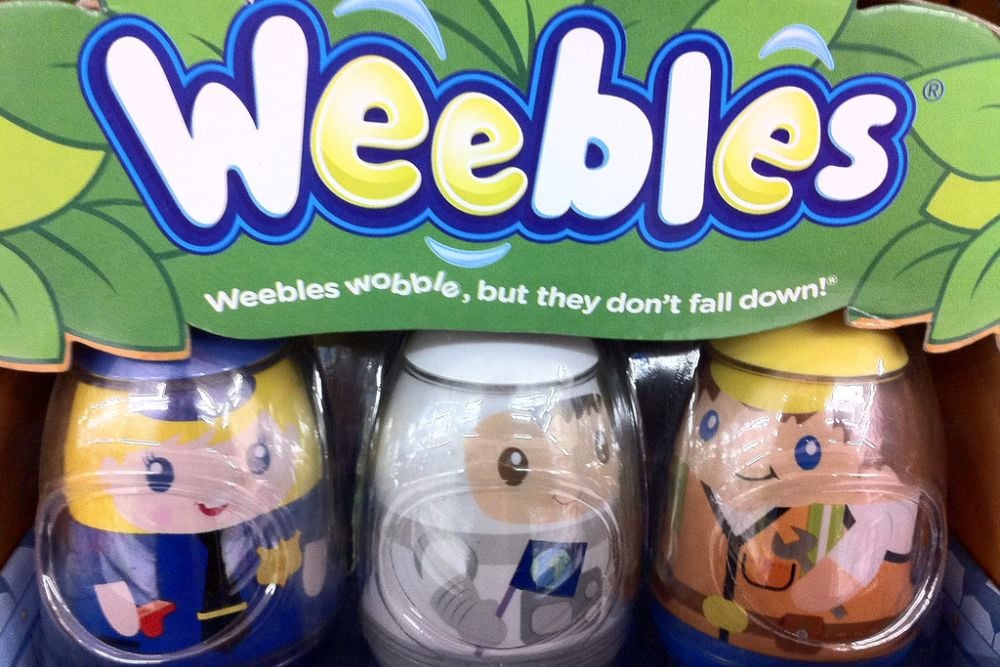
These egg-shaped figures wobbled when pushed but always returned to an upright position, living up to their famous slogan: ‘Weebles wobble but they don’t fall down.’ The simple physics demonstration became endlessly entertaining for young children who couldn’t quite grasp why these round-bottomed toys refused to stay knocked over.
Weebles proved that sometimes the most educational toys are also the most fun.
Shrinky Dinks

This craft kit turned ordinary coloring into magic by shrinking hand-drawn designs in the oven. Kids would color special plastic sheets, cut out their creations, and watch in amazement as the oven transformed their artwork into small, thick charms.
The science behind the shrinking plastic was fascinating, but most kids were just thrilled to see their drawings become miniature versions of themselves.
Micronauts
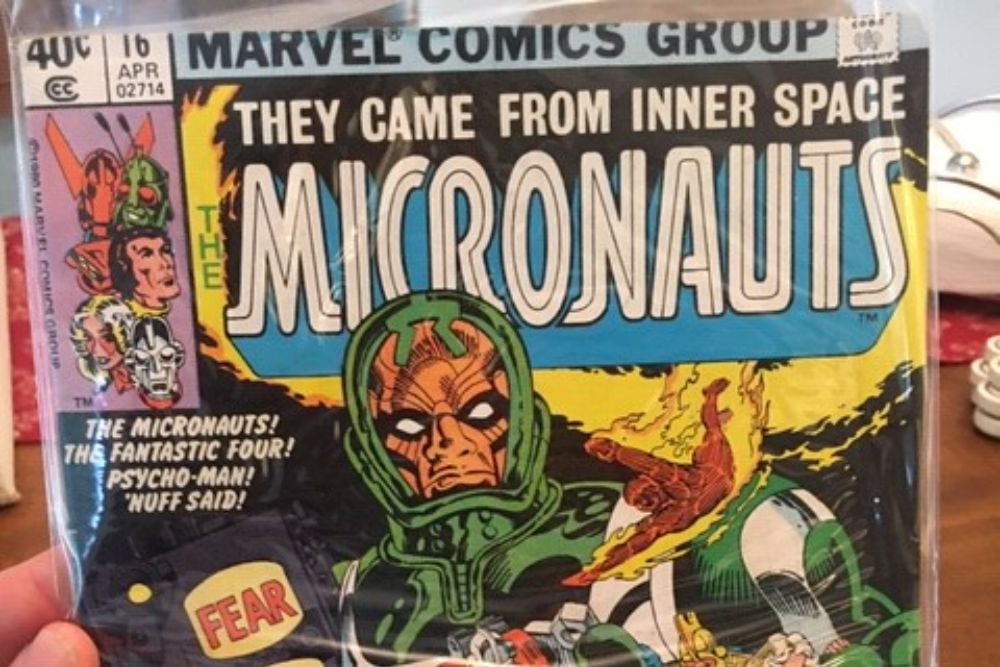
These small action figures came from the far reaches of space with interchangeable parts and vehicles that could be combined in countless ways. The Micronauts’ modular design meant kids could create custom warriors and spaceships, mixing and matching components to build their own cosmic army.
The detailed sculpting and metallic finishes made these tiny figures feel like genuine artifacts from another world.
Like Go2Tutors’s content? Follow us on MSN.
View-Master
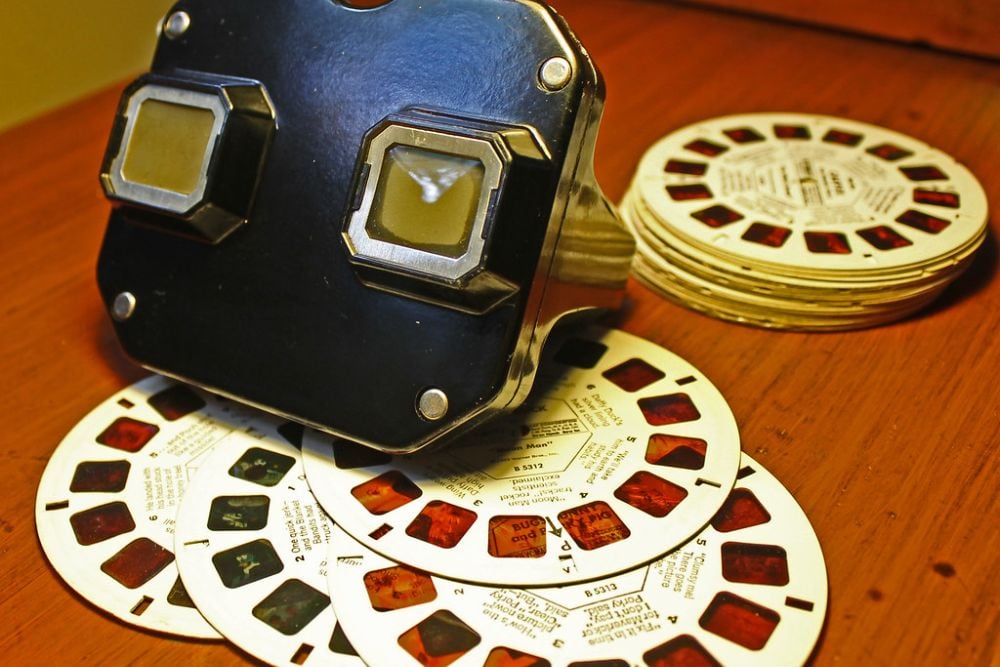
Though it had been around since the 1930s, the View-Master experienced a renaissance in the ’70s with new reels featuring popular TV shows and movies. This stereoscopic viewer created 3D images that seemed to pop right out of the device, turning flat pictures into immersive experiences.
Kids could visit distant lands, explore underwater worlds, or relive their favorite cartoon episodes, all through the magic of two slightly different photographs.
The Legacy Lives On

These toys didn’t just entertain kids for a few months before being forgotten in closets—they became cultural touchstones that defined what it meant to grow up in America during the 1970s. Many of these brands are still thriving today, adapted for new generations but maintaining the core appeal that made them special decades ago.
The creativity and innovation that drove the toy industry in the ’70s set the stage for everything that followed, proving that the best playthings are timeless. Today’s kids might have smartphones and tablets, but they’re still stretching Stretch Armstrong and trying to solve Rubik’s Cubes, showing that great toys transcend technology and trends.
More from Go2Tutors!

- 16 Historical Figures Who Were Nothing Like You Think
- 12 Things Sold in the 80s That Are Now Illegal
- 15 VHS Tapes That Could Be Worth Thousands
- 17 Historical “What Ifs” That Would Have Changed Everything
- 18 TV Shows That Vanished Without a Finale
Like Go2Tutors’s content? Follow us on MSN.



