15 Fearless Animals That Face Off With Bears
When most creatures encounter a bear, their survival instinct kicks in with one clear message: run. Yet across the wild landscapes of North America, Europe, and Asia, certain animals refuse to back down from these massive predators. Some rely on sheer aggression, others on clever tactics, and a few simply seem too stubborn to know better.
Here’s a list of 15 fearless animals that will actually stand their ground and face off against bears in the wild.
Wolverines
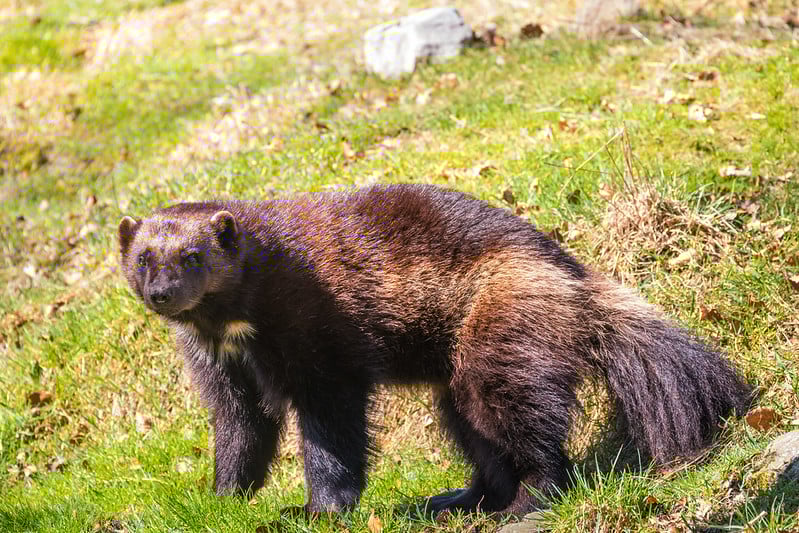
These compact carnivores pack an attitude that far exceeds their 40-pound frame. Wolverines have been documented driving grizzly bears away from fresh kills through pure tenacity and razor-sharp claws.
Their fearless reputation isn’t just folklore — wildlife researchers have filmed wolverines chasing bears twice their size across snowy terrain. The bear usually gives up first.
Honey Badgers
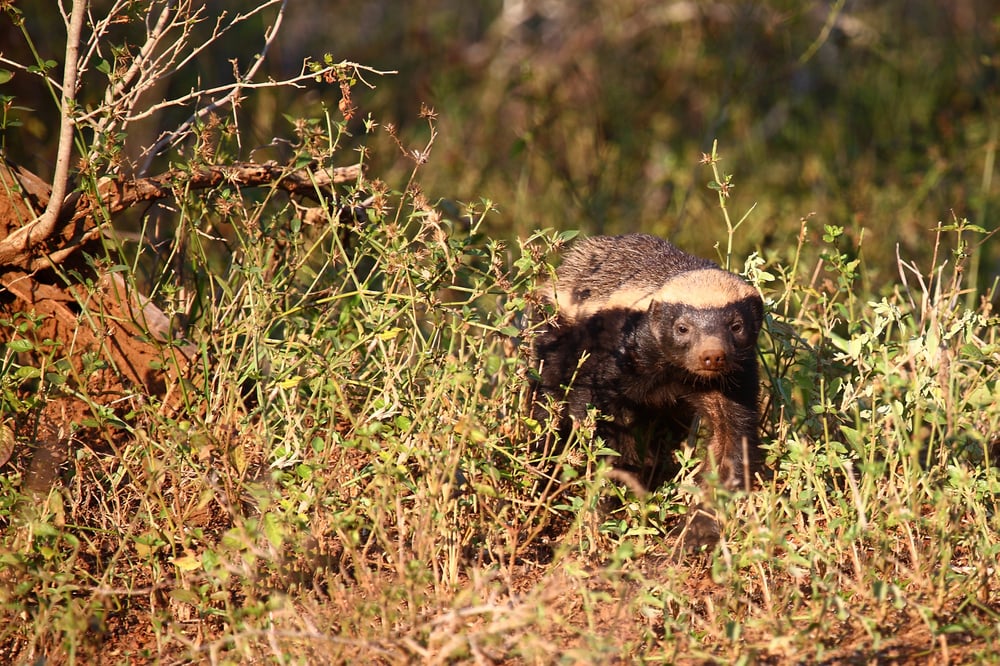
Africa’s most notorious troublemaker doesn’t technically share habitat with most bear species, but when introduced environments overlap, the results are predictable. Honey badgers attack anything that moves, including much larger predators.
Even so, their thick skin and relentless aggression make them formidable opponents. They’ve been known to survive encounters that would kill most animals their size.
Bull Moose
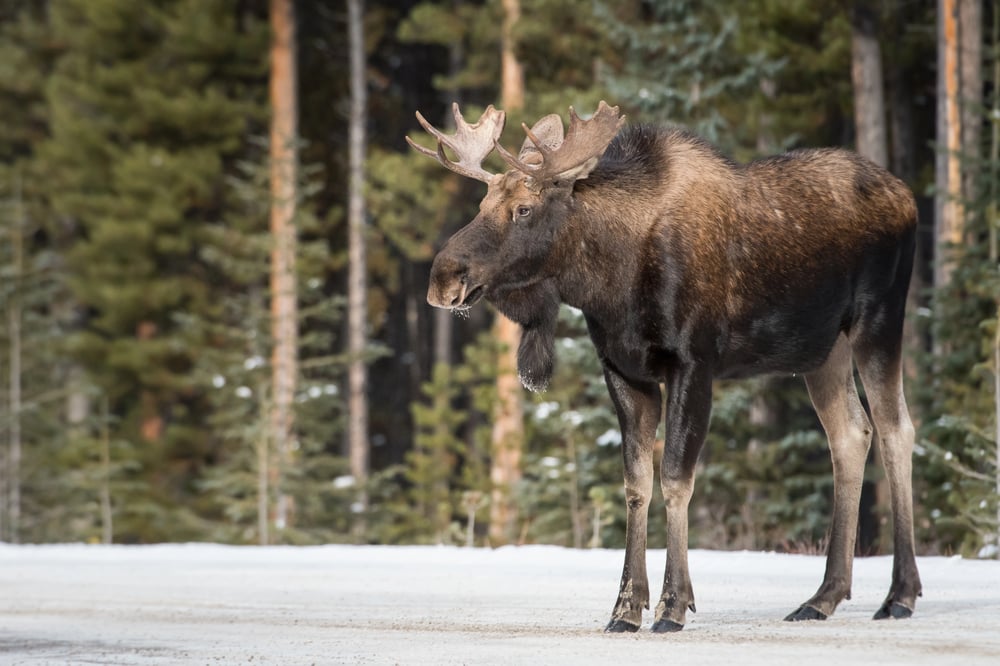
During rutting season, bull moose transform into six-foot-tall battering rams with an attitude problem. Their massive antlers can span six feet, and they’ll charge bears that venture too close to their territory.
A bull moose in full charge generates tremendous force — enough to send even a large brown bear scrambling for safety. Not something you’d expect from a herbivore.
Mountain Goats
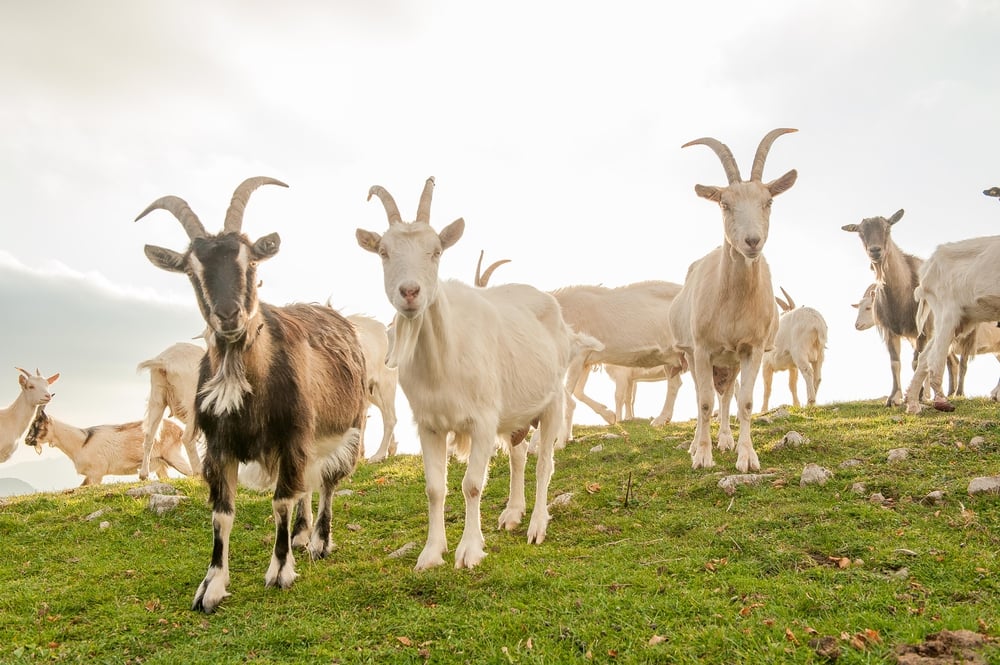
These sure-footed climbers might look harmless, but mountain goats possess surprisingly sharp horns and zero tolerance for threats to their young. They’ve been observed standing their ground against black bears on narrow cliff ledges.
The goat’s advantage lies in terrain mastery. While bears struggle on steep rocky surfaces, mountain goats dance across precipices like they’re strolling through a meadow — which gives them the confidence to fight back rather than flee.
Wild Boar
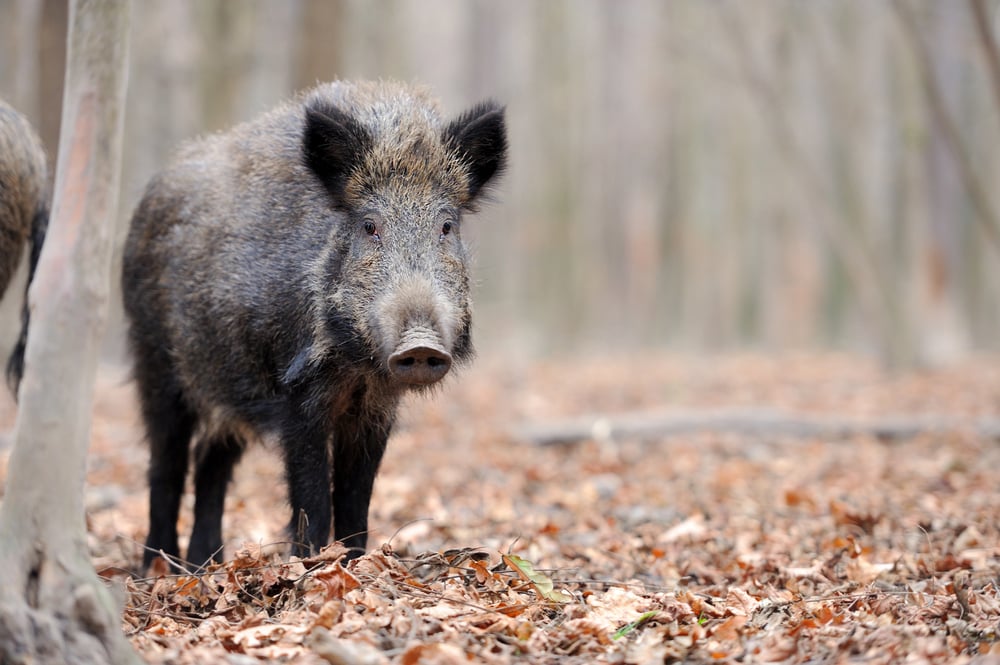
European wild boar and their feral pig descendants combine intelligence with tusks that can grow eight inches long. When cornered, they become living bulldozers that even experienced bears prefer to avoid.
Wild boar travel in groups and coordinate their defense. A sow protecting piglets will charge anything, including bears three times her weight. Tusks versus claws — surprisingly even matchup.
Bison

American bison might seem too peaceful to challenge bears, but these one-ton herbivores have a different perspective on conflict resolution. When threatened, they lower their massive heads and charge with enough force to flip a car.
Still, most encounters end with mutual respect rather than actual combat. Both animals recognize the other’s potential for serious damage.
Cougars
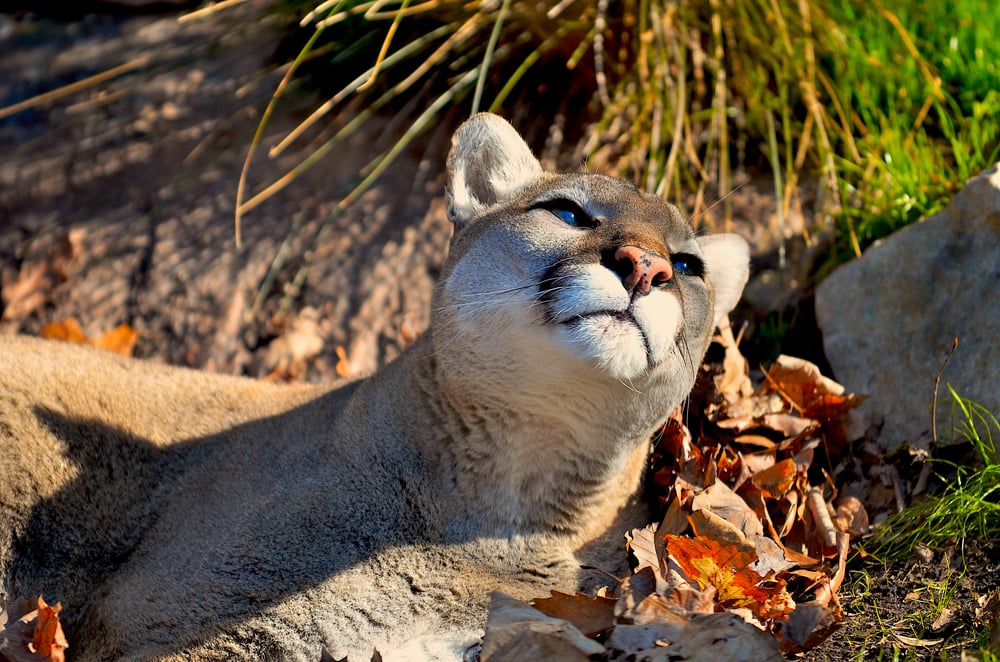
Mountain lions rely on ambush tactics against most prey, yet they’ll face bears head-on when defending cubs or territory. Their speed and agility give them advantages that brute strength alone cannot.
A cougar can leap 18 feet vertically and strike with lightning precision. Bears know this, which is why they often retreat when faced with a determined mountain lion.
Gray Wolves
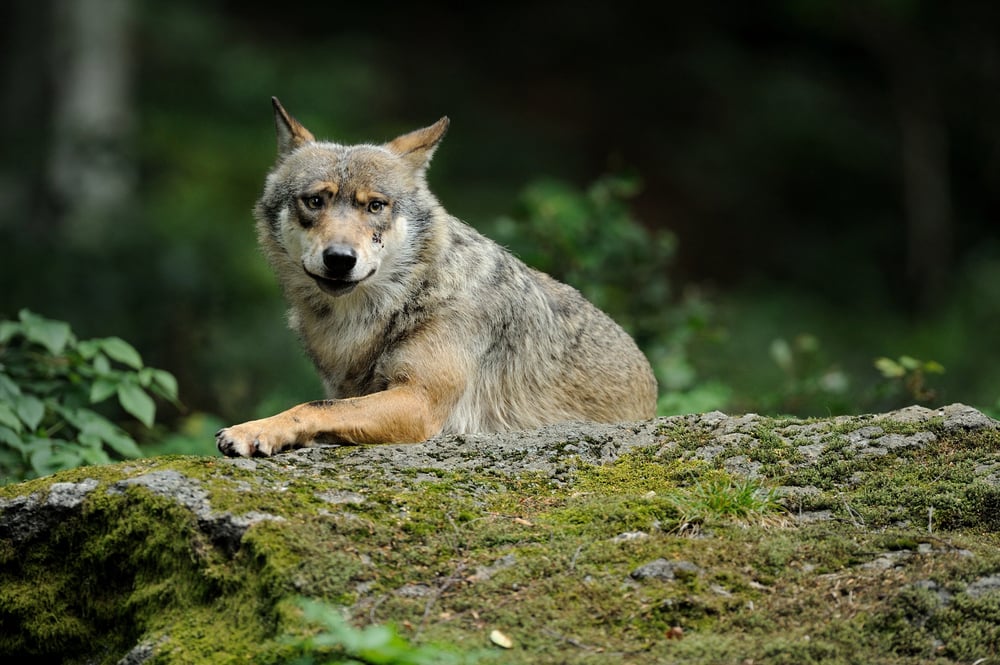
Individual wolves typically avoid bears, but pack dynamics change everything. A coordinated wolf pack can harass and eventually drive off even large grizzlies through persistent attacks and strategic positioning.
The wolves work in shifts — some distract while others strike from behind. Exhausting but effective. Bears eventually decide the hassle isn’t worth it.
Musk Oxen

These Arctic survivors form defensive circles when threatened, presenting a wall of horns and hooves that even polar bears find intimidating. Their thick skulls can deliver bone-crushing impacts during head-to-head collisions.
Musk oxen don’t run from anything. Their strategy involves standing ground and outlasting attackers through sheer stubbornness and coordinated group defense.
Canadian Lynx
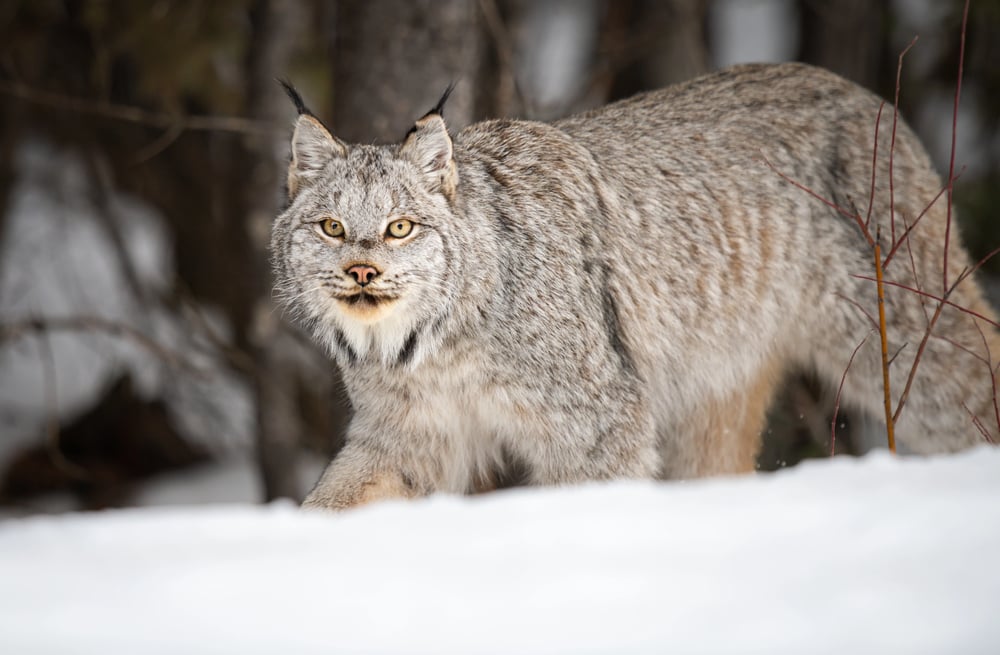
Though smaller than cougars, lynx possess proportionally larger paws and exceptional climbing abilities that allow them to escape or attack from unexpected angles. They’ve been documented successfully defending kills from black bears.
Lynx also have that wild-eyed look that suggests they might just be crazy enough to try anything. Sometimes perception matters as much as reality in wildlife encounters.
Elk

Bull elk during mating season become testosterone-fueled fighting machines with antlers that can measure five feet across. They’ll charge bears, trucks, or pretty much anything else that seems like a threat to their dominance.
One documented case involved a bull elk chasing a black bear up a tree and keeping it there for several hours. The bear eventually had to wait for the elk to lose interest before climbing down.
Badgers

American badgers share the honey badger’s reputation for fearless aggression, though they’re generally more focused on digging than fighting. When confronted, they become furry tornadoes of claws and teeth.
Their low profile and burrowing skills make them difficult targets. Plus they’re just mean enough to make most bears reconsider the whole encounter.
Porcupines

These walking pin cushions don’t actively seek fights, but their defense system makes even the largest bears think twice about an attack. One face full of quills can disable a bear for weeks or permanently.
Bears learn quickly which animals aren’t worth the trouble. Porcupines top that list.
Tigers

In regions where their ranges overlap, Siberian tigers occasionally clash with brown bears over territory and food sources. Tigers bring speed, stealth, and killing instincts honed by millions of years of evolution.
The matchups are rare but spectacular when they occur. Both animals command respect from wildlife researchers who study these apex predator interactions.
Humans
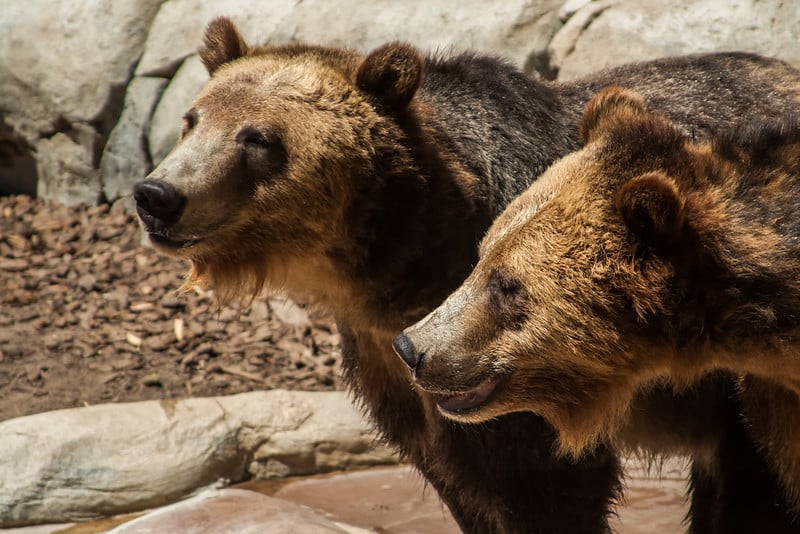
Perhaps the most unpredictable bear opponents, humans have faced off against these massive predators using everything from spears to pepper spray. Our success rate varies dramatically based on preparation, equipment, and pure luck.
What humans lack in claws and teeth, we make up for in unpredictability and tool use. Bears have learned to be cautious around our species — though not always cautious enough.
Nature’s Standoff Artists
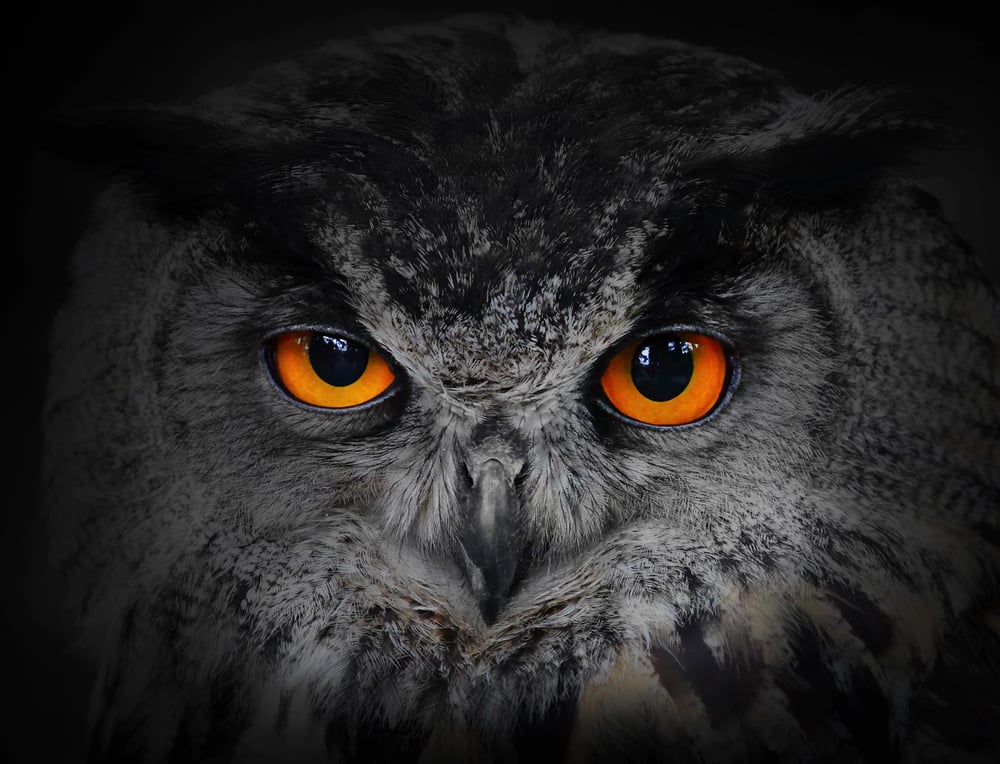
These fearless animals prove that size isn’t everything in the wild. Whether through weaponry, tactics, or sheer determination, each species has found ways to level the playing field against one of nature’s most formidable predators. Their courage reminds us that survival often depends less on being the biggest and more on being the most prepared to fight for what matters.
More from Go2Tutors!

- 16 Historical Figures Who Were Nothing Like You Think
- 12 Things Sold in the 80s That Are Now Illegal
- 15 VHS Tapes That Could Be Worth Thousands
- 17 Historical “What Ifs” That Would Have Changed Everything
- 18 TV Shows That Vanished Without a Finale
Like Go2Tutors’s content? Follow us on MSN.