Photos Of Extreme Places Testing Human Survival
A single photo can lie. Beauty on paper might choke you when stood within it.
Where temperatures twist the sky’s shape, machines grow brittle, breath turns shallow – such spots exist beyond mere distance. Not just far, but fierce.
Each step there asks for gear, planning, a kind of humility few consider. Survival takes effort in these spots – ease doesn’t show up here.
Where conditions bite hard, rest stays out of reach.
Death Valley, California

Death Valley holds the record for the highest air temperature ever recorded on Earth: 134°F in 1913. Summer temperatures regularly climb above 120°F, and the ground can become even hotter.
Water evaporates quickly, shade is scarce, and distances between safe stops can stretch for miles. Even so, the valley attracts hikers and photographers drawn to its salt flats and sculpted dunes.
Survival here depends on timing, hydration, and an honest assessment of physical limits. Underestimating the desert is a mistake that has proven costly for some visitors.
Antarctica
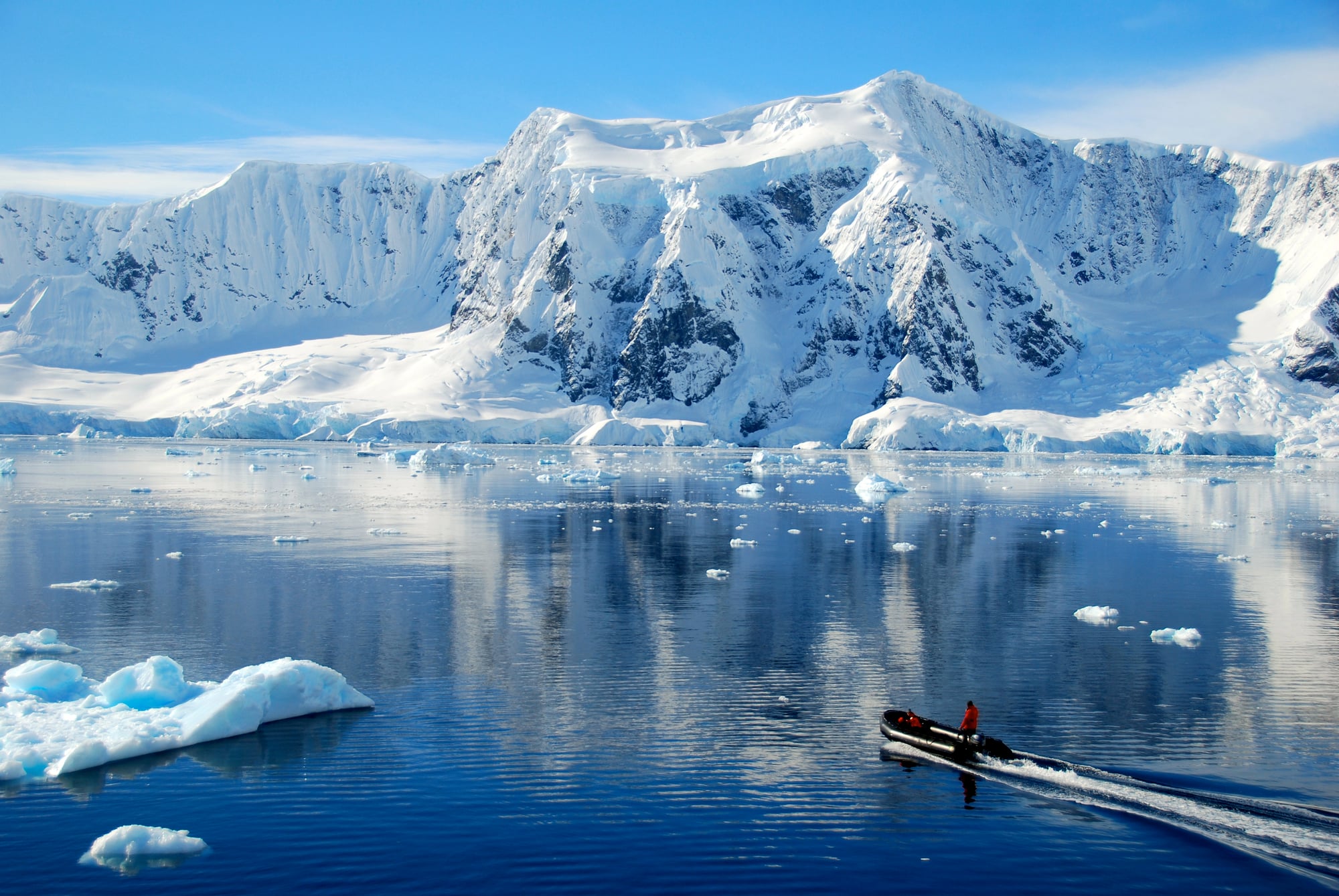
Antarctica is the coldest, driest, and windiest continent on Earth. Temperatures in its interior have dropped below −128°F, and coastal storms can produce winds exceeding 100 miles per hour.
The air holds so little moisture that it qualifies as a desert. Despite those extremes, research stations operate year-round with carefully engineered insulation and supplies.
Human survival here relies entirely on technology and planning. Without shelter and layered protection, exposure can become life-threatening in minutes.
Mount Everest, Nepal And Tibet

Mount Everest rises 29,032 feet above sea level, where oxygen levels are roughly one-third of what they are at sea level. Climbers entering the so-called ‘death zone’ above 26,000 feet risk altitude sickness, frostbite, and exhaustion.
Even experienced mountaineers must acclimatize carefully. The body struggles to function efficiently in thin air, and storms can move in quickly.
Everest has become more accessible over the decades, but it remains a place where survival hinges on preparation and weather windows.
The Atacama Desert, Chile
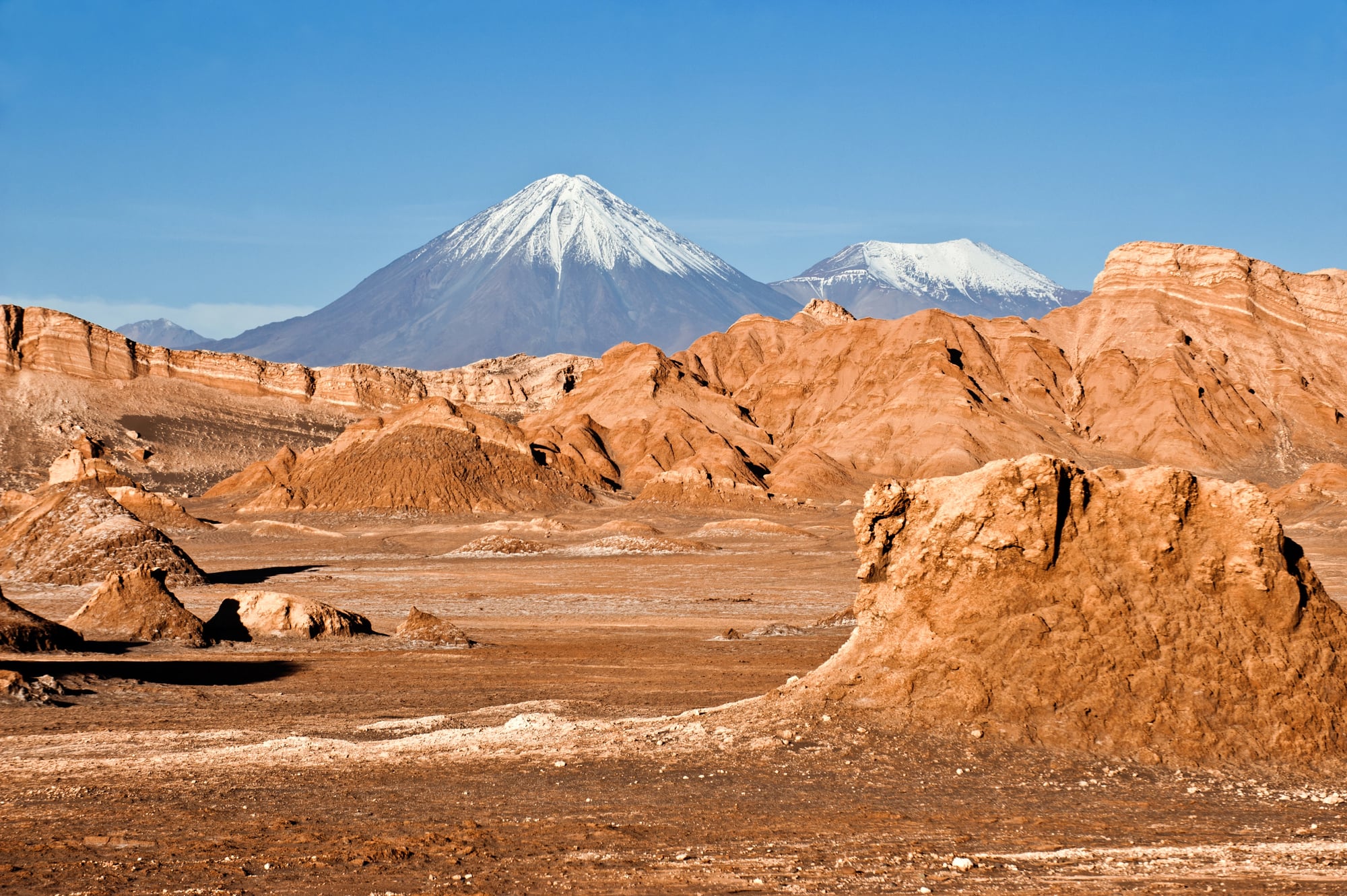
The Atacama Desert is often described as the driest non-polar desert on Earth. Some weather stations in the region have recorded years without measurable rainfall.
The soil is so arid that it has been used to simulate Martian conditions for scientific testing. Still, small communities survive along its edges, relying on groundwater and coastal fog.
The extreme dryness challenges both agriculture and human endurance. Without a steady water supply, survival becomes nearly impossible.
The Danakil Depression, Ethiopia
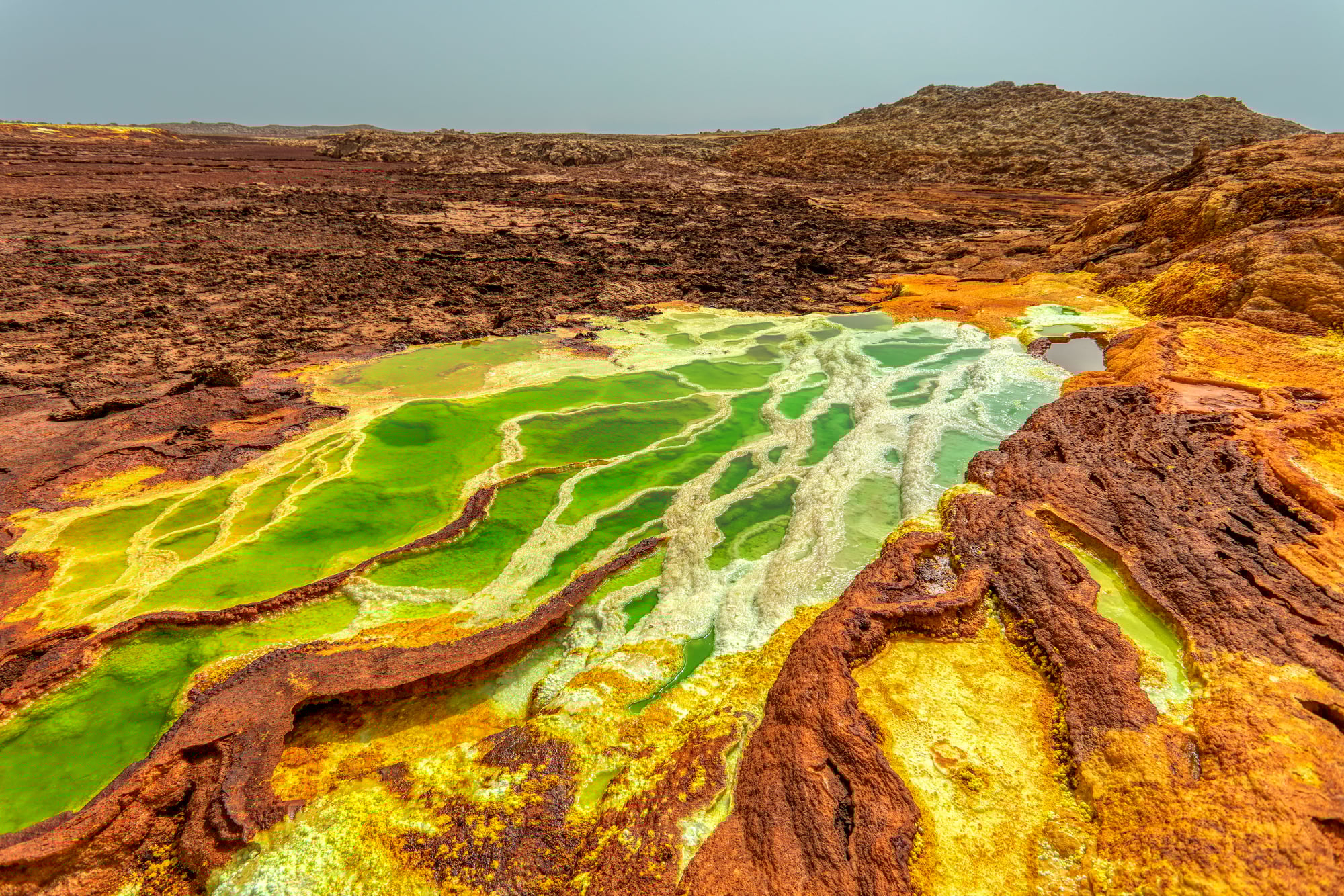
The Danakil Depression sits below sea level and regularly records daytime temperatures above 120°F. The region features acidic hot springs, salt flats, and active volcanic activity.
It is one of the highest temperature, inhabited places on Earth, yet local communities have adapted over centuries. Even so, travel through the area requires careful planning due to heat stress and limited infrastructure.
Oymyakon, Russia
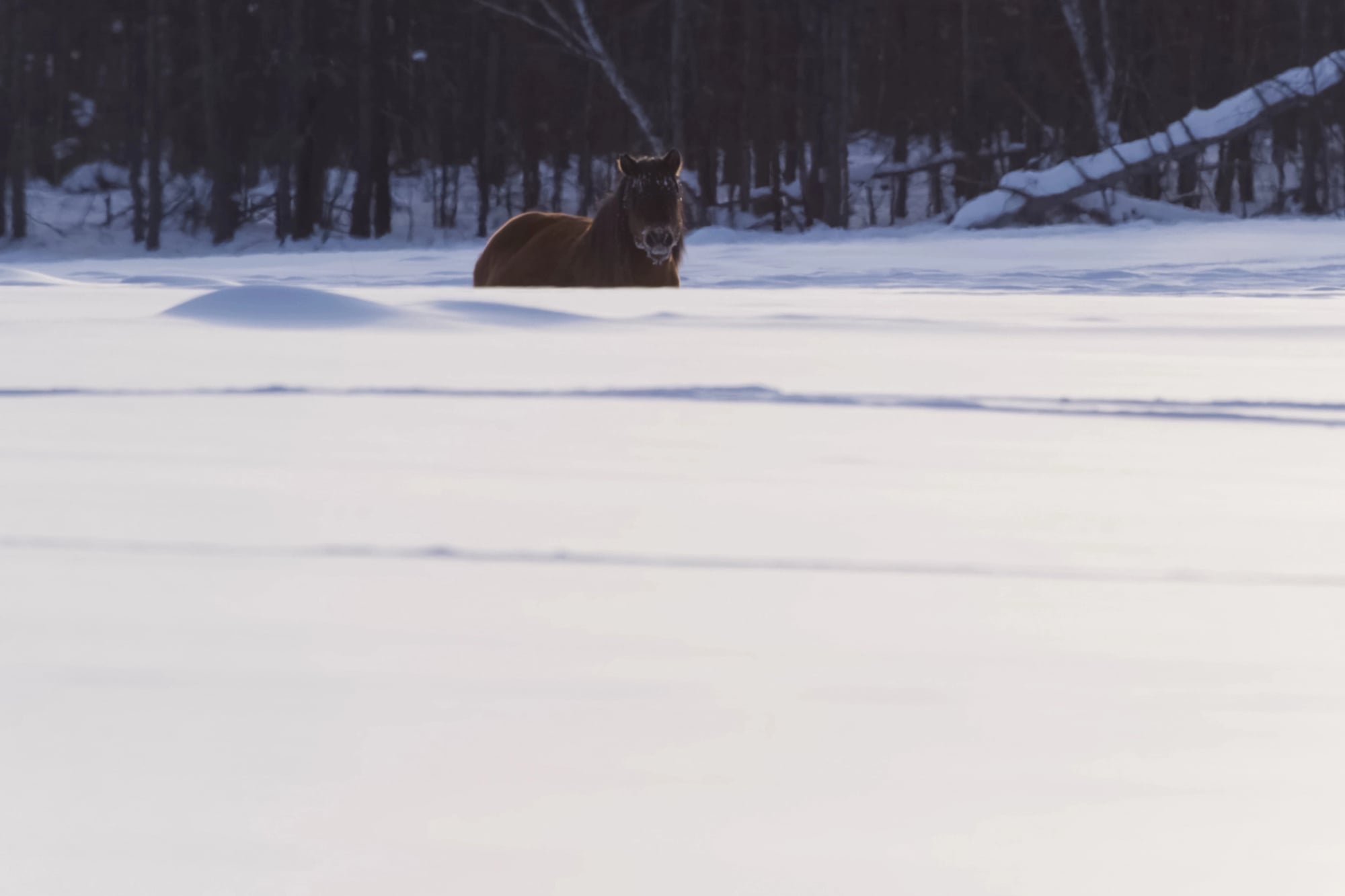
Oymyakon in Siberia is often cited as the coldest permanently inhabited place on Earth. Temperatures have dropped below −80°F during winter months.
Engines must remain running to prevent freezing, and daily routines revolve around managing cold exposure. Life continues despite these conditions, but it requires adaptation.
Homes are insulated heavily, and residents dress in multiple layers of fur and synthetic materials. The environment demands constant awareness of frostbite and equipment failure.
The Sahara Desert
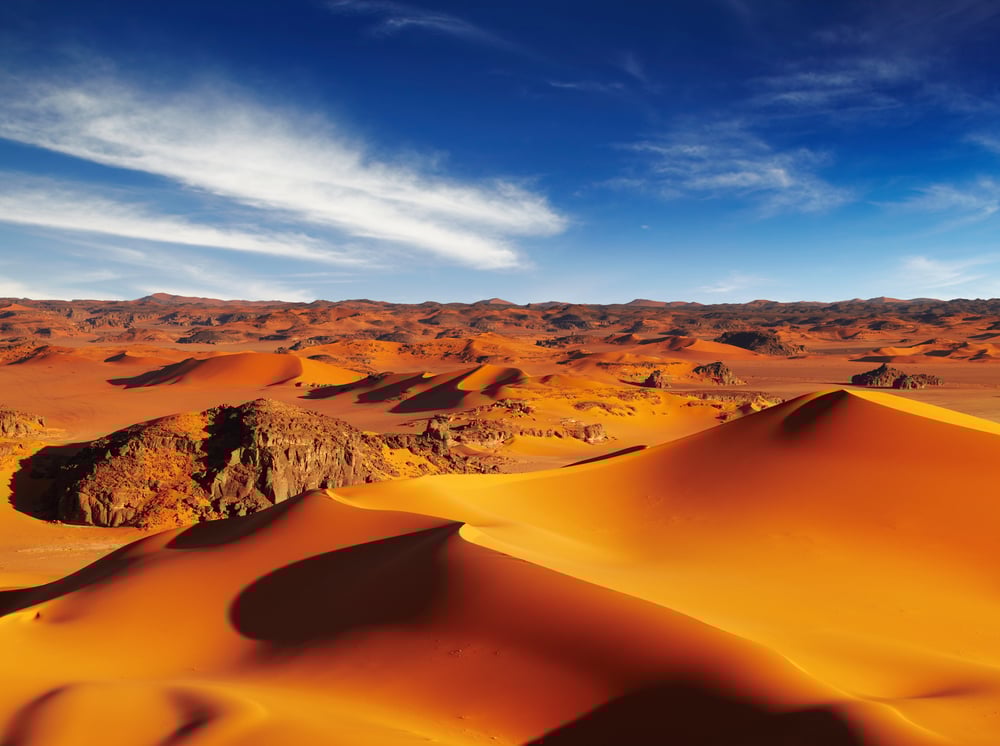
The Sahara spans roughly 3.6 million square miles across North Africa. Daytime heat can exceed 120°F, while nighttime temperatures drop dramatically.
Sandstorms can reduce visibility to almost nothing. Nomadic groups have crossed the Sahara for centuries, relying on trade routes and knowledge of water sources.
Without guidance or supplies, however, the vast distances can overwhelm even experienced travelers.
K2, Pakistan And China

K2 stands 28,251 feet tall and is widely regarded as more technically demanding than Everest. Its steep slopes and unpredictable weather contribute to a high fatality rate among climbers.
Unlike Everest, K2 offers fewer rescue options and limited commercial infrastructure. Survival on its slopes requires elite mountaineering skill and favorable conditions that are never guaranteed.
The Amazon Rainforest
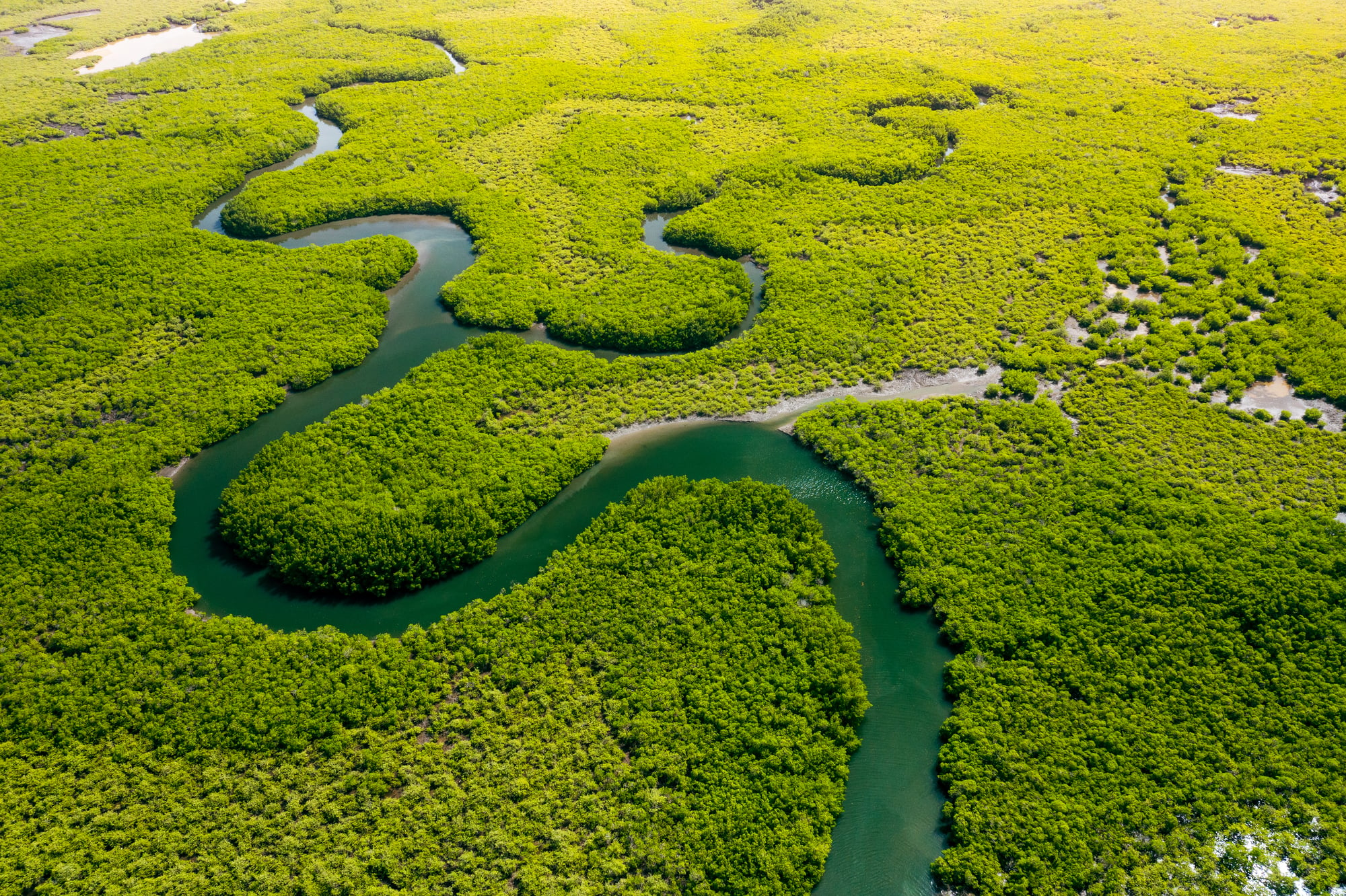
The Amazon rainforest is not extreme for temperature alone, but for complexity. High humidity, dense vegetation, and abundant wildlife create a challenging environment for navigation and health.
Diseases, insects, and disorientation present real risks. Even experienced explorers can struggle without local knowledge.
Survival often depends on understanding water sources, edible plants, and shelter construction.
Lake Natron, Tanzania
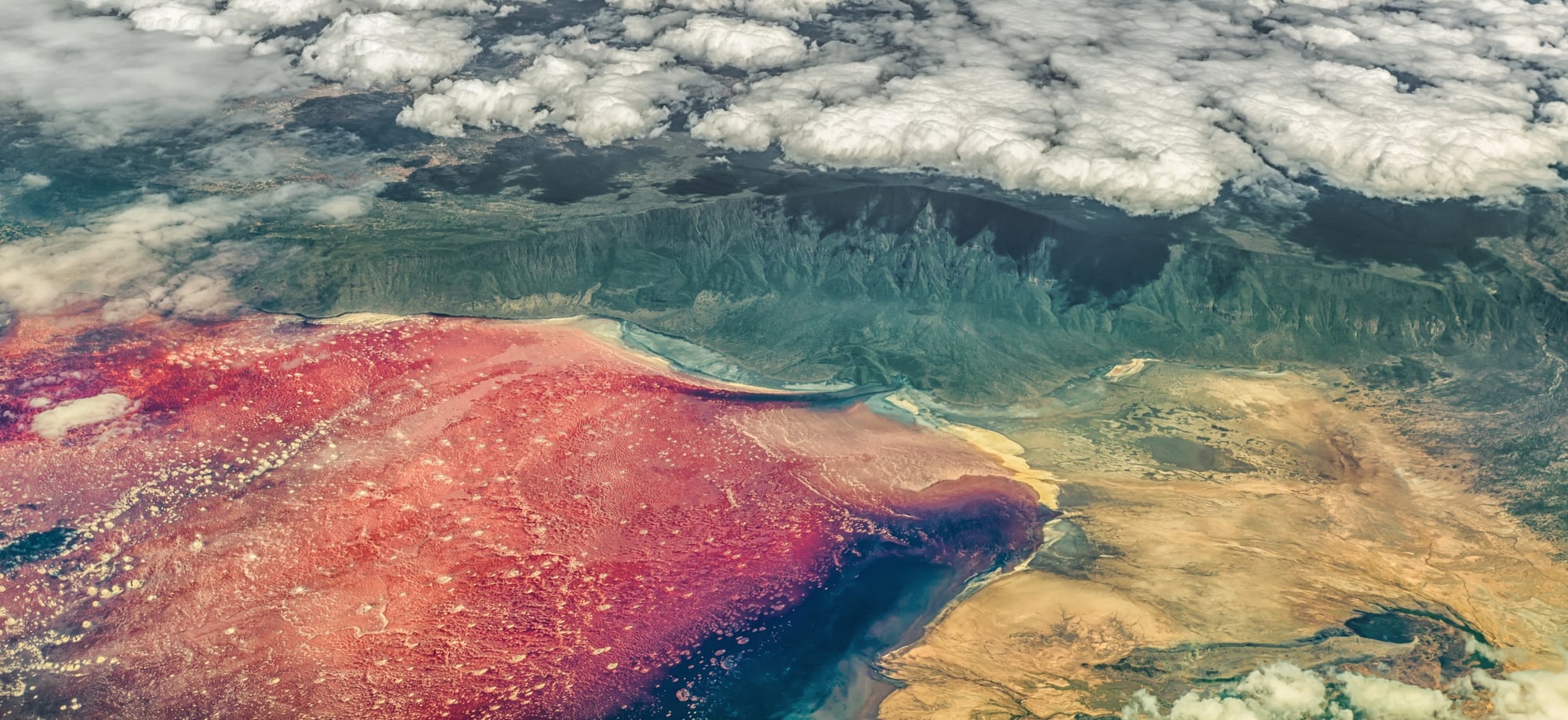
Lake Natron contains highly alkaline water with a pH that can approach that of household cleaning agents. The lake’s chemistry can preserve animal remains in unusual ways.
Though flamingos thrive in the area, most animals avoid direct contact with the water. The environment illustrates how chemical composition alone can shape survivability.
The Rub’ Al Khali, Arabian Peninsula
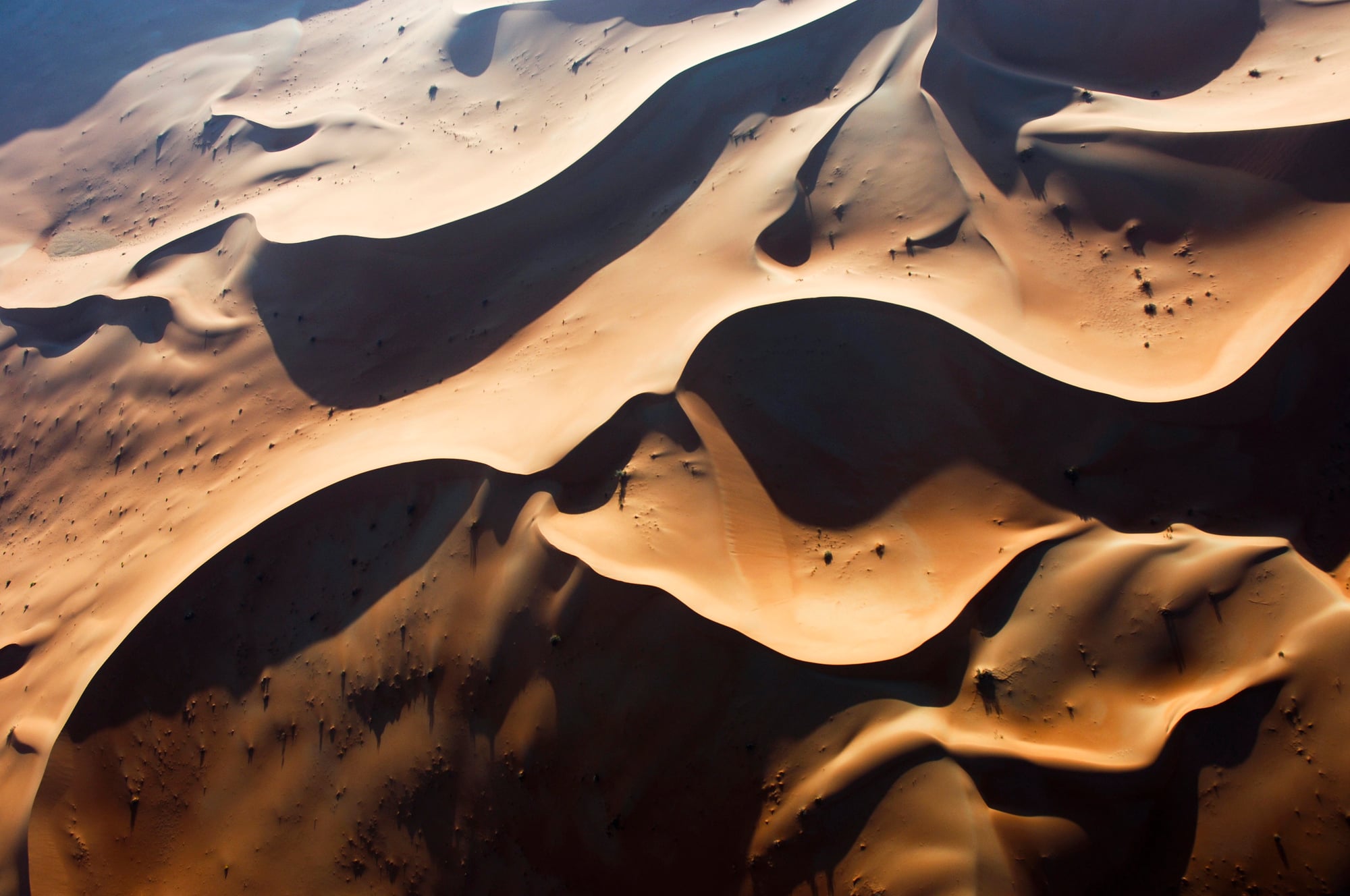
Also known as the Empty Quarter, the Rub’ al Khali is one of the largest continuous sand deserts in the world. Dunes can reach hundreds of feet high, and rainfall is scarce.
Travel across this region historically relied on camel caravans and deep knowledge of desert navigation. Modern vehicles reduce some risk, but mechanical failure in such isolation can quickly escalate into emergency.
The Gobi Desert, Mongolia And China
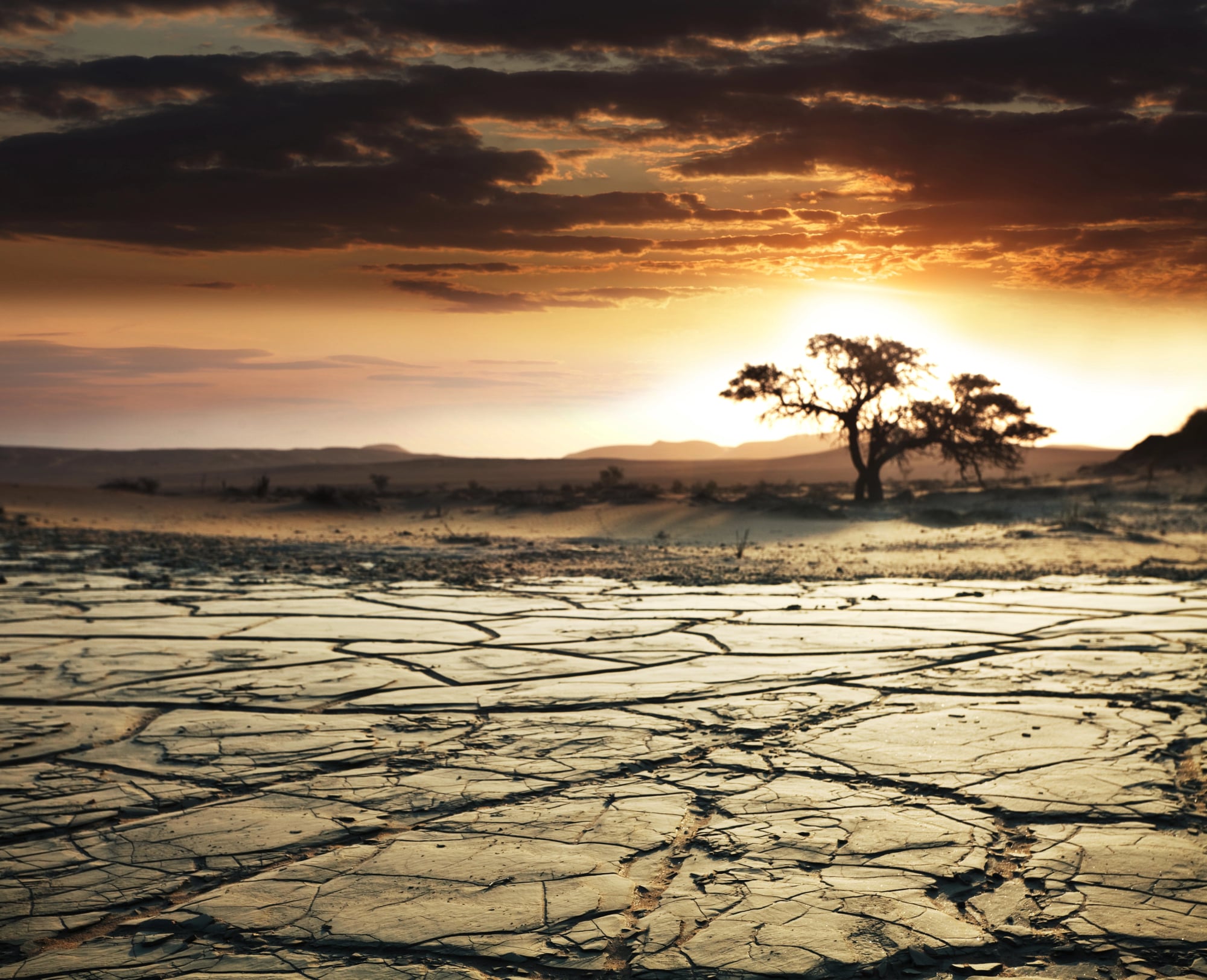
The Gobi Desert is known for dramatic temperature swings. Summers can be intensely hot, while winters plunge well below freezing.
Unlike sandy deserts, much of the Gobi consists of rocky terrain. These fluctuations challenge both humans and livestock.
Survival strategies must account for heat, cold, and scarce water sources within the same year.
The Mariana Trench

The Mariana Trench reaches nearly seven miles below the ocean’s surface. At that depth, pressure exceeds 15,000 pounds per square inch.
No unprotected human could survive there even briefly. Exploration requires specially engineered submersibles.
The trench represents a different kind of extremity, where survival depends entirely on technological innovation.
The Chernobyl Exclusion Zone, Ukraine

Following the 1986 nuclear accident, the area surrounding the Chernobyl plant was evacuated. Radiation levels in certain zones remain elevated decades later.
While guided visits are permitted in controlled areas, long-term habitation remains restricted. The site demonstrates how environmental hazards can render landscapes temporarily uninhabitable.
North Sentinel Island, India
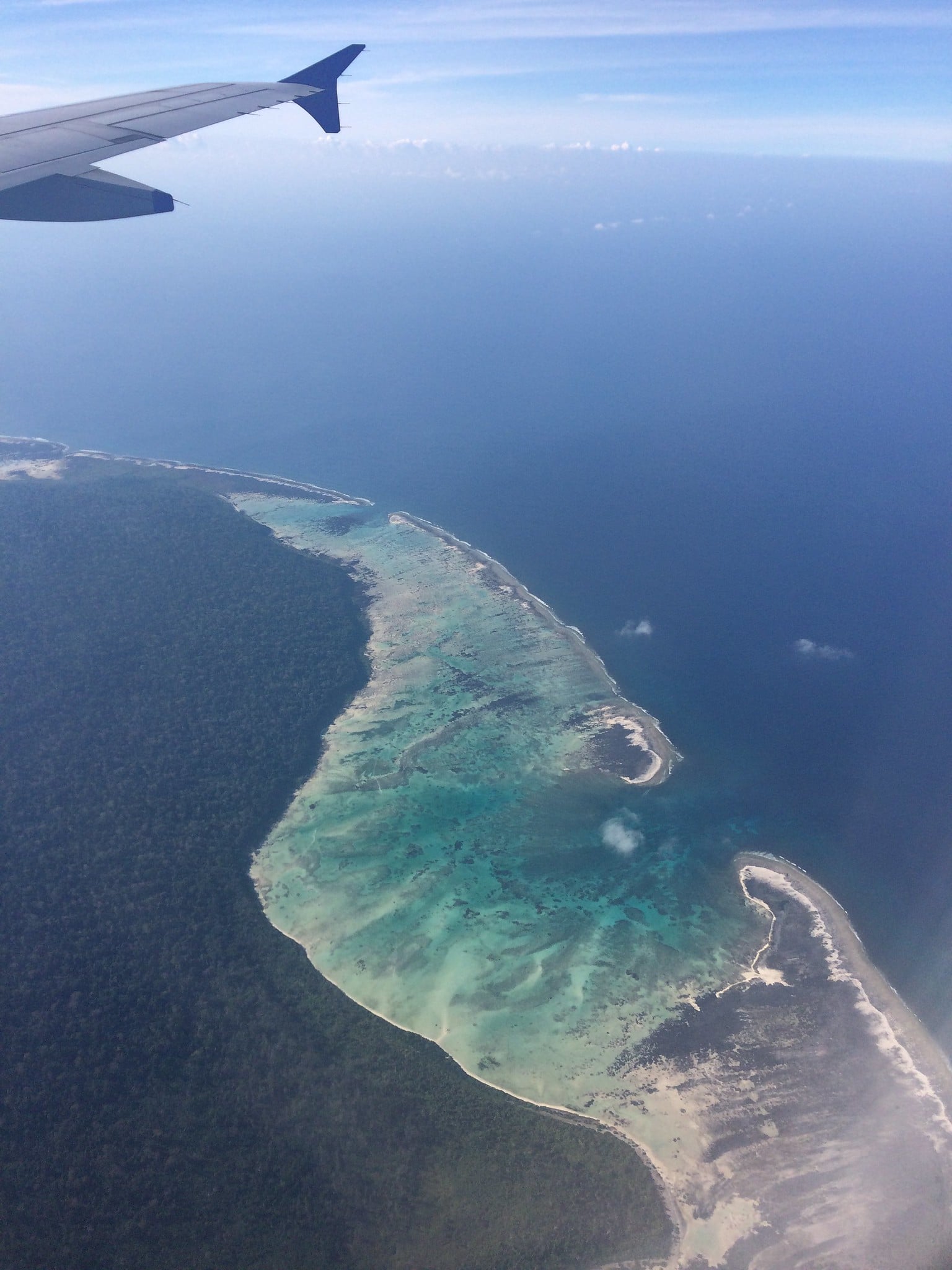
North Sentinel Island is home to one of the world’s most isolated Indigenous groups. The island itself is not defined by extreme climate, but by inaccessibility and protection laws.
Contact is prohibited to safeguard both visitors and residents. The environment underscores how isolation, rather than temperature or terrain, can define human limits.
Socotra Island, Yemen

Socotra is known for its alien-looking dragon’s blood trees and isolated ecosystem. Harsh winds and rugged terrain have shaped both flora and human settlement patterns.
The island’s remoteness has preserved biodiversity but limited infrastructure. Survival requires adaptation to limited resources and seasonal weather shifts.
The Dead Sea Region
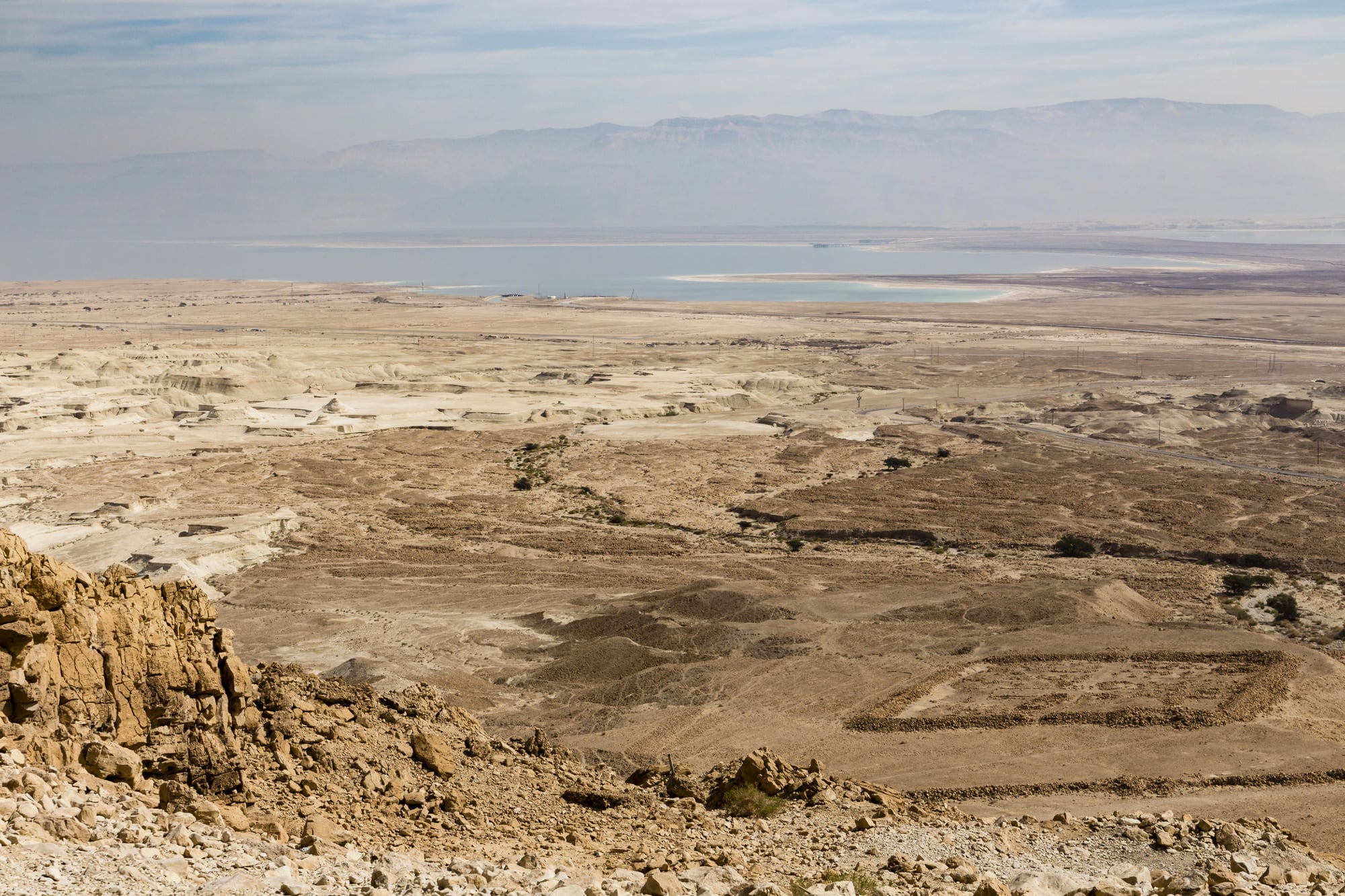
The Dead Sea sits more than 1,400 feet below sea level, making it the lowest exposed land point on Earth. Its salinity is so high that most aquatic life cannot survive in its waters.
Humans can float easily due to the density, but dehydration and sun exposure remain concerns. The region’s mineral-rich environment creates both attraction and hazard.
Where Endurance Meets Environment

Out there in the harshest spots, people show surprising flexibility – yet still face limits. Gear helps, sure, but so does knowing what works through shared experience, letting some survive where heat or cold should win.
Mistakes though? They grow fast in such thin air, under endless sand, on open snow. Survival shows up in cracked earth just as it does under ice sheets – bravery matters little if respect is missing.
No drama draws the line between safety and disaster, rather endless pressure from weather that favors careful steps over rushed ones. What keeps someone standing isn’t bold moves, instead quiet attention to detail when everything feels numb.
The land doesn’t care about effort, only whether habits match its rhythm, rejecting those who assume they’ve seen enough. Danger hides not in sudden storms, yet in moments when routine blurs into assumption, then slips away.
More from Go2Tutors!

- The Romanov Crown Jewels and Their Tragic Fate
- 13 Historical Mysteries That Science Still Can’t Solve
- Famous Hoaxes That Fooled the World for Years
- 15 Child Stars with Tragic Adult Lives
- 16 Famous Jewelry Pieces in History
Like Go2Tutors’s content? Follow us on MSN.



