15 Foods That Were Invented by Accident
Some of the world’s most beloved foods came about through complete accidents—kitchen mishaps, forgotten experiments, and happy coincidences that changed the way we eat forever. From chocolate chip cookies to potato chips, these culinary discoveries prove that sometimes the best things happen when we least expect them.
The food industry is full of stories about chefs, scientists, and home cooks who stumbled upon greatness while trying to create something entirely different. Here is a list of 15 foods that were invented by accident.
Chocolate Chip Cookies
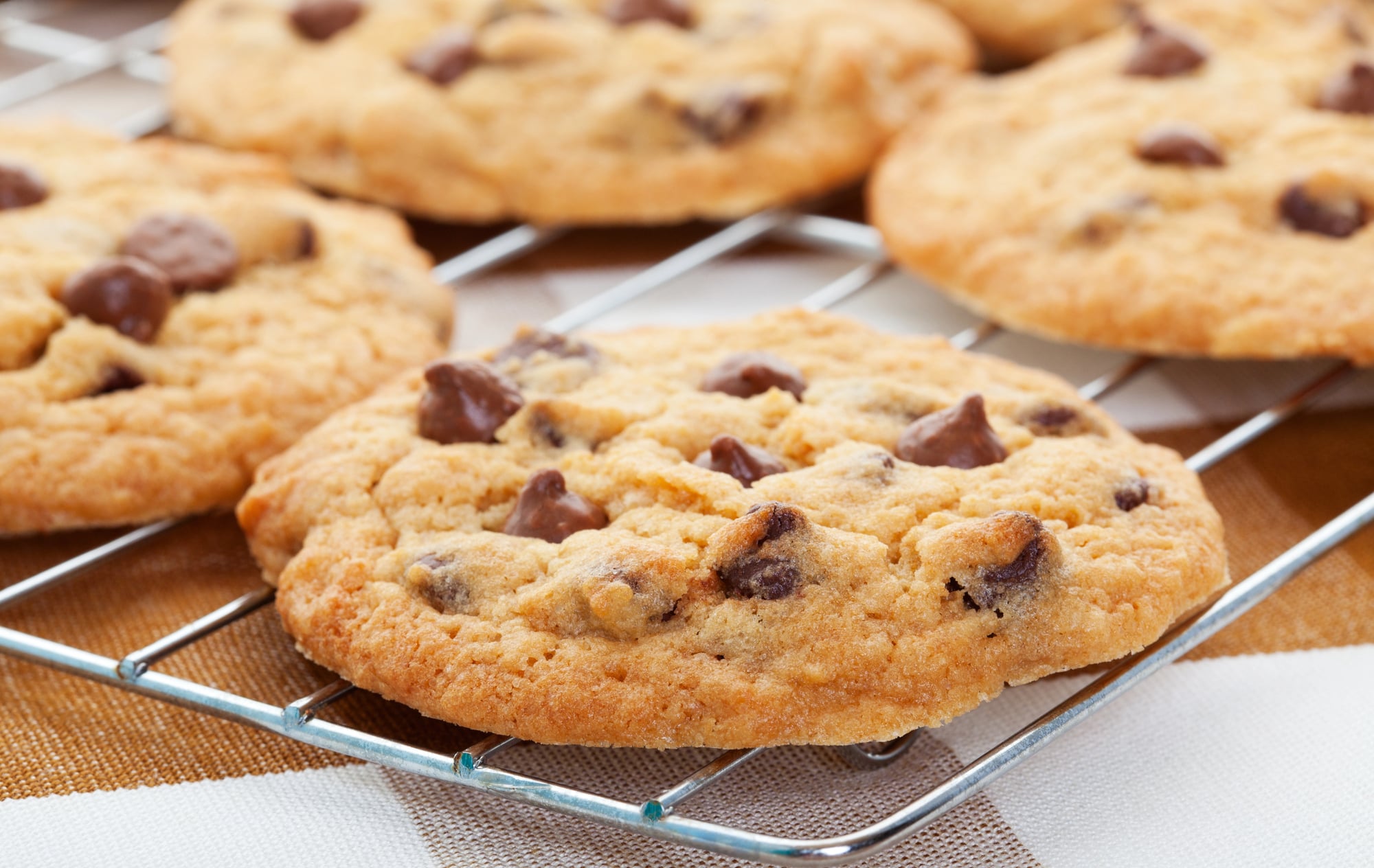
Ruth Wakefield was trying to make chocolate cookies at her Toll House Inn in 1938, but she ran out of baker’s chocolate. She chopped up a Nestlé semi-sweet chocolate bar and added the pieces to her cookie dough, expecting them to melt and create chocolate cookies.
Instead, the chocolate pieces held their shape, creating the first chocolate chip cookies that became an American classic.
Potato Chips

A frustrated chef named George Crum created potato chips in 1853 as a sarcastic response to a complaining customer. The patron at Moon’s Lake House in Saratoga Springs kept sending back his fried potatoes, claiming they were too thick and soggy.
Crum sliced the potatoes paper-thin, fried them until they were crispy, and heavily salted them—creating what we now know as potato chips.
Ice Cream Cones

The ice cream cone was born out of necessity at the 1904 World’s Fair in St. Louis. Ice cream vendor Arnold Fornachou ran out of bowls and plates during the busy fair, so a neighboring waffle maker named Ernest Hamwi rolled his waffles into cone shapes to help out.
The combination was an instant hit with fairgoers and revolutionized how people enjoyed ice cream.
Popsicles
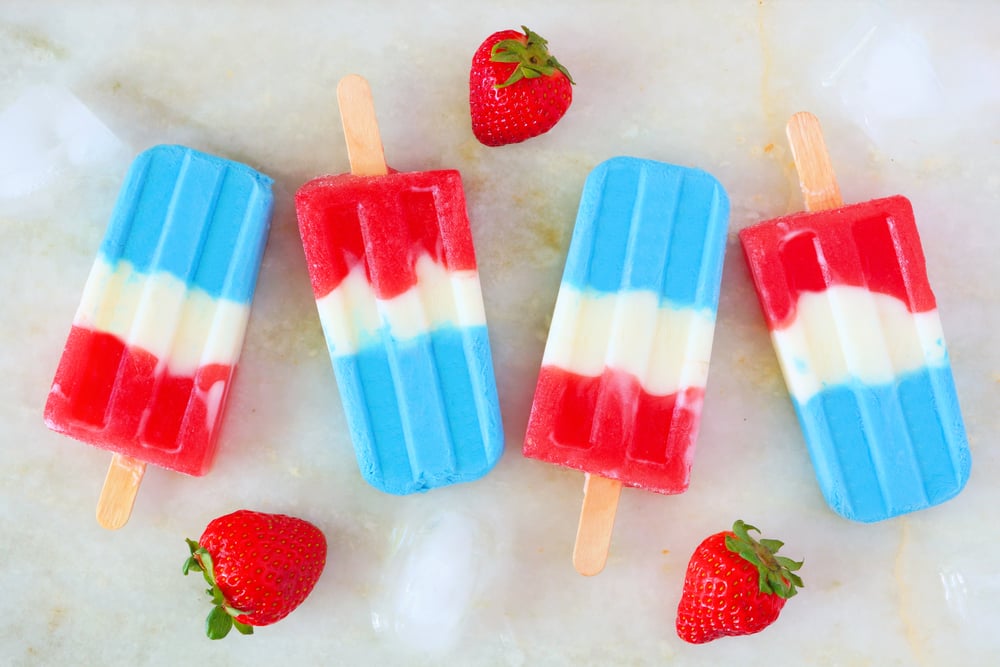
Eleven-year-old Frank Epperson accidentally left a glass of soda powder mixed with water and a stirring stick outside on his porch during a cold night in 1905. When he woke up the next morning, he found his drink had frozen solid around the stick.
He called his creation the ‘Epsicle,’ which later became known as the Popsicle when he started selling them.
Nachos

Ignacio ‘Nacho’ Anaya created nachos in 1943 when a group of American women arrived at his restaurant in Piedras Negras, Mexico, just after closing time. With limited ingredients available, he quickly melted cheese over tortilla chips and added jalapeño peppers as a garnish.
The dish was such a hit that customers started calling it ‘Nacho’s especial,’ eventually shortened to just nachos.
Champagne

Dom Pérignon didn’t set out to create the bubbly beverage we celebrate with today. The French monk was trying to make regular wine in the 1600s, but a second fermentation occurred in the bottles due to temperature changes in his cellar.
Instead of discarding the fizzy result, he tasted it and realized he had created something extraordinary that would become the world’s most famous sparkling wine.
Corn Flakes

Dr. John Harvey Kellogg and his brother Will were experimenting with healthy breakfast options for patients at their sanitarium in 1894. They accidentally left some cooked wheat out overnight, and when they tried to roll it the next day, it came out in flakes instead of sheets.
They toasted the flakes and discovered they had created a crispy, nutritious cereal that would eventually launch the Kellogg Company.
Worcestershire Sauce
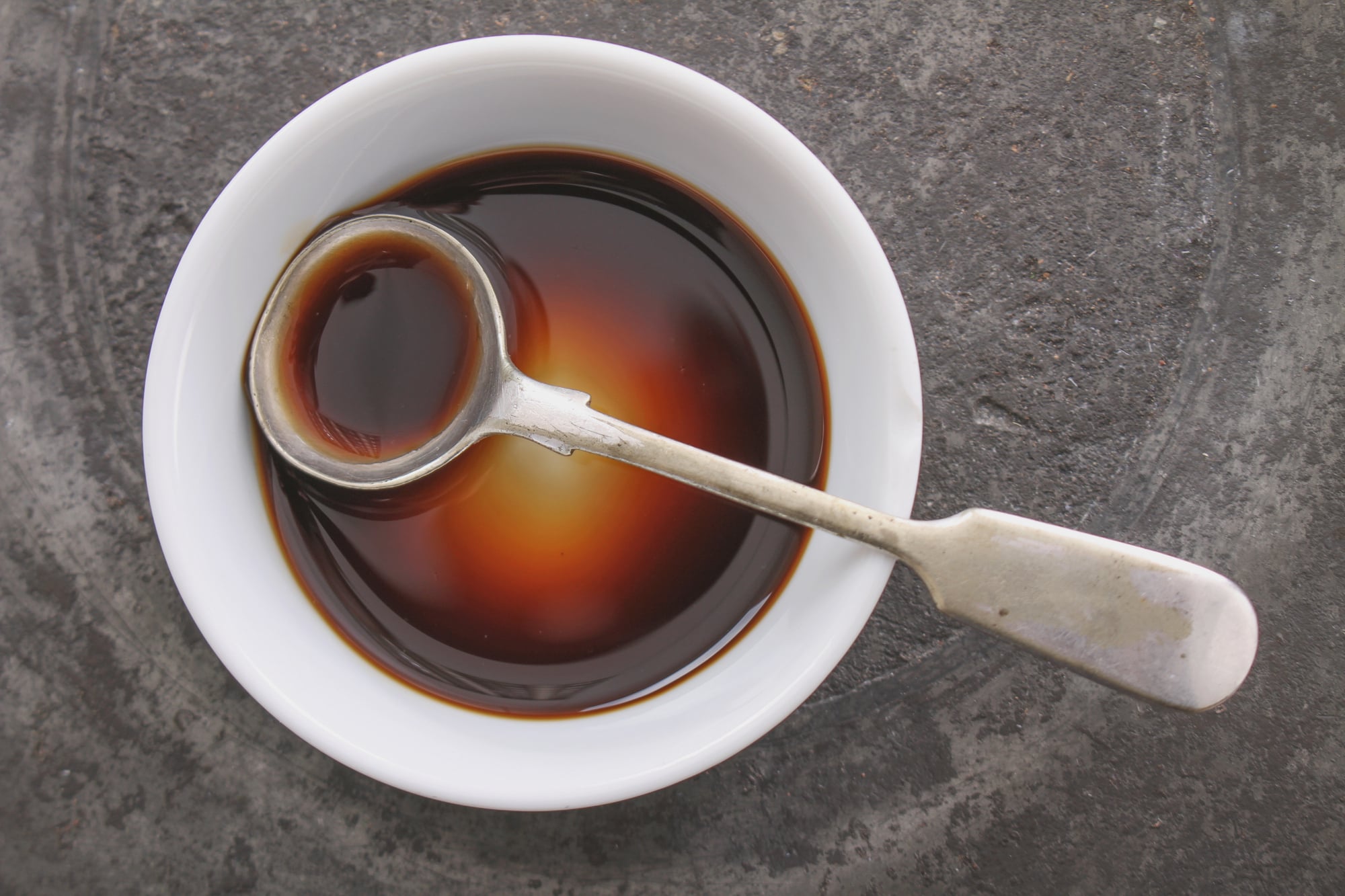
Two chemists in Worcester, England, Lord Marcus Sandys and John Wheeley Lea, were trying to recreate a sauce recipe from India in the 1830s. Their first attempt tasted so awful that they stored the barrels in their cellar and forgot about them for several years.
When they rediscovered the aged mixture, it had fermented into the complex, tangy sauce we know today.
Slurpees
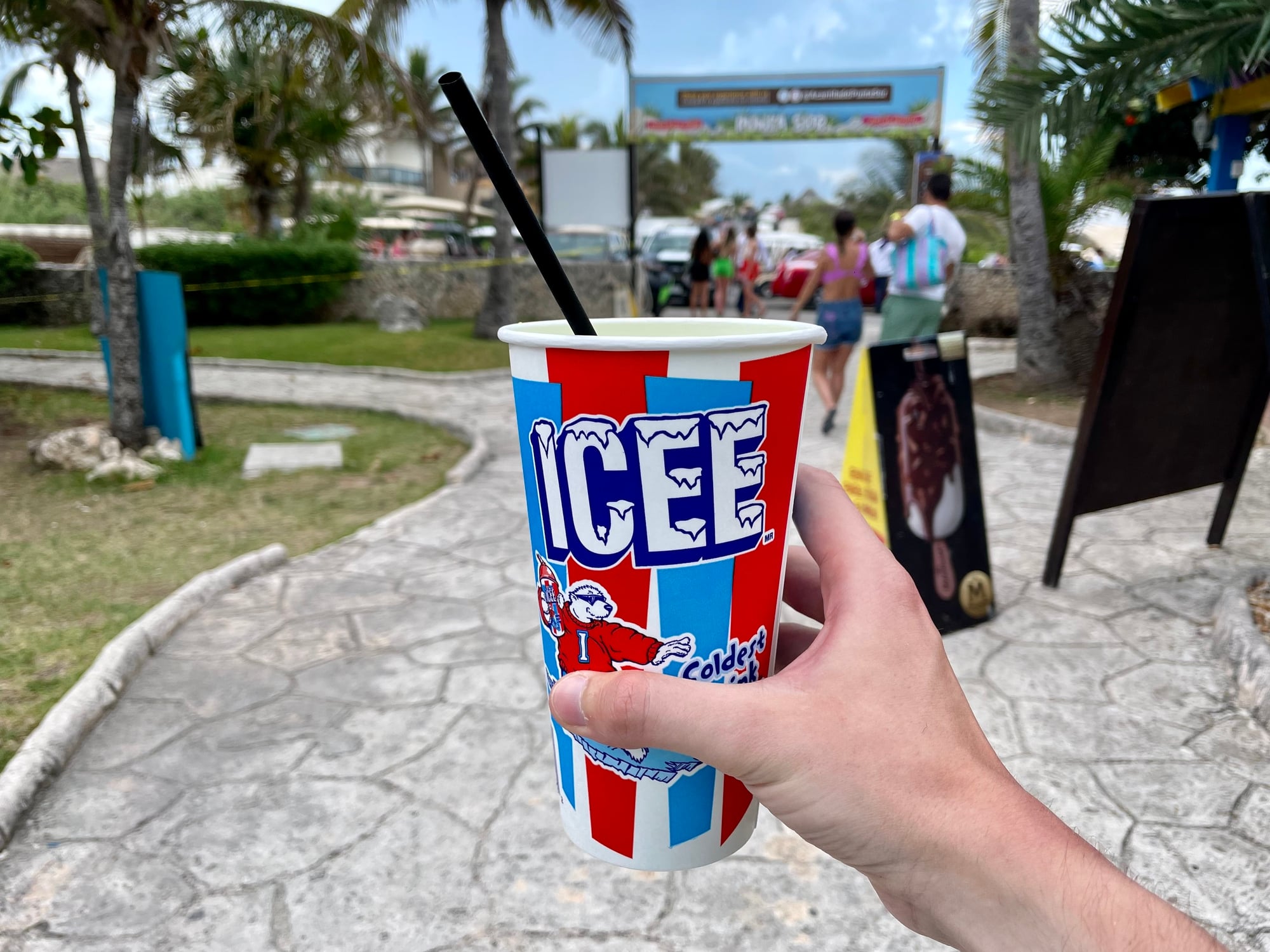
The frozen drink machine that creates Slurpees was originally designed to keep soda cold, but it malfunctioned and started freezing the beverages instead. Omar Knedlik, who owned a Dairy Queen in Kansas, noticed customers actually preferred the slushy, semi-frozen drinks over regular sodas.
He refined the process and eventually licensed the technology to 7-Eleven, where it became the Slurpee.
Sandwich
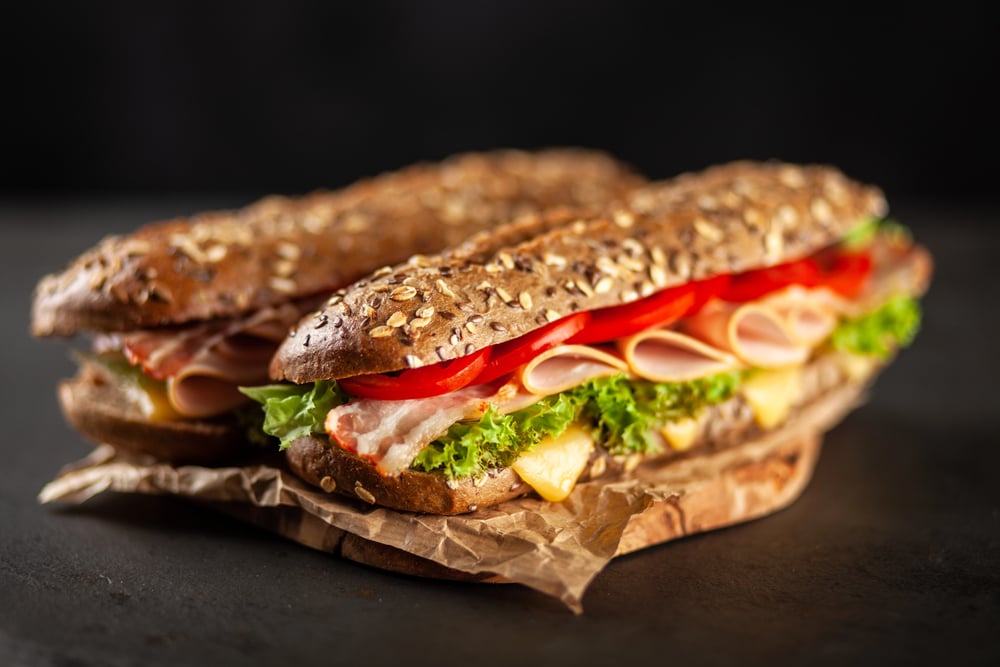
The Earl of Sandwich didn’t want to leave his card game to eat a proper meal in 1762, so he asked his servant to bring him meat between two pieces of bread. Other players at the table started ordering ‘the same as Sandwich,’ and the convenient handheld meal caught on throughout England.
The sandwich became a practical solution for busy people who needed to eat without using utensils.
Chinese Fortune Cookies
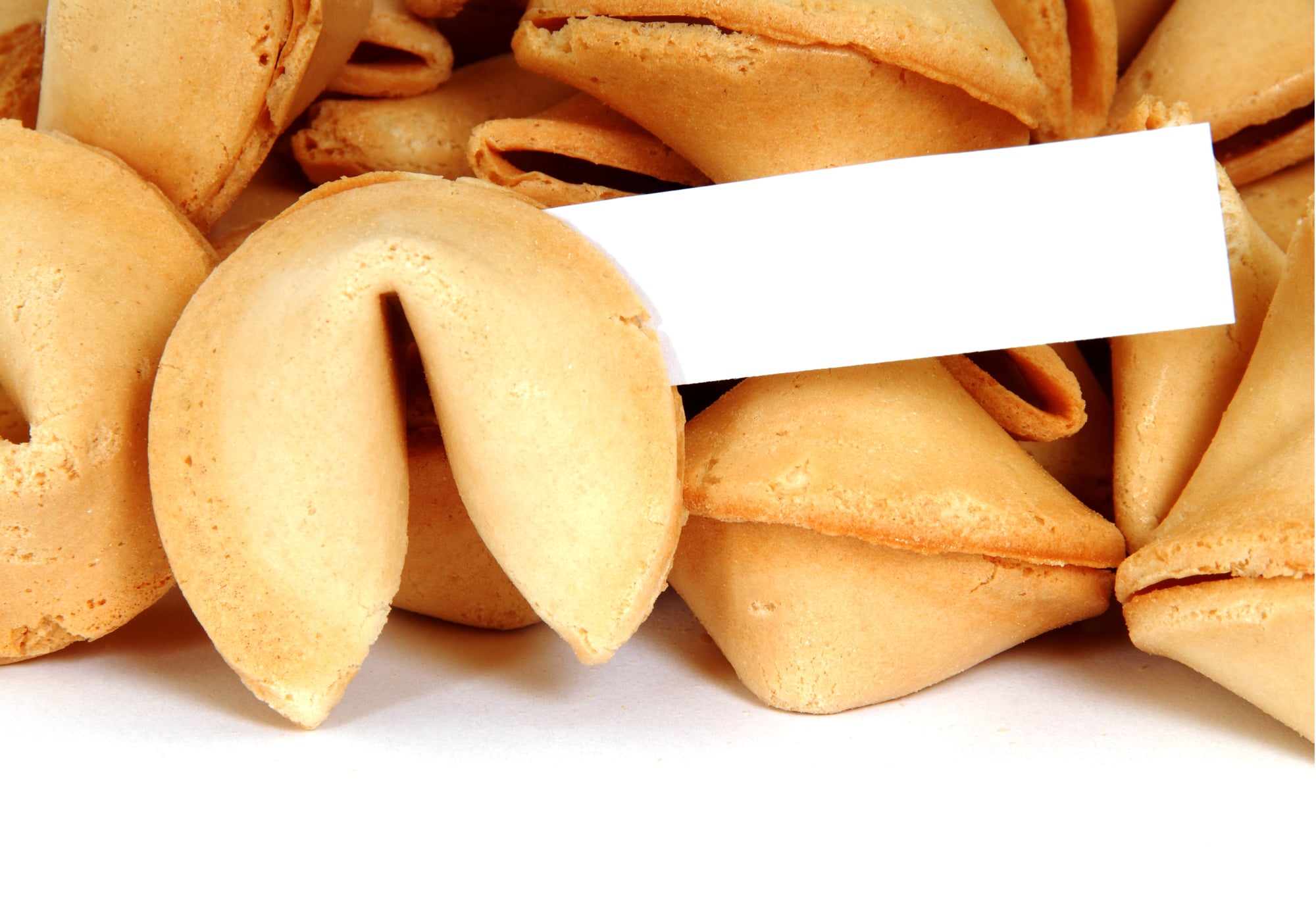
Despite their association with Chinese restaurants, fortune cookies were actually invented in California around 1906. Japanese immigrant Makoto Hagiwara created them at the Japanese Tea Garden in San Francisco’s Golden Gate Park, serving them as a thank-you treat to visitors.
Chinese restaurants adopted the cookies during World War II when Japanese Americans were interned, and they became a staple of American Chinese cuisine.
Dippin’ Dots

Microbiologist Curt Jones was working with bacteria preservation techniques using liquid nitrogen in 1987 when he decided to experiment with ice cream. He flash-froze ice cream mix with liquid nitrogen at -320°F, creating tiny beads of frozen ice cream.
The result was Dippin’ Dots, which became known as ‘the ice cream of the future’ at amusement parks and shopping malls.
Tofu
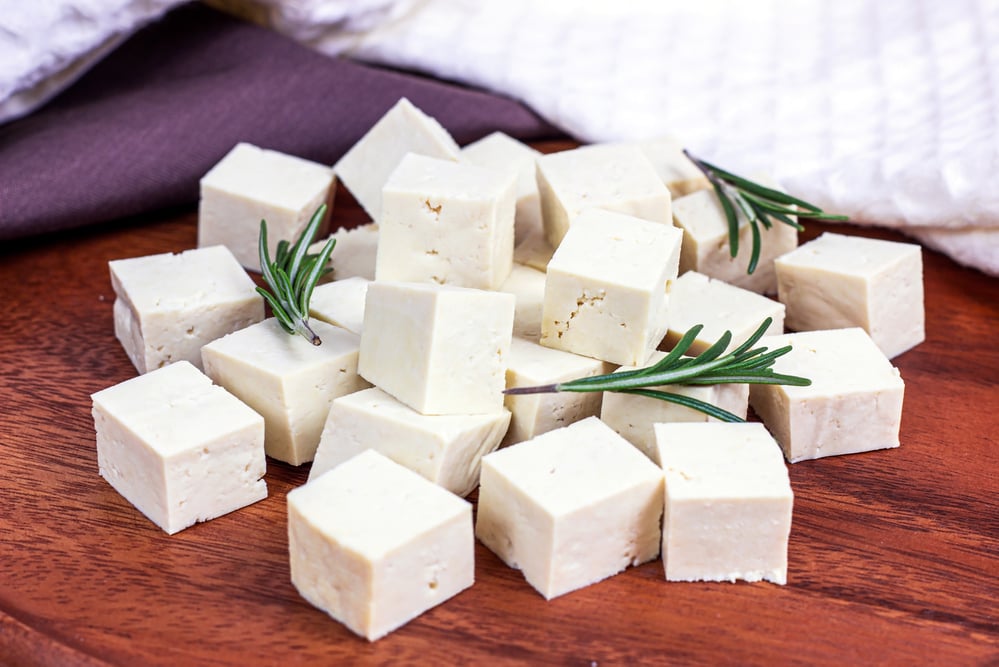
Chinese legend says that tofu was discovered over 2,000 years ago when a cook accidentally added seaweed to soy milk. The natural salts in the seaweed caused the soy milk to curdle and separate, creating the first batch of tofu.
This happy accident led to one of the most important protein sources in Asian cuisine and a staple food for millions of people worldwide.
Yogurt
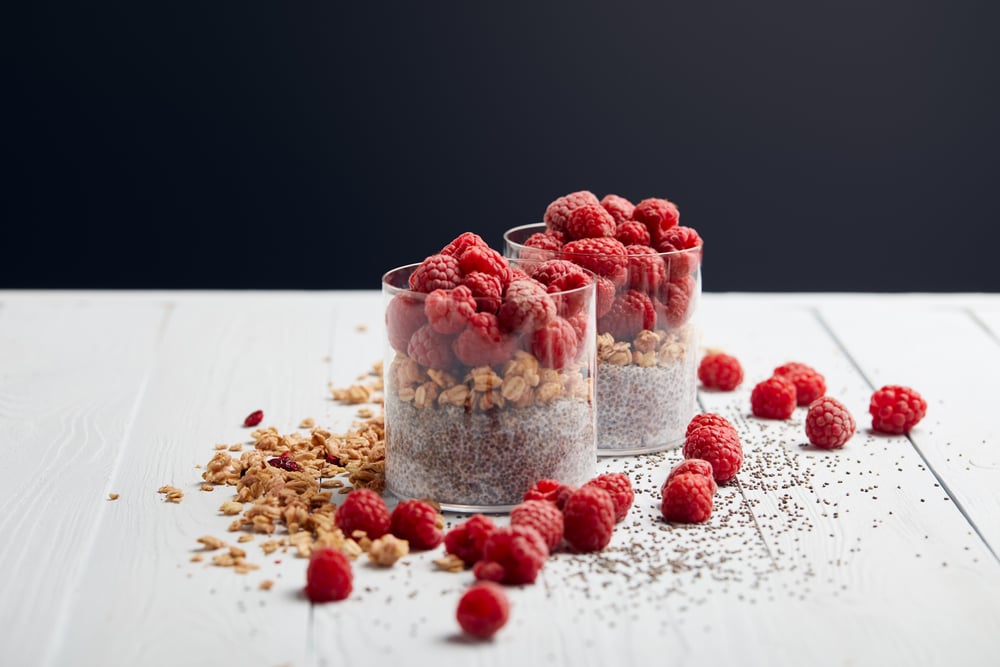
Nomadic tribes in Central Asia discovered yogurt when they stored milk in pouches made from animal stomachs during long journeys. The combination of the milk, natural bacteria from the stomach lining, and the constant agitation from riding created the first fermented yogurt.
The tangy, thick result was not only delicious but also lasted much longer than regular milk.
Tea

According to Chinese legend, Emperor Shen Nong discovered tea in 2737 BC when leaves from a wild tree blew into his pot of boiling water. Instead of discarding the flavored water, he tasted it and found it refreshing and energizing.
This accidental brew became the foundation for one of the world’s most popular beverages and an entire cultural tradition around tea ceremony.
From Kitchen Accidents to Global Staples

These accidental discoveries remind us that innovation often comes from unexpected places and unplanned moments. Many of today’s favorite foods exist because someone was curious enough to taste a mistake, creative enough to salvage a disaster, or simply in the right place at the right time.
The next time you enjoy chocolate chip cookies or sip a cup of tea, remember that some of life’s greatest pleasures come from embracing the unexpected rather than following a recipe perfectly.
More from Go2Tutors!

- The Romanov Crown Jewels and Their Tragic Fate
- 13 Historical Mysteries That Science Still Can’t Solve
- Famous Hoaxes That Fooled the World for Years
- 15 Child Stars with Tragic Adult Lives
- 16 Famous Jewelry Pieces in History
Like Go2Tutors’s content? Follow us on MSN.



