15 Forensic Cases That Stumped Investigators
Not every puzzle cracks open after one hint or a lucky break. Yet behind lab doors, detectives rebuild stories from scraps of proof.
Still, now and then, certain files stay locked tight – no logic fits. Even with sharp tools and sharper brains, some shadows won’t lift.
Years pass. The unknown sticks around longer than anyone expects.
Tricky puzzles still stump investigators, despite modern tools. These examples prove it.
The Zodiac Killer’s Coded Messages

A string of killings shook northern parts of California near the end of the sixties, linked to someone using the name Zodiac. This individual reached out to news outlets with mysterious notes during that time.
At minimum, five deaths were said by the writer to be their doing, along with suggestions of others left unconfirmed. Over months and years, four separate encoded letters showed up in mailboxes.
Some of those puzzles fell apart under efforts by curious civilians long afterward. Despite that, law officials have never pinned down the person behind the words.
Multiple jurisdictions across the state keep files active on the matter. Leads still arrive now and then, more than half a century past the first attack.
The Somerton Man Mystery
A body washed ashore near Adelaide one winter morning, clothed neatly but carrying nothing that named him. His tags had vanished from every garment, cut away cleanly.
Hidden inside a seam, police later uncovered a brittle slip marked only with two foreign words – ‘Tamám Shud’. That phrase led them to a forgotten volume of Persian verse, long out of print.
Within its back pages sat lines of scrambled letters, penciled in haste or fear. Authorities ran comparisons through international databases, checked missing persons, studied teeth patterns – all silence.
To this day, the scribbled sequence resists translation. Identity remains locked behind those undeciphered marks.
The Disappearance of Asha Degree
Asha Degree was nine when she left her house in North Carolina during a heavy rainstorm back in February 2000 – gone without a trace. Around four in the morning, several people spotted her on Highway 18, moving fast through the dark.
Yet each time a car came near, she darted off into the trees. Twenty-six miles away, someone later found her backpack hidden underground, sealed in plastic.
Inside it, investigators discovered nothing that helped them understand what happened. What makes this so hard to accept is that life at home seemed normal; there were no signs of struggle or distress.
Still, nobody can make sense of why any young kid would step outside in such violent weather.
The Lead Masks Case
Up on a hill in Brazil, two men who fixed electronics lay dead one morning in 1966, dressed in stiff suits and odd lead-covered goggles. Beside them rested a small book filled with notes – timings, capsule warnings, signals expected but never received.
Days passed before anyone came across the scene, so by then, poison tests offered nothing solid. Because of that delay, doctors could not say how they died.
Some thought it was wild drugs tested too far; others whispered about things seen but not understood. Despite guesses circling for years, no proof ever showed up.
The Hinterkaifeck Murders

Back in 1922, six individuals died at an isolated farmhouse in Germany – clues left behind remain odd enough to baffle investigators even now. Not long before the incident, those living there mentioned noises above them, sounds like steps moving across the upper floor.
Snow outside held marks from unknown feet, spotted just prior to the violence erupting. Whoever was responsible seemed to linger afterward, tending animals, consuming food as if settling in.
Authorities questioned more than a hundred possible leads, applied every scientific method available at the time. Still, nobody ever learned who walked through that home, or why they stayed so calmly among the aftermath.
The Dyatlov Pass Incident
Midwinter silence swallowed nine seasoned walkers high in Russia’s Ural range during 1959, yet what followed twisted every clue sideways. From within, they slashed through their own shelter fabric before vanishing barefoot into subzero dark.
Though frostbite gripped them fast, blunt force cracked bones deep – skulls split, ribs shattered – without a mark marring the skin. Later, dusting one shirt sleeve turned up traces that shouldn’t be there: faint radioactive grit clinging like ghost residue.
Why cold killed some while others carried wounds resembling blast damage stayed beyond reach, lost somewhere between official reports and snowdrifts.
The Boy in the Box
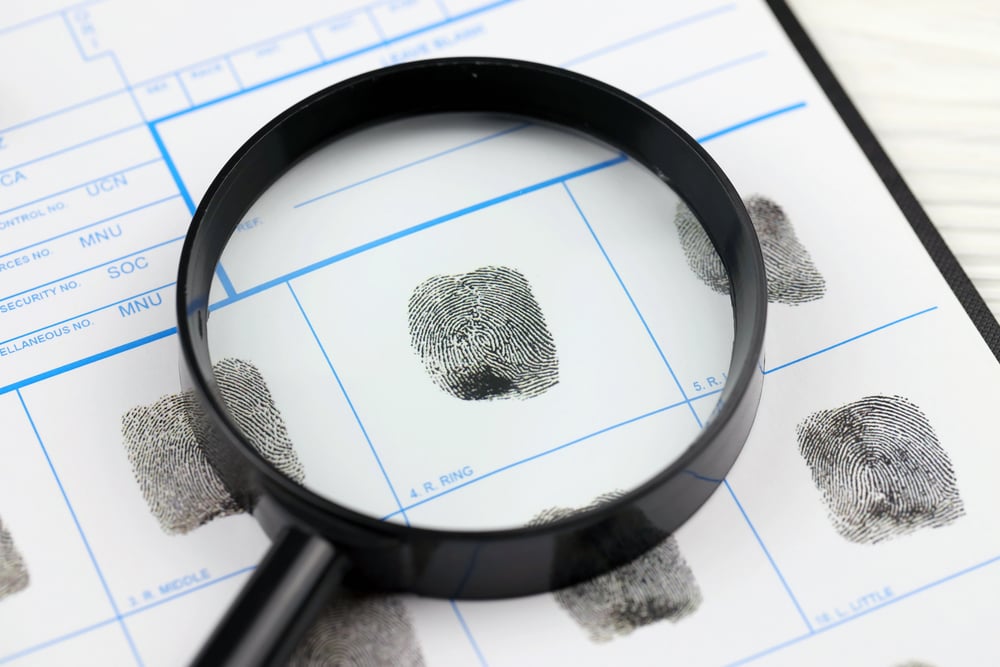
Back in 1957, inside a worn cardboard box on a street in Philadelphia, workers discovered the small frame of a child – likely between four and six years old – no longer breathing. Though someone had combed his hair and wiped his face clean, older marks told a different story: months, maybe years, of being left behind, then struck hard.
Investigators pressed tiny fingers into ink pads, pulled out sketchbooks under harsh lamp light, sent paper trails through mailboxes across states. Still, silence answered every call, each image fading slowly at grocery stores and bus stops.
Decades later, machines hummed awake with genetic clues once invisible, tracing ghost lines through blood history. Yet even now, names remain locked away, the truth curled up like that box, untouched by time.
The Circleville Letters
Someone in Circleville, Ohio, sent thousands of anonymous letters starting in 1976, revealing private information about residents that nobody should have known. The letters contained accurate details about affairs, family secrets, and personal habits, suggesting the writer had intimate knowledge of the town.
Despite handwriting analysis, attempts to trace the letters, and even an arrest that many believed was wrong, forensic experts never definitively identified the author. The letters stopped in the 1990s, but the mystery of how the writer gathered such detailed information was never solved.
The Vanishing of Ray Gricar
A Pennsylvania district attorney disappeared in 2005 after telling his girlfriend he was going for a drive, and his laptop turned up in a river with the hard drive missing. Gricar had been researching how to destroy hard drives before he vanished, and his car was found abandoned with his phone inside.
Forensic computer experts tried to recover data from the damaged drive, but it had been too thoroughly destroyed. The case grew stranger because Gricar had spoken about disappearing before, yet his bank accounts were never touched after he went missing.
The Black Dahlia Case
Elizabeth Short was found deceased in Los Angeles in 1947, and the crime scene showed evidence of meticulous planning that disturbed even seasoned investigators. Her body had been surgically cut in half and drained of fluid, then carefully posed in a vacant lot.
Despite one of the largest investigations in LAPD history, with hundreds of suspects interviewed and countless tips received, forensic evidence never pointed to a specific person. The case file eventually grew to over 5,000 pages, but no arrest was ever made.
The Villisca Axe Murders
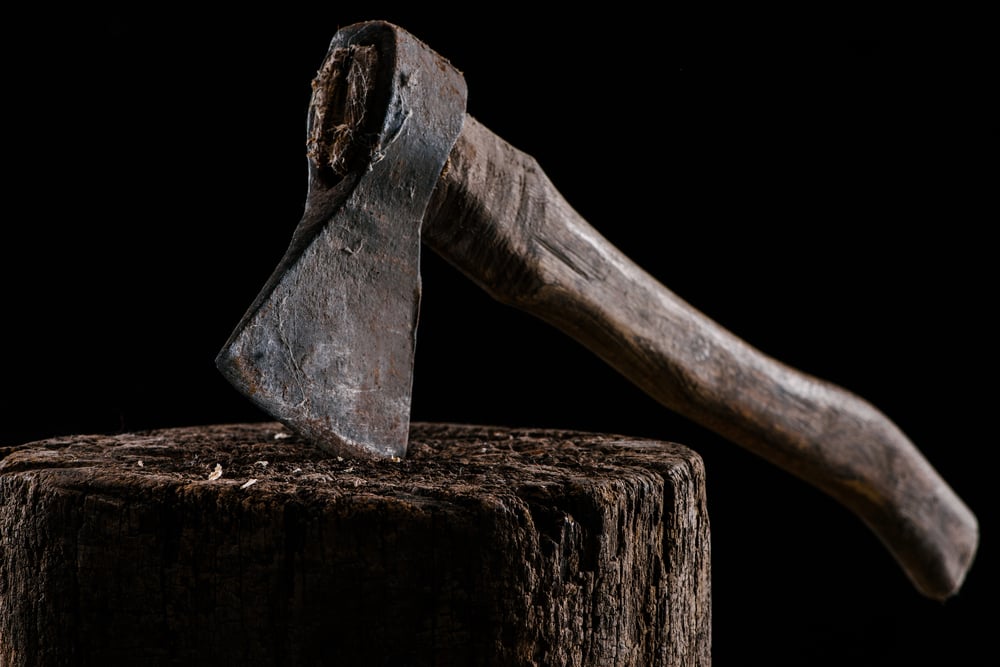
Eight people, including six children, were found killed in their Iowa home in 1912, and the forensic evidence contradicted itself at every turn. Someone had covered all the mirrors and windows with clothing, and placed a slab of bacon next to one victim for reasons investigators couldn’t fathom.
A traveling preacher was tried twice for the crimes, but juries couldn’t reach a verdict despite circumstantial evidence. Modern forensic reviews of the case have failed to provide any new clarity about who committed the crimes or why.
The Setagaya Family Case
Four family members were killed in Tokyo in 2000, and the perpetrator left behind an enormous amount of forensic evidence but remained unidentified. Police found fingerprints, footprints from rare Korean-made shoes, DNA samples, and items the person had eaten and worn.
The intruder had spent hours in the house after the killings, using the family’s computer and taking a nap. Despite having one of the most complete forensic profiles ever collected and analyzing over 12,000 pieces of evidence, Japanese investigators have never identified a suspect.
The Springfield Three Disappearance

Three women vanished from a Missouri home in 1992, leaving behind their purses, cars, and a small dog that was unharmed. The only sign of disturbance was a broken porch light, and all three had made plans for the following day.
Forensic teams found no evidence of struggle inside the house, and the women’s personal belongings suggested they hadn’t planned to leave. One particularly frustrating lead involves a parking garage where ground-penetrating radar showed an anomaly, but authorities have refused to excavate the area.
The Texarkana Phantom Attacks
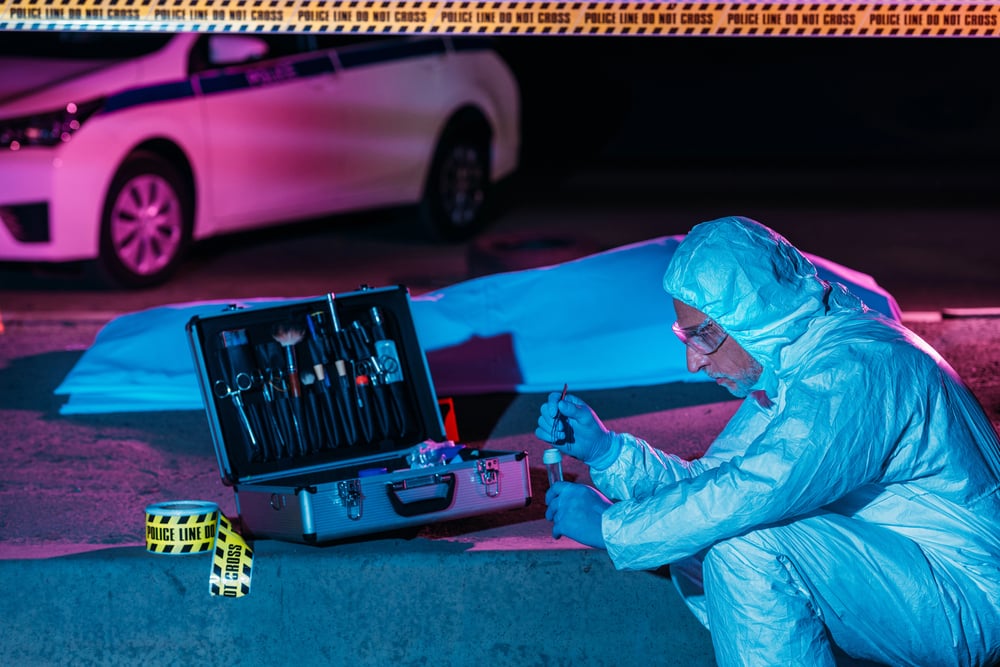
Someone attacked eight people in Texas and Arkansas during a ten-week period in 1946, and forensic evidence from different scenes didn’t match any known pattern. The attacker struck on weekends near Texarkana, targeting couples in parked cars, but changed methods and weapons between incidents.
Despite a massive investigation involving Texas Rangers and FBI agents, no useful fingerprints or physical evidence was recovered. The attacks suddenly stopped, leading investigators to theorize the person either died, was imprisoned for another crime, or simply moved away.
The Kyron Horman Case
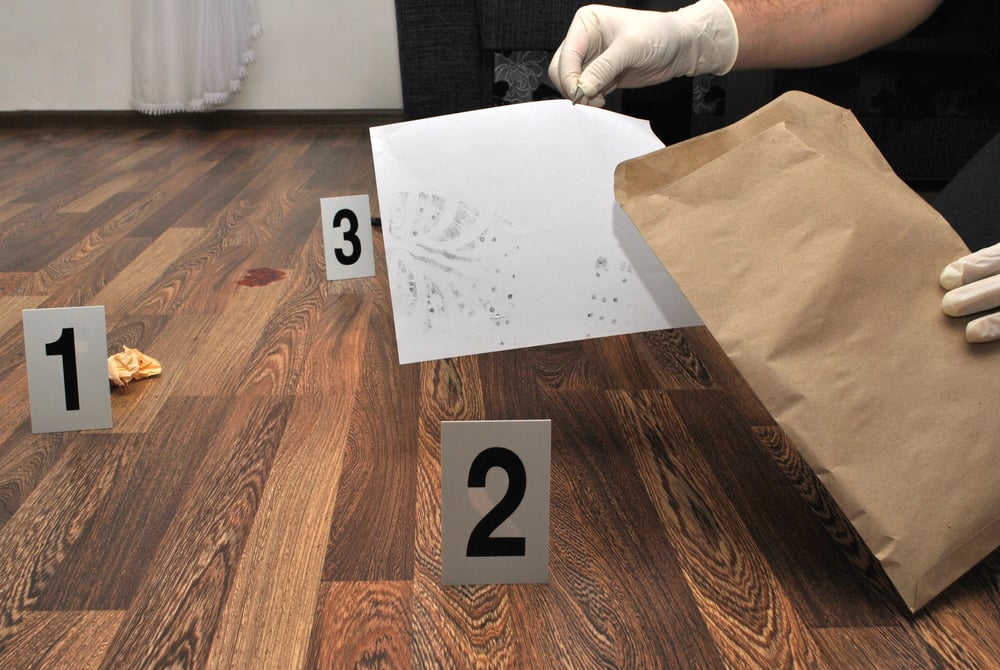
A seven-year-old boy disappeared from his Portland elementary school in 2010 after his stepmother dropped him off at a science fair. Security footage showed Kyron inside the building that morning, but he never made it to his classroom.
Forensic teams searched the school, surrounding areas, and conducted one of Oregon’s largest missing person investigations, but found no trace of the child. Phone records and timeline analysis raised questions about the stepmother’s activities that day, yet prosecutors said they lacked sufficient evidence to file charges.
When Mysteries Refuse To Fade

These cases remind everyone that forensic science, despite incredible advances, can’t solve every puzzle that comes along. The families affected by these mysteries still wait for answers, and cold case units continue reviewing evidence with fresh eyes and new technology.
Some of these cases might eventually crack open with a DNA match or a deathbed confession, but others may remain question marks forever. What they all prove is that truth can be stubbornly elusive, even when investigators give everything they have to find it.
More from Go2Tutors!

- The Romanov Crown Jewels and Their Tragic Fate
- 13 Historical Mysteries That Science Still Can’t Solve
- Famous Hoaxes That Fooled the World for Years
- 15 Child Stars with Tragic Adult Lives
- 16 Famous Jewelry Pieces in History
Like Go2Tutors’s content? Follow us on MSN.



