Biggest Fashion Blunders of the Last Decade
Fashion changes quickly. The following year, people look back and wonder what everyone was thinking about something that was trendy and cool the year before.
There have been many instances in the past decade where fashion choices have left people perplexed or uncomfortable. Some fashion choices, from social media to runways, didn’t hold up over time.
While some trends felt rushed, others fell flat. In retrospect, it’s actually quite amusing to see what we all agreed to.
What, then, were this messy decade’s worst fashion moments? For all the wrong reasons, let’s examine the fashion trends that made history.
Low-rise jeans making a comeback
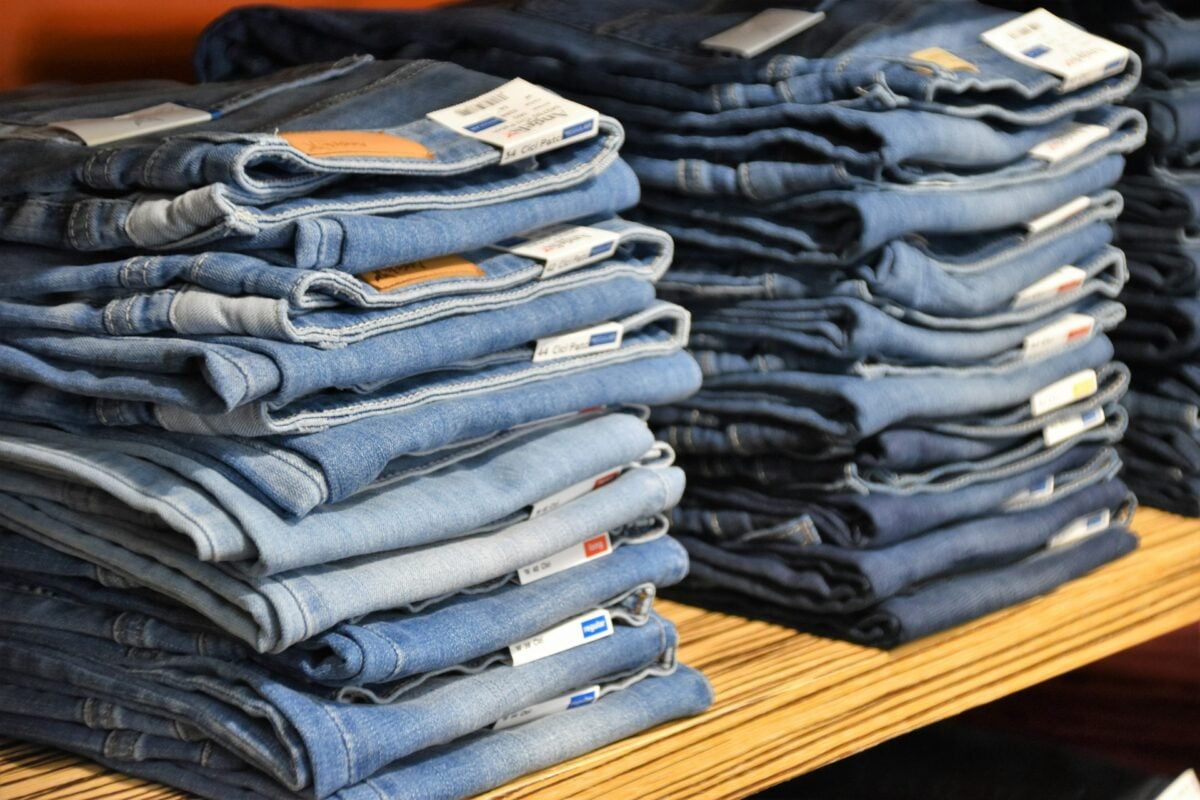
Around 2015, low-rise jeans started creeping back into stores. People forgot how uncomfortable and impractical they actually were.
These jeans sat so low that wearing them felt like a constant struggle. Sitting down became awkward, bending over impossible.
By 2020, most people realized high-waisted styles felt better and looked cleaner. The return of low-rise proved that just because something’s retro doesn’t mean it deserves a second chance.
Extremely oversized blazers
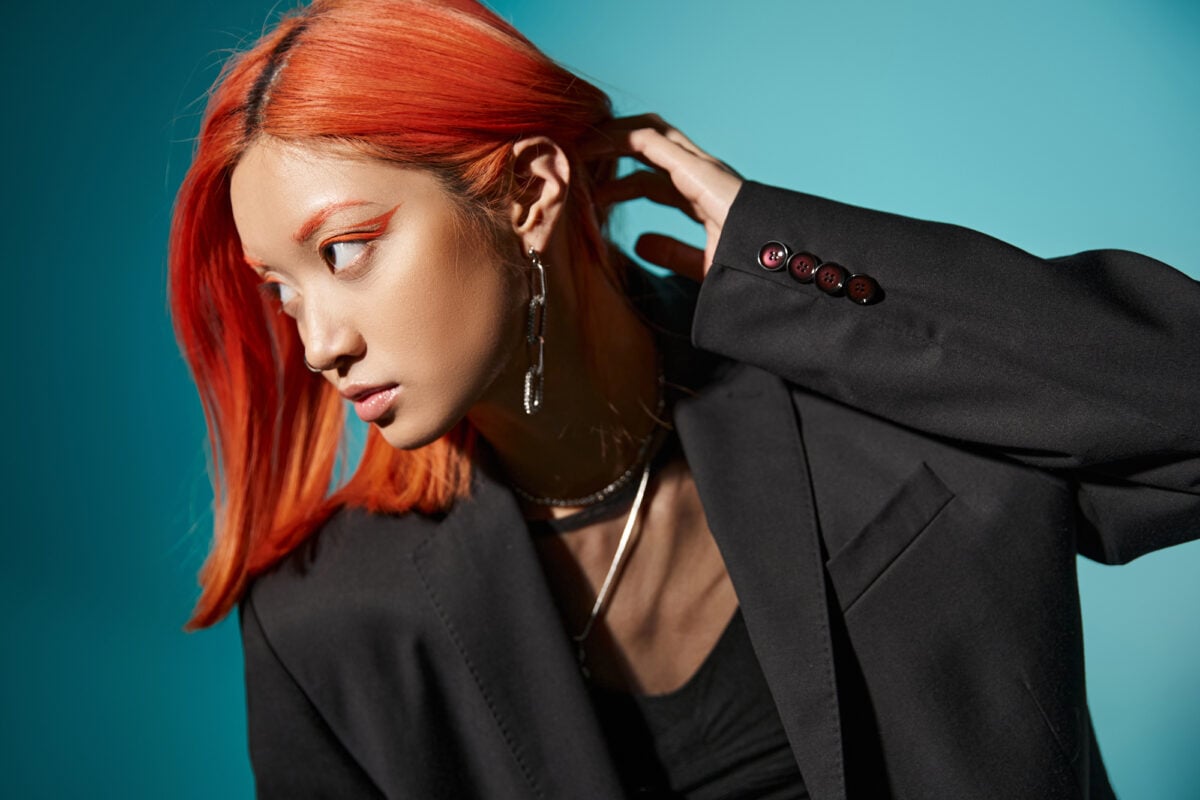
Oversized became the fashion rule somewhere around 2016 and 2017. Blazers that looked like they belonged to someone three sizes bigger became normal.
The intention was to look cool and relaxed, but mostly people looked like they borrowed their dad’s work jacket. Layering became impossible and proportions got totally lost.
By the end of the decade, people realized tailoring actually exists for a reason. Wearing clothes that fit your body turned out to be a good idea after all.
Like Go2Tutors’s content? Follow us on MSN.
Athleisure taking over everything
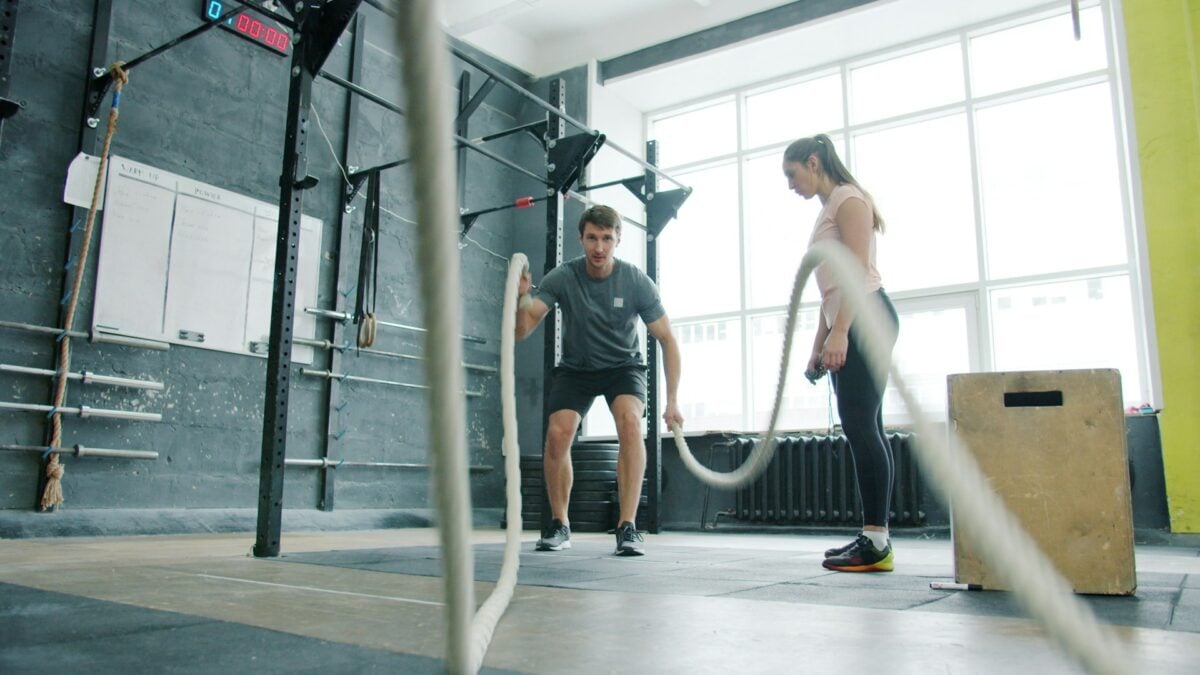
Gym clothes became street clothes around 2015 and never really stopped. Wearing leggings and sports bras to the grocery store started feeling normal.
Don’t get it wrong, comfort matters, but there’s a difference between cozy and not trying. The line between workout gear and actual outfits got completely blurry.
Some people dressed in athletic wear literally never hitting a gym. It created this weird moment where fashion and laziness became the same thing.
Visible thong underwear
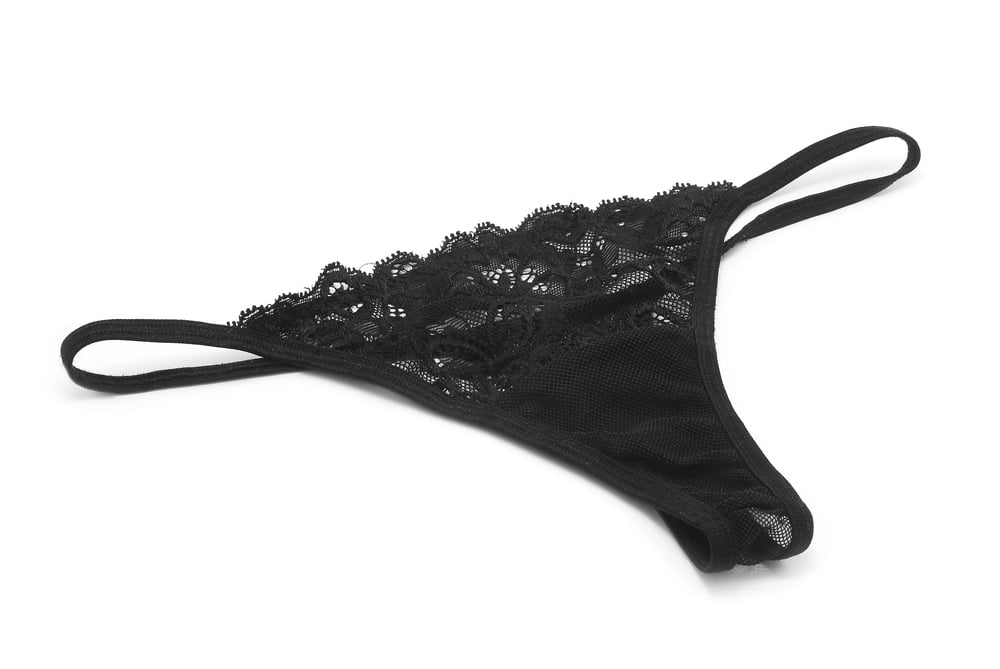
This trend came from 2000s nostalgia around 2018 and 2019. Intentionally letting underwear show above waistbands came back into style somehow.
It looked awkward then and looked awkward when people tried reviving it. The practical problems were obvious – it’s uncomfortable, looks unfinished, and serves no real purpose.
People who followed this trend mostly just looked uncomfortable and confused. Keeping underwear private turned out to be the better choice.
Ultra-tight fashion for men
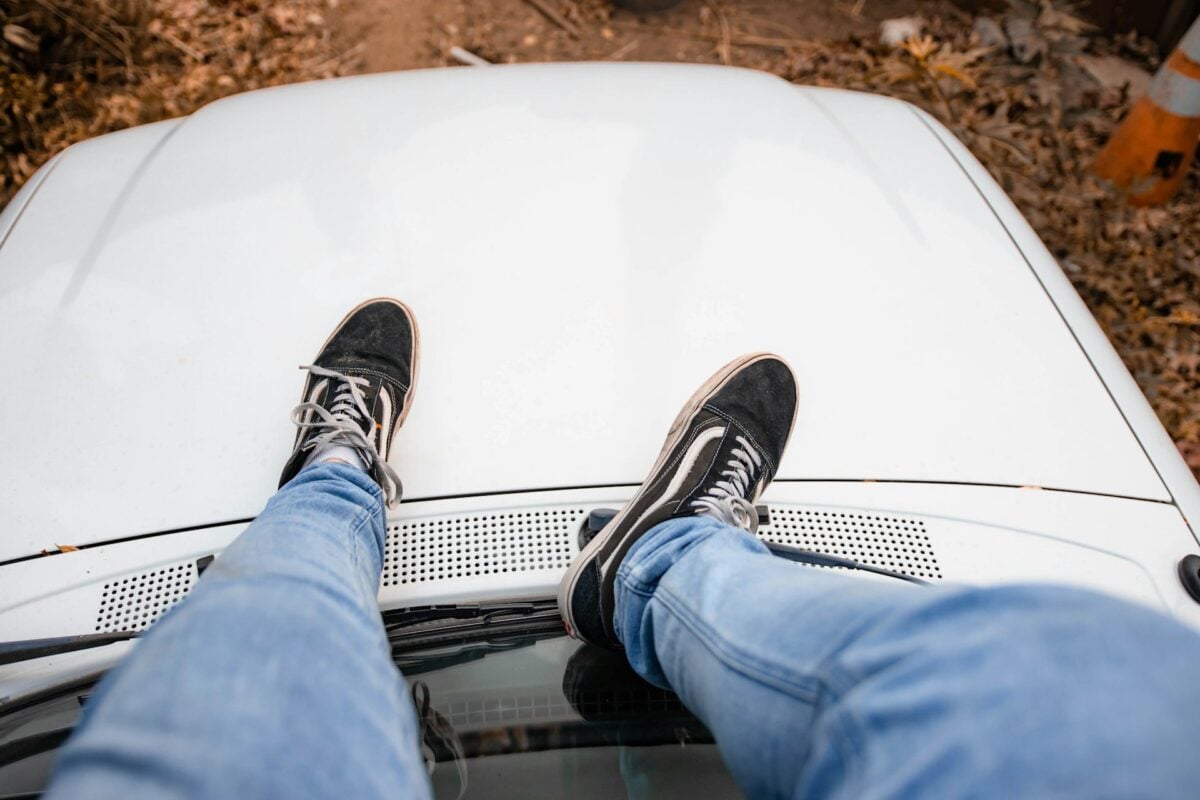
Men’s fashion got really tight around 2015 to 2018. Super skinny jeans and fitted everything became the standard.
Some guys looked genuinely cut off by how tight their clothes were. Walking around looking like you’re about to burst isn’t comfortable or attractive.
Breathing room in clothes matters more than people realize. Eventually the pendulum swung back to more relaxed fits and everyone felt better.
Like Go2Tutors’s content? Follow us on MSN.
Statement crocs everywhere
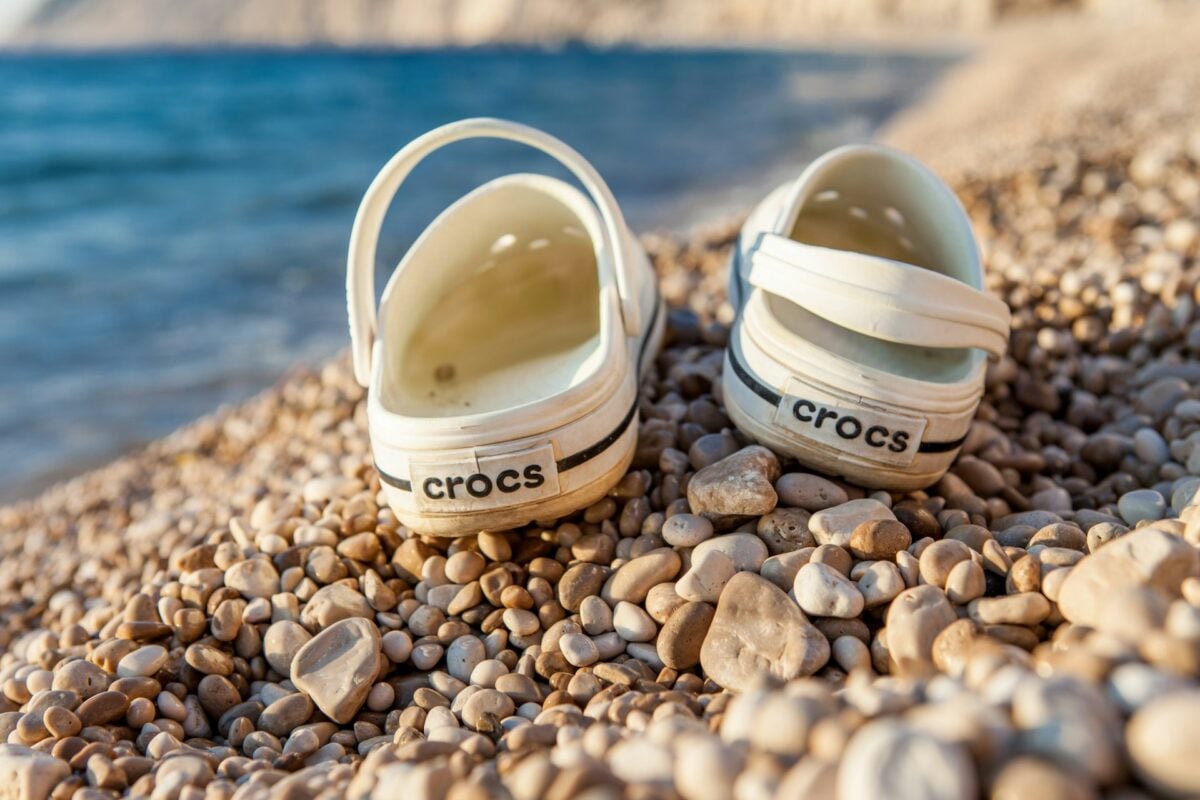
Crocs became fashionable sometime around 2017 and 2018. People started wearing them with fancy outfits and designer accessories.
The shoes meant for hospitals suddenly showed up at coffee shops and parties. Some versions got decorated with charms and pearls trying to seem fancy.
The whole thing felt forced and weird no matter how stylish brands tried making them seem. Most people realized they still looked like plastic hospital clogs no matter what you paired them with.
Bucket hats as a status symbol
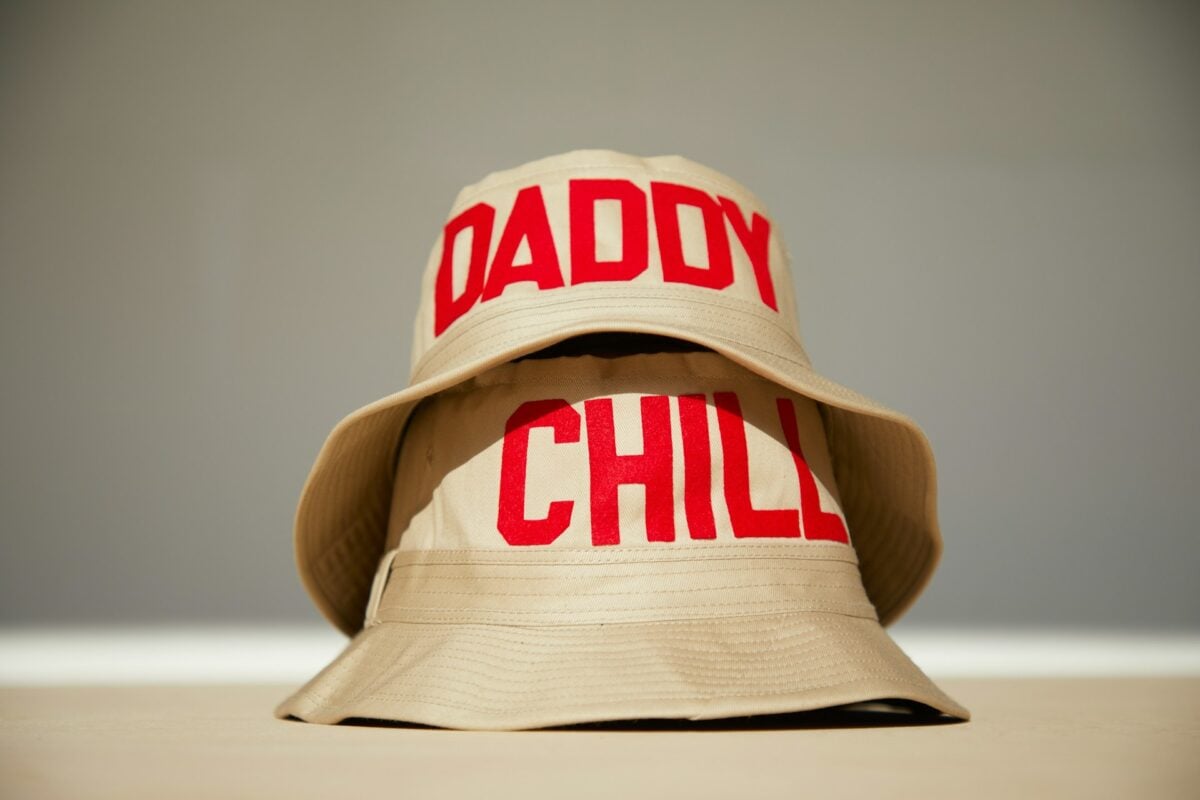
Big bucket hats covered everything around 2018 and 2019. Luxury brands started making expensive versions of something that costs five dollars at any corner store.
People paid hundreds for bucket hats that looked identical to cheap ones. The trend screamed try-hard more than trendy.
Bucket hats do serve a purpose in hot weather but making them a fashion statement felt silly. Eventually people just wore them for sun protection like they always should have.
Ripped clothes as a feature
Strategic rips and tears in perfectly good clothing became high fashion around 2016. Brands charged full price for jeans that fell apart.
People paid premium money for clothes that were basically broken. It looked sloppy more than intentional most of the time.
The trend confused people about whether clothes were supposed to last. Eventually wearing clothes that actually stayed intact felt like a return to sanity.
Like Go2Tutors’s content? Follow us on MSN.
Excessive neon colors

Neon everything took over around 2017 to 2019. Neon green, neon pink, neon yellow showed up on regular casual clothes.
The colors hurt people’s eyes when worn head to toe. Wearing neon should be for safety purposes not fashion statements.
Combining multiple neon pieces together created visual chaos. The trend proved that just because you can wear something doesn’t mean you should.
Holographic everything

Holographic fabrics and accessories showed up around 2017 and 2018. Everything got the shiny, iridescent treatment whether it needed it or not.
The trend made people look like they belonged at a rave or on a spaceship. Wearing holographic items everywhere felt like living in a costume.
The look aged very quickly because it was too tied to one specific moment. Simple regular fabrics ended up being way more timeless.
Extreme contouring makeup
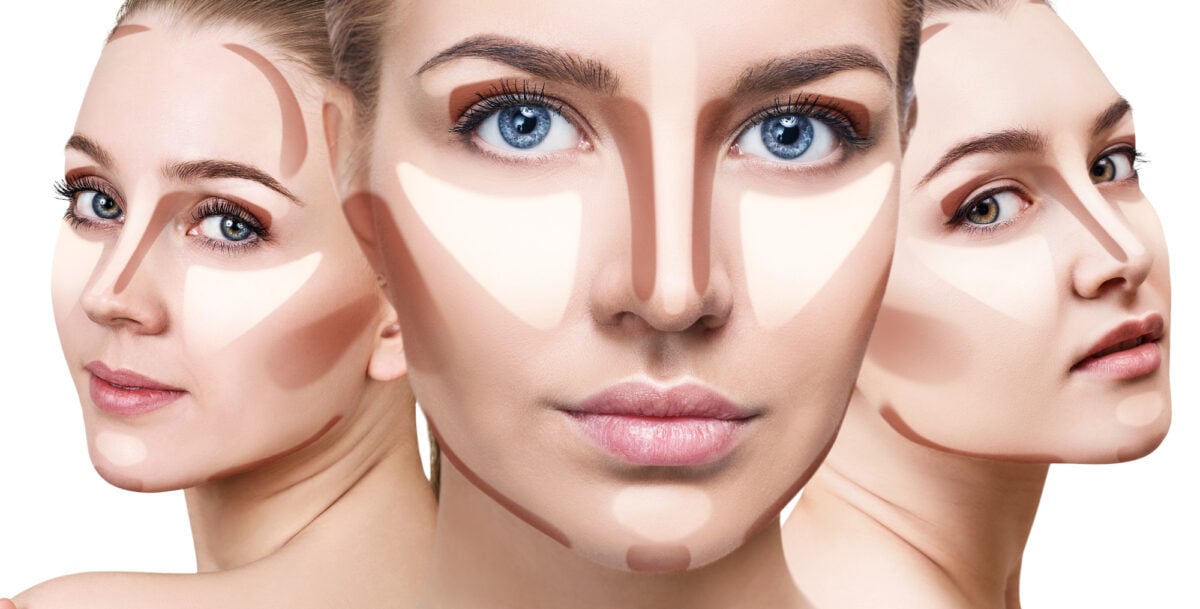
Heavy contouring makeup became obsessive around 2015 to 2017. People drew lines all over their faces trying to reshape their features.
The makeup looked obvious and artificial under normal lighting. It required an hour of application every single morning.
The trend sent a weird message that people’s actual faces weren’t good enough. When people backed off the contouring, makeup looked fresher and healthier.
Like Go2Tutors’s content? Follow us on MSN.
Platform shoes getting ridiculous
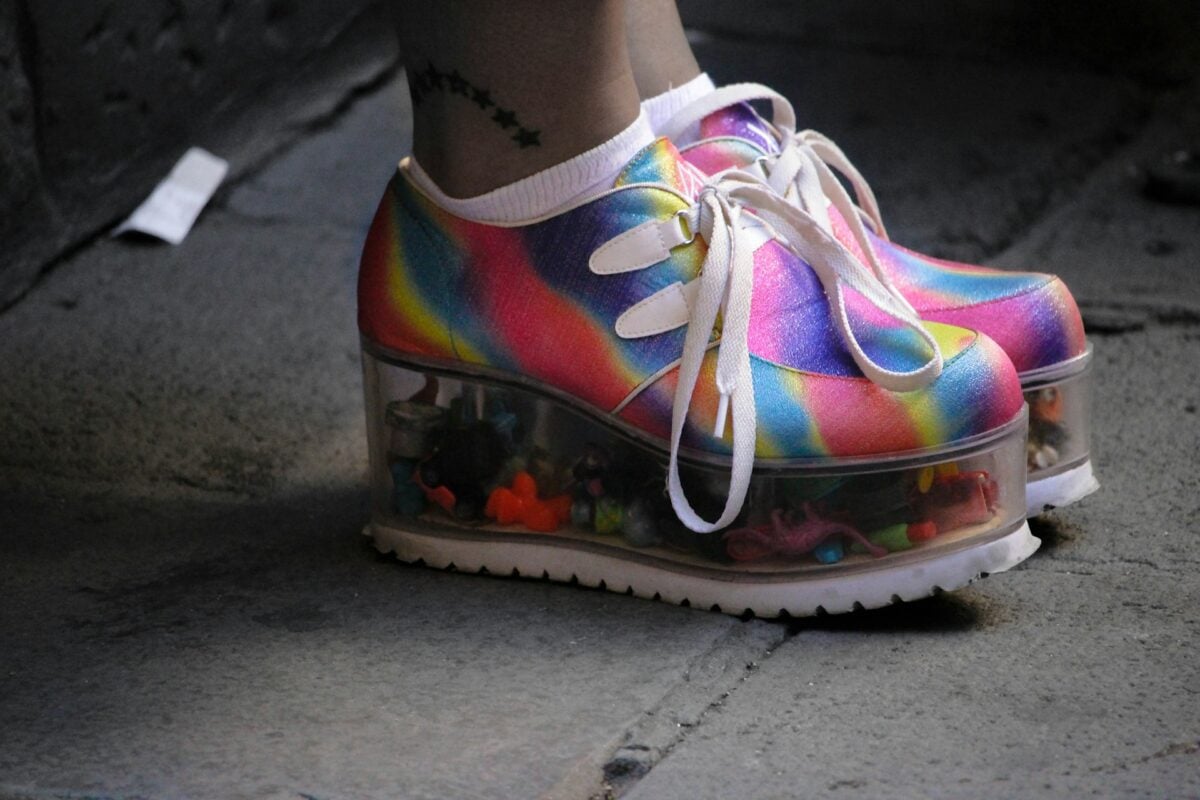
Platform shoes kept getting taller and more extreme throughout the decade. Some platforms reached heights that made walking difficult.
The shoes looked clunky and unbalanced no matter the outfit. They added no actual style points while causing real discomfort.
Standing in them for more than an hour became painful. Regular heels and flats ended up being way more practical for actual daily life.
Fake designer knockoffs worn openly
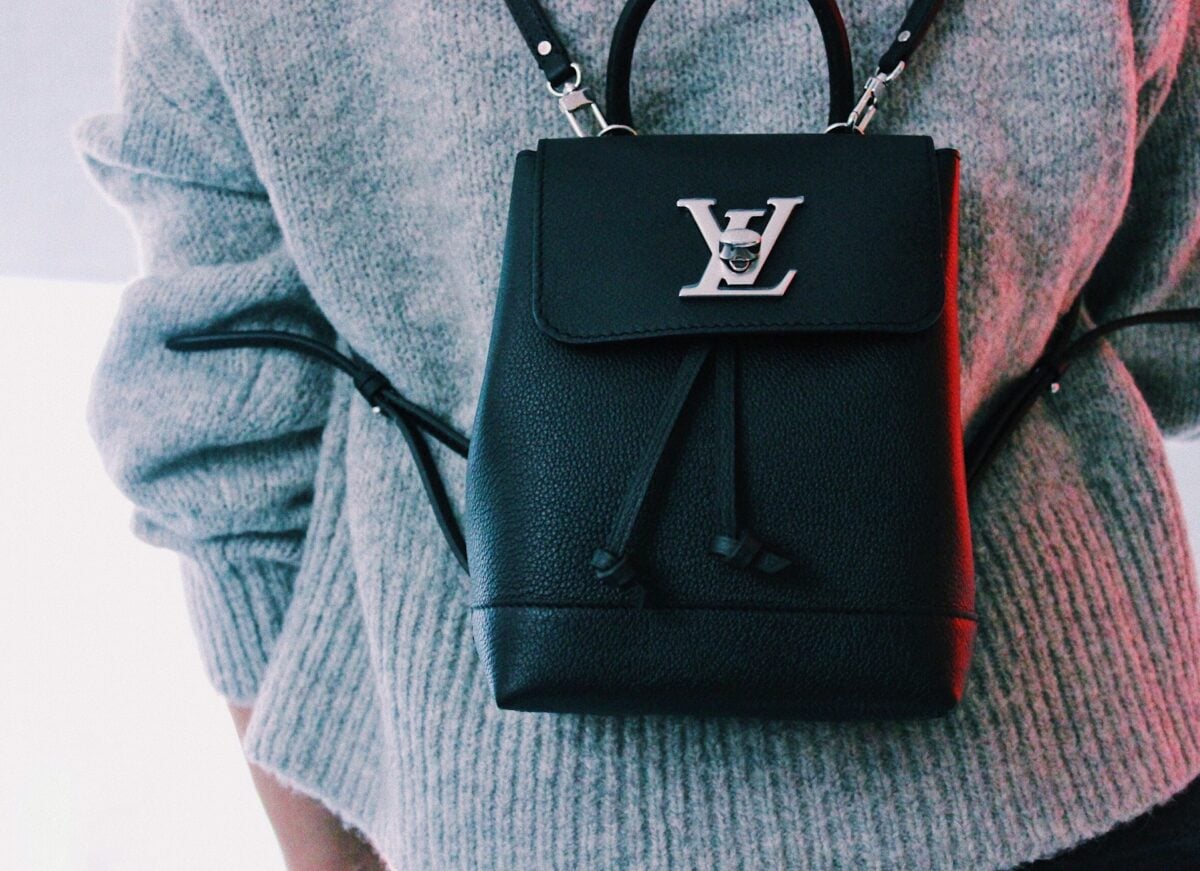
Counterfeit luxury goods became casual accessories around the mid-decade. People wore obviously fake designer bags without shame.
The quality was terrible but the labels made them feel acceptable. It created this weird flex where people bragged about having fakes.
The trend seemed to celebrate lying about what you actually owned. Eventually people realized wearing honest clothes felt better than pretending.
Transparent clothing everywhere
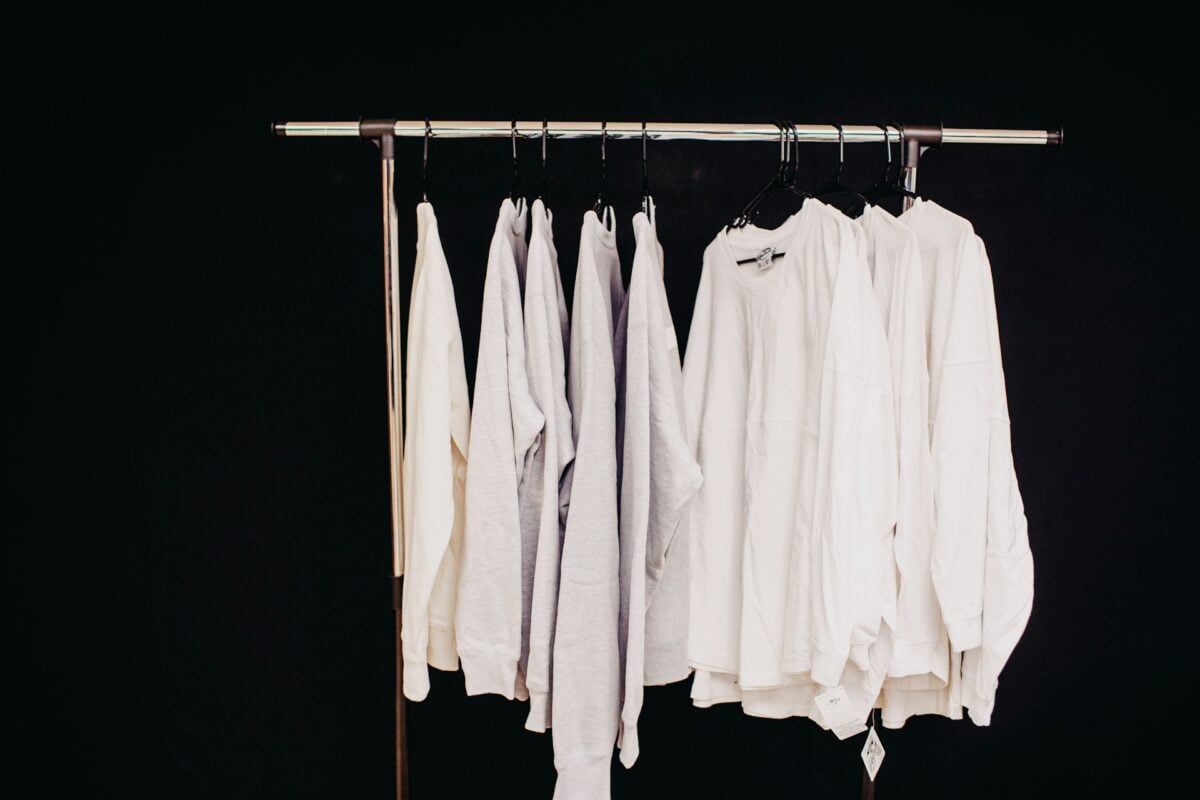
See-through fabrics became way too popular around 2017 to 2019. Sheer tops, skirts, and dresses showed up on regular people daily. The trend required wearing specific undergarments or layering underneath.
It walked a weird line between fashion and exposure that felt uncomfortable. Wearing transparent clothes meant constantly worrying about what was showing.
Most people realized keeping things covered felt less stressful.
Like Go2Tutors’s content? Follow us on MSN.
Where fashion went from there
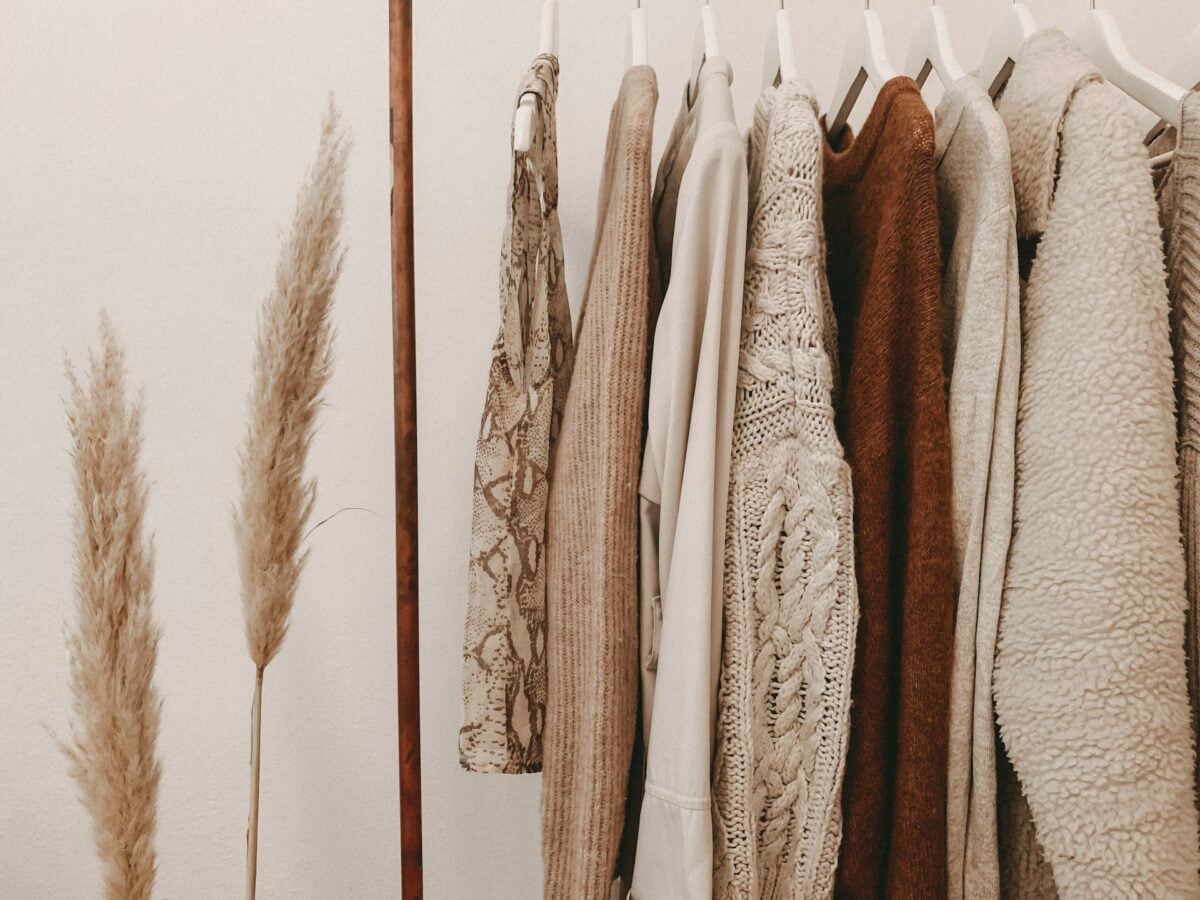
People learned over the past ten years that comfort endures while trends change. Looking back reveals what worked and what didn’t, even though fashion is always changing.
The worst mistakes typically pushed practicality too far or made an excessive effort to be unique. Wearing what feels good is more of a relaxed fashion trend nowadays.
People are reminded by those awkward years that classic style is preferable to trendy chaos. Learning from those clumsy fashion moments that didn’t hold up over time is essential to moving forward.
More from Go2Tutors!

- 16 Historical Figures Who Were Nothing Like You Think
- 12 Things Sold in the 80s That Are Now Illegal
- 15 VHS Tapes That Could Be Worth Thousands
- 17 Historical “What Ifs” That Would Have Changed Everything
- 18 TV Shows That Vanished Without a Finale
Like Go2Tutors’s content? Follow us on MSN.



