15 fortunes made from surprising inventions

Some people strike it rich with big ideas. But others get there with things that seem almost too simple to work. Sometimes, the most unexpected inventions turn into gold mines. Not because they’re high-tech or flashy, but because they solve a problem people didn’t even know they had.
Let’s look at 15 inventions that turned into massive fortunes. A few of these might make you say, “Really? That made millions?”
Post-it Notes
These sticky little squares were actually a mistake. A scientist at 3M was trying to make a strong adhesive but ended up with a weak one. His coworker saw a use for it — bookmarks that wouldn't fall out. The company almost didn’t launch it, but once people tried it, they were hooked. Today, Post-it Notes are used in offices, schools, and homes around the world.
The Snuggie
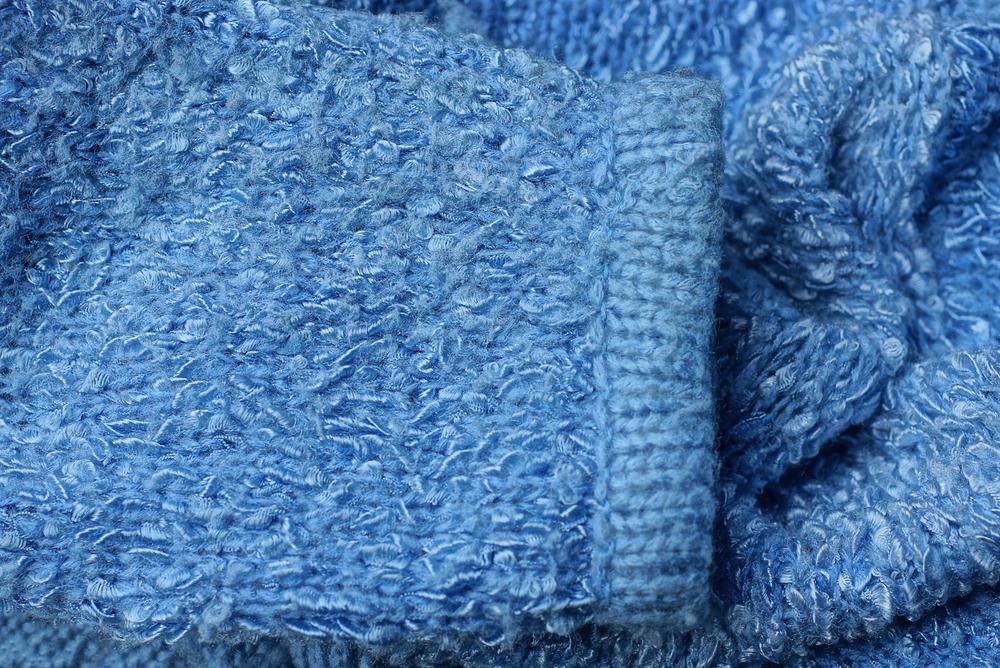
It’s basically a blanket with sleeves, yet it became a household name. What started as a TV infomercial exploded into a $500 million business. People laughed at it at first, but they still bought it. The key is that it solved a tiny problem: staying warm while using your hands. The idea was simple, and the timing and marketing were perfect.
Silly Putty
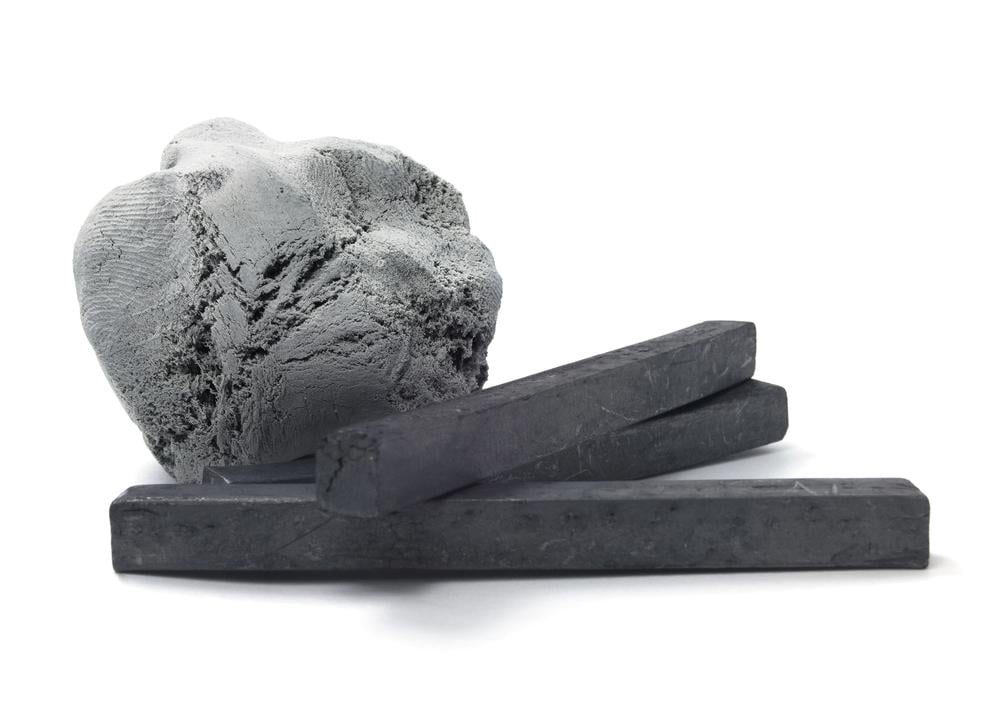
Silly Putty was born during World War II when scientists were trying to make rubber substitutes. It wasn’t useful for the military, but kids loved playing with it. A toy store owner saw its potential and sold it in plastic eggs. It took off and became one of the best-selling toys in history. Not bad for something that started as a failed lab experiment.
The pet rock
In 1975, a man came up with the idea of selling rocks as pets. No feeding, no walking — just a rock in a box with “care instructions.” It was a joke, but people bought over a million of them. The inventor made millions in just a few months. It shows that sometimes, humor and timing are more valuable than the product itself.
Velcro
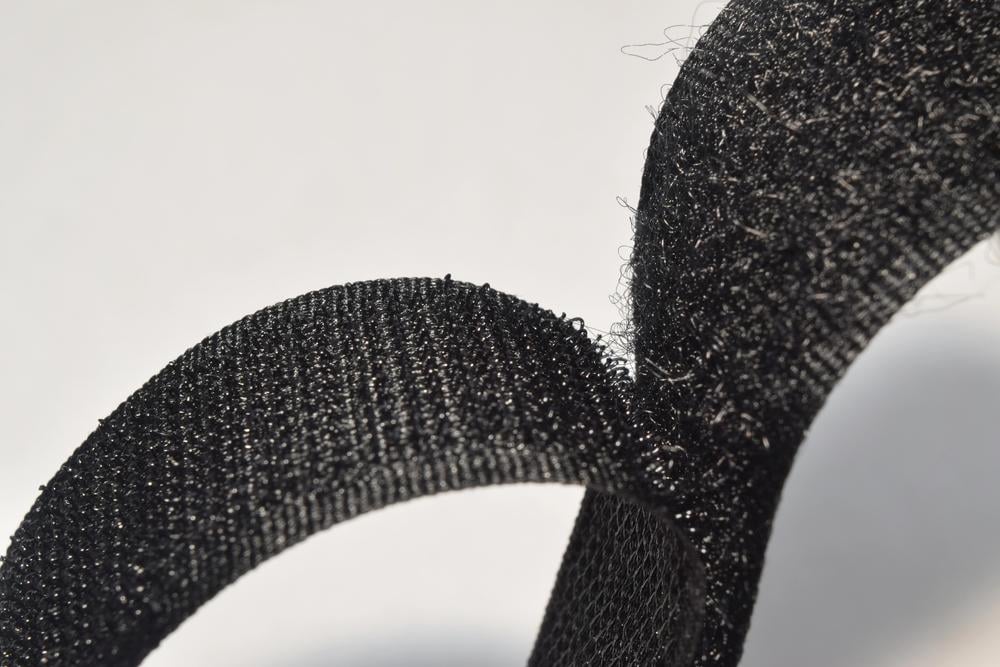
Velcro was inspired by burrs that stuck to a man’s clothes after a walk in the woods. He studied them under a microscope and copied the hook-and-loop design. At first, people didn’t take it seriously. But NASA used it in space. Suddenly, everyone wanted it. Velcro is now used in shoes, jackets, bags, and even medical gear.
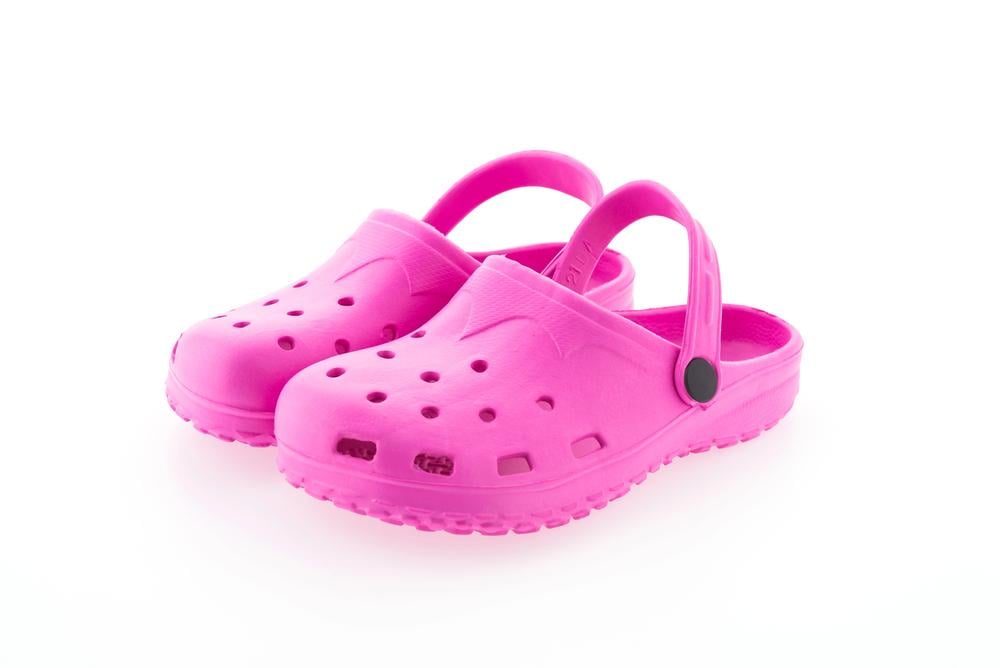
Crocs
These foam clogs were originally designed as boating shoes. They weren’t stylish, but they were lightweight, comfortable, and didn’t slip. Critics called them ugly, but the public loved them. The brand took off and made billions. Crocs even made a comeback years later with help from celebrity collaborations.
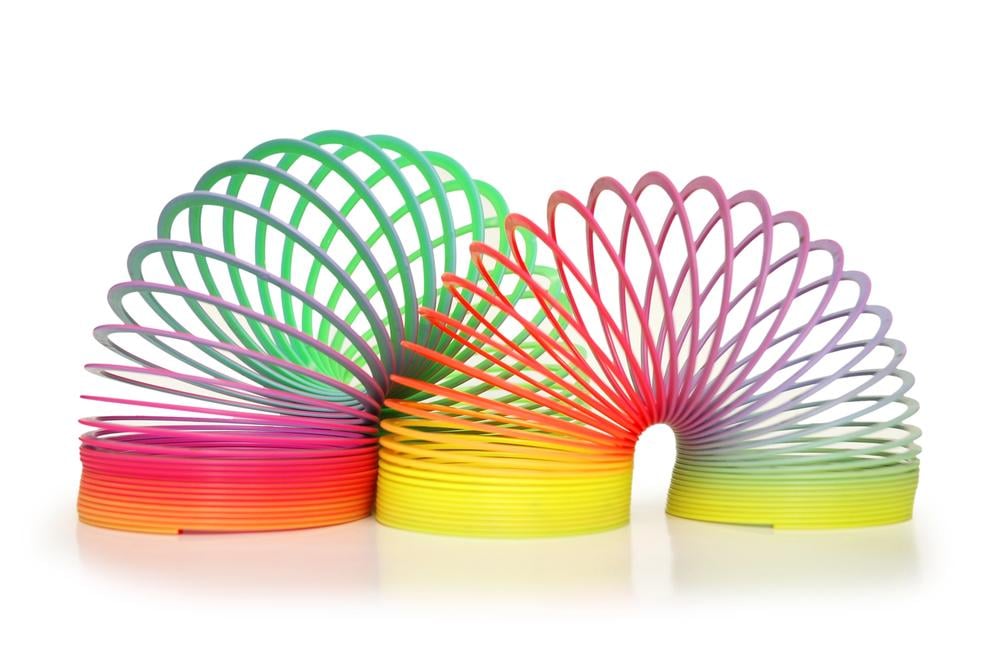
The Slinky

A naval engineer accidentally knocked a spring off a shelf and saw it “walk” down. That little moment sparked the idea for the Slinky. It was cheap to make and fun to play with. Kids loved it, and millions were sold. Sometimes, it just takes one weird movement to start a fortune.
The pool noodle
It’s just a hollow foam tube. That’s it. But it’s become a staple at pools and beaches everywhere. Originally used for pipe insulation, someone saw a new use for it. They're soft, they float, and kids can’t stop playing with them. That simple repurpose turned into a multi-million dollar market.
Kitty litter

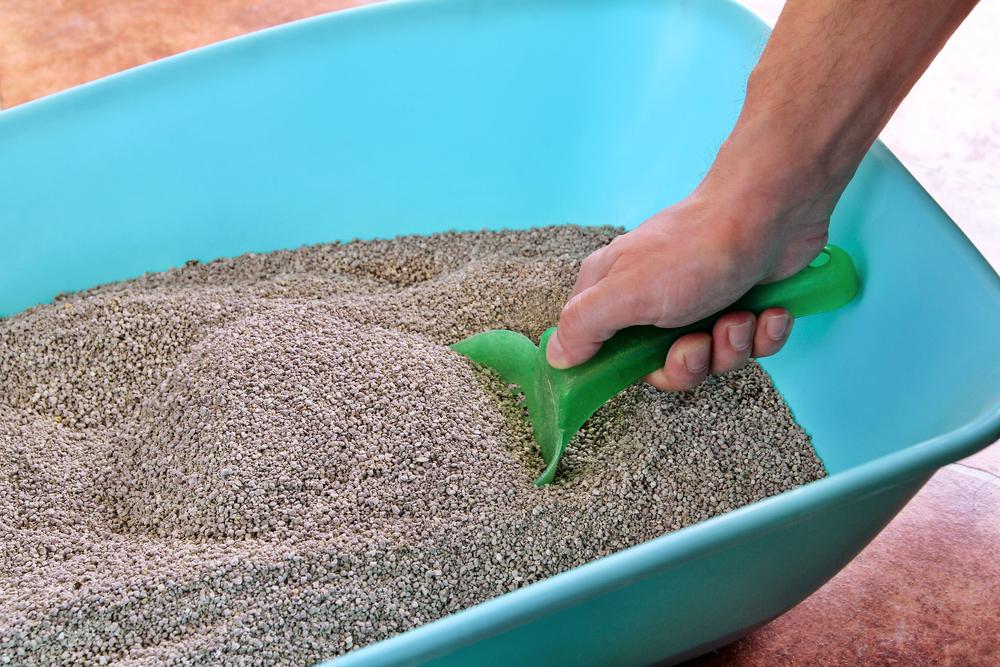
Before kitty litter, people used sand or ashes in litter boxes. It was messy and smelled bad. Then a man named Ed Lowe offered clay granules instead, and it worked like magic. Cat owners were thrilled, and a new industry was born. It now generates billions every year.
The hula hoop

The modern hula hoop came from a simple plastic ring sold in Australia. Two businessmen brought the idea to the U.S. and marketed it through toy stores and schoolyards. Kids couldn't get enough. Over 25 million were sold in just four months. It became a pop culture hit almost overnight.
Spanx
The creator of Spanx just wanted something to wear under white pants without showing lines. She cut the feet off her pantyhose and liked the result. It worked so well that others wanted it too. She kept going until it became a full brand. Spanx turned into a billion-dollar business without any outside investors.
Bubble Wrap
It started as wallpaper. Two inventors sealed plastic sheets together to create textured wall covering. It didn’t sell, but they found another use. It turned out to be perfect for protecting fragile items during shipping. Once IBM started using it to ship computers, the product exploded in popularity. Now it’s everywhere, and popping it is half the fun.
The fidget spinner
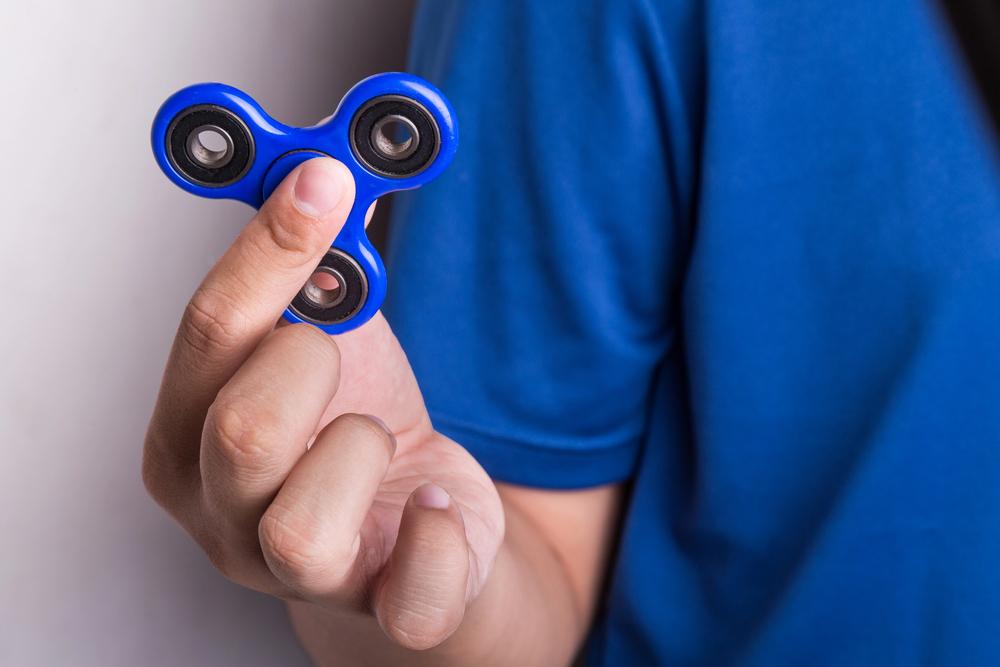
Fidget spinners didn’t stick around for long, but they made serious money. They were small, cheap, and strangely satisfying to play with. Stores couldn’t keep them in stock for months. Many versions hit the market, and some sellers made millions before the trend faded. It was a short-lived wave, but a powerful one.
The Chia Pet
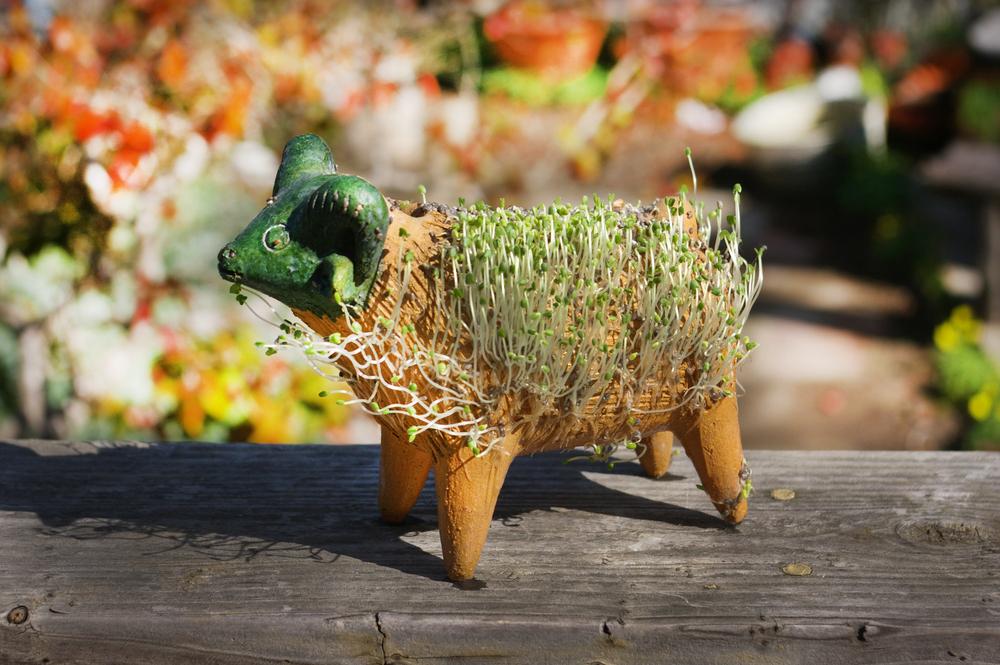
Just add water and watch it grow. That’s all it took. The Chia Pet was marketed with catchy jingles and goofy commercials. People loved the idea of growing “hair” on ceramic animals. It became a classic novelty gift, especially during the holidays. Millions were sold, and it’s still around today.
The Wacky WallWalker

This sticky toy looked like an octopus and “walked” down walls after being thrown. It was weird, fun, and addictive. Kids loved it, and it sold millions in the 1980s. It cost almost nothing to make but had huge returns. The inventor made a fortune, and the toy even inspired a holiday cartoon.
More from Go2Tutors!

- 16 Historical Figures Who Were Nothing Like You Think
- 12 Things Sold in the 80s That Are Now Illegal
- 15 VHS Tapes That Could Be Worth Thousands
Like Go2Tutors’ content? Follow us on MSN.



