Highest Paid Athletes Of All Time
Money talks in sports, but some athletes have turned their talents into fortunes that dwarf entire industries. The numbers get so big they stop making sense.
When you hear that someone earned billions just from playing a game, your brain struggles to process it. Yet here we are, looking at athletes who’ve built wealth that rivals tech moguls and entertainment icons.
Michael Jordan Stands Alone

The gap between Michael Jordan and everyone else isn’t close. With career earnings adjusted for inflation reaching $4.15 billion, Jordan sits in a category all his own.
His dominance extends far beyond his playing days, which ended more than two decades ago. In 2024 alone, he earned an estimated $300 million, primarily from his Nike partnership.
Jordan still receives royalties on every pair of Air Jordan sneakers sold. Nike reported Jordan brand sales of $7 billion last year, up 6% from the previous year.
When Nike signed Jordan after the Chicago Bulls drafted him third overall in 1984, the five-year deal was worth $500,000 per year. The agreement included a groundbreaking clause giving Jordan a cut of sneaker sales.
That decision changed everything.
Tiger Woods Chases But Can’t Catch Up

— Photo by ProShooter
Tiger Woods sits at number two with inflation-adjusted earnings of $2.79 billion. The gap between him and Jordan stretches to nearly $1.4 billion.
Woods earned $121 million in prize money from PGA Tour victories alone, a record that still stands. His business ventures continue expanding, with partnerships alongside Rory McIlroy and Justin Timberlake keeping his income flowing.
Woods revolutionized golf’s earning potential. Before him, golfers made comfortable lives but rarely approached the wealth of athletes in team sports.
He changed that calculation entirely.
Cristiano Ronaldo Leads Active Athletes

Ronaldo ranks third overall with $2.23 billion in career earnings. His massive social media following makes him one of the most marketable athletes on the planet.
The Portuguese star currently plays in Saudi Arabia, where his compensation package reflects his global brand value.
LeBron James Breaks Basketball’s Billion-Dollar Barrier

LeBron James became the first active basketball player to reach billionaire status. His $1.88 billion in career earnings places him fourth on the all-time list.
Beyond his playing salary, James made smart equity investments that paid off handsomely. His stake in Beats Electronics netted him an estimated $30 million in cash and stock when Apple purchased the company for $3 billion in 2014.
James continues playing at an elite level while building business ventures that will outlast his athletic career. His approach to wealth-building goes far beyond endorsement deals.
Lionel Messi Rounds Out the Top Five

Messi’s $1.85 billion in career earnings put him just behind James. At 38, he reportedly makes over $100 million annually at Inter Miami before accounting for sponsorship deals with Apple and Adidas.
His move to Major League Soccer came with an ownership stake in the club, adding to his wealth accumulation strategy. The Argentine spent most of his career at Barcelona, winning nearly every available trophy multiple times over.
His success on the field translated directly into unprecedented financial rewards.
Arnold Palmer’s Lasting Legacy

Arnold Palmer sits sixth with $1.82 billion in inflation-adjusted earnings, despite passing away years ago. Palmer transformed golf into a commercial powerhouse through his personality and business acumen.
His endorsement empire set the template that modern athletes still follow. Golf course design fees added another revenue stream that Palmer maximized throughout his career.
David Beckham’s Retirement Windfall

— Photo by photoworksmedia
Beckham ranks eighth with $1.61 billion in career earnings. Here’s what makes his story interesting—he’s earned more money in retirement than during his 20-year playing career.
His annual income peaked around $50 million while playing, but he’s exceeded that amount most years since hanging up his cleats. His biggest payday came in 2022 when Authentic Brands Group paid roughly $270 million for a 55% stake in his holding company.
Beckham also received an option to launch a Major League Soccer franchise at a fixed $25 million fee when he joined MLS as a player in 2007. By the time Inter Miami started play in 2020, franchise values had soared.
With Messi’s arrival, the club’s value jumped to $1.19 billion.
Floyd Mayweather’s Ring Riches
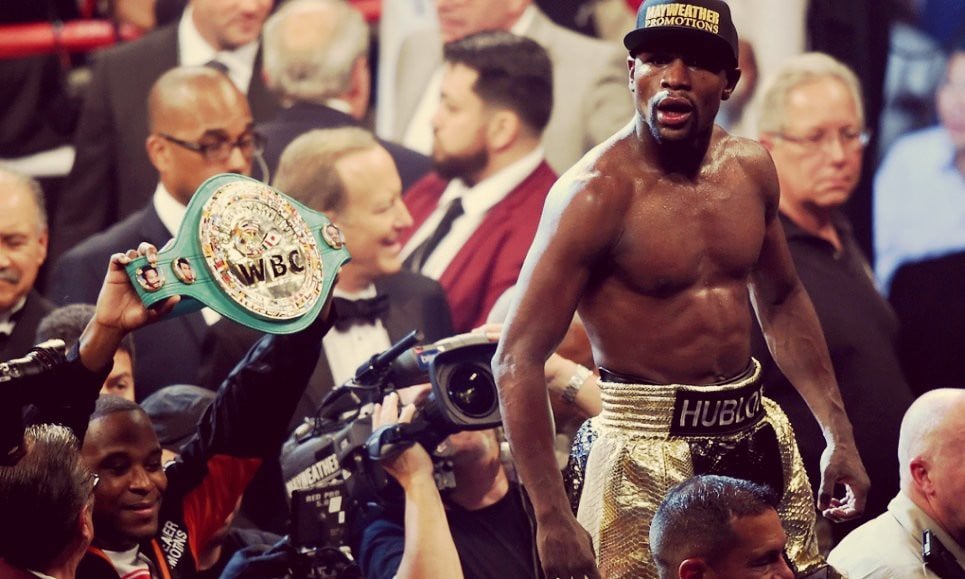
Mayweather earned the vast majority of his estimated $1.1 billion to $1.67 billion in career earnings inside the ring. His approach differed from most athletes on this list who relied heavily on endorsements.
Two fights alone generated over $550 million—$250 million from his 2015 bout against Manny Pacquiao and $300 million from his 2017 fight against Conor McGregor. His perfect 50-0 record combined with masterful self-promotion created a financial blueprint unique in boxing history.
Mayweather controlled his own promotion company, keeping a larger share of fight revenues than most boxers ever manage.
Roger Federer’s Endorsement Empire
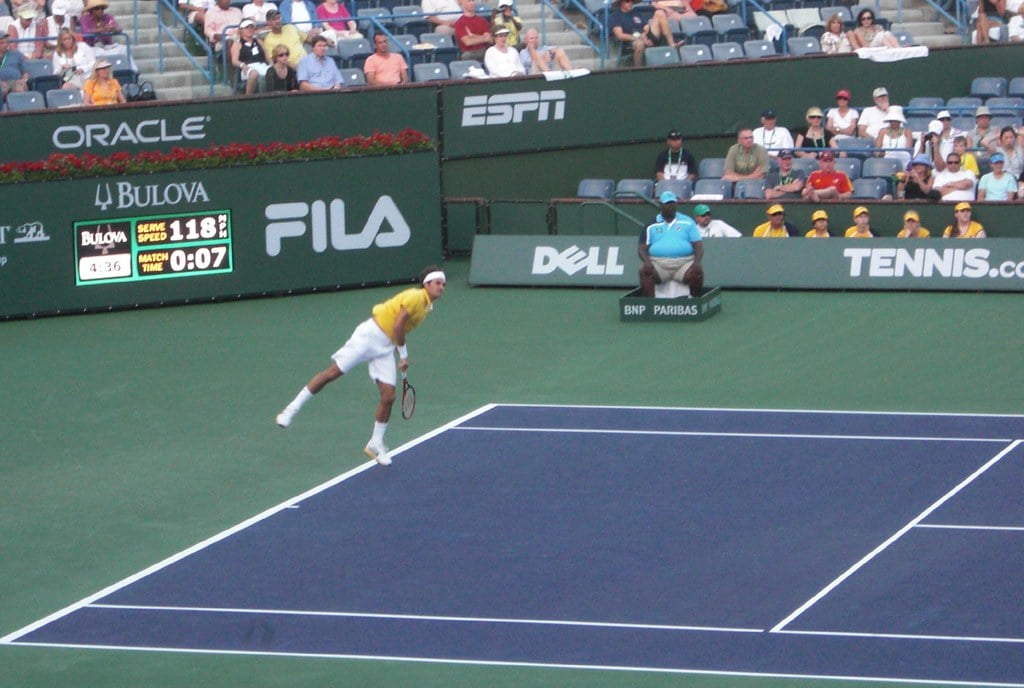
Federer’s career earnings surpassed $1.1 billion, with more than $1 billion coming from endorsements alone. His prize money totaled $130.5 million, placing him third in tennis history behind Novak Djokovic and Rafael Nadal.
But prize money tells only a fraction of Federer’s financial story. In 2018, Federer made a calculated move away from Nike after more than two decades.
He signed a 10-year, $300 million deal with Uniqlo—tripling his annual apparel income. The Japanese brand agreed to sponsor only his clothing, not his footwear, leaving Federer free to partner with Swiss brand On Running.
He became a global ambassador and purchased a 3% stake in the company. When On Running went public with a valuation around $10 billion, that 3% stake suddenly became worth $300 million.
Kobe Bryant’s Enduring Impact

Bryant earned $1.11 billion before his tragic death in 2020. His career spanned two decades with the Los Angeles Lakers, where he won five NBA championships.
Bryant’s post-retirement ventures showed his business savvy, including investments in BodyArmor that paid off when Coca-Cola purchased the brand in 2021. Though his life ended too soon, the wealth he built continues supporting his family and foundation work.
Jack Nicklaus Built Golf’s Business Model

Nicklaus doesn’t just belong on this list for his 18 major championships. His business ventures in golf course design created a revenue stream that sustained him long after his competitive days ended.
Nicklaus showed athletes how to monetize expertise beyond their playing years, building an empire that future golfers would study and emulate.
Tom Brady’s Team-First Contracts

Brady retired after the 2022 NFL season with career earnings of $820 million. His average playing salary during his career, including bonuses, was $14.5 million.
For the last decade of his career, that average rose to $21 million—still low for the unquestioned biggest star in the world’s richest sports league. Brady repeatedly took team-friendly contracts to help build championship rosters around him.
Those decisions cost him hundreds of millions in potential salary but helped secure seven Super Bowl titles in 10 appearances.
Shaquille O’Neal’s Investment Strategy
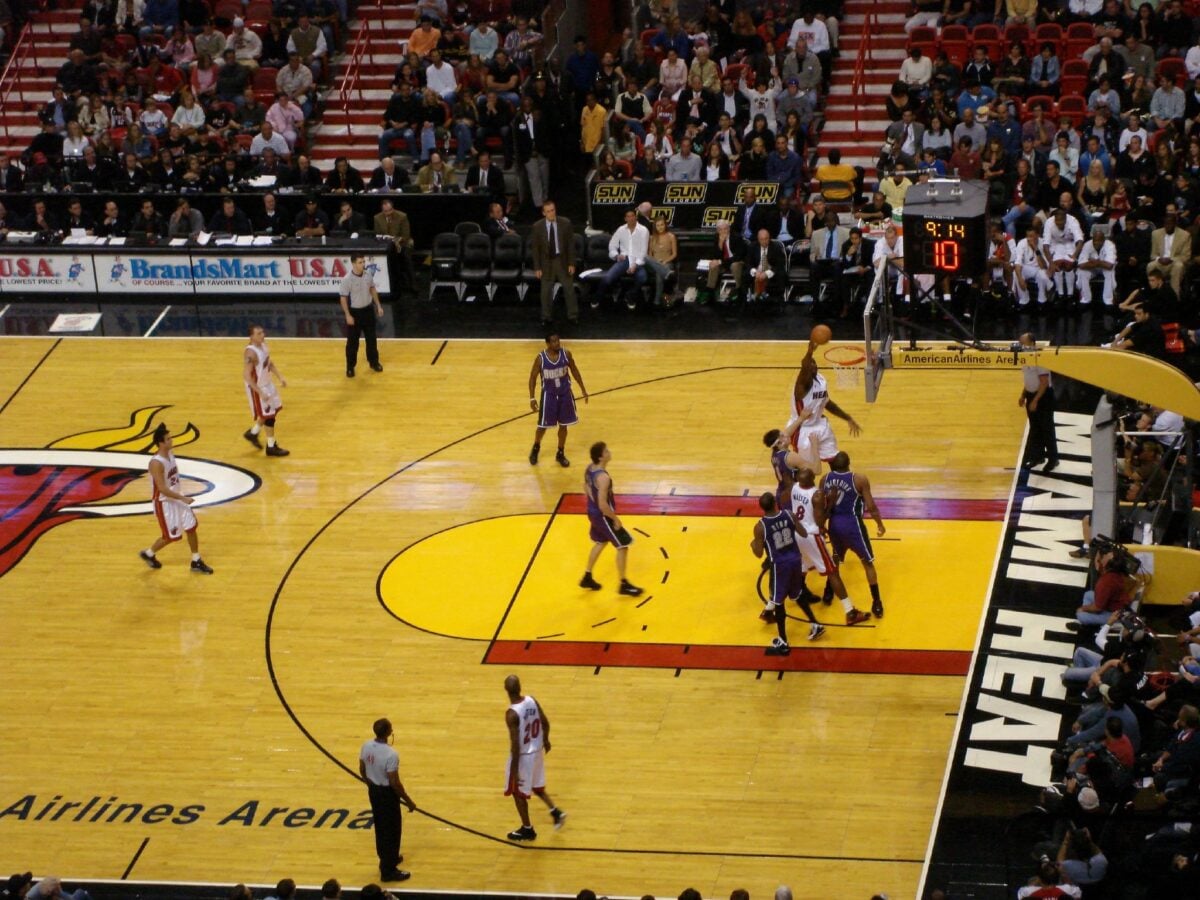
O’Neal turned basketball earnings into a business empire worth examining closely. He focused on franchise investments and endorsement deals that continue paying dividends years after his retirement.
His partnership with Authentic Brands Group for marketing rights brought him significant payments. O’Neal proved that physical dominance on the court could translate into business acumen off it.
Serena Williams Breaks Through
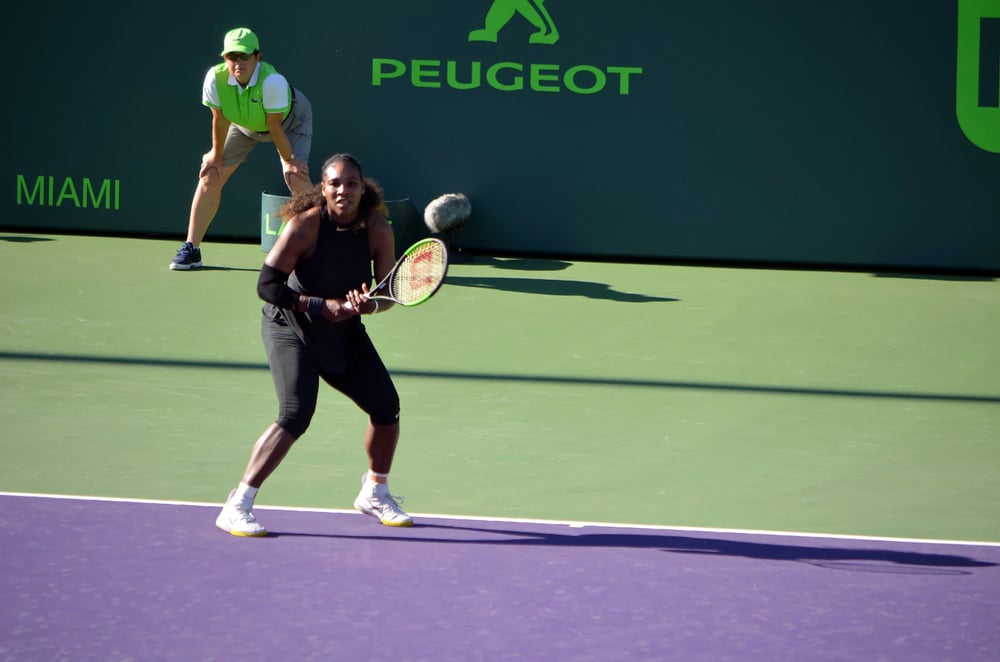
— Photo by Wimbledon
Williams ranks 40th overall with $660 million in career earnings—making her the highest-paid female athlete of all time by a wide margin. That achievement deserves celebration, but it also highlights a stark reality.
Roger Federer earned almost $1.5 billion throughout his career despite winning fewer Grand Slam titles than Williams. She won 23 Grand Slam titles to his 20, yet earned less than half his total.
Williams’ sister Venus and Maria Sharapova cracked the top 100, the only other women listed. The gender pay gap in sports remains massive.
Female athletes often get paid less than male athletes for performing the same job, even when achieving comparable success and generating similar revenue. Media coverage, sponsorship opportunities, and endorsement deals typically favor men across almost every sport.
When Numbers Stop Making Sense

The top athletes have pushed earnings into territories that seem almost fictional. You can read that someone made $4 billion and nod along, but try to actually picture that amount.
It’s impossible. These sums represent more than money—they show how sports have become global entertainment industries with reach rivaling Hollywood or Silicon Valley.
Athletes at this level aren’t just players anymore. They’re brands, businesses, and cultural icons rolled into one.
The gap between the top earners and everyone else keeps widening. Jordan made more in 2024 than most active athletes will earn in their entire careers.
That’s not a criticism—it’s just reality. The combination of talent, timing, marketing savvy, and business decisions creates outcomes that compound over decades.
The Price of Excellence

What makes some athletes stand out while others stay rich but forgotten? Skill by itself isn’t enough.
Not only did Jordan dominate on the court, he turned into a worldwide icon. Winning titles wasn’t Woods’ only impact – golf shifted because of him.
Right when media went global and sponsorships boomed, they rose beyond the game. It’s surprising how much timing plays a role.
Back then, TV started showing sports everywhere – Palmer and Nicklaus happened to rise right at that moment. When worldwide advertising began crossing borders, Jordan stood at its peak.
Platforms online were growing fast just as LeBron stepped into his prime. Every big earner came along when fresh ways to make money appeared – for earlier stars, those options simply did not exist.
Yet performance matters most. Even endless promotion fails if results do not follow.
Some players ruled their games for long stretches – years blending into decades. What held them up was steady excellence under pressure.
That reliability forms the base others try to reach.
More from Go2Tutors!

- The Romanov Crown Jewels and Their Tragic Fate
- 13 Historical Mysteries That Science Still Can’t Solve
- Famous Hoaxes That Fooled the World for Years
- 15 Child Stars with Tragic Adult Lives
- 16 Famous Jewelry Pieces in History
Like Go2Tutors’s content? Follow us on MSN.