15 Fun Facts About IKEA’s Quirky History
From humble beginnings selling matches and pens to becoming a global furniture empire, IKEA’s journey reads like a Scandinavian fairy tale with Swedish meatballs and impossible-to-pronounce product names. What started as a 17-year-old’s mail-order business has grown into the world’s largest furniture retailer, spawning countless memes, relationship tests, and assembly nightmares along the way.
Below are 15 delightfully quirky facts that reveal the fascinating story behind those distinctive blue and yellow stores.
It Started with Matches, Not Meatballs

Ingvar Kamprad was just 17 years old when he founded IKEA in 1943 as a mail-order sales business. But forget furniture – he originally sold small items like picture frames, pens, watches, and nylon stockings. The first piece of IKEA furniture wasn’t sold until 1948, five years after the company started.
The original shop is now a museum on the founding plot in rural Sweden. Sometimes the best empires start with the smallest ideas.
The Name is a Swedish Geography Lesson

— Photo by photosis
IKEA isn’t actually a Swedish word – it’s an acronym comprising the founder’s initials plus his roots. The “I” and “K” stand for Ingvar Kamprad, while “E” represents Elmtaryd (the farm where he grew up) and “A” is for Agunnaryd, his home village. So every time you shop at IKEA, you’re basically visiting Ingvar’s neighborhood.
Flat-Pack Was Born from Car Trouble

The revolutionary flat-pack furniture concept happened by accident in 1956. Designer Gillis Lundgren was trying to transport a leaf-shaped table called the Lövet to a photo studio, but it wouldn’t fit in his small post-war car. Frustrated, he thought “Why not take off the legs?” and sawed them off.
That lightbulb moment sparked the flat-pack revolution. The same table, now called Lövbacken, is still sold today – naturally, in flat-pack form.
One Billy Bookcase Sells Every 10 Seconds

The Billy bookcase is IKEA’s crown jewel, with one sold worldwide every 10 seconds according to The New York Times. Since its introduction in 1979, more than 41 million units have been sold. If you laid them all out in a line, they’d stretch over 70,000 kilometers – almost twice around the Earth.
And here’s the kicker: most Billy bookcases are made in one tiny Swedish village of fewer than 400 inhabitants.
The Founder Was Worth $46 Billion But Drove an Old Volvo
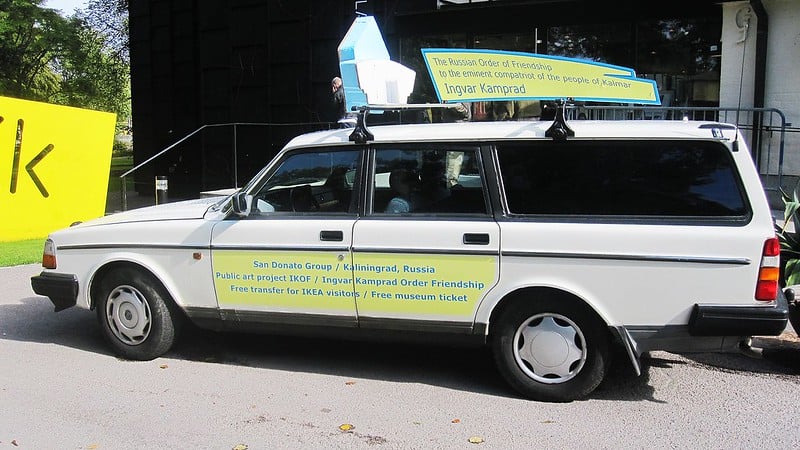
Despite building a furniture empire worth billions, Ingvar Kamprad lived remarkably frugally. He shopped at flea markets, drove an old Volvo, lived in a modest Swiss home, and furnished it primarily with IKEA furniture – which he assembled himself. Even billionaires apparently aren’t immune to those wordless instruction manuals.
He reportedly took penny-pinching to impressive levels, proving that Swedish minimalism applied to more than just furniture design.
Product Names Exist Because of Dyslexia
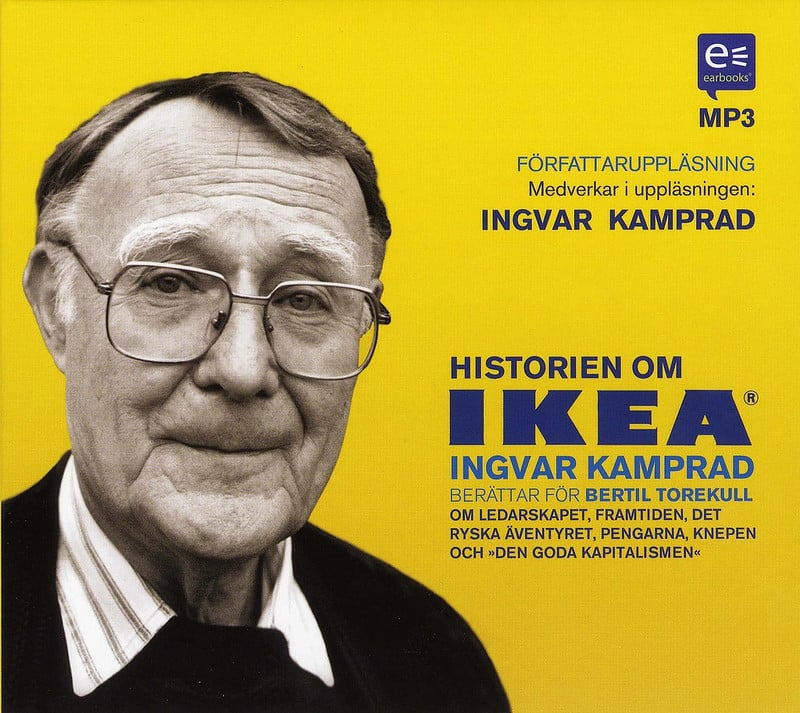
Since founder Kamprad was dyslexic, he couldn’t keep track of product codes, so IKEA developed an unconventional naming system still used today. Each category has its own theme:
- Bathroom items: Swedish lakes and bodies of water
- Beds and wardrobes: Norwegian place names
- Lighting: Musical terms, chemistry, meteorology, seasons
- Children’s items: Mammals, birds
- Rugs: Danish place names
It’s like a Scandinavian geography and nature lesson disguised as furniture shopping.
They Sell One Billion Meatballs Annually
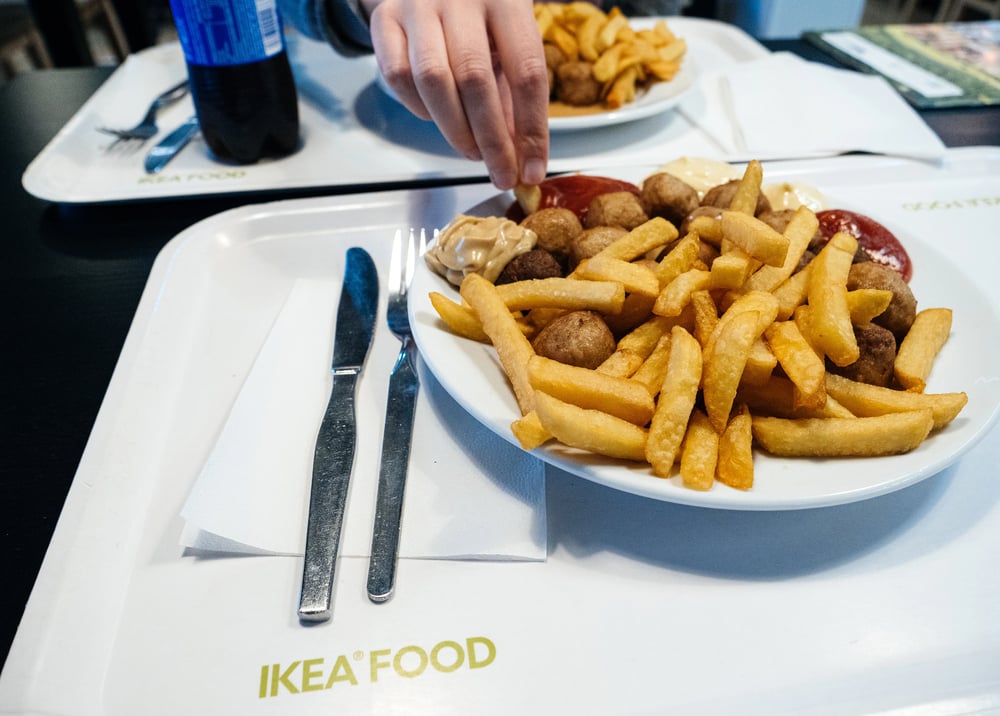
IKEA restaurants serve over one billion meatballs worldwide every year. The famous Swedish meatballs were introduced in 1985 after founder Kamprad realized too many customers were leaving hungry without buying anything. Smart business move – feed them, then they’ll shop.
During the 2020 pandemic lockdowns, IKEA even released their meatball recipe so people could make them at home. Because apparently, some withdrawals are furniture-related.
The Catalog Was Once More Popular Than the Bible

At its peak, IKEA printed over 208 million catalogs annually in 49 countries and 32 languages. That’s more copies than the Bible – making it possibly the most widely distributed publication on Earth. The catalog existed since 1951 and supposedly consumed 70% of IKEA’s marketing budget.
Sadly, the beloved catalog was discontinued in 2020. RIP to bedtime reading material for furniture enthusiasts everywhere.
They Once Released 100 Cats Into a Store

In 2010, IKEA UK conducted an experiment releasing 100 cats into one of their stores overnight. The resulting footage showed cats lounging on furniture, exploring mock living rooms, and generally living their best lives in a furniture wonderland. The slow-motion shots were surprisingly moving – apparently even cats appreciate good Scandinavian design.
IKEA Prices Drop 2% Every Year

Despite inflation affecting most industries, IKEA manages to lower their product prices by 2% annually. This counterintuitive approach involves working backwards from price points – determining what customers can afford, then designing and sourcing materials to meet those targets.
It’s like reverse engineering affordability, which explains why your student apartment looked exactly like everyone else’s.
The Founder Left Half His Fortune to Northern Sweden
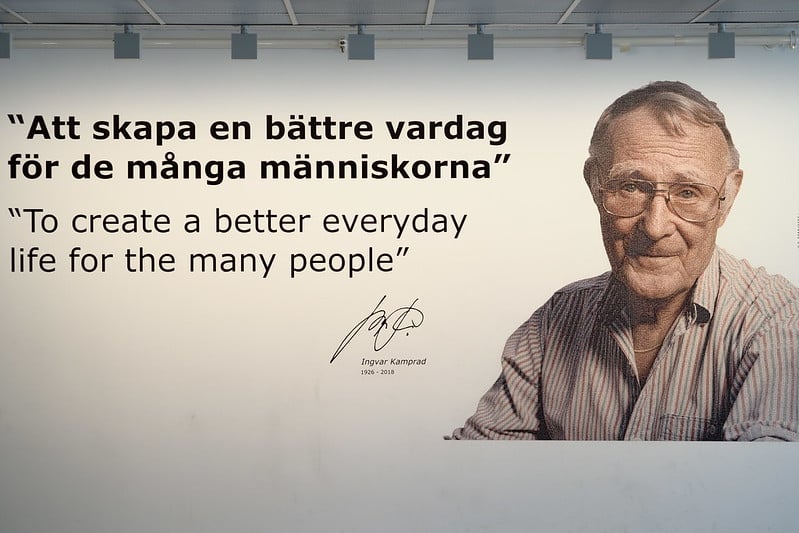
When Ingvar Kamprad passed away in 2018, he didn’t simply leave half his estate to Norrland. Instead, a large portion of his wealth was funneled into charitable foundations, with funding specifically directed toward projects that support development in northern Sweden. His goal was to help young people live and thrive there without needing to move elsewhere for work opportunities.
They’re Building Actual Towns Now

IKEA isn’t content with just selling furniture – they’re now building entire communities. The company has moved into real estate development, creating housing projects and even planning whole neighborhoods. Because why stop at furnishing homes when you can build them too?
Most London IKEA visitors already spend entire days in stores, so actual IKEA towns seem like the logical next step.
The Stores Follow a Specific Psychological Layout

Those winding paths through IKEA stores aren’t accidental – they’re carefully designed using psychology. The layout forces customers through every section, with cheap impulse items strategically placed along walkways and stairs. That 50-cent shoehorn nobody needs? It’s positioned exactly where decision fatigue sets in.
The maze-like design has spawned countless jokes about needing GPS to navigate IKEA stores.
IKEA Spawned an Internet Monkey Celebrity
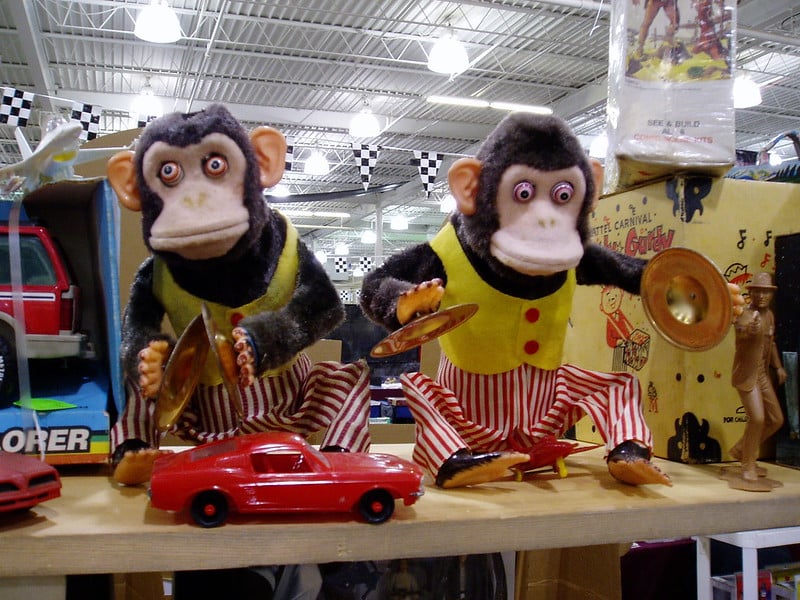
In 2012, a monkey wearing a coat was found wandering through an IKEA in Toronto, instantly becoming an internet sensation. The #IkeaMonkey hashtag trended worldwide, complete with photoshopped images and its own Twitter account. Because nothing captures the internet’s attention quite like unexpected wildlife in Swedish furniture stores.
The Blue Bag Revolution

Those indestructible blue IKEA bags have achieved cult status beyond furniture shopping. Made from industrial-strength material, they’ve been repurposed for everything from laundry to moving house to – according to some dark internet humor – storing things that definitely aren’t furniture.
The bags have become so iconic they’re practically their own Swedish export, proving that sometimes the best products are the ones you get for free.
More Than Just Furniture

IKEA’s influence extends far beyond flat-pack furniture into pop culture, design trends, and modern life itself. From relationship-testing assembly projects to becoming a verb (“to IKEA something”), the brand has embedded itself in our collective consciousness. Whether you love the treasure hunt through those blue-and-yellow warehouses or dread deciphering those wordless instruction manuals, IKEA’s quirky journey from rural Swedish mail-order business to global phenomenon proves that sometimes the most revolutionary ideas come from the simplest problems – like trying to fit a table into a small car.
More from Go2Tutors!

- 16 Historical Figures Who Were Nothing Like You Think
- 12 Things Sold in the 80s That Are Now Illegal
- 15 VHS Tapes That Could Be Worth Thousands
- 17 Historical “What Ifs” That Would Have Changed Everything
- 18 TV Shows That Vanished Without a Finale
Like Go2Tutors’s content? Follow us on MSN.



